
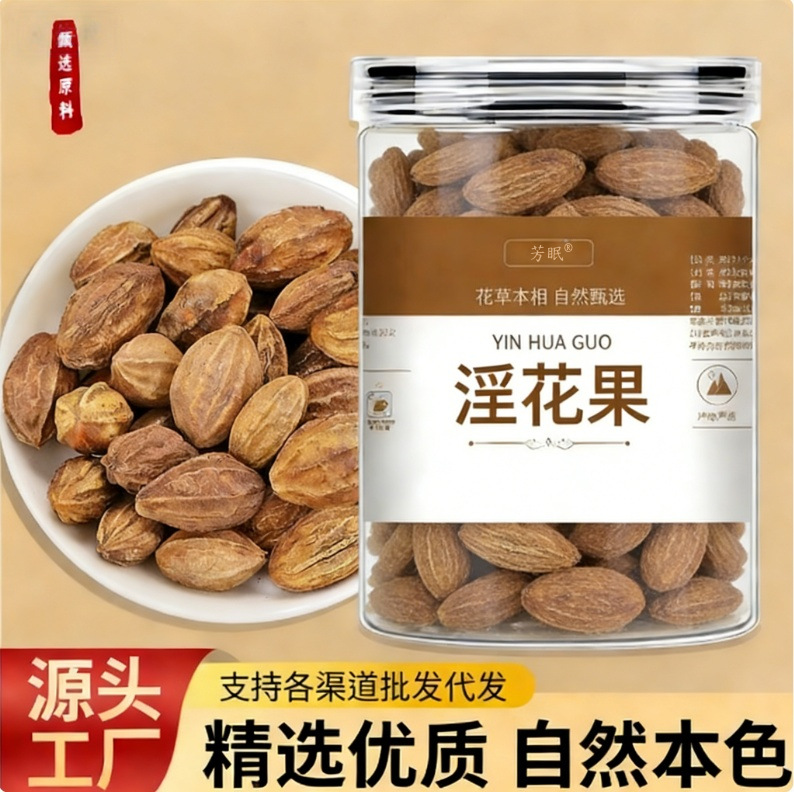
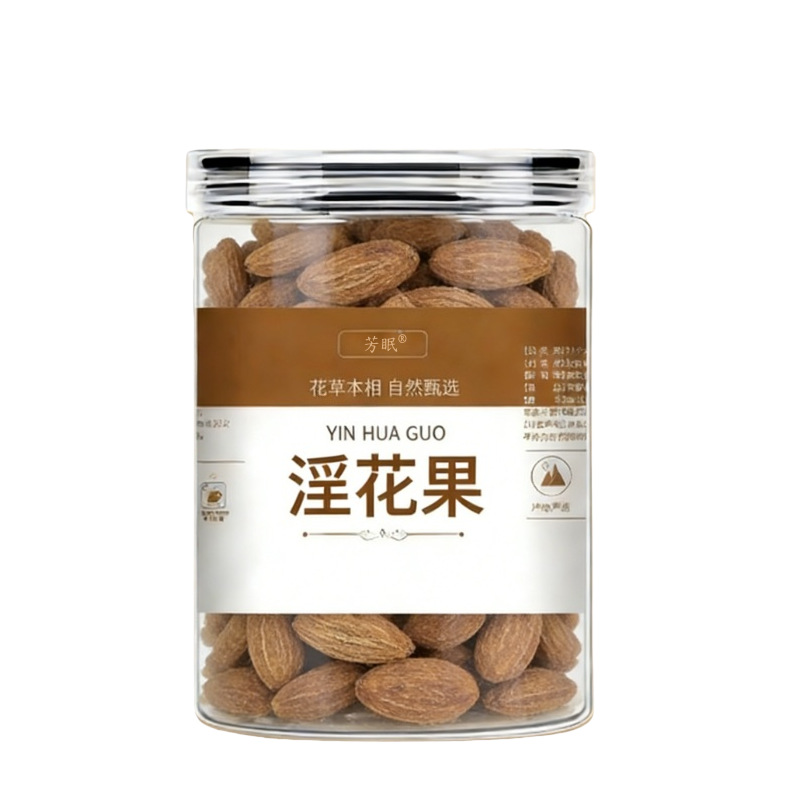
Yinhua Fruit He Zi Dried Chebula Fruit 100g Bottle Traditional Chinese Herb for Decoction and Tea
$5.26
113523 in stock
Description
Yinhua Fruit, known in TCM as He Zi (诃子), is the dried fruit of Terminalia chebula, supplied as whole dried botanical pieces in a 100g bottle. Traditionally valued in Chinese herbal practice, this astringent fruit is associated with lung and large intestine channels in TCM theory. Suitable for decoction, tea, and culinary herbal preparations; not a substitute for medicine.

Key Selling Points
- Dried He Zi fruit pieces in a convenient 100g bottle
- Botanical source Terminalia chebula, a classic TCM astringent fruit
- Sun-dried and air-dried processing preserves natural character
- Traditionally associated with lung and large intestine channels in TCM theory
- Versatile for decoctions, herbal teas, and culinary use

Quality & Sensory
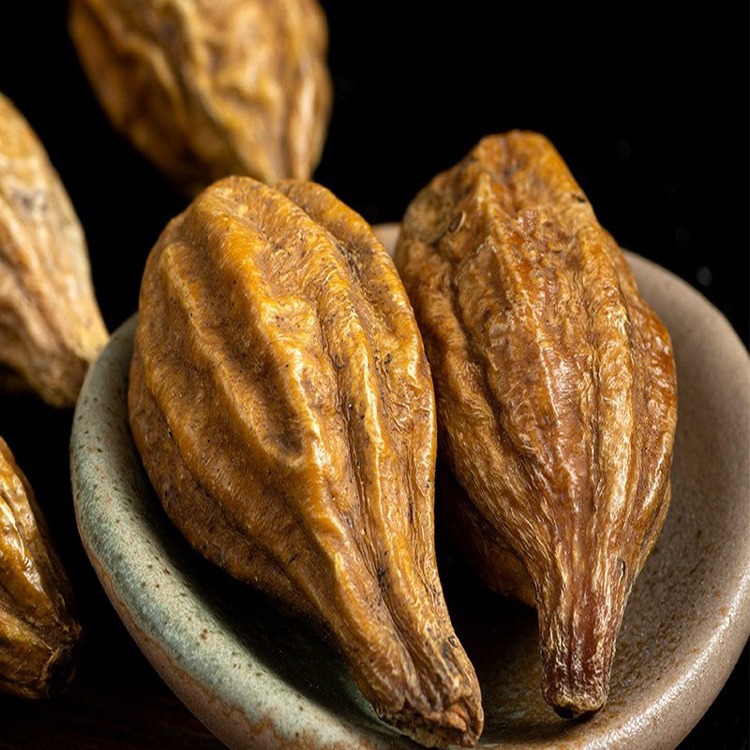
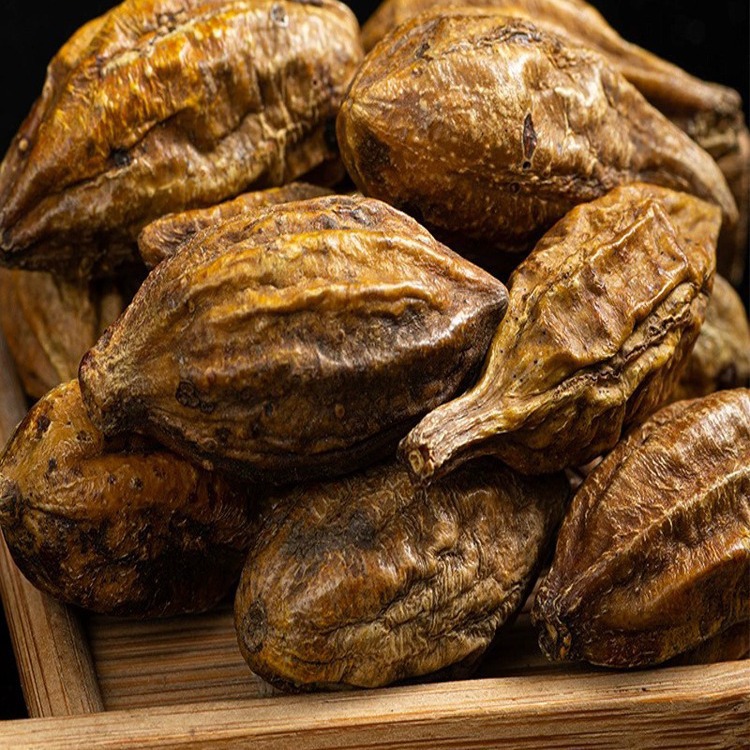
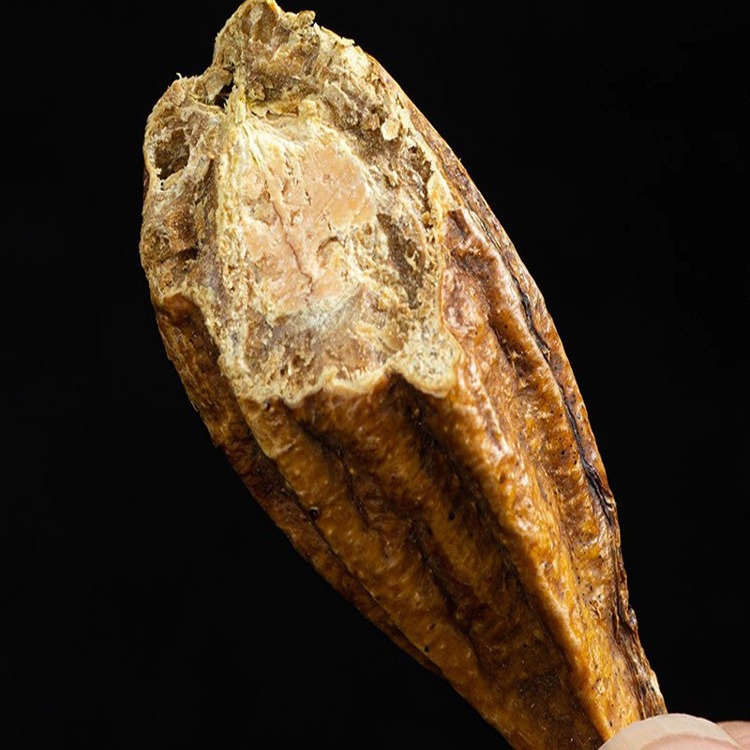
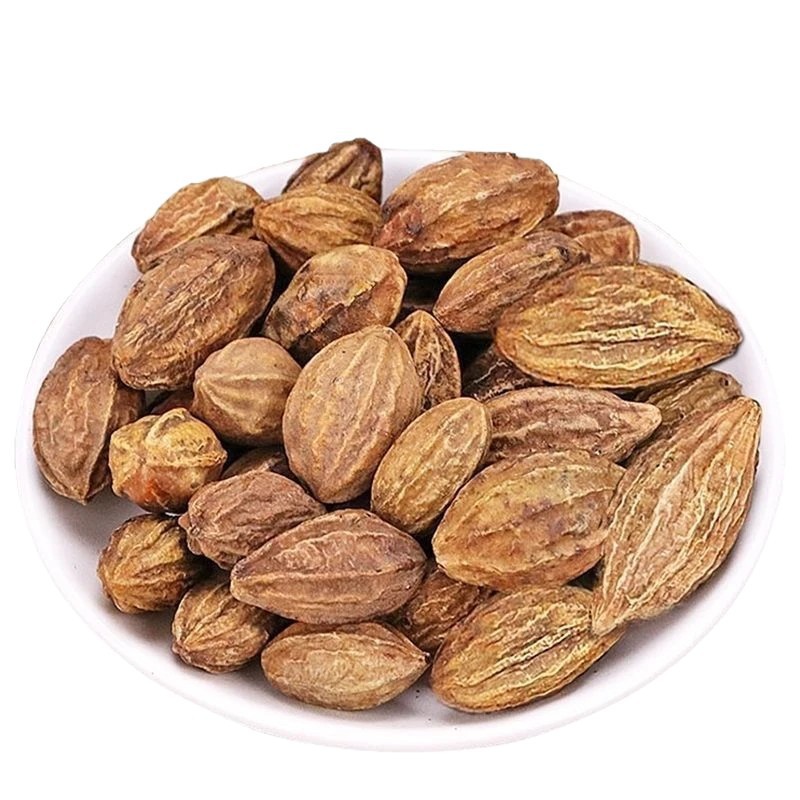
Typically the dried fruit pieces are yellowish-brown to dark brown with a firm, ridged texture and five faint longitudinal ridges. The aroma is mildly astringent and earthy, and decocted liquid typically carries a dry, tannic, slightly bitter taste.

Technical Specifications
| Product Type | Dried Chinese herbal fruit |
|---|---|
| Chinese Name | 诃子 |
| Pinyin | He Zi |
| Botanical Name | Terminalia chebula |
| Plant Part | Fruit |
| Net Weight | 100g |

Usage Scenarios
- Simmer in herbal decoctions following traditional formulas
- Steep as a mild astringent herbal tea
- Add to congee or culinary herbal preparations
- Use in seasonal herbal soup blends

Traditional Uses
In TCM theory, He Zi is traditionally used to support astringent functions and is often included in decoctions and powders alongside herbs such as dried ginger or licorice root. It has long been prepared by simmering the dried fruit in water, and folk practice also uses it in daily herbal teas, particularly in autumn and winter.
FAQ Q&A
Q: What is this product?
A: It is dried He Zi fruit, the fruit of Terminalia chebula, a traditional Chinese herbal ingredient supplied in a 100g bottle.
Q: What is its traditional value?
A: In TCM theory it is traditionally associated with astringent properties and the lung and large intestine channels.
Q: How is it commonly prepared?
A: It is typically simmered in decoctions or steeped in hot water as an herbal tea, and can also be added to congee.
Additional information
| Weight | 0.39 kg |
|---|---|
| Dimensions | 19 × 10 × 12 cm |
Related products
-
Deer Antler Slices Lu Rong 鹿茸片 Dried Slices for Wine Infusion and Soup 100g Wax Slices Pack
Price range: $68.29 through $92.59 -
Astragalus Root Slices Huang Qi 500g Dried Herb for Soups and Teas
Price range: $7.36 through $22.11 -
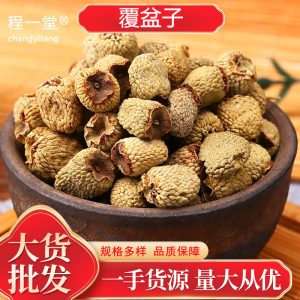
Dried Raspberry Fruit Fu Pen Zi 500g Whole Berries for Herbal Tea and Wine Infusion
Price range: $14.00 through $16.44 -
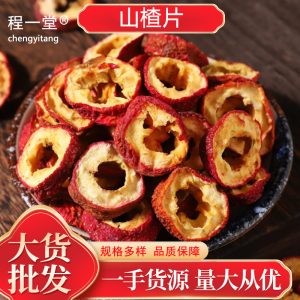
Dried Hawthorn Slices Shan Zha 500g Seedless Hollow Rings Freeze Dried Hawthorn for Tea and Culinary Use
Price range: $4.44 through $7.04
Reviews
There are no reviews yet.