
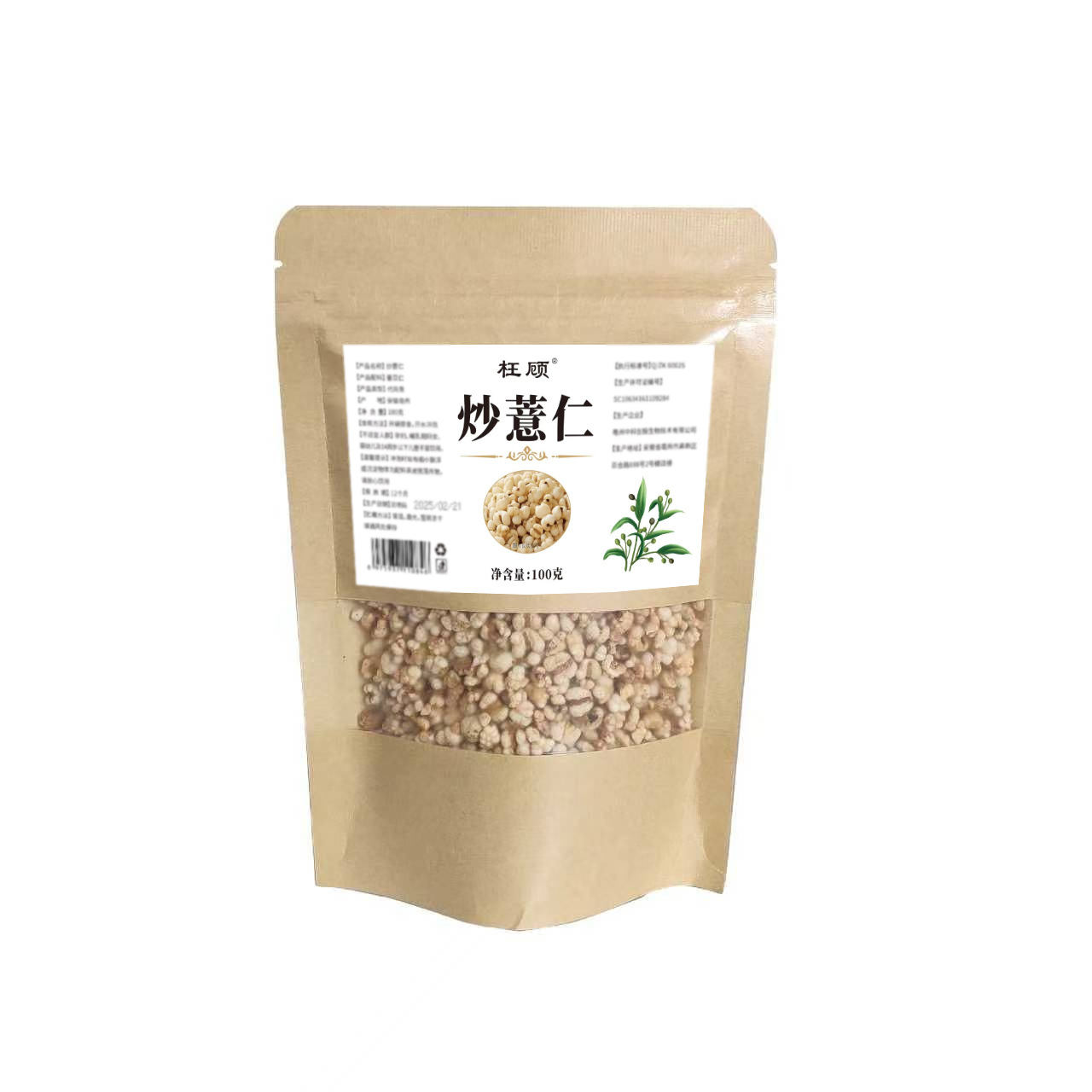
Roasted Coix Seed Yi Mi Ren 100g Dried Job’s Tears for Herbal Tea and Soup
$5.03
999999671 in stock
Description
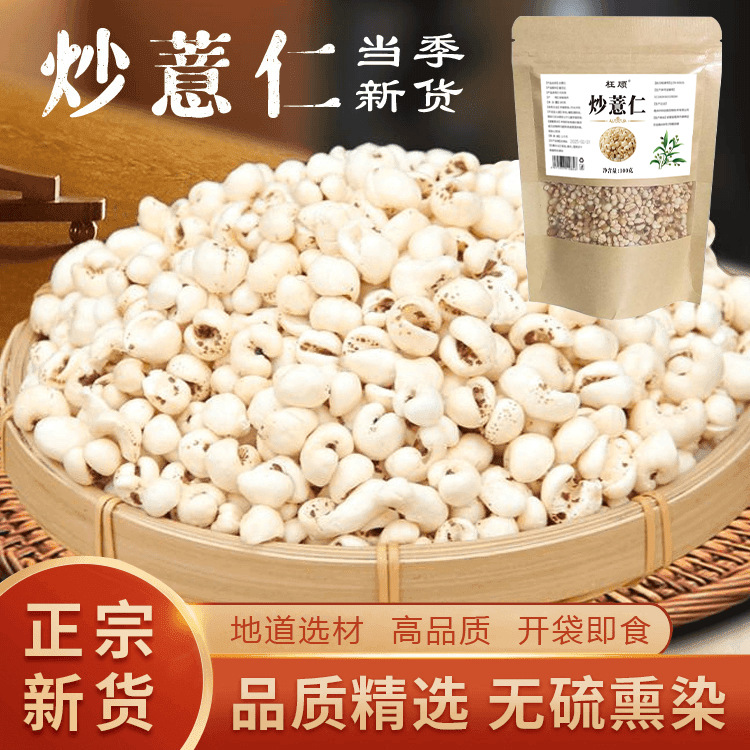
Roasted Coix Seed, known in TCM as Yi Mi Ren (薏米仁), from Coix lacryma-jobi. This dried, low-temperature baked grain is traditionally used in Chinese herbal cooking. In TCM theory it is considered sweet and bland, entering the Spleen and Stomach channels. It is commonly prepared as a daily tea, added to soups, or cooked into congee for gentle traditional wellness support.
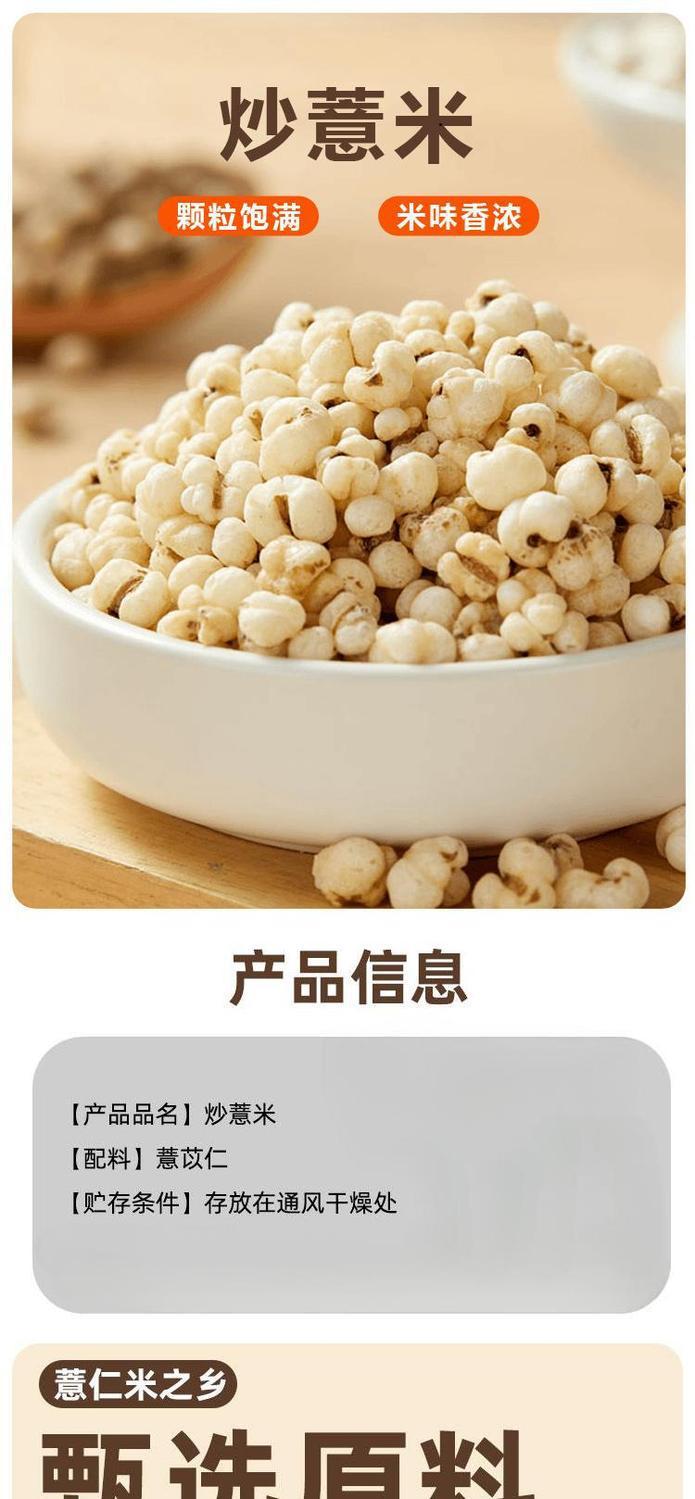
Key Selling Points
- Identified as Coix lacryma-jobi, the classic Job's Tears grain
- Low-temperature roasted for a warm, nutty character
- Dried and naturally sun-cured for stable storage
- Traditional TCM ingredient for teas, soups, and congee
- Pre-packaged 100g net weight from Bozhou, Anhui
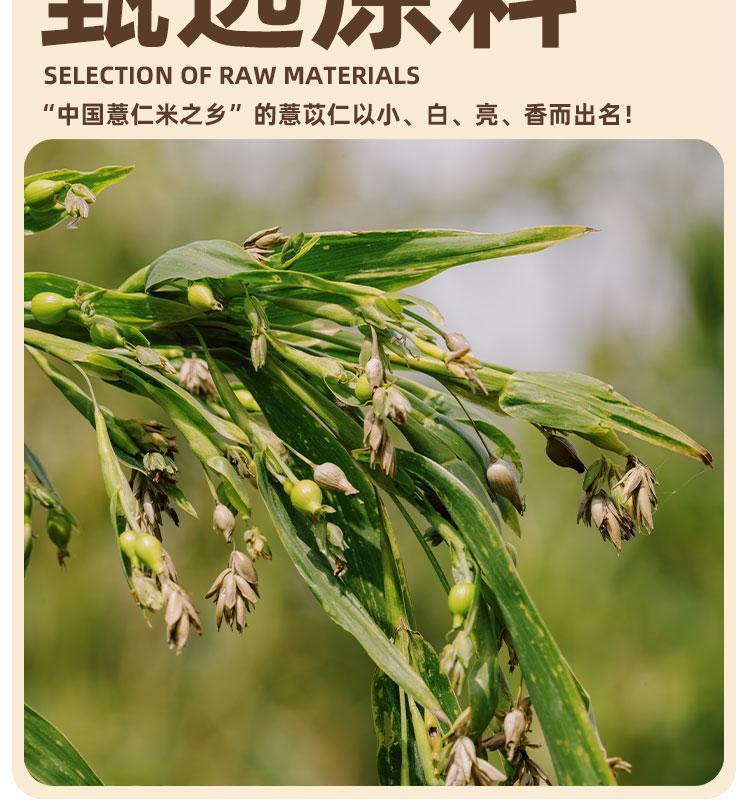
Quality & Sensory
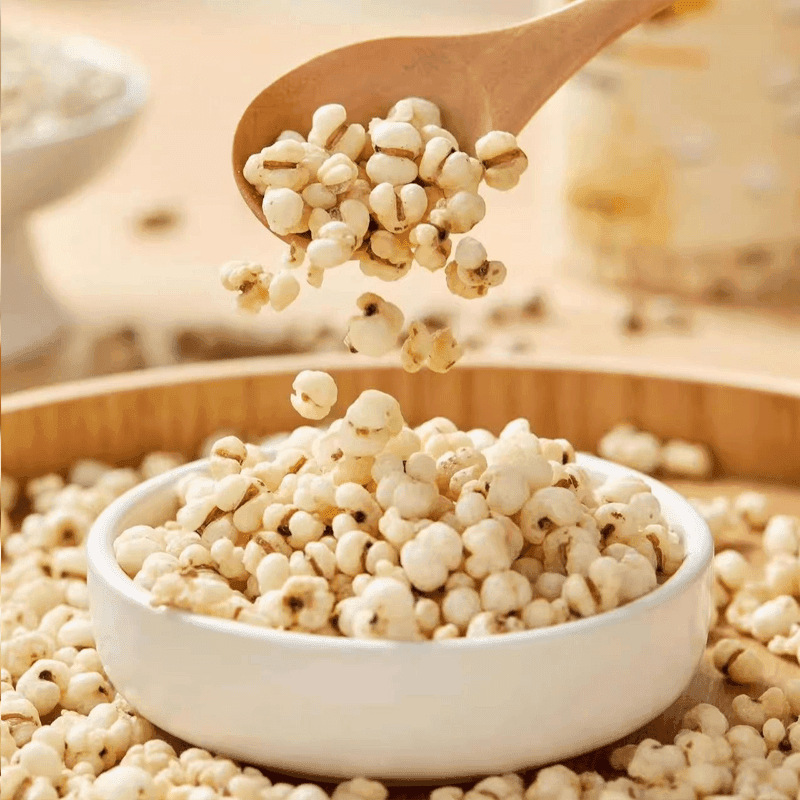
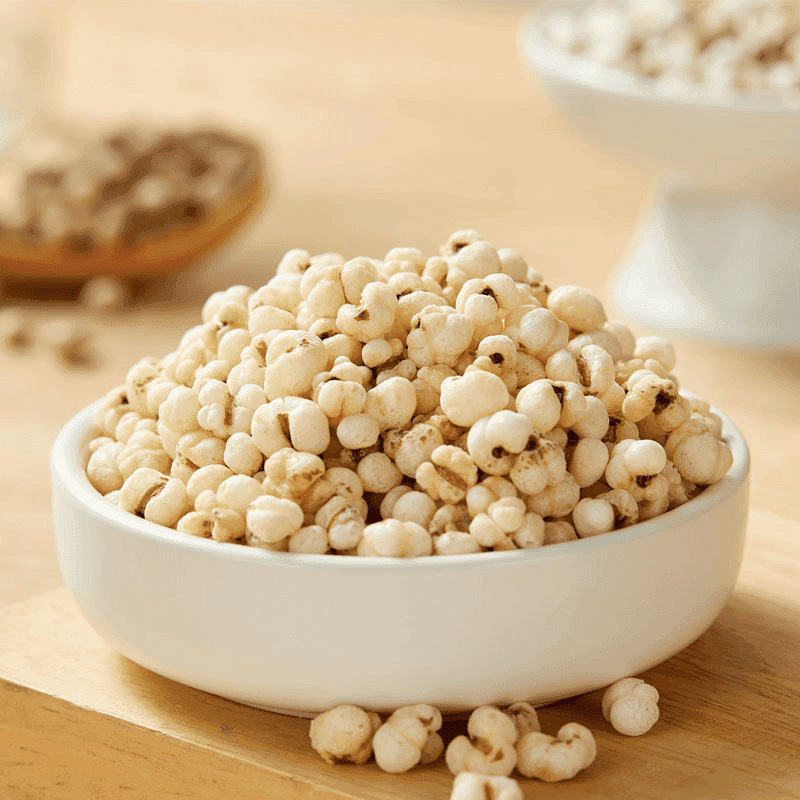
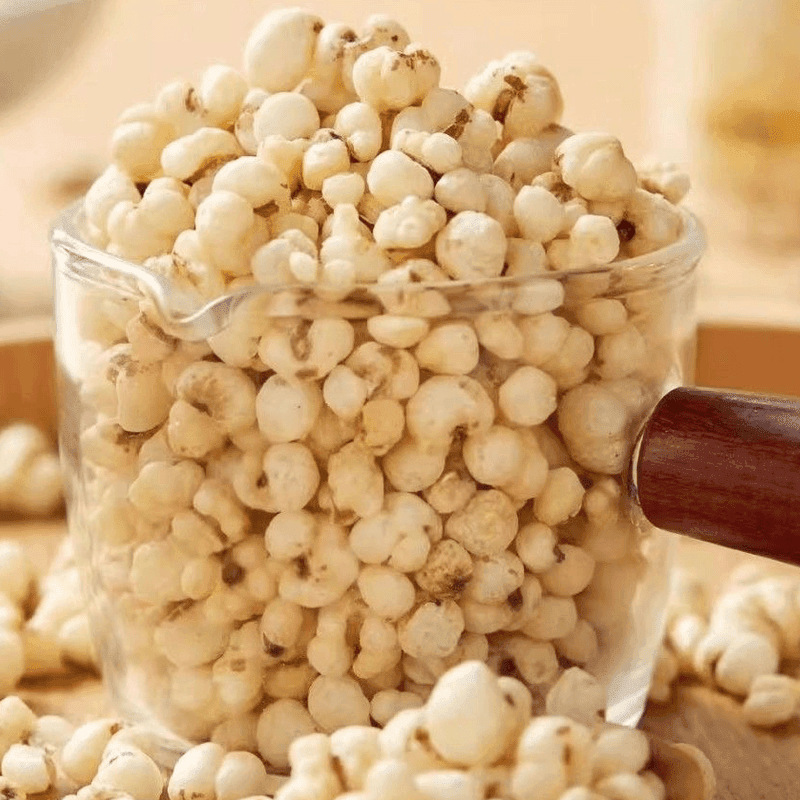
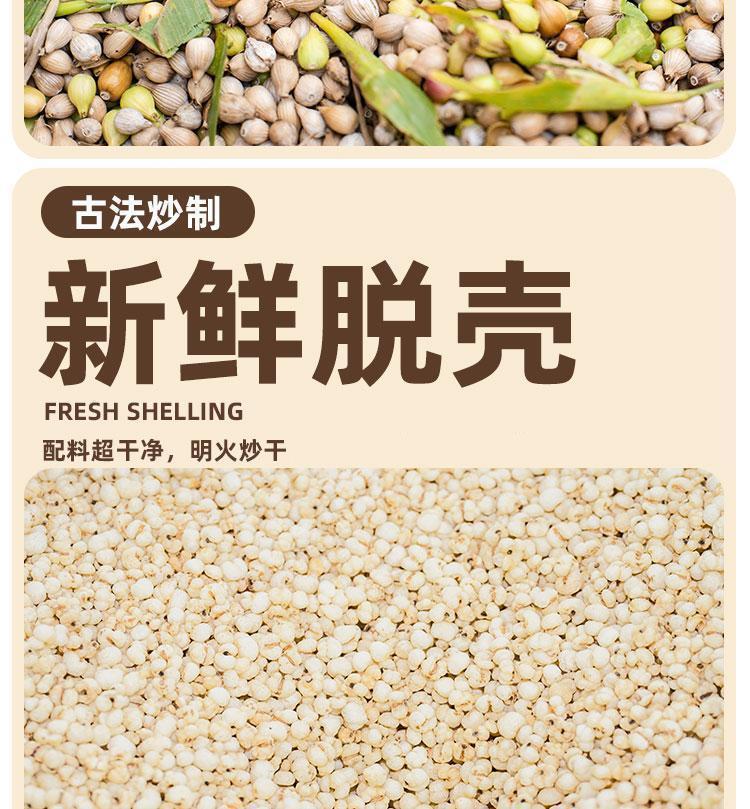
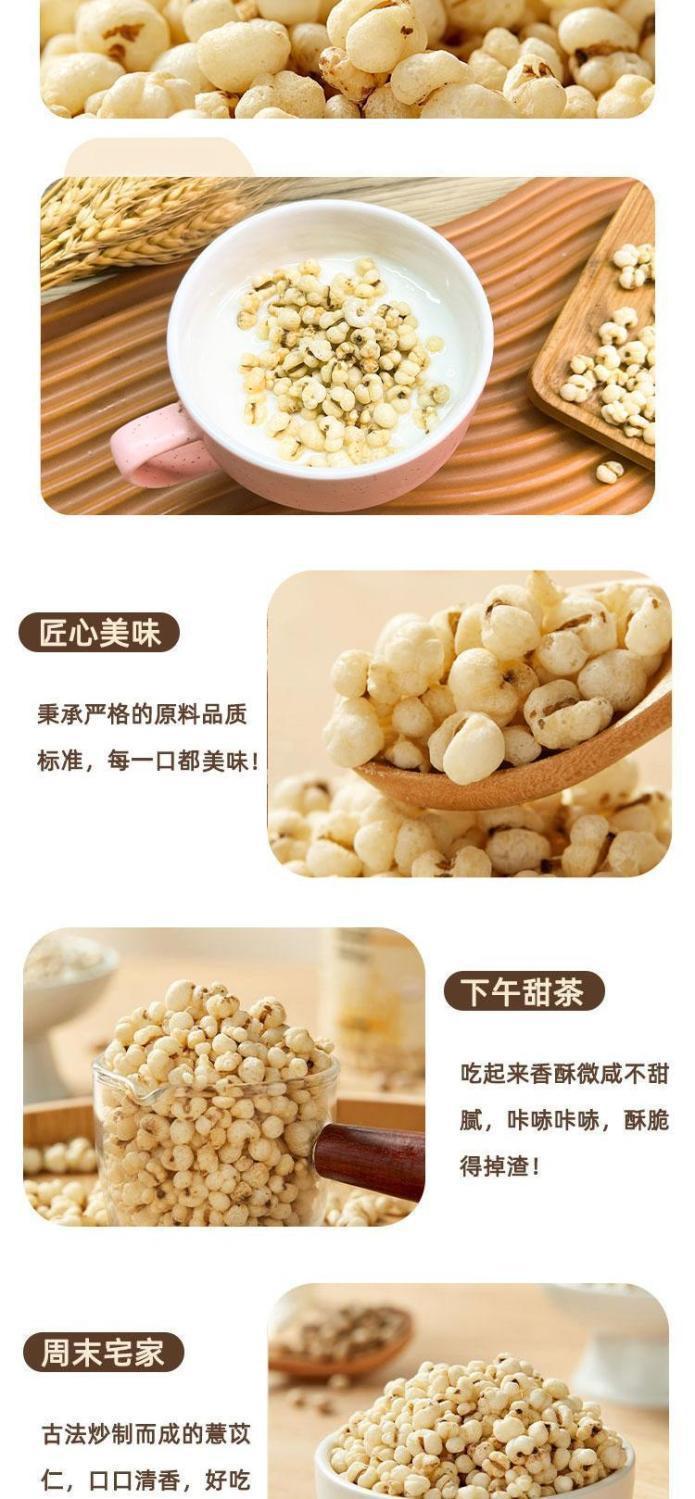
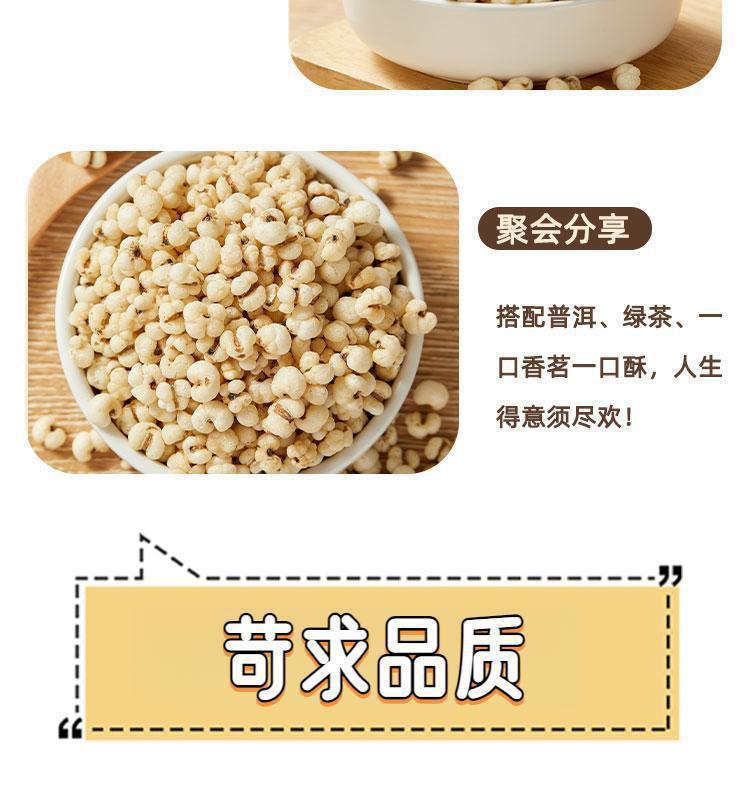
The roasted grains are typically pale golden to light brown with a dry, firm texture. They have a mild toasted, nutty aroma. When brewed or simmered, the liquid is light and slightly sweet with a soft grain flavor. Texture softens when cooked in soups or congee.
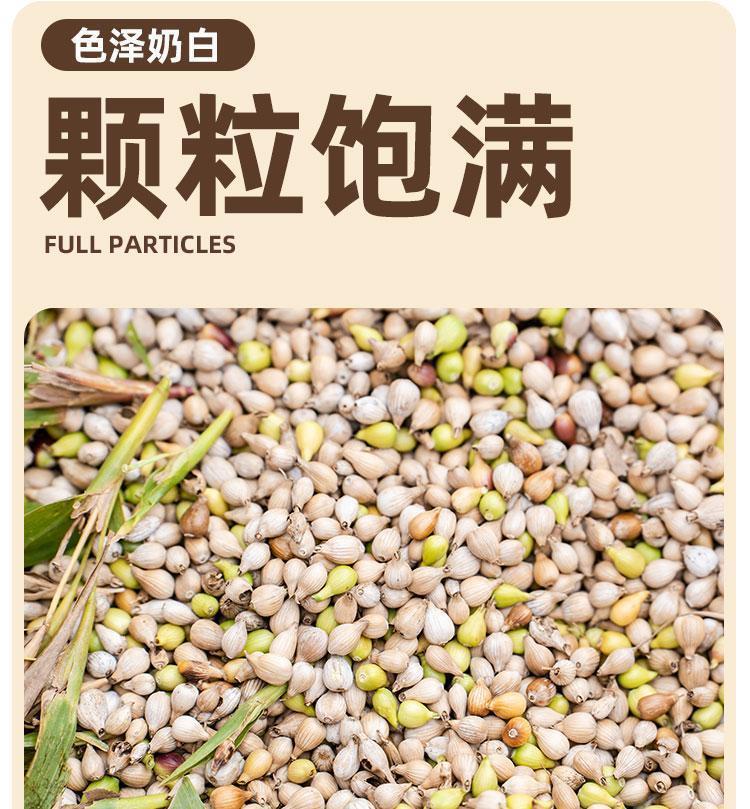
Technical Specifications
| Product Type | Roasted dried grain |
|---|---|
| Chinese Name | 炒薏米仁 |
| Pinyin | Chao Yi Mi Ren |
| Botanical Name | Coix lacryma-jobi |
| Plant Part | Seed |
| Net Weight | 100g |
Usage Scenarios
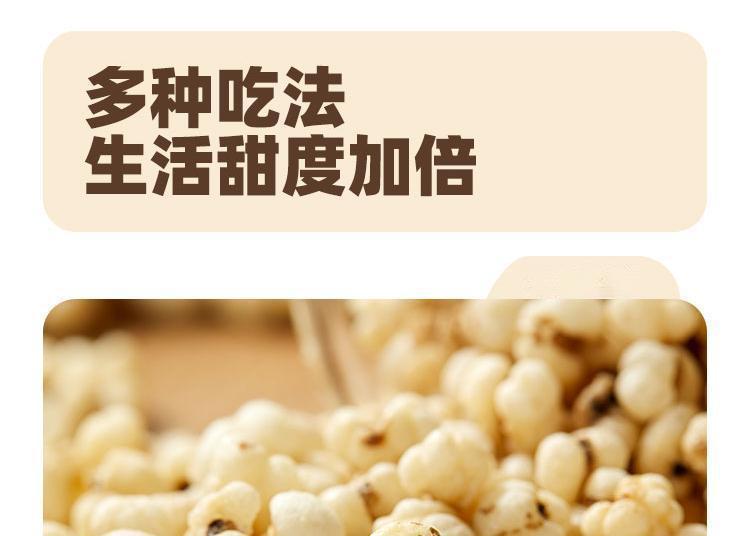
- Brewed as a daily herbal tea
- Simmered in soups
- Cooked into congee
- Used in seasonal grain dishes
Traditional Uses
In TCM and folk practice, roasted Coix seed is traditionally used in decoctions, soups, and congee. It is often paired with red beans, lotus seeds, or Chinese yam. The roasting step is traditionally believed to soften its cooling nature and make it more suitable for regular dietary use, especially in damp or humid seasons.
FAQ Q&A
Q: What is this product?
A: It is roasted Coix lacryma-jobi seed, known in TCM as Yi Mi Ren (薏米仁), sold as a dried 100g pack.
Q: What is its traditional value?
A: In TCM theory it is considered sweet and bland and is traditionally associated with the Spleen and Stomach channels for gentle damp-clearing dietary support.
Q: How is it commonly used?
A: It is typically brewed as a tea, simmered in soups, or cooked into congee. Roasting gives it a warmer, nuttier flavor.
Additional information
| Weight | 0.26 kg |
|---|---|
| Dimensions | 18 × 12 × 6 cm |
Related products
-
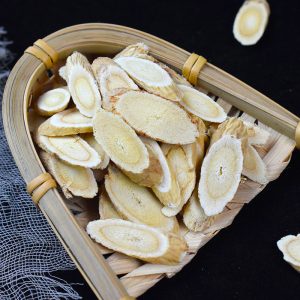
Astragalus Root Slices Huang Qi 500g Dried Herb for Soups and Teas
Price range: $7.36 through $22.11 -
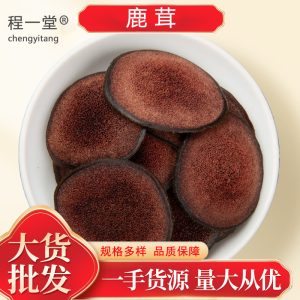
Deer Antler Slices Lu Rong 鹿茸片 Dried Slices for Wine Infusion and Soup 100g Wax Slices Pack
Price range: $68.29 through $92.59 -
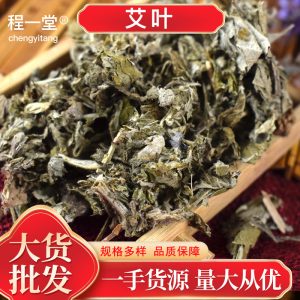
Dried Mugwort Leaf Ai Ye 500g Chinese Herbal Bath Foot Soak and Smoke Cleansing Herb
Price range: $4.77 through $5.25 -
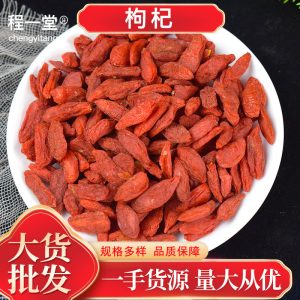
Ningxia Goji Berries Gou Qi Zi 500g Dried Red Wolfberry for Tea Soup and Snacking
Price range: $7.20 through $16.44
Reviews
There are no reviews yet.