
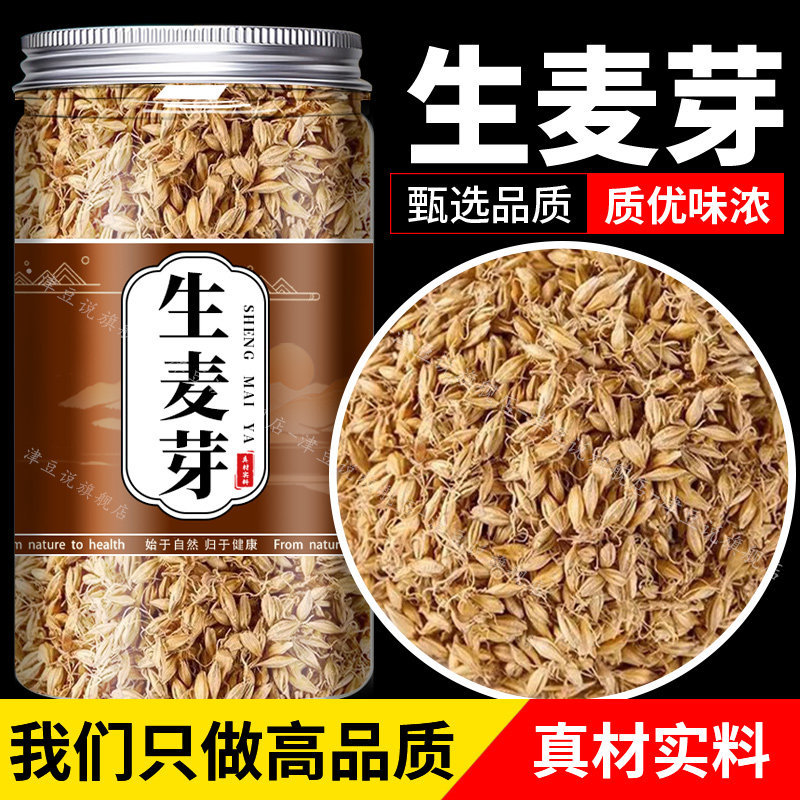
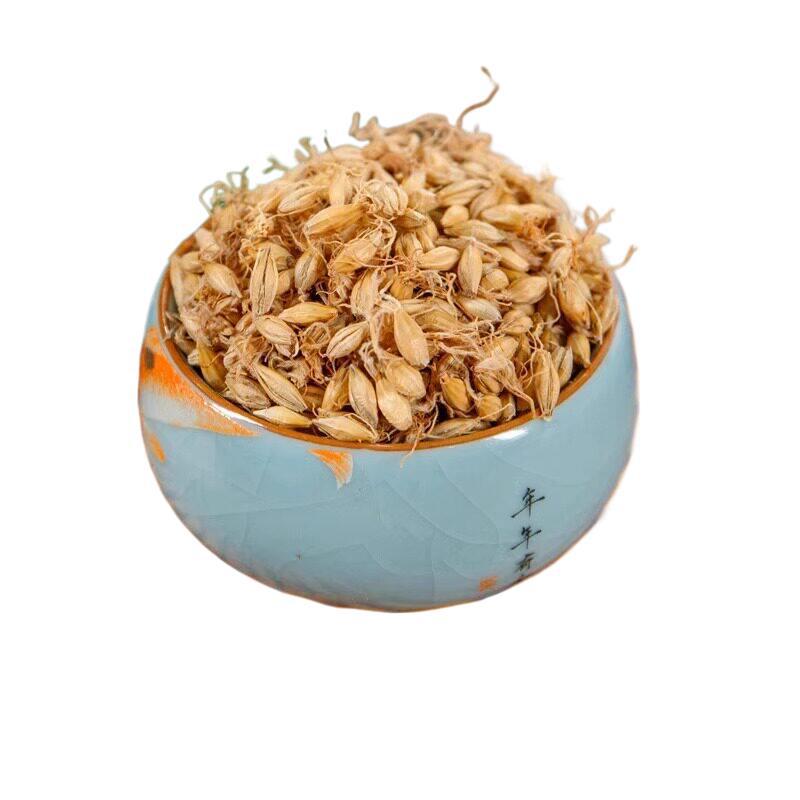
Raw Mai Ya Dried Barley Sprout Grain for Herbal Decoction and Tea 500g
Price range: $5.49 through $5.96
Description
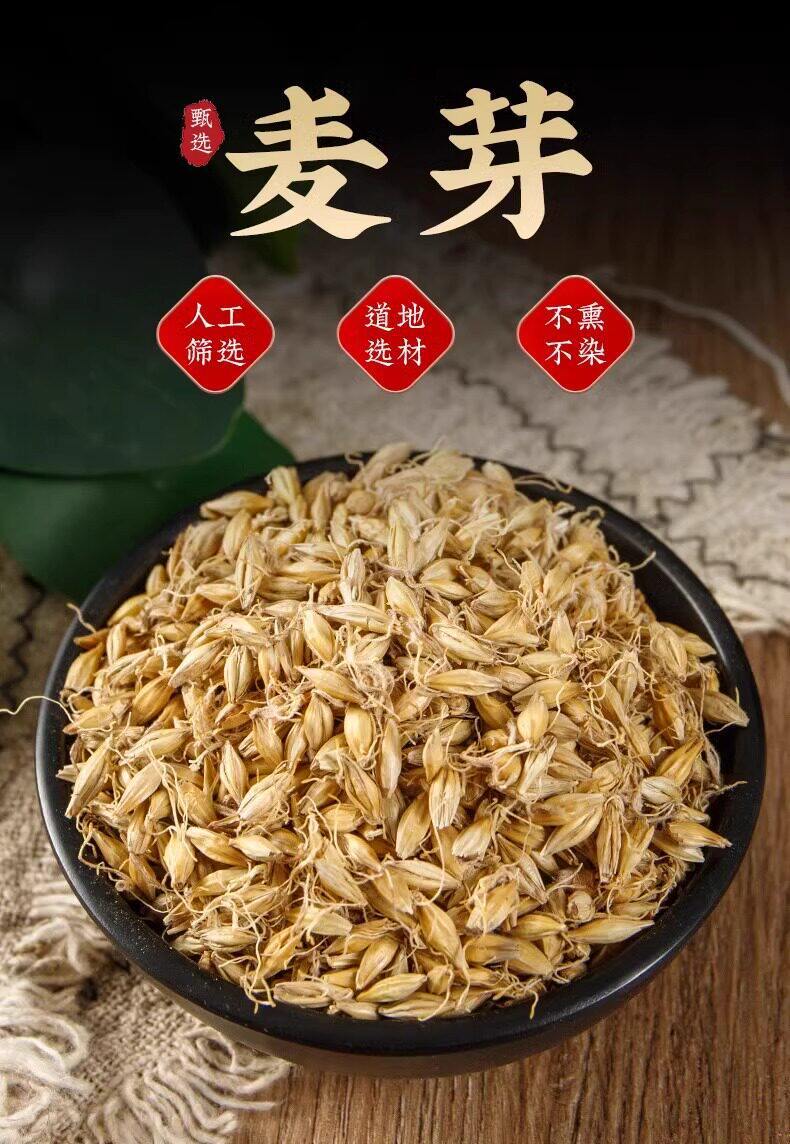
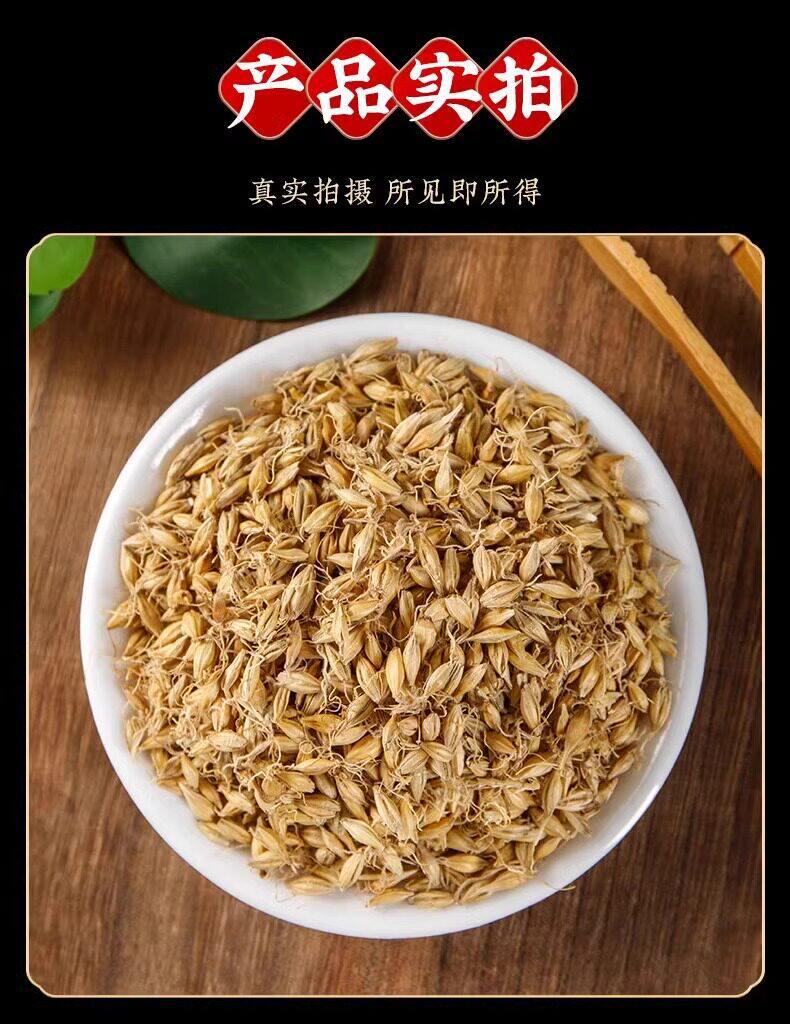
Raw Mai Ya (麦芽), Hordeum vulgare germinated barley grain, is a dried sprout used in Traditional Chinese Medicine. In TCM theory it is sweet and neutral, entering the Spleen and Stomach channels. Traditionally associated with supporting digestion and soothing occasional fullness after meals. Commonly decocted alone or with other herbs for daily herbal tea and soup preparation.
Key Selling Points
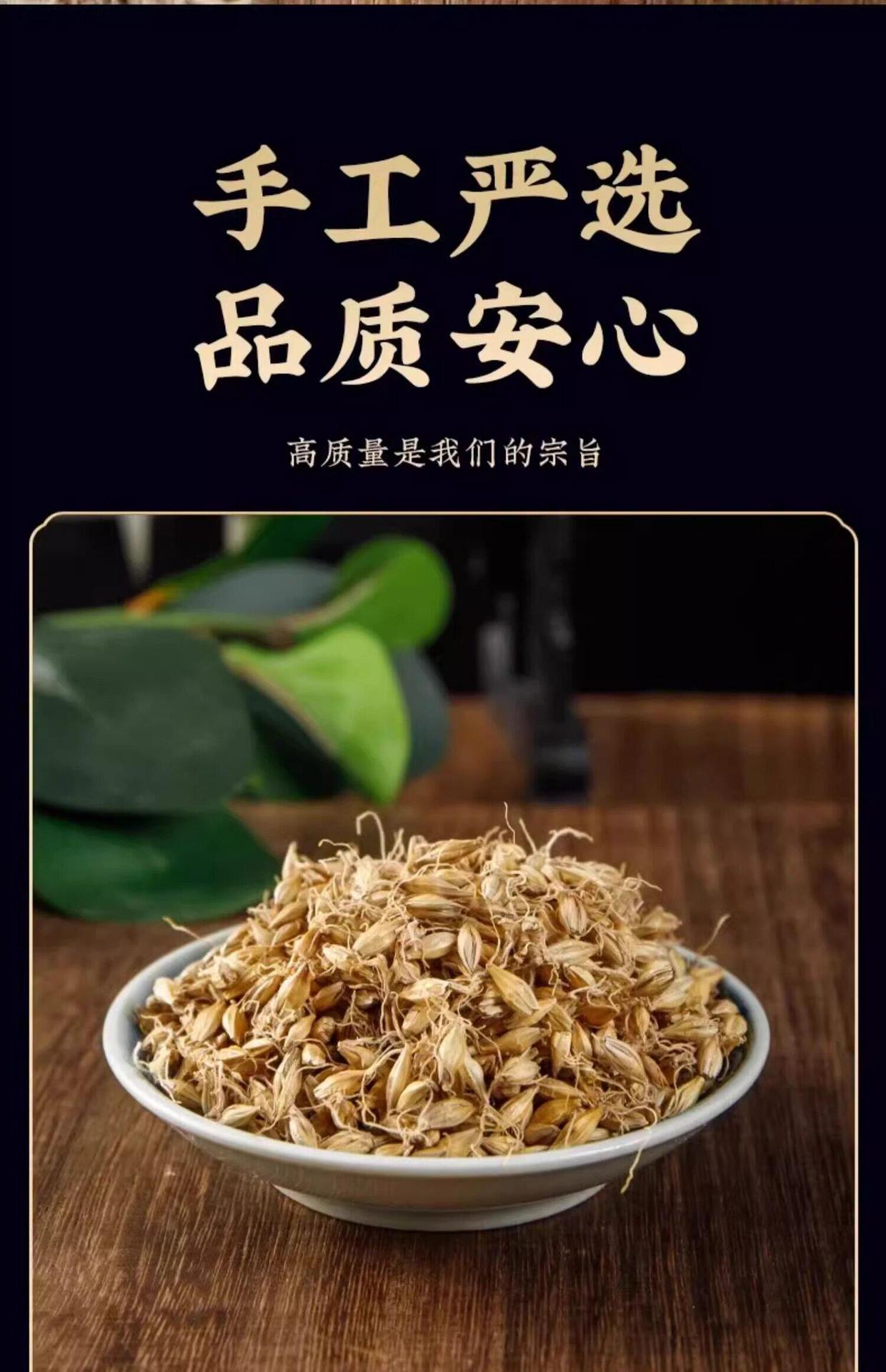
- Identified as Mai Ya (麦芽), the germinated grain of Hordeum vulgare
- Dried barley sprout sold as a raw botanical for decoction
- Sweet neutral nature in TCM theory entering Spleen and Stomach
- Traditionally used to support digestion and relieve occasional fullness
- Sun-dried processing with a 12-month shelf life under refrigeration

Quality & Sensory
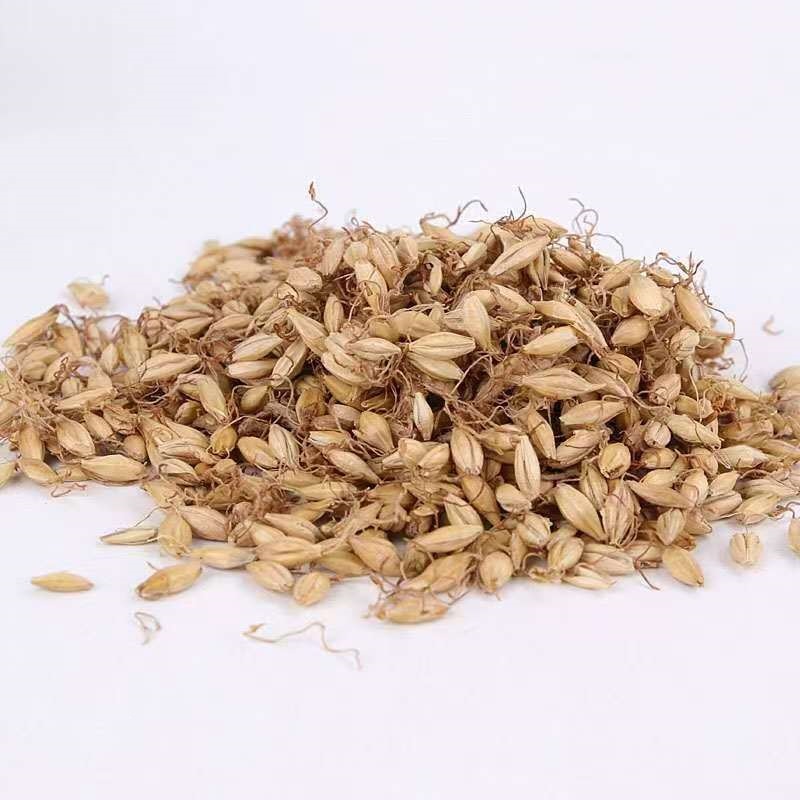
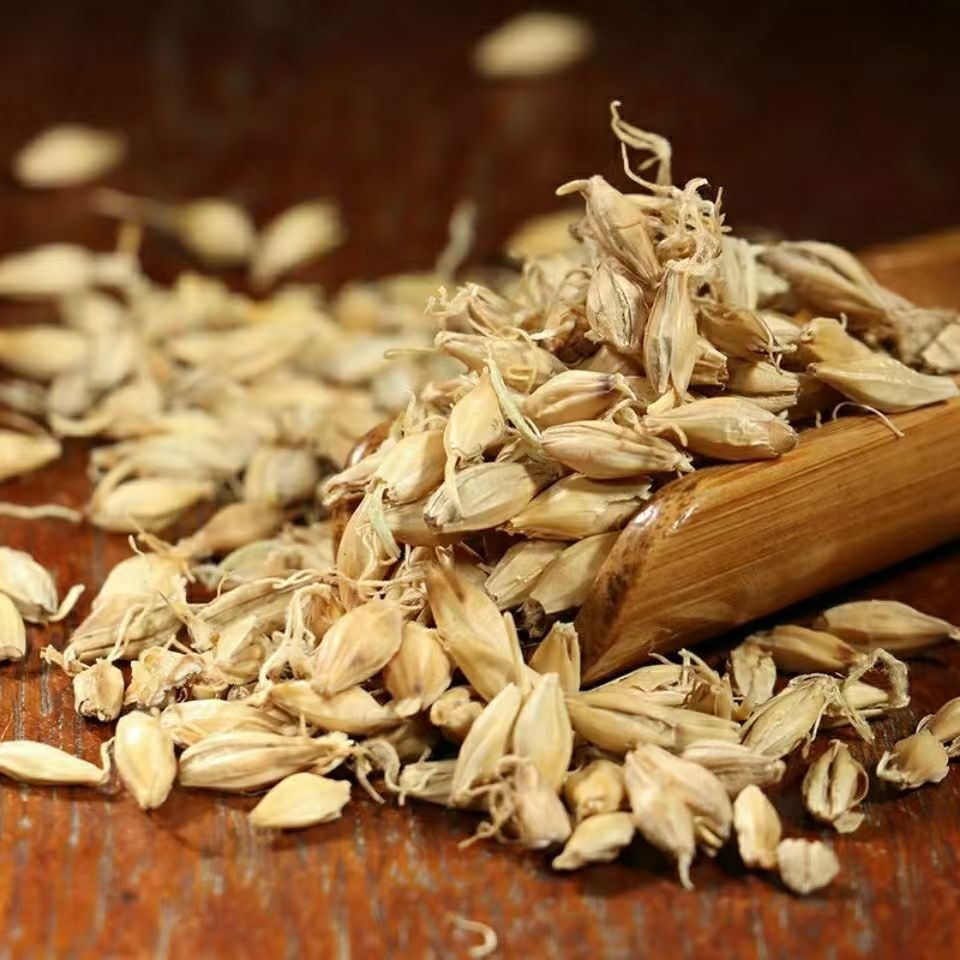
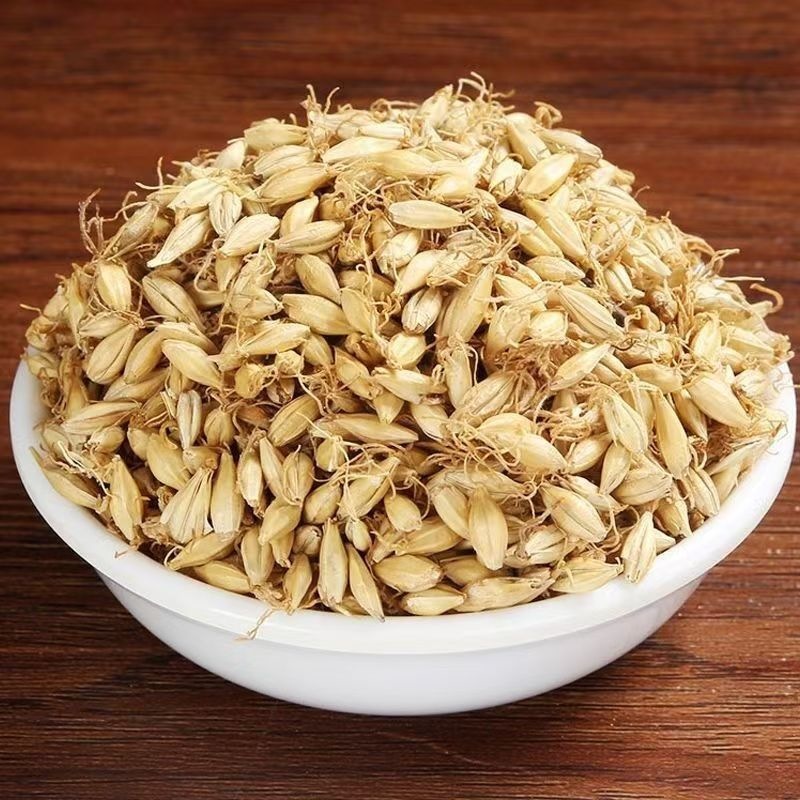
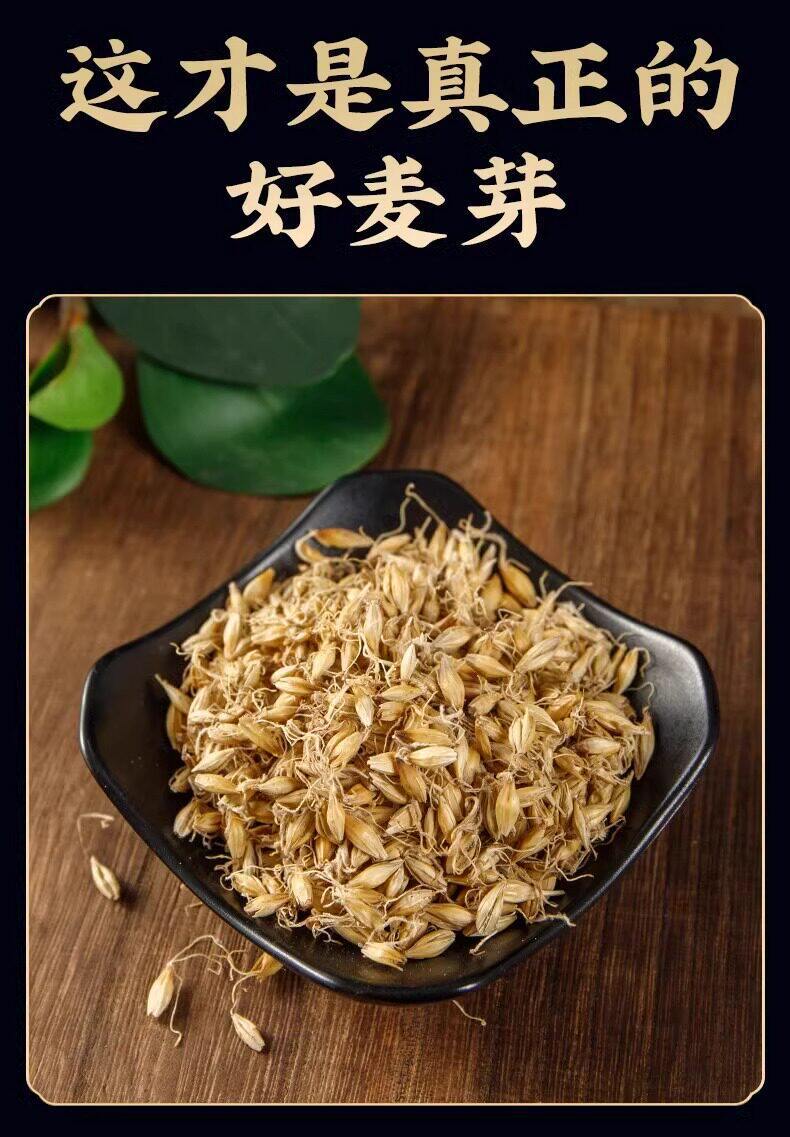
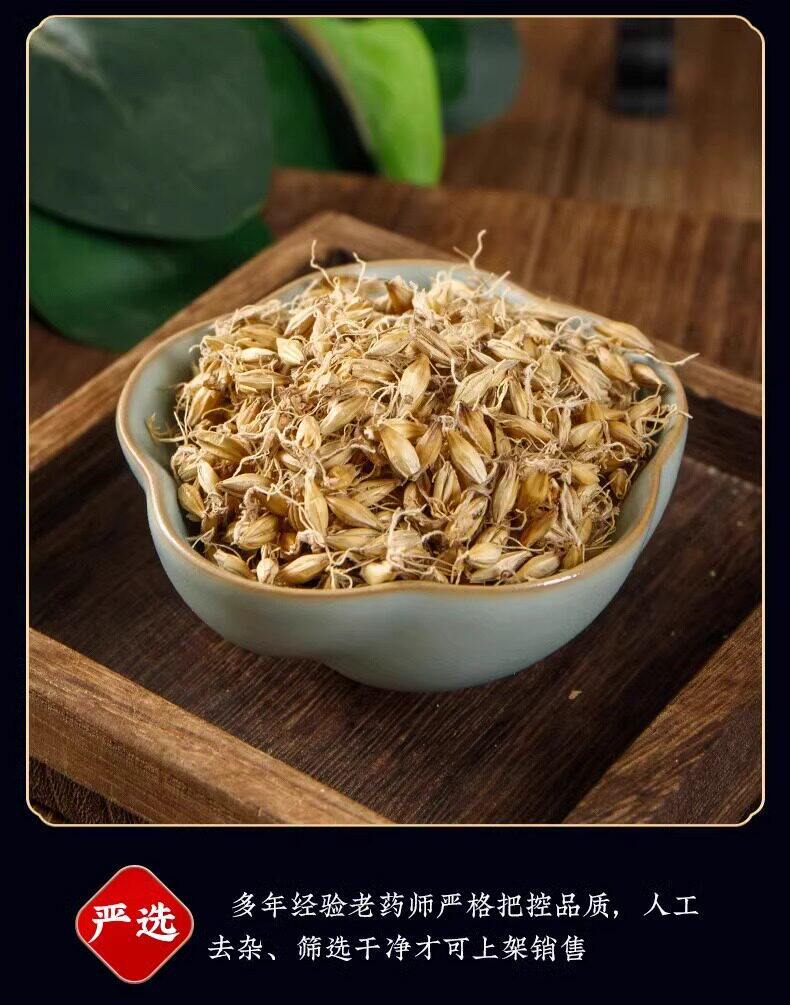
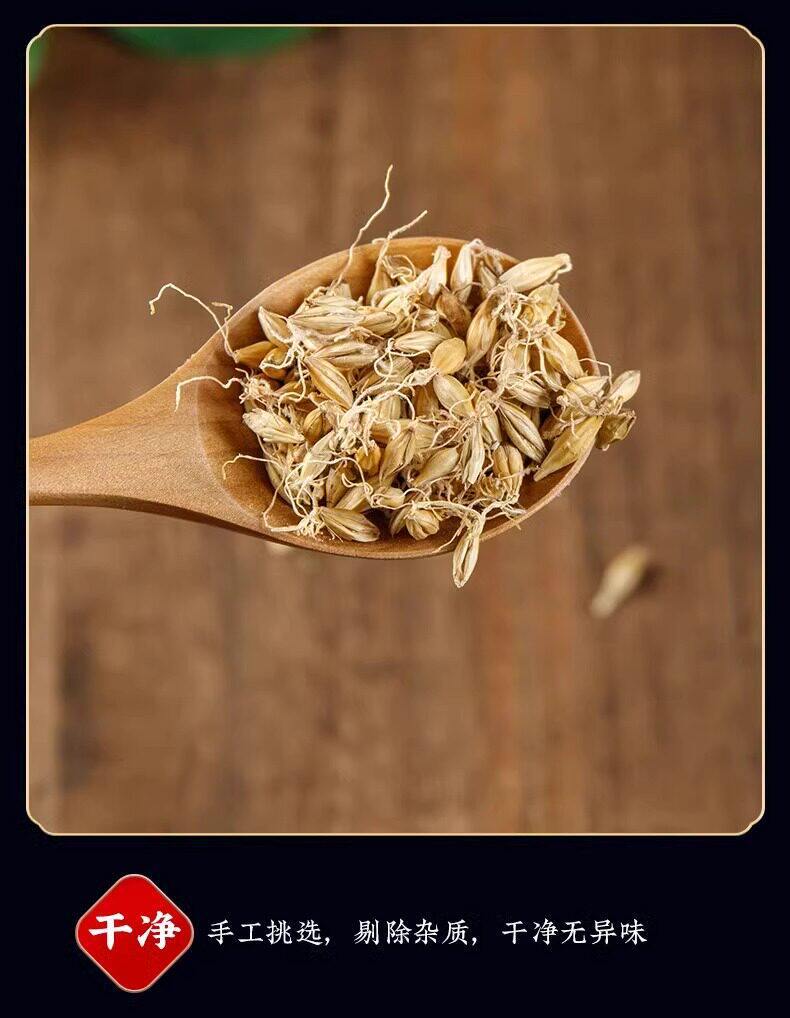
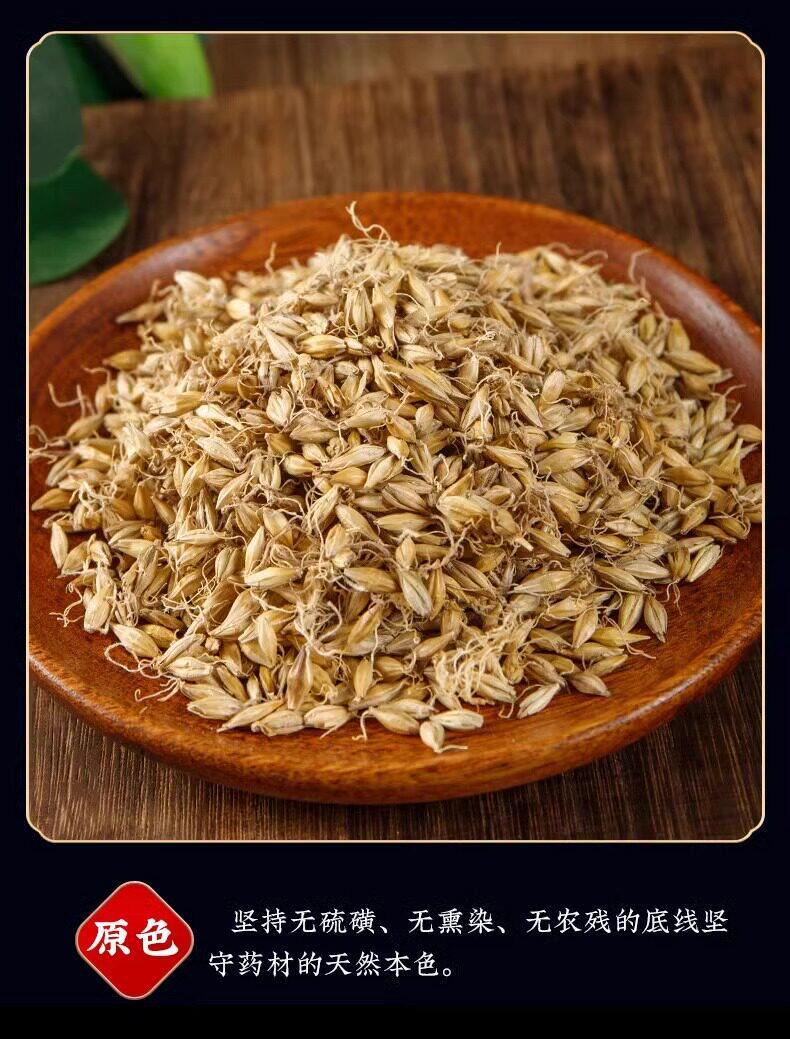
The dried sprouts are typically pale golden to light brown with a firm, slightly fibrous texture and a mild grainy aroma. When decocted or brewed, the liquid is typically light amber with a gentle toasted cereal taste and a soft sweet finish.

Technical Specifications
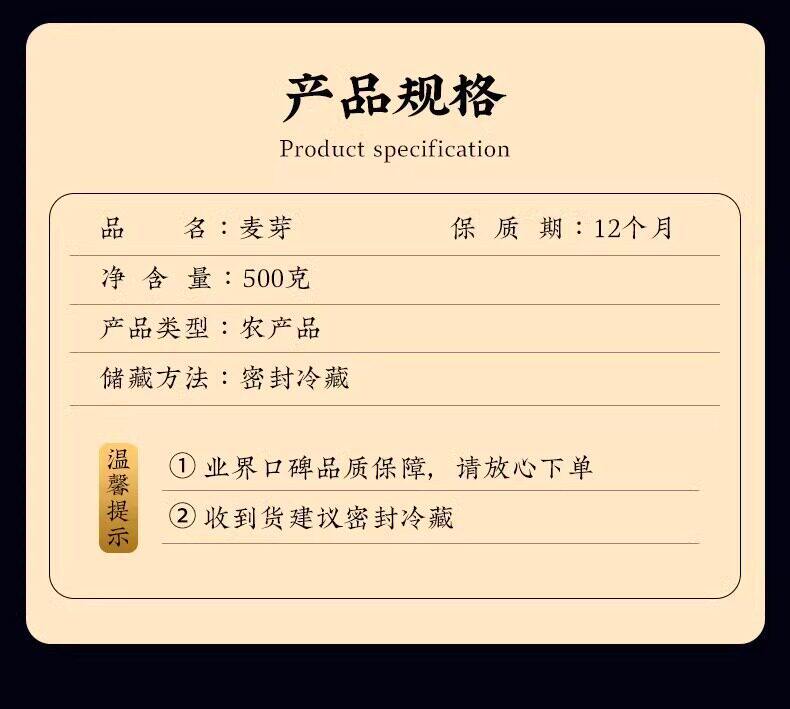
| Product Type | Dried germinated barley grain |
|---|---|
| Chinese Name | 麦芽 |
| Pinyin | Mai Ya |
| Botanical Name | Hordeum vulgare |
| Plant Part | Germinated grain |
| Net Weight | 500g |
Usage Scenarios
- Herbal decoction with other TCM herbs
- Daily barley sprout tea
- Added to soups and congee
- Blended with Shan Zha and Shen Qu for digestive support
Traditional Uses
In TCM practice, Mai Ya is traditionally decocted with herbs such as Shan Zha (山楂) and Shen Qu (神曲) to support digestion after heavy meals. It is also simmered in congee or soup for gentle daily nourishment. Folk preparations often use it as a mild tea during seasonal feasting periods.
FAQ Q&A
Q: What is this product?
A: It is dried germinated barley grain, known in TCM as Mai Ya (麦芽), from Hordeum vulgare.
Q: What is its traditional value?
A: In TCM theory it is sweet and neutral, entering the Spleen and Stomach channels, and is traditionally associated with supporting digestion.
Q: How is it commonly prepared?
A: It is usually decocted with water or simmered in soups and congee, often paired with other digestive herbs.
Additional information
| Weight | N/A |
|---|---|
| Dimensions | N/A |
| Model | 麦芽100克, 麦芽250克, 麦芽500克 |
Related products
-
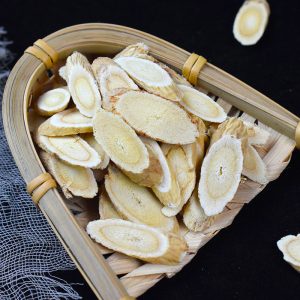
Astragalus Root Slices Huang Qi 500g Dried Herb for Soups and Teas
Price range: $7.36 through $22.11 -
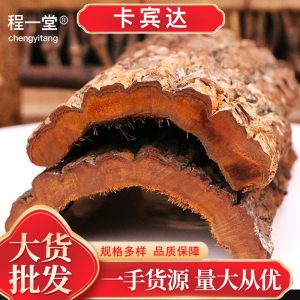
Cabinda Bark Dried Herb 500g Traditional Herbal Infusion Ingredient
Price range: $12.38 through $37.50 -
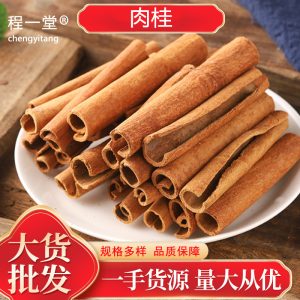
Dried Cinnamon Bark Rou Gui 500g Whole Peeling Culinary Spice and Traditional Herbal Ingredient
Price range: $5.58 through $8.33 -
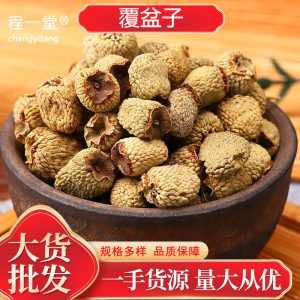
Dried Raspberry Fruit Fu Pen Zi Whole Berries for Herbal Tea and Wine Infusion 500g
Price range: $15.63 through $18.06
Reviews
There are no reviews yet.