
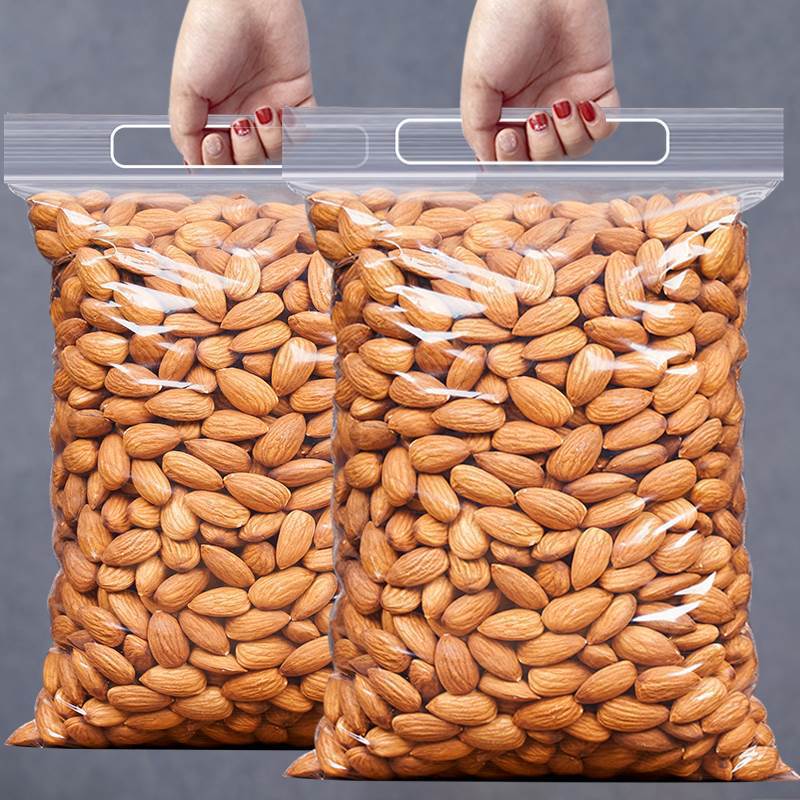
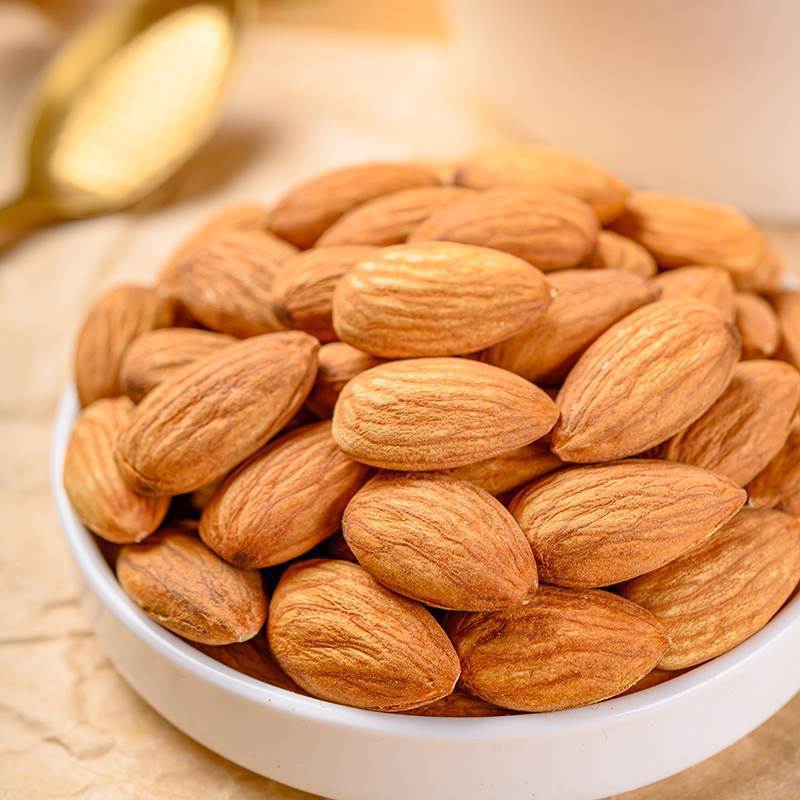
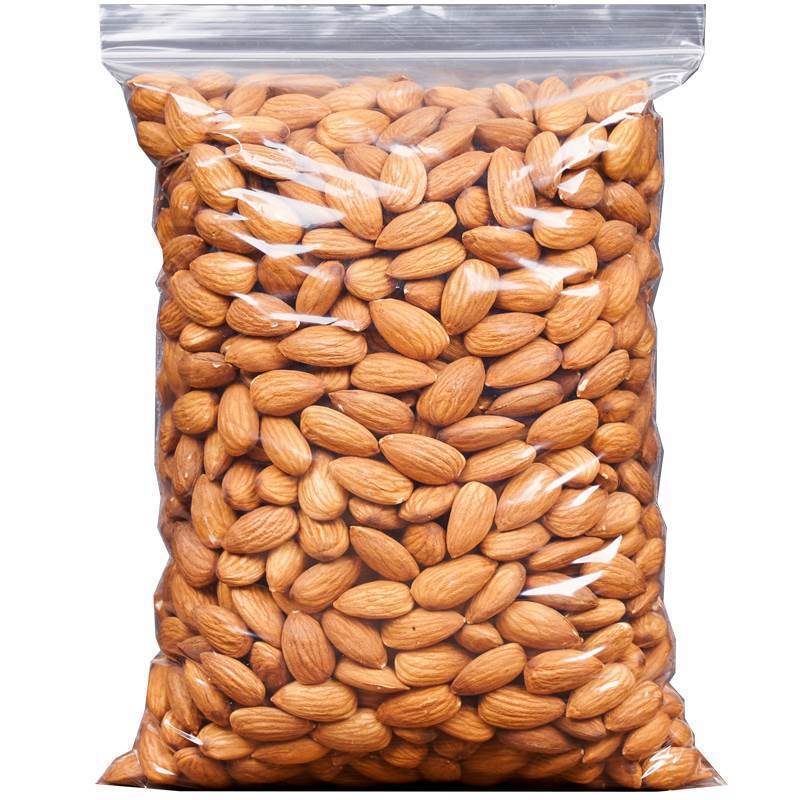
Original Flavor Sweet Almond Kernels 500g Apricot Kernel Nut Snack Bulk Dried Fruit
Price range: $6.71 through $19.96
Description
Original Flavor Sweet Almond Kernels, known in Chinese as Tian Xing Ren (甜杏仁), from Prunus dulcis. These dried nut kernels are a popular snack and culinary ingredient, traditionally used in Chinese food therapy. In TCM theory, sweet almond kernels are considered neutral in nature and sweet in flavor, associated with the Lung and Large Intestine channels. They are commonly enjoyed as a daily snack or used in congee and soups.

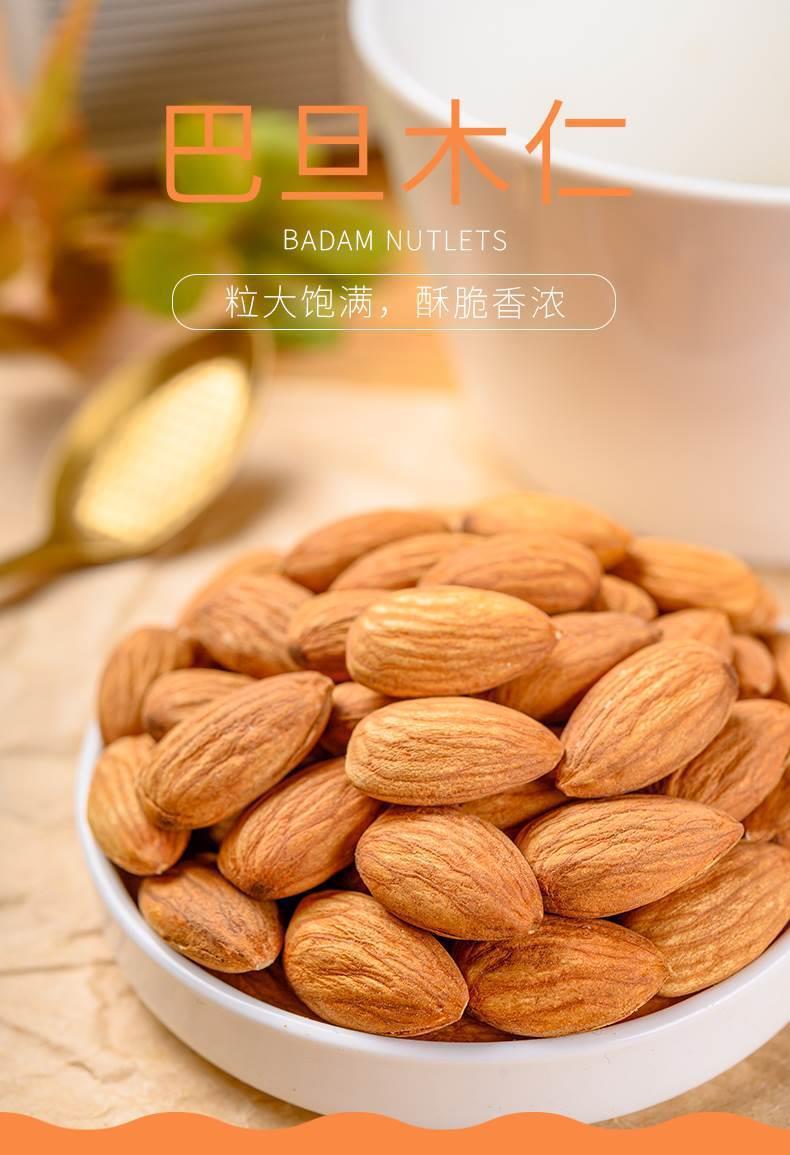
Key Selling Points
- Original flavor sweet almond kernels with no added seasoning
- Dried nut kernels from Prunus dulcis
- Traditional Chinese name Tian Xing Ren (甜杏仁)
- Versatile snack and culinary ingredient
- Bulk 500g packaging for daily use
Quality & Sensory
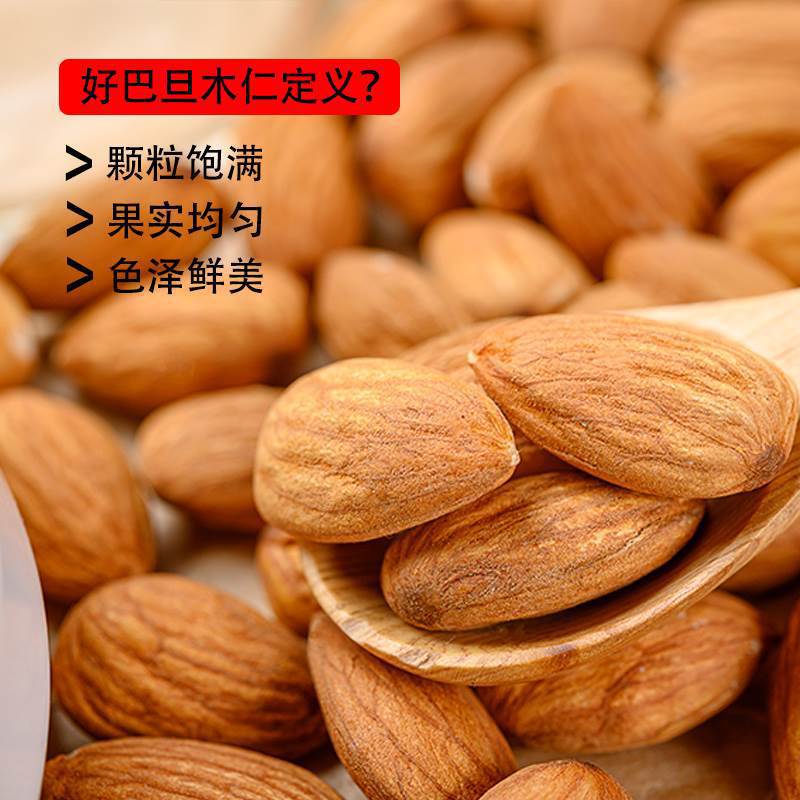
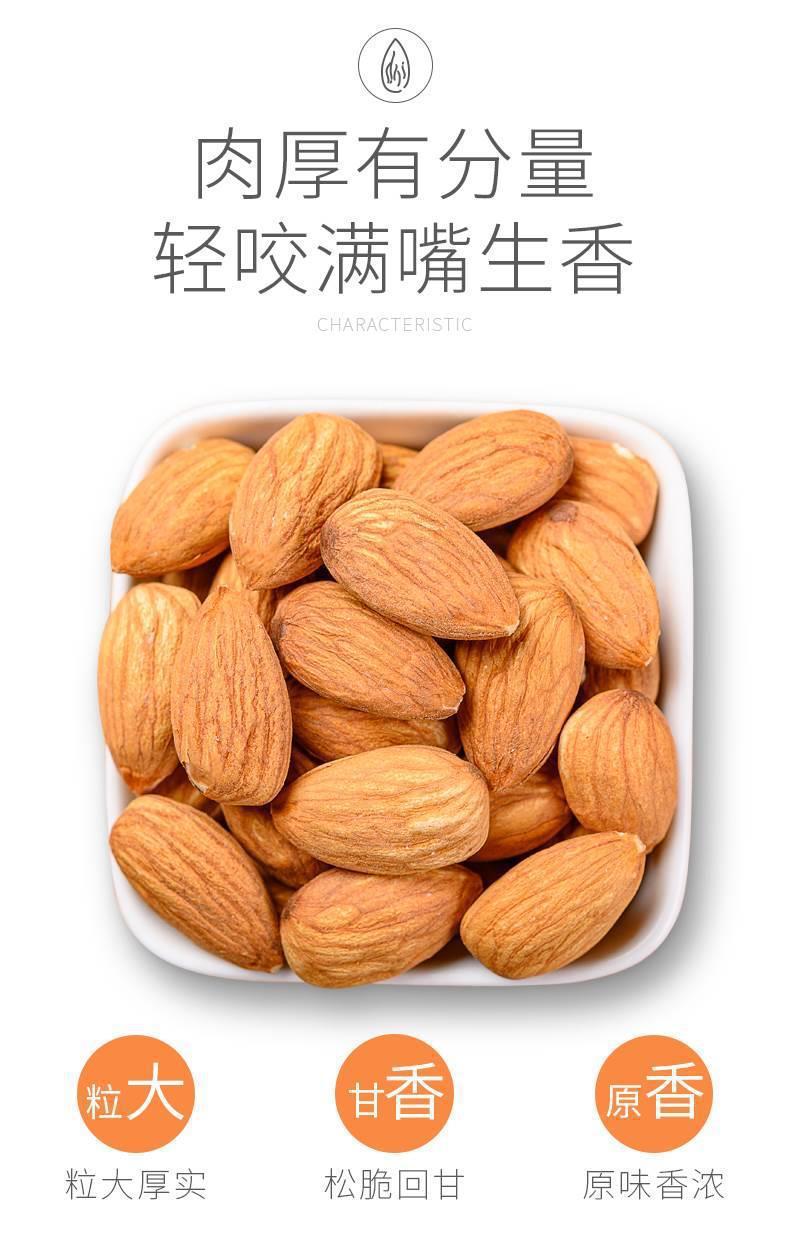
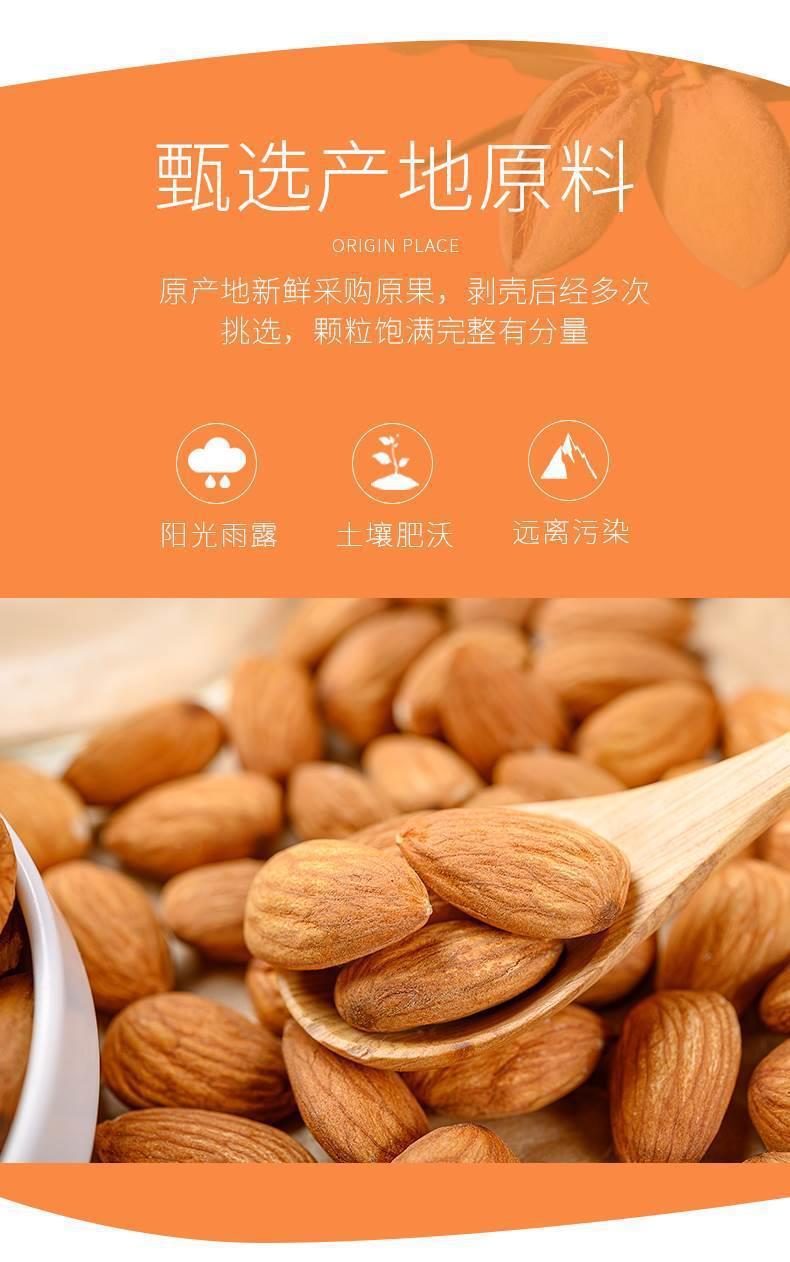
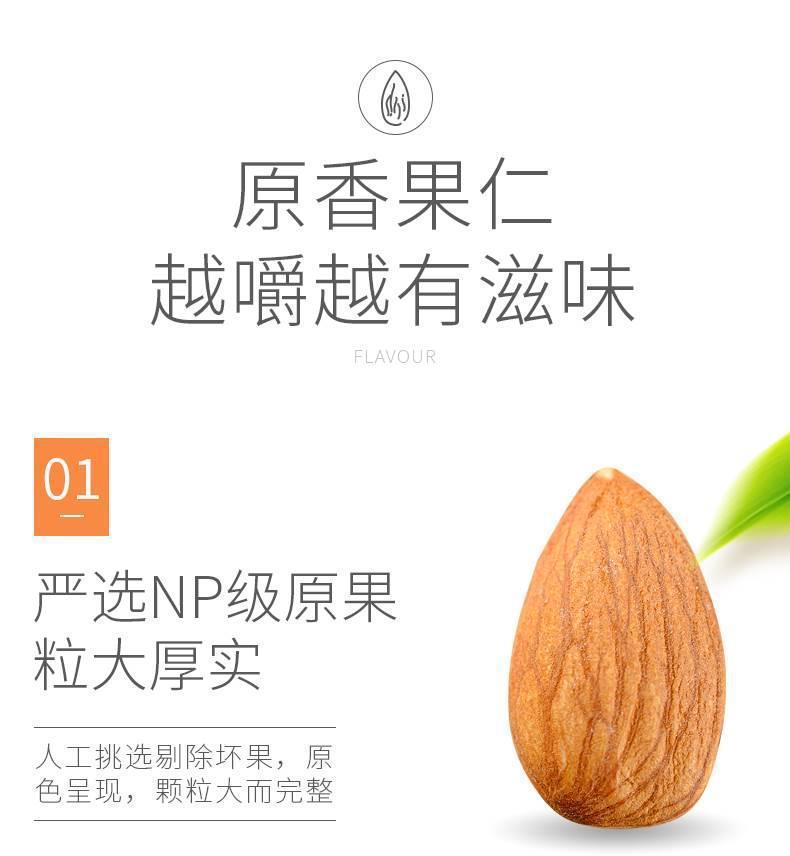
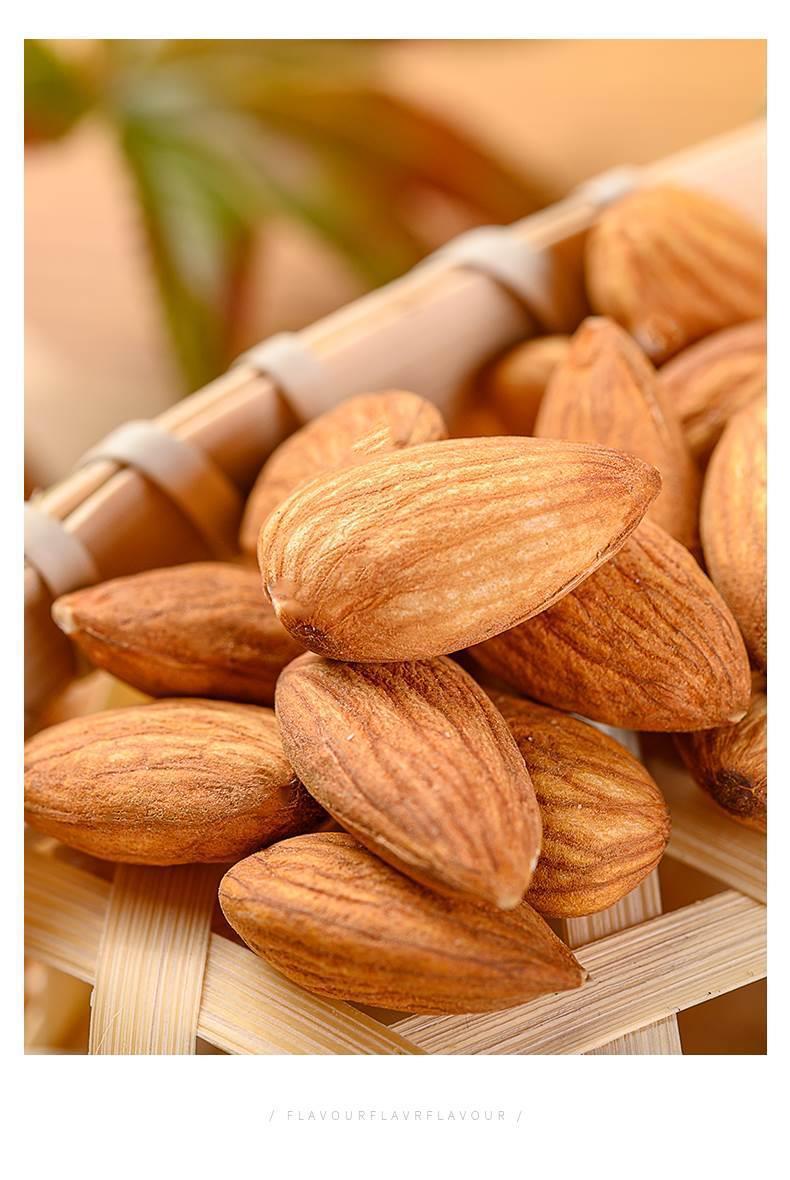
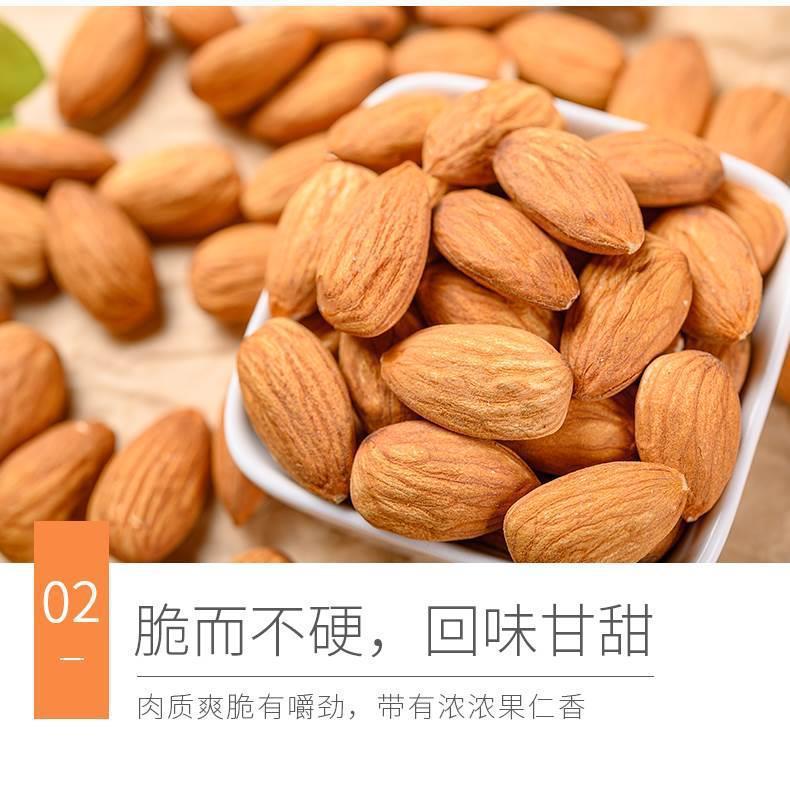
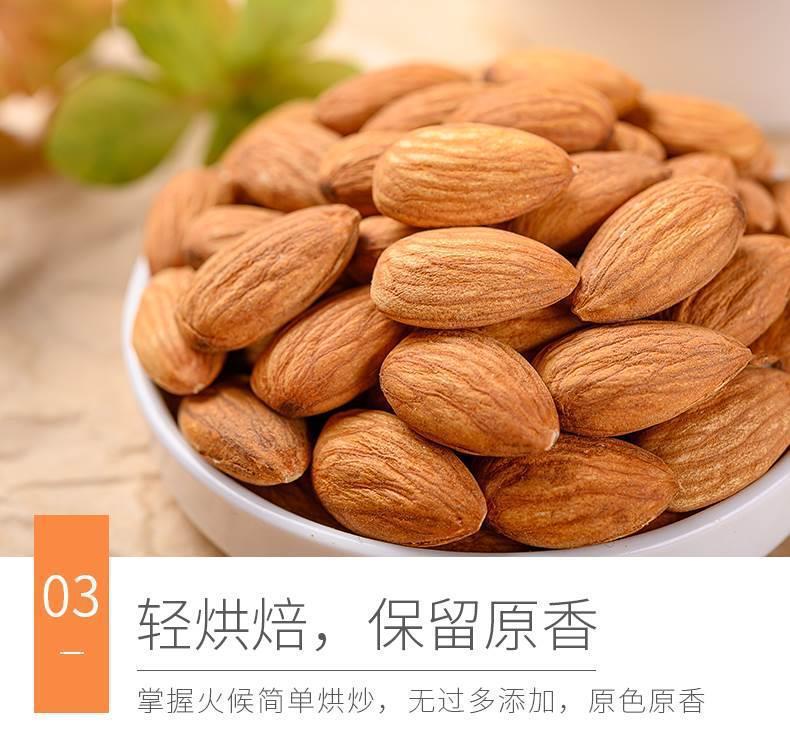
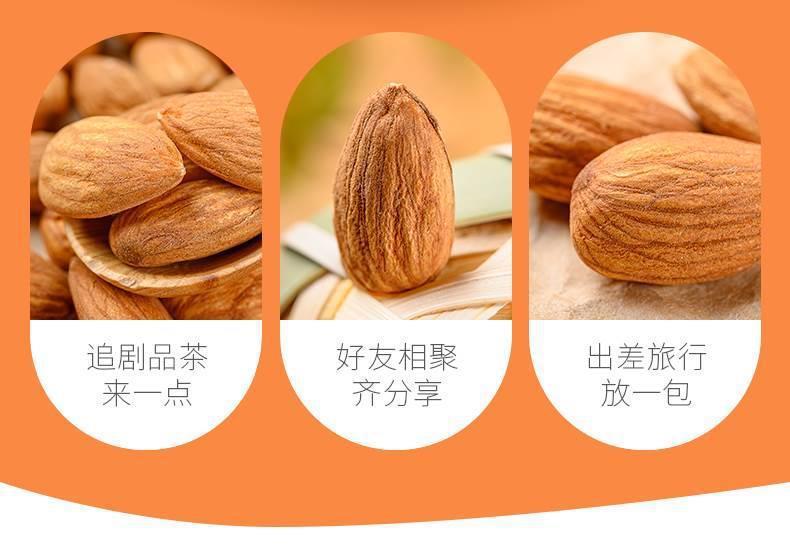
These sweet almond kernels typically have a light brown to tan color with a smooth, firm texture. They offer a mild, nutty aroma and a crisp, slightly sweet taste when eaten raw or roasted. When cooked in congee or soups, they soften and impart a subtle nutty flavor.
Technical Specifications
| Product Type | Dried Nut Kernels |
|---|---|
| Chinese Name | 甜杏仁 |
| Pinyin | Tian Xing Ren |
| Botanical Name | Prunus dulcis |
| Plant Part | Seed Kernel |
| Net Weight | 500g |
Usage Scenarios
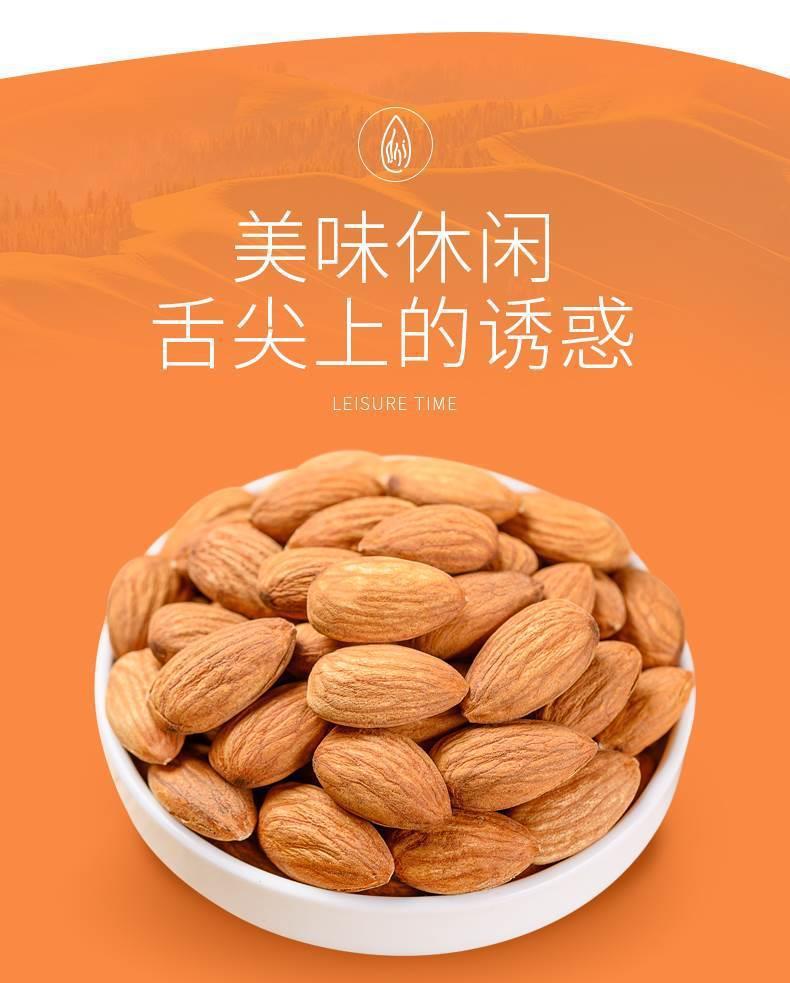
- Daily snack
- Added to congee
- Used in soups
- Baking ingredient
- Traditional herbal food therapy
Traditional Uses
In TCM theory, sweet almond kernels are traditionally used to support lung health and moisten the intestines. They are often cooked in congee or soups with ingredients like rice or pear. Folk practice includes using them in sweet soups or as a nourishing snack.
FAQ Q&A
Q: What are these sweet almond kernels?
A: They are dried seed kernels from Prunus dulcis, known in Chinese as Tian Xing Ren (甜杏仁).
Q: What is their traditional value?
A: In TCM theory, they are considered neutral and sweet, associated with the Lung and Large Intestine channels, and traditionally used to support lung and intestinal health.
Q: How are they commonly used?
A: They can be eaten as a snack or added to congee, soups, and baked goods.
Additional information
| Weight | N/A |
|---|---|
| Dimensions | N/A |
| Model | 新货罐装净含量250g 原味, 新货罐装净含量500g 原味, 新货罐装净含量2斤 原味, 小罐 新货罐装净含量100g 原味 |
Related products
-

Cabinda Bark Dried Herb 500g Traditional Herbal Infusion Ingredient
Price range: $12.38 through $37.50 -
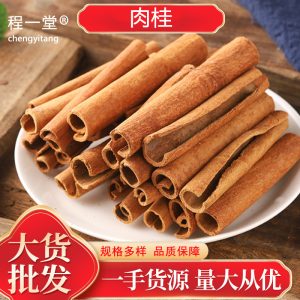
Dried Cinnamon Bark Rou Gui 500g Whole Peeling Culinary Spice and Traditional Herbal Ingredient
Price range: $5.58 through $8.33 -
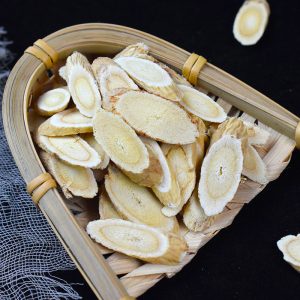
Astragalus Root Slices Huang Qi 500g Dried Herb for Soups and Teas
Price range: $7.36 through $22.11 -

Dried Huang Jing Slices Polygonatum Rhizome Chicken Head Huang Jing 500g Bulk Herbal Tea and Soup Ingredient
Price range: $9.14 through $18.87
Reviews
There are no reviews yet.