
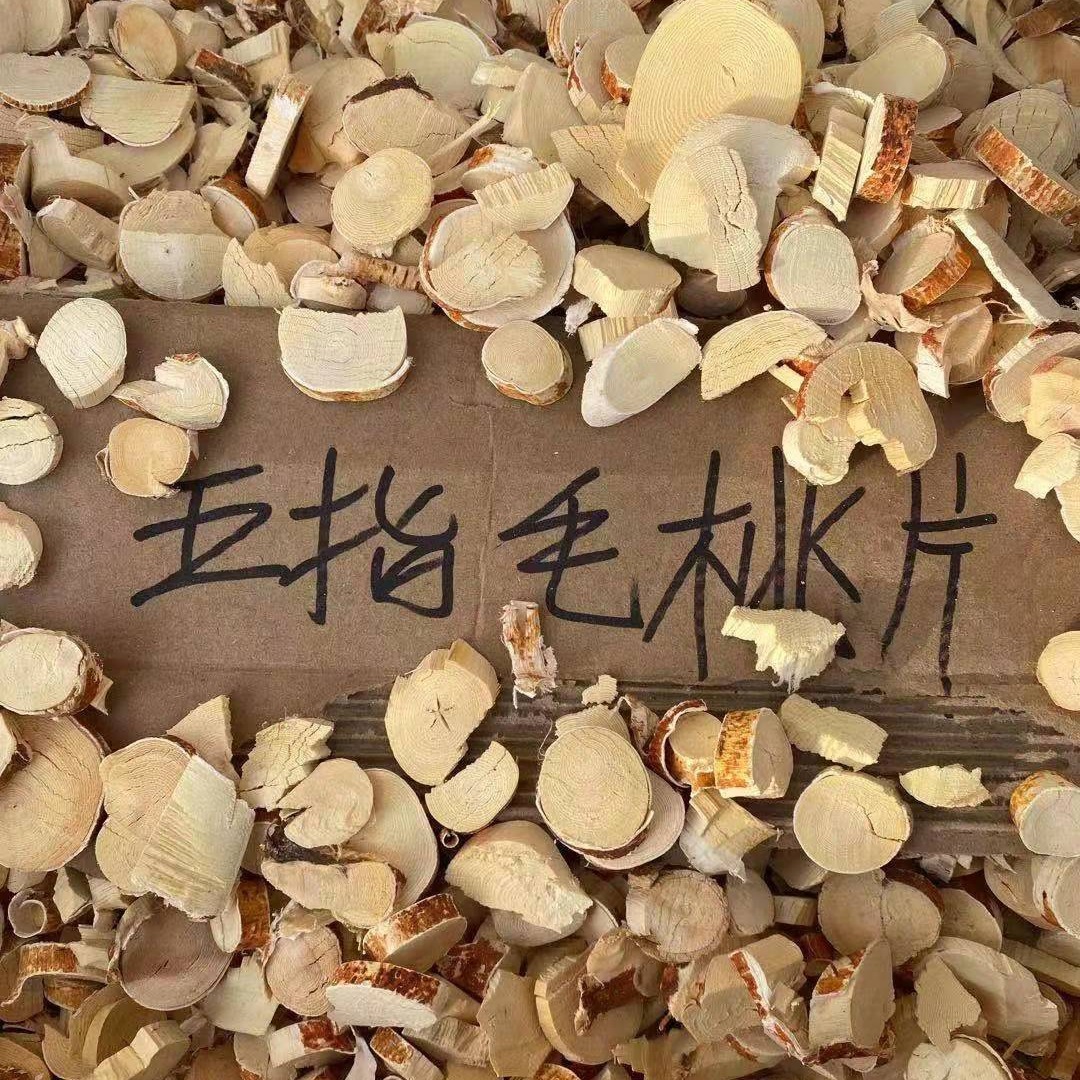
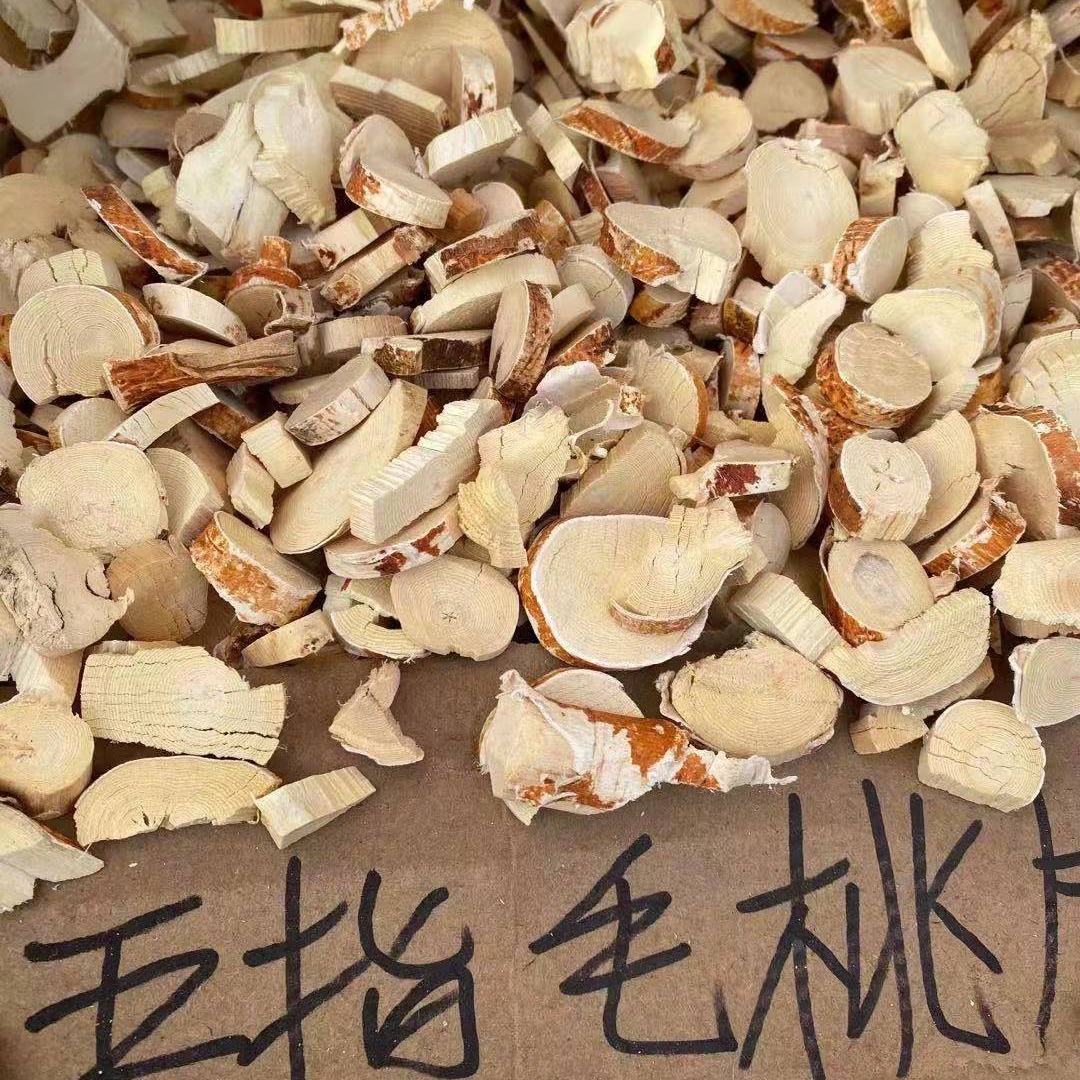
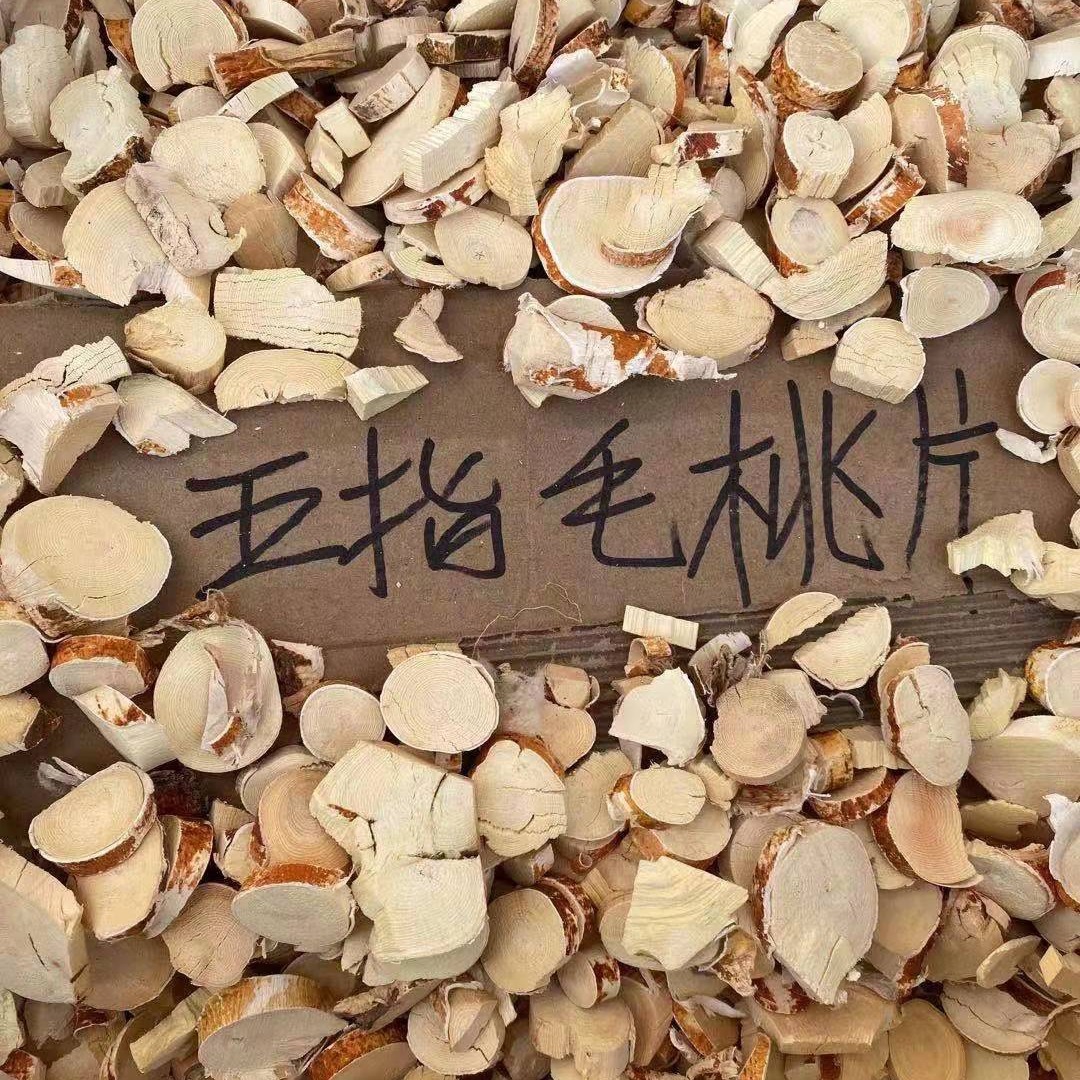
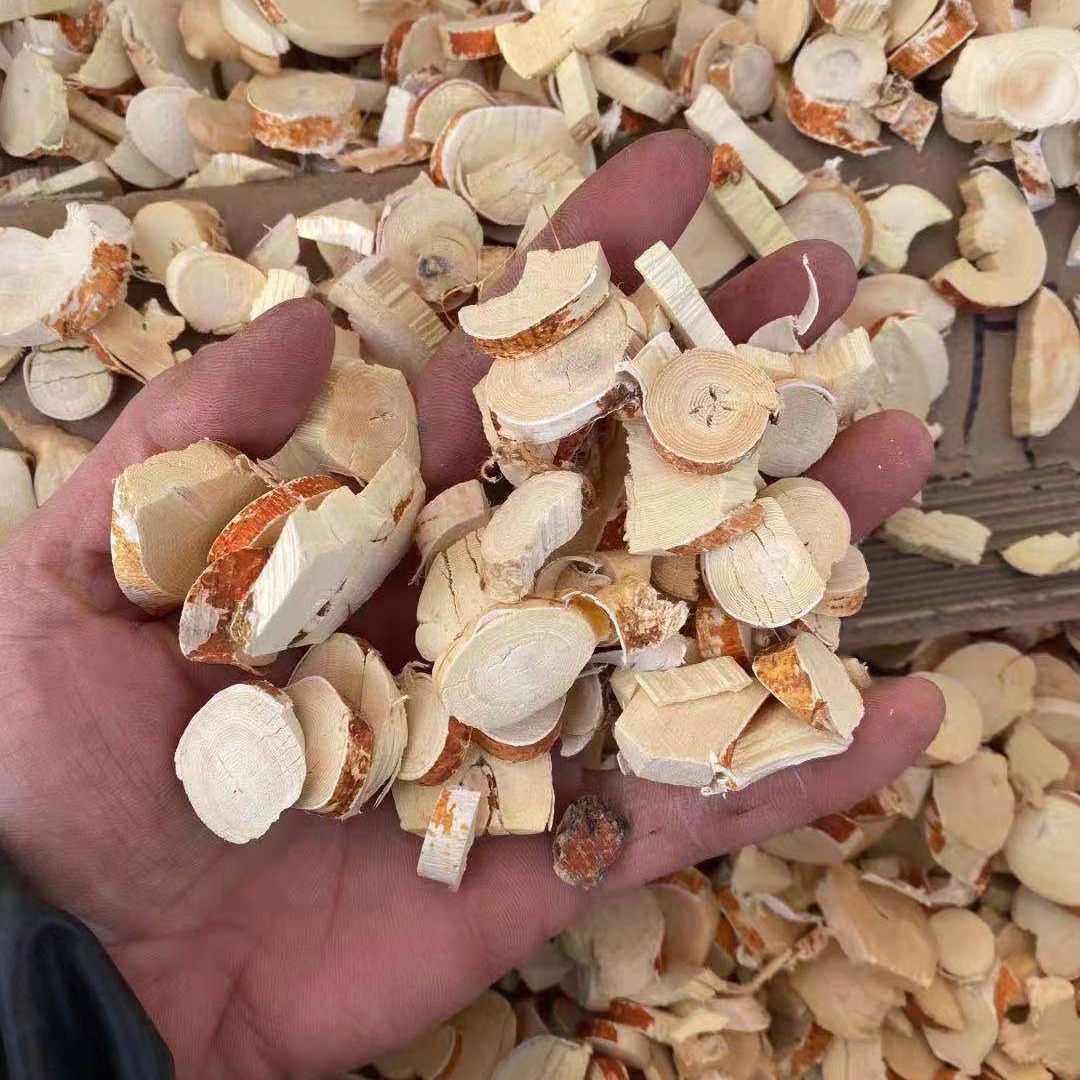
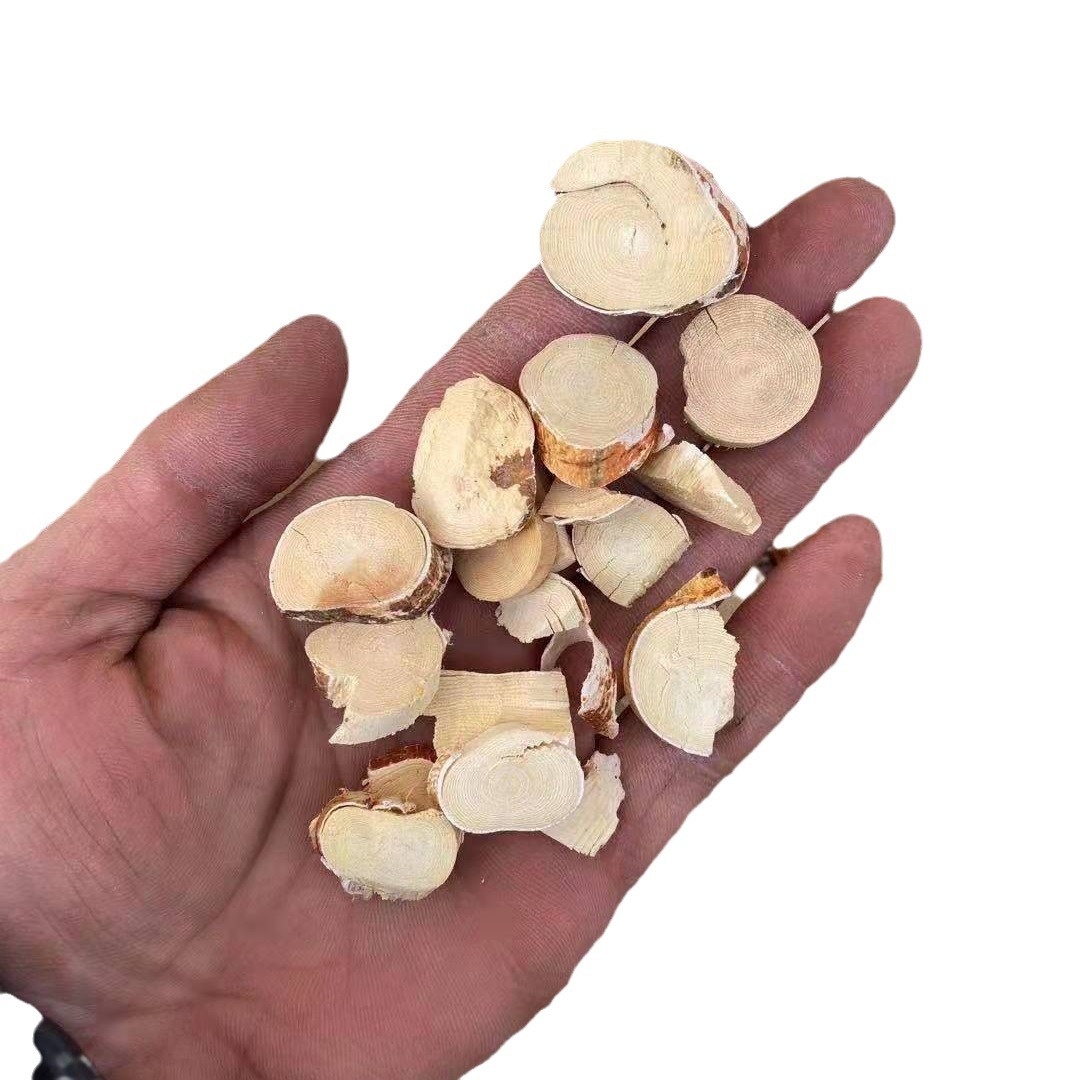
Hairy Fig Root Slices Wu Zhi Mao Tao 五指毛桃 Dried Ficus hirta Root Rounds Guangxi New Harvest
$9.95
65410 in stock
Description
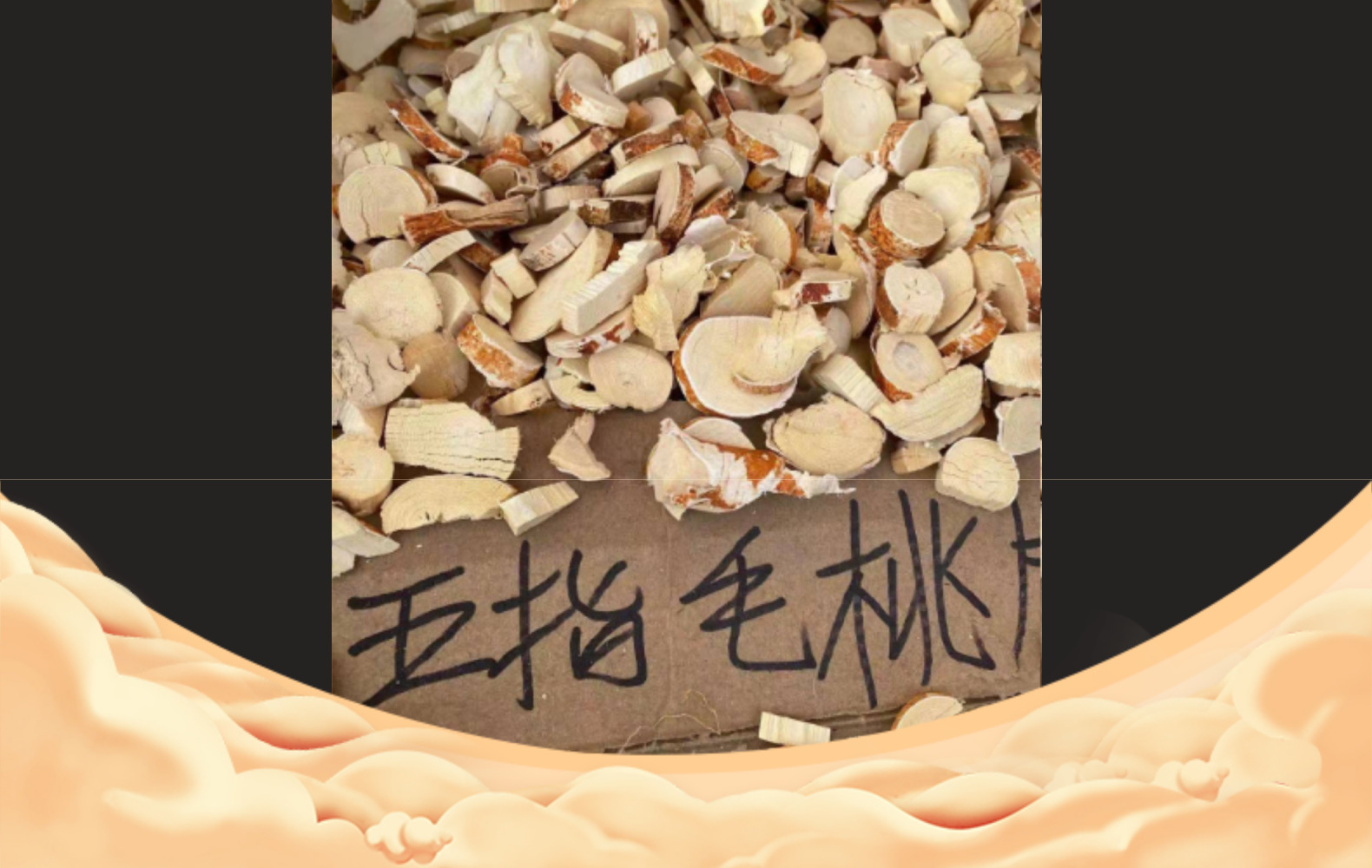
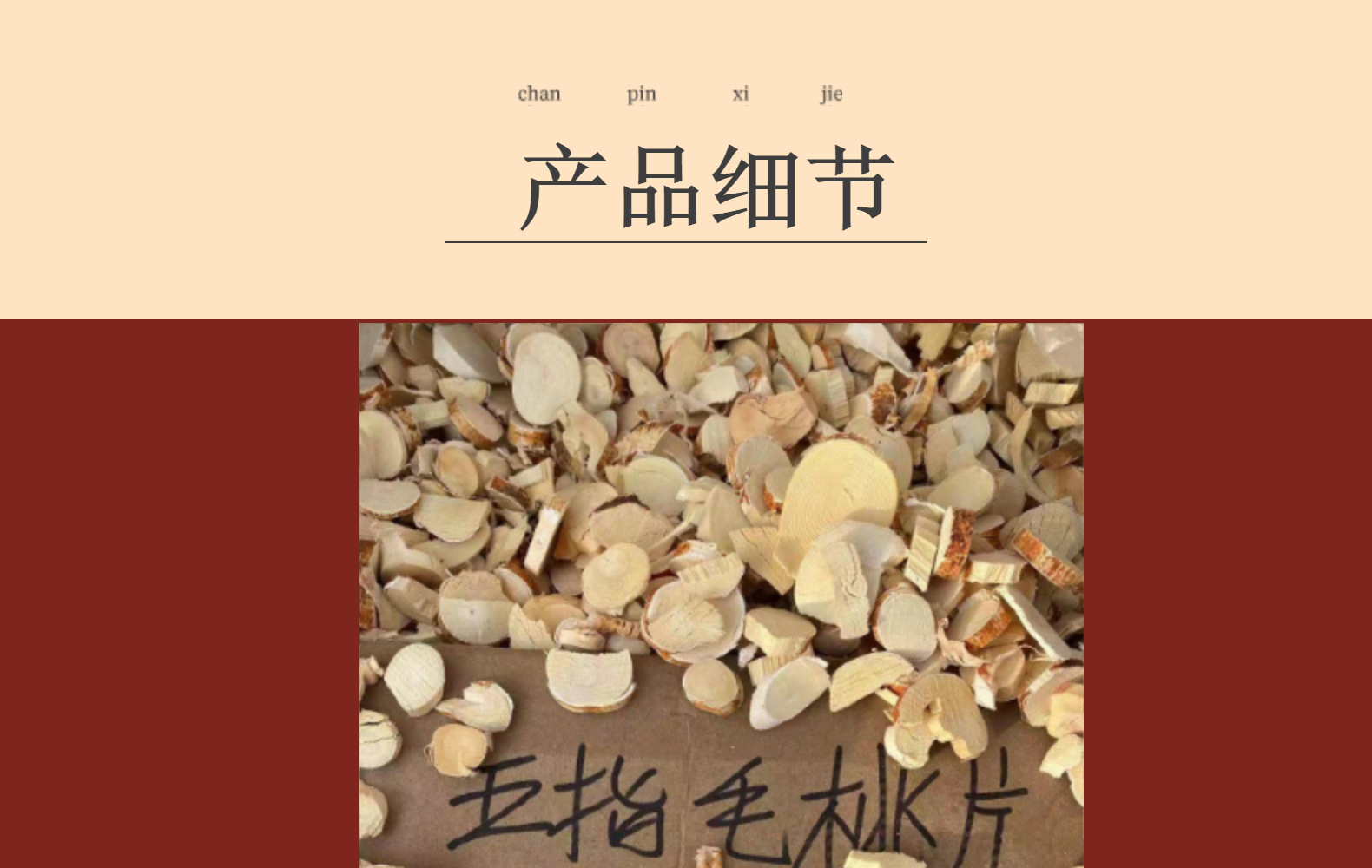
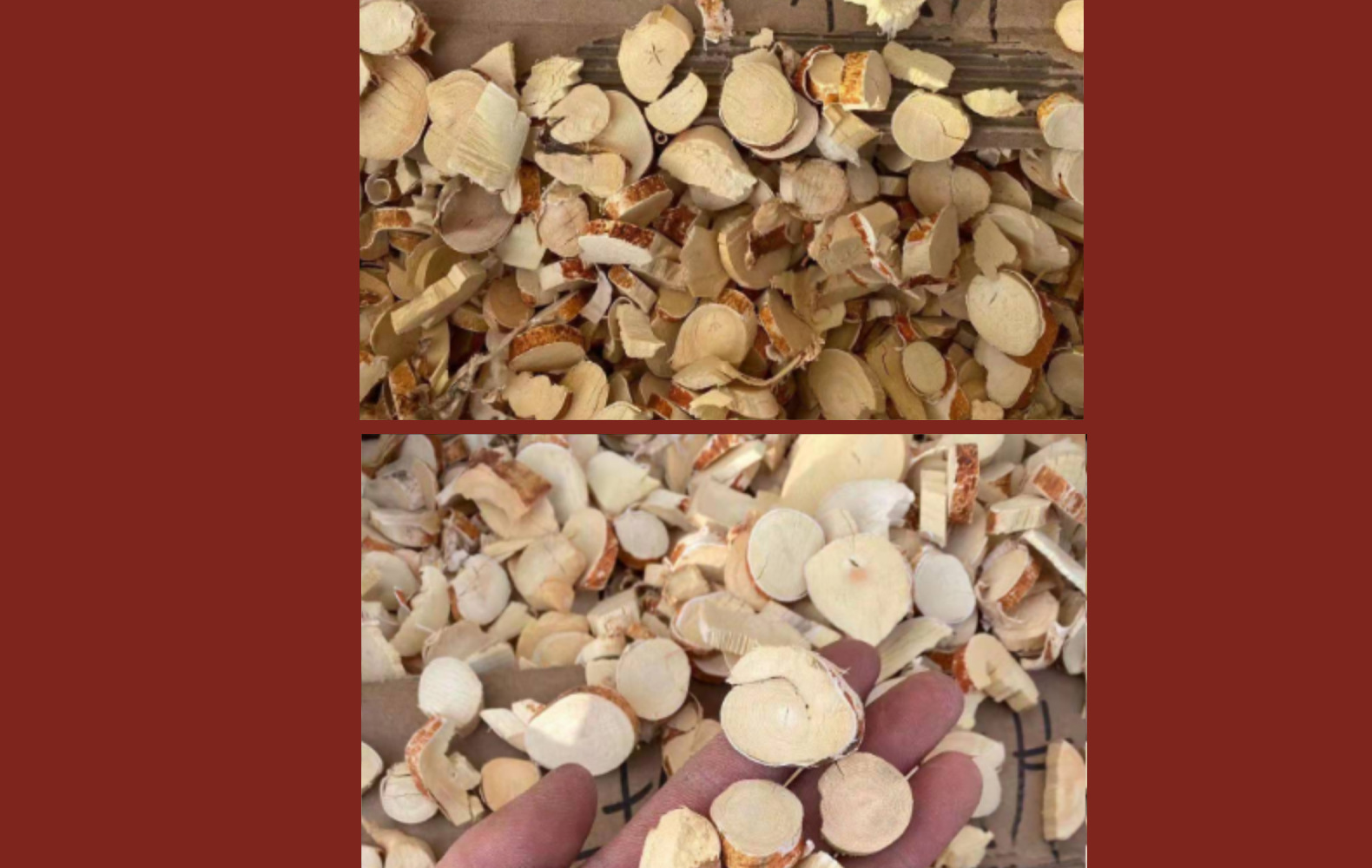
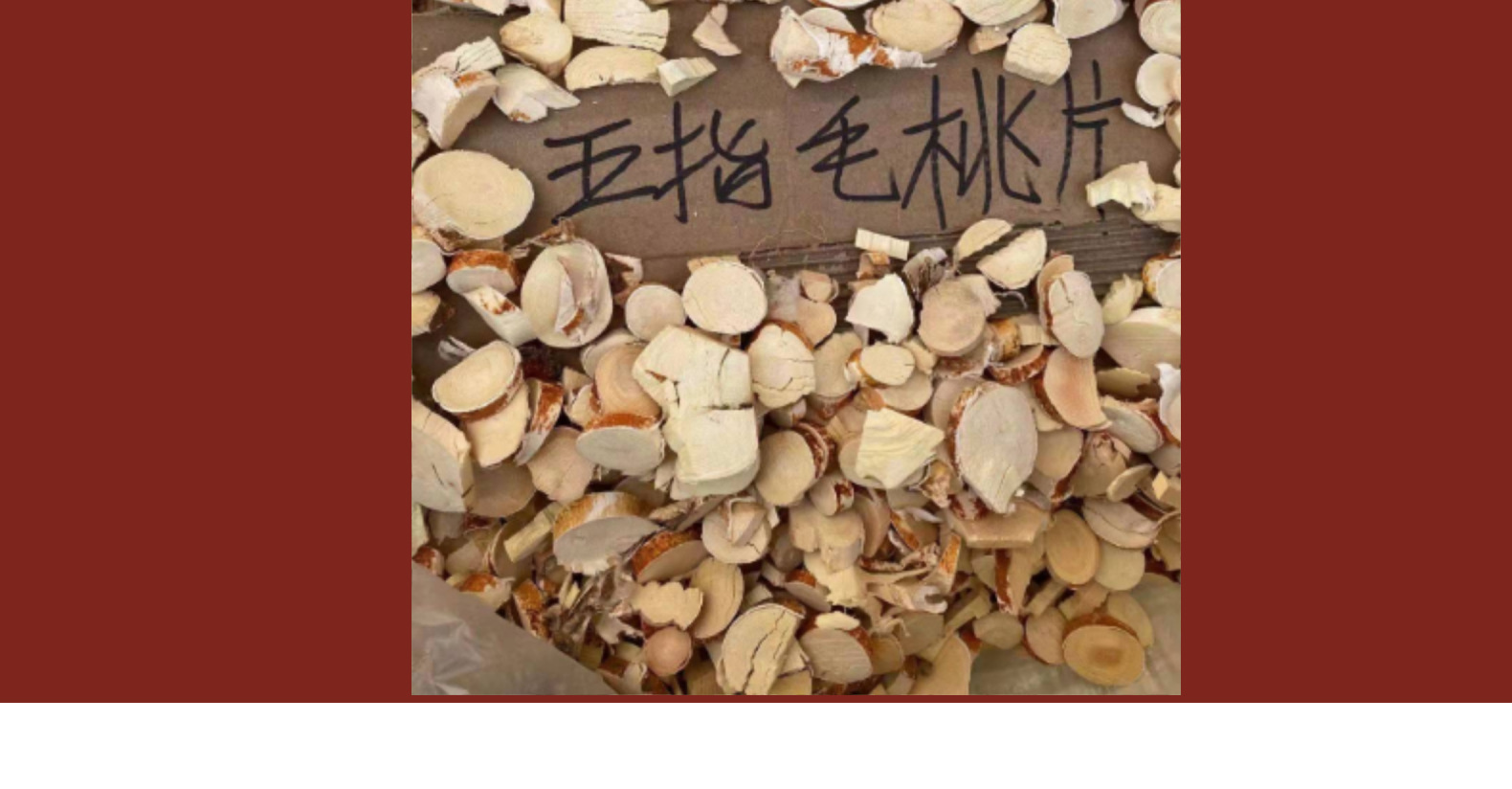
Hairy Fig Root, known in TCM as Wu Zhi Mao Tao (五指毛桃), is the dried root of Ficus hirta, cut into round slices and dried. Sourced from Guangxi, this new-harvest lot is a select grade of edible agricultural produce. Traditionally associated with strengthening the spleen and supporting lung qi, it carries a mild sweet flavor and a characteristic coconut-like aroma. Commonly simmered in soups or decoctions, it is best used under the guidance of a qualified practitioner.
Key Selling Points
- Select-grade dried root slices of Ficus hirta from Guangxi
- Known in TCM as Wu Zhi Mao Tao 五指毛桃
- New harvest, dried processing, sold by weight
- Traditionally used in Cantonese-style soups and herbal decoctions
- Mild sweet taste with a distinctive coconut-like fragrance

Quality & Sensory
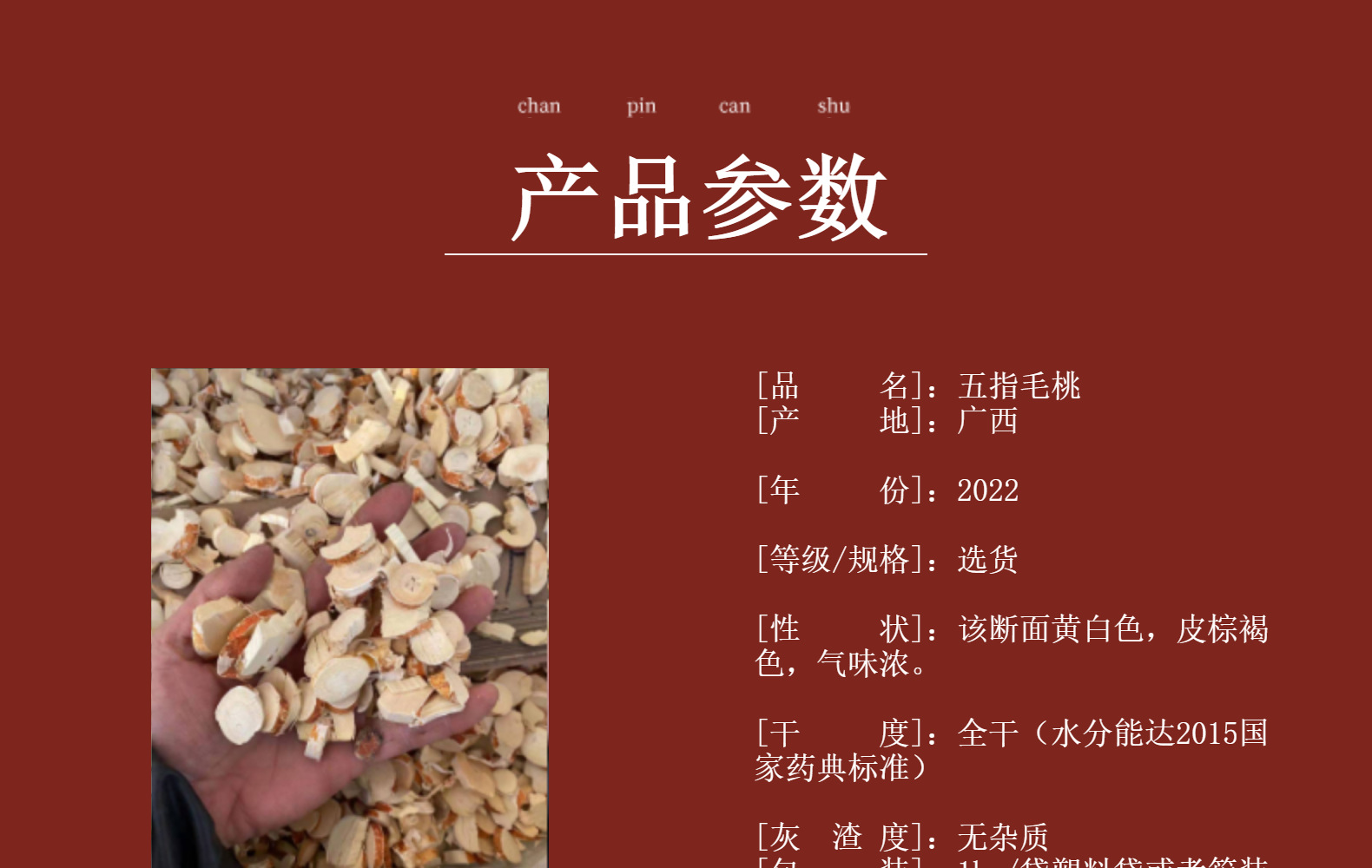
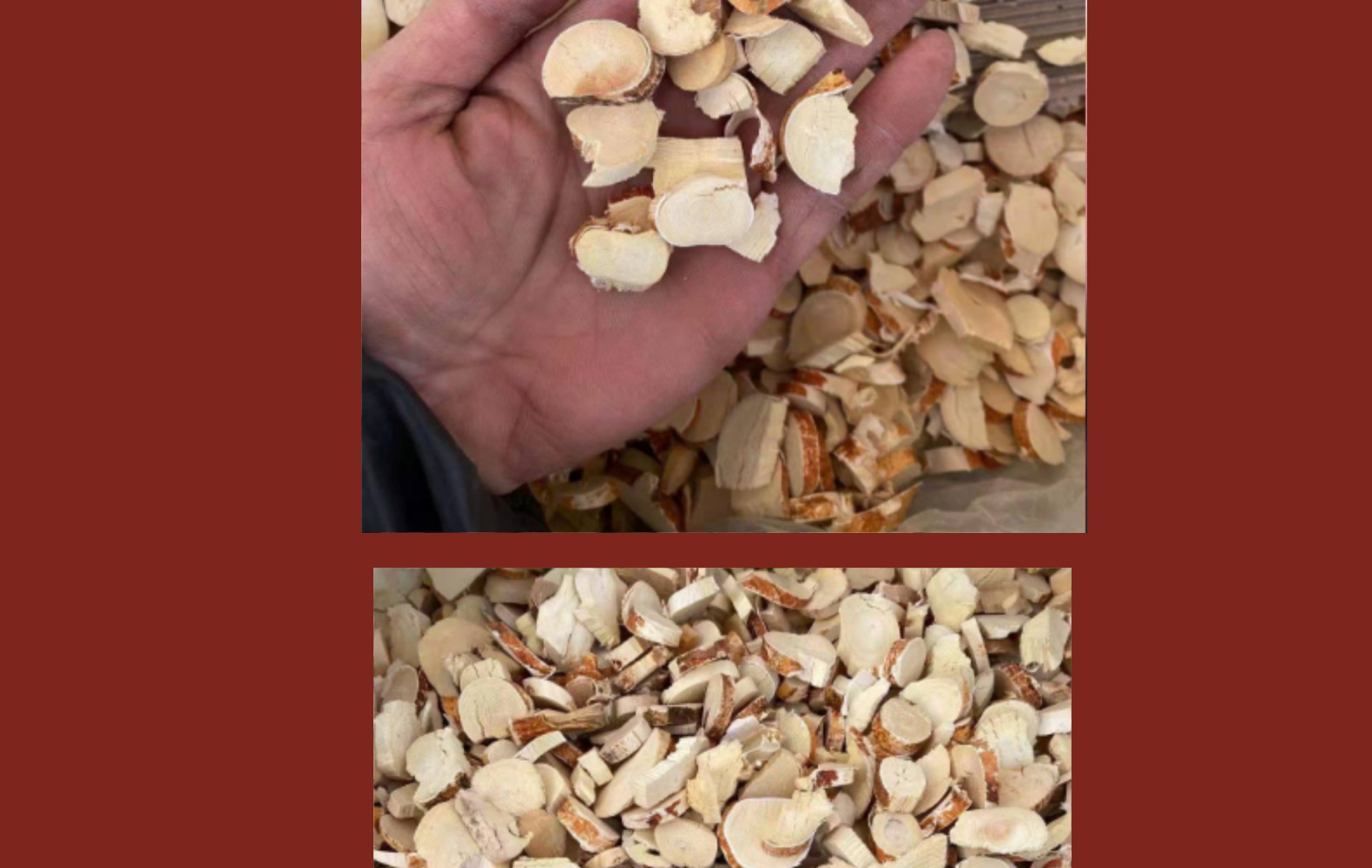
The slices are typically pale yellow to light brown with a firm, fibrous texture. They typically carry a faint coconut-like aroma, and when simmered the broth takes on a mild, sweet, nutty taste.

Technical Specifications
| Product Type | Dried herbal root slices |
|---|---|
| Chinese Name | 五指毛桃 |
| Pinyin | Wu Zhi Mao Tao |
| Botanical Name | Ficus hirta |
| Plant Part | Root |
| Origin | Guangxi, China |
Usage Scenarios
- Simmered in pork, chicken, or rib soups
- Added to herbal decoctions
- Used in slow-cooked congee
- Brewed as a mild daily herbal tea

Traditional Uses
In TCM theory, Wu Zhi Mao Tao is traditionally associated with tonifying the spleen and lung and easing dampness, and it is a familiar ingredient in southern Chinese folk practice. It is most often slow-simmered with pork ribs, chicken, or lean meat in Cantonese-style health soups, and may be paired with herbs such as Poria, coix seed, or yam. It is also used in seasonal tonics during humid weather.


FAQ Q&A
Q: What is this product?
A: It is select-grade dried root slices of Ficus hirta, known in TCM as Wu Zhi Mao Tao, sourced from Guangxi.
Q: What is it traditionally valued for?
A: In TCM it is traditionally associated with supporting the spleen and lung and is prized for its mild sweet flavor and coconut-like aroma in soups.
Q: How is it commonly prepared?
A: It is typically simmered in soups or decoctions, or brewed as a light herbal tea; consult a practitioner for appropriate amounts.
Additional information
| Weight | 0.6 kg |
|---|---|
| Dimensions | 25 × 18 × 8 cm |
Related products
-
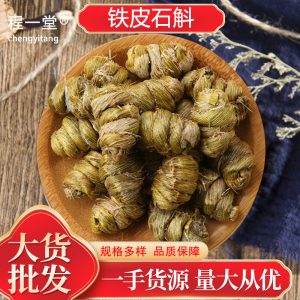
Tie Pi Shi Hu Dried Dendrobium Stems 500g Huoshan Fengdou for Soup and Tea
Price range: $35.88 through $108.80 -
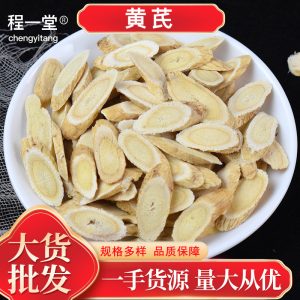
Astragalus Root Slices Huang Qi 斜片 Dried Herb for Decoction Soup and Tea 500g
Price range: $6.06 through $19.51 -
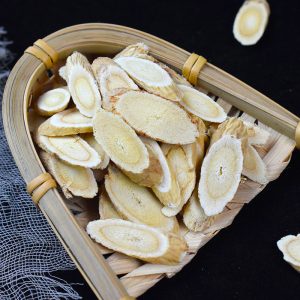
Astragalus Root Slices Huang Qi 500g Dried Herb for Soups and Teas
Price range: $7.36 through $22.11 -

Cabinda Bark Dried Herb 500g Traditional Herbal Infusion Ingredient
Price range: $12.38 through $37.50
Reviews
There are no reviews yet.