
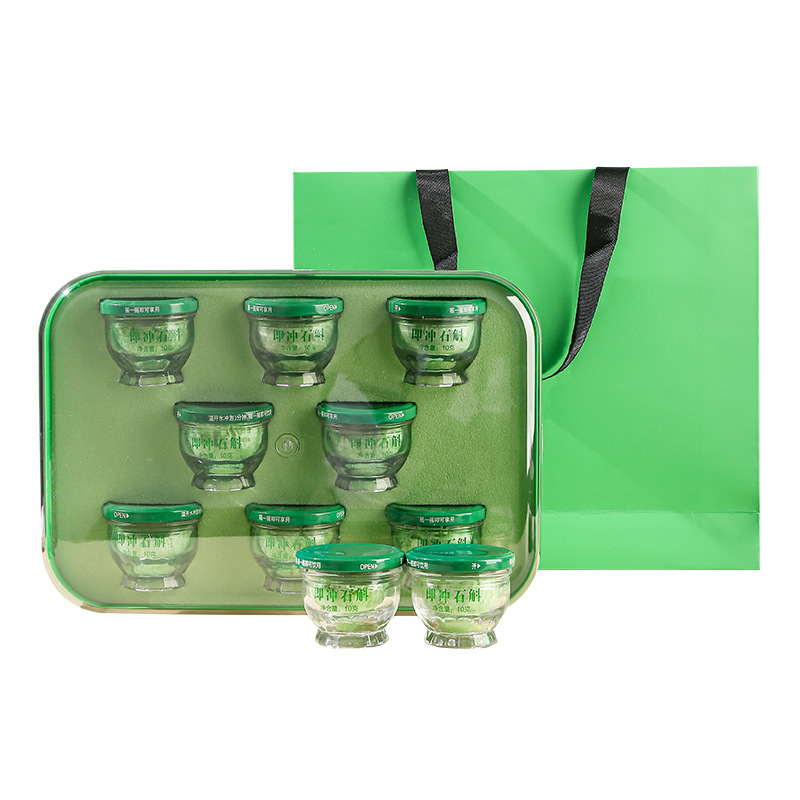
Freeze-Dried Dendrobium Officinale Huoshan Tiepi Shihu 80g Ready to Eat
$76.96
99999 in stock
Description
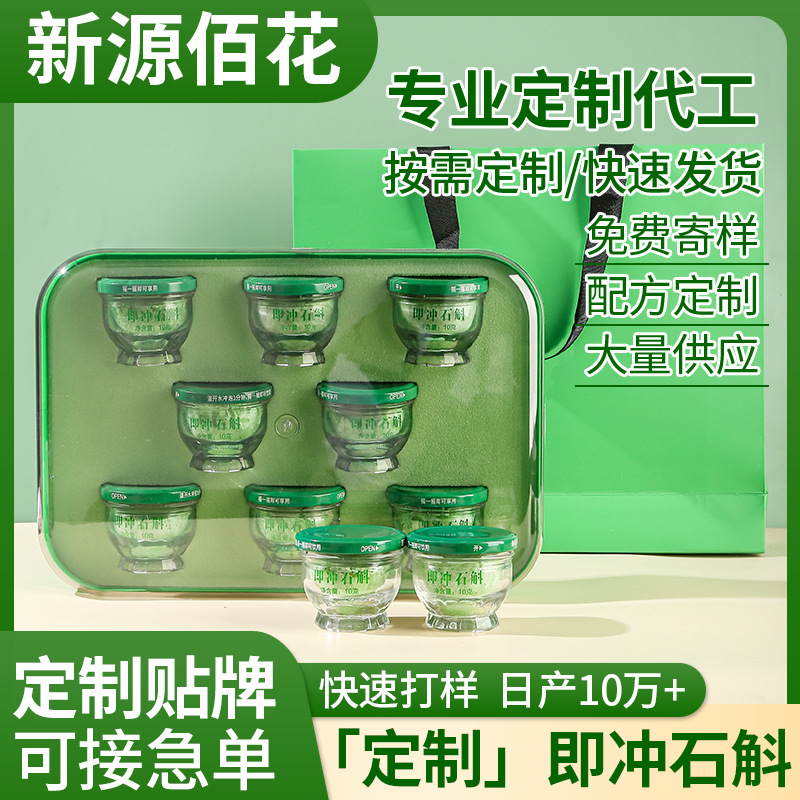
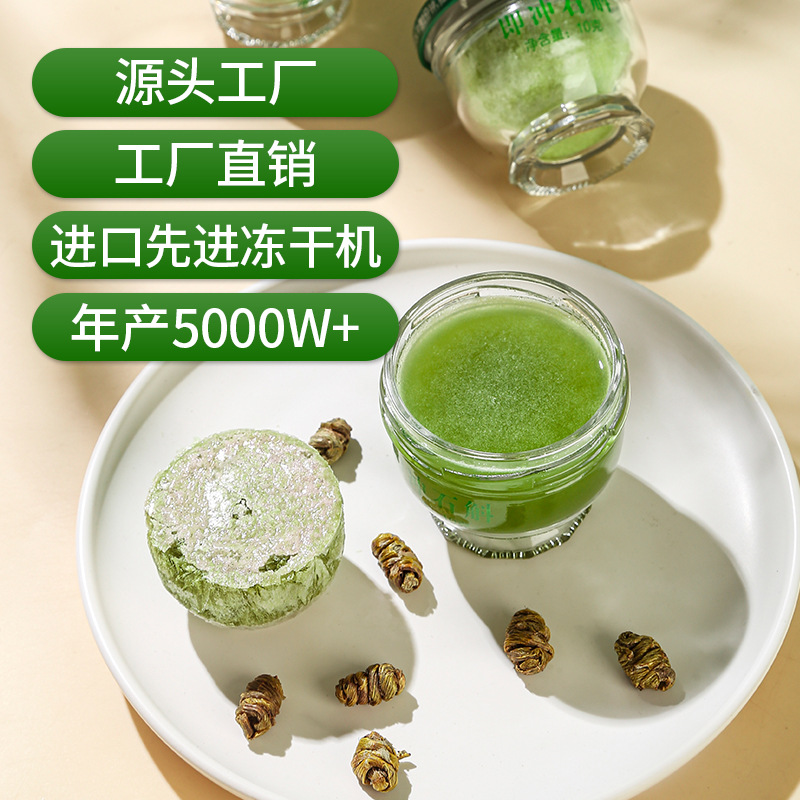
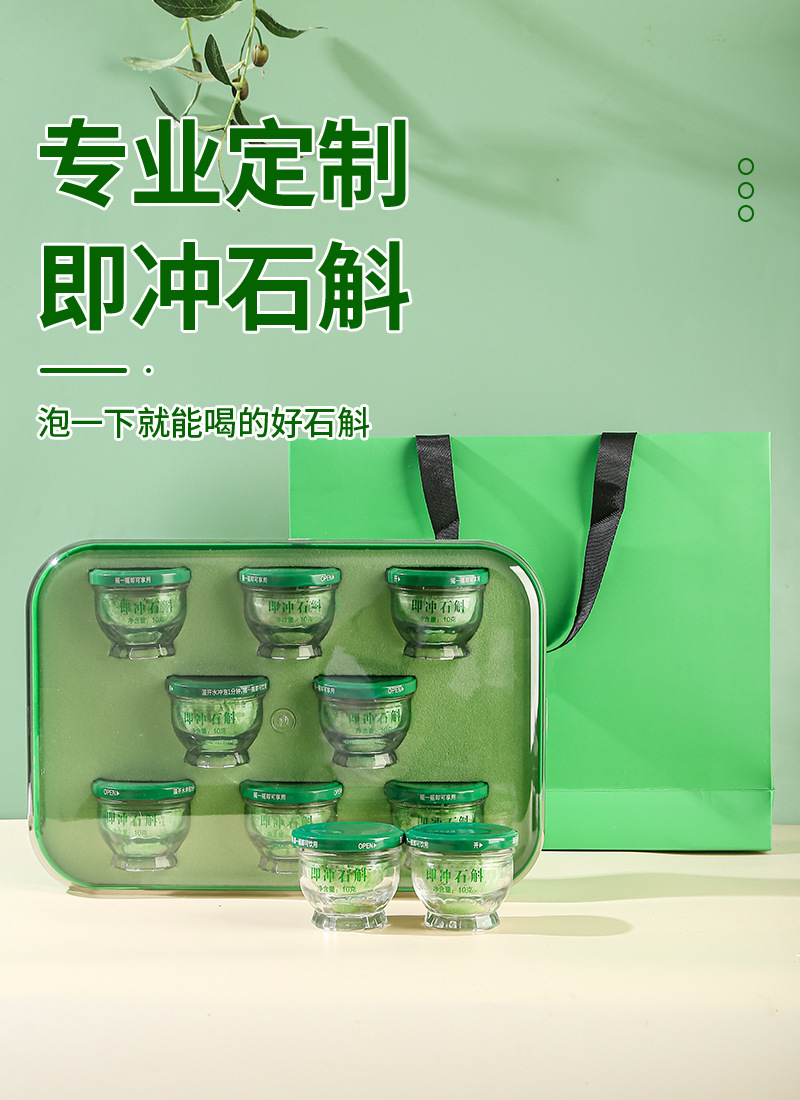
Freeze-dried Dendrobium, known in TCM as Huoshan Tiepi Shihu (霍山铁皮石斛), from Dendrobium officinale. This FD freeze-dried stem product from Anhui is sold as an 80g ready-to-eat box. In TCM theory it is traditionally associated with sweet, slightly cold nature and Stomach and Kidney channel entry, often used to support body fluids. Enjoy as a convenient daily herbal food; it is not a medicine.
Key Selling Points
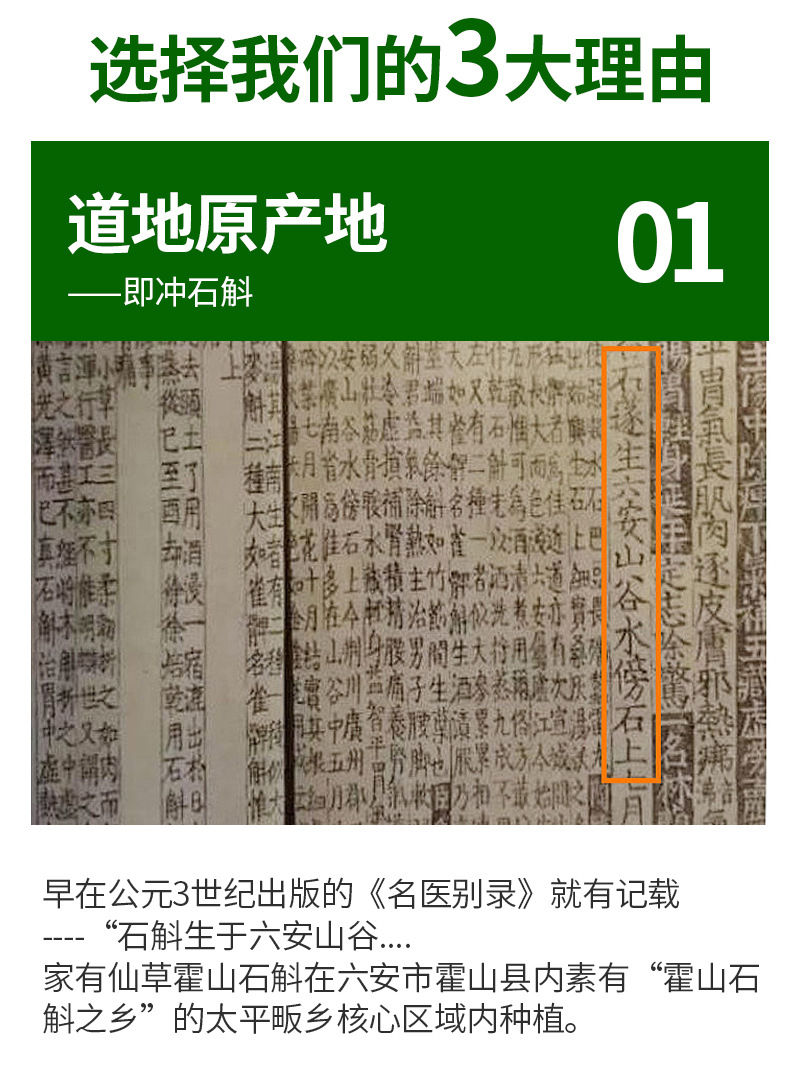
- Identified as Huoshan Tiepi Shihu (霍山铁皮石斛), Dendrobium officinale stem
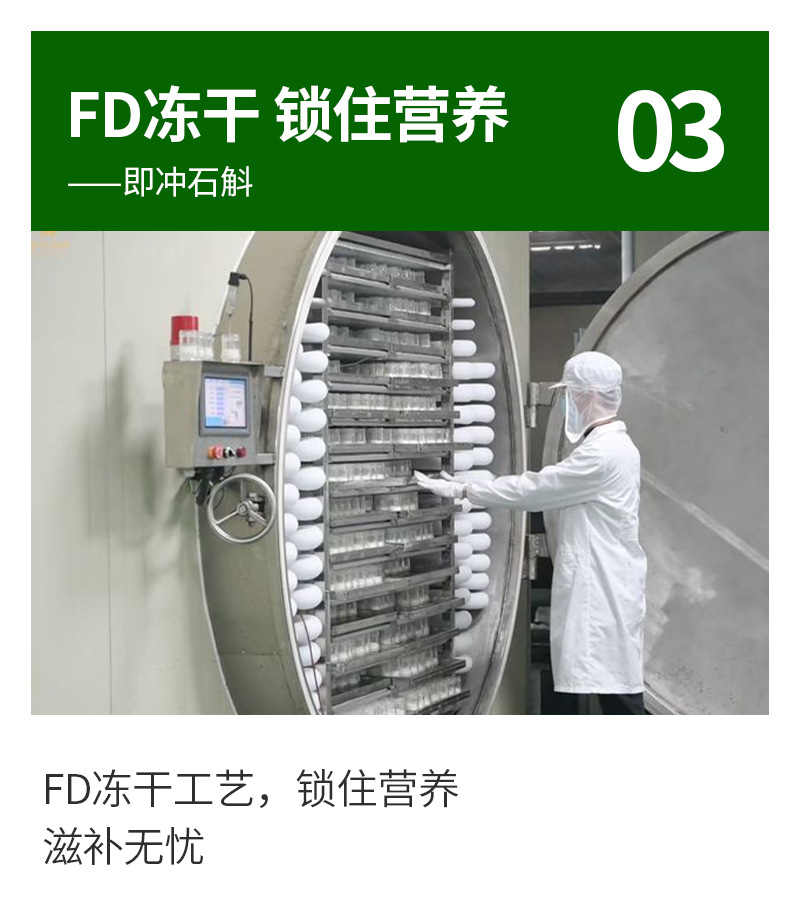
- FD freeze-dried processing for a light crisp texture
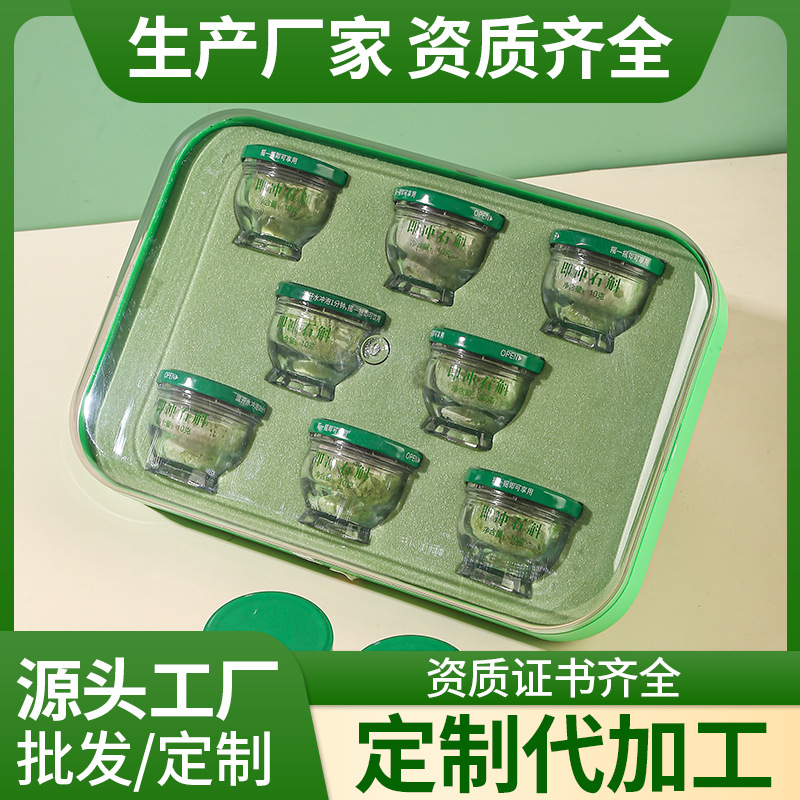
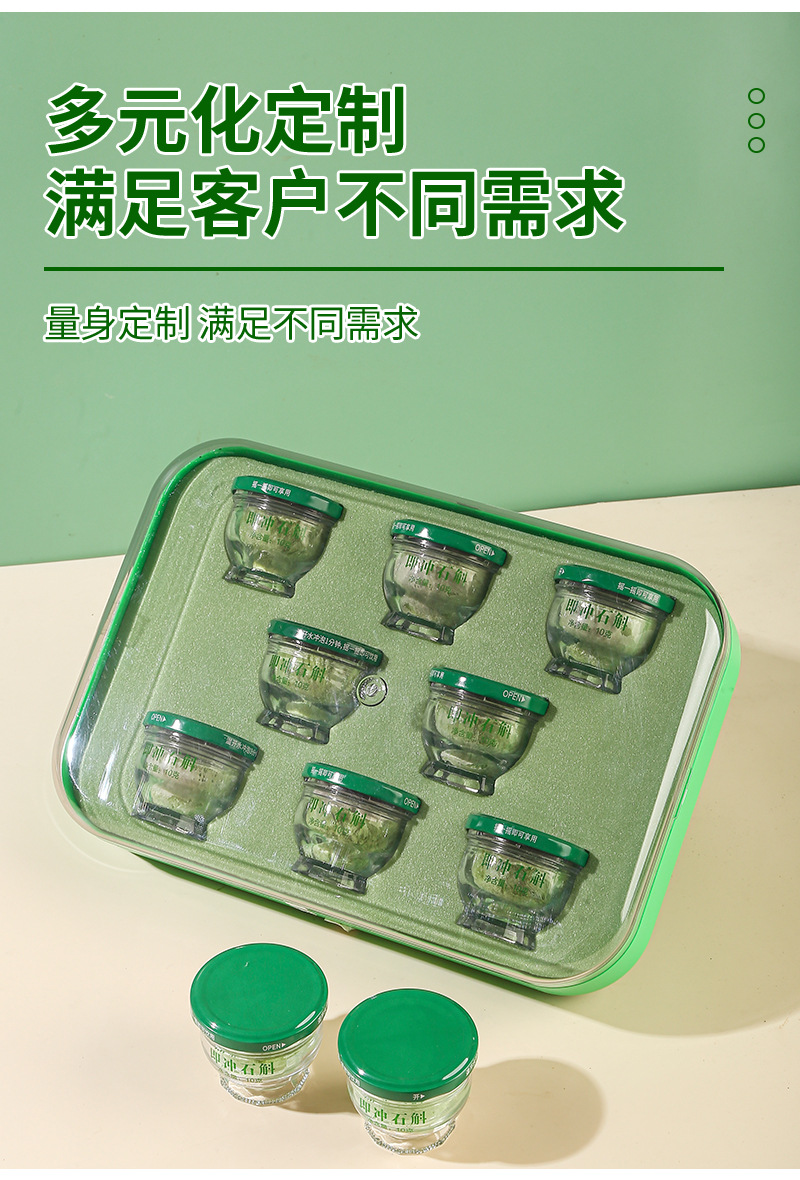
- Ready-to-eat form in an 80g pre-packaged box
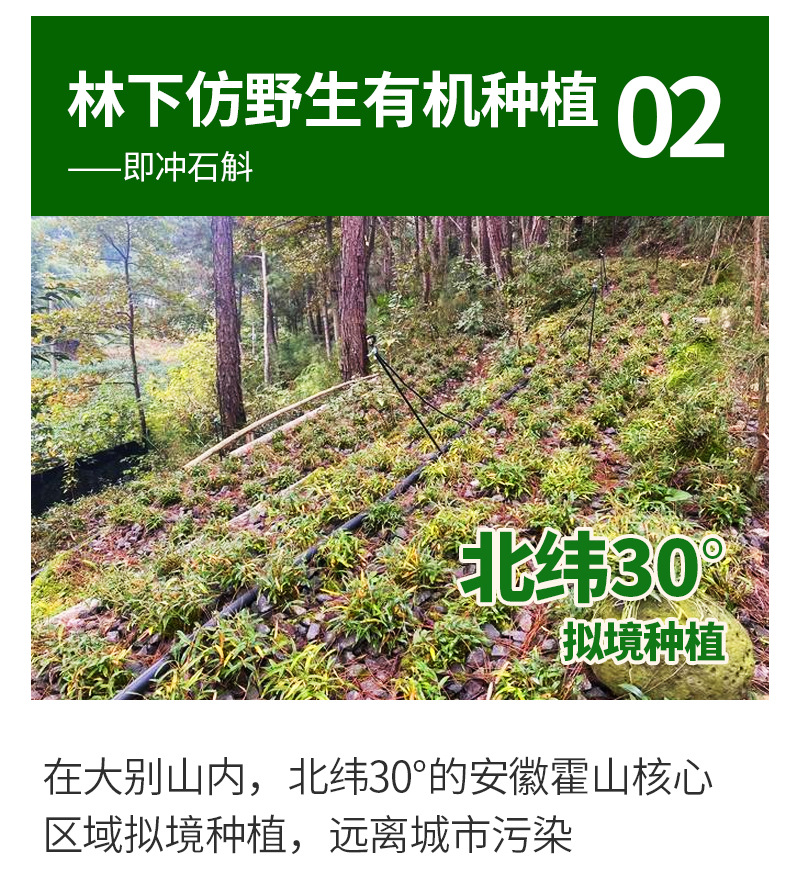
- Sourced from Anhui, a classic Huoshan Dendrobium growing area
- Traditionally used in TCM for body fluid support
Quality & Sensory
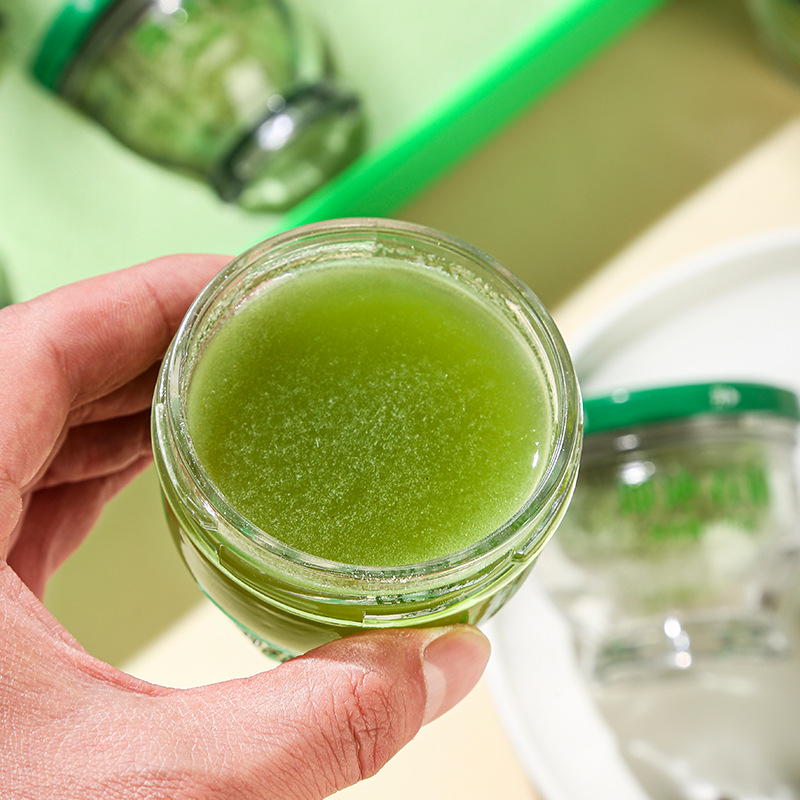
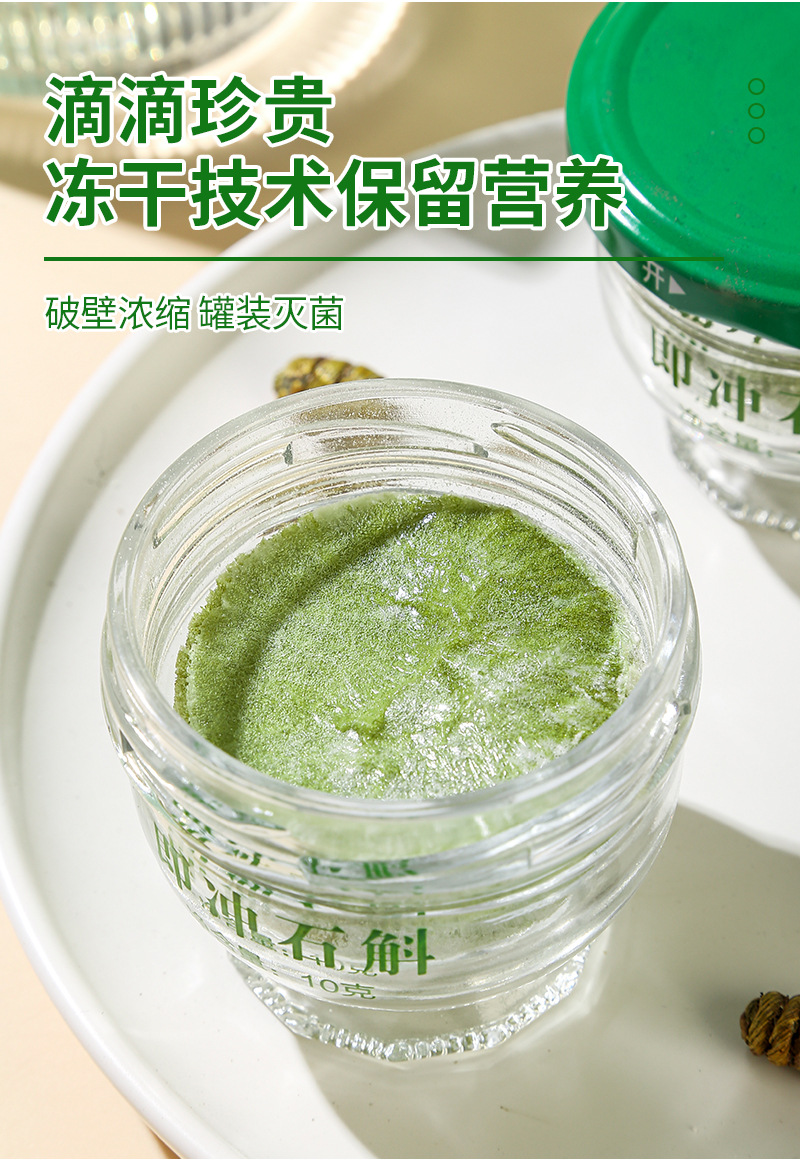
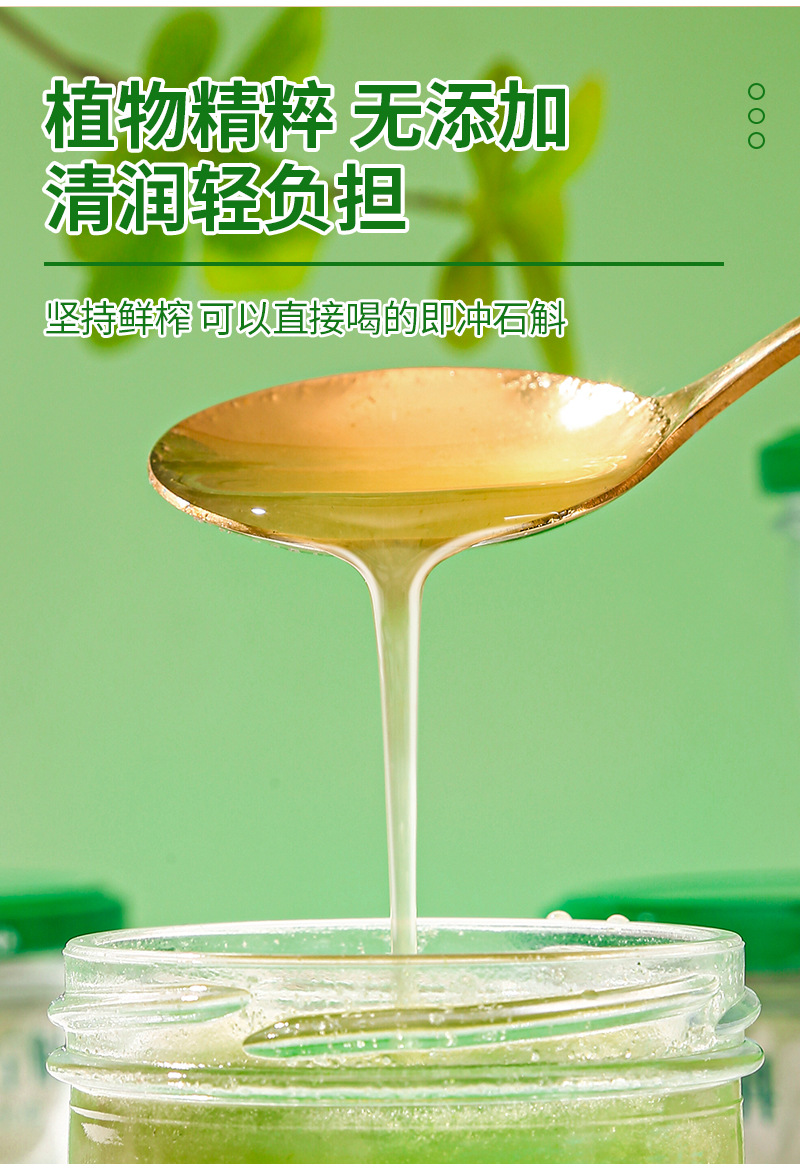
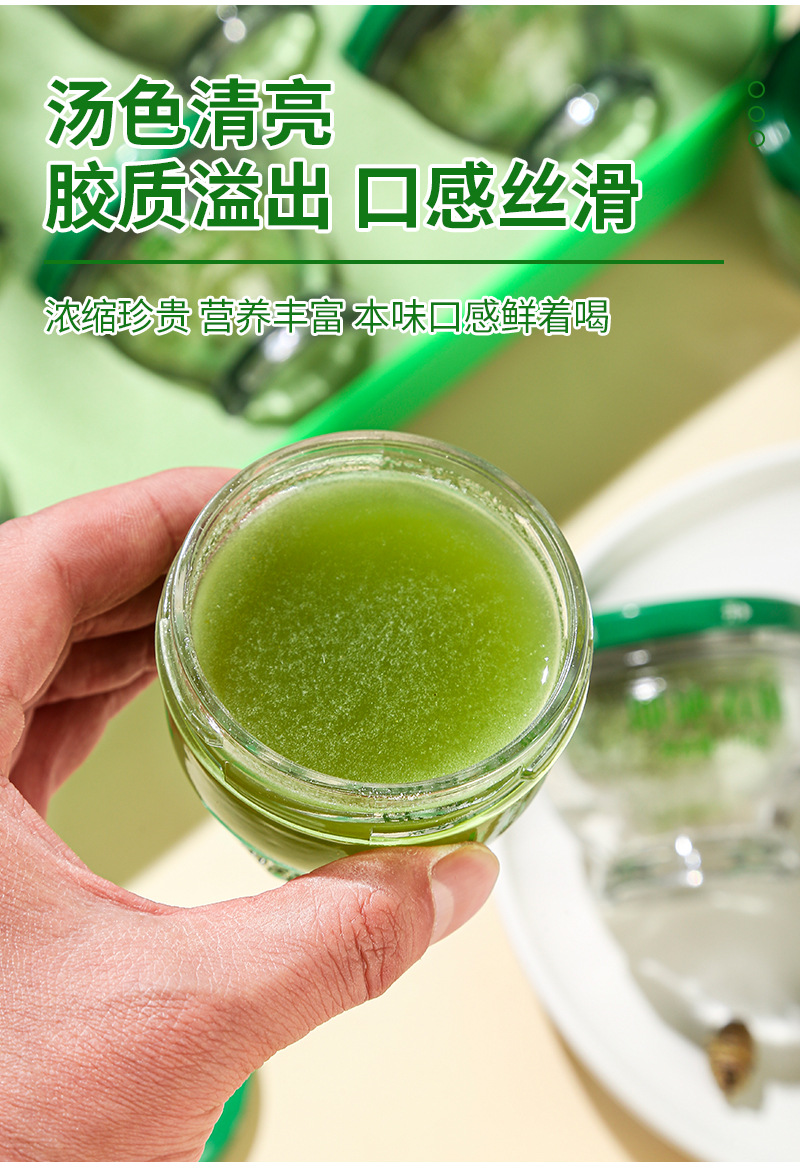
Freeze-dried Dendrobium stems typically appear pale yellow-green to green, with a light crisp and slightly fibrous texture. The aroma is mild and grassy-sweet. When chewed or steeped, the taste is subtly sweet with a characteristic slightly viscous mouthfeel.
Technical Specifications
| Product Type | Freeze-dried Dendrobium stems |
|---|---|
| Chinese Name | 霍山铁皮石斛 |
| Pinyin | Huoshan Tiepi Shihu |
| Botanical Name | Dendrobium officinale |
| Plant Part | Stem |
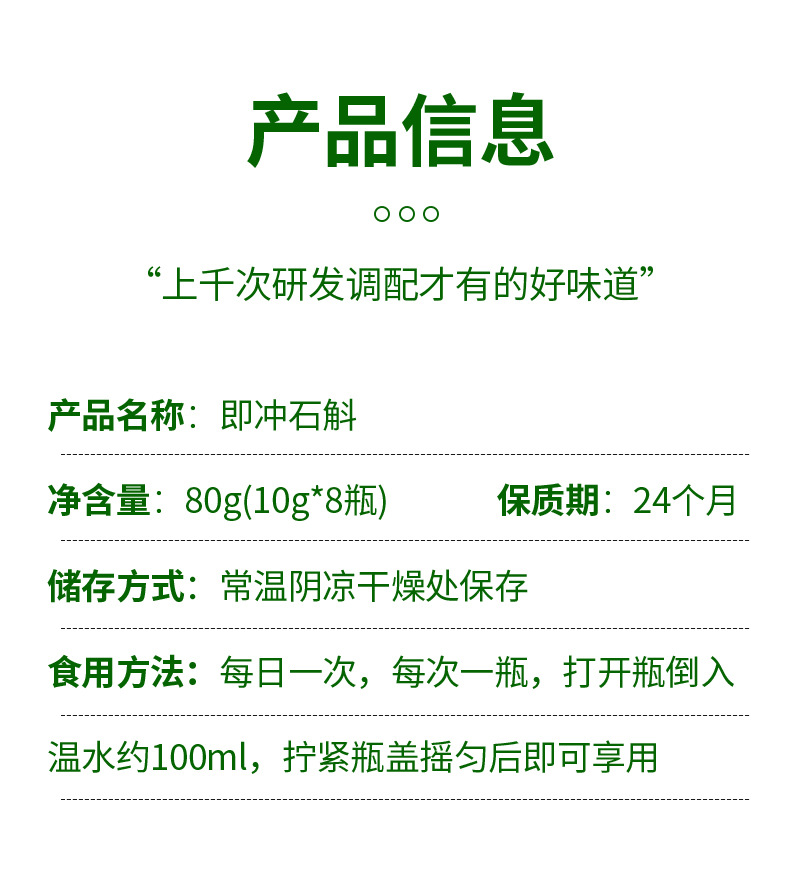
| Net Weight | 80g |
Usage Scenarios
- Eaten directly as a ready-to-eat herbal snack
- Steeped in hot water as a simple daily herbal tea
- Added to soups or congee near the end of cooking
- Combined with other mild herbs in a traditional decoction
Traditional Uses
In TCM theory, Tiepi Shihu is traditionally used to nourish Yin and support body fluids. It is commonly prepared as a decoction, steeped as tea, or added to soups and congee. Traditional pairings include with American ginseng, Goji berry, or Polygonatum for daily wellness routines.
FAQ Q&A
Q: What is freeze-dried Huoshan Tiepi Shihu?
A: It is the freeze-dried stem of Dendrobium officinale, a traditional Chinese herb known in TCM as Huoshan Tiepi Shihu (霍山铁皮石斛).
Q: What is it traditionally used for?
A: In TCM theory it is traditionally associated with nourishing Yin and supporting body fluids, often used in daily herbal routines.
Q: How do I use it?
A: It can be eaten directly, steeped in hot water as a tea, or added to soups and congee. It is not a medicine.
Additional information
| Weight | 0.24 kg |
|---|---|
| Dimensions | 15 × 10 × 8 cm |
Related products
-
Astragalus Root Slices Huang Qi 500g Dried Herb for Soups and Teas
Price range: $7.36 through $22.11 -

Cabinda Bark Dried Herb 500g Traditional Herbal Infusion Ingredient
Price range: $12.38 through $37.50 -

Dried Raspberry Fruit Fu Pen Zi Whole Berries for Herbal Tea and Wine Infusion 500g
Price range: $15.63 through $18.06 -
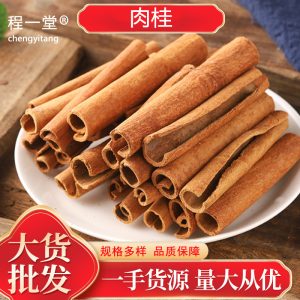
Dried Cinnamon Bark Rou Gui 500g Whole Peeling Culinary Spice and Traditional Herbal Ingredient
Price range: $5.58 through $8.33
Reviews
There are no reviews yet.