
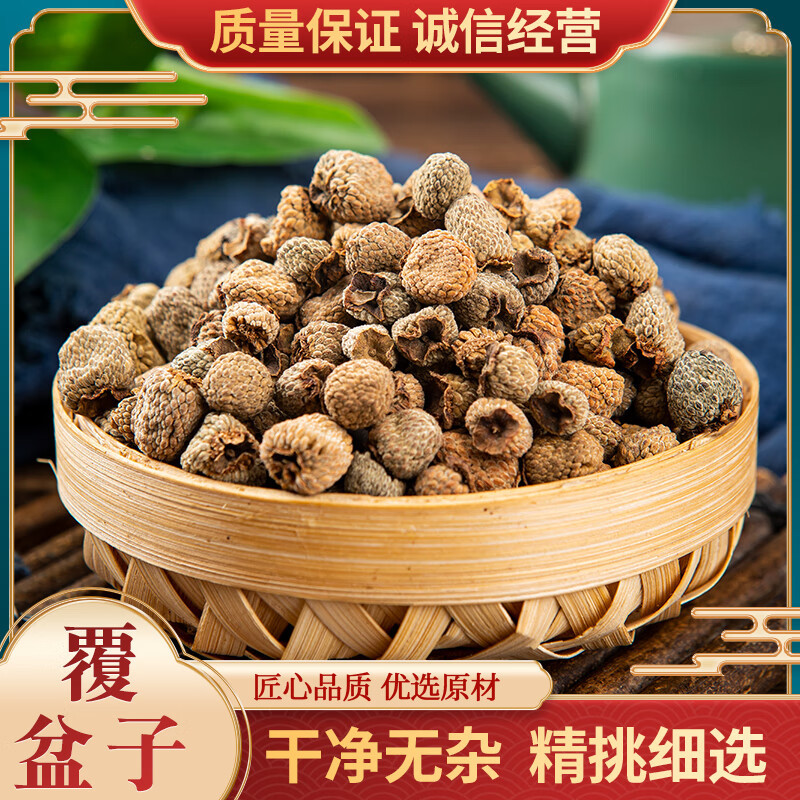
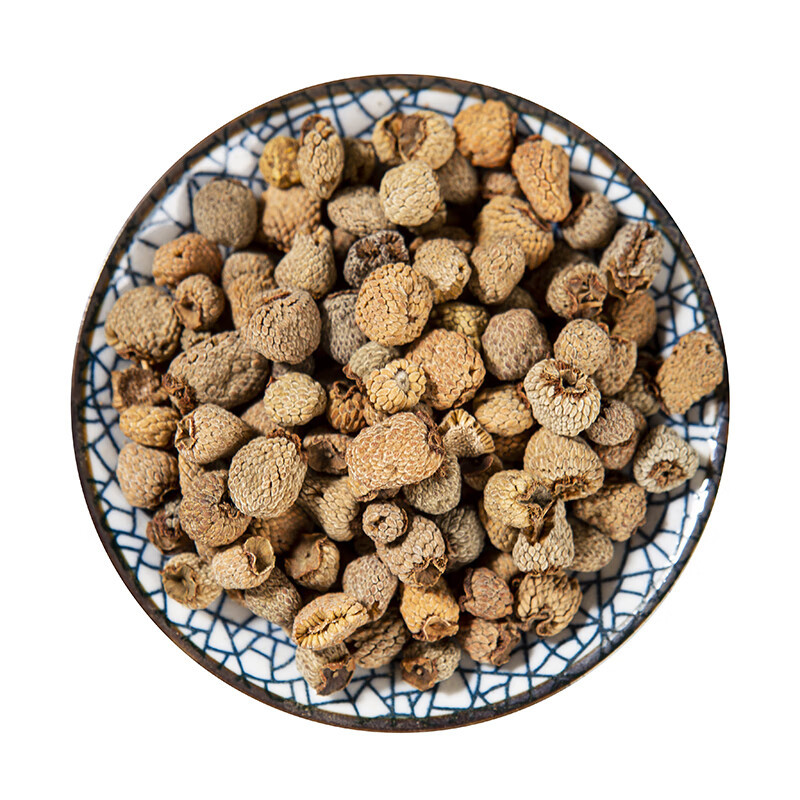
Dried Raspberry Fruit Fu Pen Zi 覆盆子 Traditional Herbal Tea Ingredient 500g
Price range: $22.38 through $36.96
Description
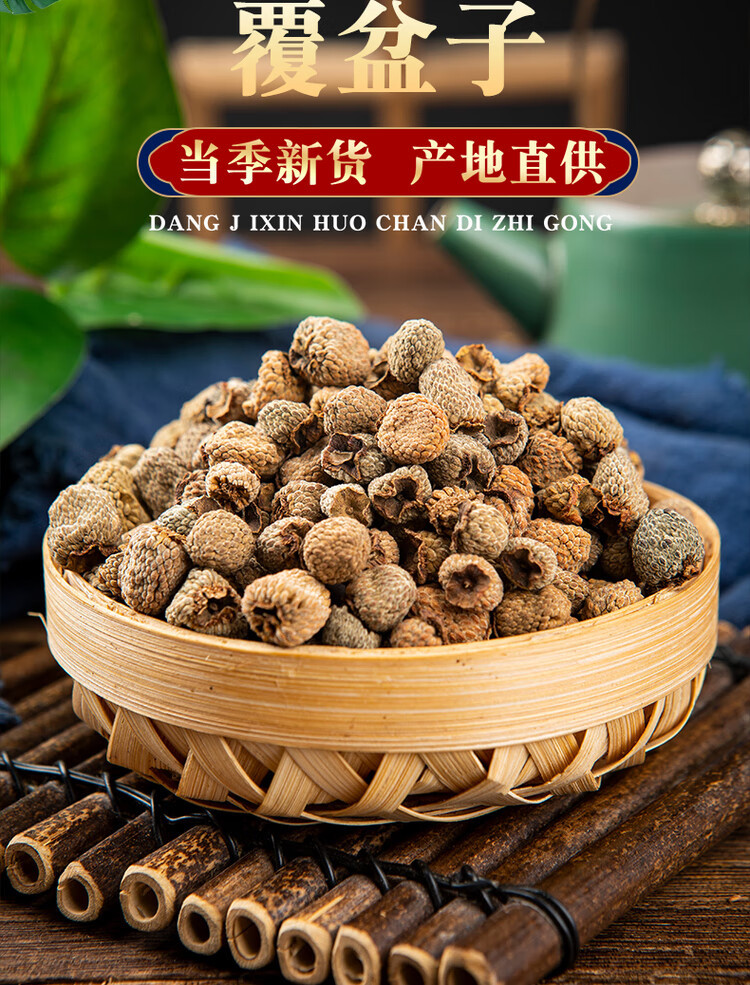
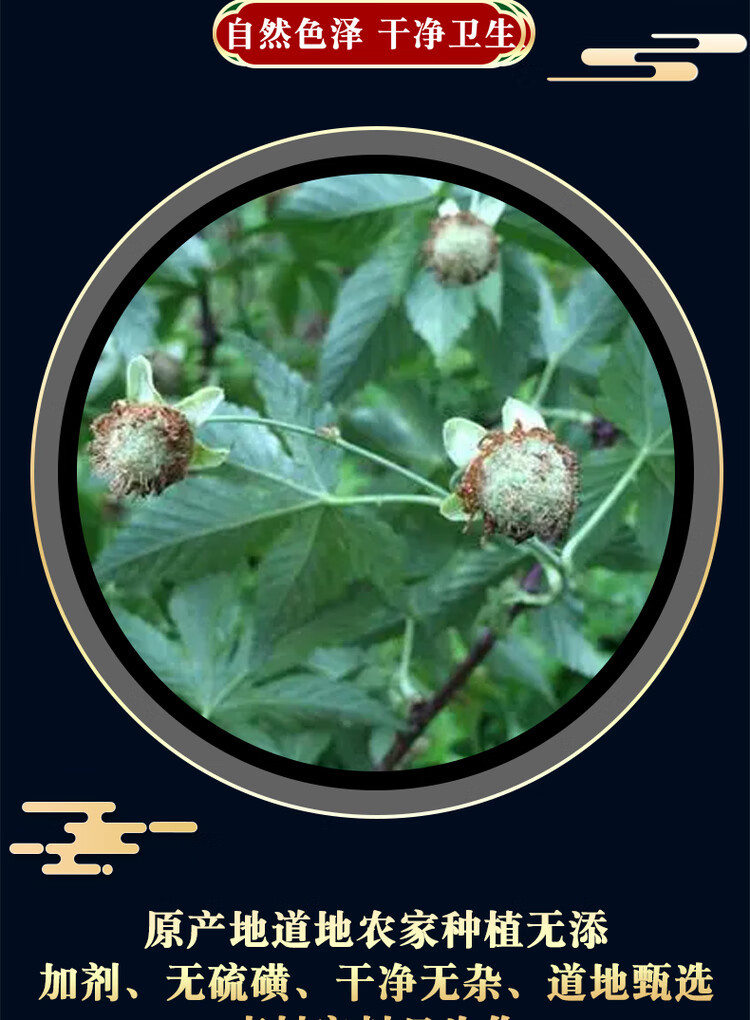
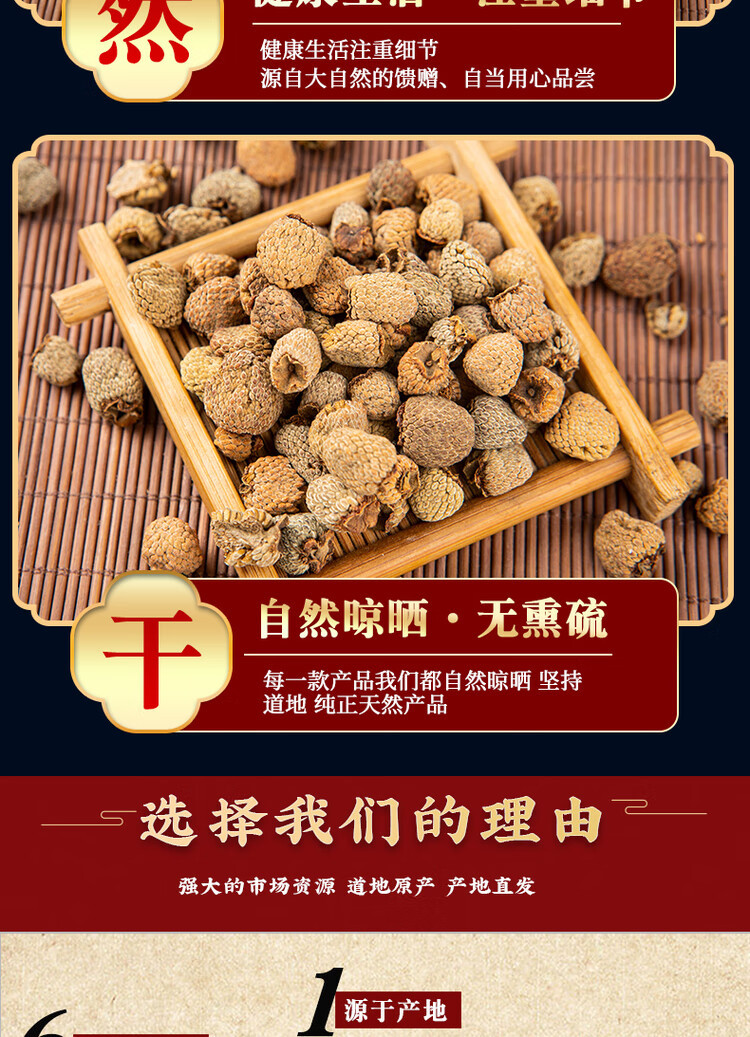
Dried Raspberry Fruit, known in TCM as Fu Pen Zi (覆盆子), from Rubus chingii, the dried mature fruit of the raspberry plant. In TCM theory it is traditionally associated with the kidney and bladder channels and has a sweet and slightly warm nature. Traditionally valued in herbal practice, it is commonly simmered in decoctions or infused as a tea. Store refrigerated in a dry place and use as part of a balanced lifestyle.
Key Selling Points
- Dried whole raspberry fruit prepared as a traditional Chinese herbal ingredient
- Botanical source Rubus chingii with Chinese name Fu Pen Zi 覆盆子
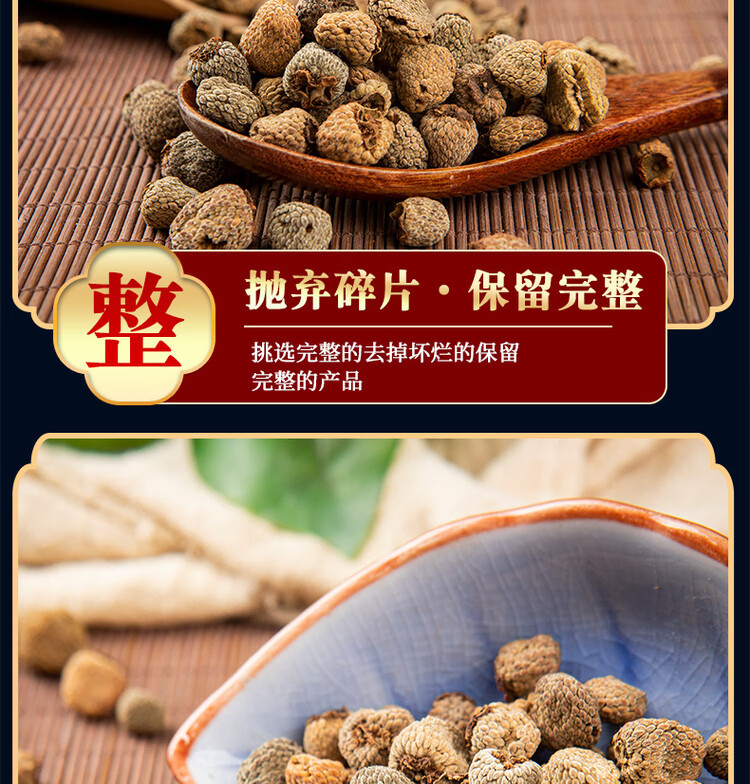
- New harvest crop with plump intact dried berries
- Traditionally used in TCM decoctions and daily herbal teas
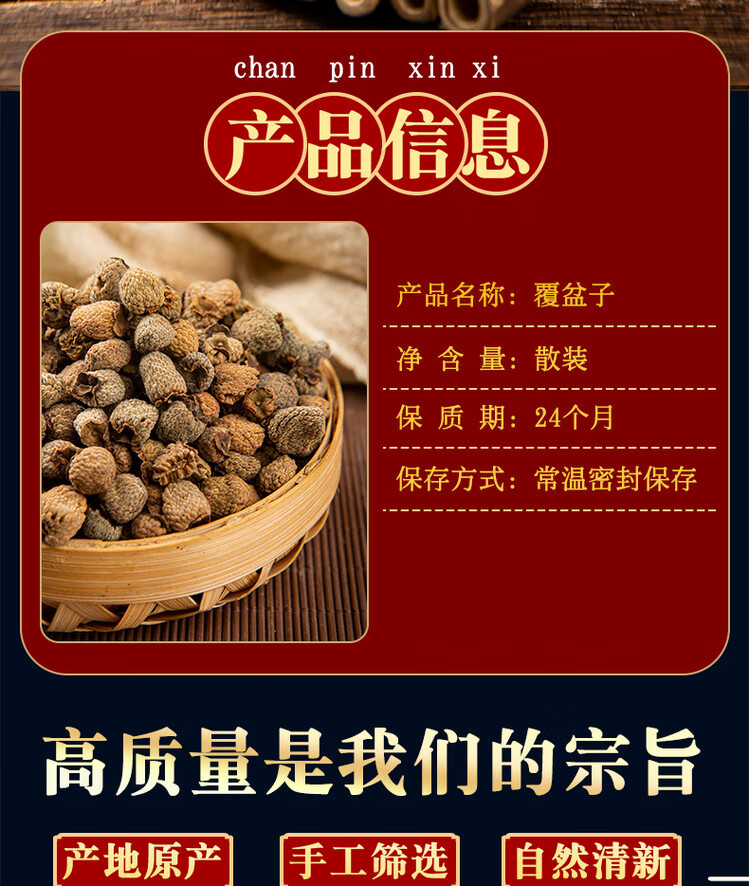
- Sold as edible agricultural produce with 36 month shelf life
Quality & Sensory
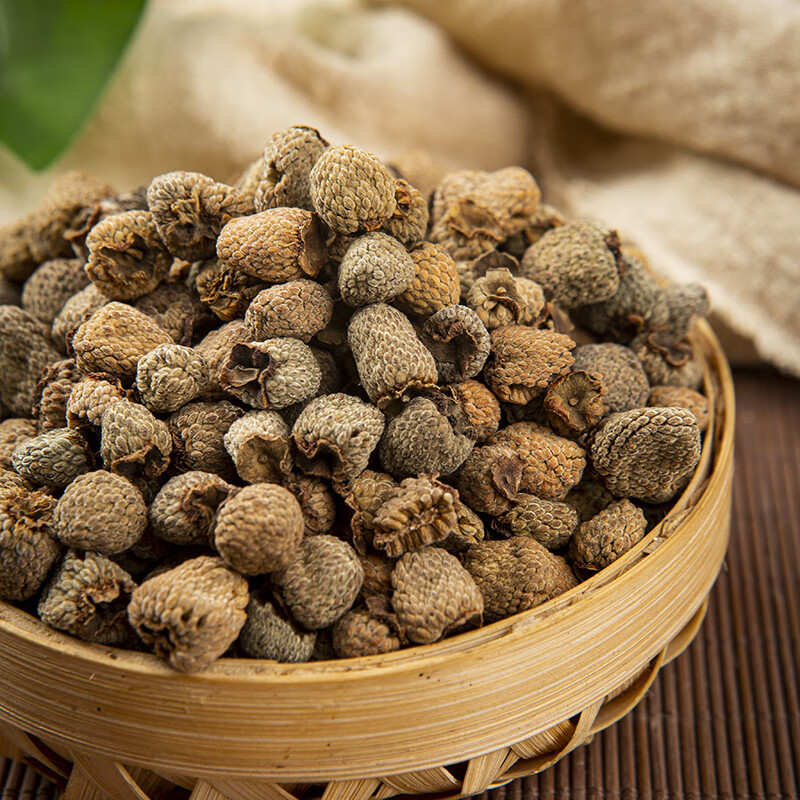
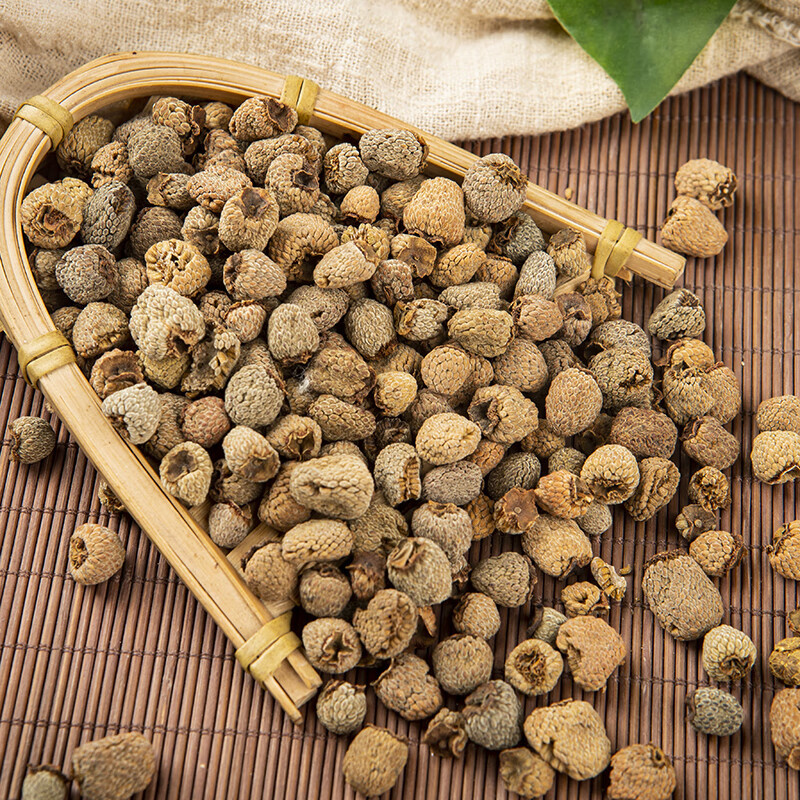
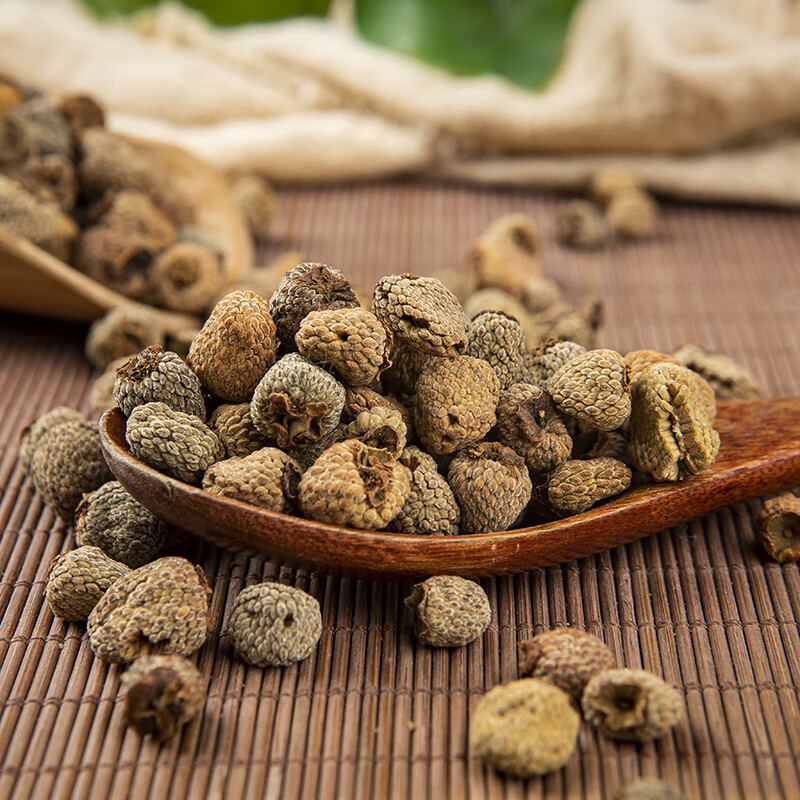
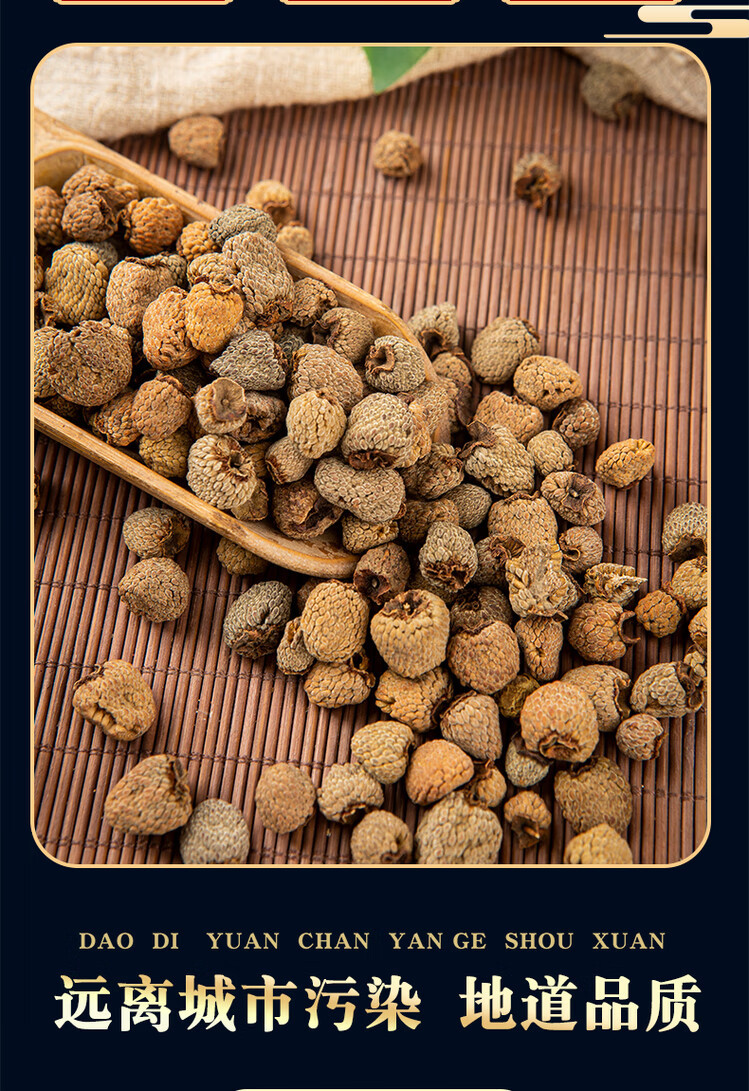
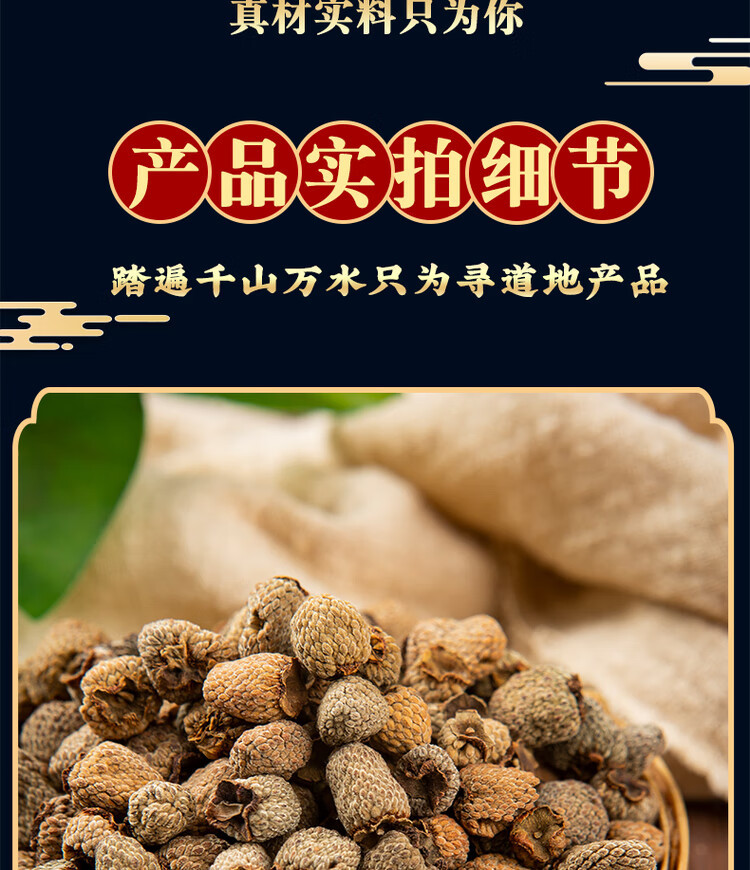
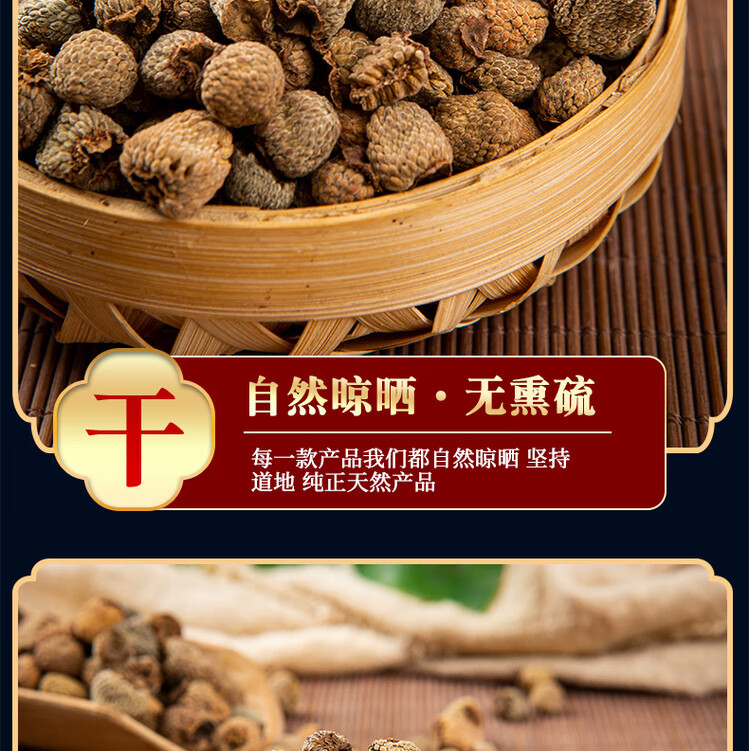
Typically small aggregated dried fruits with a yellowish-green to brownish color and a slightly fuzzy surface texture. The aroma is mildly sweet and herbal, and when simmered or steeped the taste is typically light, fruity, and gently astringent.
Technical Specifications
| Product Type | Dried herbal fruit |
|---|---|
| Chinese Name | 覆盆子 |
| Pinyin | Fu Pen Zi |
| Botanical Name | Rubus chingii |
| Plant Part | Dried mature fruit |
| Net Weight | 500 g |
Usage Scenarios
- Simmer in traditional herbal decoctions
- Steep as a daily herbal tea
- Add to herbal soups with other botanicals
- Use in seasonal tonic congee

Traditional Uses
In TCM practice Fu Pen Zi is traditionally associated with supporting kidney function and is a familiar ingredient in classical tonic formulas. It is often paired with herbs such as Gou Qi Zi (goji berry) and Shan Zhu Yu in decoctions, or simmered alone for a mild fruit tea. Traditionally enjoyed in autumn and winter wellness routines.
FAQ Q&A
Q: What is this product?
A: It is dried raspberry fruit, known in TCM as Fu Pen Zi (覆盆子), from Rubus chingii, sold as an edible agricultural product.
Q: What is its traditional value?
A: In TCM theory it is sweet and slightly warm and traditionally associated with the kidney and bladder channels, valued in traditional tonic practice.
Q: How is it commonly used?
A: It is commonly simmered in herbal decoctions, steeped as tea, or added to soups and congee with other botanicals.
Additional information
| Weight | N/A |
|---|---|
| Dimensions | N/A |
| Packaging specifications | Selected raspberry 500g, Selected raspberry 1000g |
Related products
-
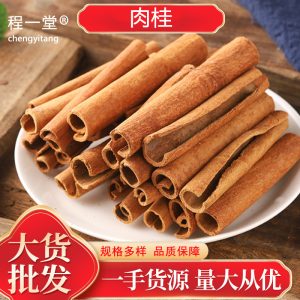
Dried Cinnamon Bark Rou Gui 500g Whole Peeling Culinary Spice and Traditional Herbal Ingredient
Price range: $5.58 through $8.33 -
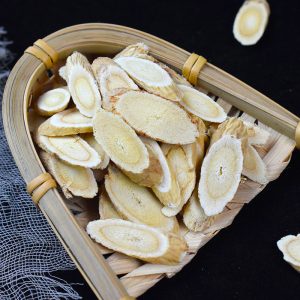
Astragalus Root Slices Huang Qi 500g Dried Herb for Soups and Teas
Price range: $7.36 through $22.11 -
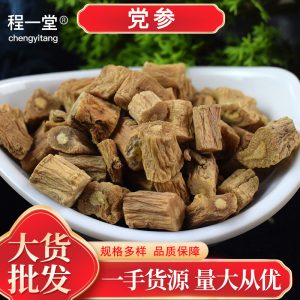
Dried Codonopsis Root Slices Dang Shen 500g Bulk Supply for Soups and Herbal Decoctions
Price range: $10.28 through $18.06 -
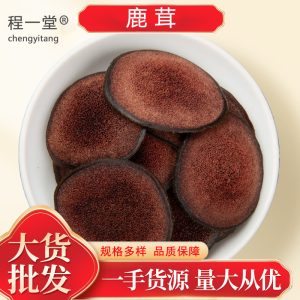
Deer Antler Slices Lu Rong 鹿茸片 Dried Slices for Wine Infusion and Soup 100g Wax Slices Pack
Price range: $68.29 through $92.59
Reviews
There are no reviews yet.