
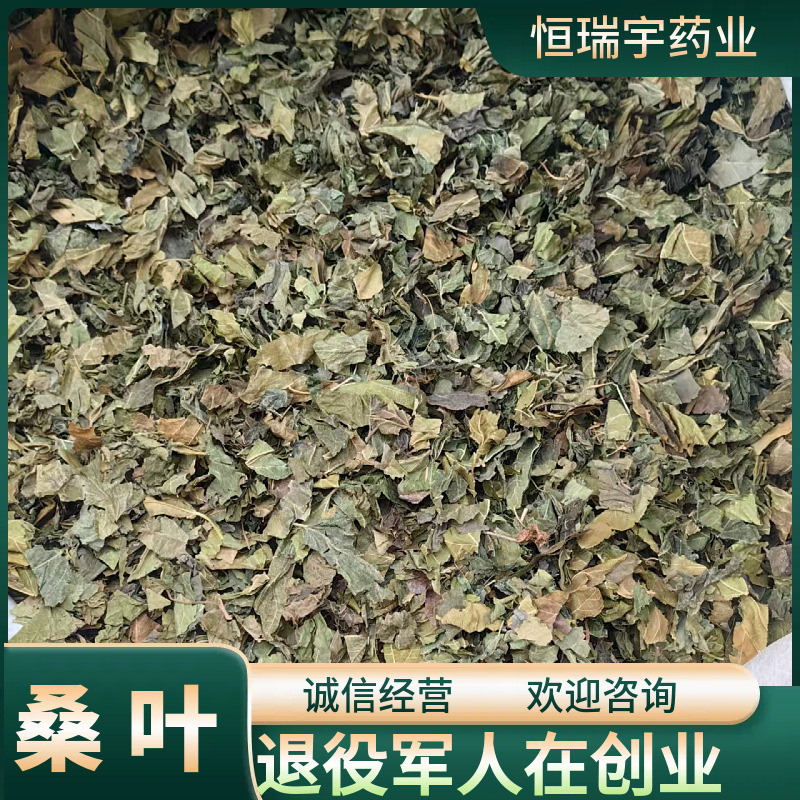
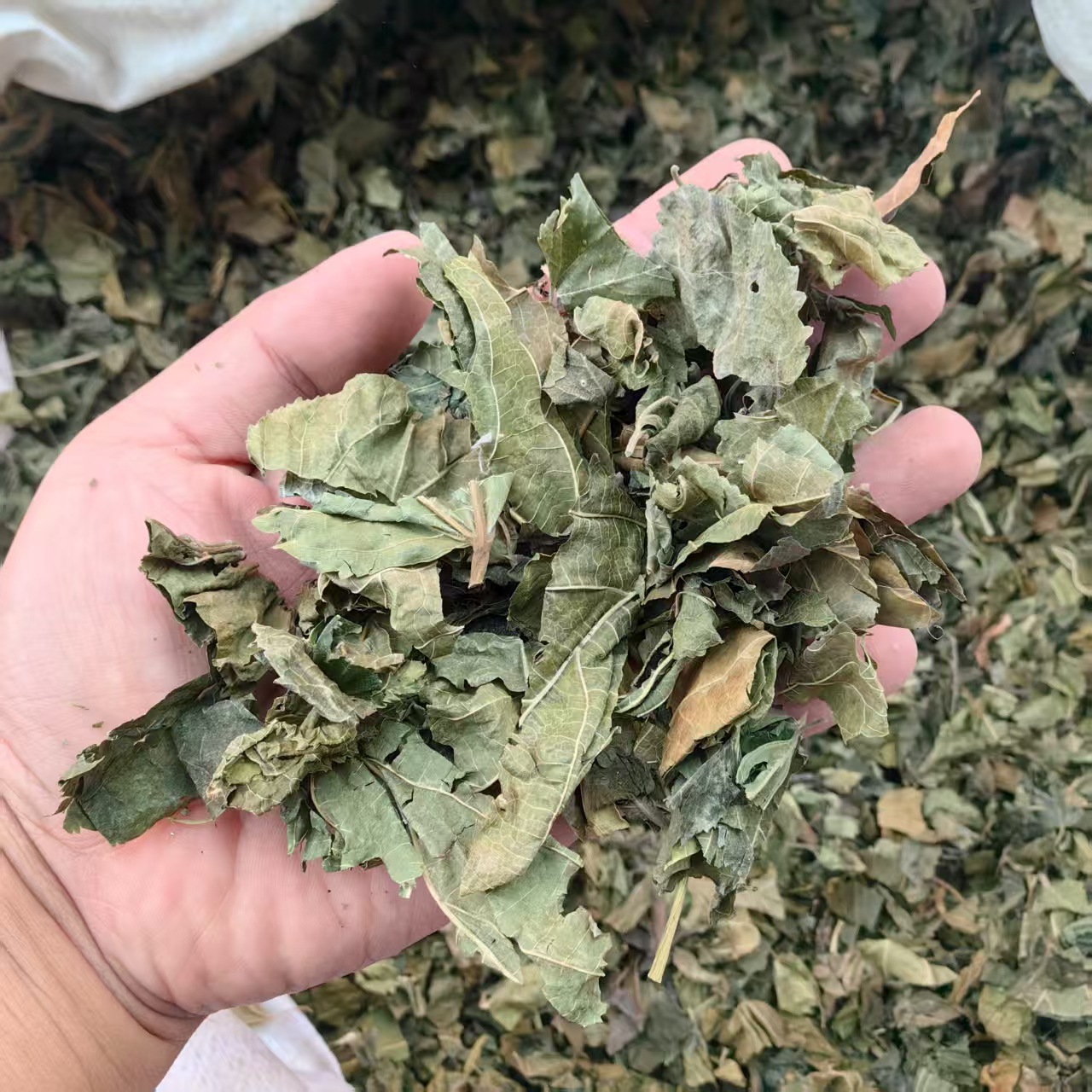
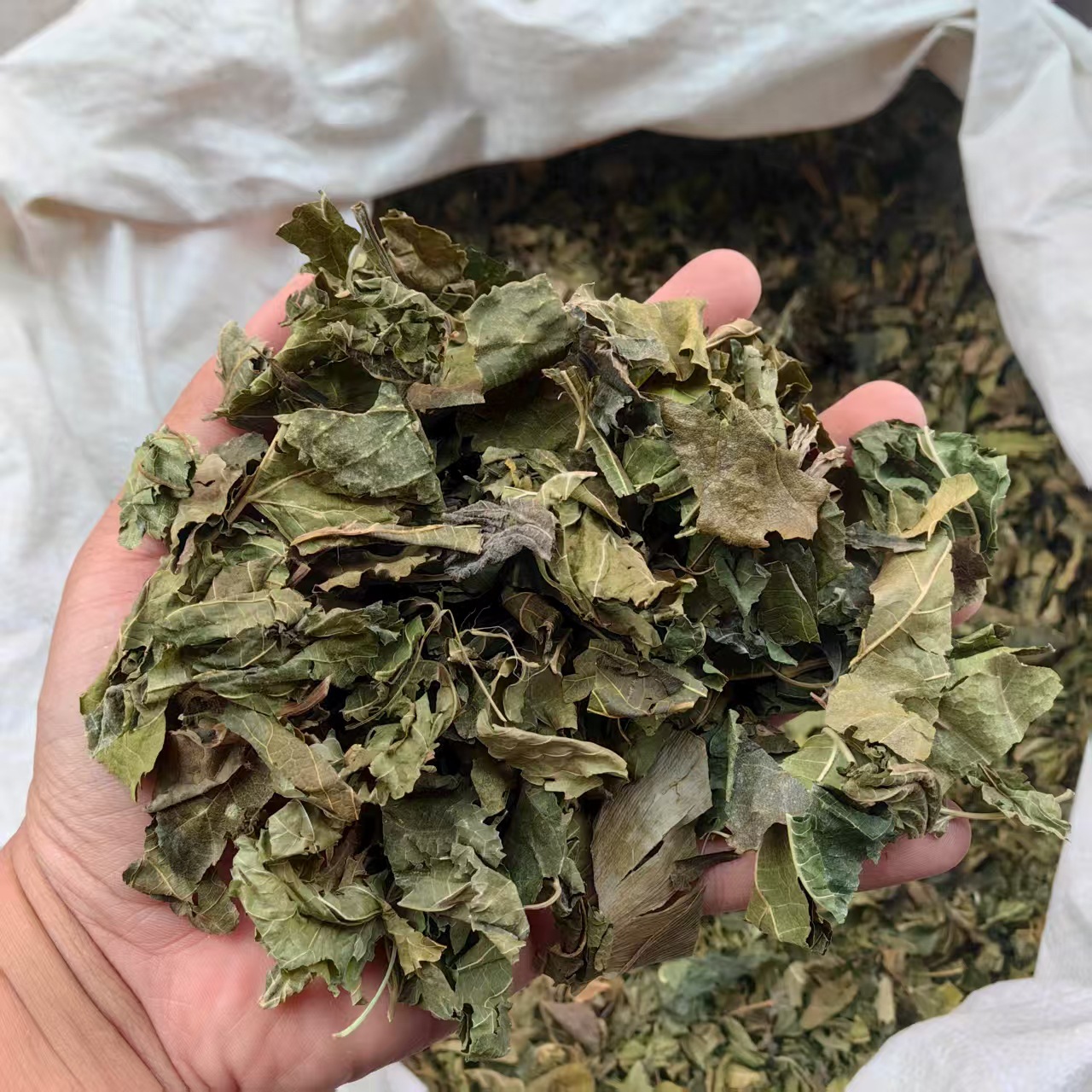
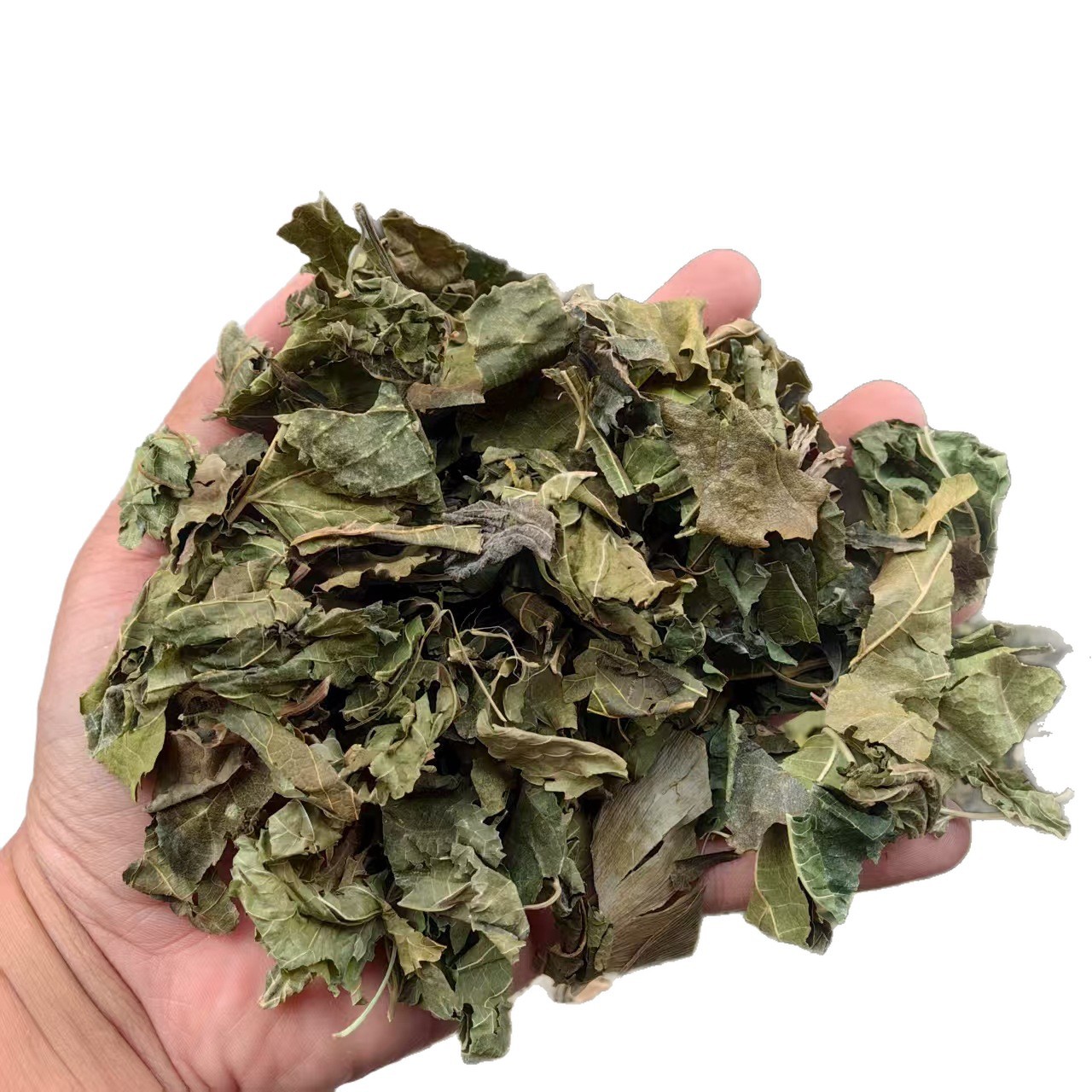
Dried Mulberry Leaves 500g Sang Ye Natural Sun Dried Herbal Tea Leaves
Price range: $6.51 through $7.96
Description
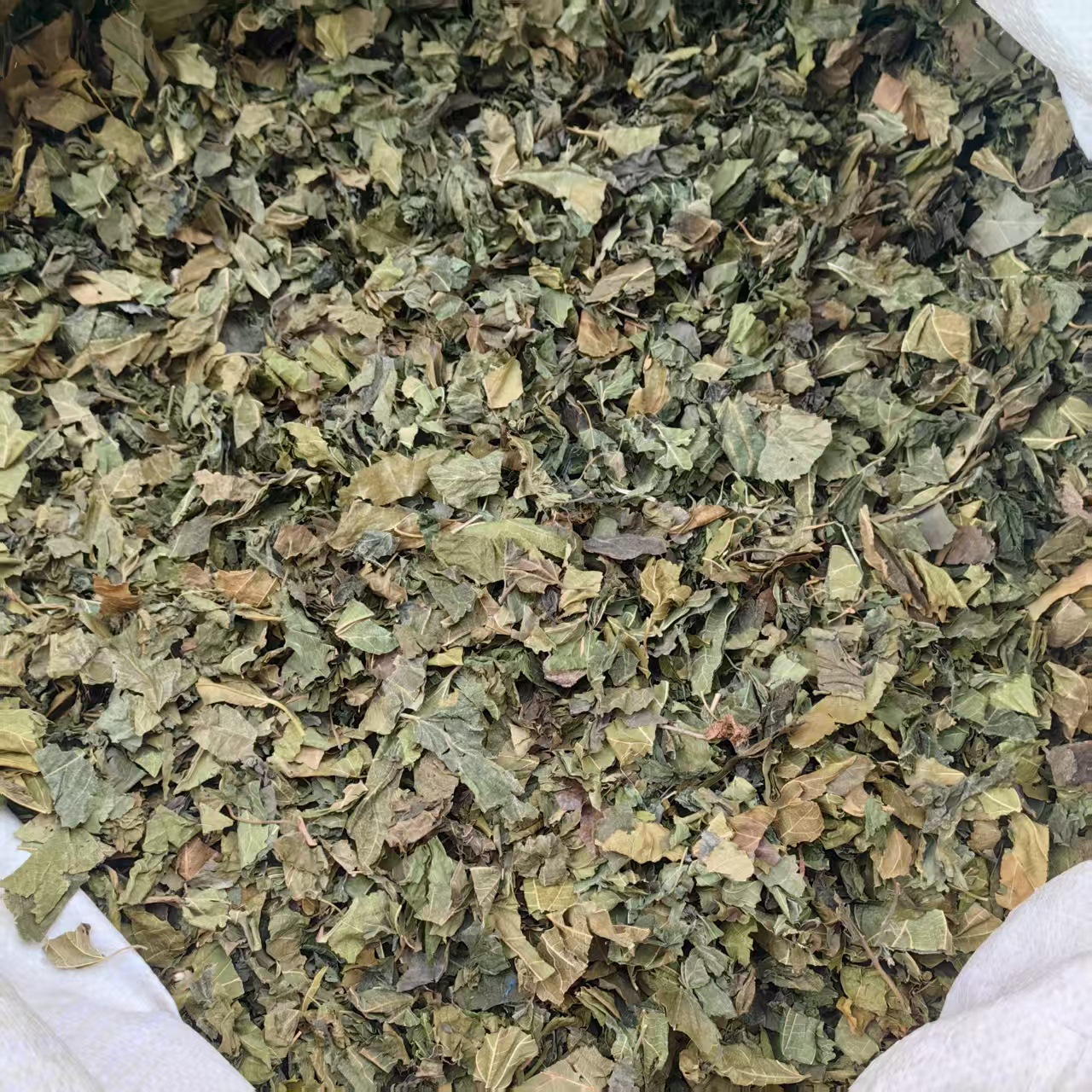
Dried Mulberry Leaves, known in TCM as Sang Ye (桑叶), from Morus alba. These naturally sun-dried leaves are a classic Chinese herbal ingredient traditionally associated with clearing and dispersing lung qi. In TCM theory, Sang Ye is sweet, bitter, and cold in nature and enters the lung and liver channels. Commonly simmered as a decoction or steeped as a light herbal tea.

Key Selling Points
- Authentic dried Sang Ye mulberry leaves from Anhui, China
- Botanical source Morus alba with leaves as the plant part
- Naturally sun-dried to preserve traditional herbal character
- In TCM theory sweet, bitter, and cold, entering lung and liver channels
- Suitable for decoctions, herbal teas, and seasonal wellness blends
Quality & Sensory
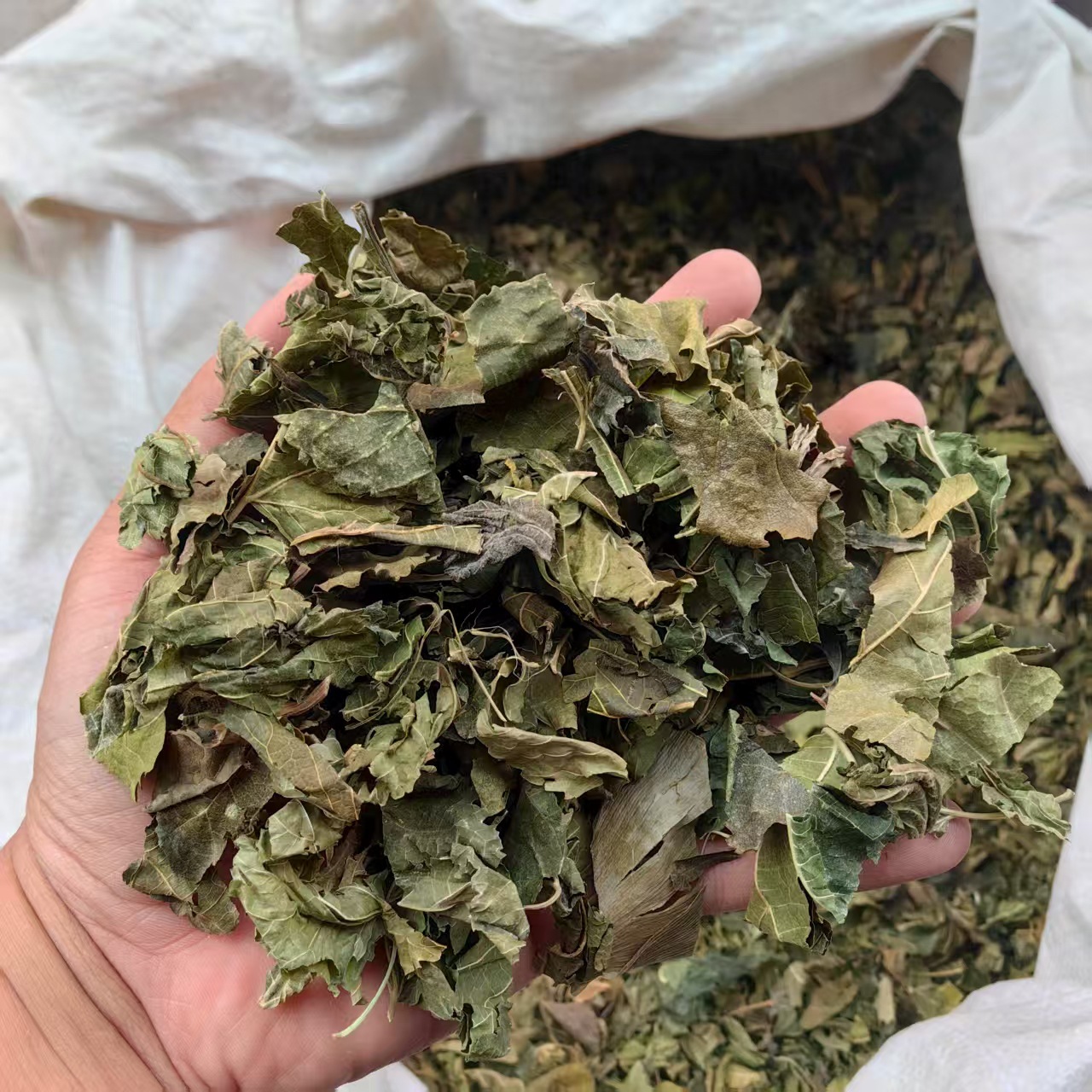
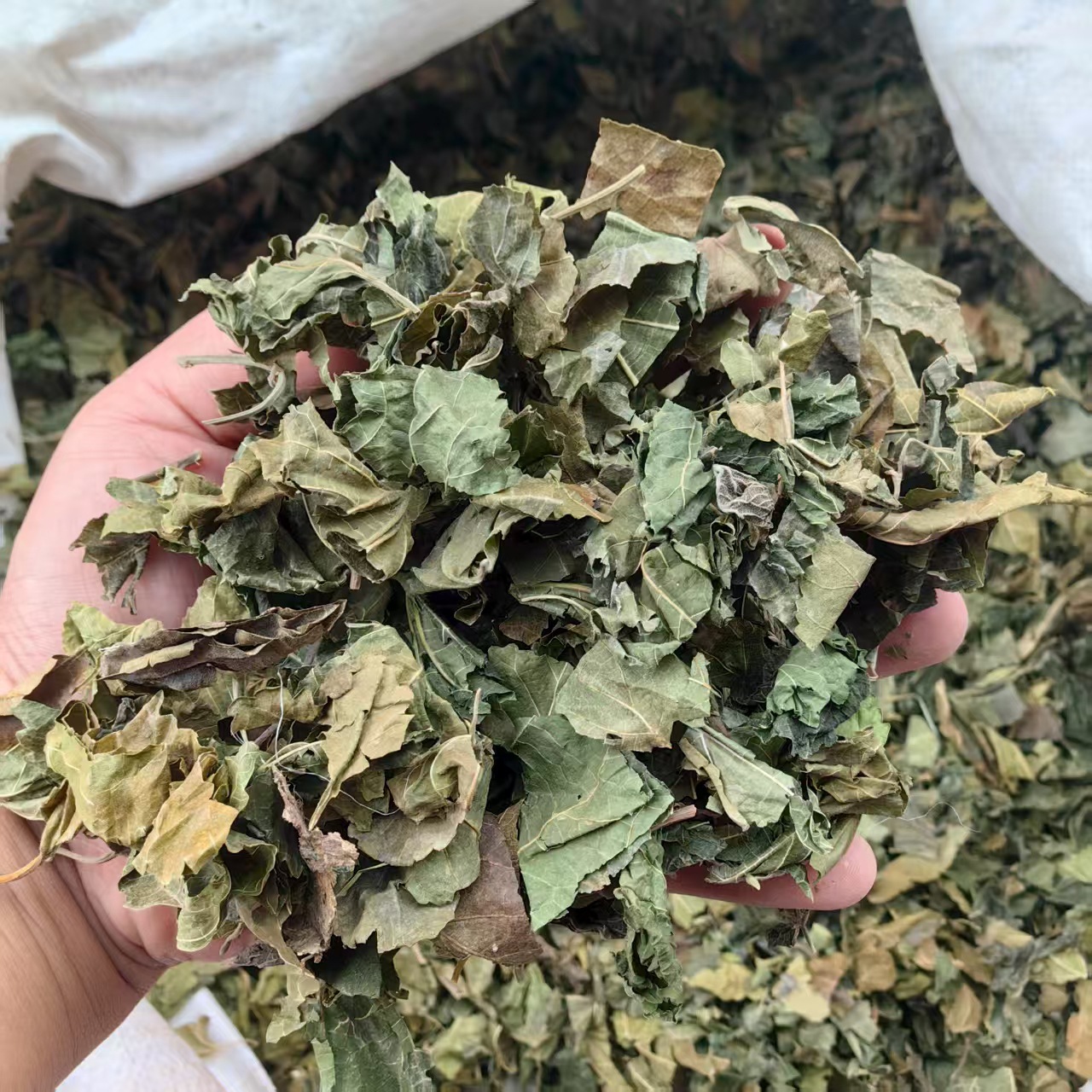
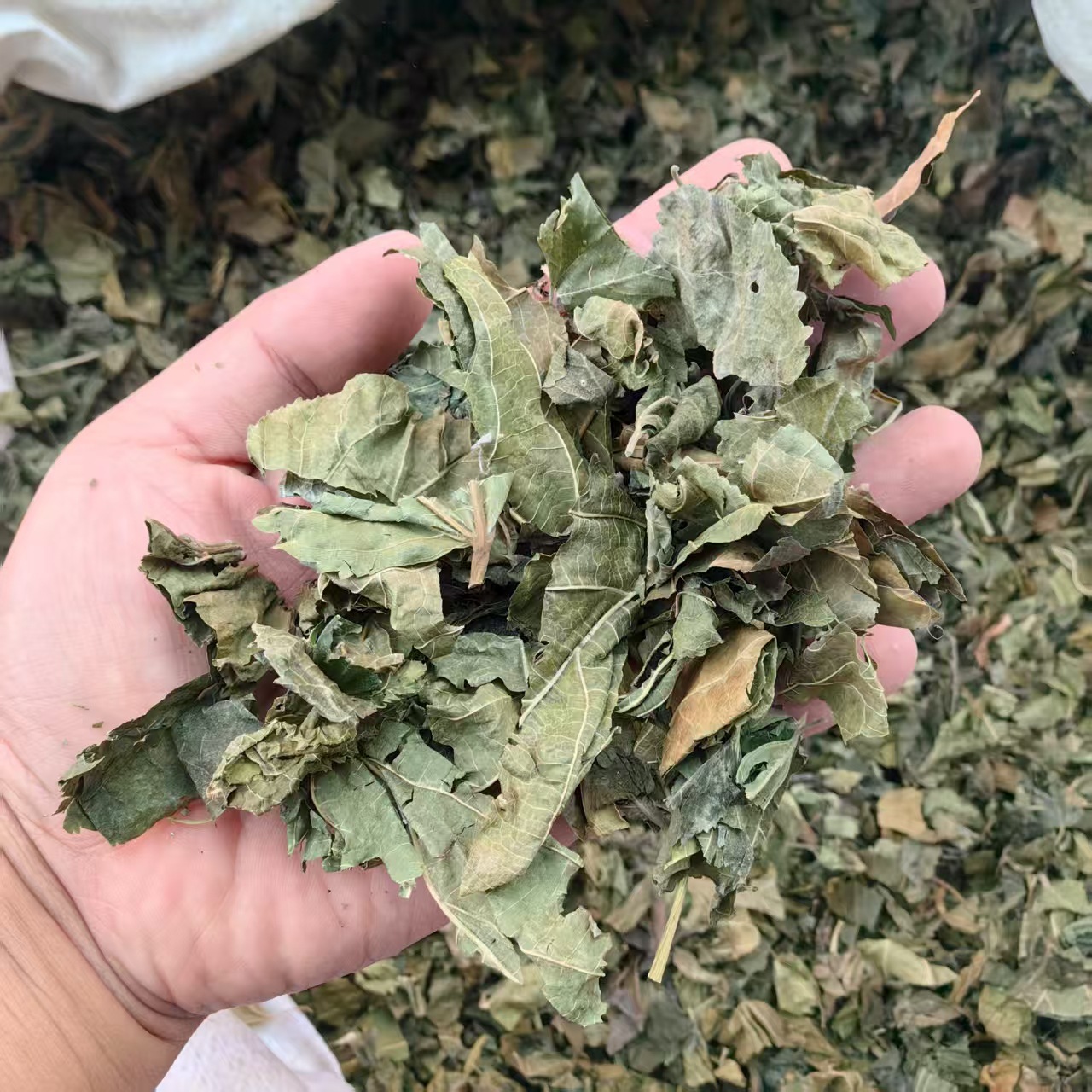
Typically green to yellowish-green dried leaves with a slightly crinkled texture and a mild grassy aroma. When steeped or simmered, the liquor is typically light yellow-green with a gentle, slightly bitter and sweet herbal taste.
Technical Specifications
| Product Type | Dried herbal raw material |
|---|---|
| Chinese Name | 桑叶 |
| Pinyin | Sang Ye |
| Botanical Name | Morus alba |
| Plant Part | Leaves |
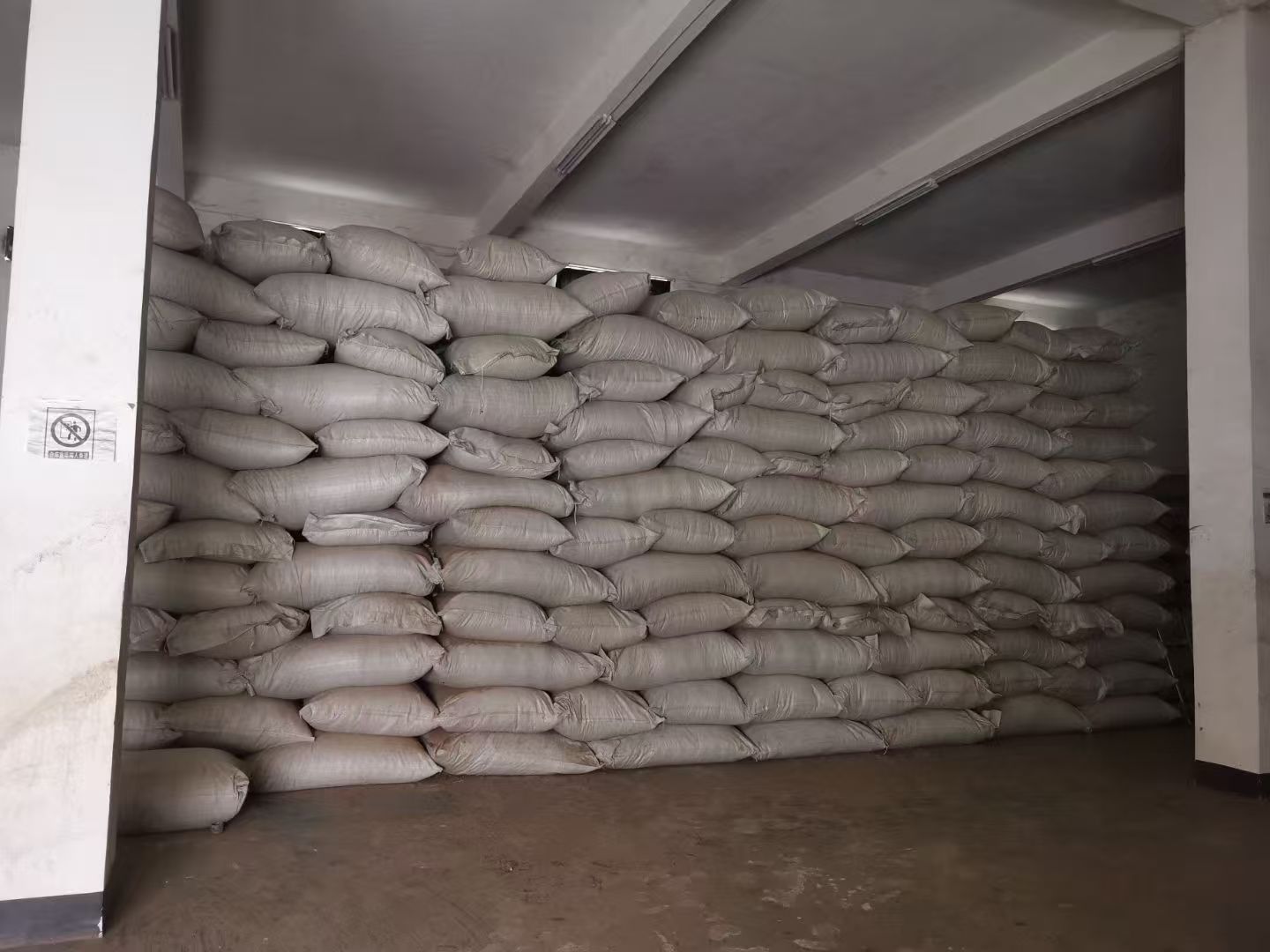
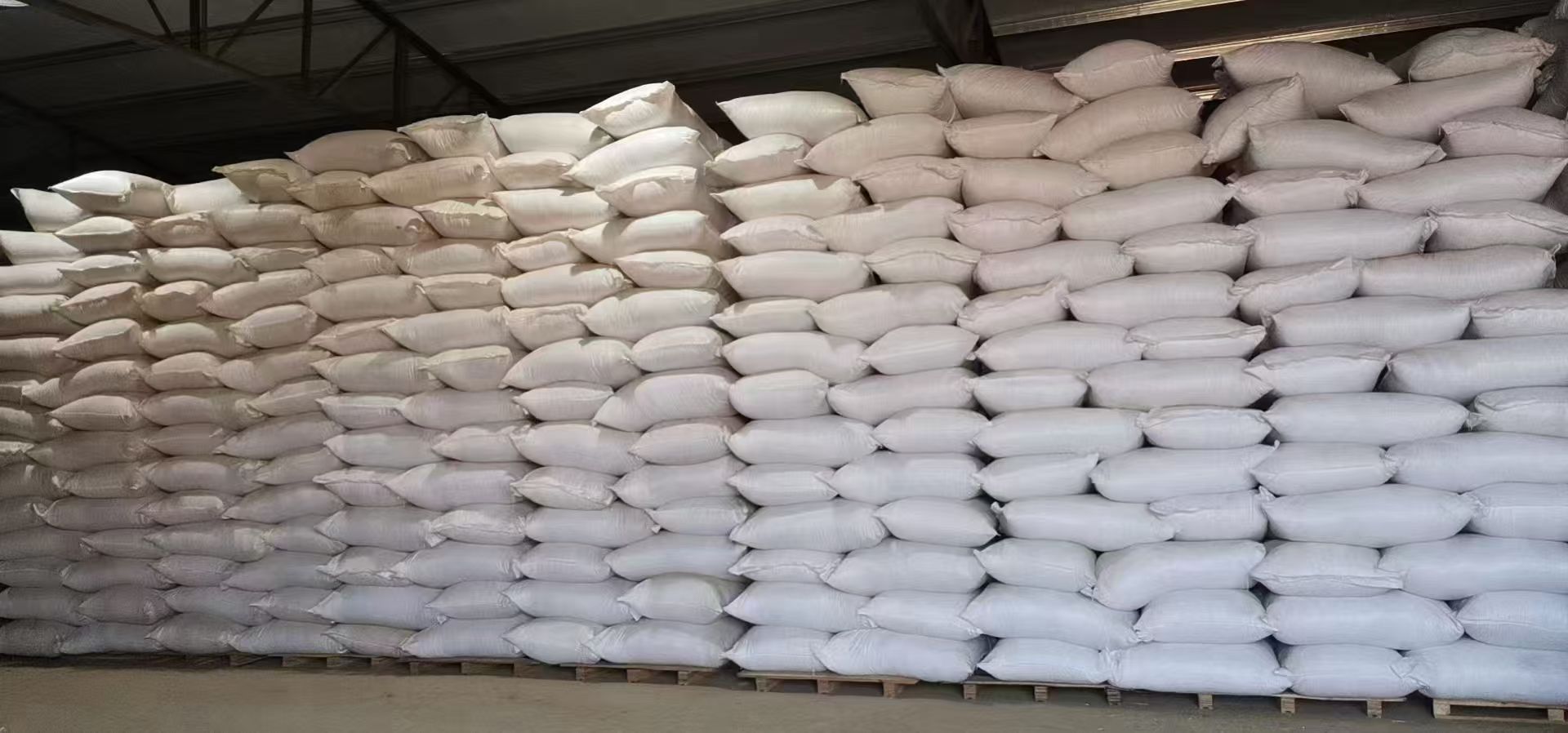
| Net Weight | 500 g |
Usage Scenarios
- Steep as a light daily herbal tea
- Simmer in traditional decoctions
- Blend with chrysanthemum for a classic pairing
- Use in seasonal herbal soup preparations

Traditional Uses
In TCM practice, Sang Ye is traditionally used to disperse wind-heat and clear the lung and liver. It is a familiar ingredient in classic formulas such as Sang Ju Yin, often paired with chrysanthemum flowers. Traditionally prepared as a decoction or enjoyed as a simple tea, especially in warm seasons.
FAQ Q&A
Q: What is this product?
A: It is 500g of naturally sun-dried mulberry leaves, known in TCM as Sang Ye (桑叶), from Morus alba.
Q: What are its traditional characteristics?
A: In TCM theory, Sang Ye is sweet, bitter, and cold, entering the lung and liver channels, and is traditionally associated with dispersing wind-heat.
Q: How is it commonly prepared?
A: It is commonly simmered as a decoction or steeped as a light herbal tea, often paired with chrysanthemum.
Additional information
| Weight | N/A |
|---|---|
| Dimensions | N/A |
| Packaging specifications | 1 500g, 1 1000g |
Related products
-
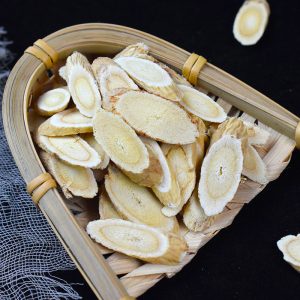
Astragalus Root Slices Huang Qi 500g Dried Herb for Soups and Teas
Price range: $7.36 through $22.11 -
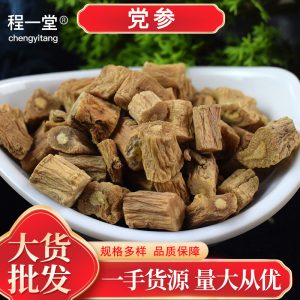
Dried Codonopsis Root Slices Dang Shen 500g Bulk Supply for Soups and Herbal Decoctions
Price range: $10.28 through $18.06 -
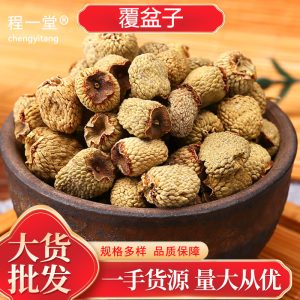
Dried Raspberry Fruit Fu Pen Zi Whole Berries for Herbal Tea and Wine Infusion 500g
Price range: $15.63 through $18.06 -
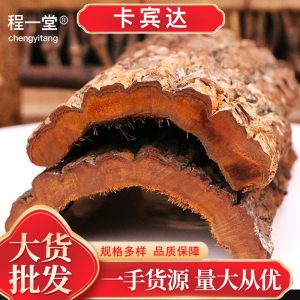
Cabinda Bark Dried Herb 500g Traditional Herbal Infusion Ingredient
Price range: $12.38 through $37.50
Reviews
There are no reviews yet.