
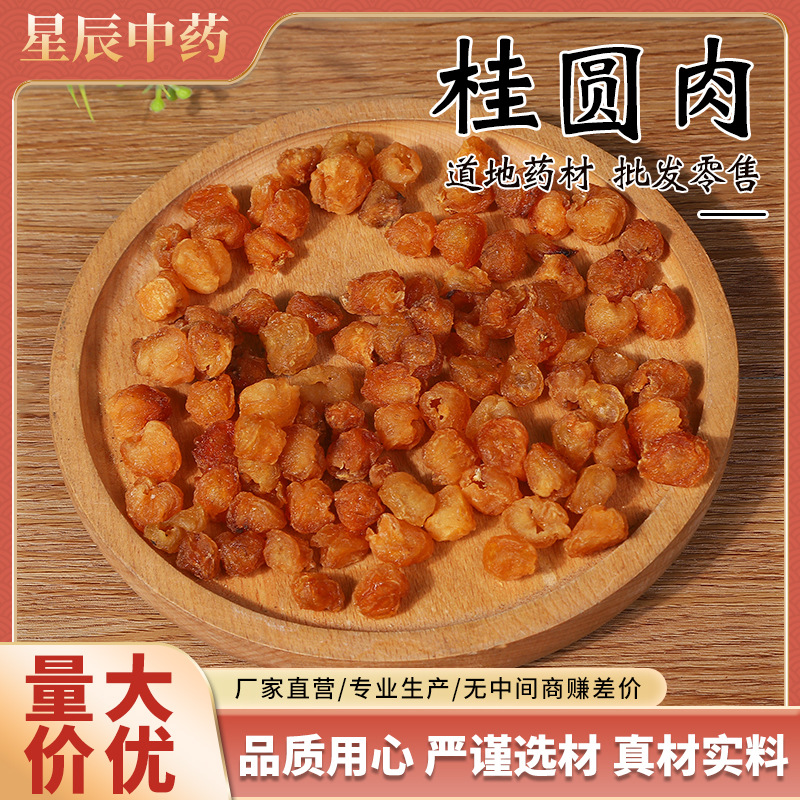
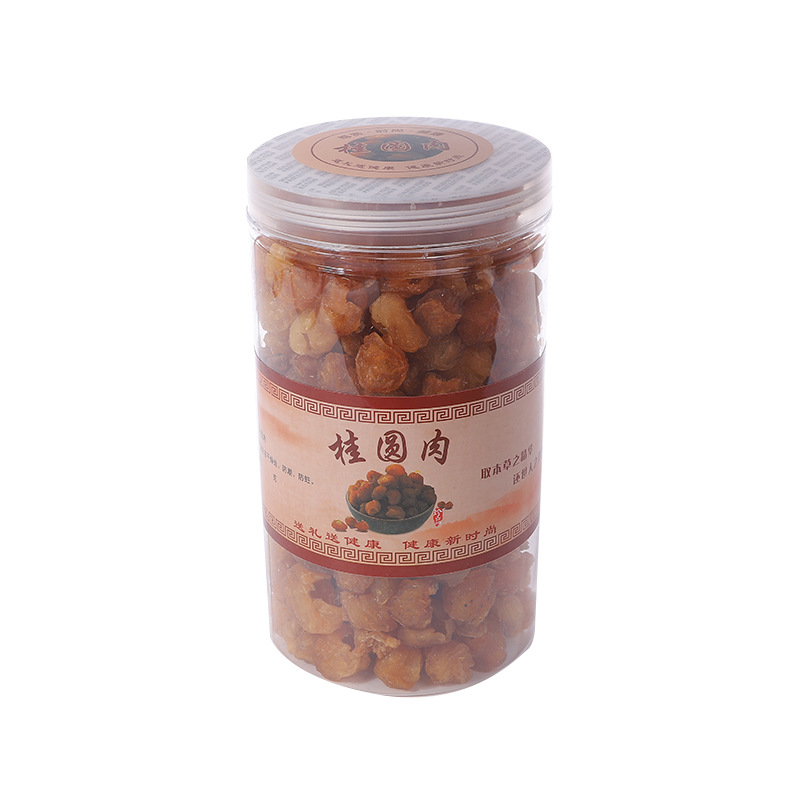
Dried Longan Fruit Gui Yuan Rou 500g Pitted Dried Longan for Soup Congee and Herbal Tea
$9.39
Description
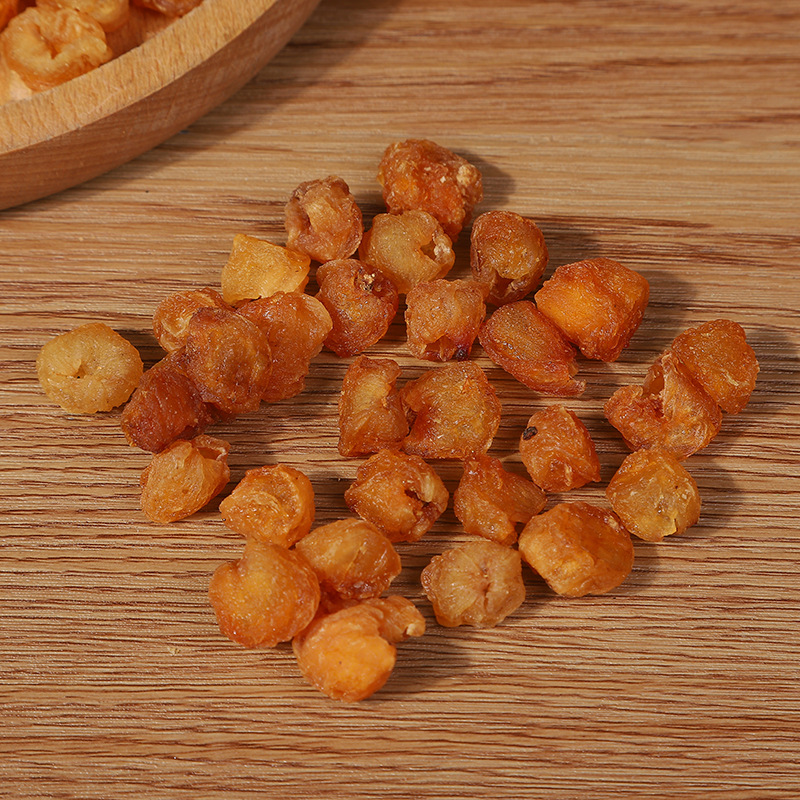
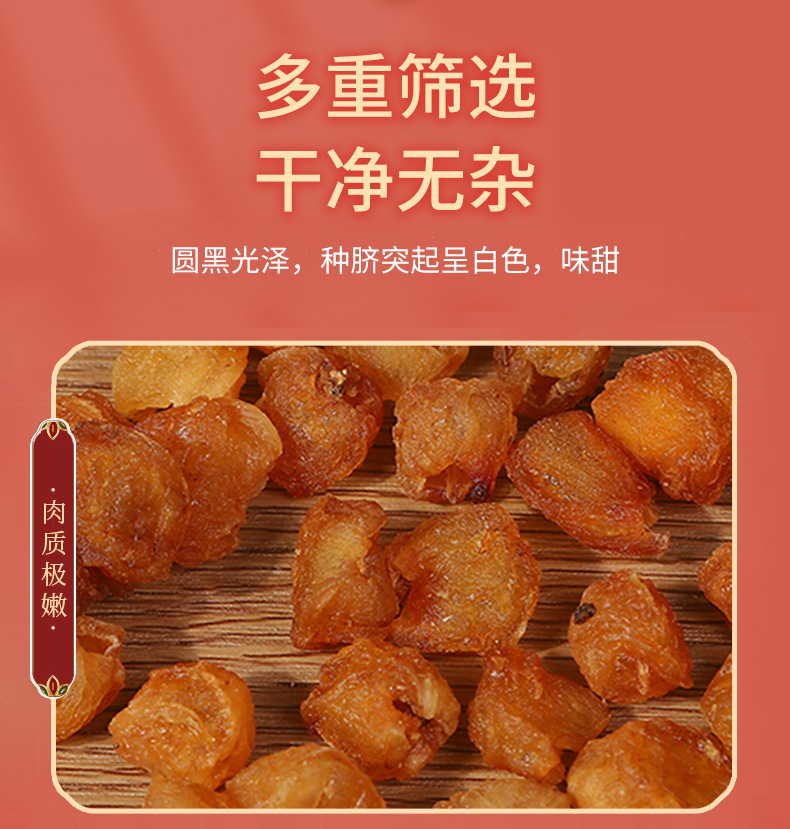
Dried Longan Fruit, known in TCM as Gui Yuan Rou (桂圆肉), from Dimocarpus longan, is the dried aril of ripe longan fruit. This pitted, dried longan flesh is a sweet, warming tonic food traditionally used in Chinese herbal practice. In TCM theory it is sweet and warm and traditionally associated with nourishing heart and spleen. Enjoy it in soups, congee, and herbal teas as part of a balanced diet.
Key Selling Points
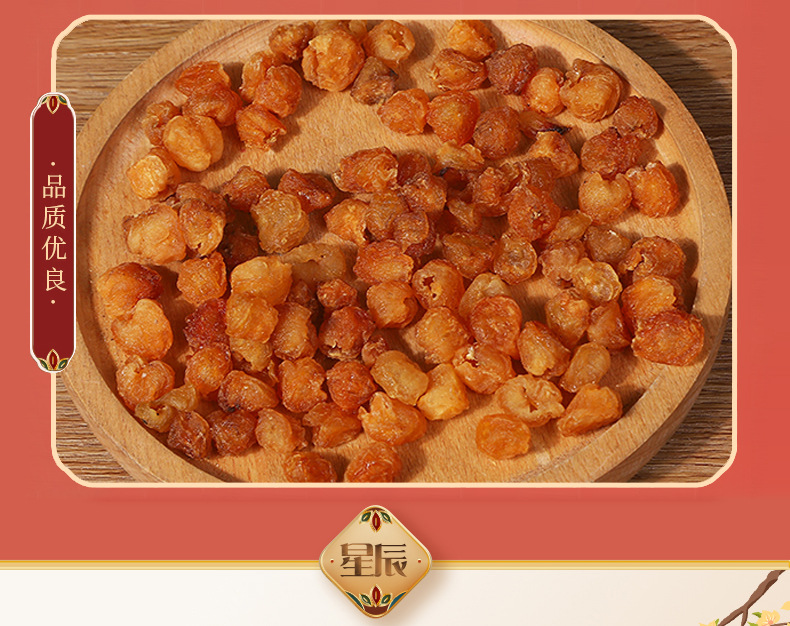
- Pitted dried longan aril with no shell or seed for convenient use
- Botanical source Dimocarpus longan, product category Long Yan Rou
- Traditionally valued in TCM as a sweet warming tonic food
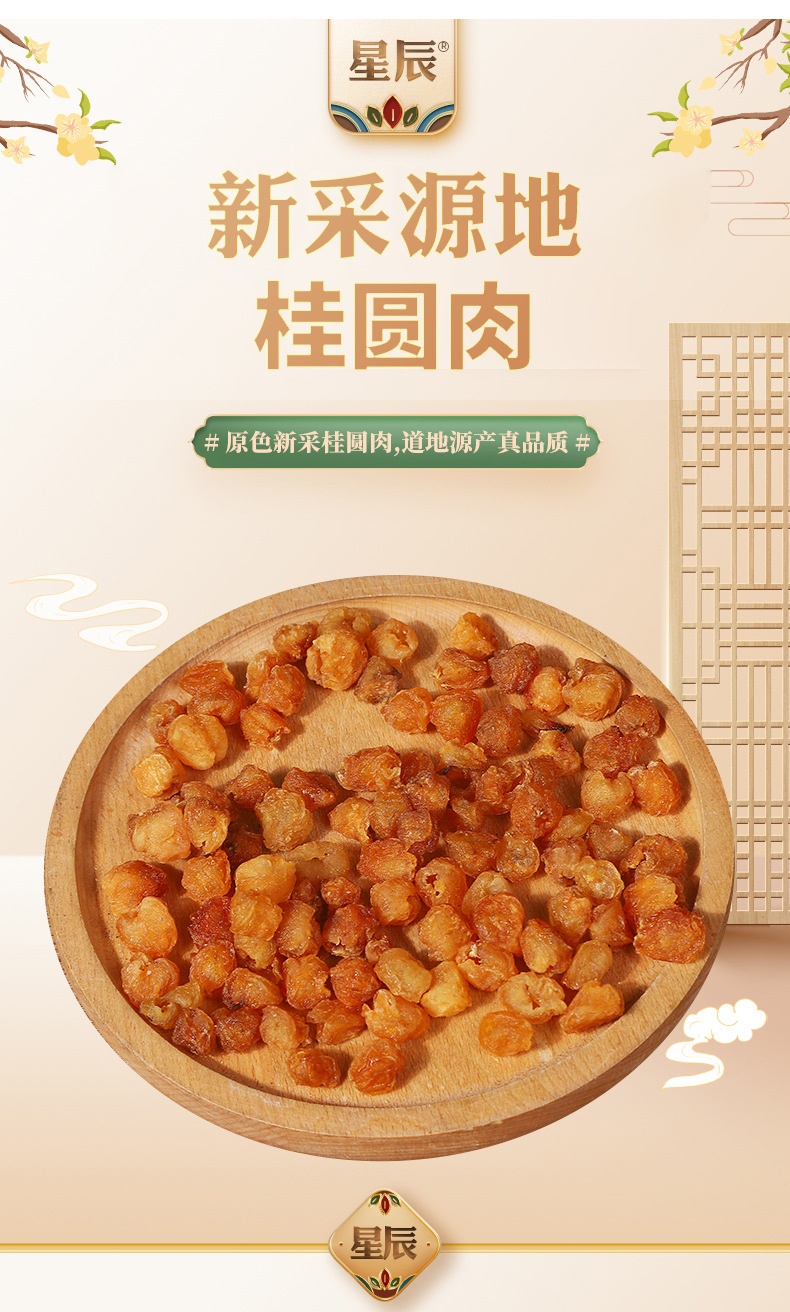
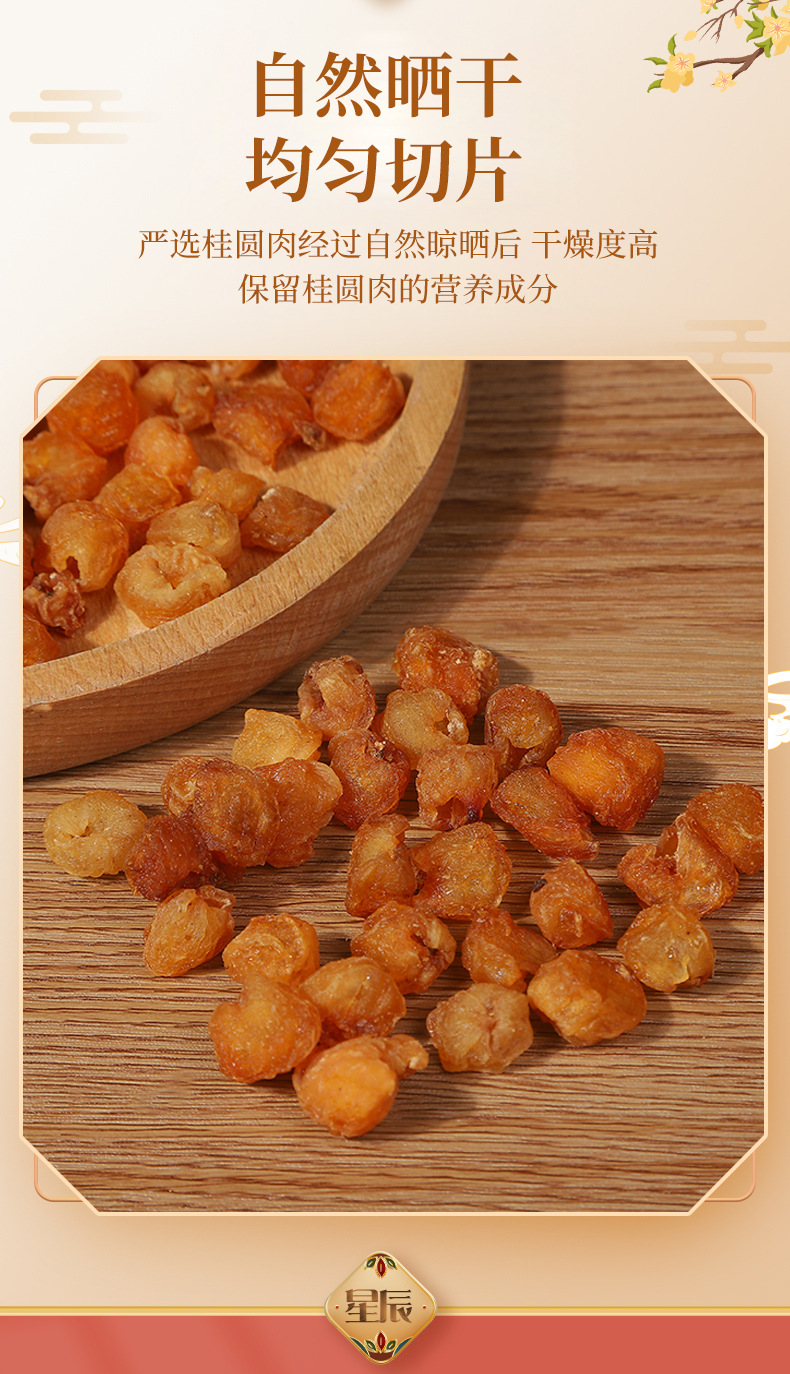
- Carefully dried longan flesh with naturally rich sweetness
- Ready to add to soups, congee, and herbal teas
Quality & Sensory
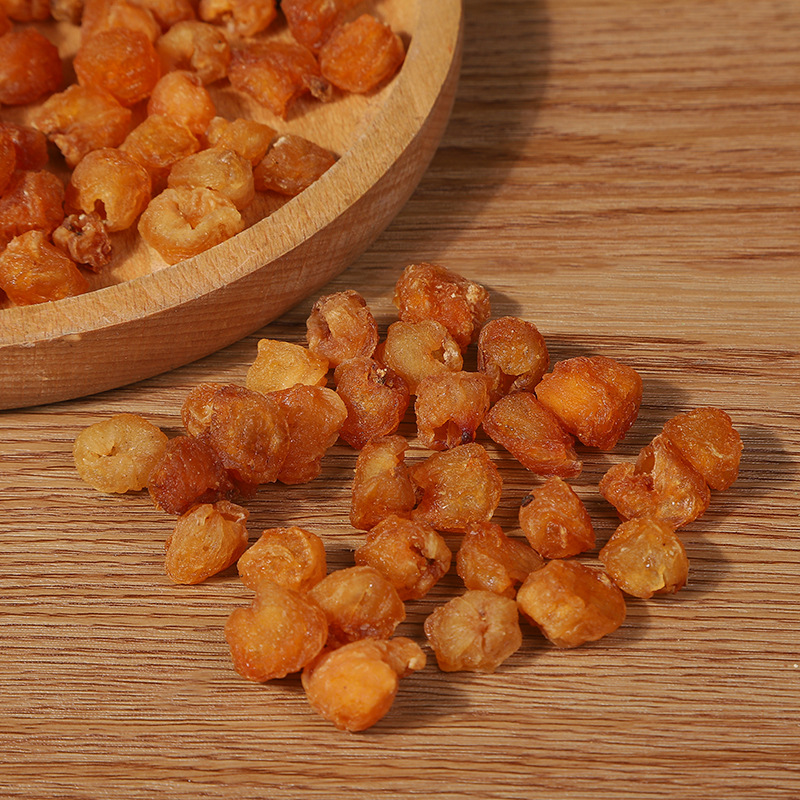
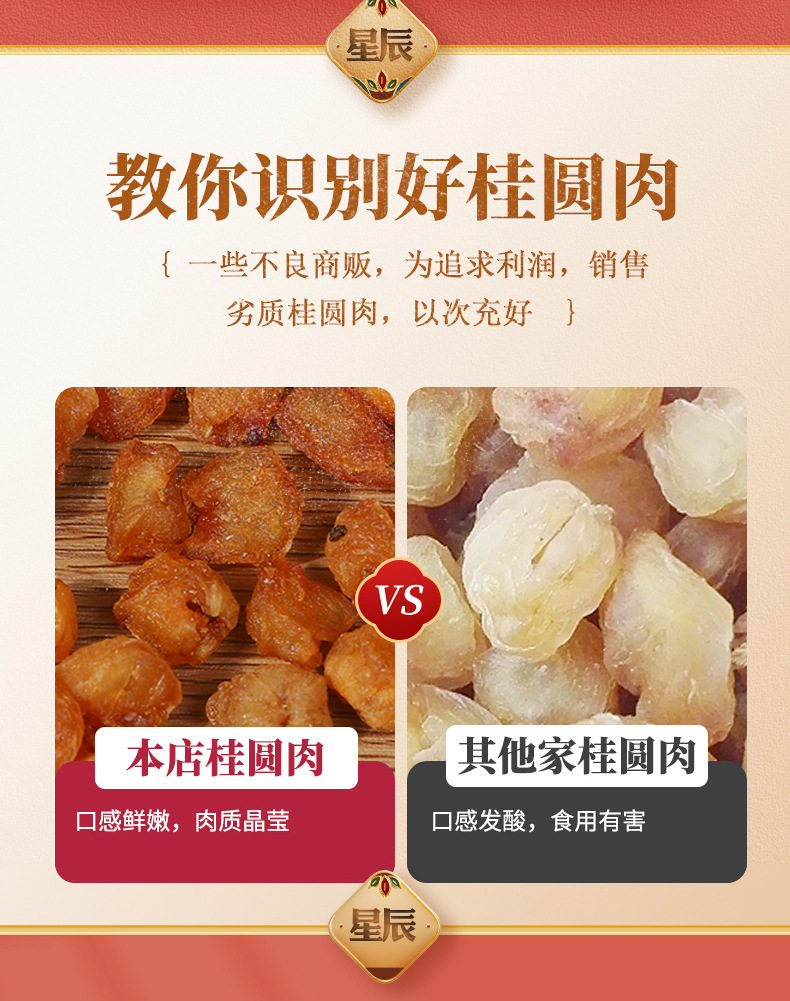
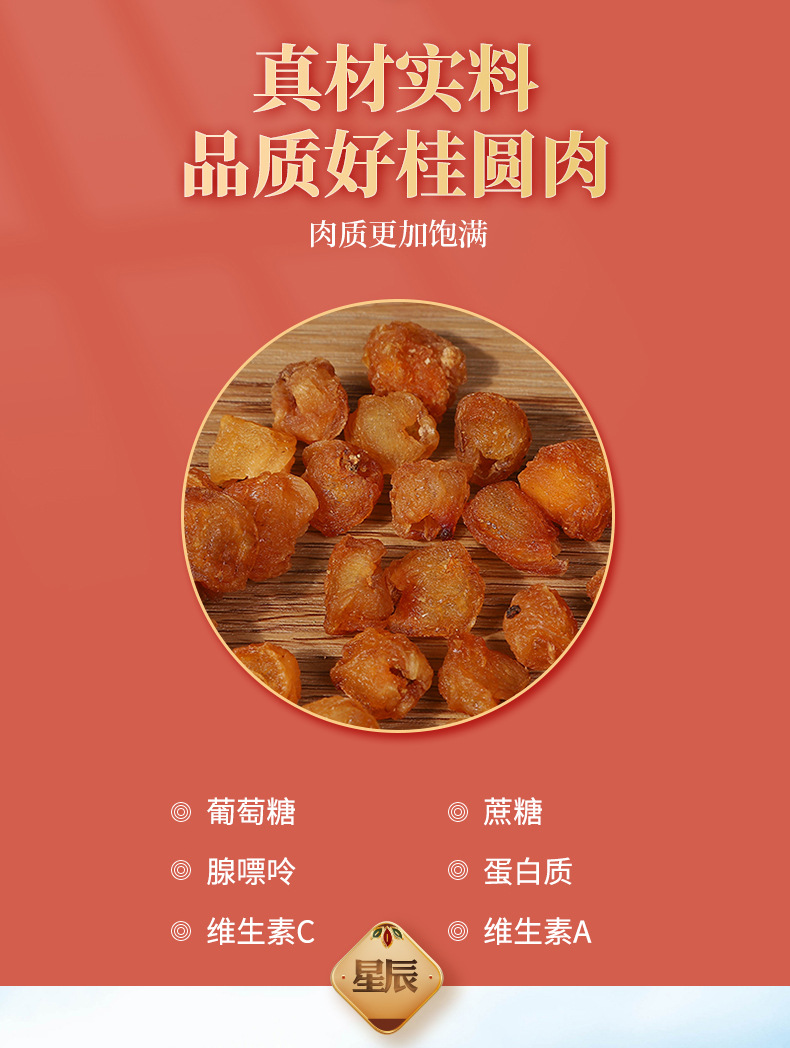
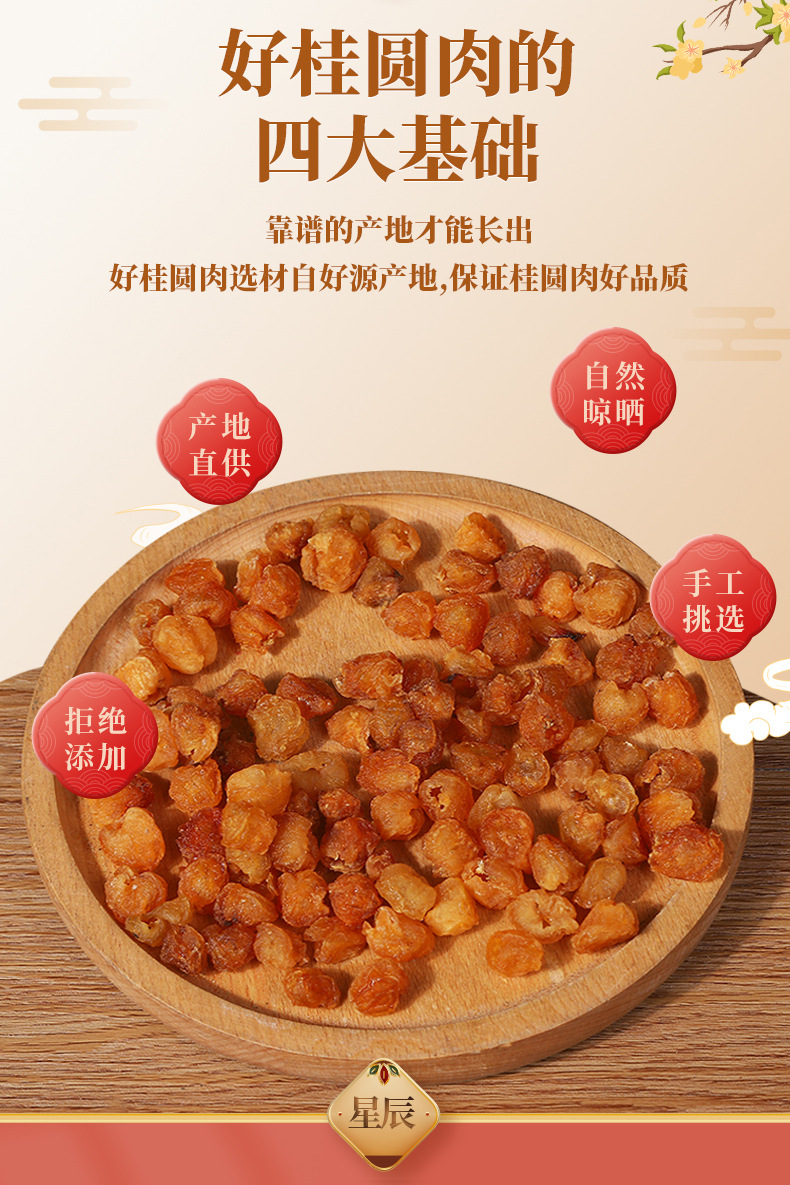
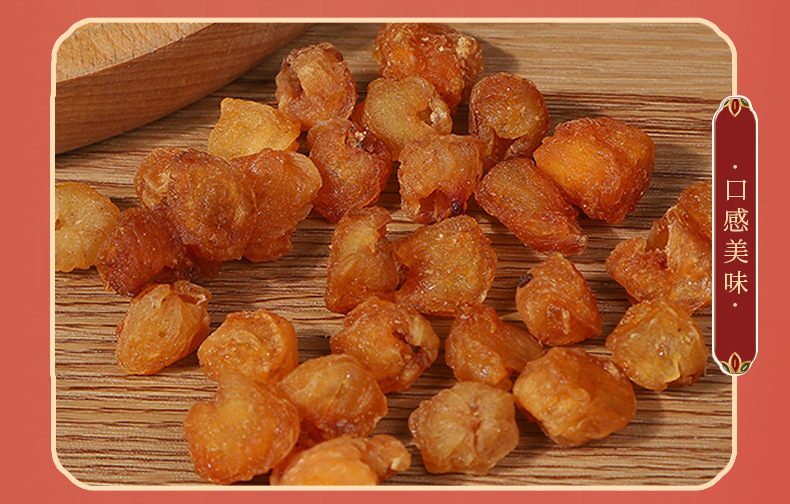
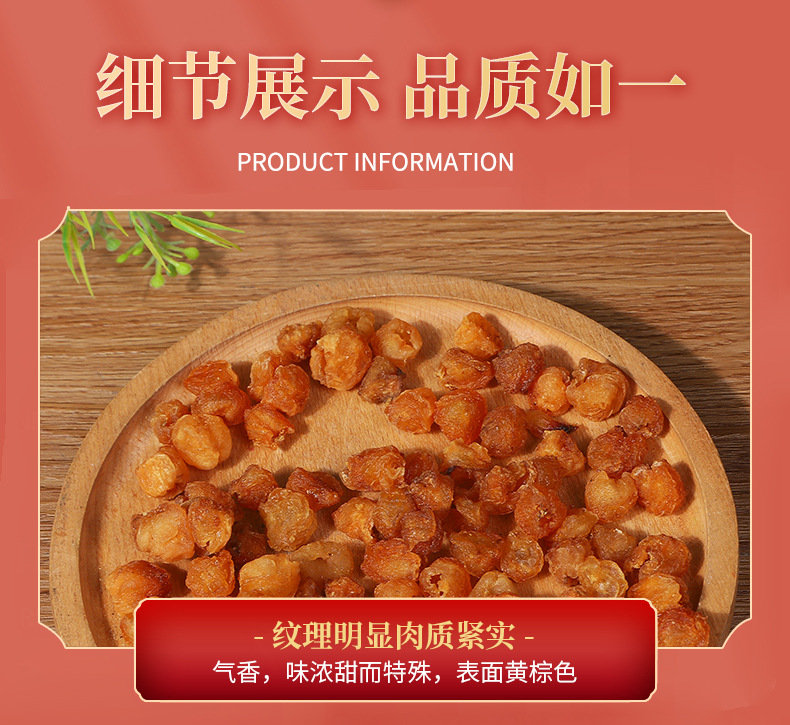
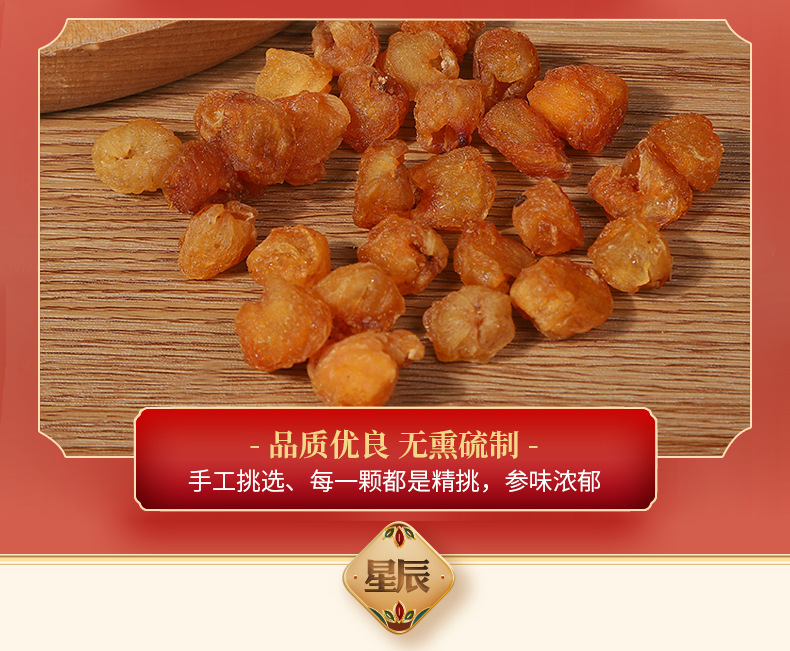
Typically deep amber to dark brown in color with a soft, sticky, slightly chewy texture. The aroma is sweet and fruity, and when simmered the flesh releases a mellow, honey-like sweetness into soups and teas.
Technical Specifications
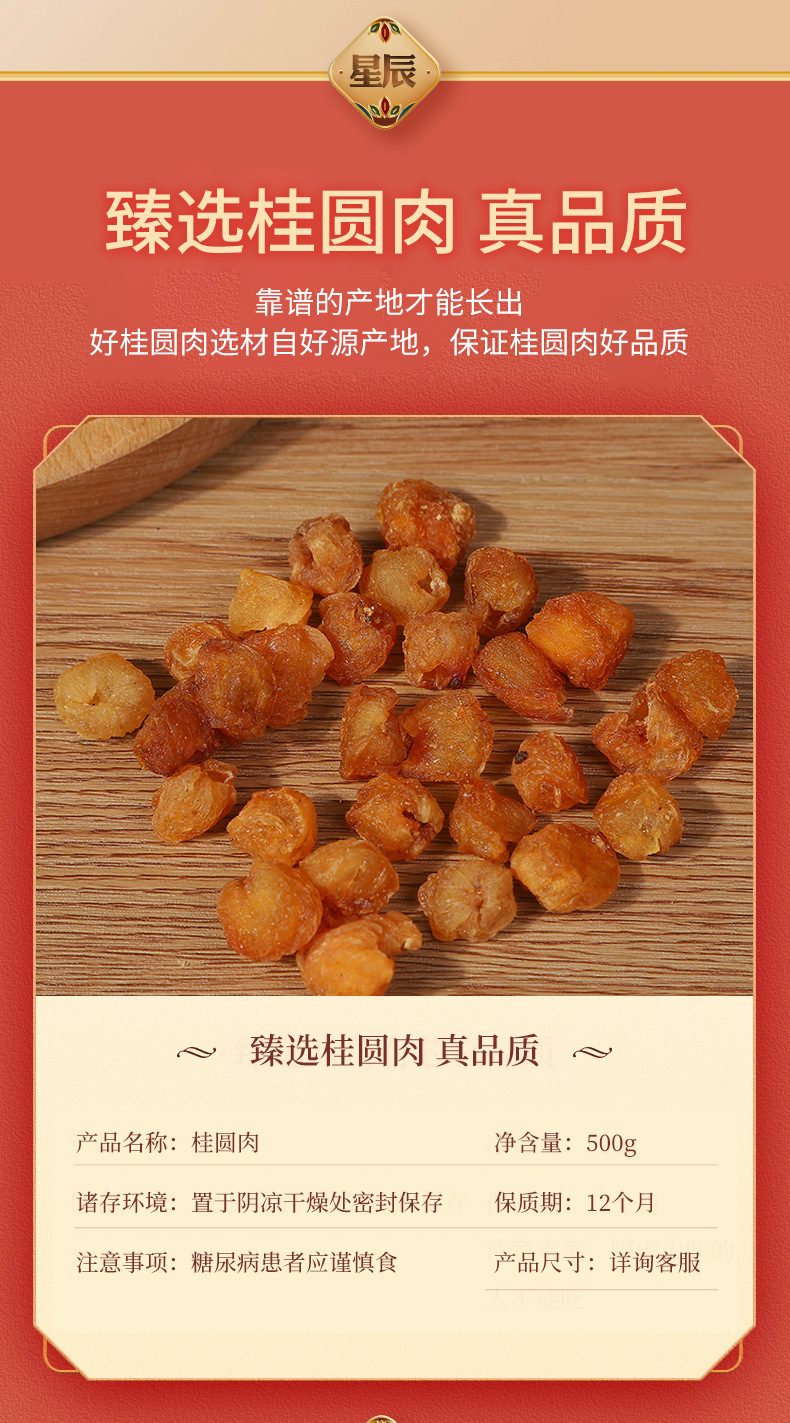
| Product Type | Dried edible botanical |
|---|---|
| Chinese Name | 桂圆肉 |
| Pinyin | Gui Yuan Rou |
| Botanical Name | Dimocarpus longan |
| Plant Part | Fruit aril |
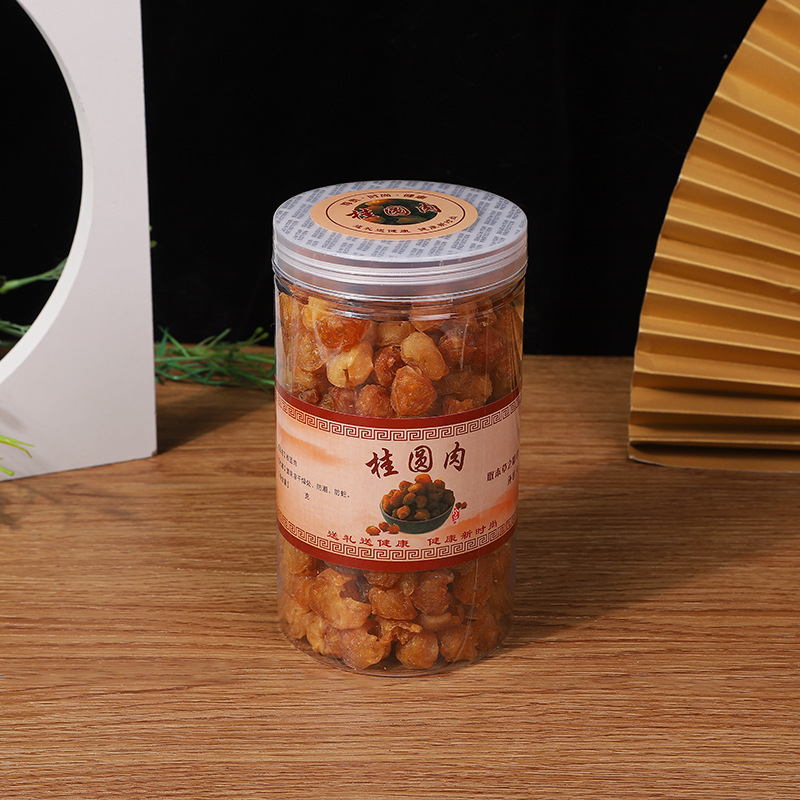
| Net Weight | 500 g |
Usage Scenarios
- Simmer in sweet soups and dessert broths
- Add to rice congee for natural sweetness
- Steep in herbal tea blends with red dates or goji berries
- Use in braised dishes and traditional tonics
Traditional Uses
In TCM practice, dried longan is traditionally used to nourish the heart and spleen and is a common ingredient in qi and blood tonic formulas. It is often paired with red dates, goji berries, and lotus seeds in soups and congee, or simmered into sweet herbal teas. Popular in autumn and winter cooking and in postpartum and convalescent food traditions.

FAQ Q&A
Q: What is this product?
A: It is pitted dried longan fruit flesh, known in TCM as Gui Yuan Rou, sold as a 500 g pack of edible dried botanical.
Q: What is its traditional value?
A: In TCM theory it is sweet and warm and traditionally associated with nourishing the heart and spleen. It is a classic tonic food in Chinese kitchens.
Q: How is it commonly used?
A: Simmer it in soups and congee or steep it in herbal teas. It is often combined with red dates and goji berries.
Additional information
| Weight | N/A |
|---|---|
| Dimensions | N/A |
| Packaging specifications | Can be powdered, 500g |
Related products
-
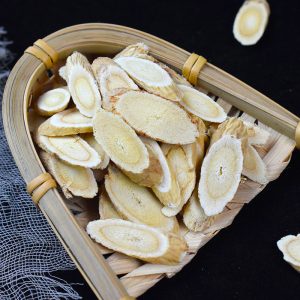
Astragalus Root Slices Huang Qi 500g Dried Herb for Soups and Teas
Price range: $7.36 through $22.11 -
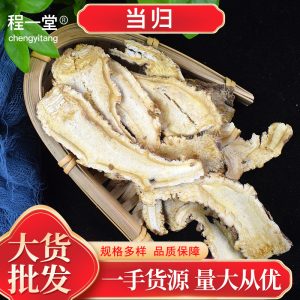
Dried Angelica Sinensis Slices Dang Gui 当归 500g Gansu Raw Herb for Decoction Soup and Tea
Price range: $16.44 through $35.88 -
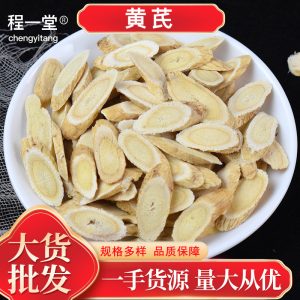
Astragalus Root Slices Huang Qi 斜片 Dried Herb for Decoction Soup and Tea 500g
Price range: $6.06 through $19.51 -

Dried Raspberry Fruit Fu Pen Zi Whole Berries for Herbal Tea and Wine Infusion 500g
Price range: $15.63 through $18.06
Reviews
There are no reviews yet.