
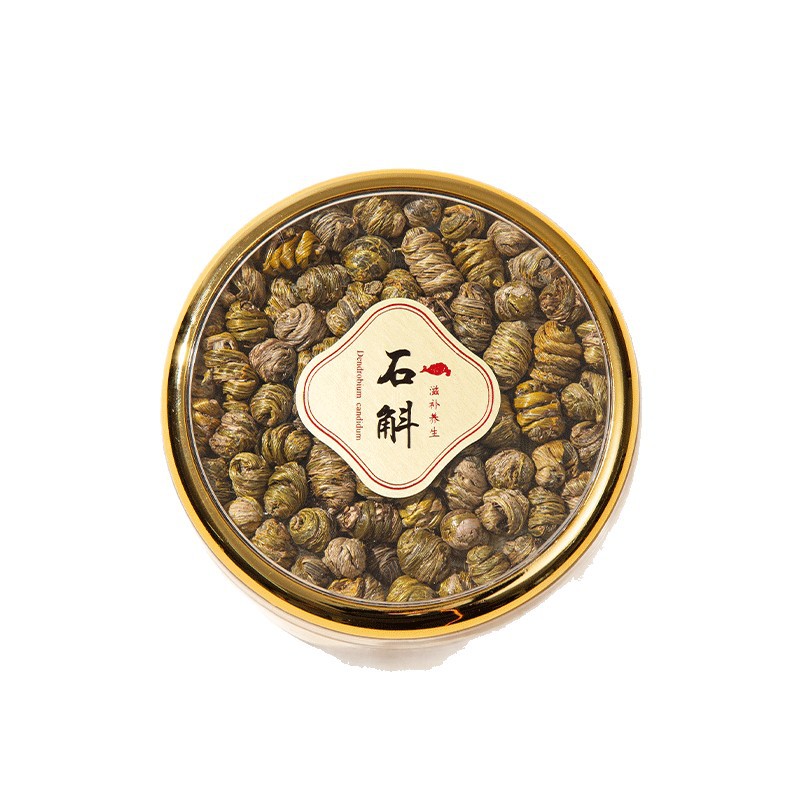
Dried Dendrobium Stem Shihu Fengdou 50g Chinese Herbal Tonic for Soups and Decoctions
$8.76
287 in stock
Description
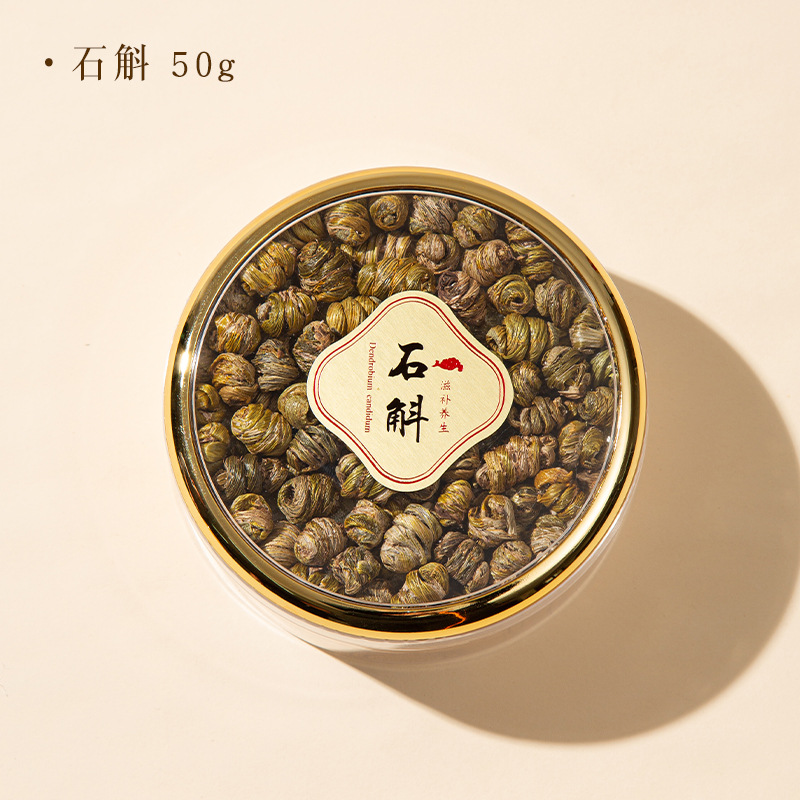
Dried Dendrobium Stem, known in TCM as Shihu (石斛) or Fengdou (枫斗), from Dendrobium officinale. This hand-processed stem product is traditionally valued in TCM theory as sweet, slightly cold, and entering the stomach and kidney channels. Traditionally used to nourish yin and support body fluids. Commonly simmered in soups or decocted as a gentle daily tonic. Store in a cool dry place and keep refrigerated for longer storage.
Key Selling Points
- Identified as Dendrobium officinale stem, the classic Fengdou form of Shihu
- Hand-processed dried stems in coiled Fengdou style
- In TCM theory sweet and slightly cold, entering stomach and kidney channels
- Traditionally used to nourish yin and support body fluids
- 50g pack suited to soups, decoctions, and congee

Quality & Sensory
Dried Fengdou typically appears pale yellow-green to golden, firm and slightly fibrous with a coiled stem shape. Aroma is mild and grassy. After slow simmering or decoction, the liquid is typically light, subtly sweet, and slightly viscous.

Technical Specifications
| Product Type | Dried herbal stem |
|---|---|
| Chinese Name | 石斛 枫斗 |
| Pinyin | Shihu Fengdou |
| Botanical Name | Dendrobium officinale |
| Plant Part | Stem |
| Net Weight | 50g |

Usage Scenarios
- Simmered in herbal soups
- Prepared as a decoction
- Cooked into congee
- Used in daily tonic tea blends
Traditional Uses
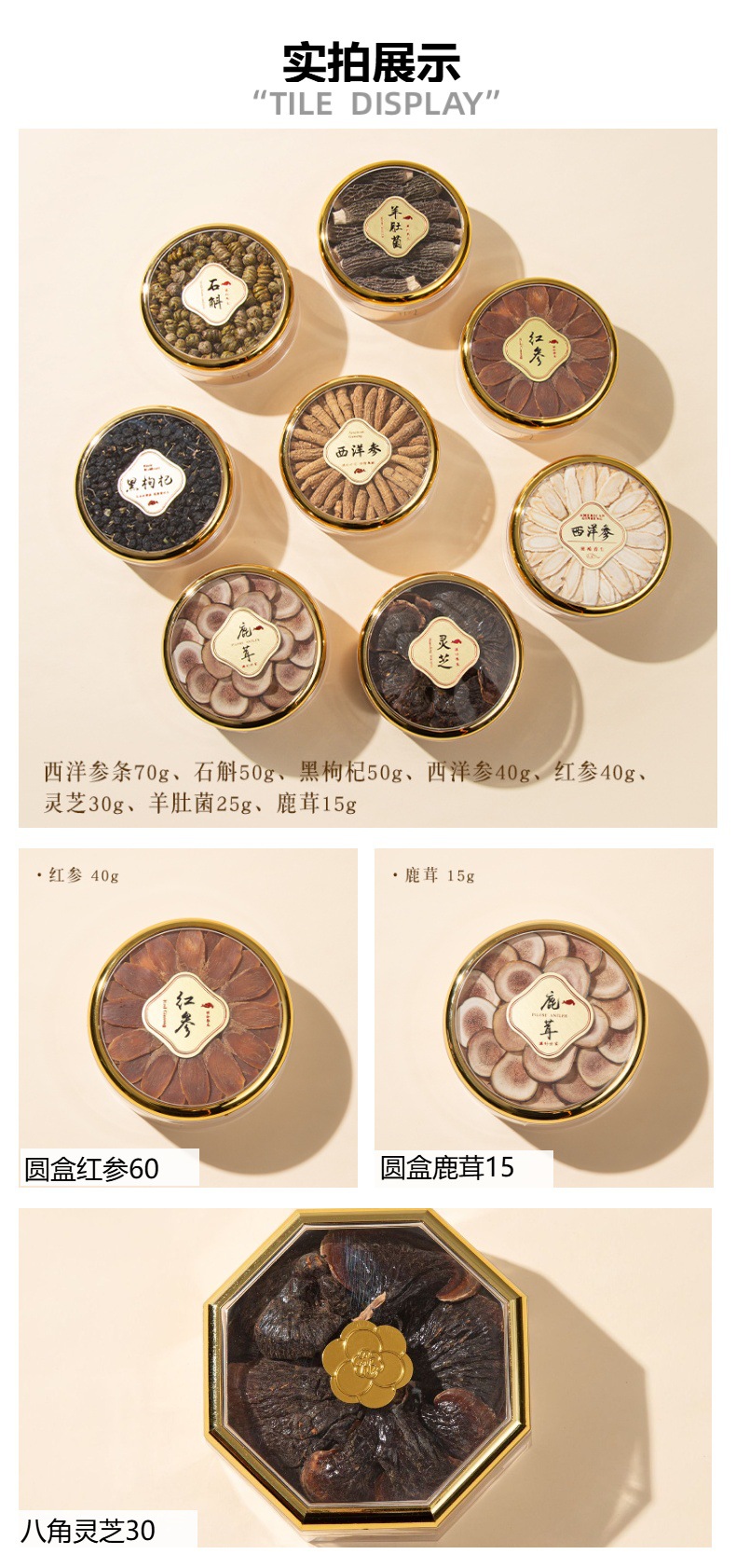
In TCM tradition, Shihu Fengdou is often simmered slowly in soups or decocted with ingredients such as American ginseng, red ginseng, or deer antler for tonic preparations. It is also cooked into congee or combined in gentle daily teas. Traditional practice favors long, low simmering to draw out its sweet, moistening character.
FAQ Q&A
Q: What is this product?
A: It is dried Dendrobium officinale stem in the coiled Fengdou form, known in TCM as Shihu (石斛).
Q: What is its traditional value?
A: In TCM theory it is considered sweet and slightly cold, entering the stomach and kidney channels, and is traditionally used to nourish yin and support body fluids.
Q: How is it commonly prepared?
A: It is usually simmered in soups, prepared as a decoction, or cooked into congee. Traditional practice favors slow, low simmering.
Additional information
| Weight | 0.2 kg |
|---|---|
| Dimensions | 15 × 12 × 5 cm |
Related products
-
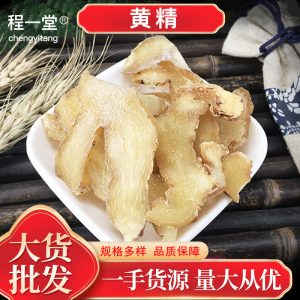
Dried Huang Jing Slices Polygonatum Rhizome Chicken Head Huang Jing 500g Bulk Herbal Tea and Soup Ingredient
Price range: $9.14 through $18.87 -
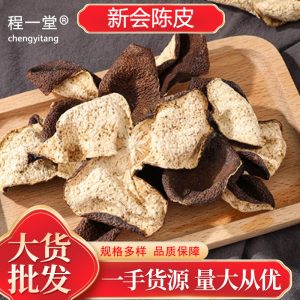
Xinhui Chenpi Dried Tangerine Peel 500g Sun Dried Aged Peel for Soup and Tea
Price range: $60.19 through $116.90 -
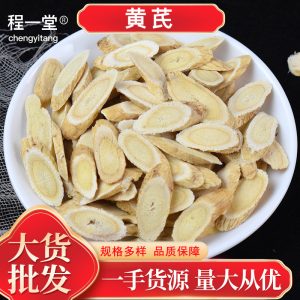
Astragalus Root Slices Huang Qi 斜片 Dried Herb for Decoction Soup and Tea 500g
Price range: $6.06 through $19.51 -
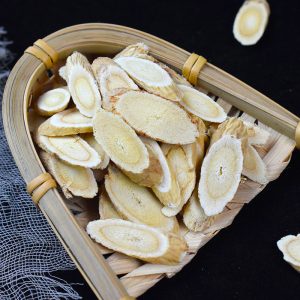
Astragalus Root Slices Huang Qi 500g Dried Herb for Soups and Teas
Price range: $7.36 through $22.11
Reviews
There are no reviews yet.