
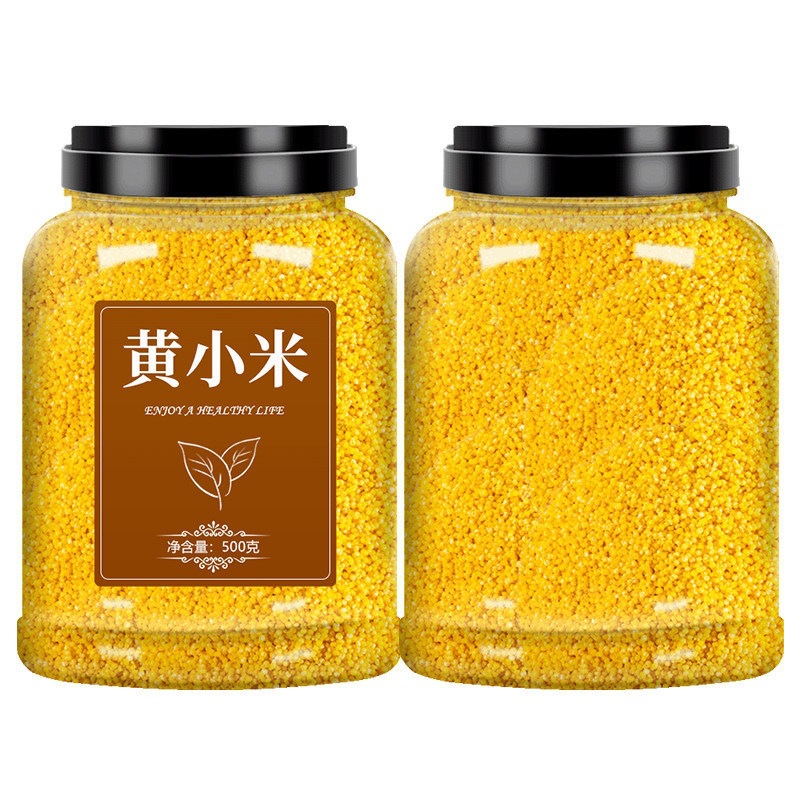
Yellow Millet Grain for Congee 350g Jar Sweet Sticky Porridge Millet
Price range: $6.19 through $9.57
Description
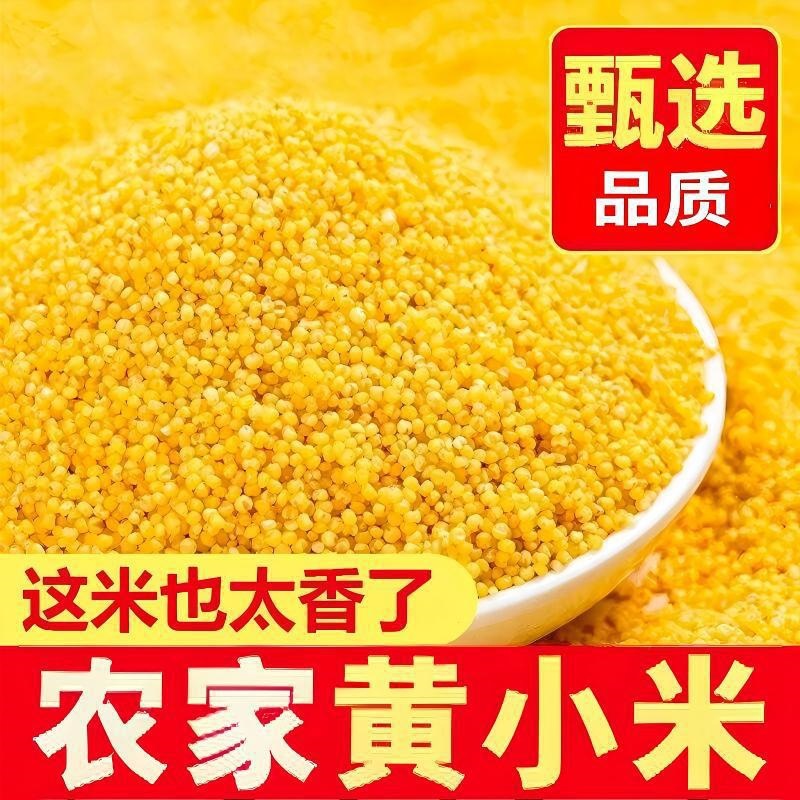
Yellow Millet, known in TCM as Huang Xiao Mi (黄小米), is the hulled grain of Setaria italica. Traditionally used as a gentle, nourishing food grain, it is valued in TCM theory for its sweet, slightly cool nature and its association with the spleen and stomach. This 350g jar offers clean, uniform grains suited for everyday congee, porridge, and home cooking.
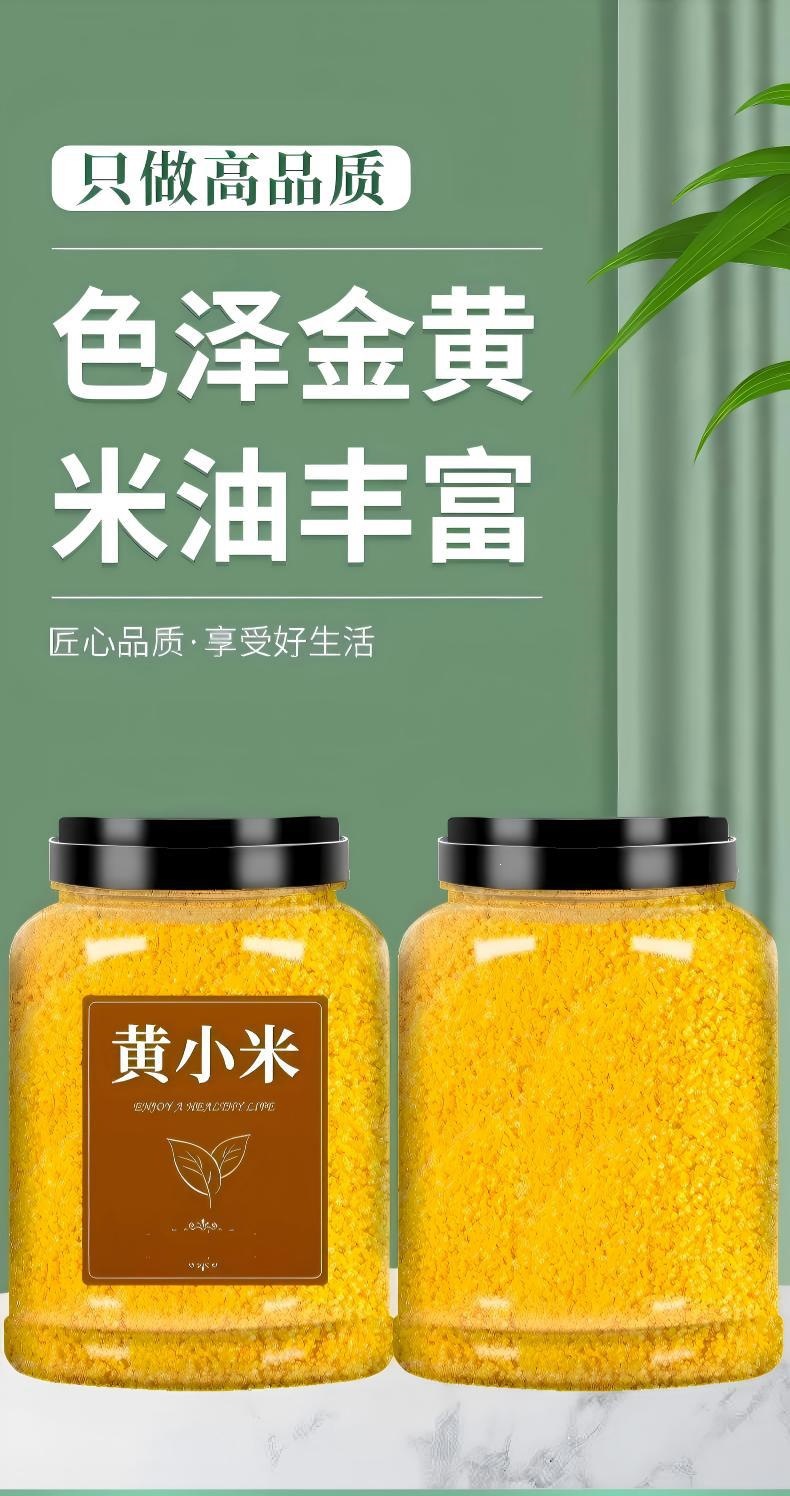
Key Selling Points
- Hulled yellow millet grain, a traditional Chinese food staple
- Known in TCM as Huang Xiao Mi (黄小米)
- Sweet, slightly cool nature associated with spleen and stomach
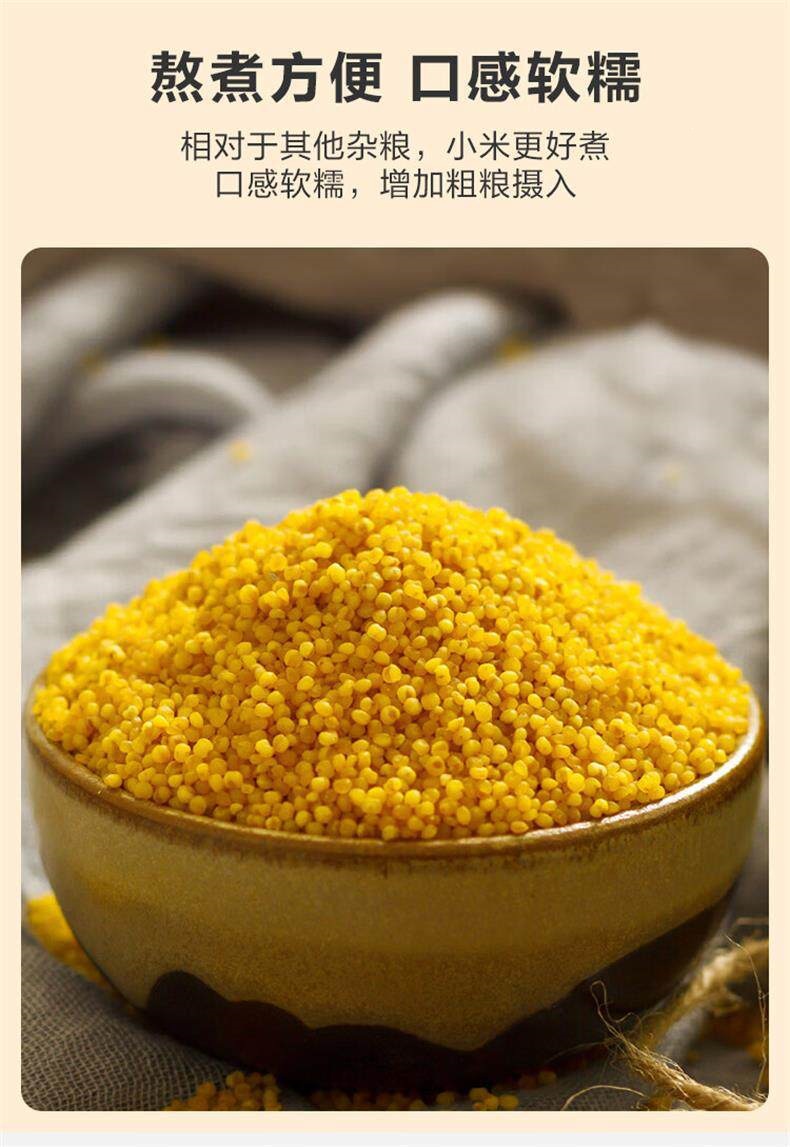
- Uniform grains that cook soft and sticky in congee
- 350g jar for everyday home porridge and cooking
Quality & Sensory
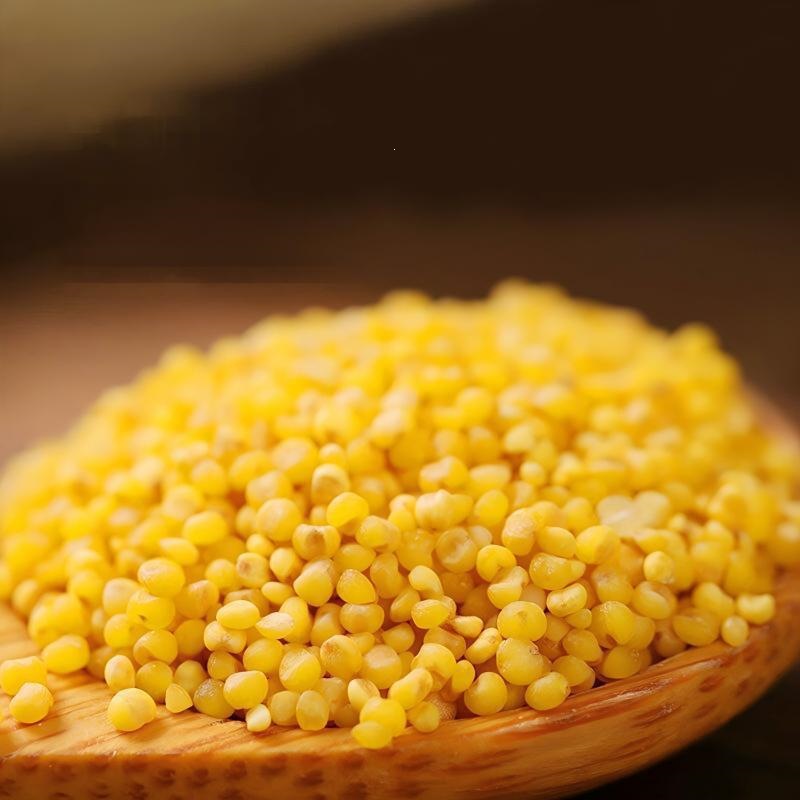
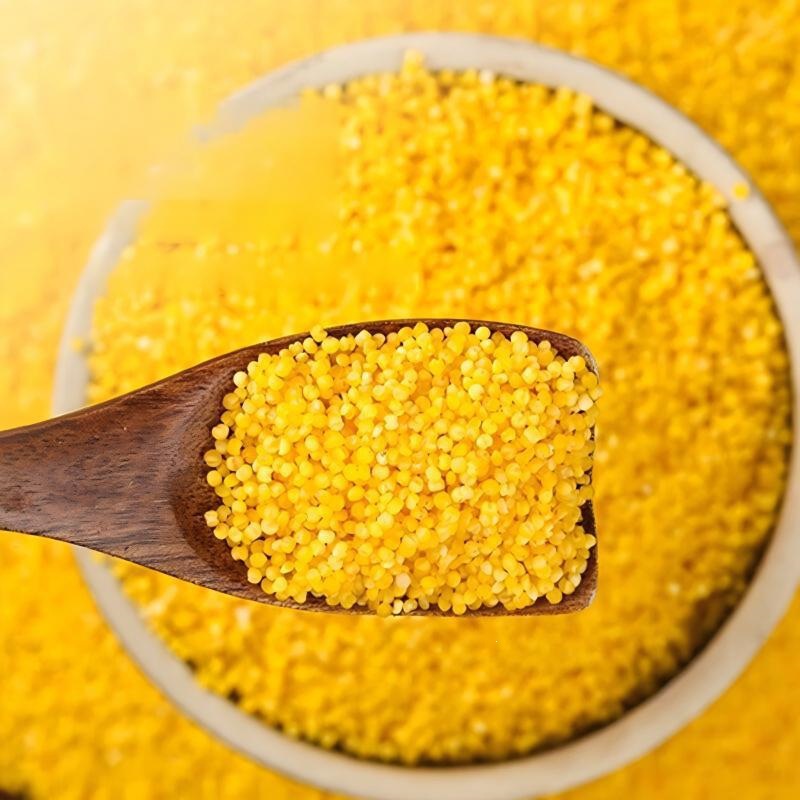
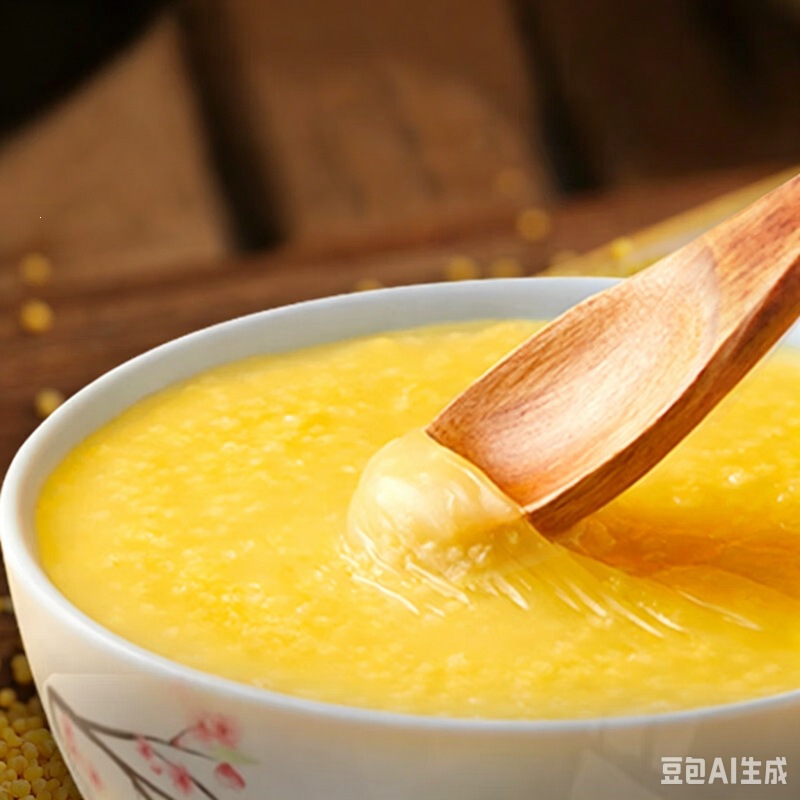
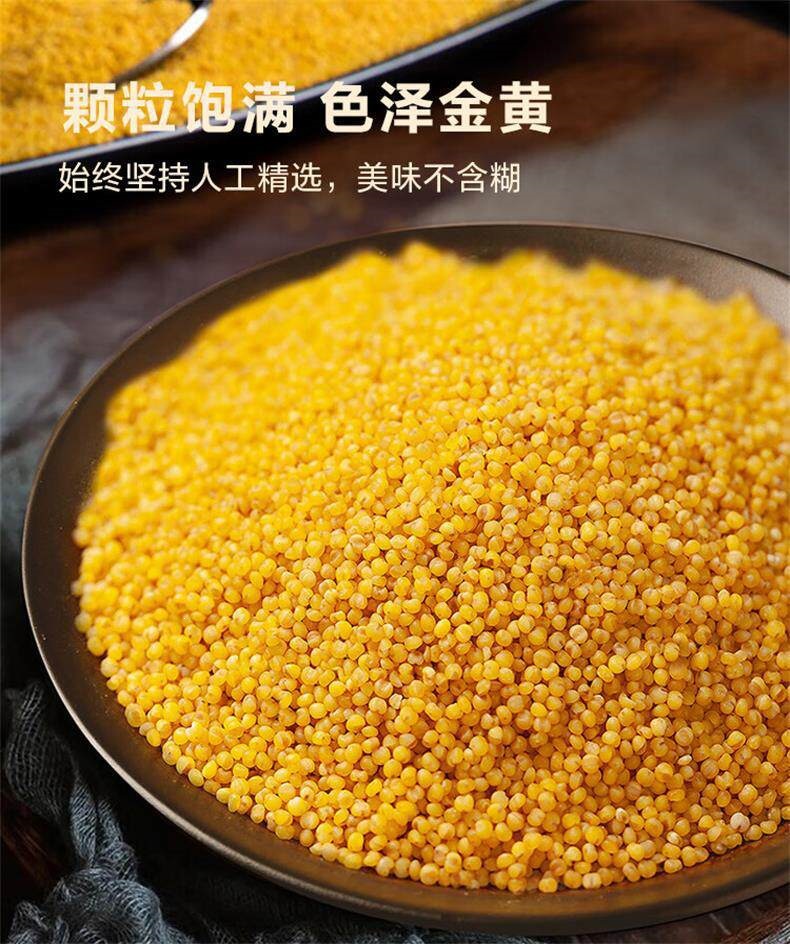
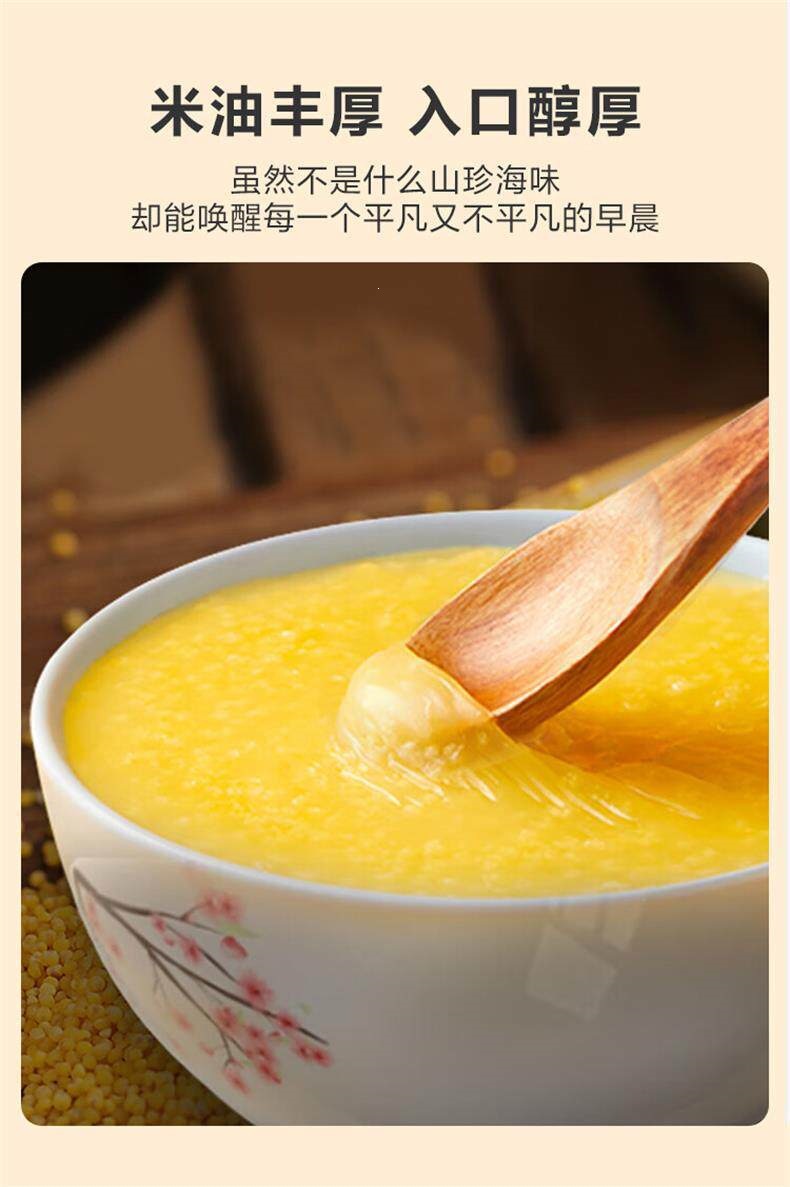
The grains are typically small, bright yellow, and uniform in size. They have a mild, neutral grain aroma and a soft, slightly sticky texture when cooked. Prepared as congee, they yield a smooth, gently sweet porridge that is easy to digest.
Technical Specifications
| Product Type | Hulled millet grain |
|---|---|
| Chinese Name | 黄小米 |
| Pinyin | Huang Xiao Mi |
| Botanical Name | Setaria italica |
| Plant Part | Grain |
| Net Weight | 350g per jar |
Usage Scenarios
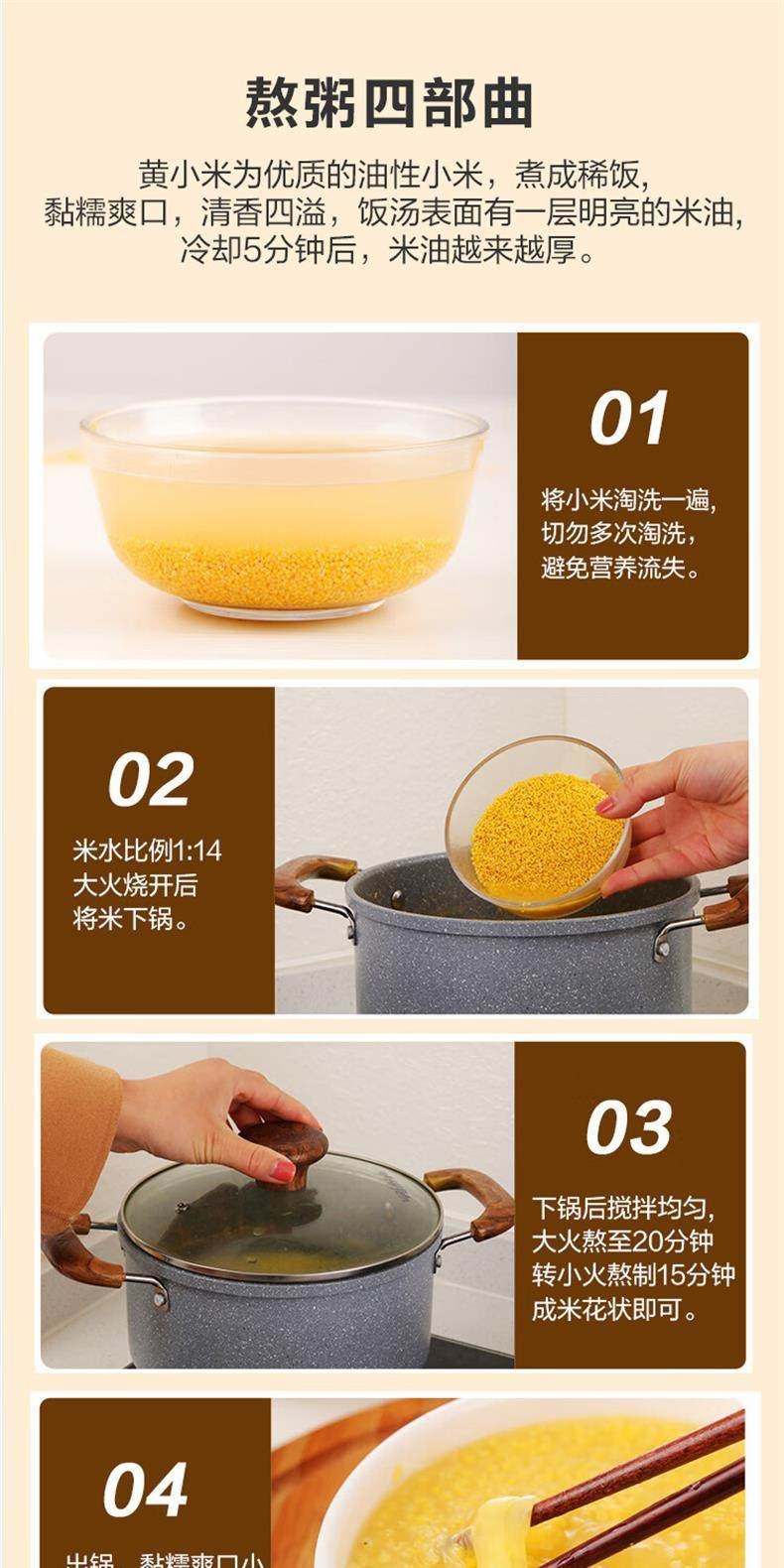
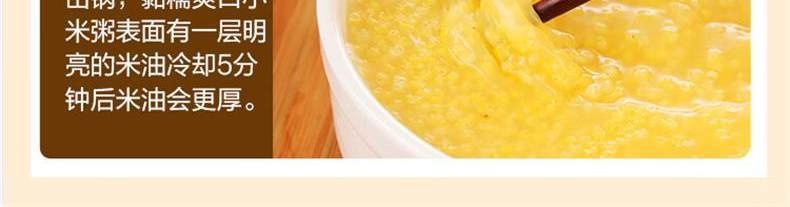
- Cooked as plain millet congee
- Blended into multigrain porridge
- Added to soups or congee with other grains
- Used in everyday home cooking
Traditional Uses
In TCM theory, yellow millet is traditionally used to support the spleen and stomach and is often prepared as a gentle congee. It is commonly cooked alone or paired with ingredients such as pumpkin, red dates, or other grains. Traditionally associated with easy digestion and everyday nourishment, it is a familiar food in Chinese home cooking.
FAQ Q&A
Q: What is this product?
A: It is hulled yellow millet grain, known in TCM as Huang Xiao Mi (黄小米), sold in a 350g jar.
Q: What is its traditional value?
A: In TCM theory, yellow millet is considered sweet and slightly cool and is traditionally associated with the spleen and stomach.
Q: How is it commonly prepared?
A: It is most often cooked as congee or porridge, either alone or with other grains and ingredients.
Additional information
| Weight | N/A |
|---|---|
| Dimensions | N/A |
| Model | 熬粥香糯粘稠 黄小米 350g 1罐, 熬粥香糯粘稠 黄小米 350g 2罐, 熬粥香糯粘稠 黄小米 350g 3罐, 熬粥香糯粘稠 黄小米 350g 4罐 |
Related products
-
Chai Hu Bupleurum Root Dried Herb 500g Traditional TCM Decoction Herb
Price range: $9.14 through $16.44 -

Cabinda Bark Dried Herb 500g Traditional Herbal Infusion Ingredient
Price range: $12.38 through $37.50 -
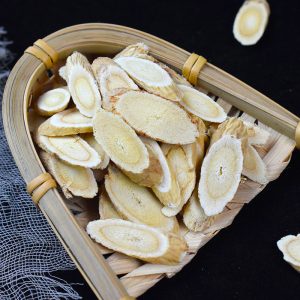
Astragalus Root Slices Huang Qi 500g Dried Herb for Soups and Teas
Price range: $7.36 through $22.11 -
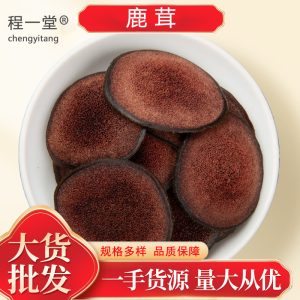
Deer Antler Slices Lu Rong 鹿茸片 Dried Slices for Wine Infusion and Soup 100g Wax Slices Pack
Price range: $68.29 through $92.59
Reviews
There are no reviews yet.