
Yangchun Amomum Sha Ren 100g Dried Fructus Amomi Loose Chinese Herbal Spice
$162.80
5000 in stock
Description
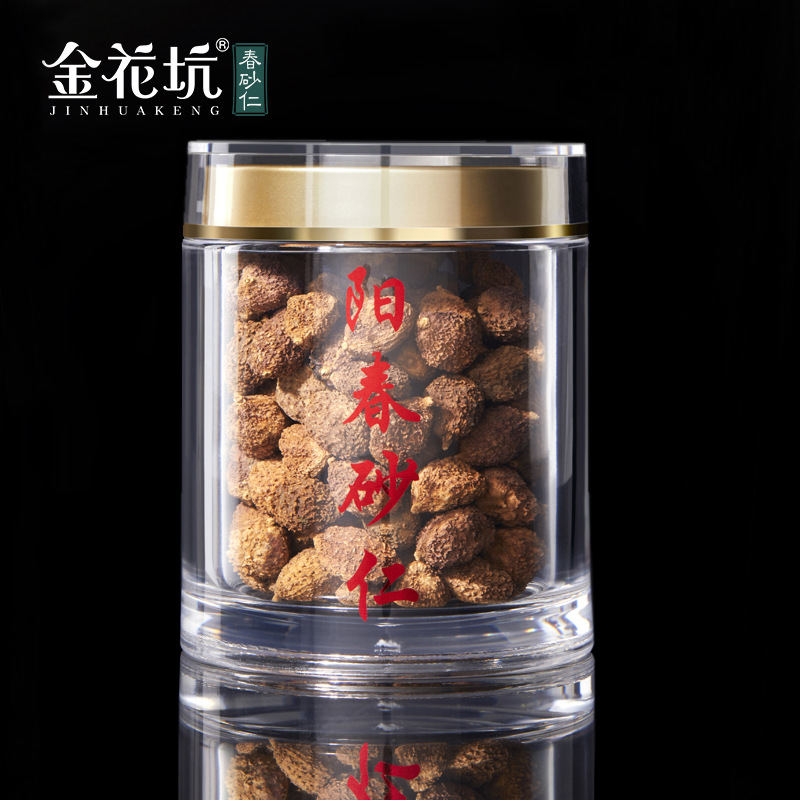
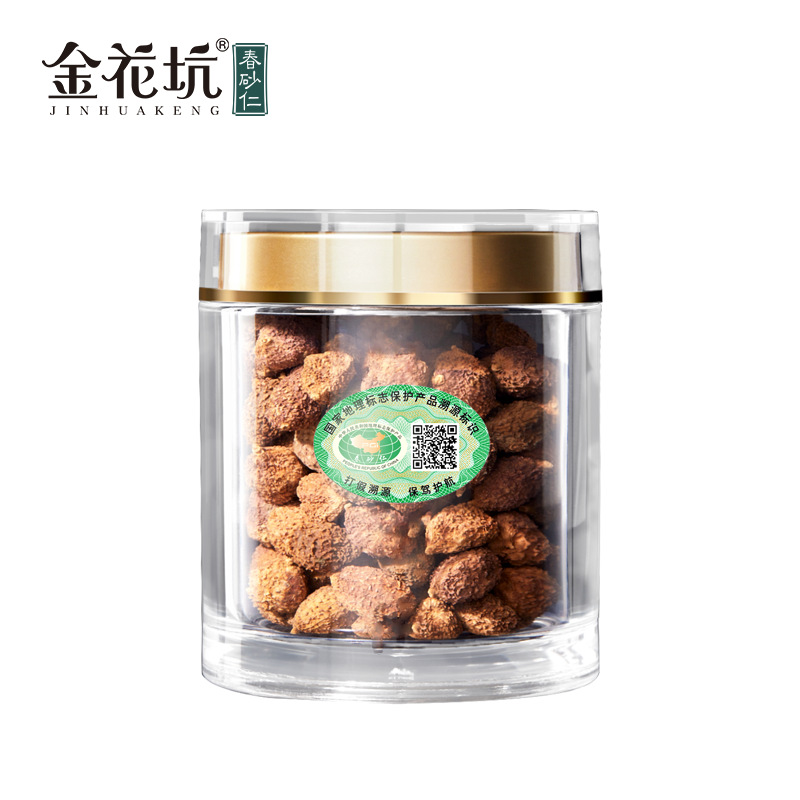
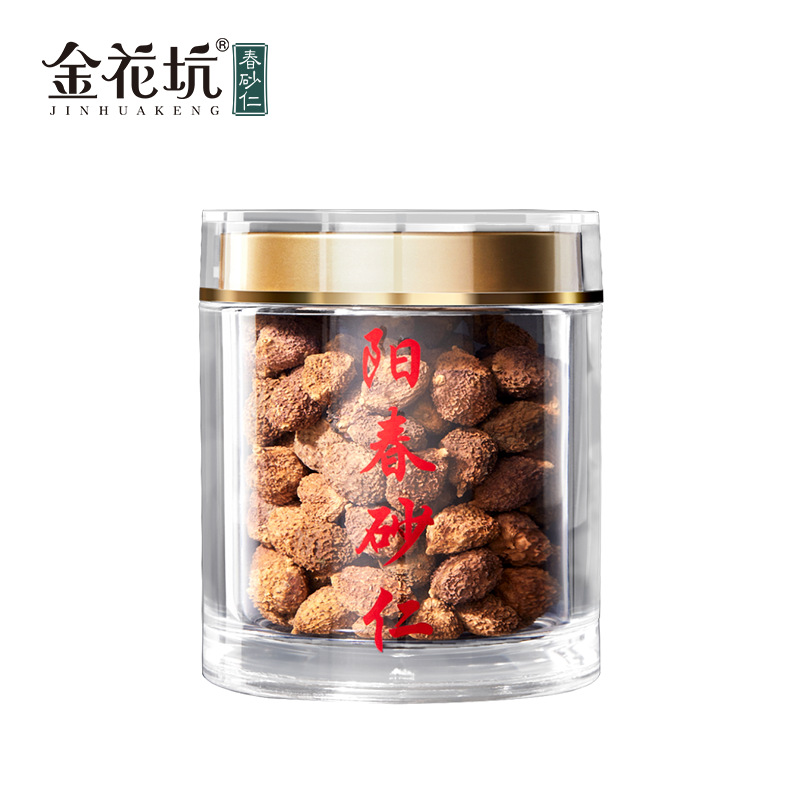
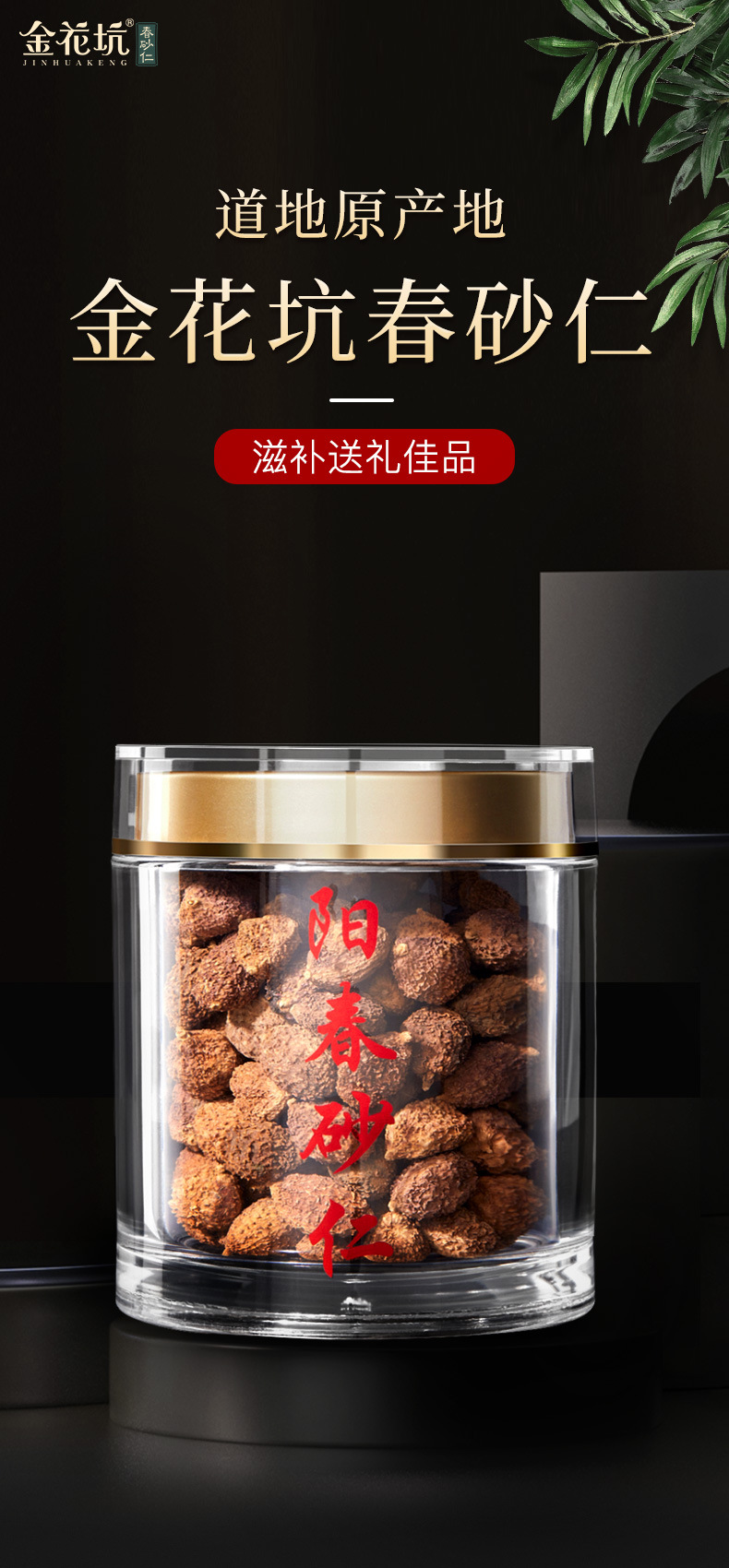
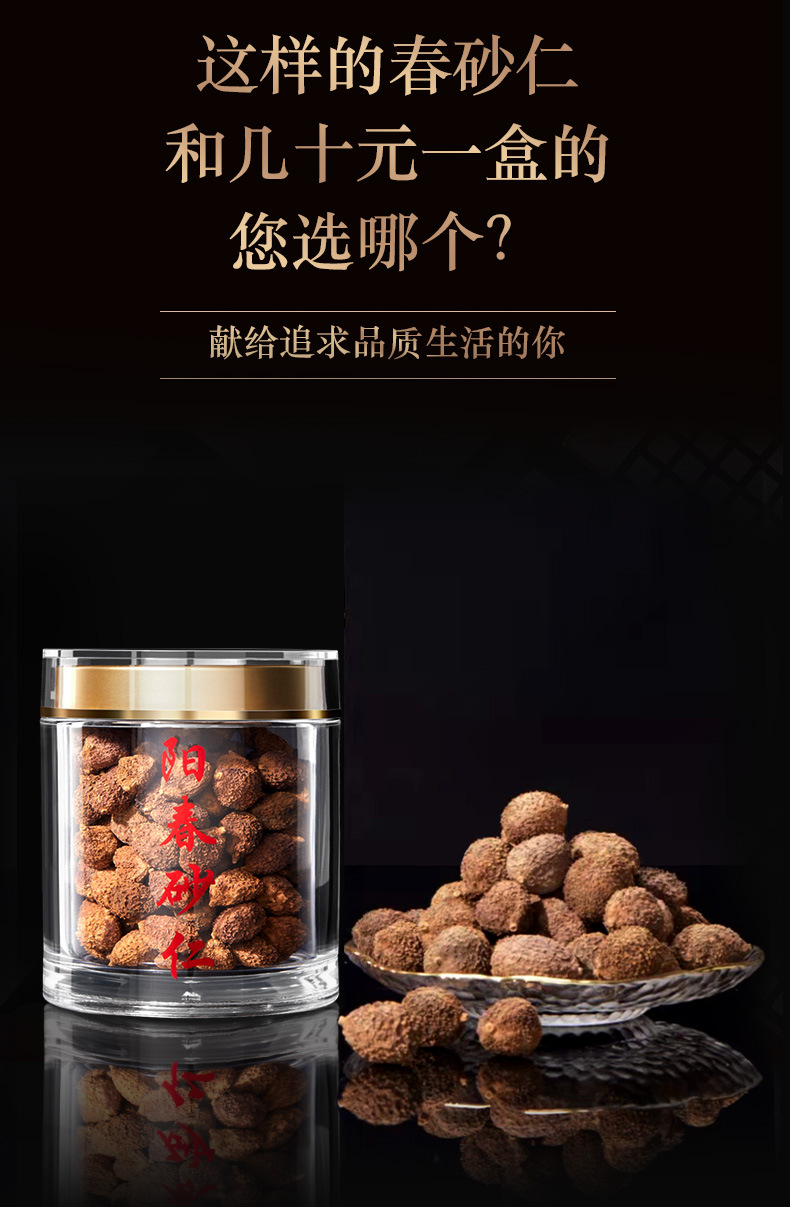
Dried Amomum fruit, known in TCM as Sha Ren (砂仁), from Amomum villosum, sourced from Yangchun in Guangdong. These whole brownish-red fruits are prized for their aromatic, warm, acrid nature and traditional association with the spleen and stomach channels. In TCM theory they are traditionally used to support digestive comfort and dampness resolution. Suitable for decoctions, soups, and culinary seasoning; consult a qualified practitioner before regular use.
Key Selling Points
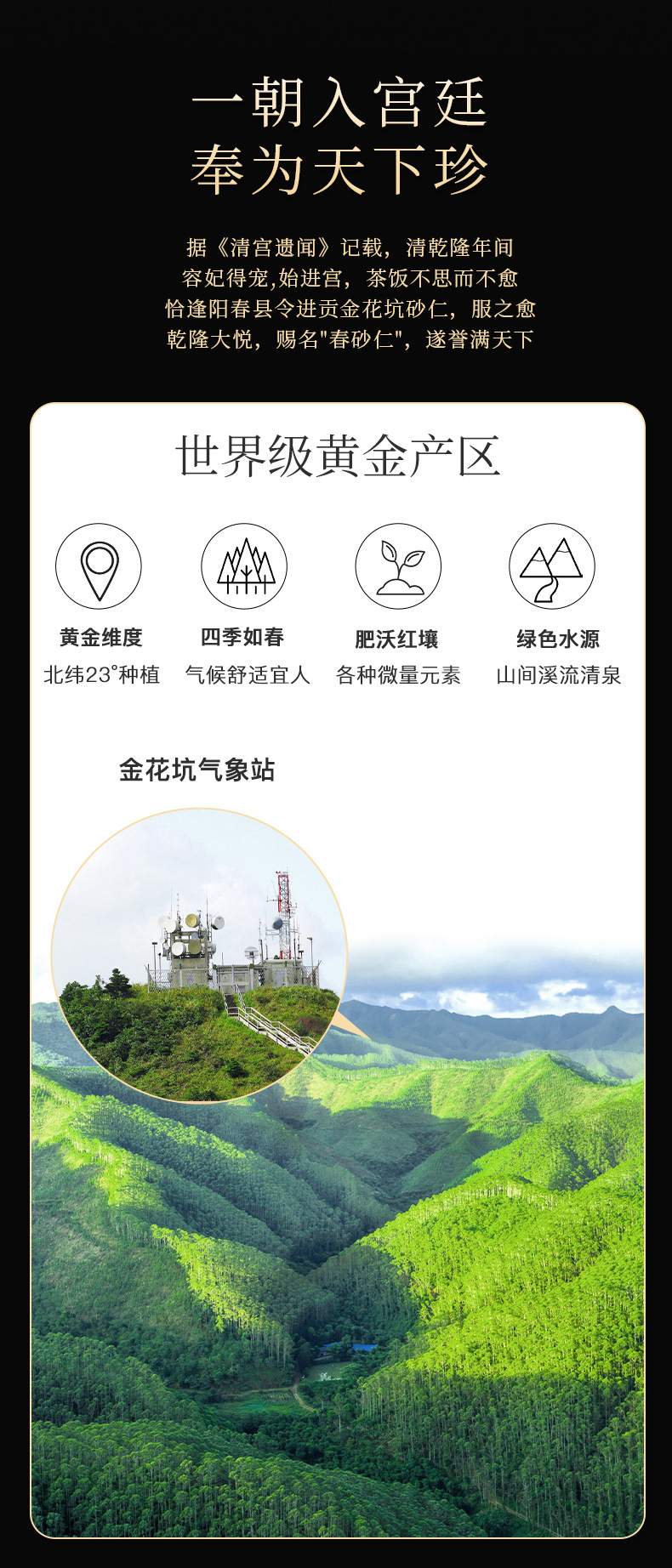
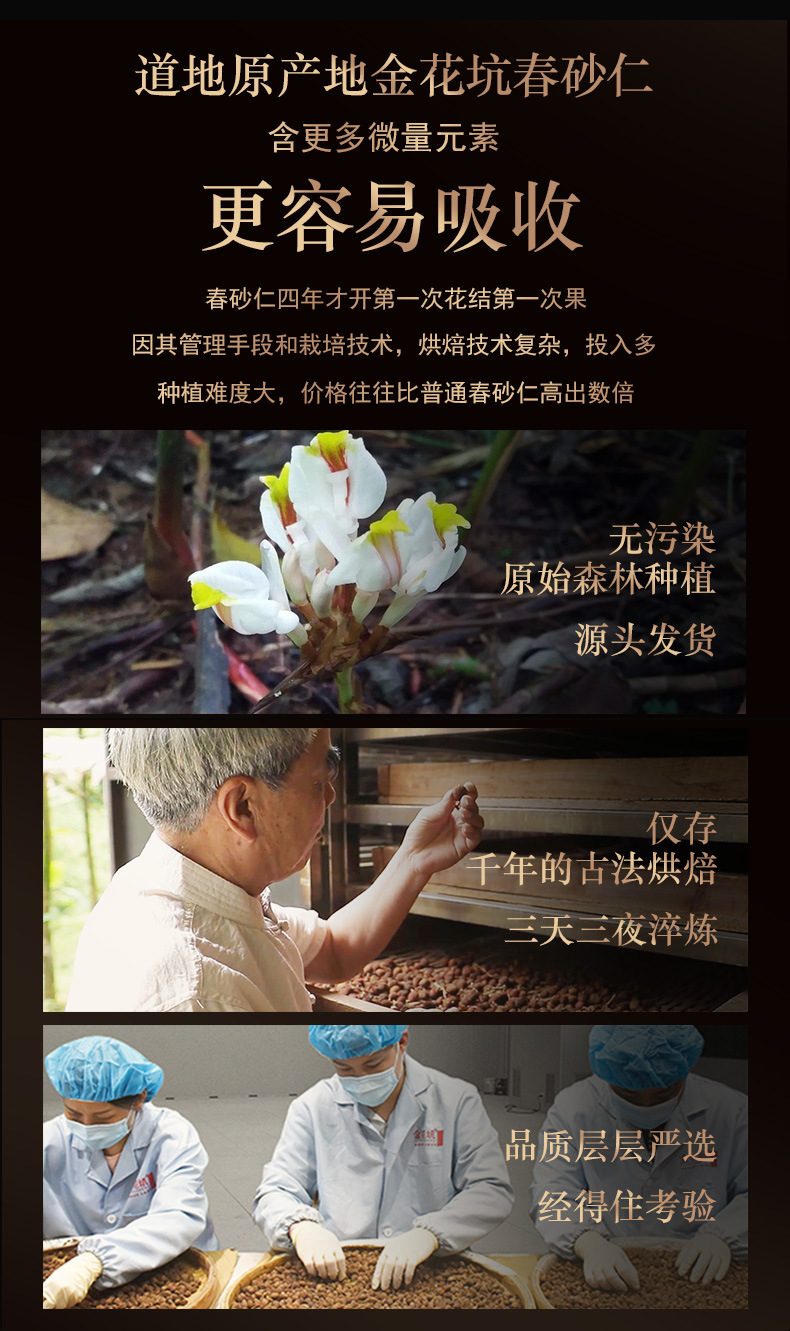
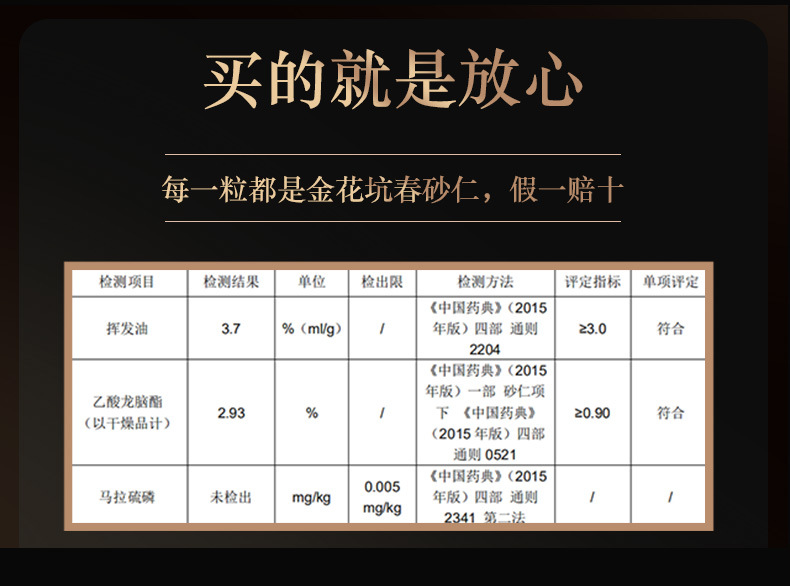
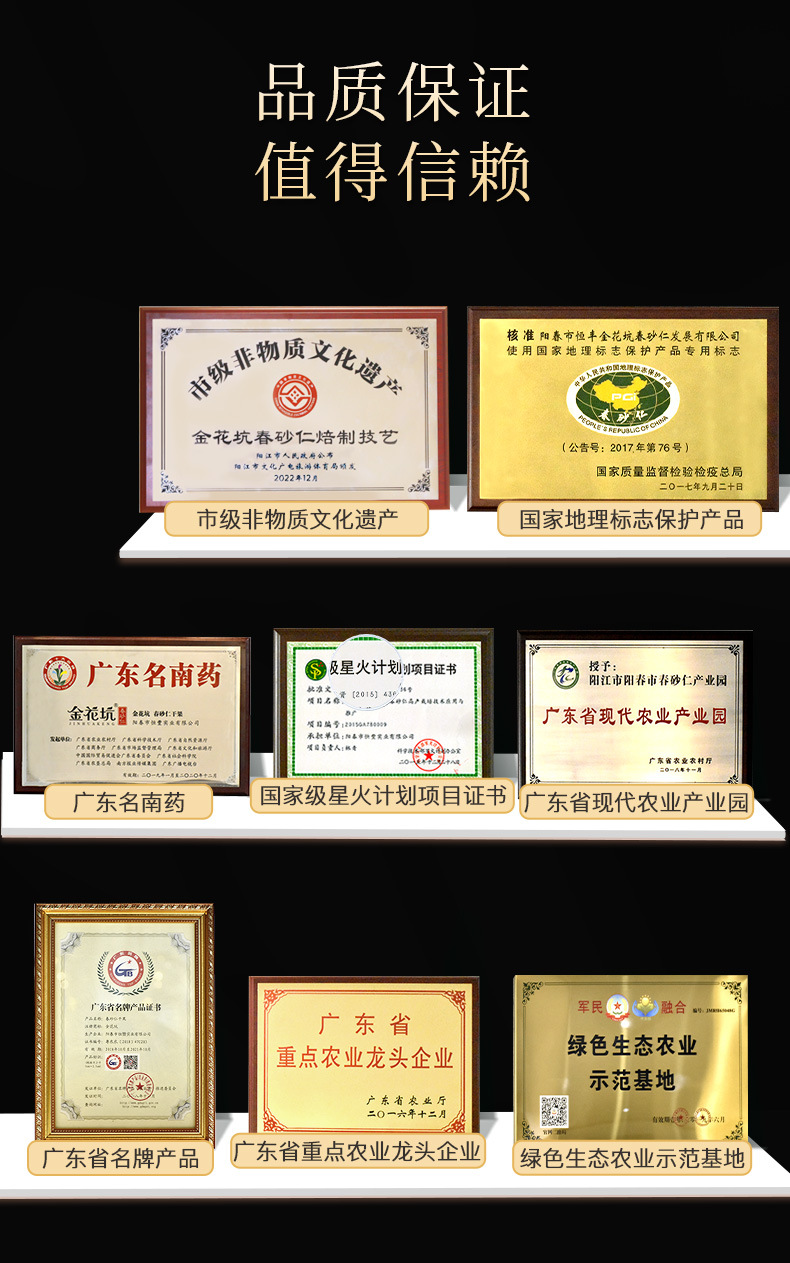
- Authentic Yangchun Daodi Sha Ren from the renowned Panlong Jinhua growing area in Guangdong
- Whole dried Fructus Amomi fruits from Amomum villosum
- Warm and aromatic herb traditionally valued in TCM for spleen and stomach support
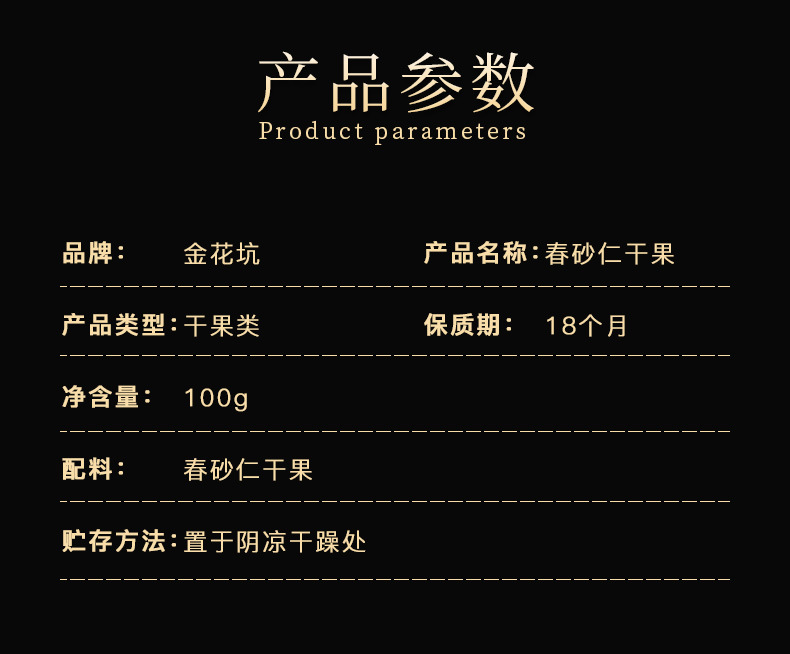
- Loose 100g prepackaged format with 18-month shelf life
- Versatile for decoctions, soups, congee, and culinary seasoning
Quality & Sensory
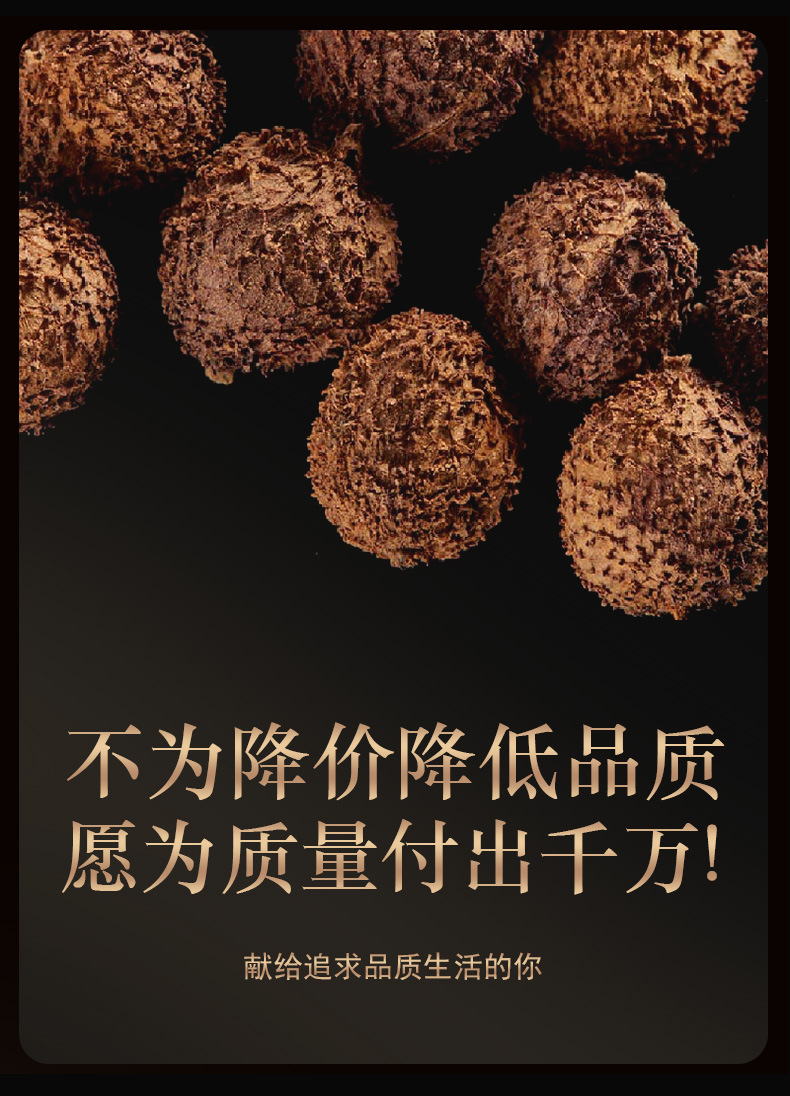
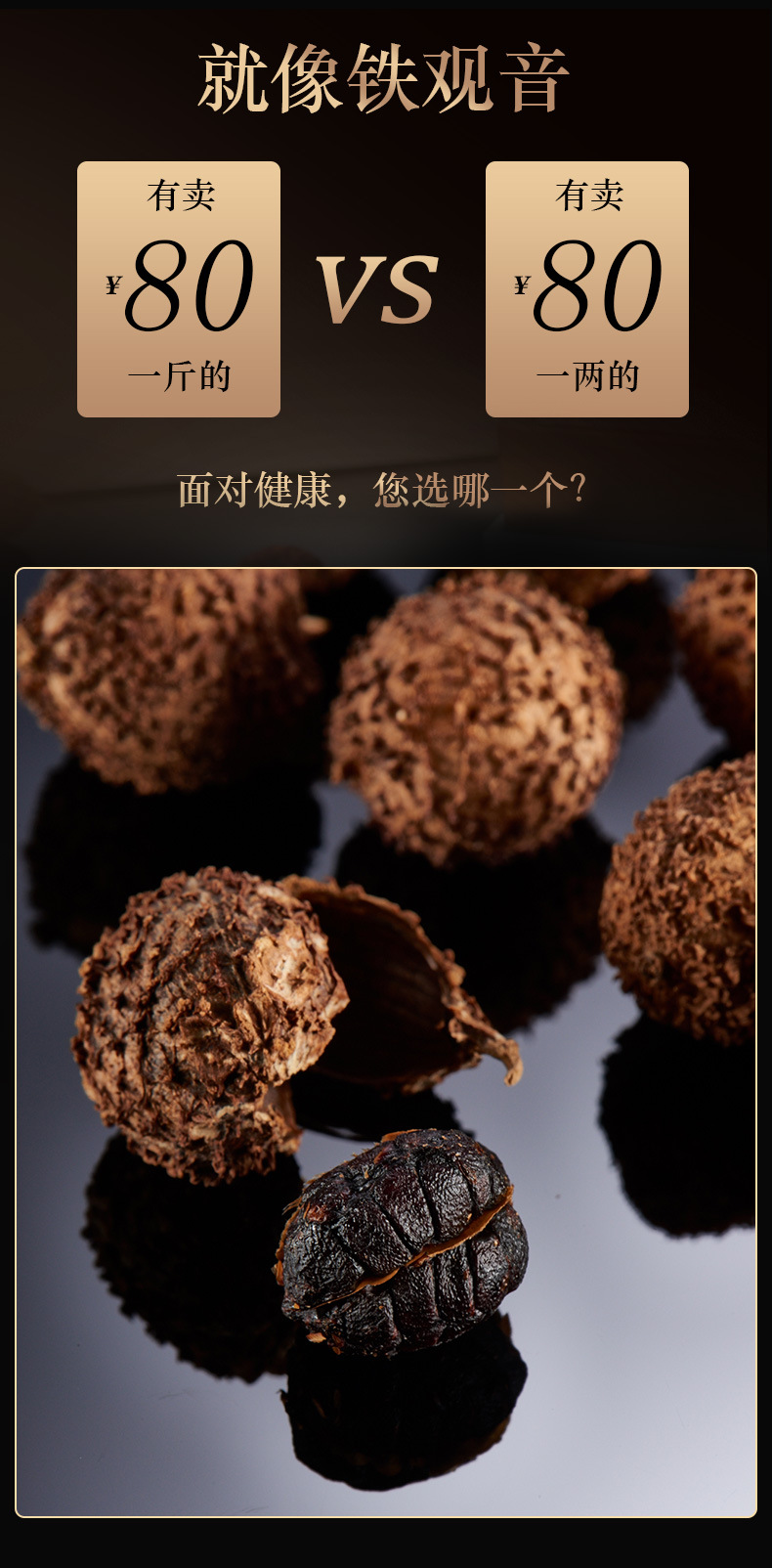
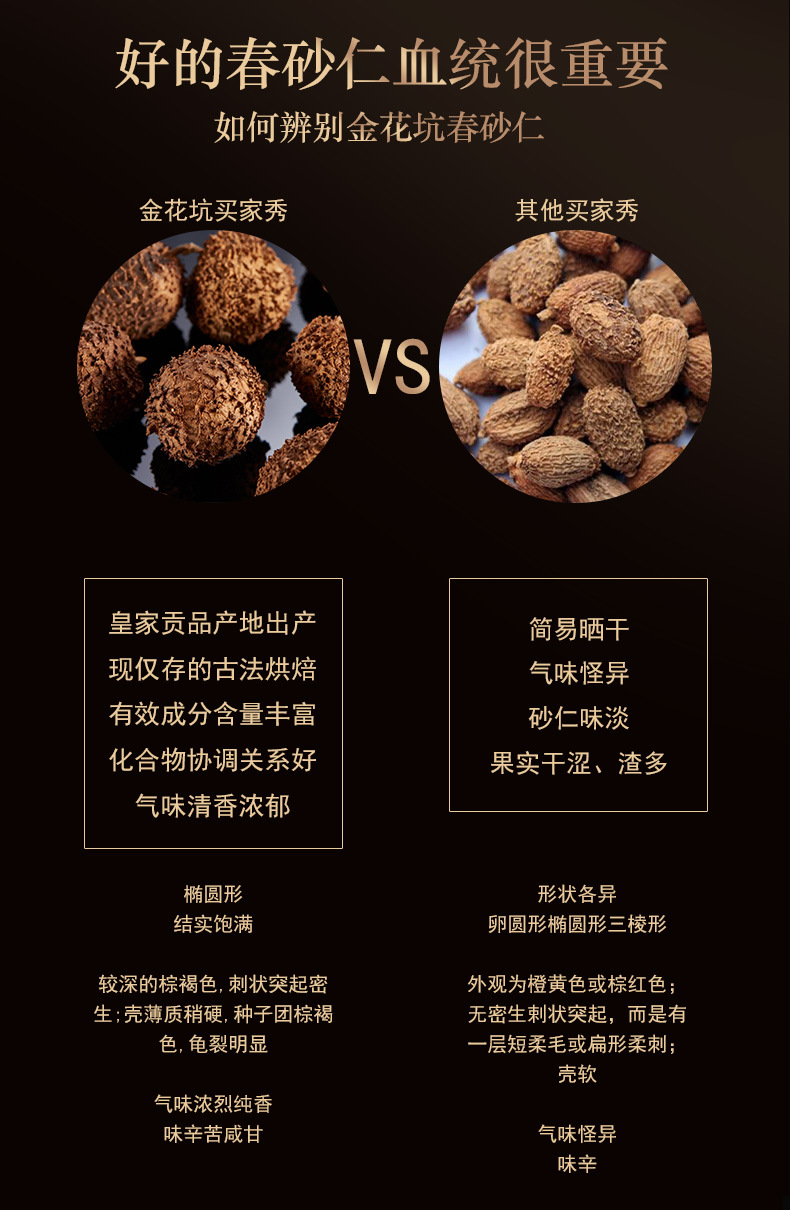
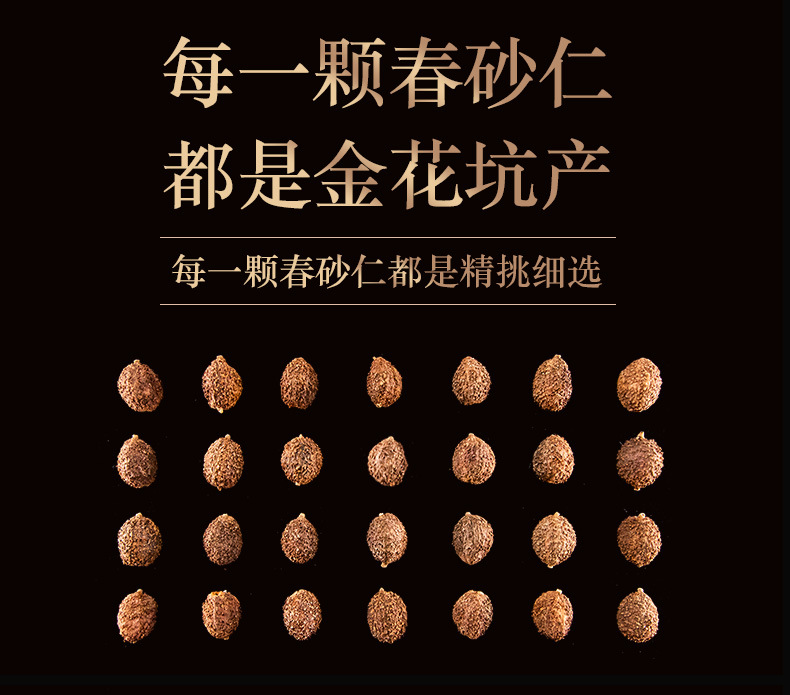
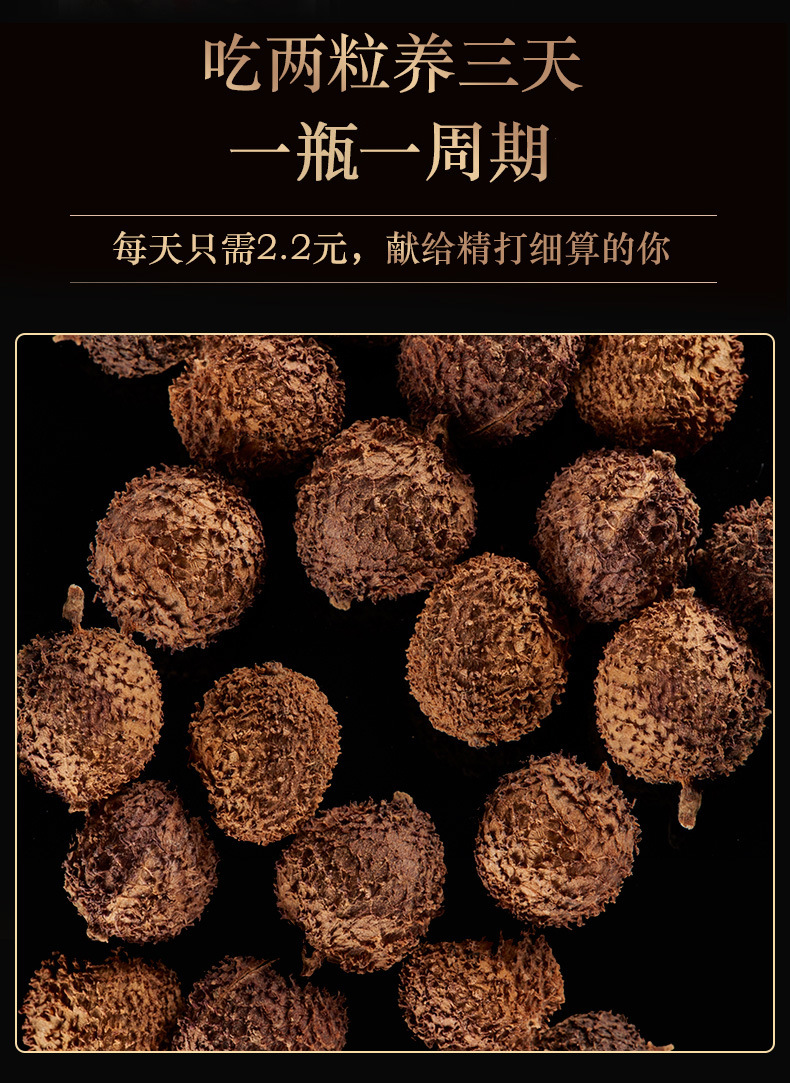
Typically the fruits are brownish-red to dark brown with a slightly wrinkled, textured surface and a persistent aromatic, camphor-like fragrance. When decocted, they typically release a warm, pungent, slightly sweet aroma with a spicy, refreshing taste.
Technical Specifications
| Product Type | Dried Chinese herbal fruit |
|---|---|
| Chinese Name | 砂仁 |
| Pinyin | Sha Ren |
| Botanical Name | Amomum villosum |
| Plant Part | Dried ripe fruit |
| Net Weight | 100g |

Usage Scenarios
- Simmered in herbal decoctions with other tonic herbs
- Added to slow-cooked soups and broths for aroma
- Cooked into congee or rice porridge
- Used as a culinary spice in braised dishes and marinades

Traditional Uses
In TCM practice, Sha Ren is traditionally associated with moving qi, harmonizing the middle burner, and calming the stomach, and it is a classic ingredient in formulas such as Xiang Sha Liu Jun Zi Tang. Traditionally it is added near the end of decocting to preserve its volatile aroma, and it is commonly paired with Chen Pi, Fu Ling, or Dang Shen in digestive soups and congee.
FAQ Q&A
Q: What is this product?
A: This is 100g of loose dried Sha Ren (砂仁), the ripe fruit of Amomum villosum, a daodi herb from Yangchun, Guangdong.
Q: What is it traditionally used for?
A: In TCM theory it is traditionally associated with the spleen and stomach channels and is used to support digestive comfort and resolve dampness.
Q: How is it commonly prepared?
A: It is typically simmered briefly in decoctions or added to soups, congee, and braised dishes, often near the end of cooking to retain its aroma.
Additional information
| Weight | 0.5 kg |
|---|---|
| Dimensions | 18 × 12 × 10.5 cm |
Related products
-
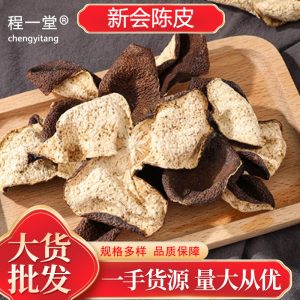
Xinhui Chenpi Dried Tangerine Peel 500g Sun Dried Aged Peel for Soup and Tea
Price range: $60.19 through $116.90 -
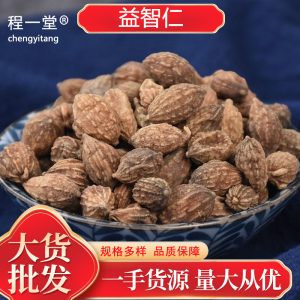
Yi Zhi Ren Dried Alpinia Oxyphylla Fruit 500g Traditional Herbal Tea and Decoction Ingredient
Price range: $11.74 through $13.36 -
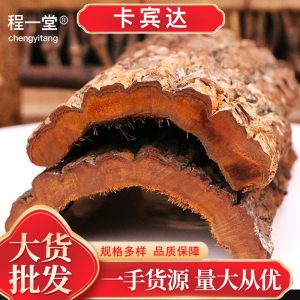
Cabinda Bark Dried Herb 500g Traditional Herbal Infusion Ingredient
Price range: $12.38 through $37.50 -
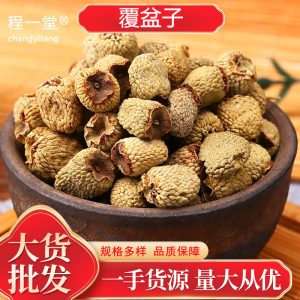
Dried Raspberry Fruit Fu Pen Zi 500g Whole Berries for Herbal Tea and Wine Infusion
Price range: $14.00 through $16.44
Reviews
There are no reviews yet.