
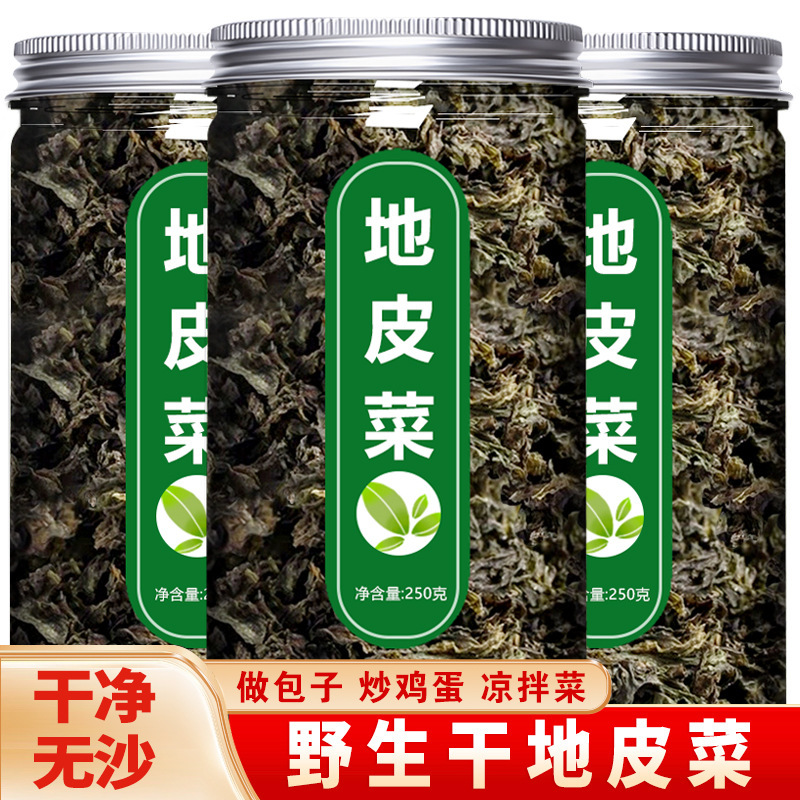
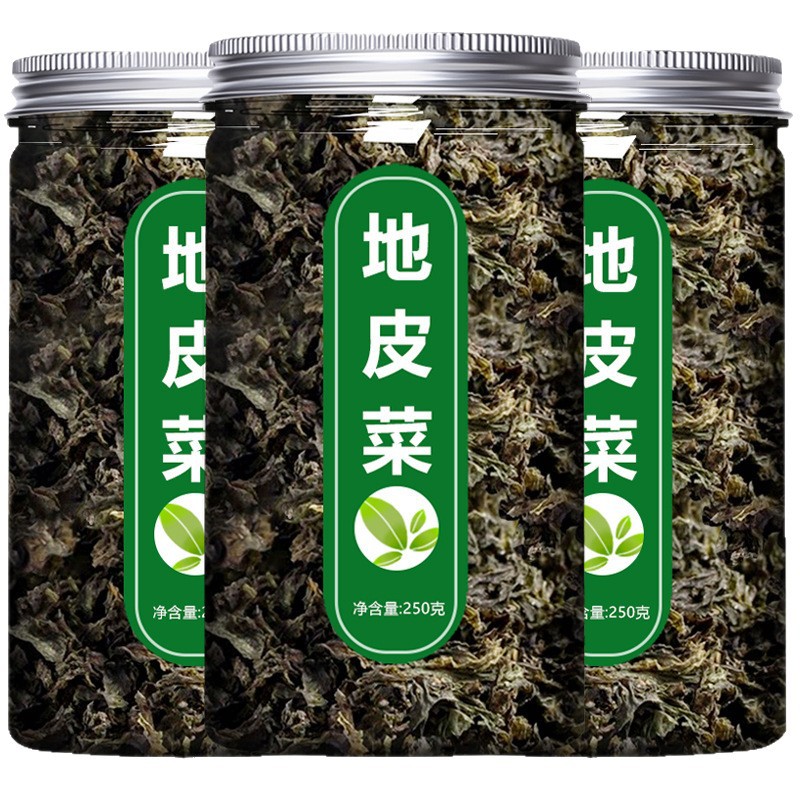
Wild Dried Di Pi Cai Gansu Specialty Sand-Free Ready to Use Premium Grade
Price range: $6.03 through $16.96
Description
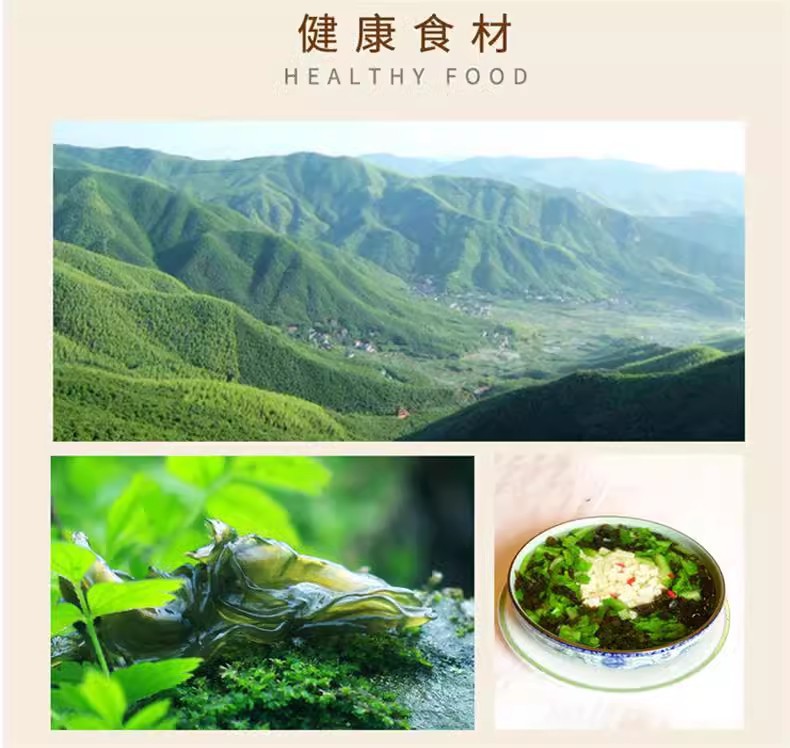
Wild Dried Di Pi Cai (地皮菜), also known as Di Ruan (地软) or Di Yi (地衣), is a naturally growing edible lichen from Gansu province. Traditionally used in Chinese folk cooking, it is prized for its delicate texture and earthy flavor. In TCM theory, it is considered cooling and sweet, associated with nourishing yin and supporting the lungs. This sand-free, ready-to-use dried product is ideal for soups, congee, and stir-fries.
Key Selling Points
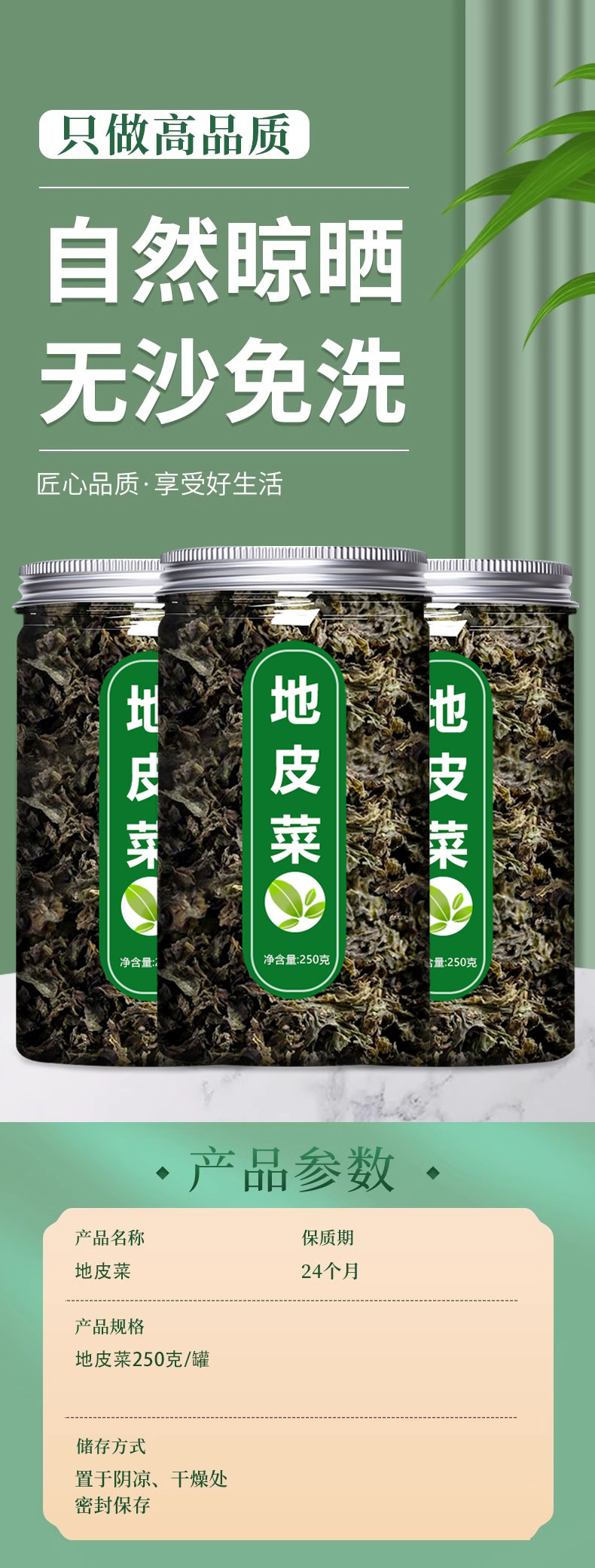
- Wild-harvested edible lichen from Gansu province
- Sand-free and ready to use after brief soaking
- Premium grade with minimal impurities
- Traditional ingredient in Chinese folk soups and congee
- Convenient dried form with long shelf life
Quality & Sensory
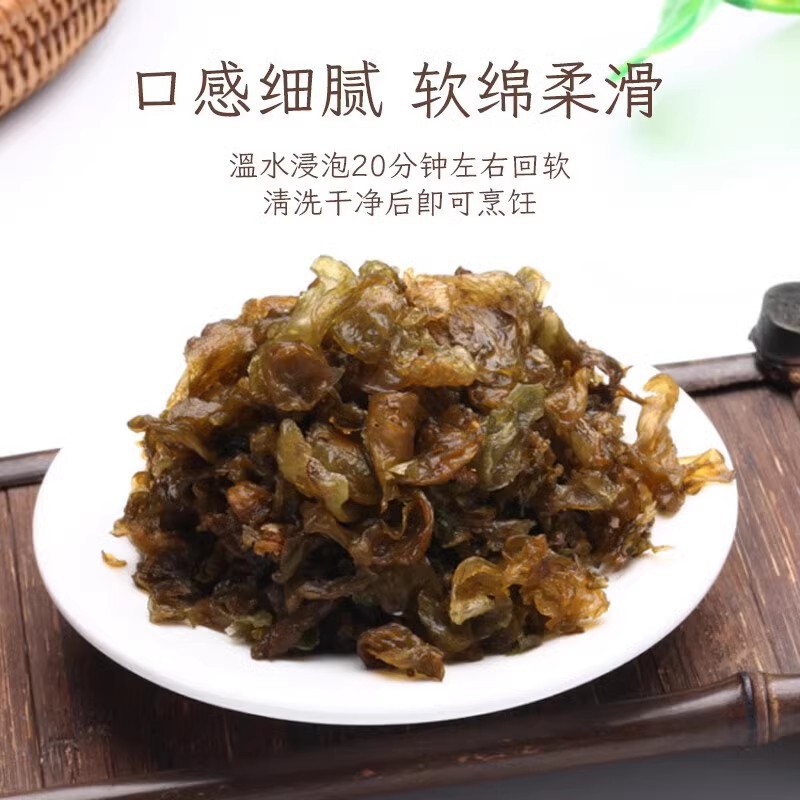
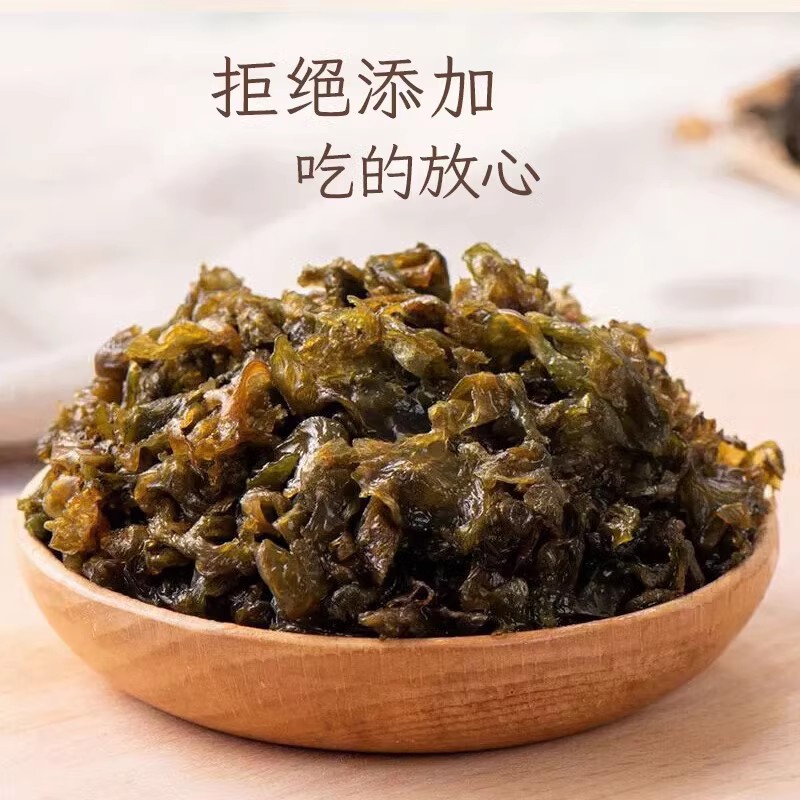
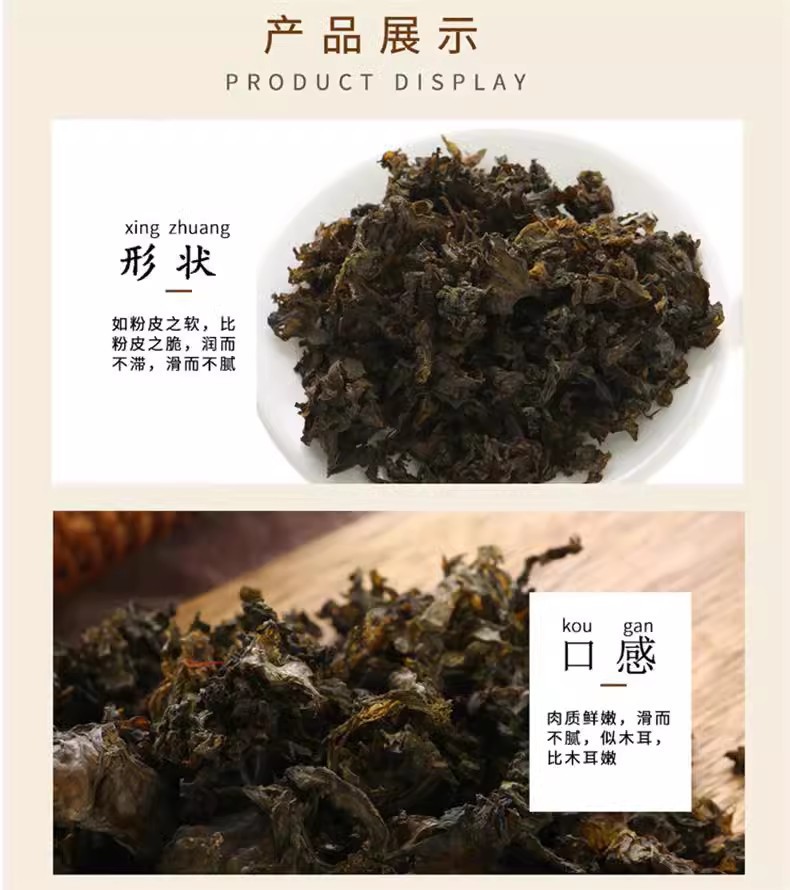
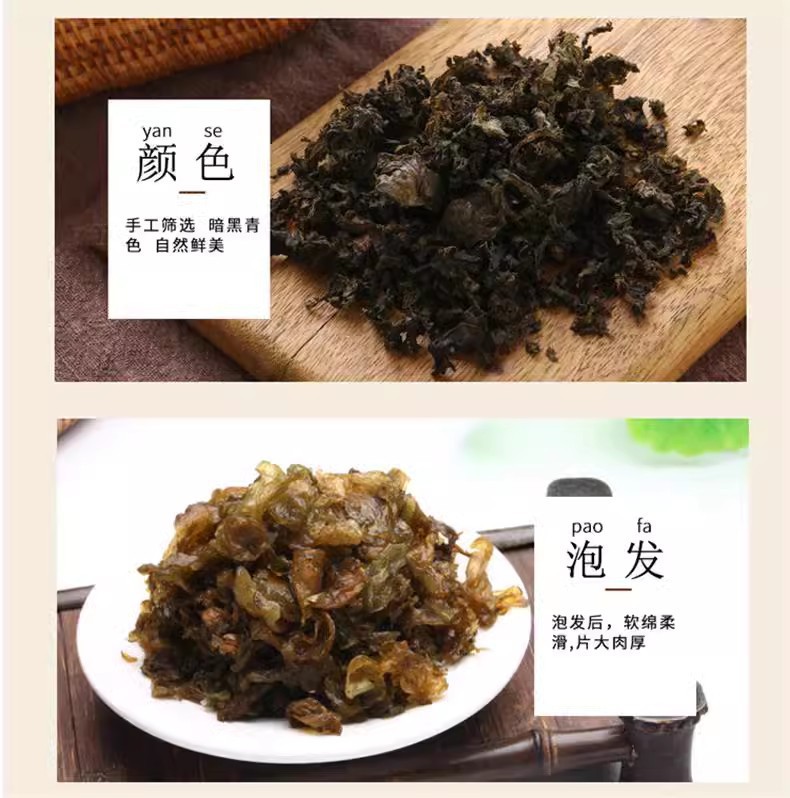
Typically dark green to blackish in color with a soft, gelatinous texture when rehydrated. The dried product has a mild earthy aroma. After soaking and cooking, it develops a tender, slightly chewy consistency and absorbs the flavors of broths and seasonings well.
Technical Specifications
| Product Type | Dried edible lichen |
|---|---|
| Chinese Name | 地皮菜 |
| Pinyin | Di Pi Cai |
| Plant Part | Whole lichen thallus |
| Form | Dried, sand-free |
| Net Weight | 100g |
Usage Scenarios
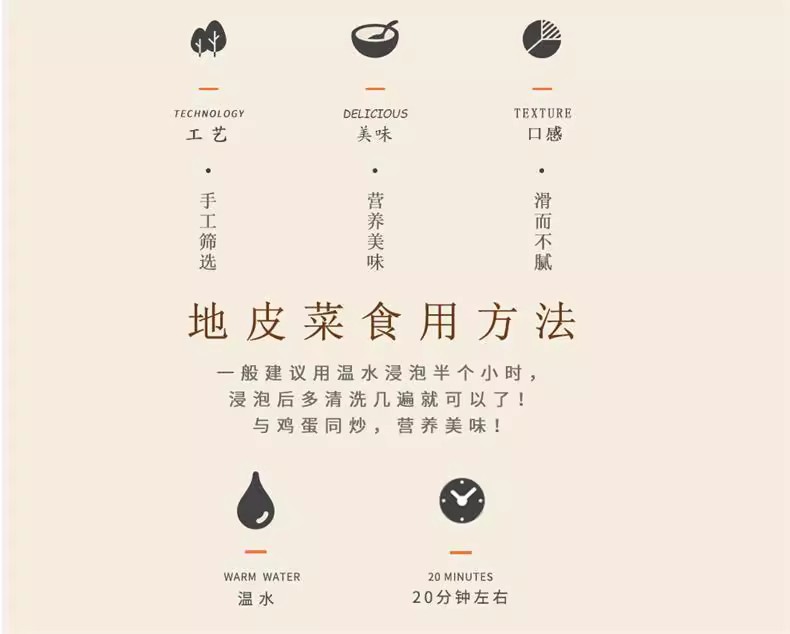
- Add to soups and broths after soaking
- Mix into congee for texture and flavor
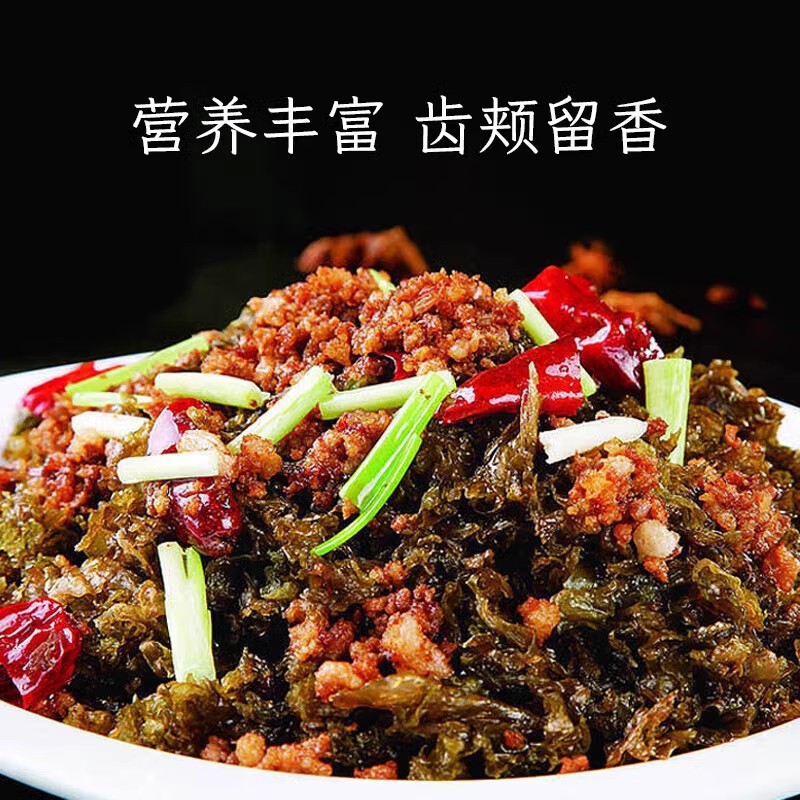
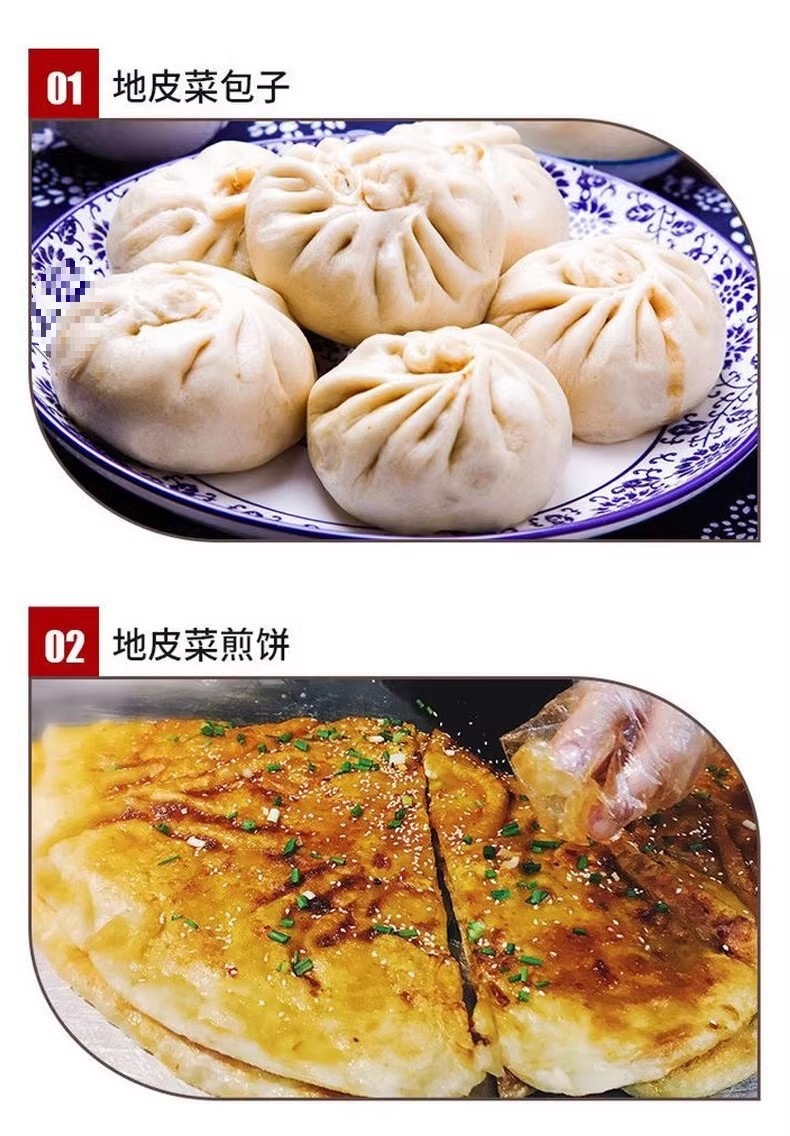
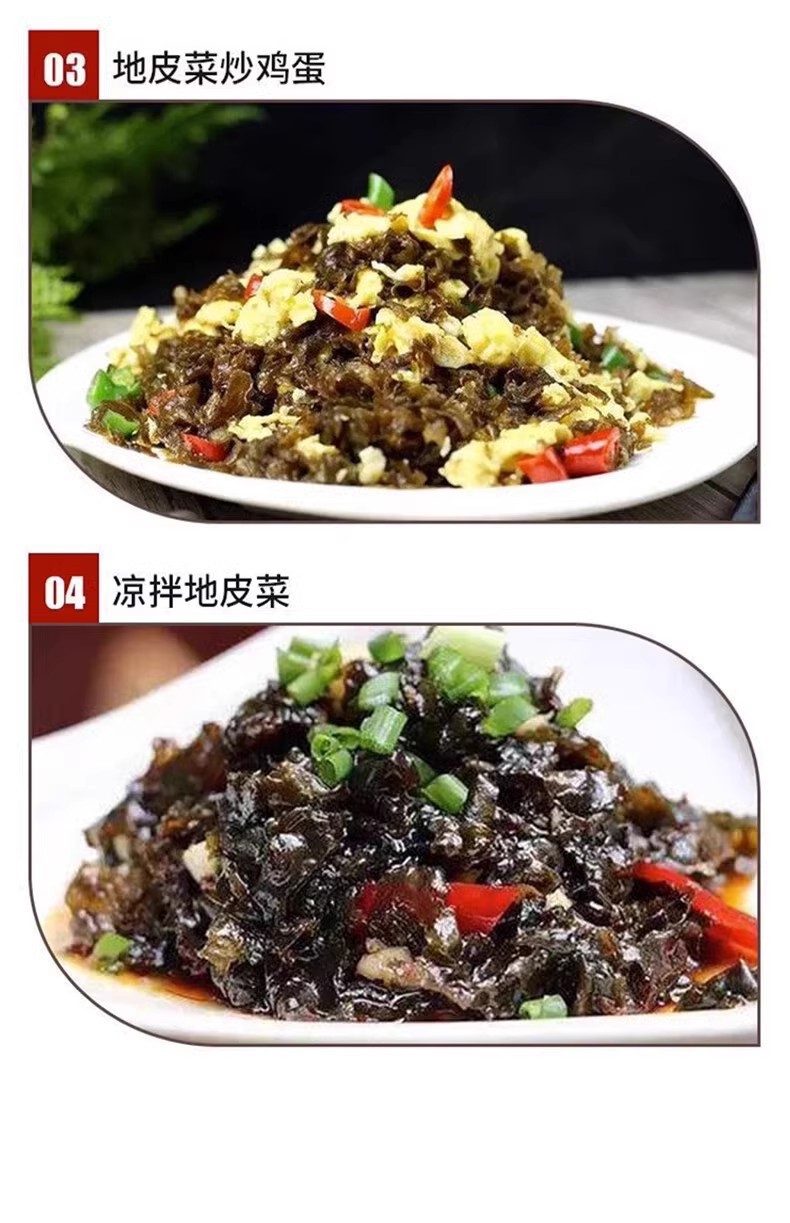
- Use in stir-fries with eggs or vegetables
- Incorporate into dumpling fillings
- Serve as a traditional cold dish with dressing
Traditional Uses
In Chinese folk tradition, Di Pi Cai is commonly used in soups, congee, and stir-fries, often paired with eggs, tofu, or pork. It is valued for its ability to absorb flavors and add a unique texture to dishes. Traditionally associated with cooling properties, it is enjoyed in summer meals and as a nourishing ingredient for the lungs.
FAQ Q&A
Q: What is Di Pi Cai?
A: Di Pi Cai is a wild edible lichen harvested in Gansu, China, also known as Di Ruan or Di Yi. It is a traditional ingredient in Chinese folk cooking.
Q: What are its traditional characteristics?
A: In TCM theory, it is considered cooling and sweet, traditionally associated with nourishing yin and supporting lung health. It is valued for its delicate texture and earthy flavor.
Q: How is it commonly prepared?
A: It is typically soaked briefly to rehydrate, then added to soups, congee, or stir-fries. It can also be used in dumpling fillings or cold dishes.
Additional information
| Weight | N/A |
|---|---|
| Dimensions | N/A |
| Model | 无沙免洗 1罐 地皮菜 250g, 无沙免洗 2罐 地皮菜 250g 2, 无沙免洗 3罐 地皮菜 250g 3, 无沙免洗 4罐 地皮菜 250g 4, 无沙免洗 1罐 黑木耳 100g |
Related products
-
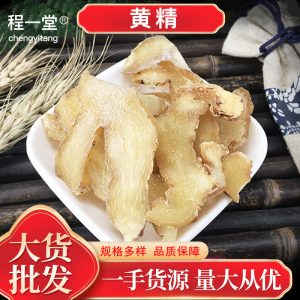
Dried Huang Jing Slices Polygonatum Rhizome Chicken Head Huang Jing 500g Bulk Herbal Tea and Soup Ingredient
Price range: $9.14 through $18.87 -
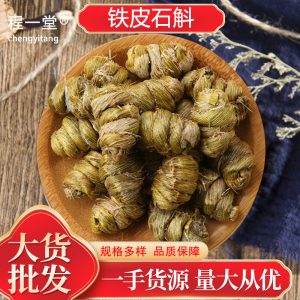
Tie Pi Shi Hu Dried Dendrobium Stems 500g Huoshan Fengdou for Soup and Tea
Price range: $35.88 through $108.80 -
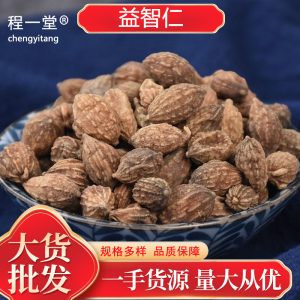
Yi Zhi Ren Dried Alpinia Oxyphylla Fruit 500g Traditional Herbal Tea and Decoction Ingredient
Price range: $11.74 through $13.36 -
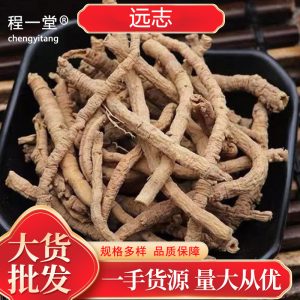
Dried Polygala Root Yuan Zhi 500g Traditional Chinese Herb for Decoction
Price range: $18.87 through $24.54
Reviews
There are no reviews yet.