
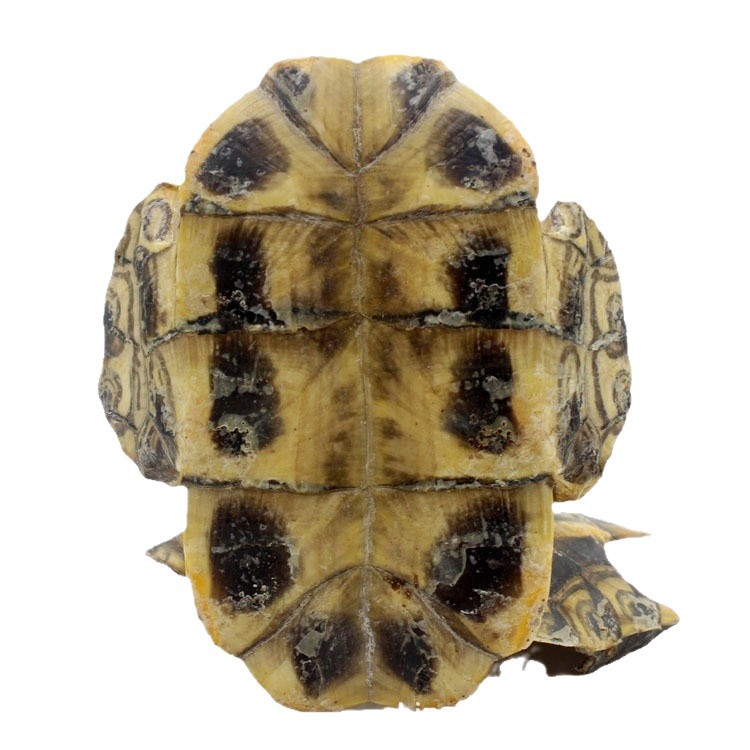
Tortoise Shell Gui Ban 龟板 Dried Traditional TCM Herb 500g
$17.25
221 in stock
Description
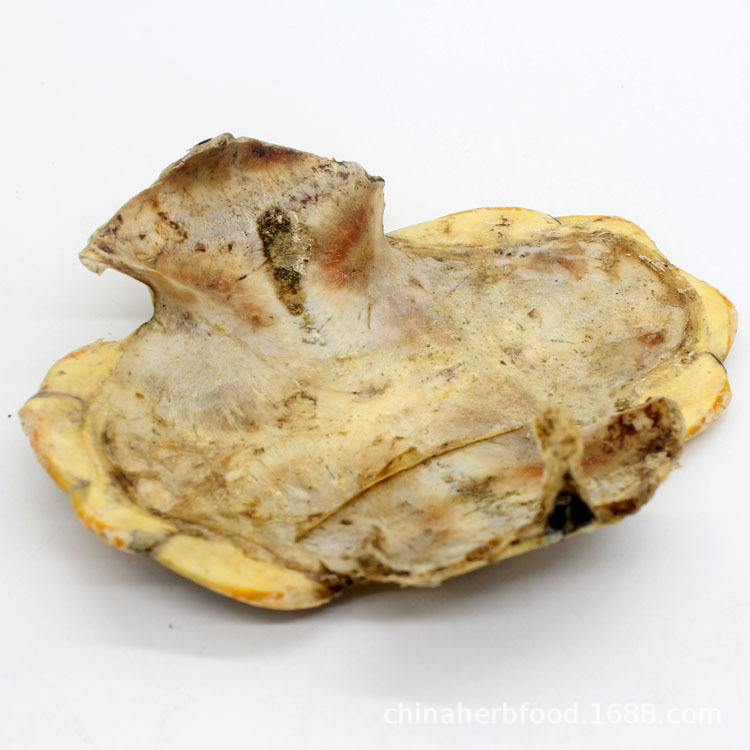
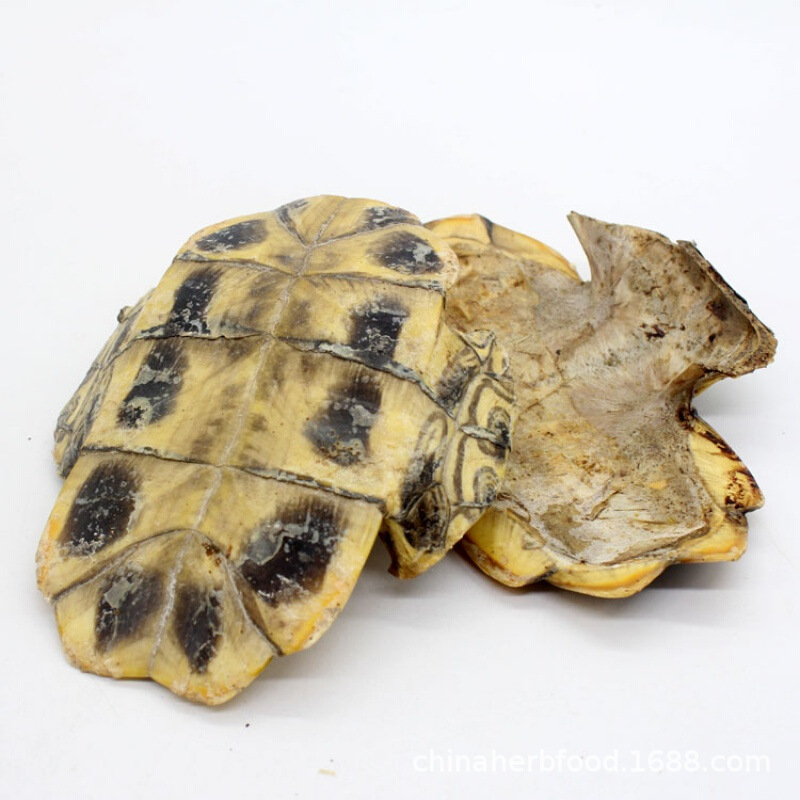
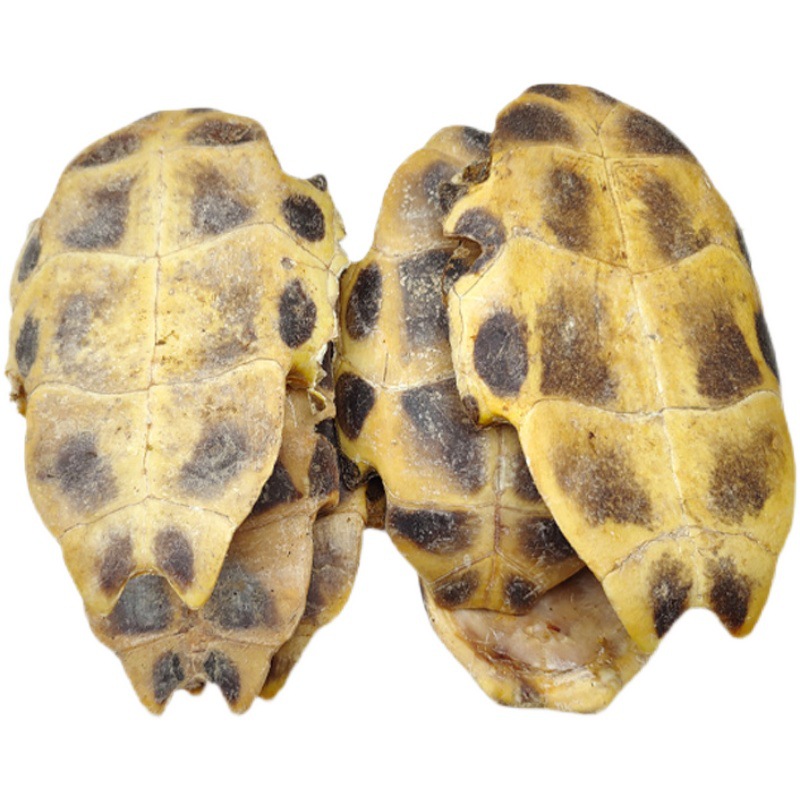
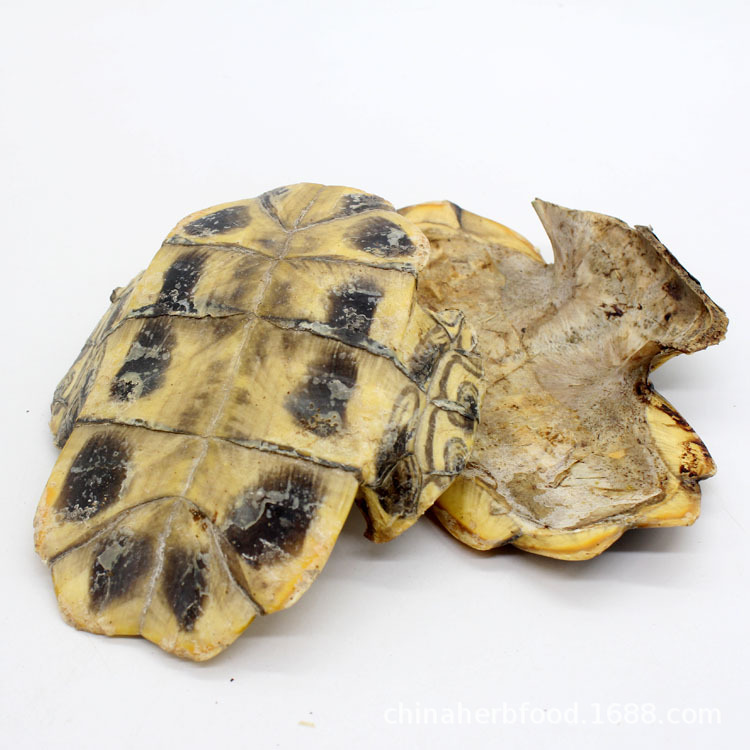
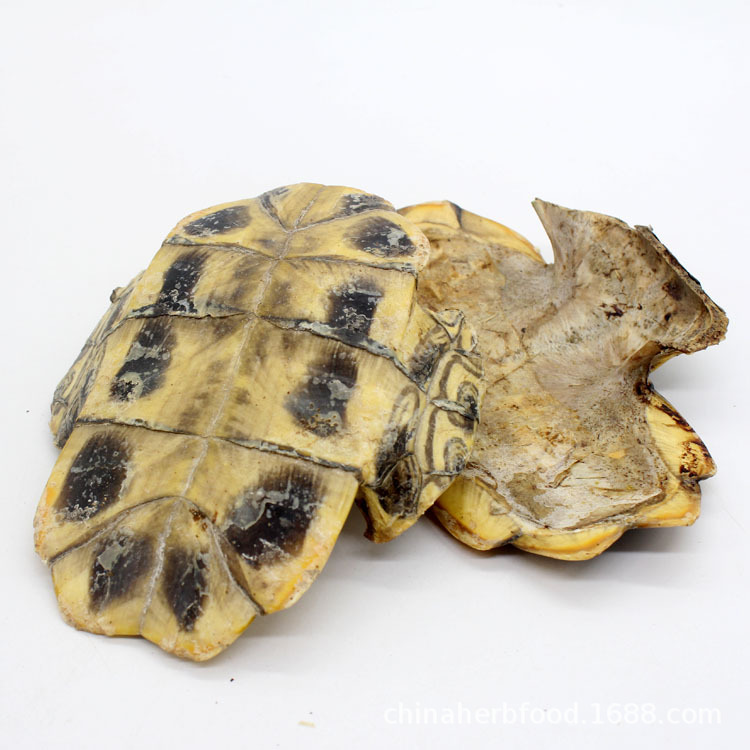
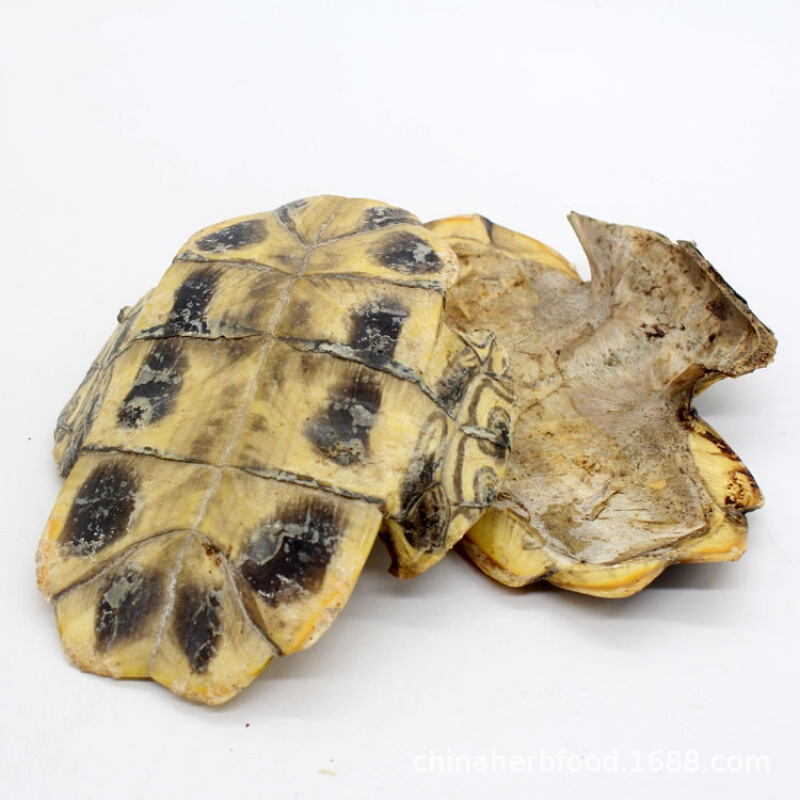
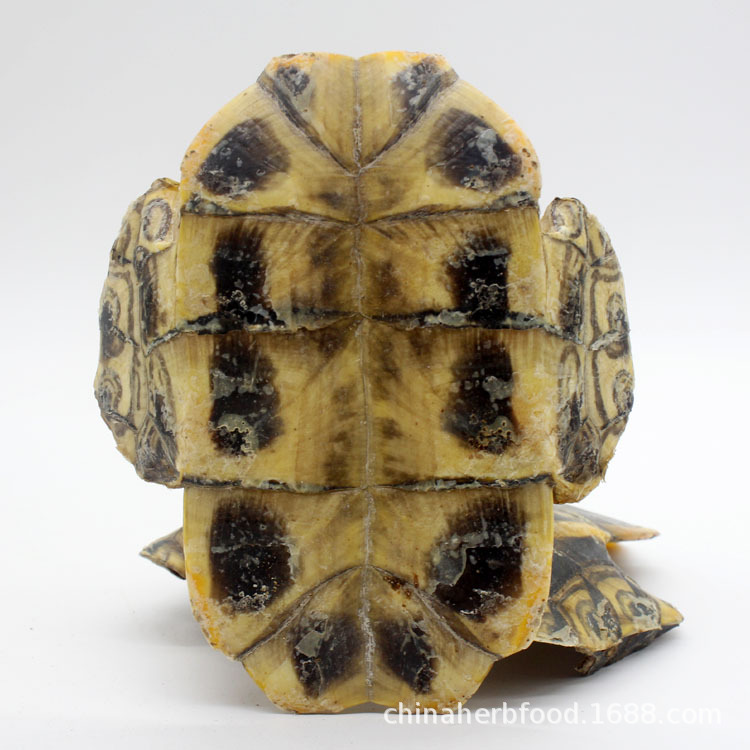
Tortoise Shell, known in TCM as Gui Ban (龟板), is the dried plastron of the turtle, traditionally prepared as whole or cut pieces. In TCM theory it is salty and sweet in flavor and associated with the liver, kidney, and heart channels, traditionally used to nourish yin and subdue yang. This raw botanical is sold as a food-grade dried herb for decoction, soup, or herbal formulas under professional guidance.
Key Selling Points
- Authentic dried tortoise plastron, a classic TCM raw herb
- Known as Gui Ban (龟板) in Traditional Chinese Medicine
- Traditionally associated with nourishing kidney and liver yin
- Air-dried processing preserves the natural character of the shell
- Suitable for decoctions, herbal soups, and formula preparation
Quality & Sensory
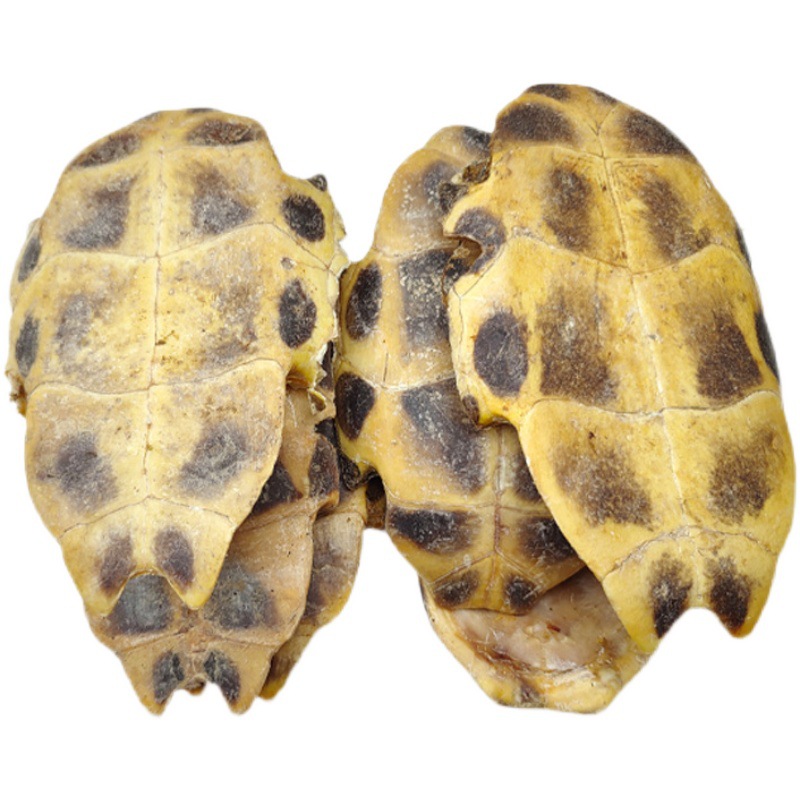
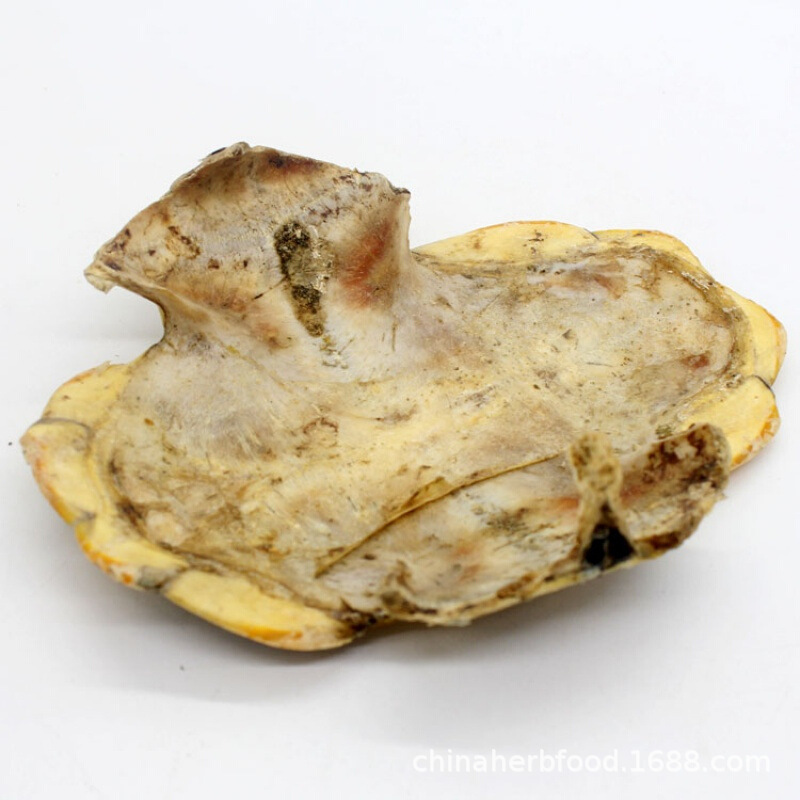
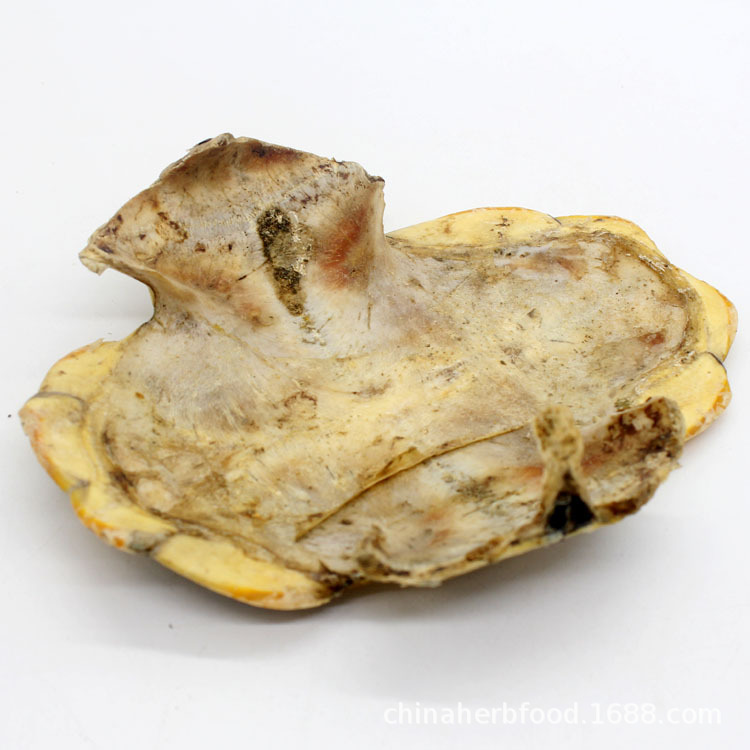
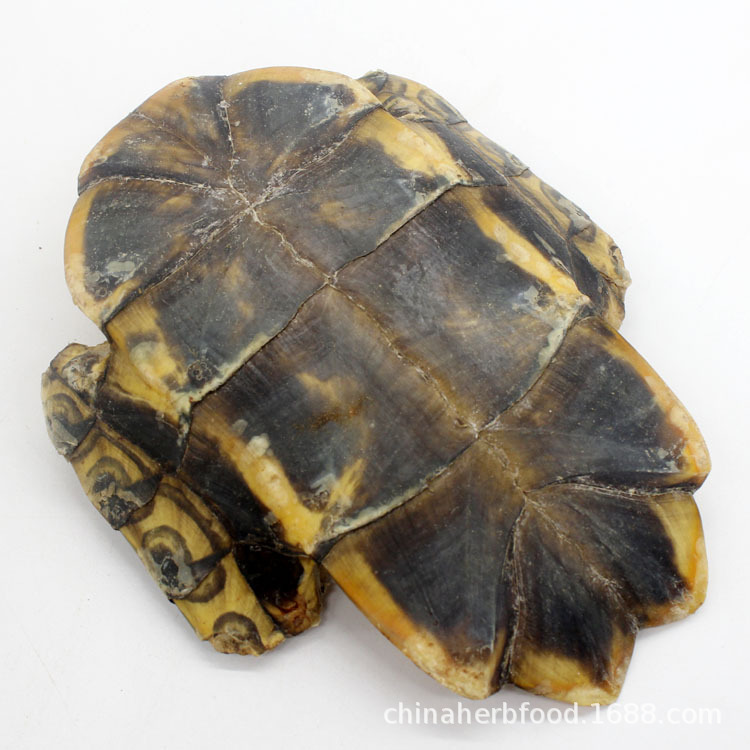
Typically pale yellowish-brown to dark brown in color with a hard, dense, plate-like texture and faint natural odor. When decocted, it yields a mild, slightly savory broth with no strong aroma.
Technical Specifications
| Product Type | Raw TCM herb |
|---|---|
| Chinese Name | 龟板 |
| Pinyin | Gui Ban |
| Plant Part | Tortoise plastron (shell) |
| Form | Dried whole or cut pieces |
| Net Weight | 500 g |
Usage Scenarios
- Slow-simmered in herbal decoctions
- Added to nourishing tonic soups
- Used in traditional herbal formulas
- Prepared with other yin-tonifying herbs


Traditional Uses
In TCM practice, Gui Ban is traditionally used to nourish yin, benefit the kidneys, and strengthen bones, and it appears in classic formulas such as Er Xian and Da Bu Yin decoctions. It is commonly long-simmered, often alone or with herbs like Rehmannia and Anemarrhena, and is traditionally favored in autumn and winter tonics.


FAQ Q&A
Q: What is this product?
A: This is dried tortoise shell, known in TCM as Gui Ban (龟板), sold as a raw food-grade herb for traditional preparation.
Q: What is it traditionally used for?
A: In TCM theory it is traditionally used to nourish yin and support the kidney and liver channels. It is a classic ingredient in yin-tonifying formulas.
Q: How is it commonly prepared?
A: It is typically long-simmered in decoctions or tonic soups, often combined with other herbs. Consult a qualified practitioner for proper use.

Additional information
| Weight | 0.8 kg |
|---|---|
| Dimensions | 25 × 20 × 8 cm |
Related products
-
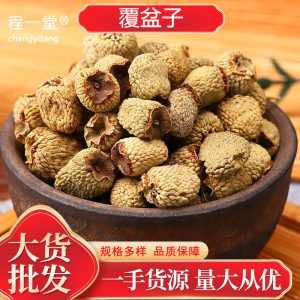
Dried Raspberry Fruit Fu Pen Zi Whole Berries for Herbal Tea and Wine Infusion 500g
Price range: $15.63 through $18.06 -
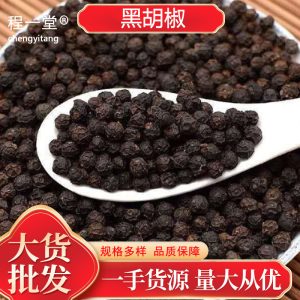
Black Pepper Whole Peppercorns Hu Jiao 500g Bulk Culinary Spice for Cooking and Seasoning
Price range: $8.33 through $9.14 -
Dried Ginger Root Gan Jiang 500g Bulk Chinese Herb Zingiber officinale Rhizome for Decoction and Culinary Use
$5.90 -
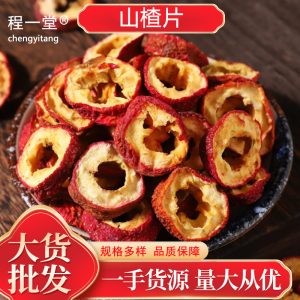
Dried Hawthorn Slices Shan Zha 500g Seedless Hollow Rings Freeze Dried Hawthorn for Tea and Culinary Use
Price range: $4.44 through $7.04
Reviews
There are no reviews yet.