
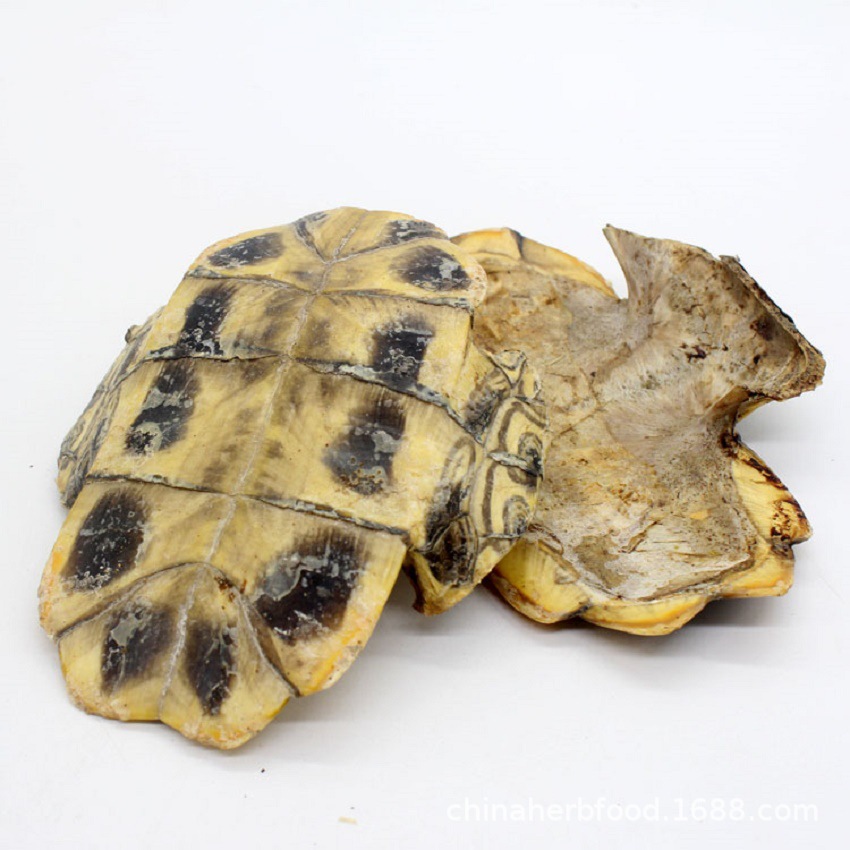
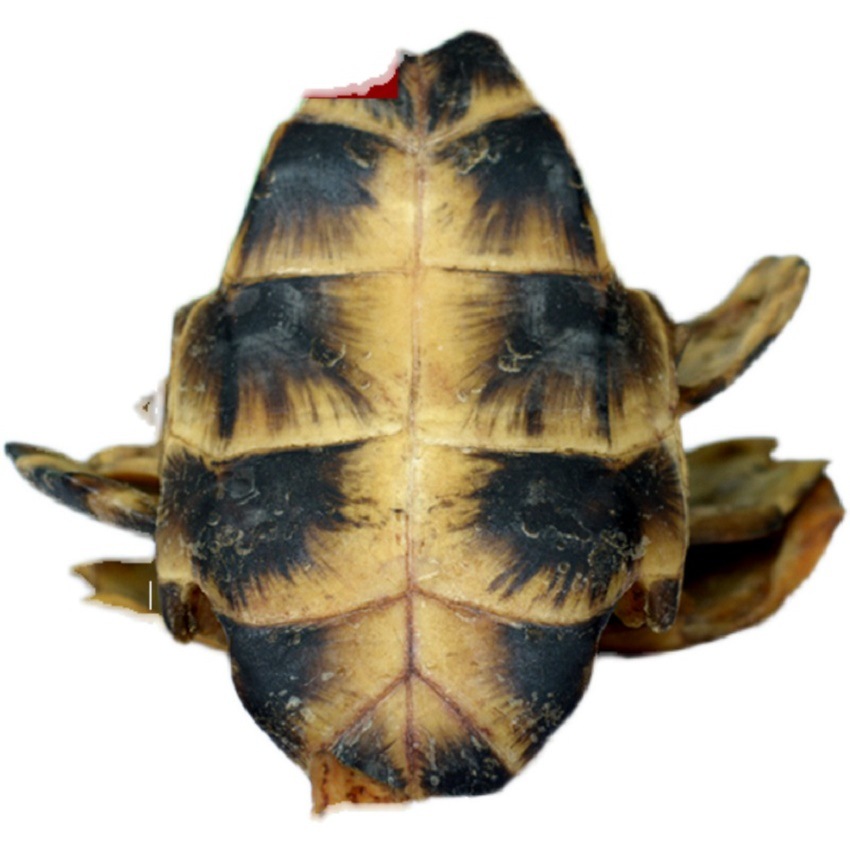
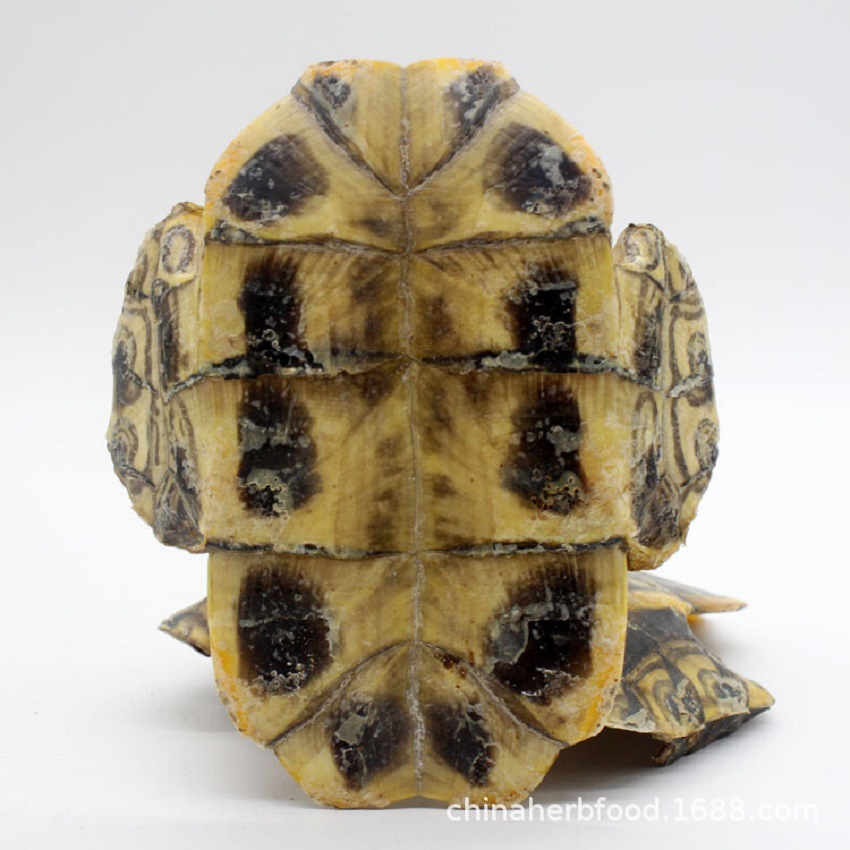
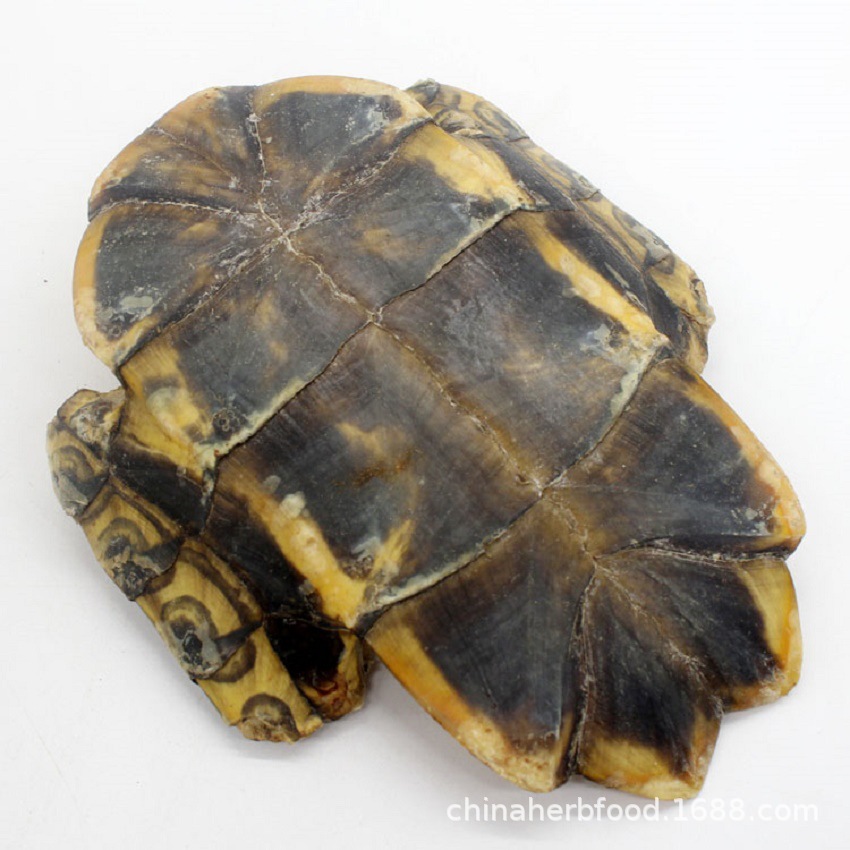
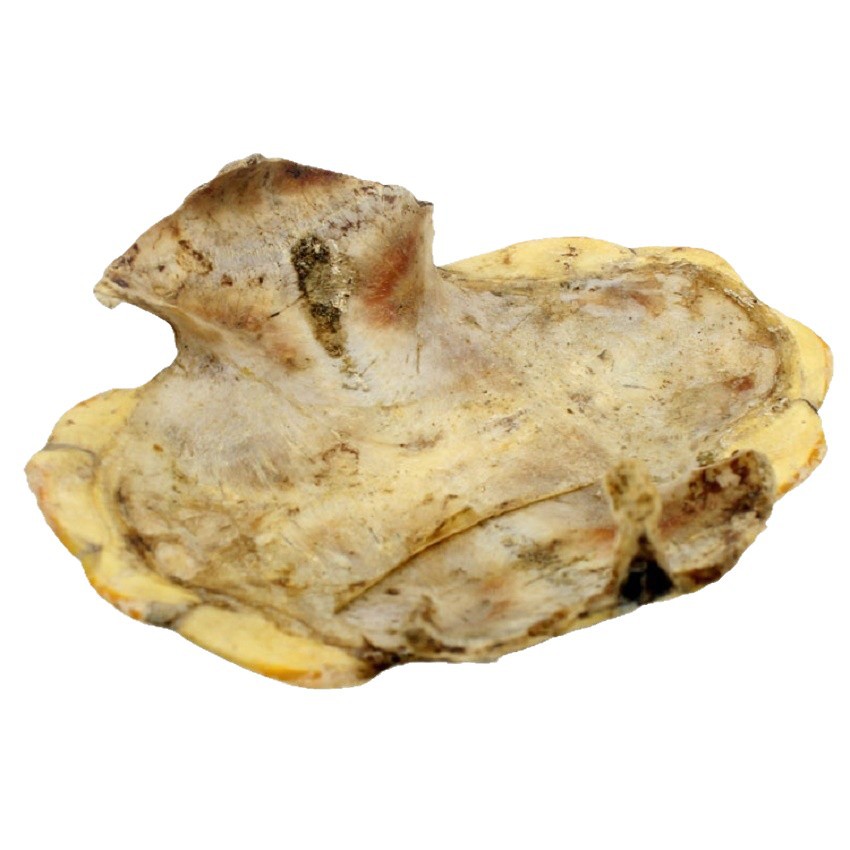
Tortoise Shell Gui Ban 龟板 Dried Raw Herb 500g Traditional TCM Decoction Material
$16.27
111 in stock
Description
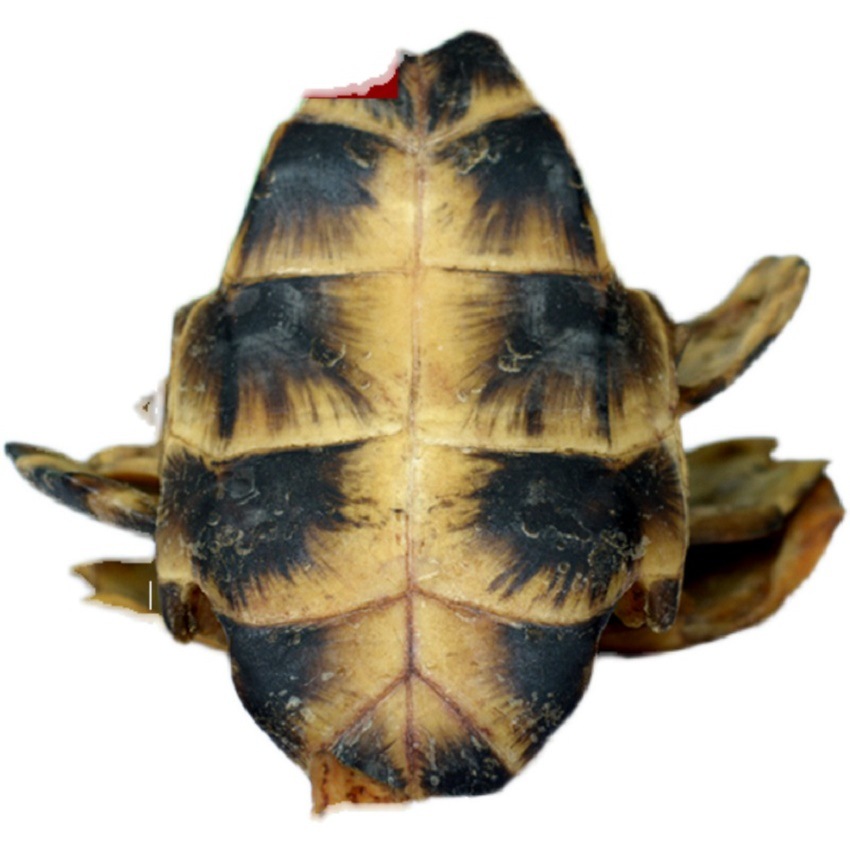
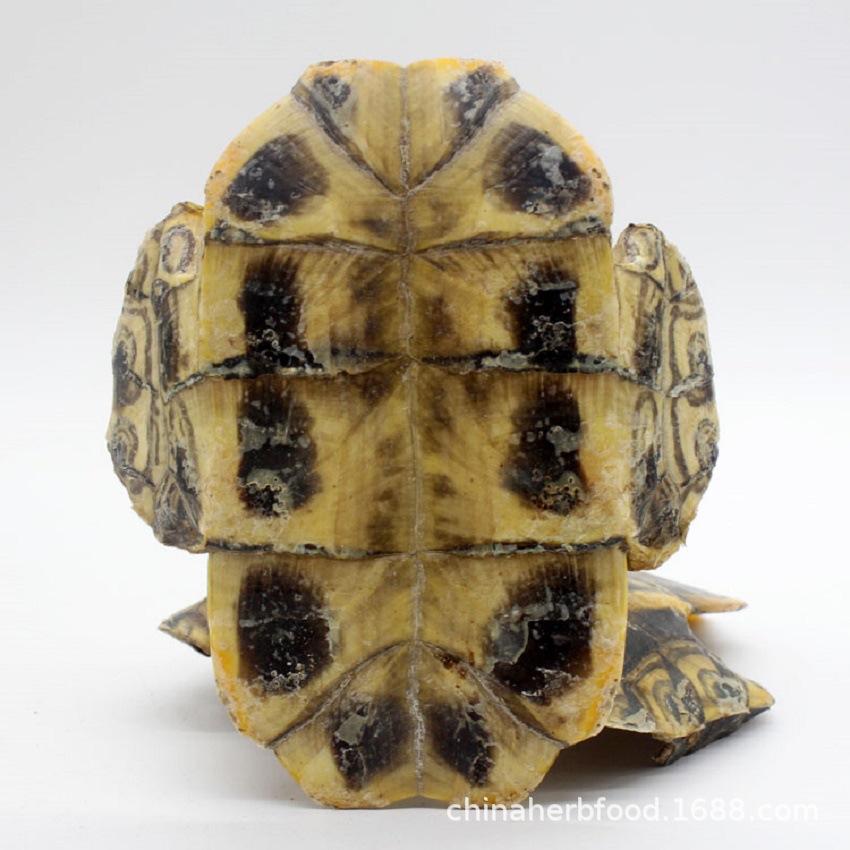
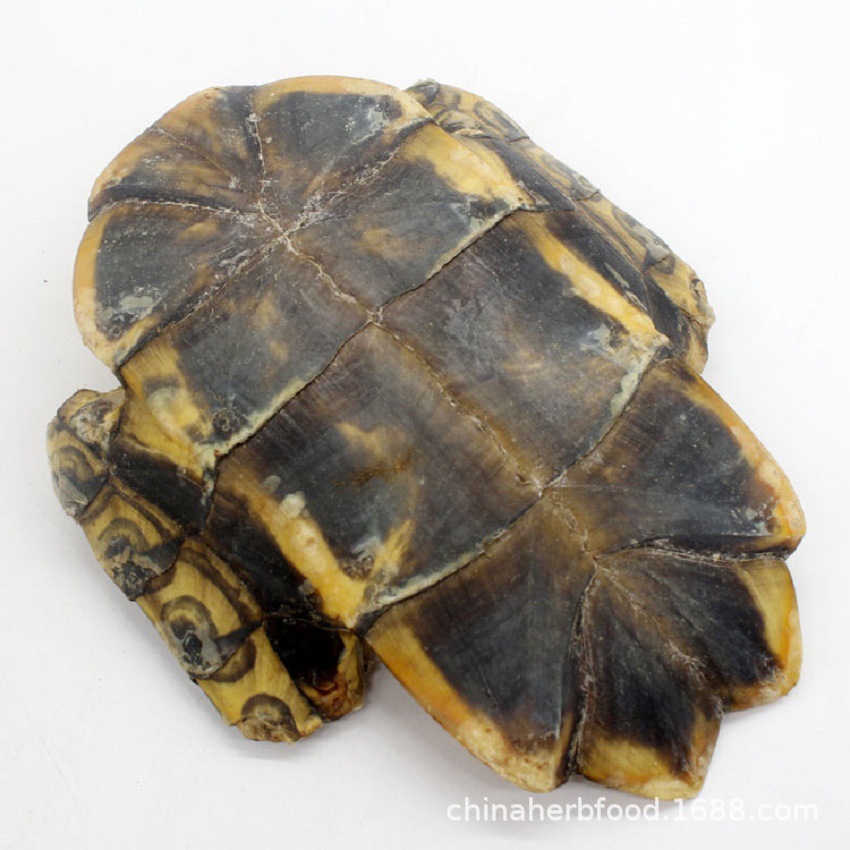
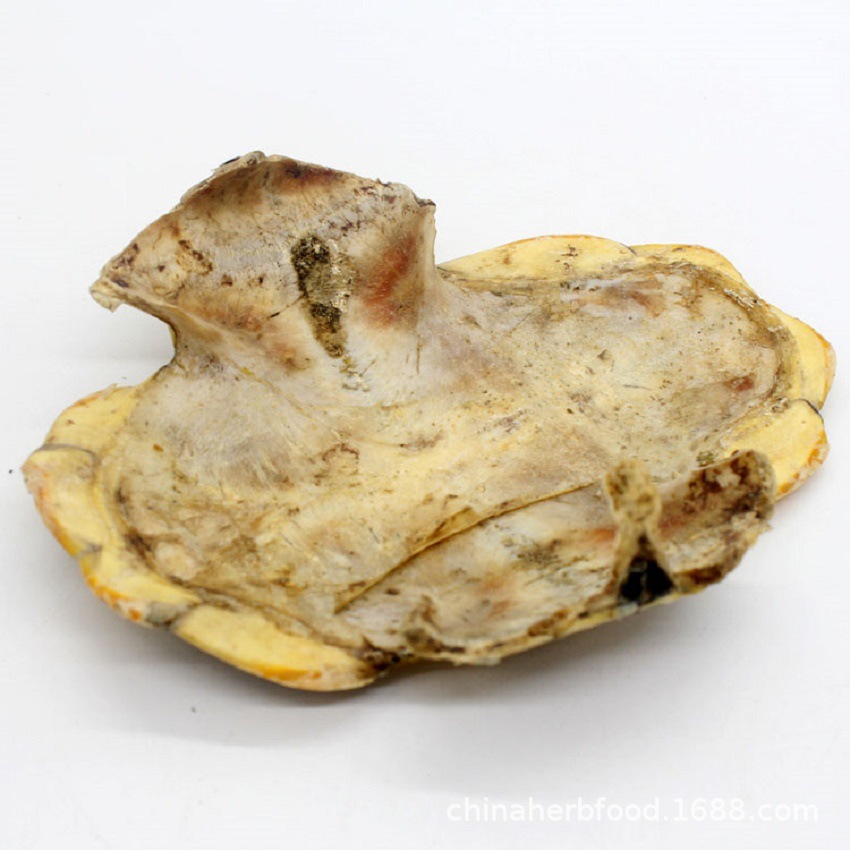
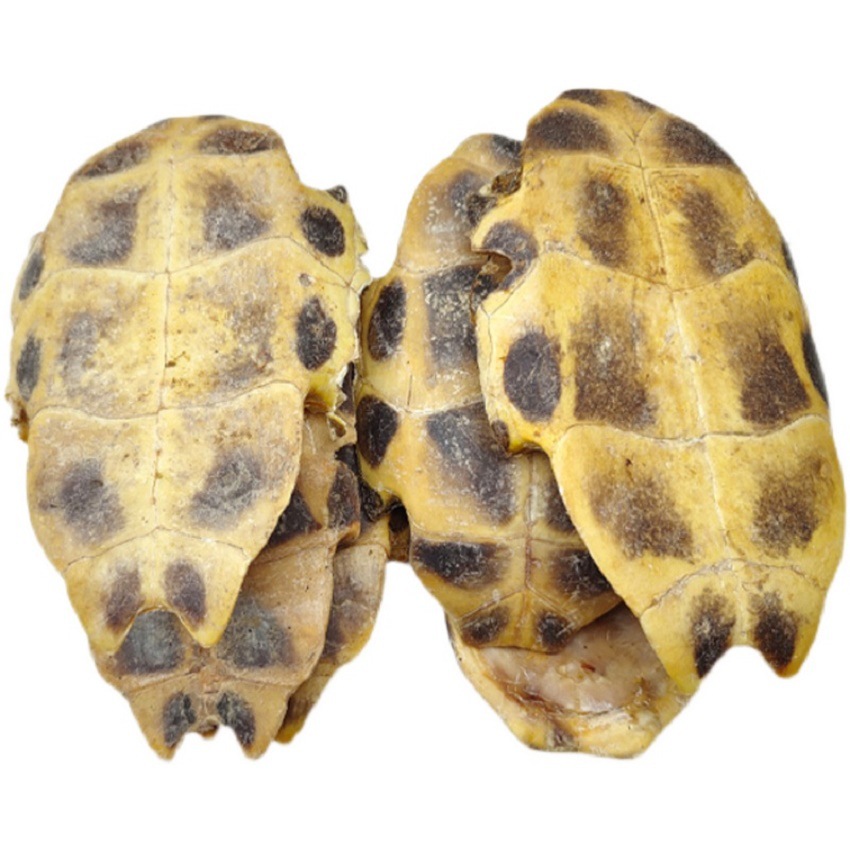
Tortoise Shell, known in TCM as Gui Ban (龟板), is the dried plastron of the turtle, traditionally supplied as whole or cut raw pieces for decoction use. In TCM theory it is salty and sweet in flavor and associated with the liver, kidney, and heart channels, traditionally valued for nourishing yin and subduing yang. This listing is a selected raw herb sold as a food-grade agricultural product; grind service is offered and the material should be prepared under professional guidance.
Key Selling Points
- Selected raw Gui Ban tortoise plastron pieces for traditional decoction use
- Identified in TCM as Gui Ban 龟板, a classic yin-nourishing shell material
- Air-dried processing with no further refining, suitable for grinding on request
- Supplied as a 500g pack of edible agricultural product
- Commonly used in TCM formulas and herbal soups under practitioner guidance

Quality & Sensory
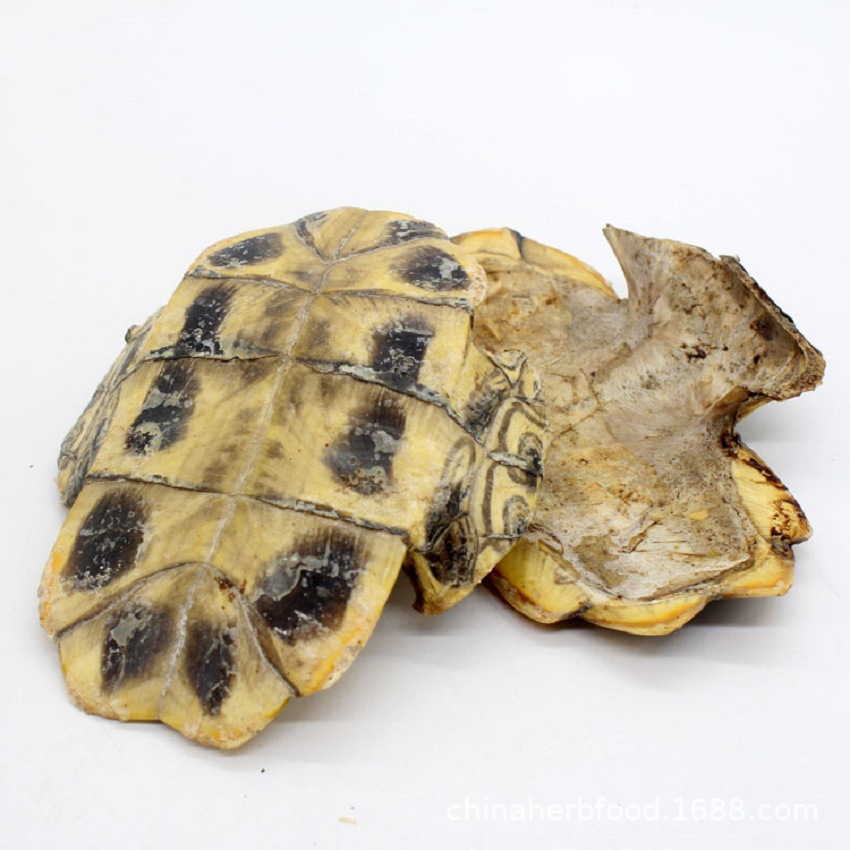
Typically pale yellowish-brown to dark brown hard plates with a dense, stony texture and faint gamey aroma. When decocted long, the liquid is typically neutral in taste with a subtle mineral character.
Technical Specifications
| Product Type | Raw TCM herb |
|---|---|
| Chinese Name | 龟板 |
| Pinyin | Gui Ban |
| Plant Part | Tortoise plastron |
| Form | Dried whole or cut pieces |
| Net Weight | 500 g |
Usage Scenarios
- Long-simmered herbal decoctions prepared with other TCM ingredients
- Nourishing herbal soups in traditional household cooking
- Ground into powder for use in traditional formulas
- Added to congee or tonic broths in seasonal wellness routines


Traditional Uses
In TCM practice, Gui Ban is traditionally associated with nourishing yin, anchoring yang, and strengthening bones, and it often appears in classic formulas such as Er Xian and Da Bu Yin variations. It is typically decocted for an extended time, sometimes pre-cooked or calcined, and paired with herbs like Rehmannia and Anemarrhena. Traditional households also add it to slow-cooked soups in autumn and winter.


FAQ Q&A
Q: What is this product?
A: It is dried tortoise plastron, known in TCM as Gui Ban (龟板), supplied as a raw herb for traditional decoction and culinary use.
Q: What is it traditionally used for?
A: In TCM theory it is salty and sweet, entering the liver, kidney, and heart channels, and is traditionally used to nourish yin and support bone health.
Q: How is it commonly prepared?
A: It is usually broken or crushed and long-simmered in decoctions or soups, and free grinding into powder is available on request.
Additional information
| Weight | 0.72 kg |
|---|---|
| Dimensions | 25 × 18 × 8 cm |
Related products
-
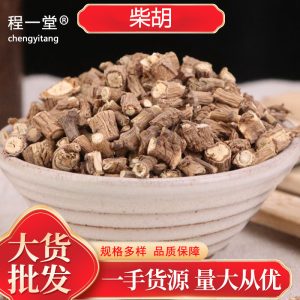
Chai Hu Bupleurum Root Dried Herb 500g Traditional TCM Decoction Herb
Price range: $9.14 through $16.44 -
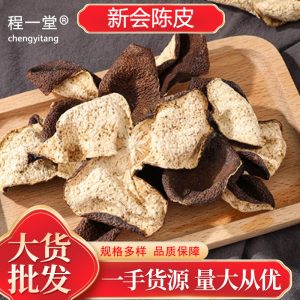
Xinhui Chenpi Dried Tangerine Peel 500g Sun Dried Aged Peel for Soup and Tea
Price range: $60.19 through $116.90 -

Yi Zhi Ren Dried Alpinia Oxyphylla Fruit 500g Traditional Herbal Tea and Decoction Ingredient
Price range: $11.74 through $13.36 -

Cabinda Bark Dried Herb 500g Traditional Herbal Infusion Ingredient
Price range: $12.38 through $37.50
Reviews
There are no reviews yet.