
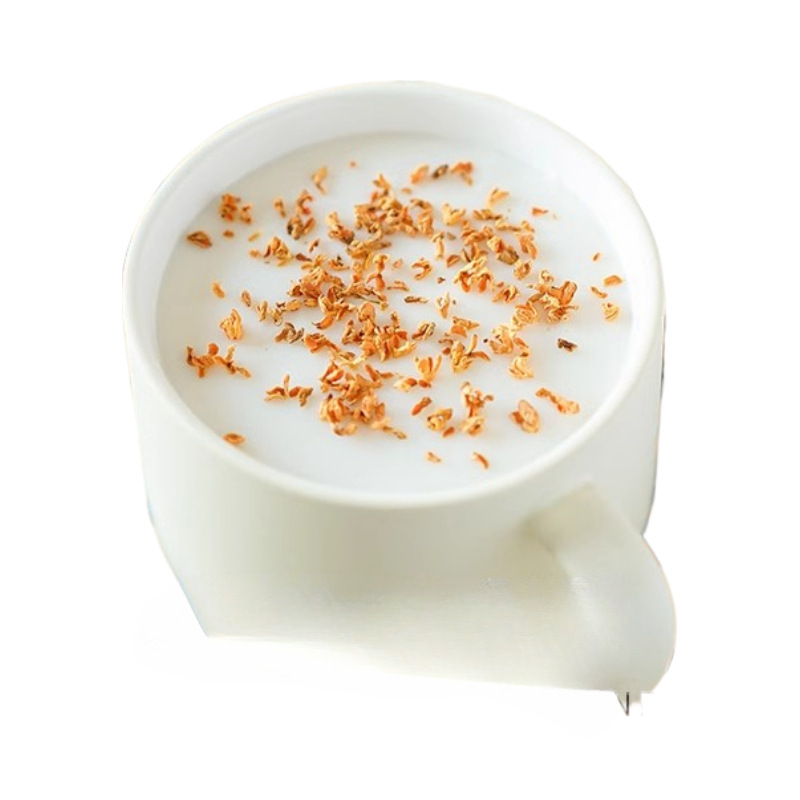
South Apricot Kernel Nan Xing Ren Peeled Raw Apricot Kernels for Tea and Cooking 500g
Price range: $9.07 through $28.47
Description
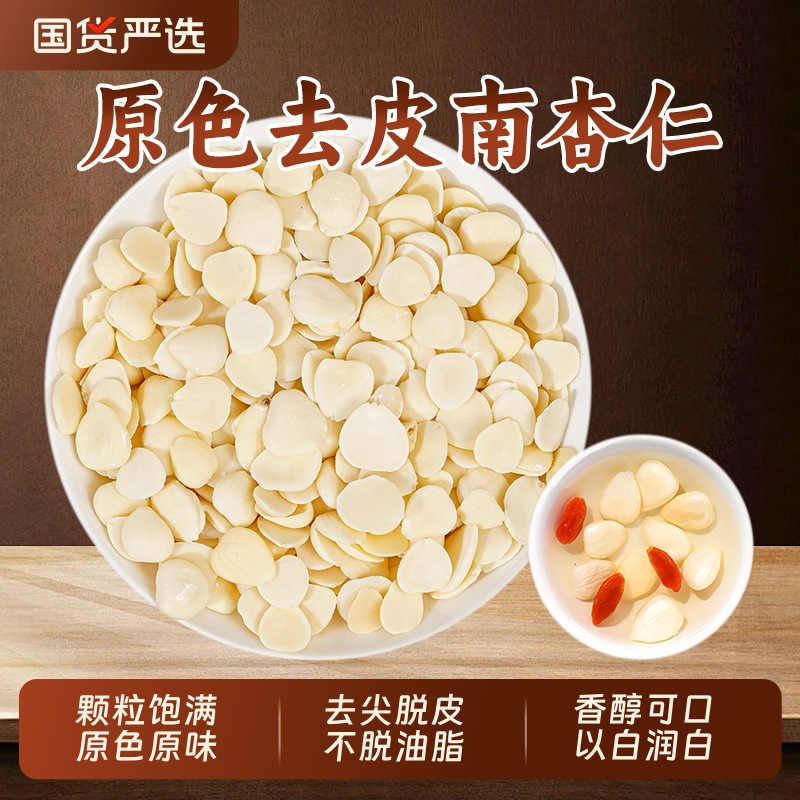
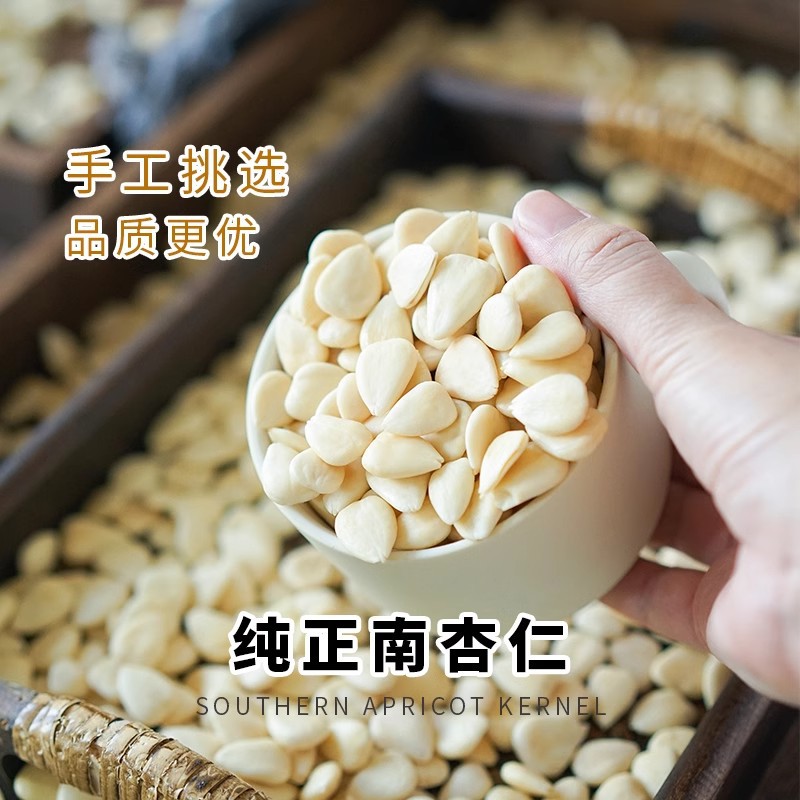
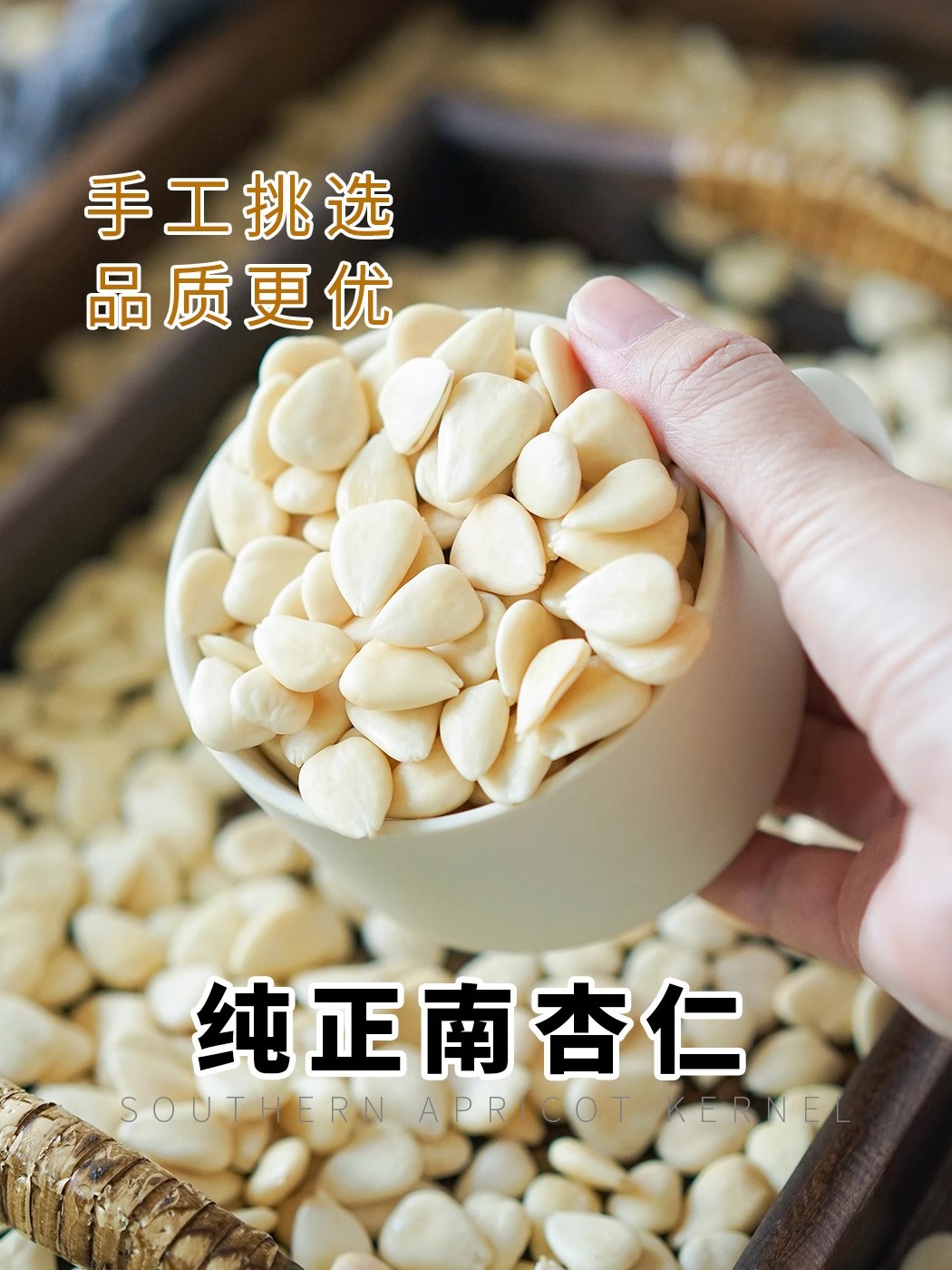
South Apricot Kernel, known in TCM as Nan Xing Ren (南杏仁), from Prunus armeniaca, offered as hand-selected, peeled, unsulfured raw kernels. In TCM theory it is sweet and slightly warm in nature and traditionally associated with the Lung channel. These food-grade kernels are commonly simmered, ground into drinks, or added to soups and desserts. Store in a cool, dry place.
Key Selling Points
- Peeled South Apricot Kernels sold as edible agricultural produce
- Botanical source Prunus armeniaca with Chinese name Nan Xing Ren 南杏仁
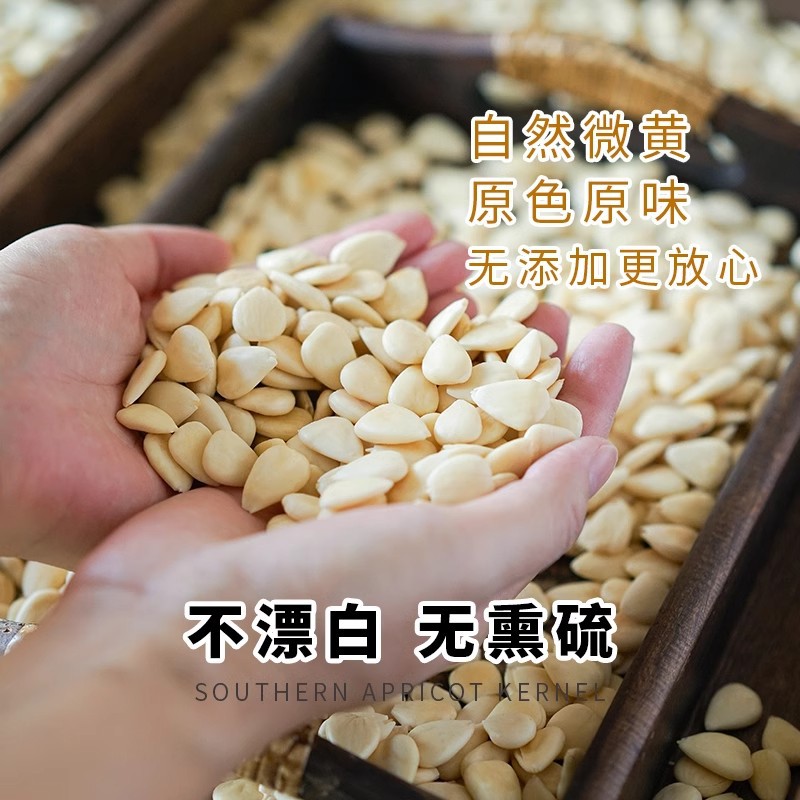
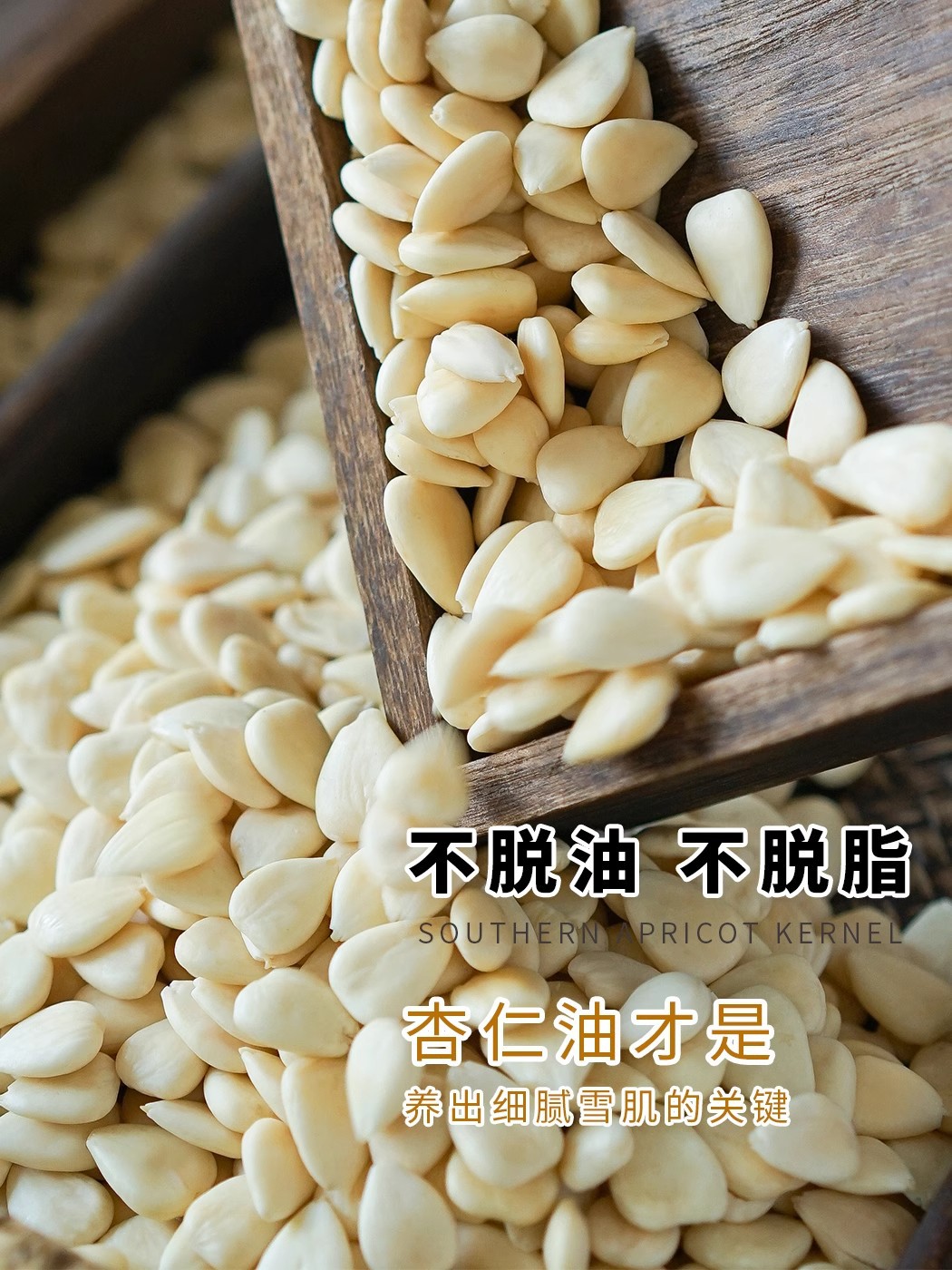
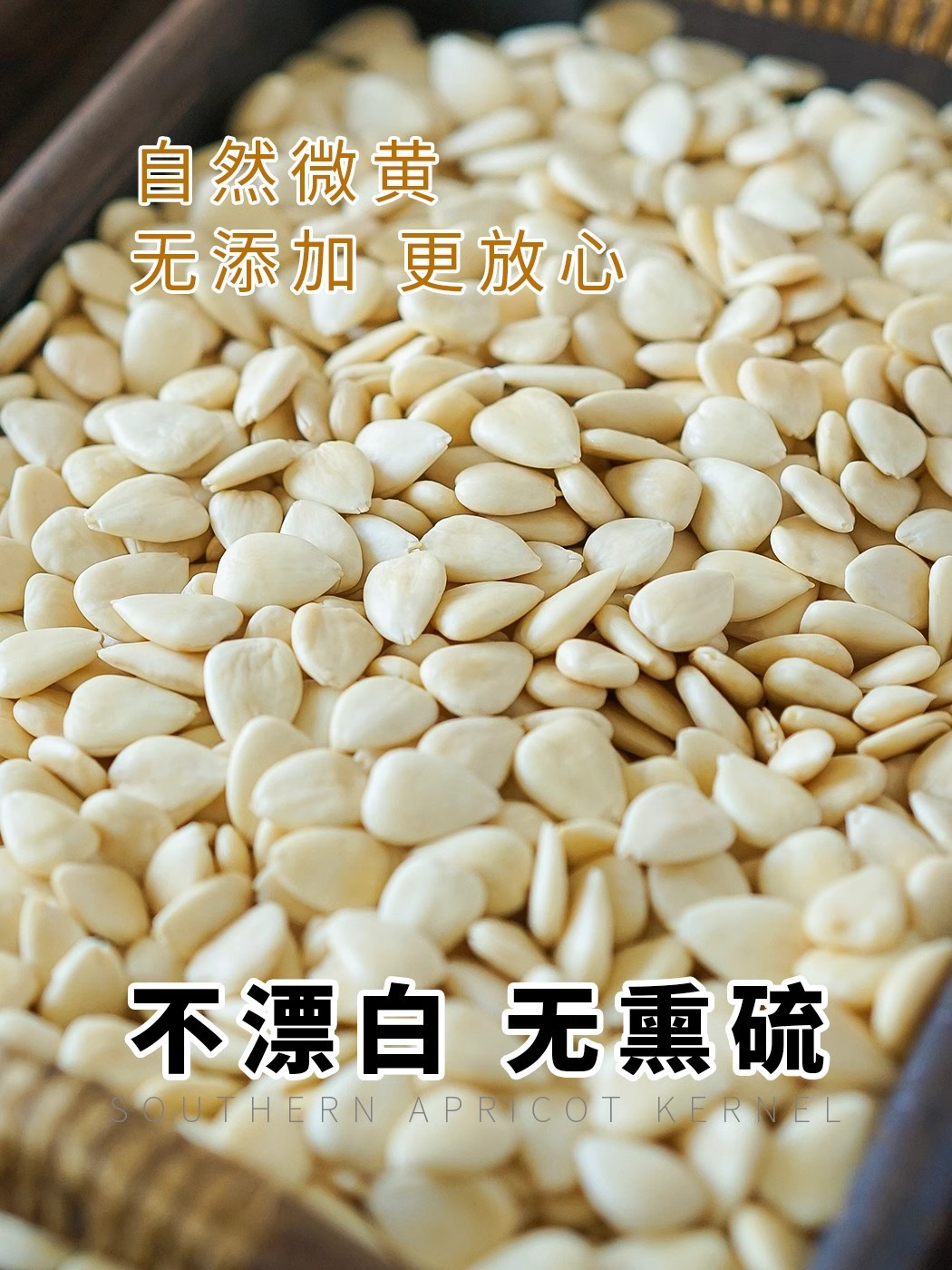
- Hand-selected and unsulfured raw kernels
- Traditionally used in TCM for Lung-supporting herbal preparations
- Suitable for teas, soups, congee, and homemade almond drinks
Quality & Sensory
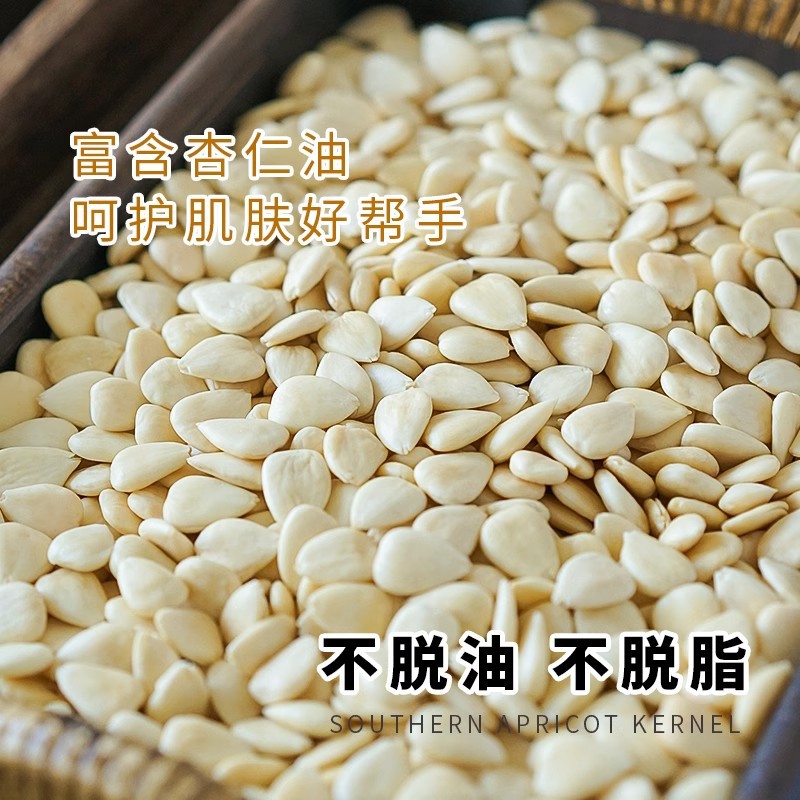
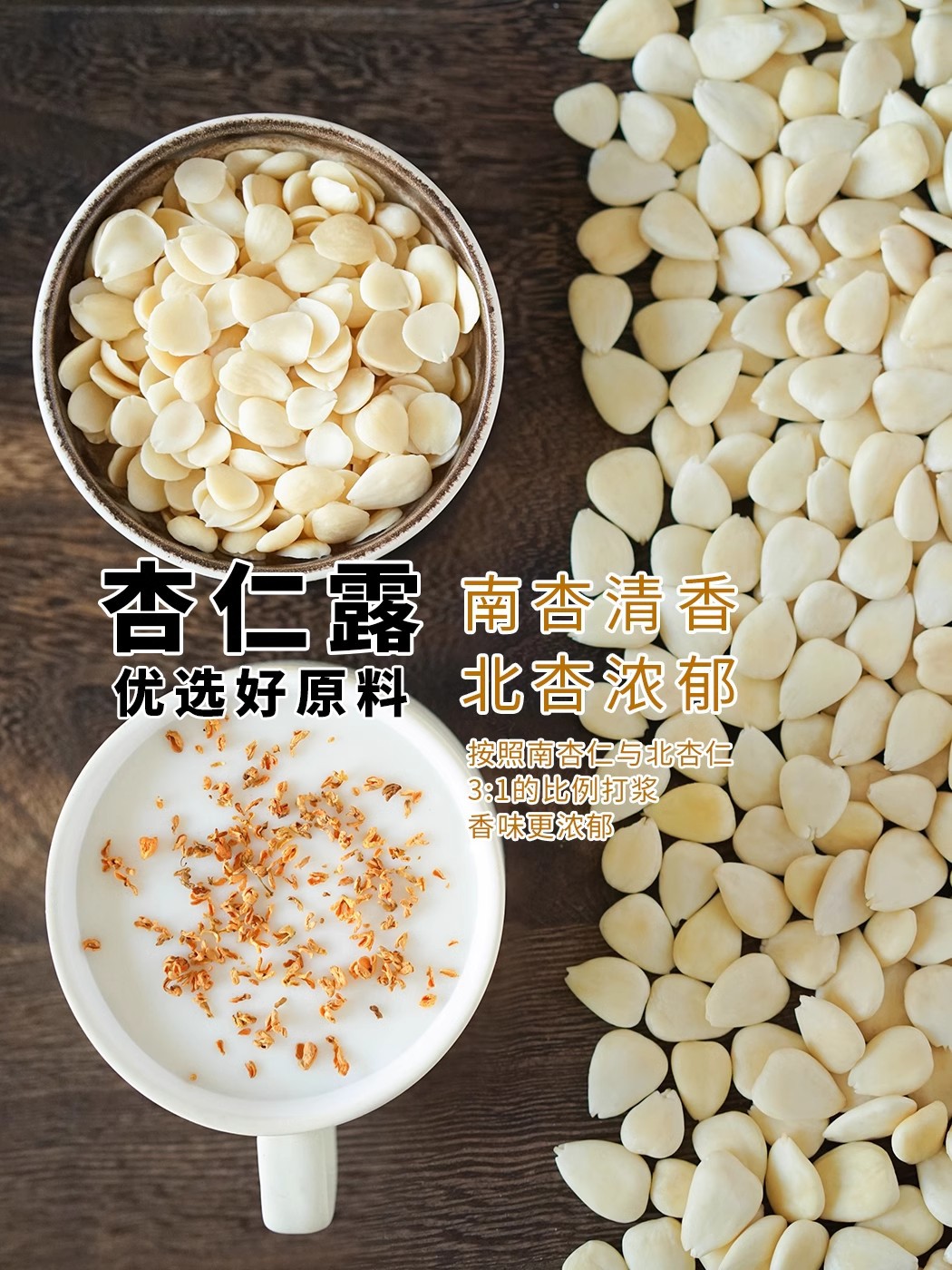
Typically flat, oval kernels with a pale creamy-white color after peeling and a mild, nutty aroma. When simmered or ground, they yield a smooth, subtly sweet taste typical of southern apricot kernels.
Technical Specifications
| Product Type | Raw edible apricot kernels |
|---|---|
| Chinese Name | 南杏仁 |
| Pinyin | Nan Xing Ren |
| Botanical Name | Prunus armeniaca |
| Plant Part | Seed kernel, peeled |
| Processing | Hand-selected, unsulfured |
Usage Scenarios
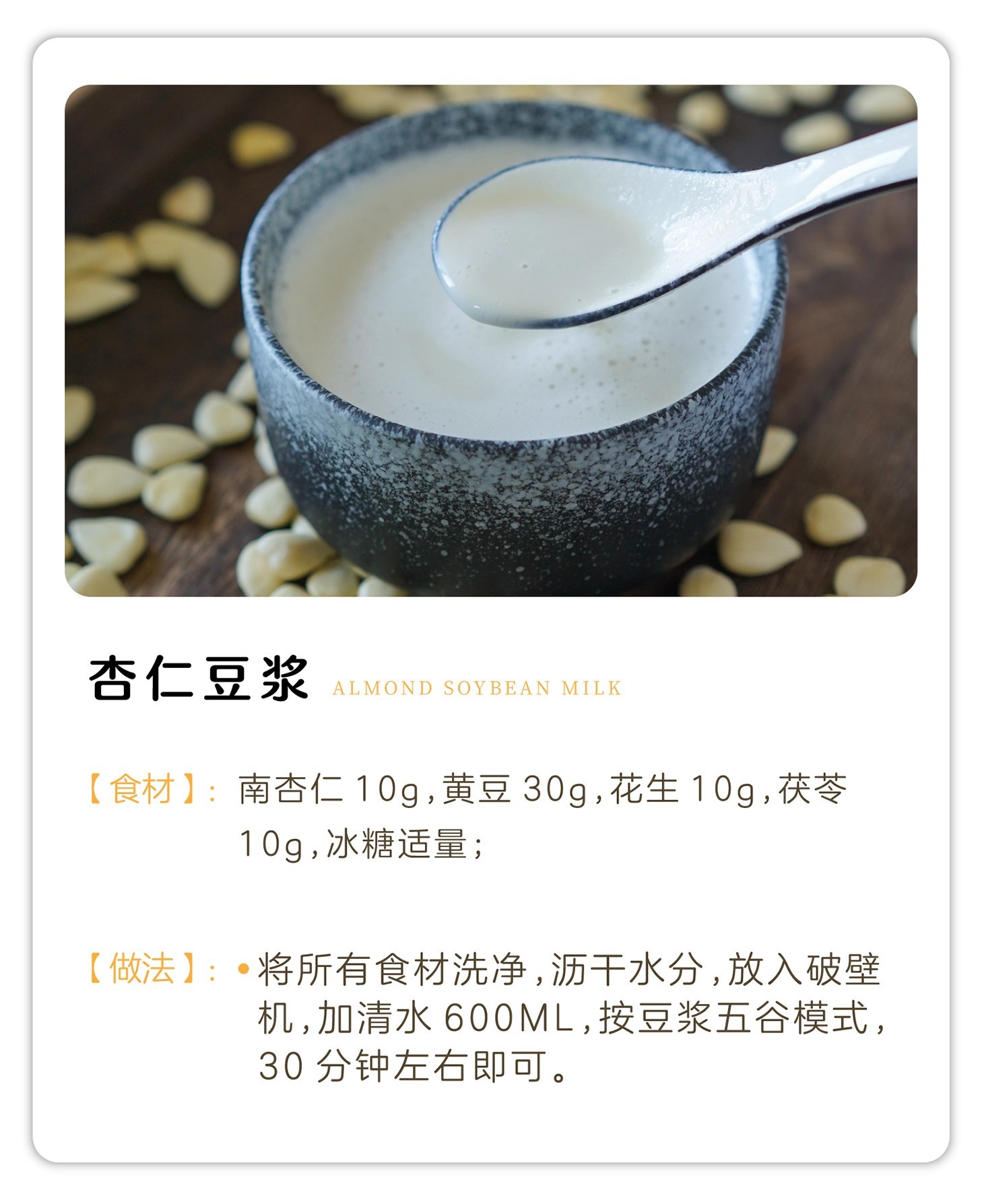
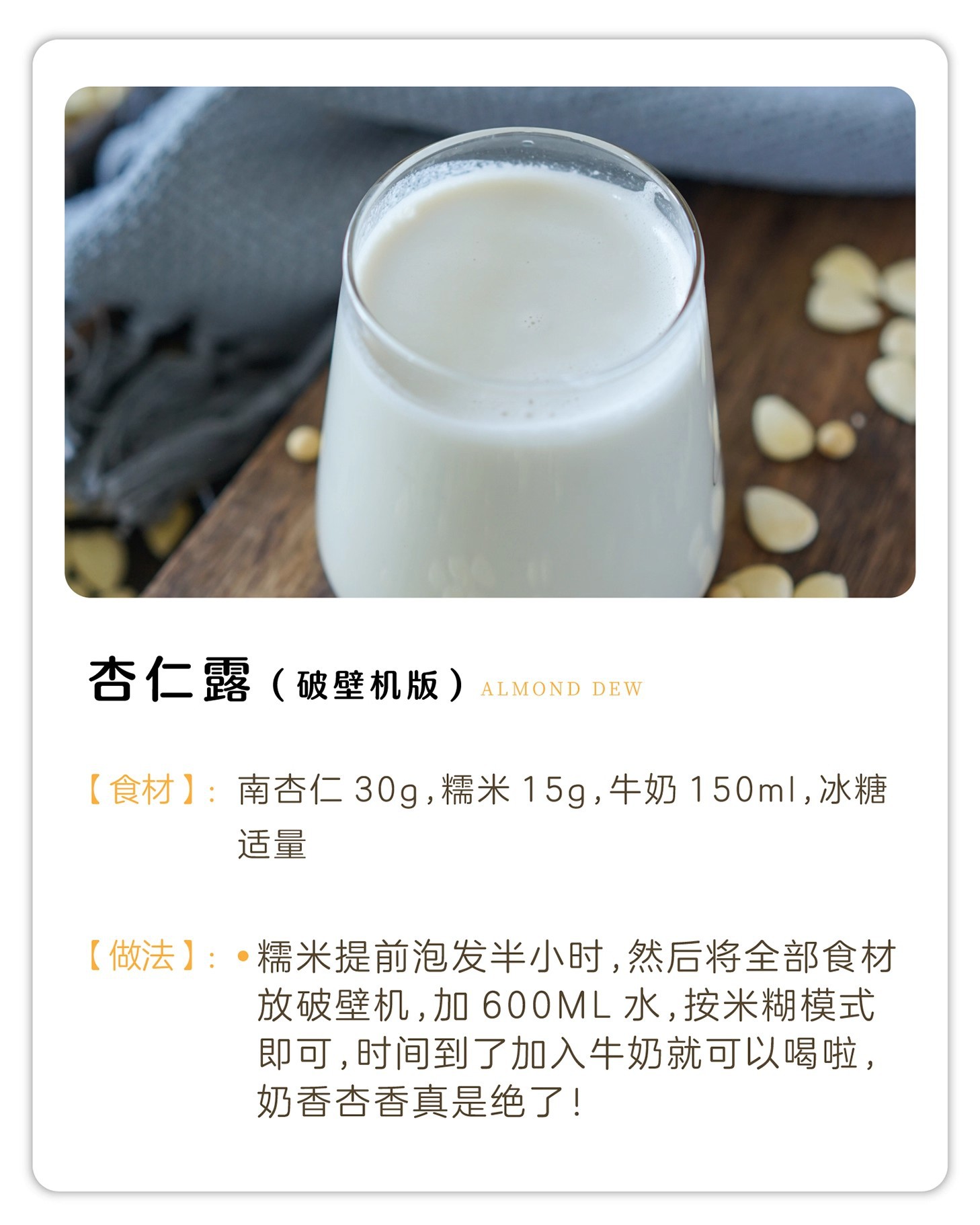
- Simmer into traditional Chinese almond tea or nut milk
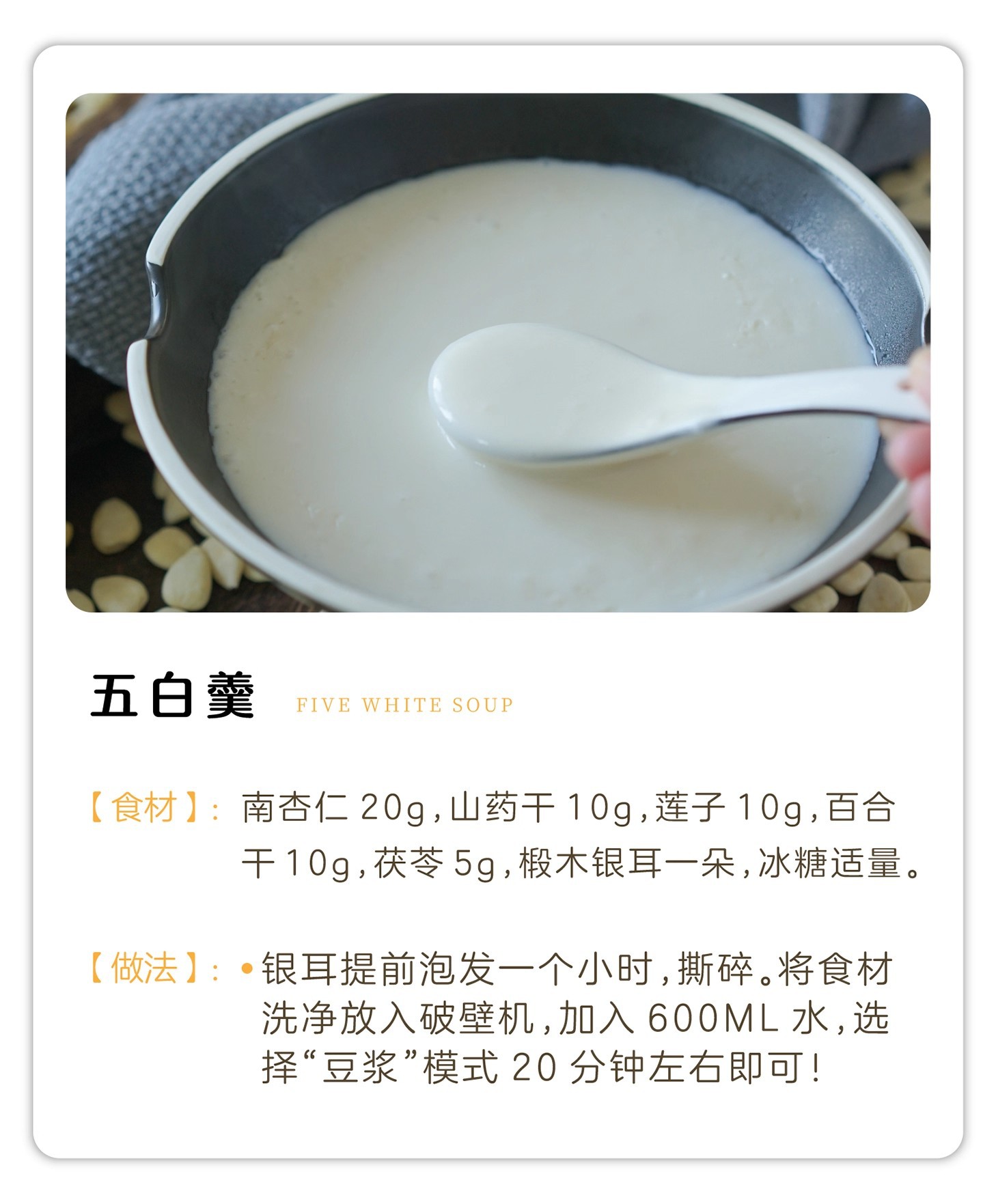
- Add to herbal soups and slow-cooked broths
- Cook into congee and sweet dessert soups
- Grind for use in baking and culinary recipes
Traditional Uses
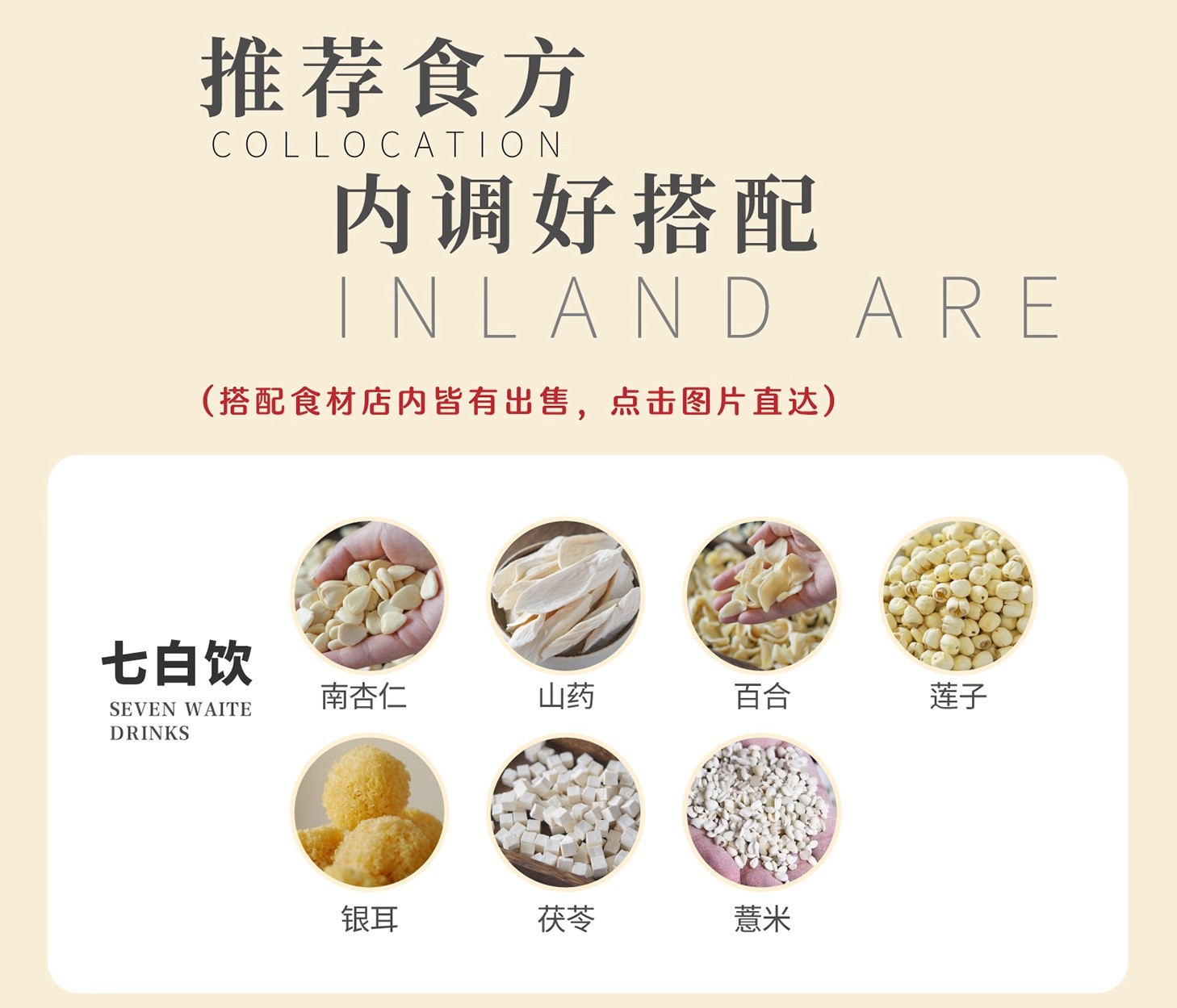
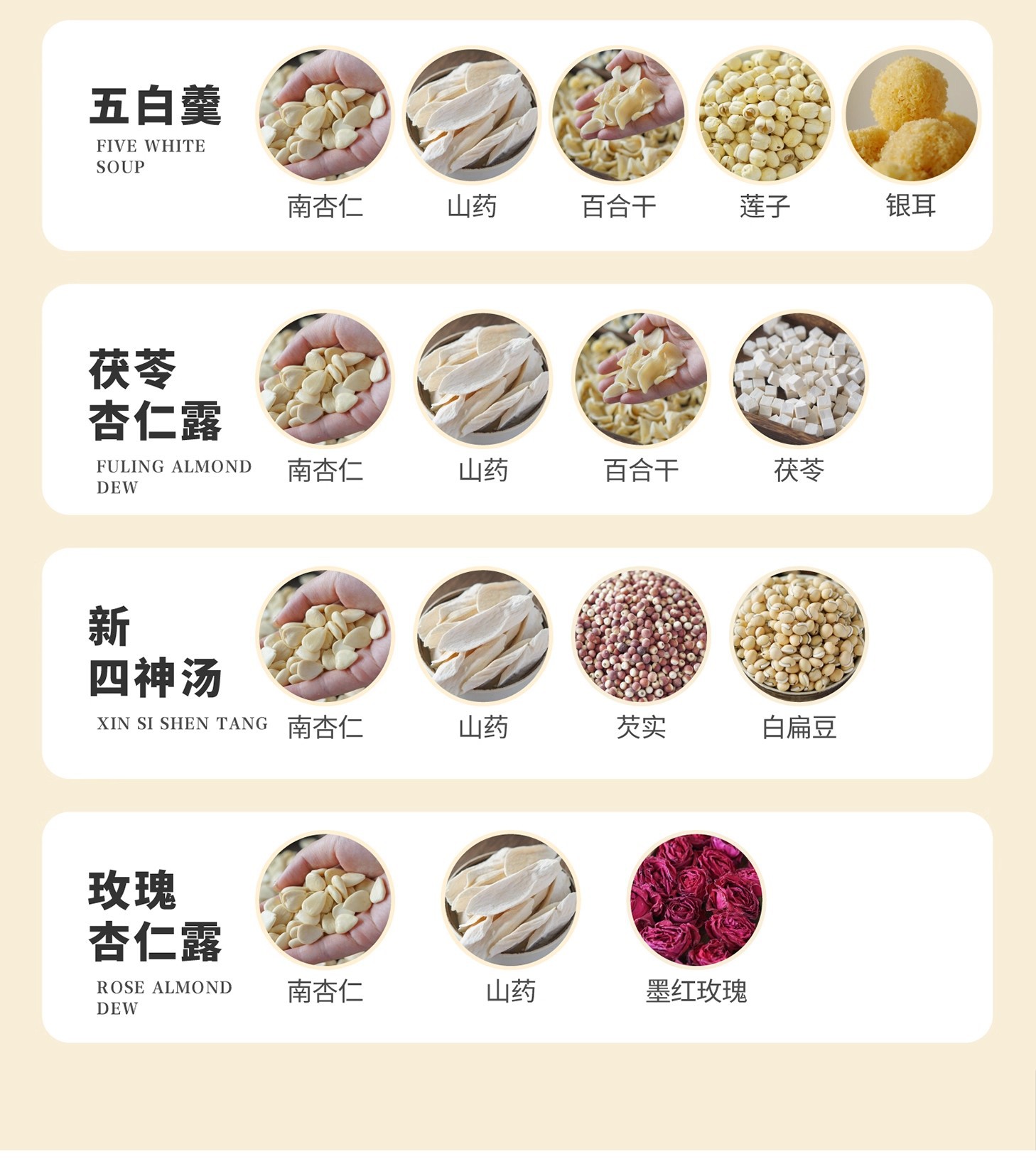
In TCM practice, Nan Xing Ren is traditionally used in decoctions and dessert soups, often paired with ingredients such as Fritillaria bulb, pear, or lily bulb in classic Lung-nourishing preparations. It is also a familiar kitchen ingredient in Cantonese sweet soups and homemade almond drinks, especially during dry seasons.
FAQ Q&A
Q: What is this product?
A: It is peeled, raw South Apricot Kernel (Nan Xing Ren, 南杏仁) from Prunus armeniaca, sold as an edible agricultural product.
Q: What is its traditional value?
A: In TCM theory it is sweet and slightly warm and traditionally associated with the Lung channel, commonly used in classic decoctions and sweet soups.
Q: How is it commonly prepared?
A: It is typically simmered, ground with water for almond tea or nut milk, or added to soups, congee, and desserts.
Additional information
| Weight | N/A |
|---|---|
| Dimensions | N/A |
| Packaging specifications | 100g peeled southern almonds, 250g peeled southern almonds, peeled south almonds 500g, jianning lotus seeds 250g, jianning lotus seeds 500g, dragon tooth lily 250g, dragon tooth lily 500g, poria center ding 250g, poria center ding 500g, huaiyam tablets 250g, huaiyam tablets 500g, 500 grams of small barley kernels |
Related products
-
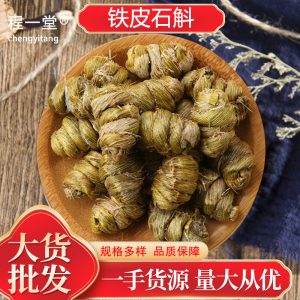
Tie Pi Shi Hu Dried Dendrobium Stems 500g Huoshan Fengdou for Soup and Tea
Price range: $35.88 through $108.80 -

Cabinda Bark Dried Herb 500g Traditional Herbal Infusion Ingredient
Price range: $12.38 through $37.50 -
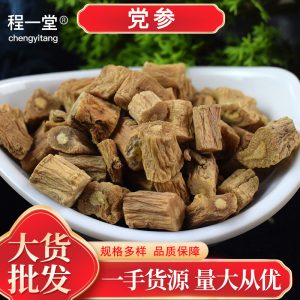
Dried Codonopsis Root Slices Dang Shen 500g Bulk Supply for Soups and Herbal Decoctions
Price range: $10.28 through $18.06 -

Dried Raspberry Fruit Fu Pen Zi Whole Berries for Herbal Tea and Wine Infusion 500g
Price range: $15.63 through $18.06
Reviews
There are no reviews yet.