
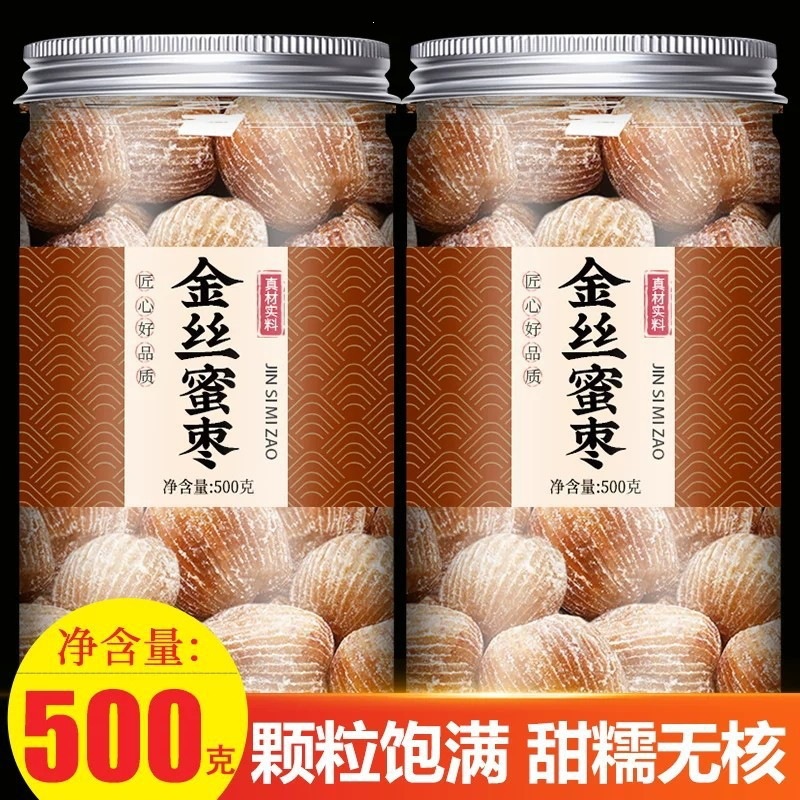
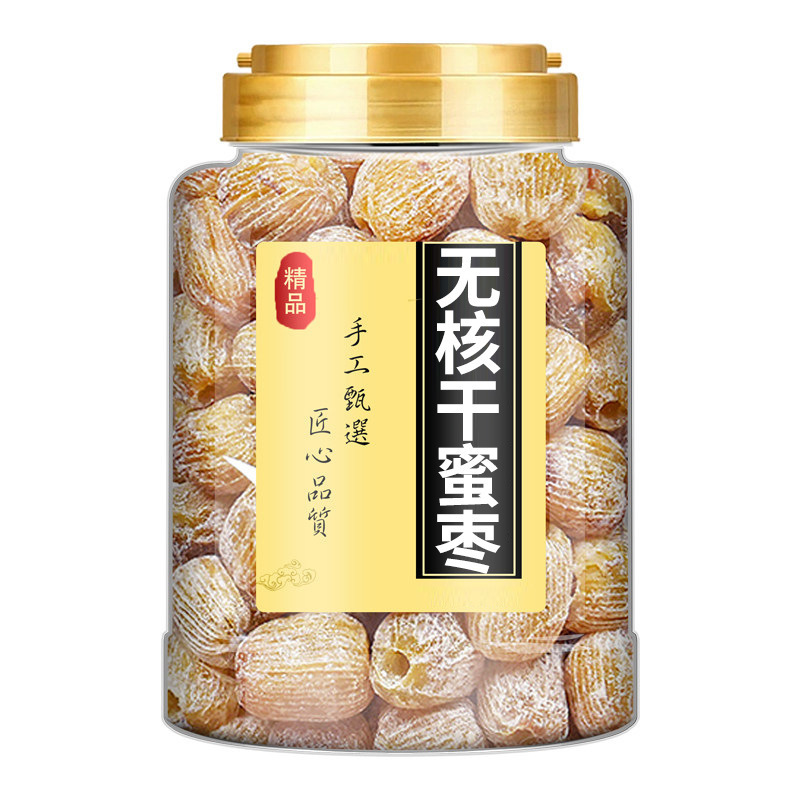
Seedless Dried Candied Jujube Slices Mi Zao for Zongzi Soup and Congee 500g Can
Description
Seedless dried candied jujube, known in TCM as Mi Zao (蜜枣), from Ziziphus jujuba, is a sweet preserved fruit made from pitted red dates. In TCM theory it is considered sweet and warm, traditionally associated with the Spleen and Stomach channels. It is commonly used as a gentle food-like herb to add natural sweetness to soups, congee, and herbal decoctions.
Key Selling Points
- Pitted seedless dried candied jujube for easy eating and cooking
- Made from Ziziphus jujuba fruit, a classic TCM ingredient
- Sweet warm nature traditionally linked to Spleen and Stomach support
- Ideal for zongzi, soups, congee, and herbal decoctions
- Convenient 500g can for home or bulk kitchen use
Quality & Sensory
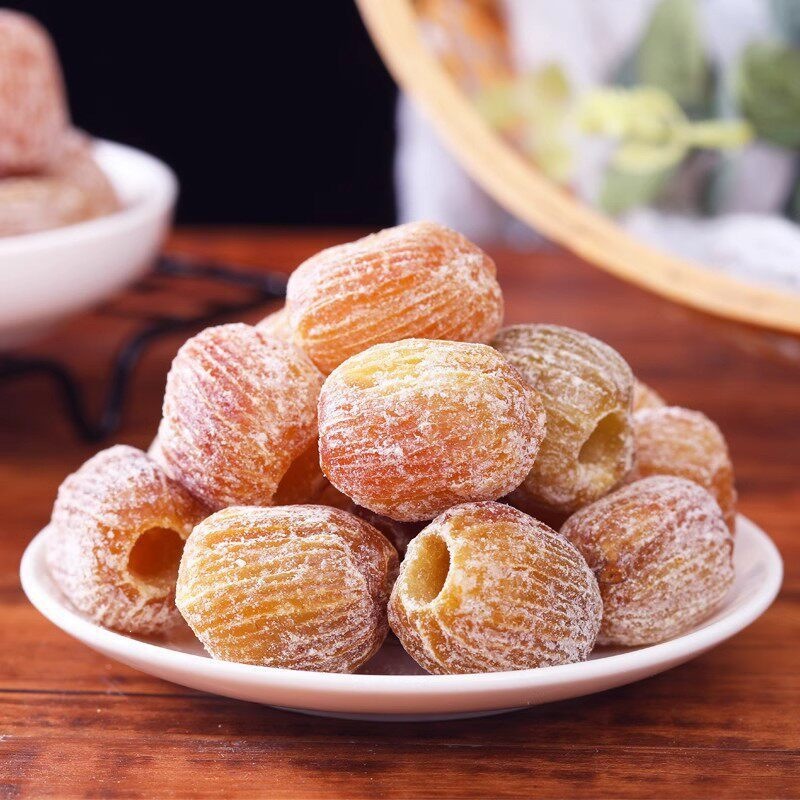
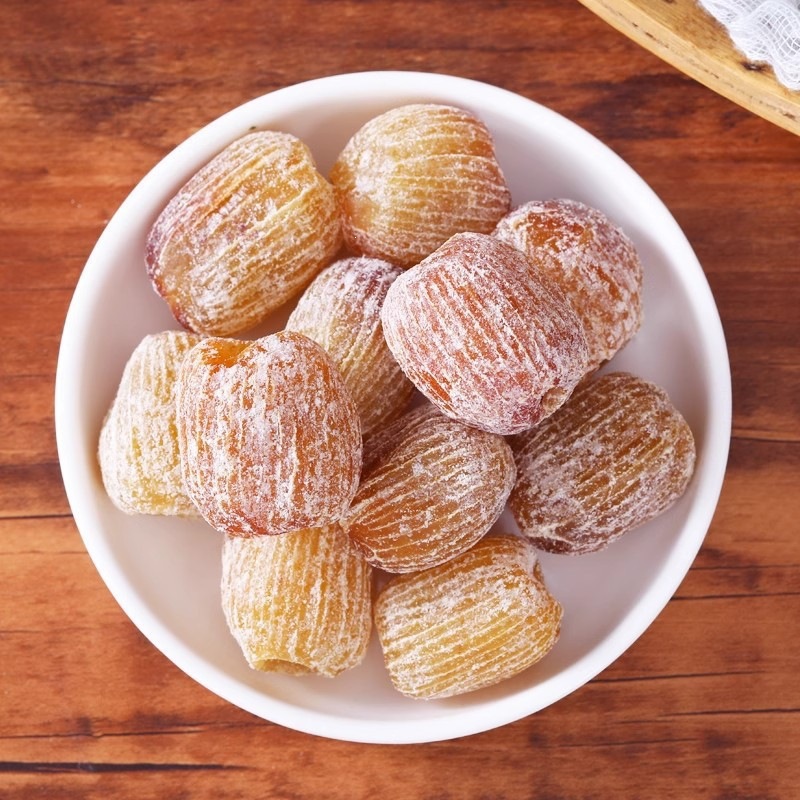
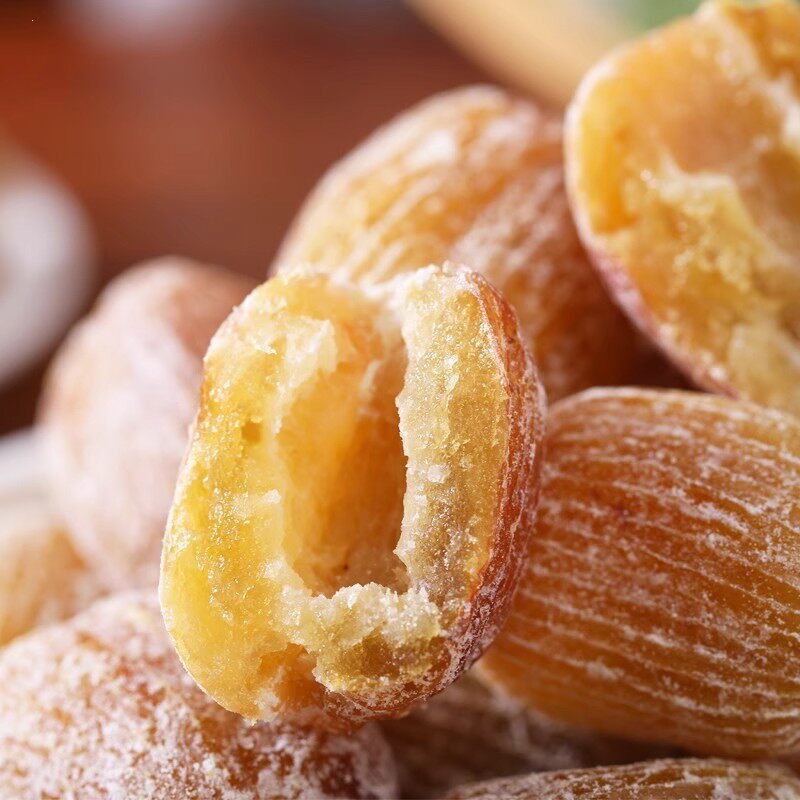
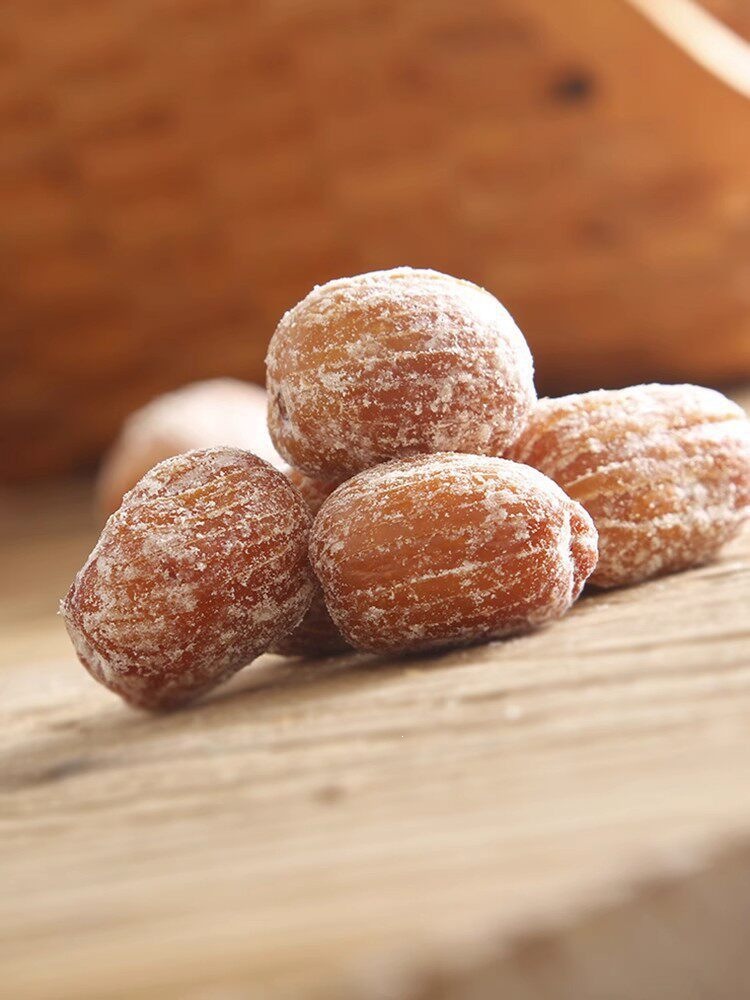
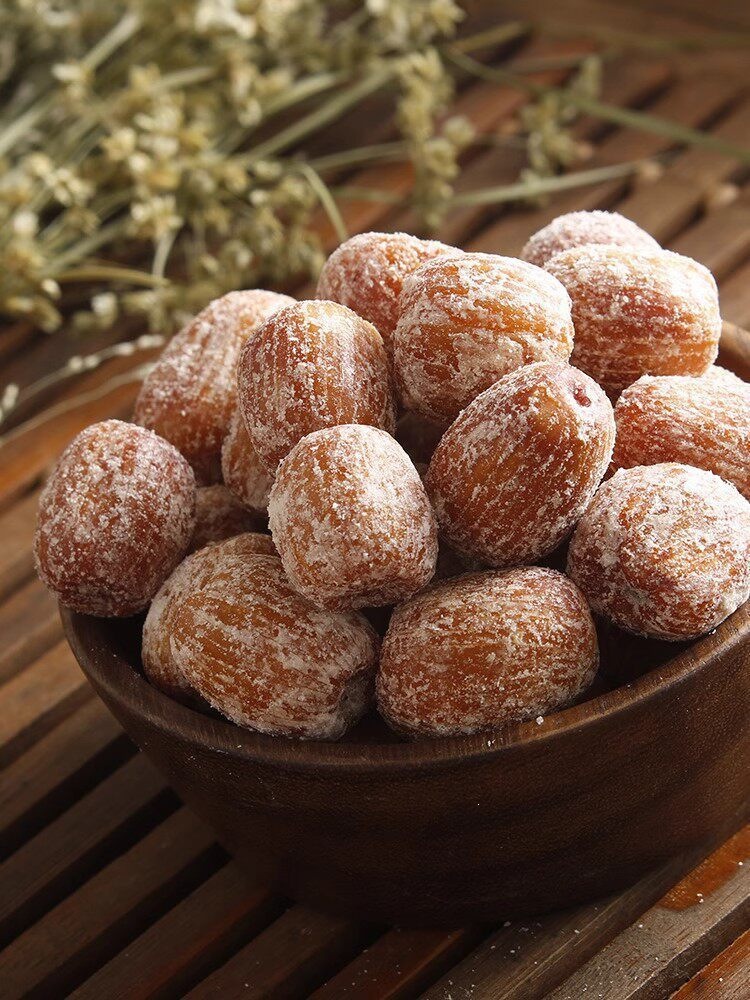
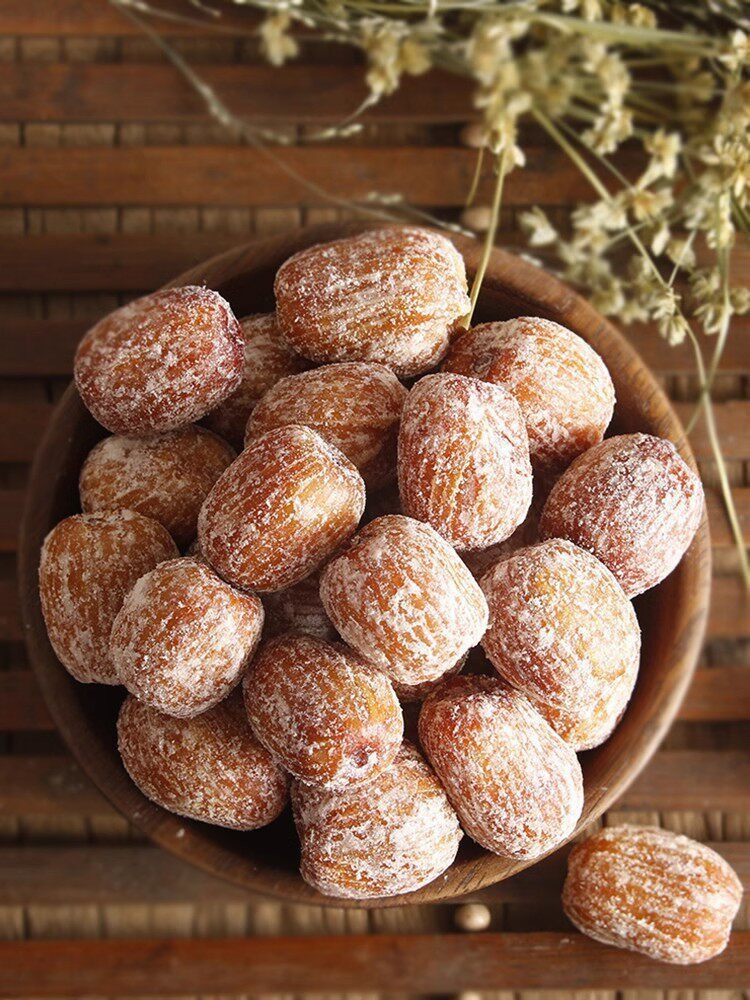
These candied jujubes are typically deep amber to dark brown with a glossy, slightly sticky surface. The texture is soft and chewy, and the aroma is sweet and fruity. When cooked in soups or congee they impart a mild honey-like sweetness and a tender bite.
Technical Specifications
| Product Type | Dried candied fruit |
|---|---|
| Chinese Name | 蜜枣 |
| Pinyin | Mi Zao |
| Botanical Name | Ziziphus jujuba |
| Plant Part | Fruit |
| Net Weight | 500g per can |
Usage Scenarios
- Added to zongzi for natural sweetness
- Simmered in soups and broths
- Cooked into congee or rice porridge
- Used in herbal decoctions as a sweetener
- Eaten as a sweet snack
Traditional Uses
In TCM and folk practice, Mi Zao is traditionally used to sweeten and harmonize herbal decoctions, often paired with ginger or other warming herbs. It is commonly added to soups and congee to support digestion and provide gentle nourishment. It is also a traditional ingredient in zongzi and festive foods.
FAQ Q&A
Q: What is this product?
A: It is seedless dried candied jujube, known in TCM as Mi Zao (蜜枣), made from the fruit of Ziziphus jujuba.
Q: What is its traditional value?
A: In TCM theory it is considered sweet and warm, traditionally associated with the Spleen and Stomach channels and used to add sweetness and harmony to herbal preparations.
Q: How is it commonly used?
A: It is often added to soups, congee, zongzi, or herbal decoctions for natural sweetness and a soft chewy texture.
Additional information
| Model | 无核干蜜枣500克 1罐, 无核干蜜枣500克 2罐, 无核干蜜枣500克 3罐, 无核干蜜枣500克 4罐 |
|---|
Related products
-
Fritillaria Bulb Chuan Bei Mu Dried Chinese Herbal Bulbs for Decoction and Traditional Use 500g
Price range: $18.06 through $94.21 -
Dried Angelica Sinensis Slices Dang Gui 当归 500g Gansu Raw Herb for Decoction Soup and Tea
Price range: $16.44 through $35.88 -
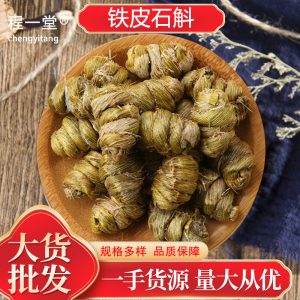
Tie Pi Shi Hu Dried Dendrobium Stems 500g Huoshan Fengdou for Soup and Tea
Price range: $35.88 through $108.80 -
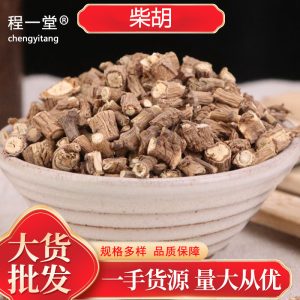
Chai Hu Bupleurum Root Dried Herb 500g Traditional TCM Decoction Herb
Price range: $9.14 through $16.44
Reviews
There are no reviews yet.