
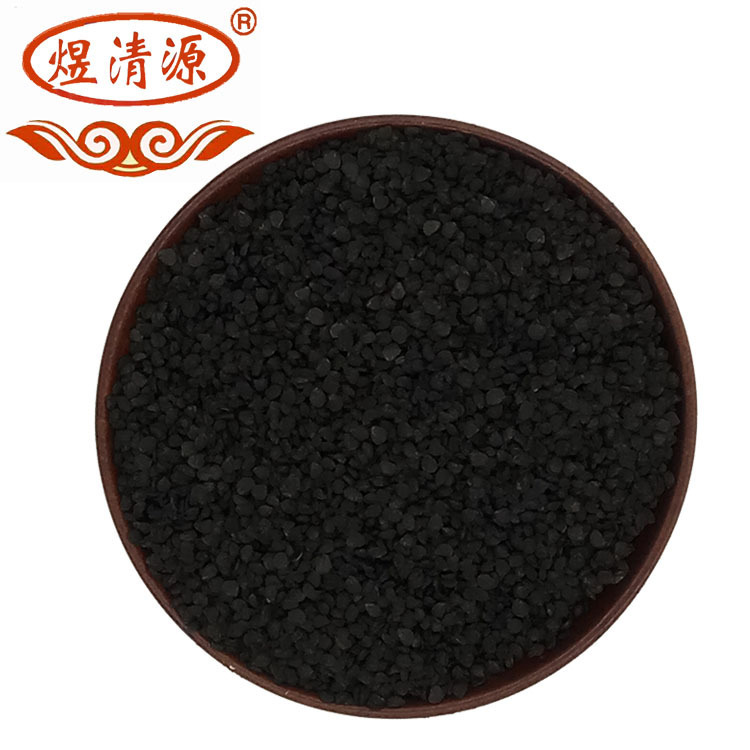
Roasted Scallion Seeds Cong Zi for Soy Milk and Congee
$8.63
358 in stock
Description
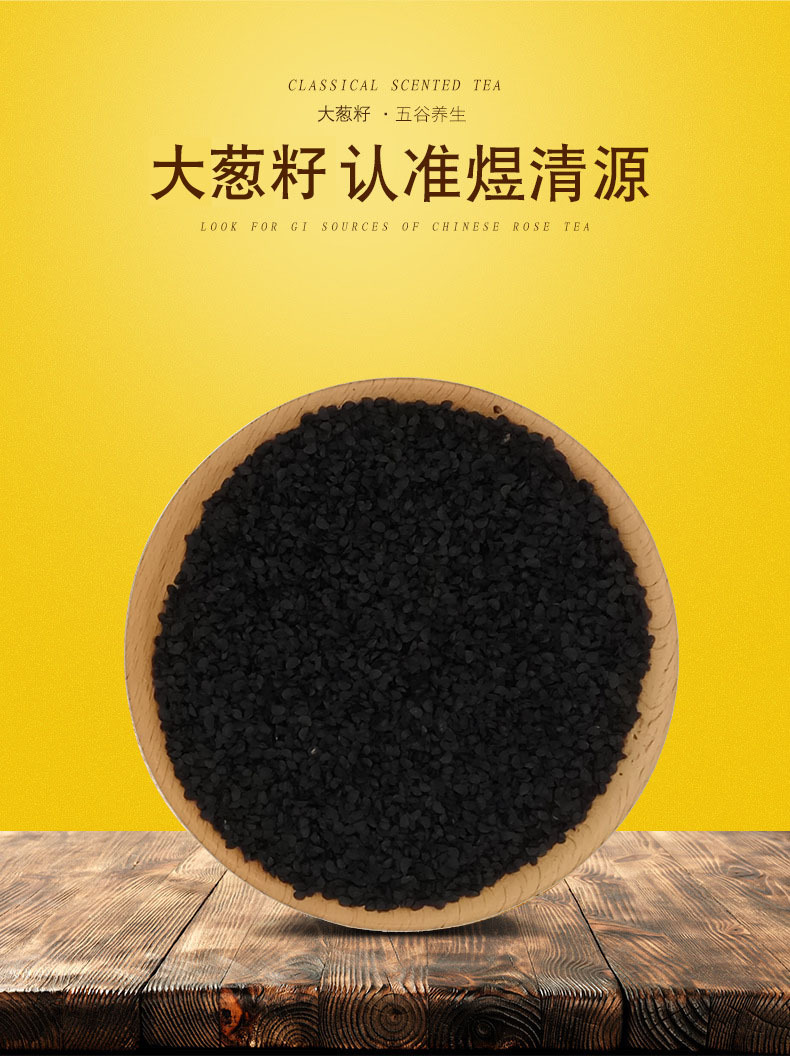
Roasted Scallion Seeds, known in TCM as Cong Zi (葱籽), from Allium fistulosum. These low-temperature baked seeds are a traditional Chinese herbal food ingredient used in congee, soups, and soy milk blends. In TCM theory, scallion seeds are considered warm in nature and associated with the Lung and Stomach channels. Traditionally used to support healthy digestion and seasonal wellness. Store in a cool dry place and consume as part of a balanced diet.
Key Selling Points
- Identified as Cong Zi (葱籽), the seed of Allium fistulosum
- Low-temperature baked for a lightly toasted aroma
- Traditional TCM herb used in congee and soup preparations
- Also used as a soy milk and grain blend ingredient
- Bulk 5 jin bag suitable for household or resale use
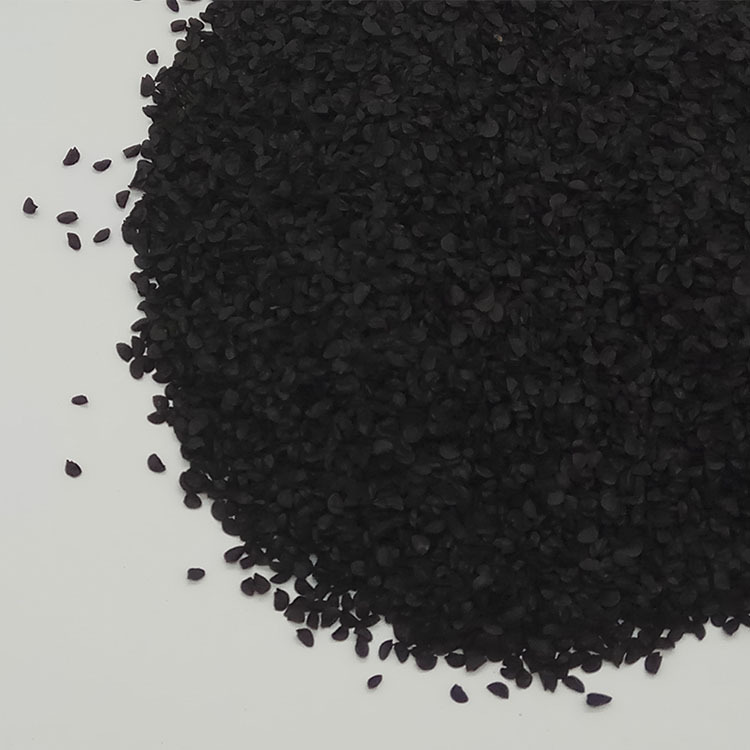
Quality & Sensory
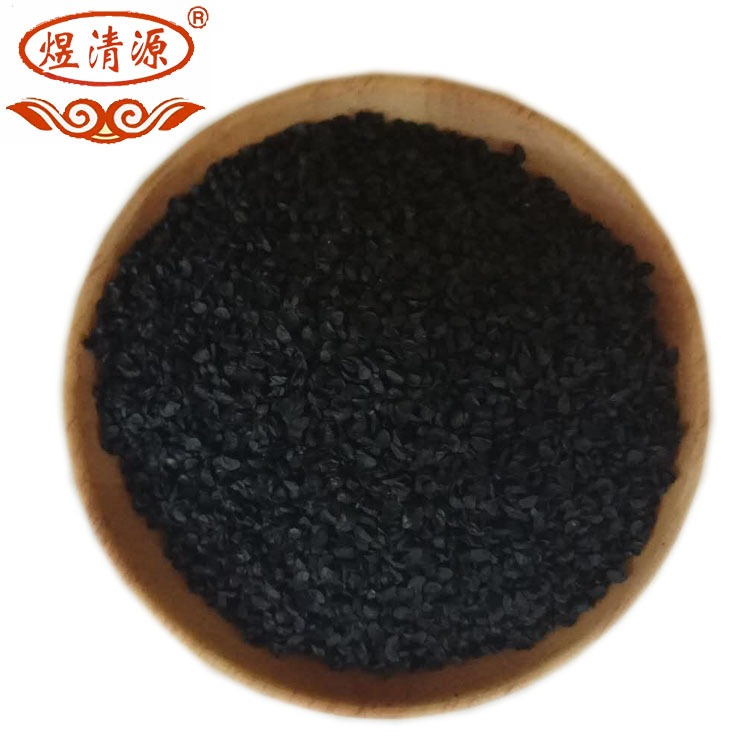
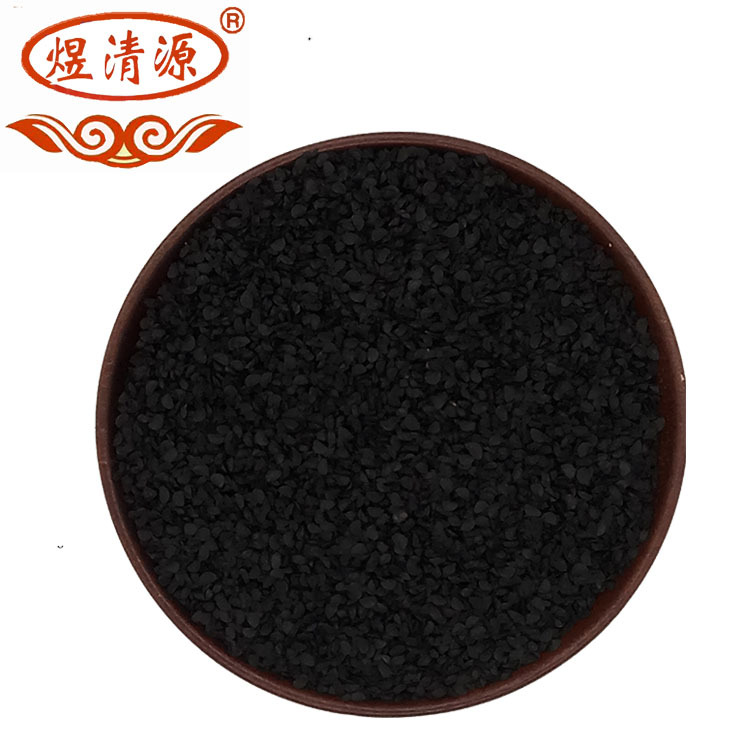
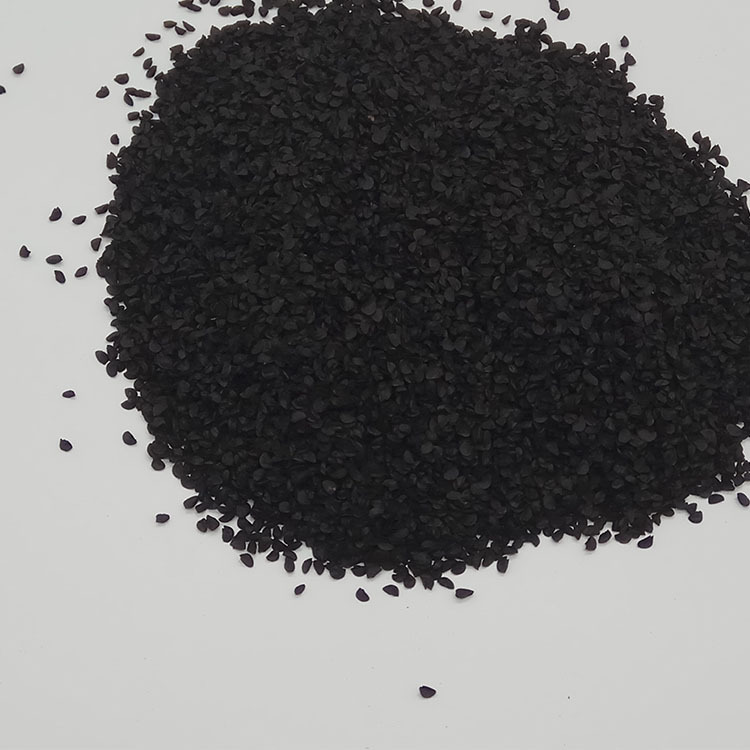
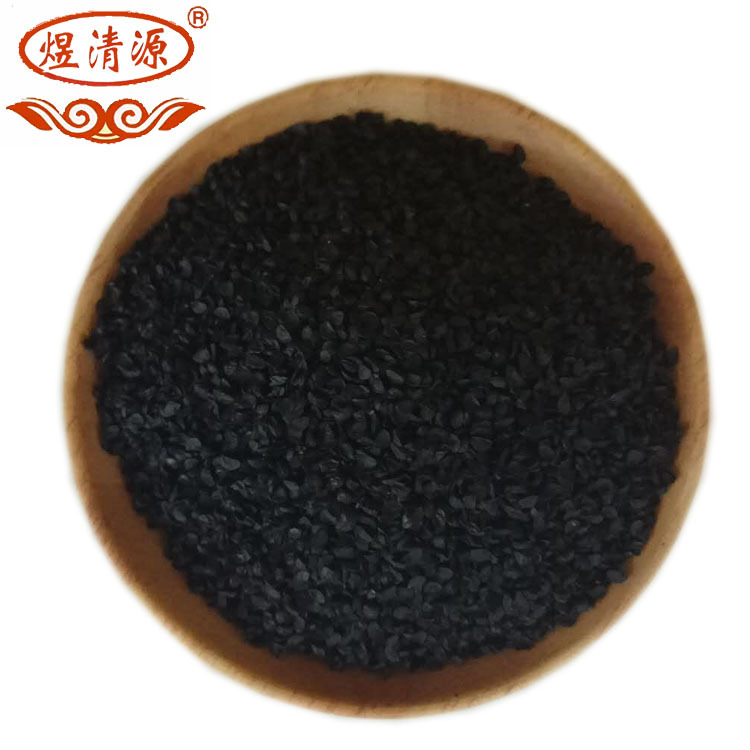
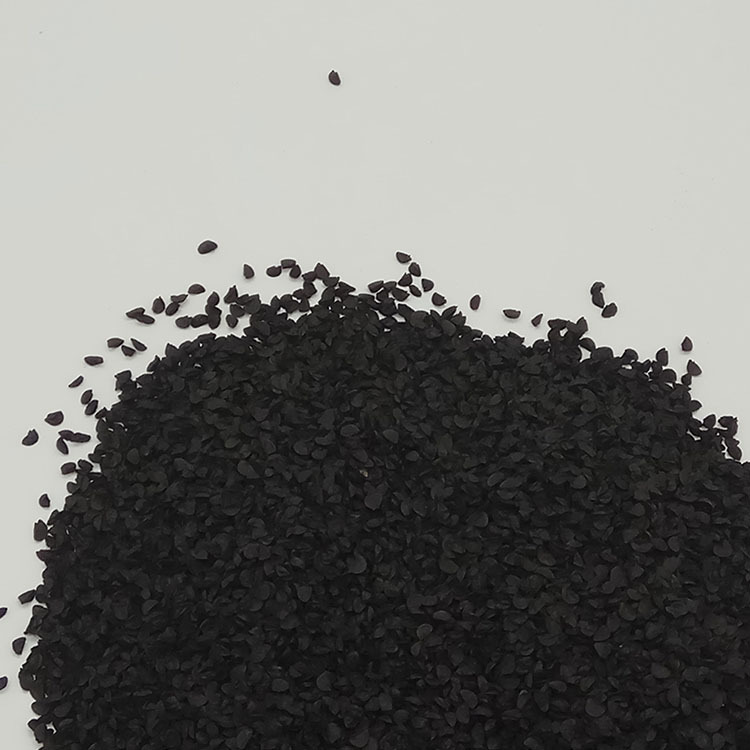
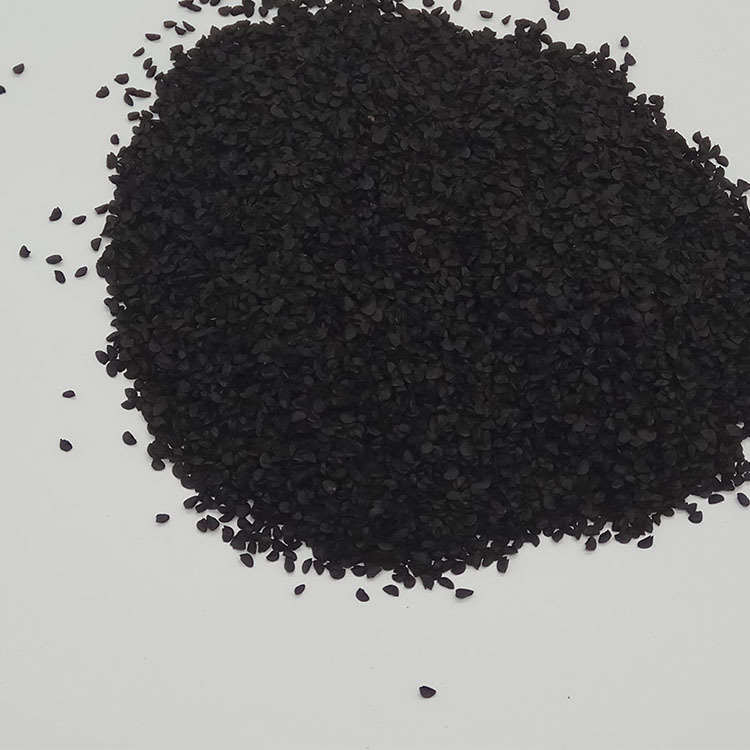
The seeds are typically small, dark brown to black, with a dry, firm texture and a mild toasted, slightly pungent aroma. When cooked into congee or soy milk, they contribute a subtle savory note without overpowering other ingredients.

Technical Specifications
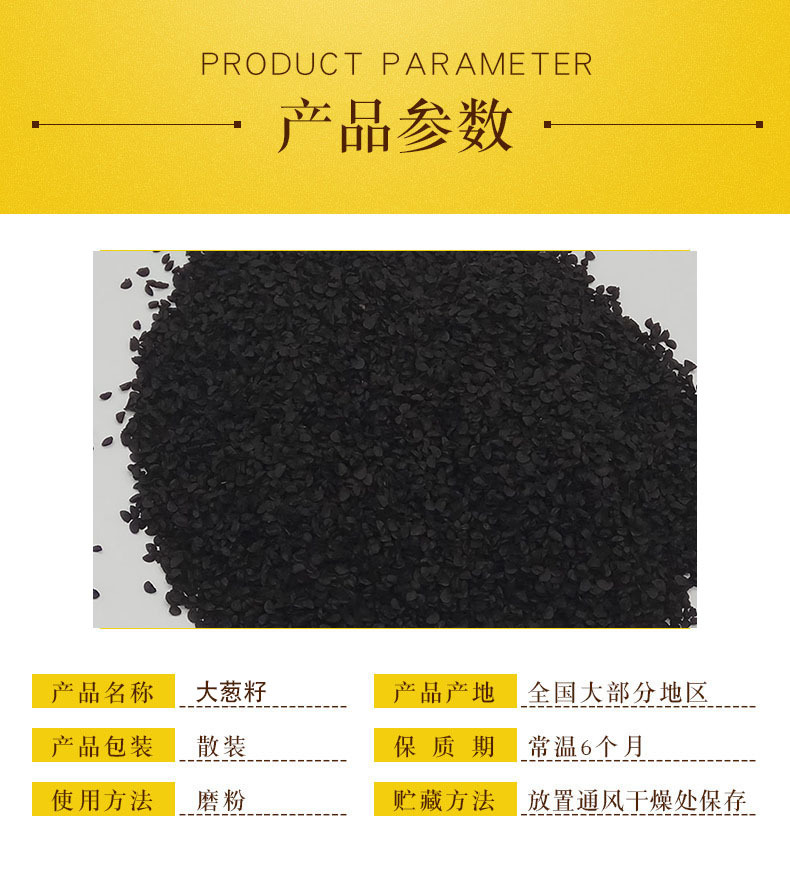
| Product Type | Roasted scallion seeds |
|---|---|
| Chinese Name | 葱籽 |
| Pinyin | Cong Zi |
| Botanical Name | Allium fistulosum |
| Plant Part | Seed |
| Form | Whole dried seeds |

Usage Scenarios
- Added to soy milk or grain blends before grinding
- Cooked into rice congee or porridge
- Simmered in traditional soup or decoction
- Used as a culinary seasoning in small amounts

Traditional Uses
In TCM and folk practice, Cong Zi is traditionally used in decoctions and congee for its warming properties. It is often paired with ginger or other warming herbs in seasonal soups. Some traditional recipes include it in grain blends for daily nourishment. It is not a substitute for medical treatment.
FAQ Q&A
Q: What are roasted scallion seeds?
A: They are the seeds of Allium fistulosum, known in TCM as Cong Zi (葱籽), gently baked at low temperature.
Q: What is their traditional value?
A: In TCM theory, scallion seeds are considered warm and are traditionally associated with supporting digestion and seasonal wellness.
Q: How are they commonly used?
A: They are often added to soy milk, congee, or soups in small amounts. They can also be simmered in traditional decoctions.
Additional information
| Weight | 2.5 kg |
|---|---|
| Dimensions | 20 × 15 × 10 cm |
Related products
-
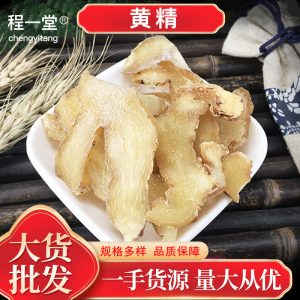
Dried Huang Jing Slices Polygonatum Rhizome Chicken Head Huang Jing 500g Bulk Herbal Tea and Soup Ingredient
Price range: $9.14 through $18.87 -
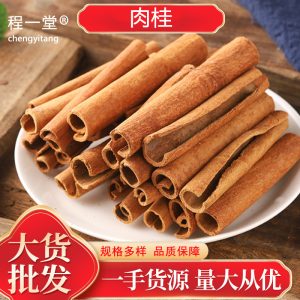
Dried Cinnamon Bark Rou Gui 500g Whole Peeling Culinary Spice and Traditional Herbal Ingredient
Price range: $5.58 through $8.33 -
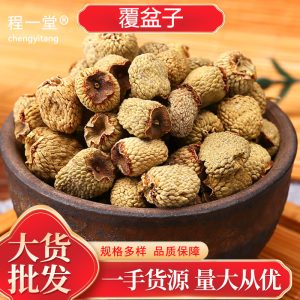
Dried Raspberry Fruit Fu Pen Zi Whole Berries for Herbal Tea and Wine Infusion 500g
Price range: $15.63 through $18.06 -
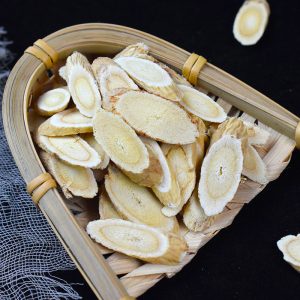
Astragalus Root Slices Huang Qi 500g Dried Herb for Soups and Teas
Price range: $7.36 through $22.11
Reviews
There are no reviews yet.