
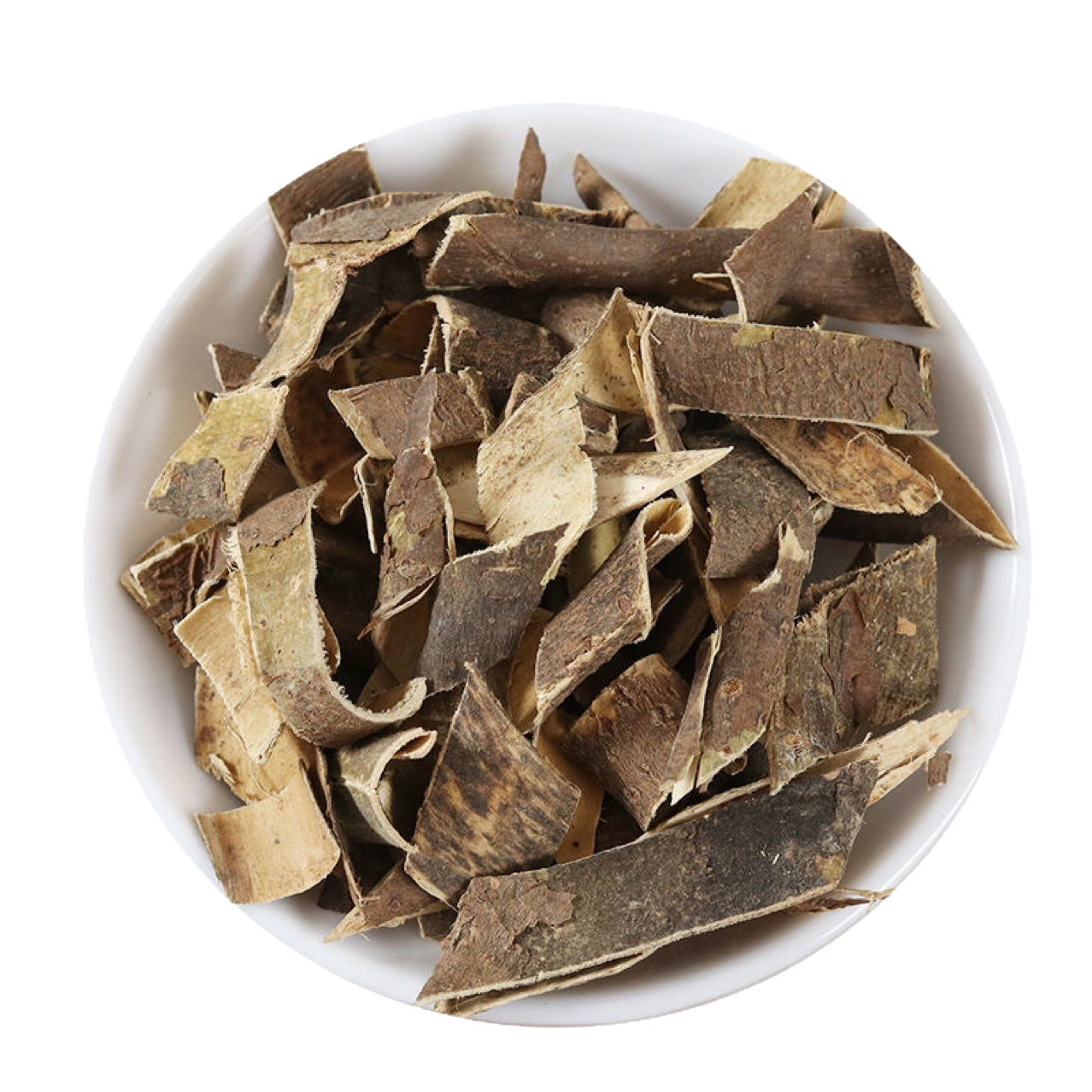
Qin Pi Dried Ash Bark Slices Traditional Chinese Herb for Decoction and Tea 250g
Price range: $5.71 through $35.71
Description
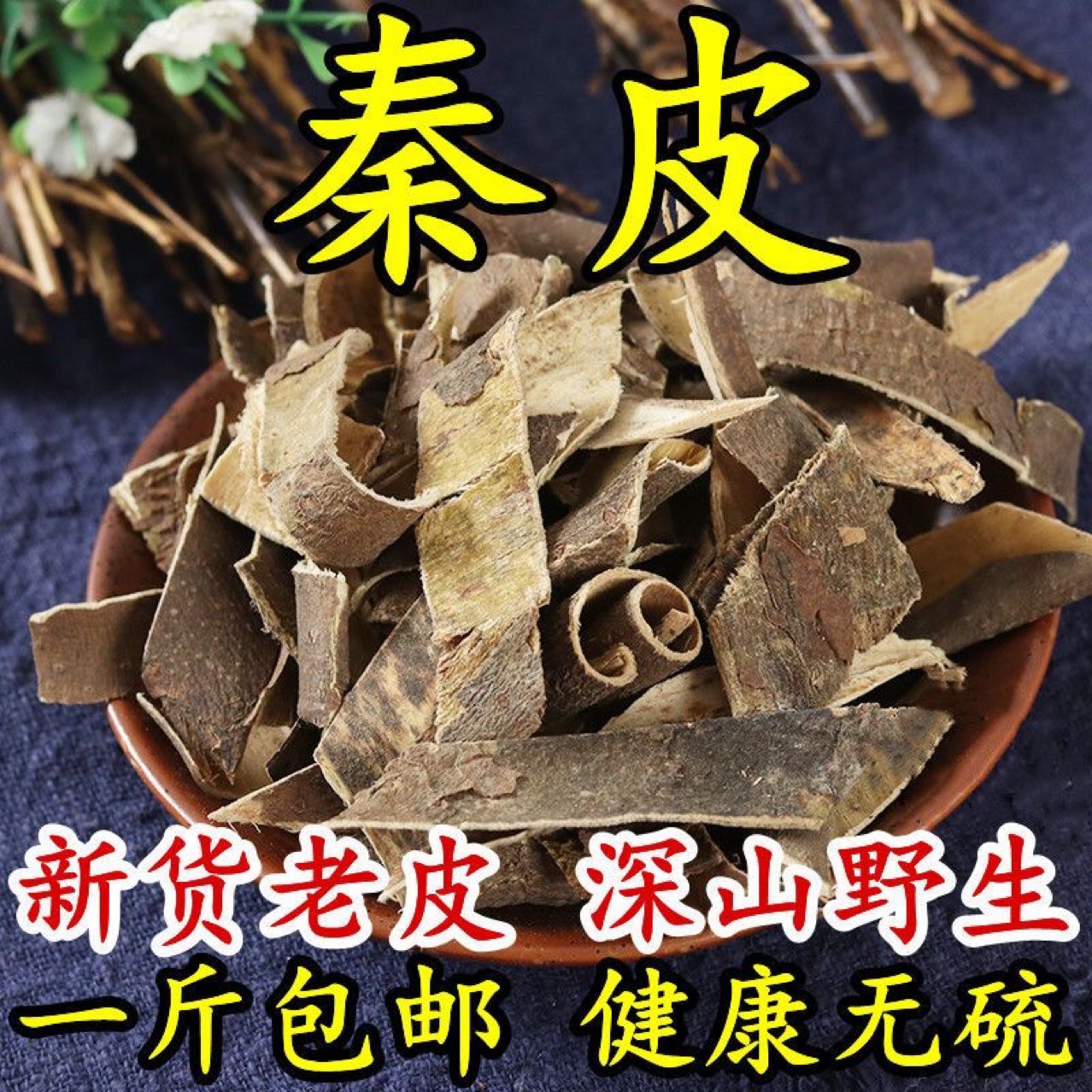
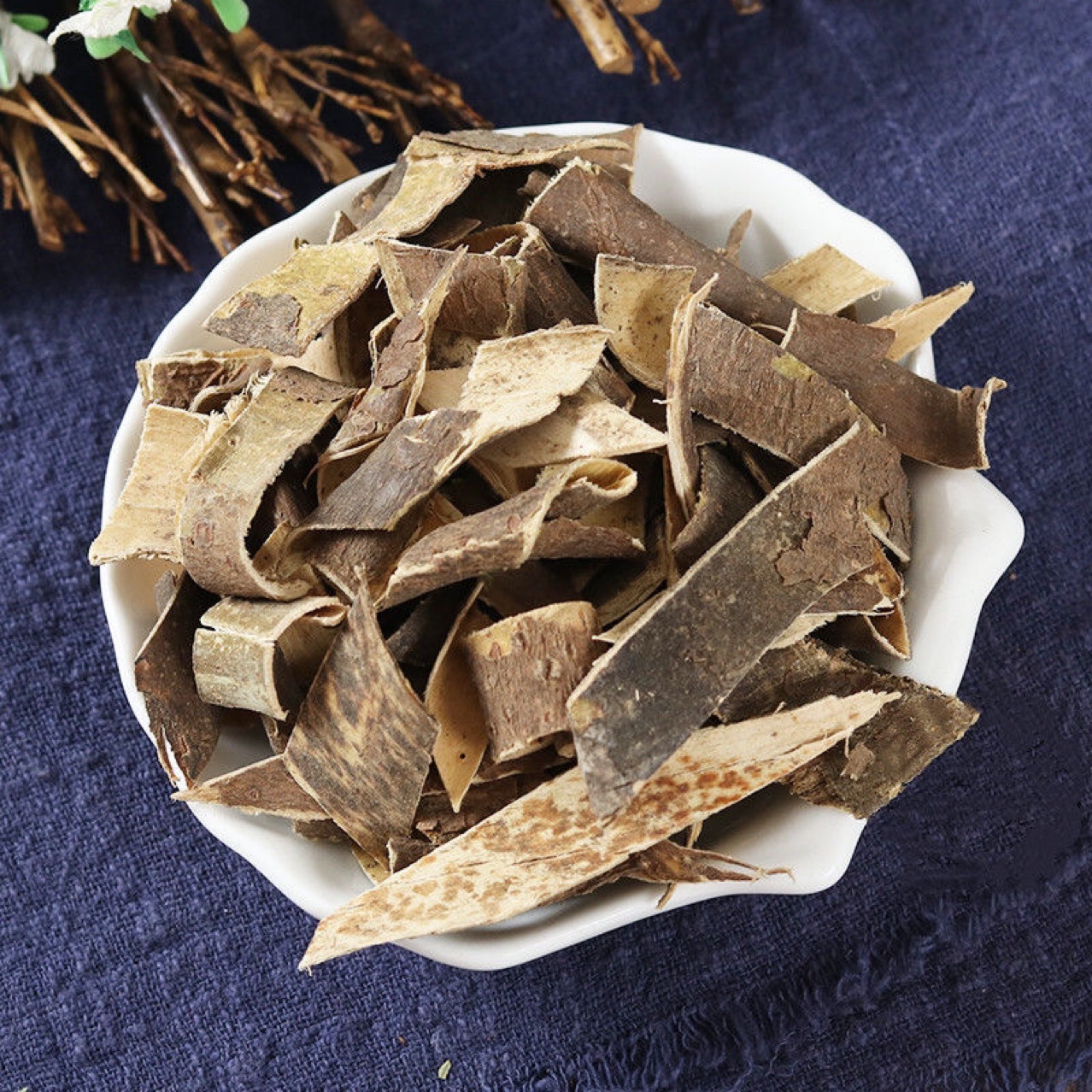
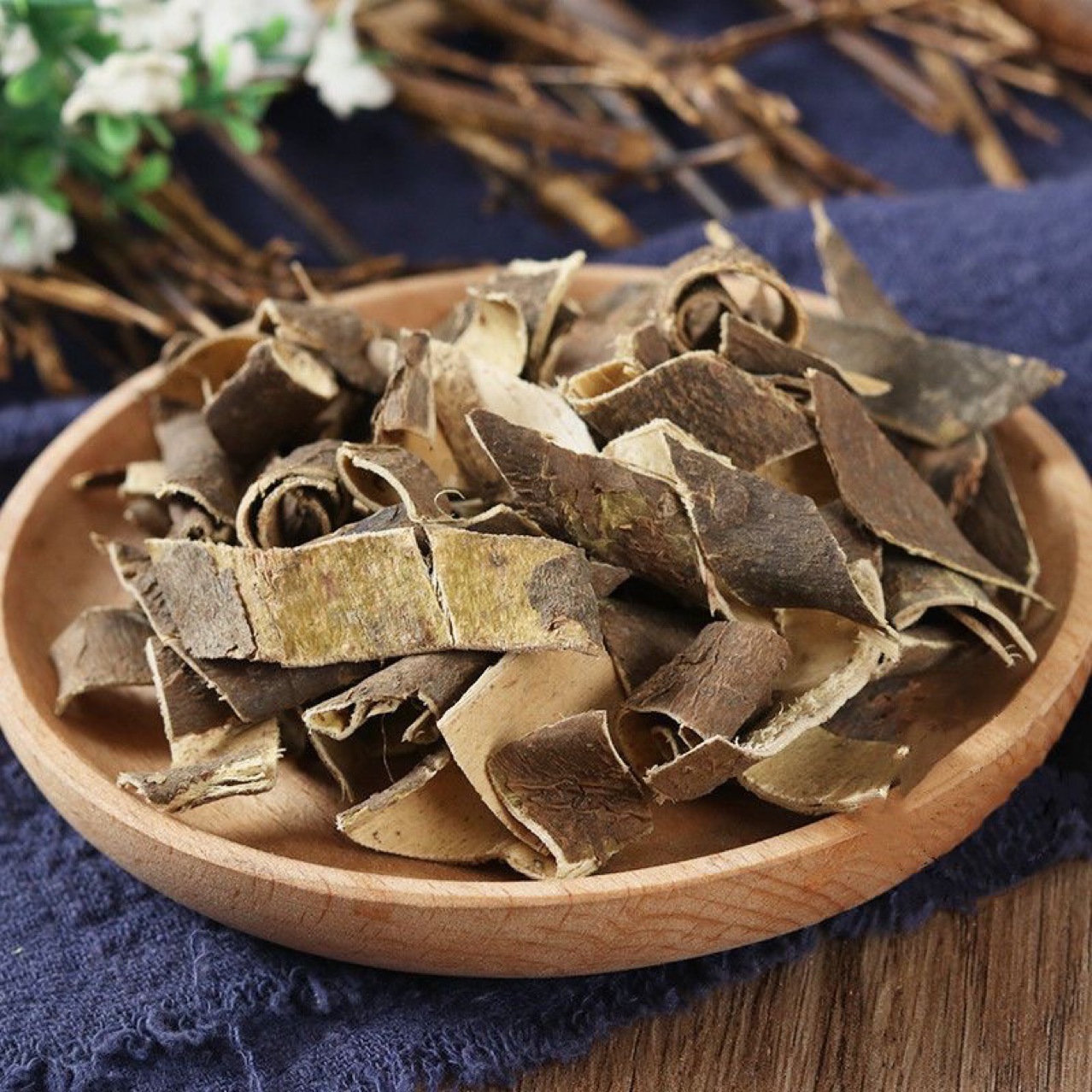
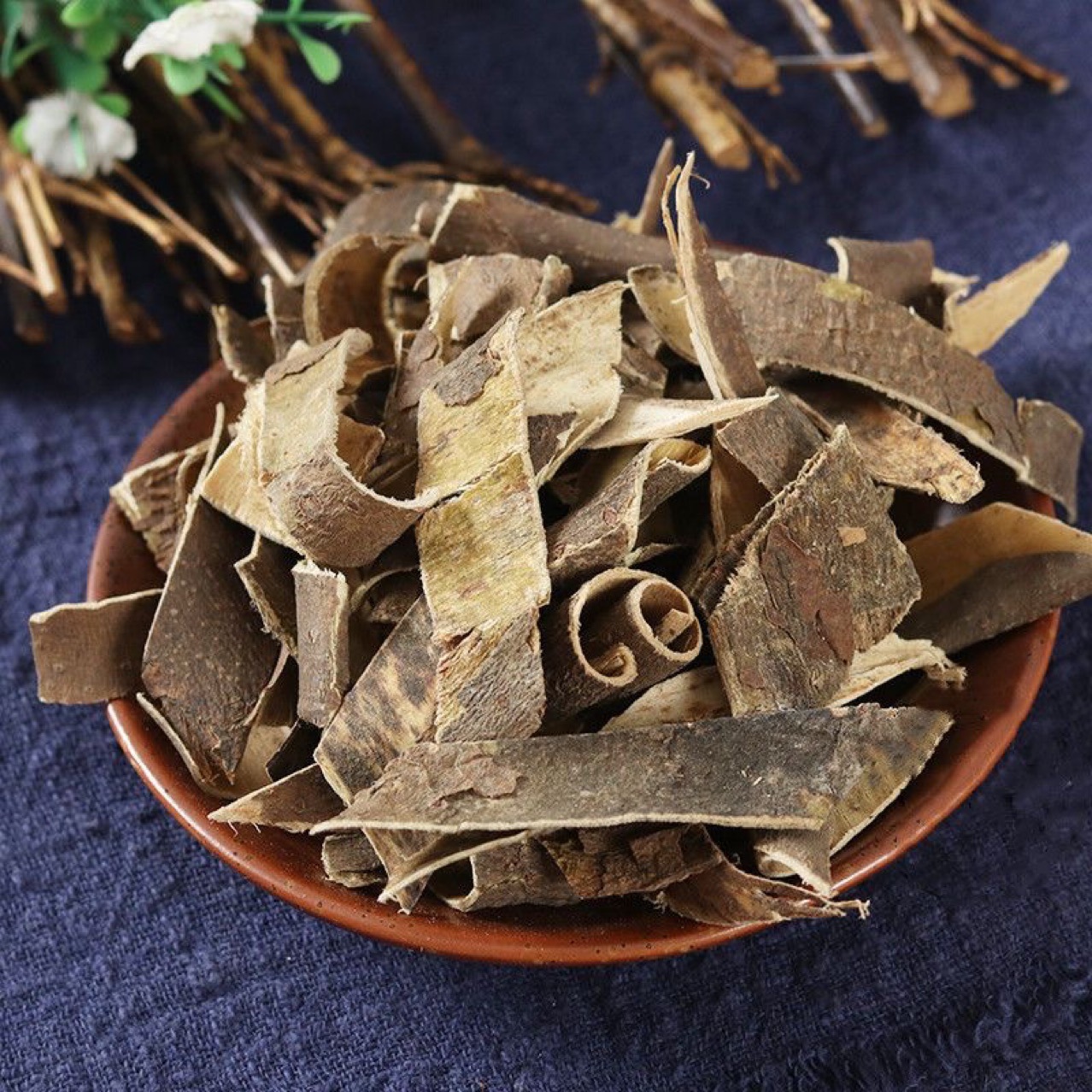
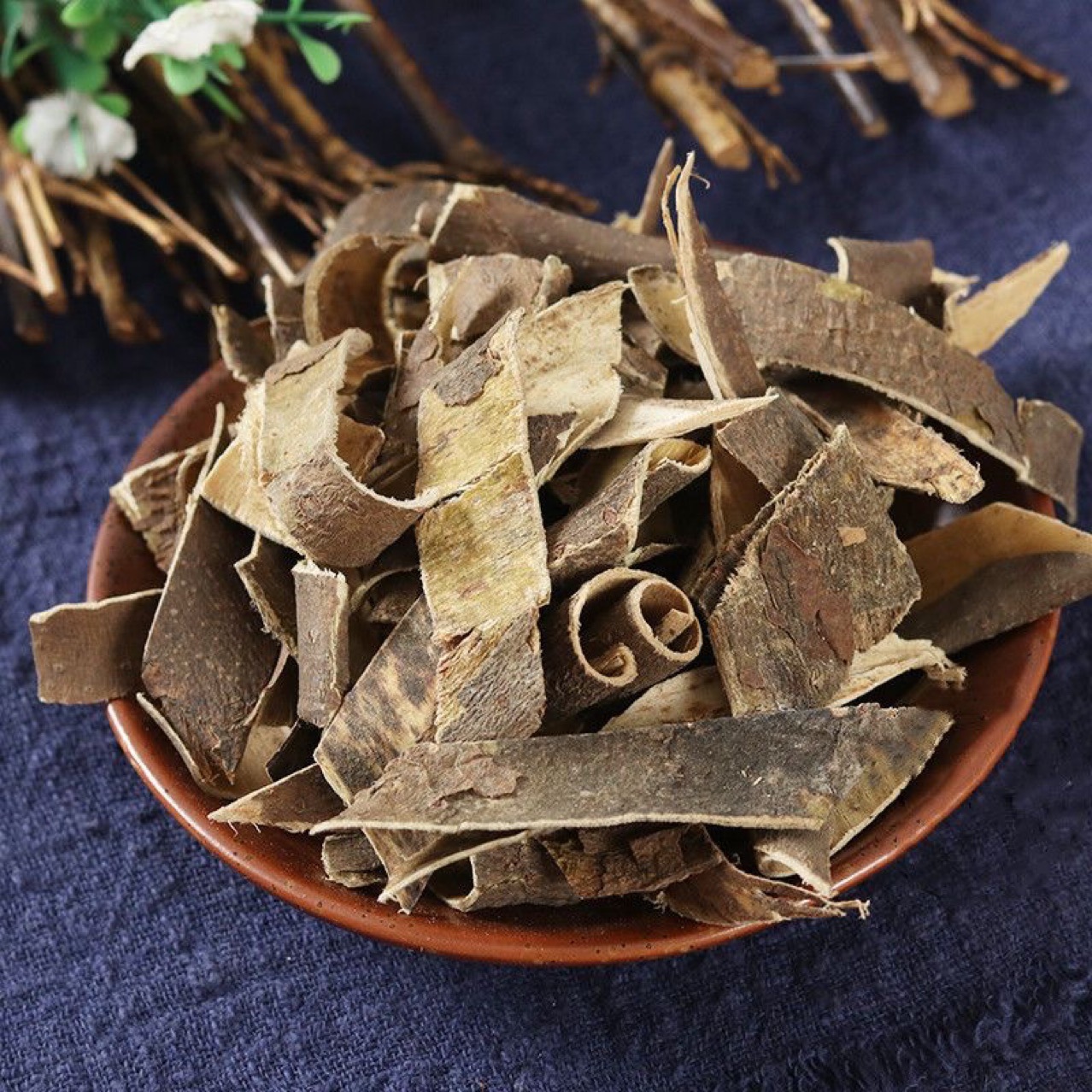
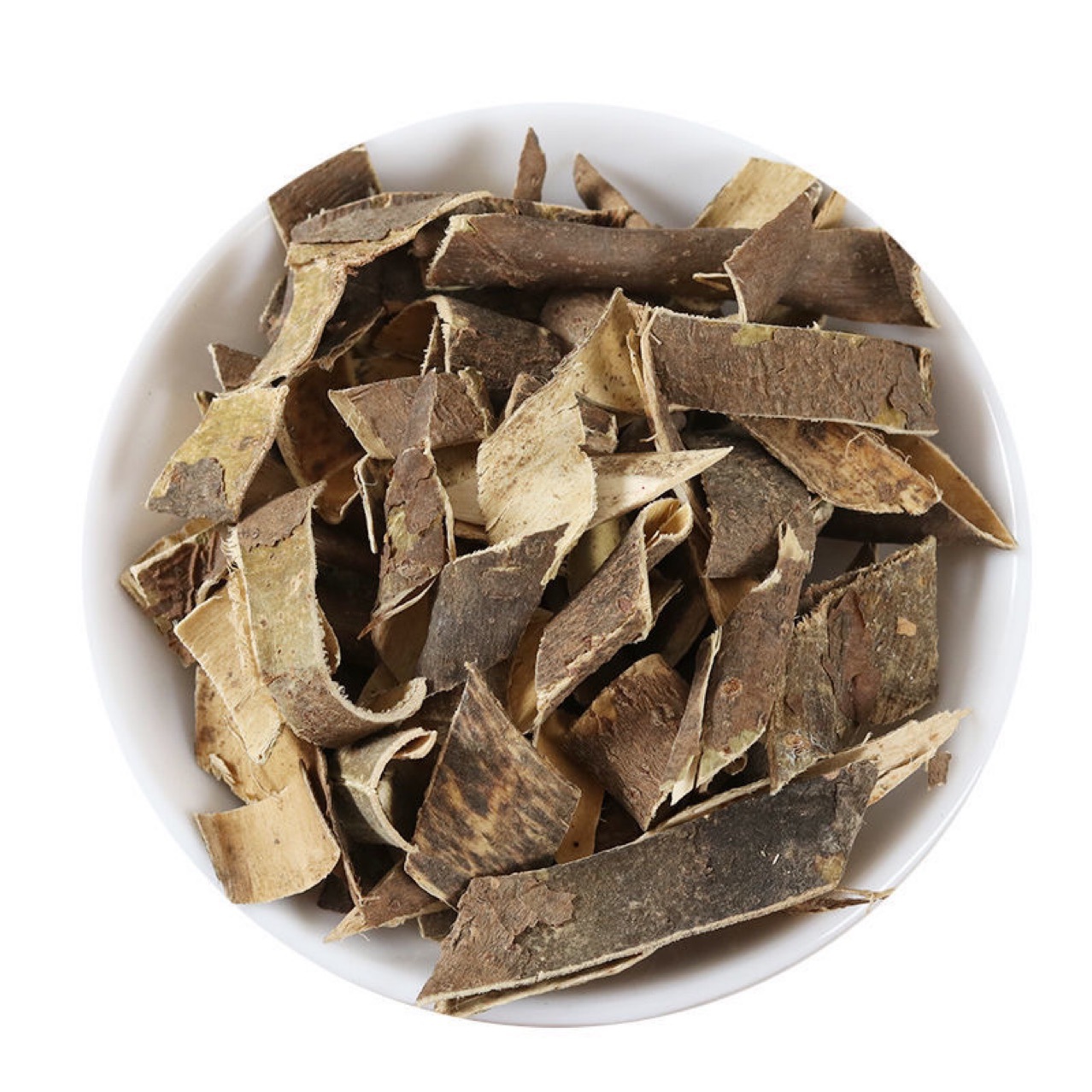
Dried Qin Pi (秦皮), also known as Ash Bark, is the dried bark of Fraxinus rhynchophylla or related Fraxinus species. In TCM theory it is bitter and astringent, cool in nature, and associated with the Liver and Gallbladder channels. Traditionally used in decoctions and herbal teas, it is valued for its astringent and cooling properties. This product is supplied as dried bark pieces from Anhui, China.
Key Selling Points
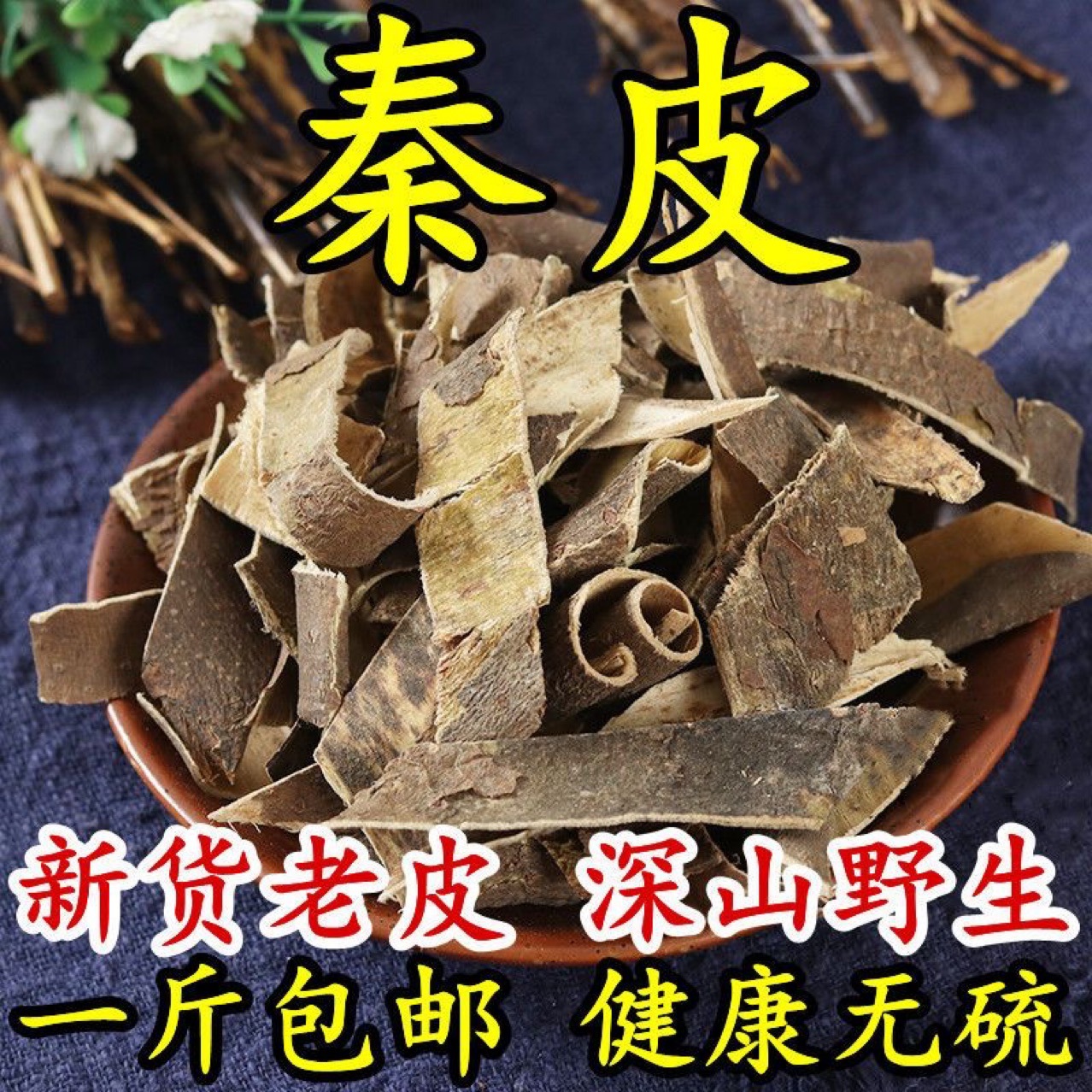
- Identified in TCM as Qin Pi (秦皮), the dried bark of Fraxinus species
- Bitter, astringent, and cool in nature according to TCM theory
- Traditionally associated with the Liver and Gallbladder channels
- Dried bark pieces suitable for decoction, tea, or herbal formulas
- Sourced from Anhui, China, as current-season dried goods
Quality & Sensory
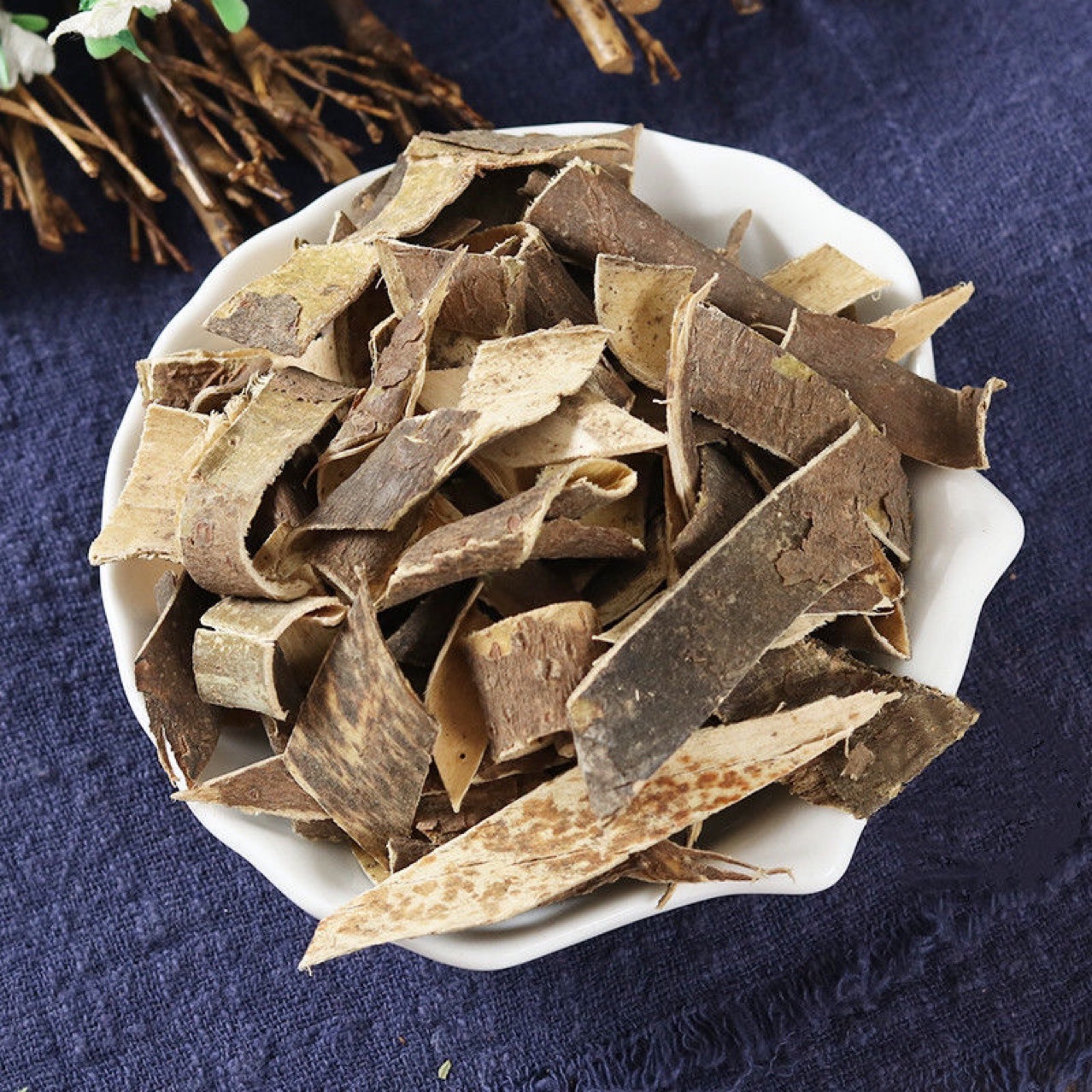
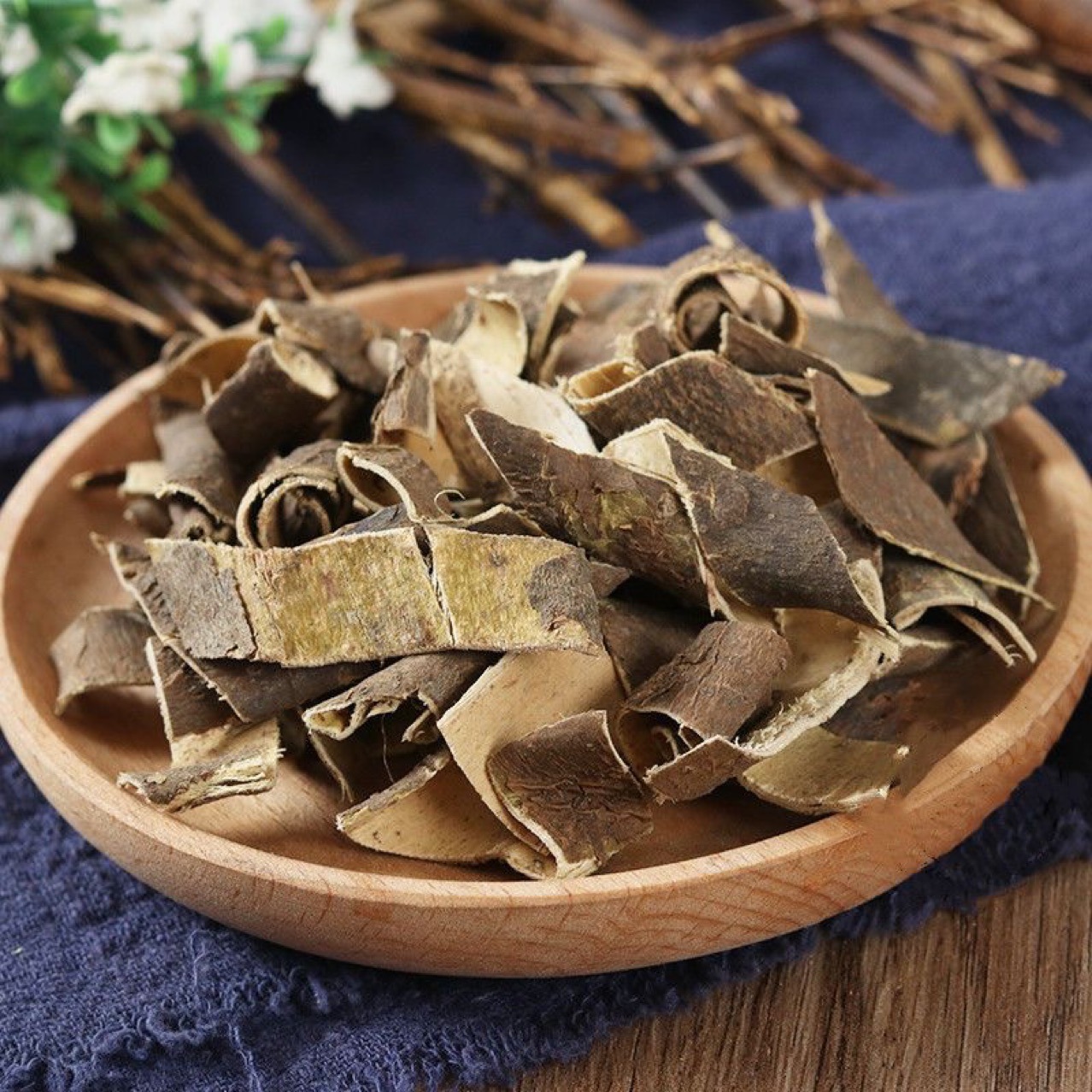
The dried bark pieces are typically grayish-brown to dark brown on the outer surface with a lighter inner surface. Texture is typically fibrous and leathery. Aroma is mild and earthy. After decoction the liquid is typically bitter with a slight astringent taste.
Technical Specifications
| Product Type | Dried Herbal Bark |
|---|---|
| Chinese Name | 秦皮 |
| Pinyin | Qin Pi |
| Botanical Name | Fraxinus rhynchophylla |
| Plant Part | Bark |
| Net Weight | 250g |
Usage Scenarios
- Herbal decoction with other TCM herbs
- Traditional herbal tea
- Added to soup or congee in small amounts
- External foot soak in traditional practice
Traditional Uses
In TCM theory, Qin Pi is traditionally used in decoctions for its bitter, astringent, and cooling properties. It is commonly paired with herbs such as Huang Bai or Ku Shen in traditional formulas. Folk practice also includes using the bark in external washes or foot soaks. It is typically prepared by simmering the dried bark in water.
FAQ Q&A
Q: What is Qin Pi?
A: Qin Pi (秦皮) is the dried bark of Fraxinus rhynchophylla and related Fraxinus species, used in Traditional Chinese Medicine.
Q: What are its traditional properties?
A: In TCM theory it is considered bitter, astringent, and cool, associated with the Liver and Gallbladder channels.
Q: How is it commonly prepared?
A: It is typically simmered in water as a decoction or combined with other herbs in traditional formulas.
Additional information
| Weight | N/A |
|---|---|
| Dimensions | N/A |
| Model | 秦皮500克, 秦皮1000克, 秦皮10公斤, 秦皮250克 |
Related products
-

Dried Huang Jing Slices Polygonatum Rhizome Chicken Head Huang Jing 500g Bulk Herbal Tea and Soup Ingredient
Price range: $9.14 through $18.87 -
Taizishen Dried Pseudostellaria Root TCM Herbal Tea and Soup Ingredient 500g Bulk Pack
Price range: $10.28 through $15.63 -
Dried Ginger Root Gan Jiang 500g Bulk Chinese Herb Zingiber officinale Rhizome for Decoction and Culinary Use
$5.90 -

Cabinda Bark Dried Herb 500g Traditional Herbal Infusion Ingredient
Price range: $12.38 through $37.50
Reviews
There are no reviews yet.