
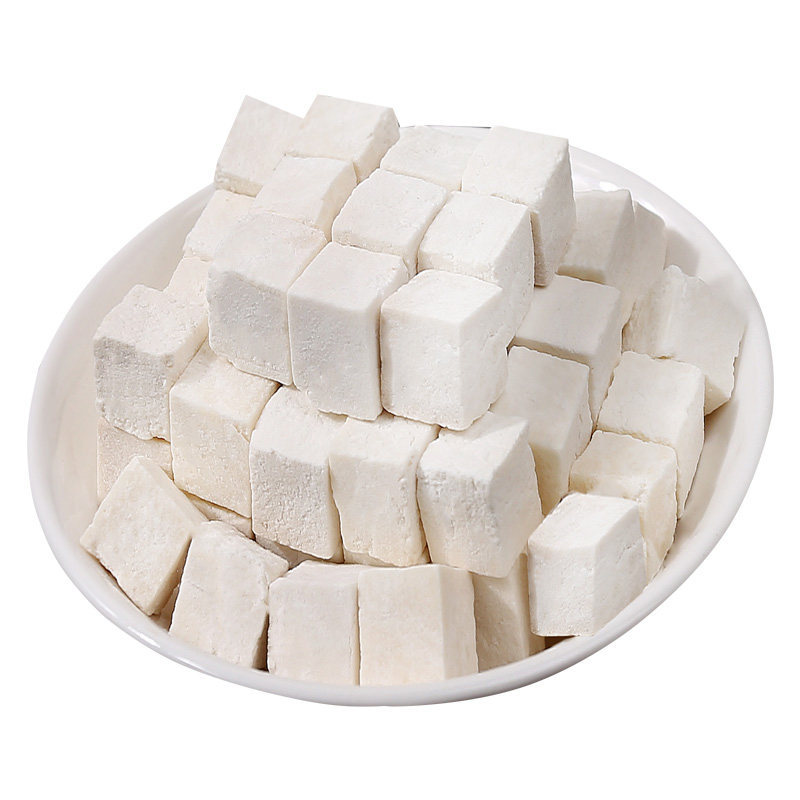
Poria Fu Ling Dried White Poria Cubes 500g Wild Poria cocos for Tea and Decoction
Price range: $8.13 through $10.30
Description
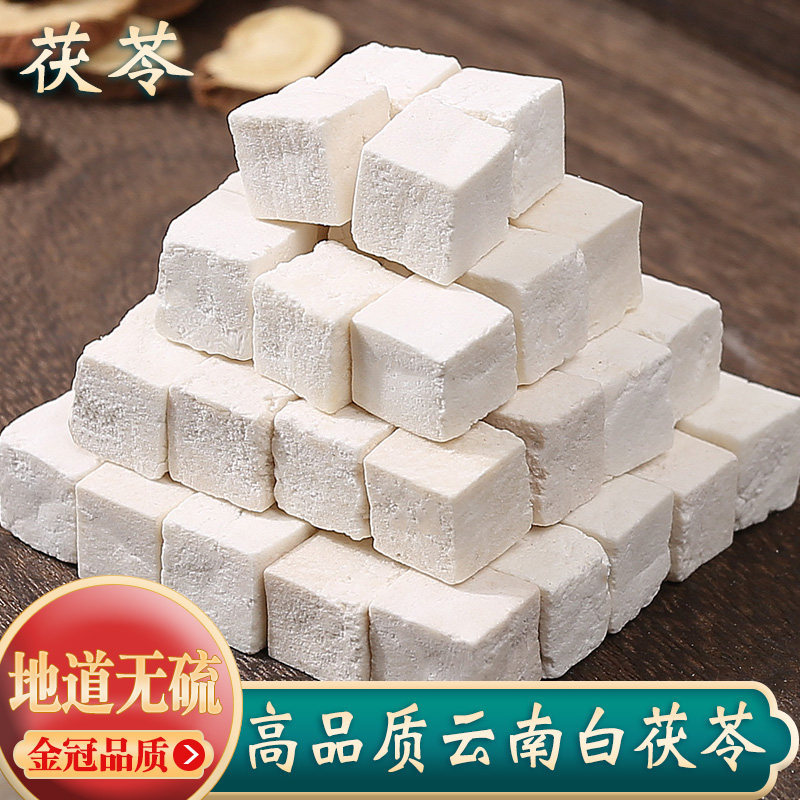
White Poria, known in TCM as Fu Ling (茯苓), is the dried sclerotium of Poria cocos, a traditional Chinese medicinal fungus. These dried white poria cubes are a classic tonic herb traditionally valued for supporting dampness resolution and spleen health in TCM theory. Mild in nature and sweet and bland in flavor, Fu Ling is commonly used in decoctions, teas, and herbal formulas. Suitable for daily herbal preparation when used as directed.
Key Selling Points
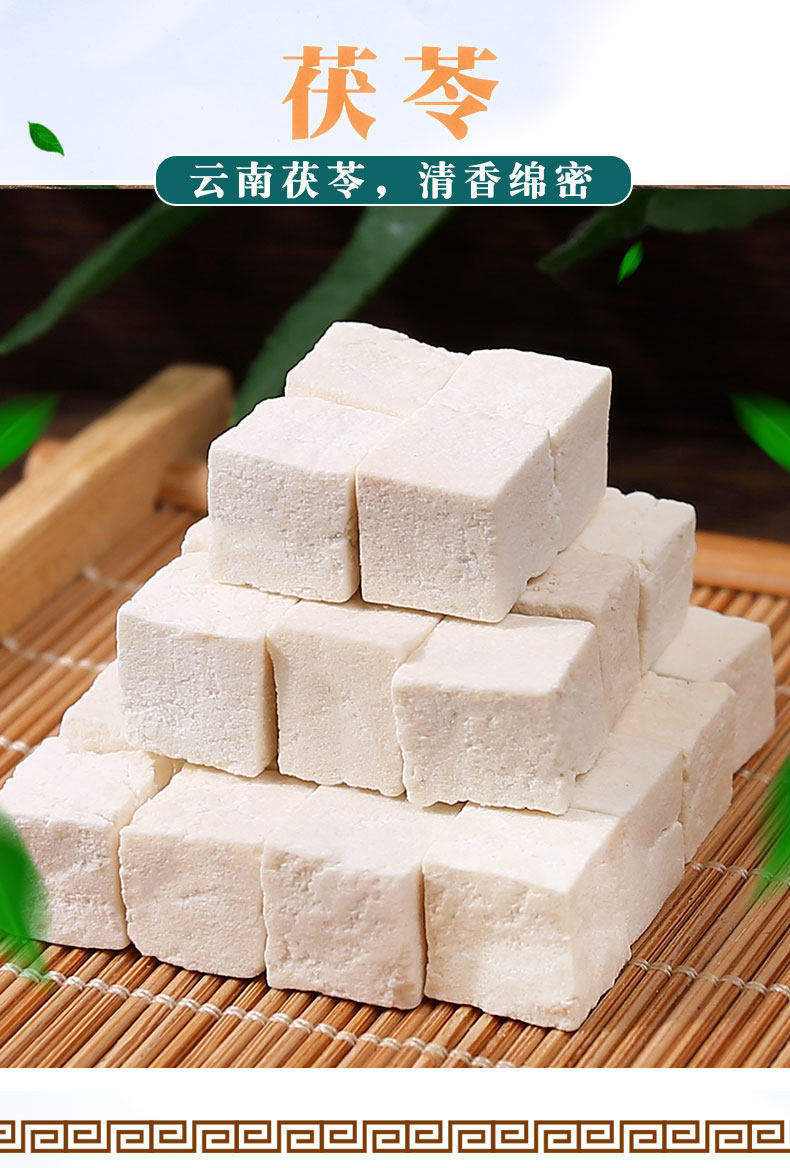
- Dried white poria cubes cut from the sclerotium of Poria cocos
- Known in TCM as Fu Ling (茯苓), a widely used traditional Chinese herb
- Traditionally associated with dampness resolution and spleen support in TCM theory
- 500g pack of dried cubes suitable for tea, decoction, and herbal cooking
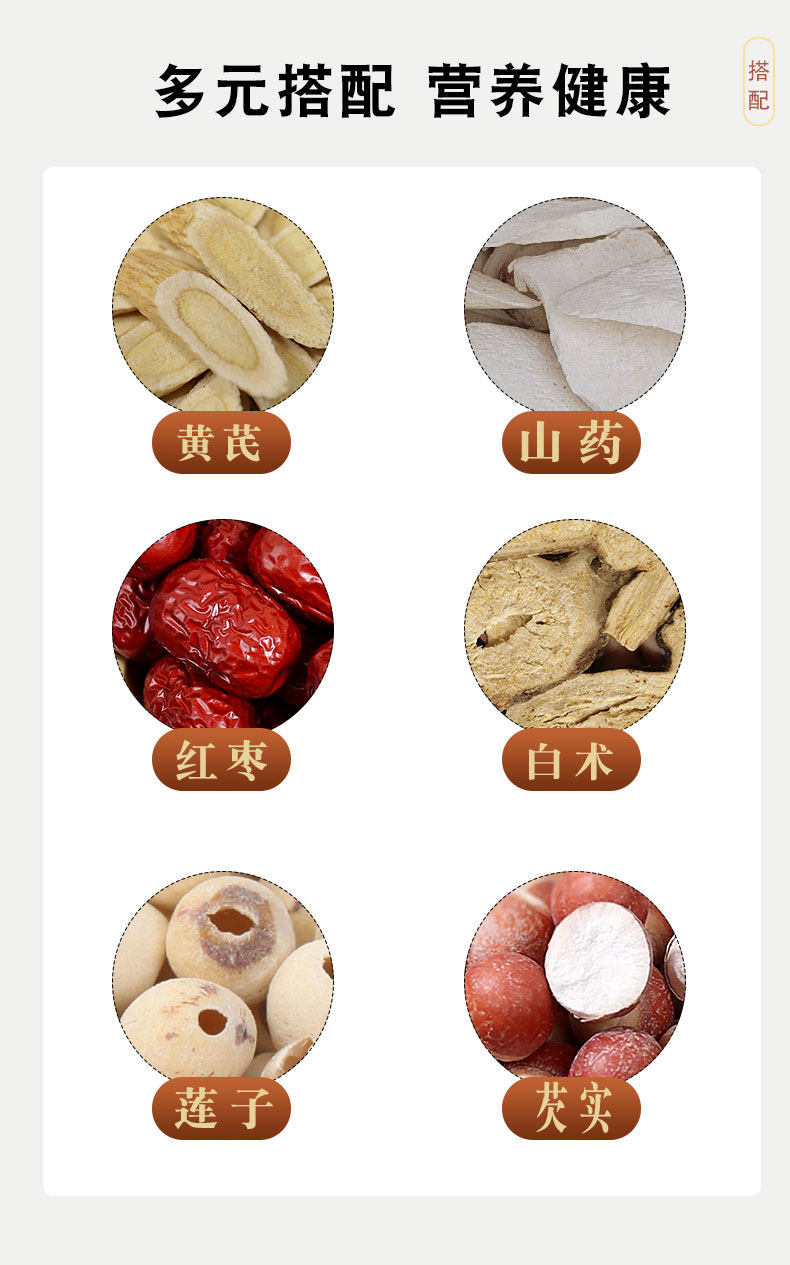
- Mild sweet and bland flavor that blends well with herbs such as Euryale seed and Chinese yam
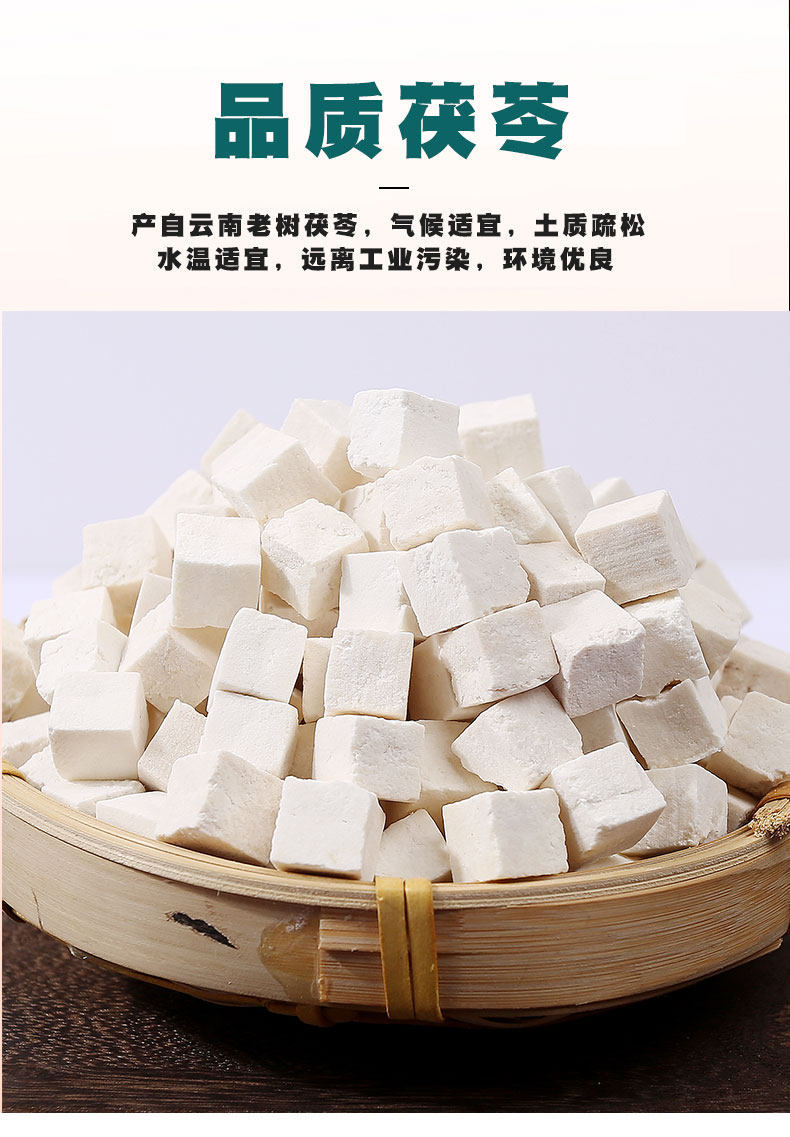
Quality & Sensory
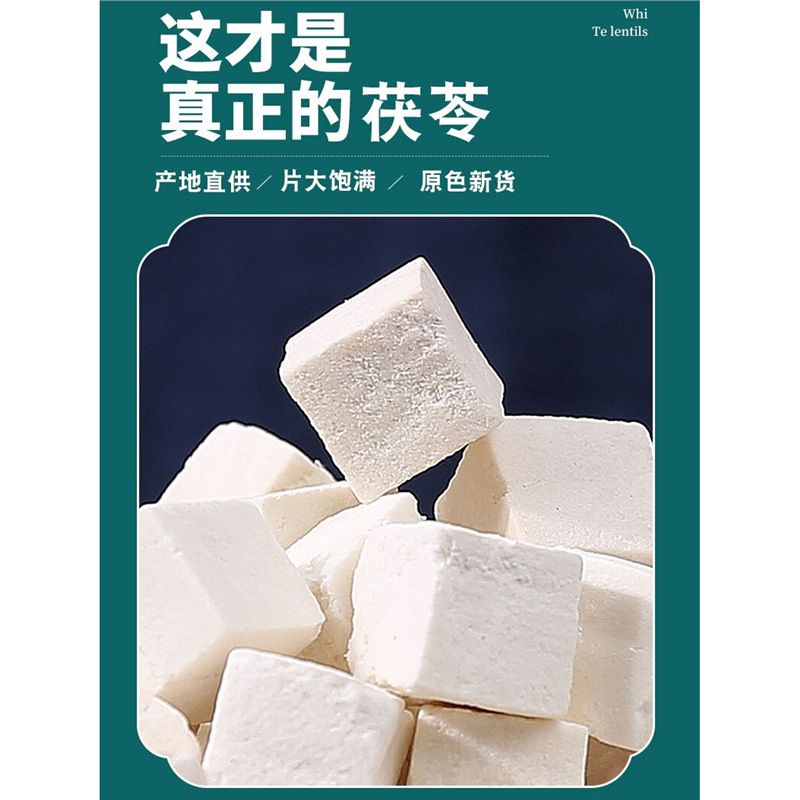
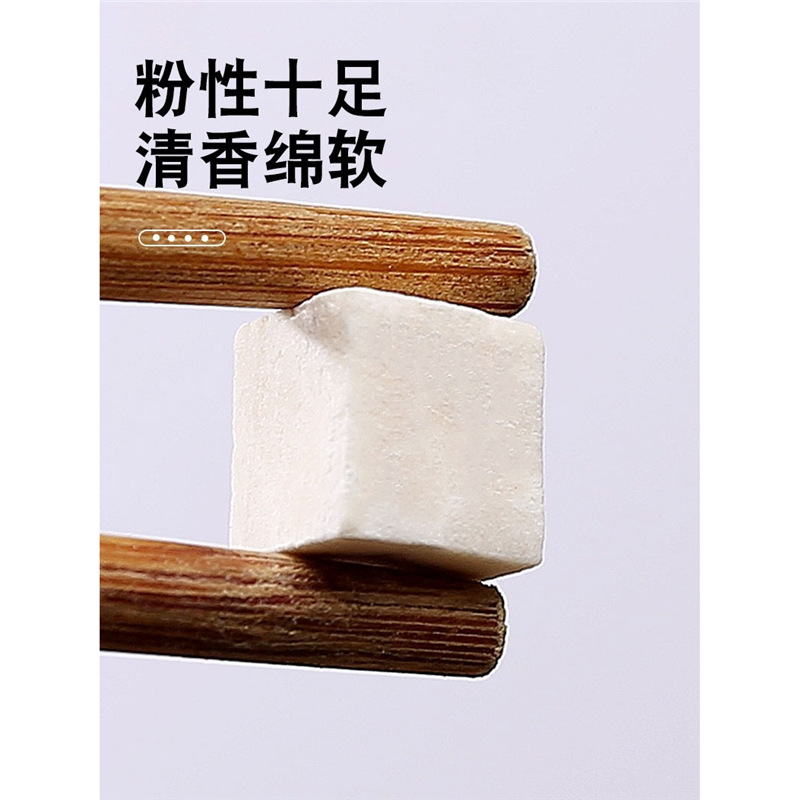
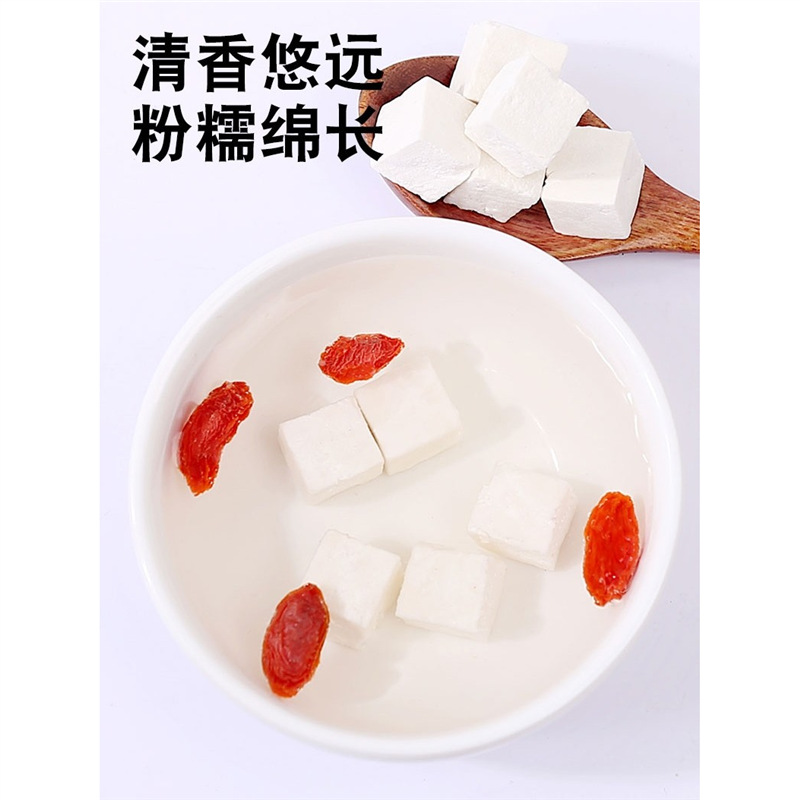
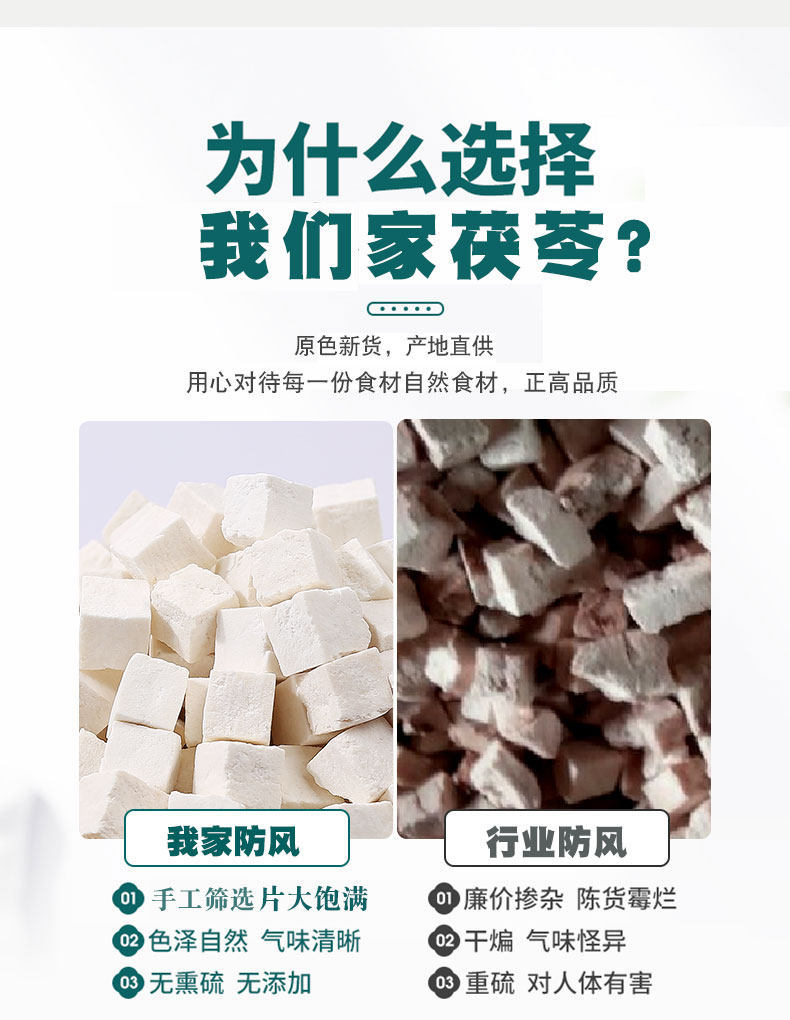
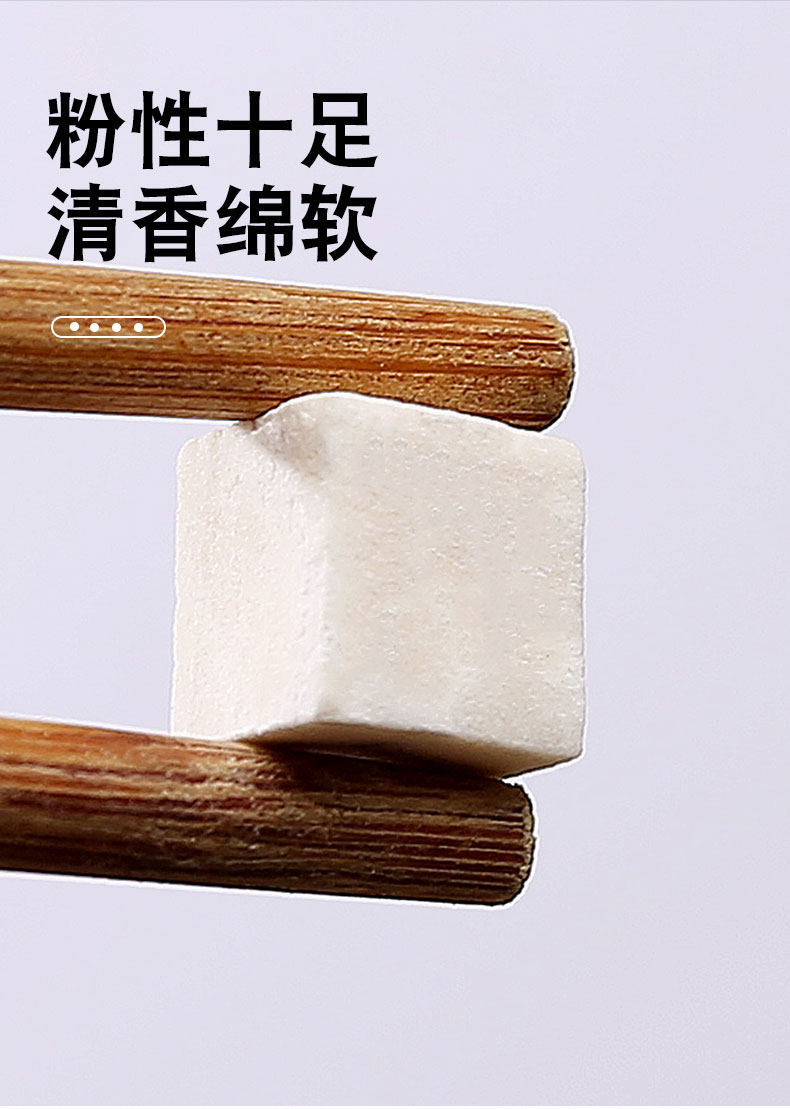
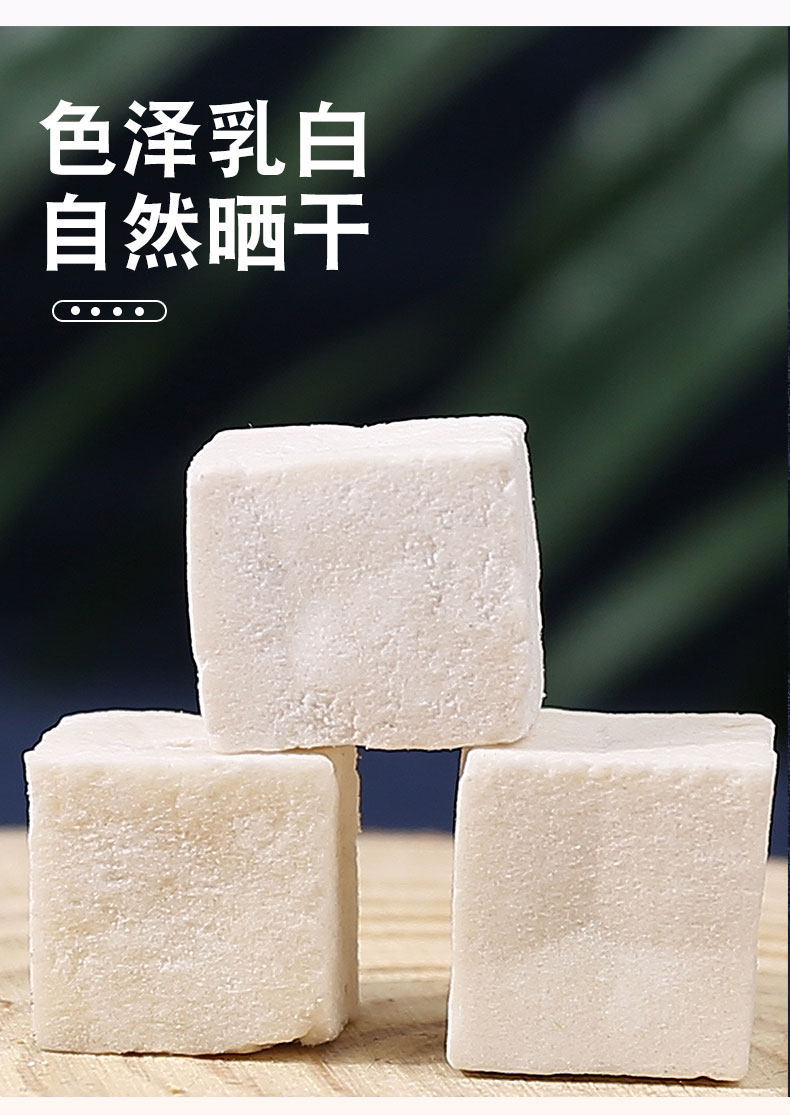
Typically white to pale beige in color with a firm, dense texture and a subtle earthy aroma. When simmered or steeped, the cubes typically yield a light, mild, slightly sweet taste with a smooth, neutral character.
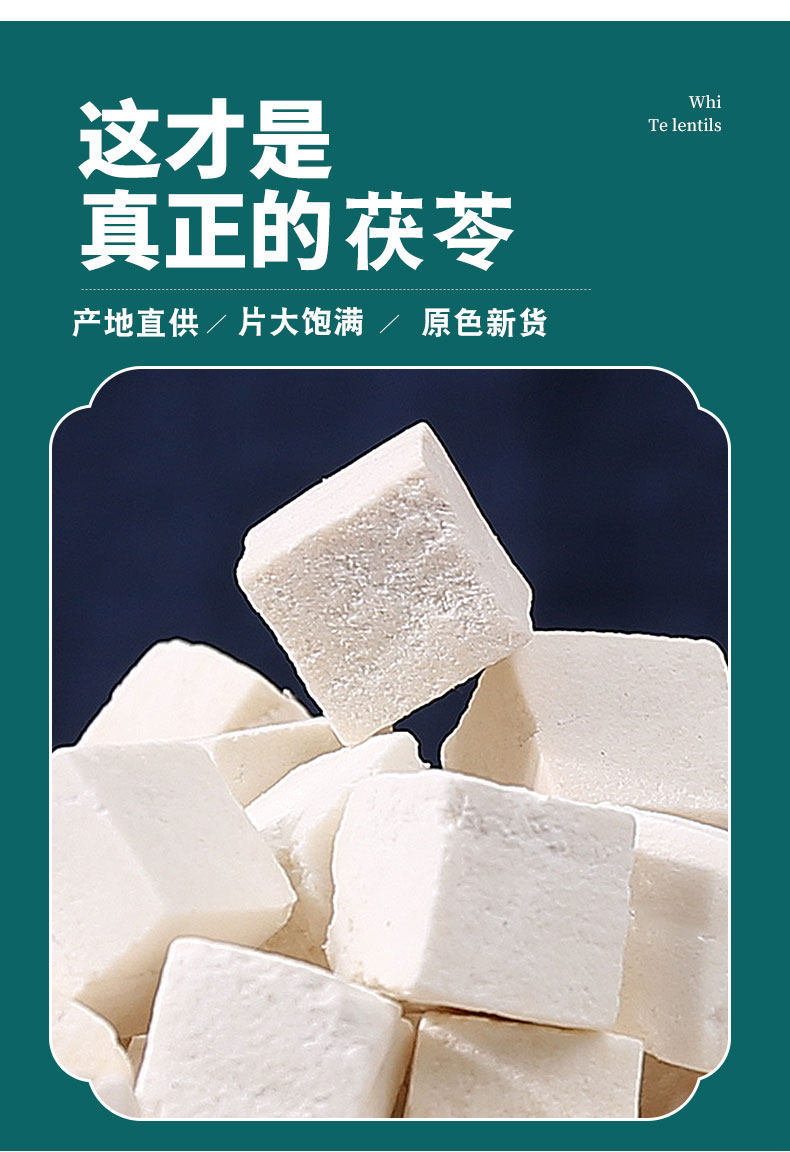
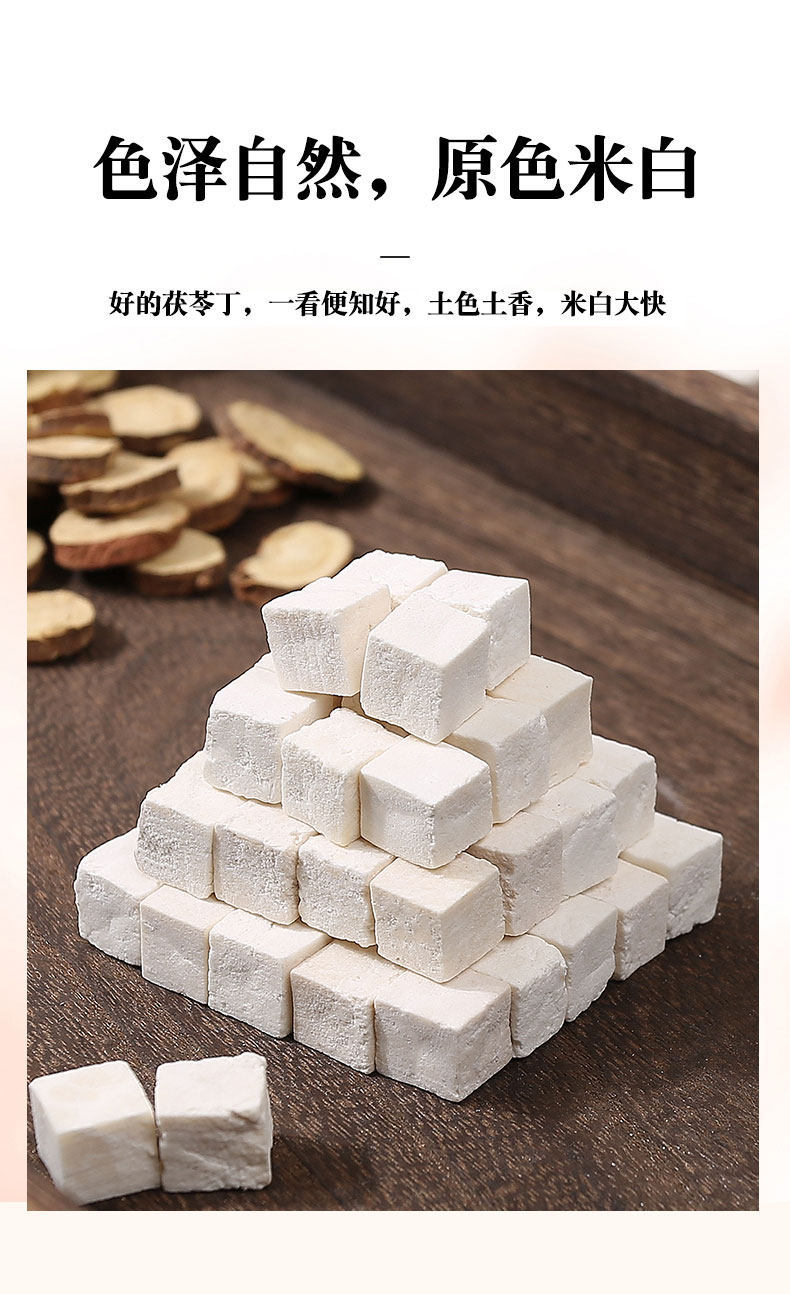
Technical Specifications
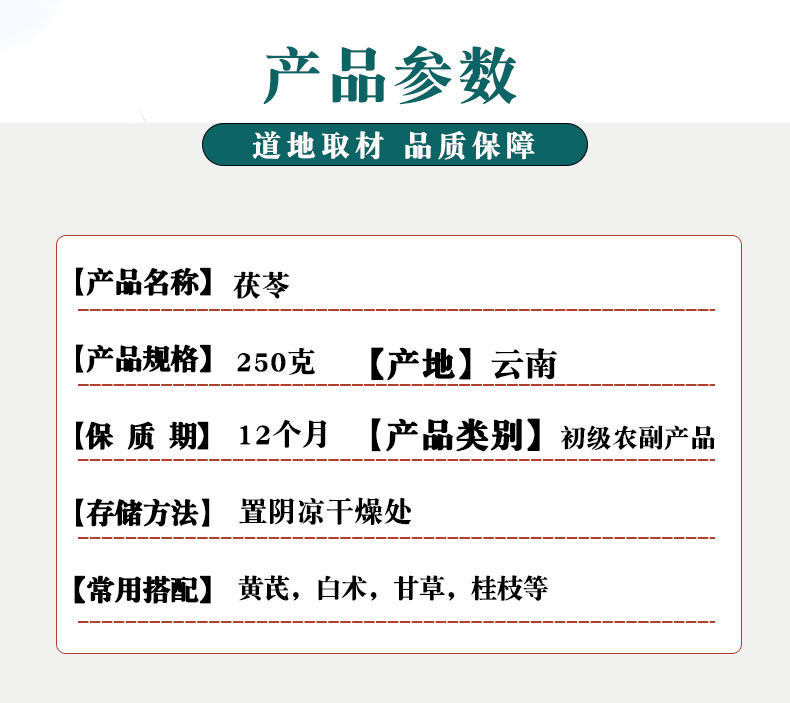
| Product Type | Dried herbal decoction cubes |
|---|---|
| Chinese Name | 白茯苓 茯苓 |
| Pinyin | Fu Ling |
| Botanical Name | Poria cocos |
| Plant Part | Sclerotium |
| Net Weight | 500g |
Usage Scenarios
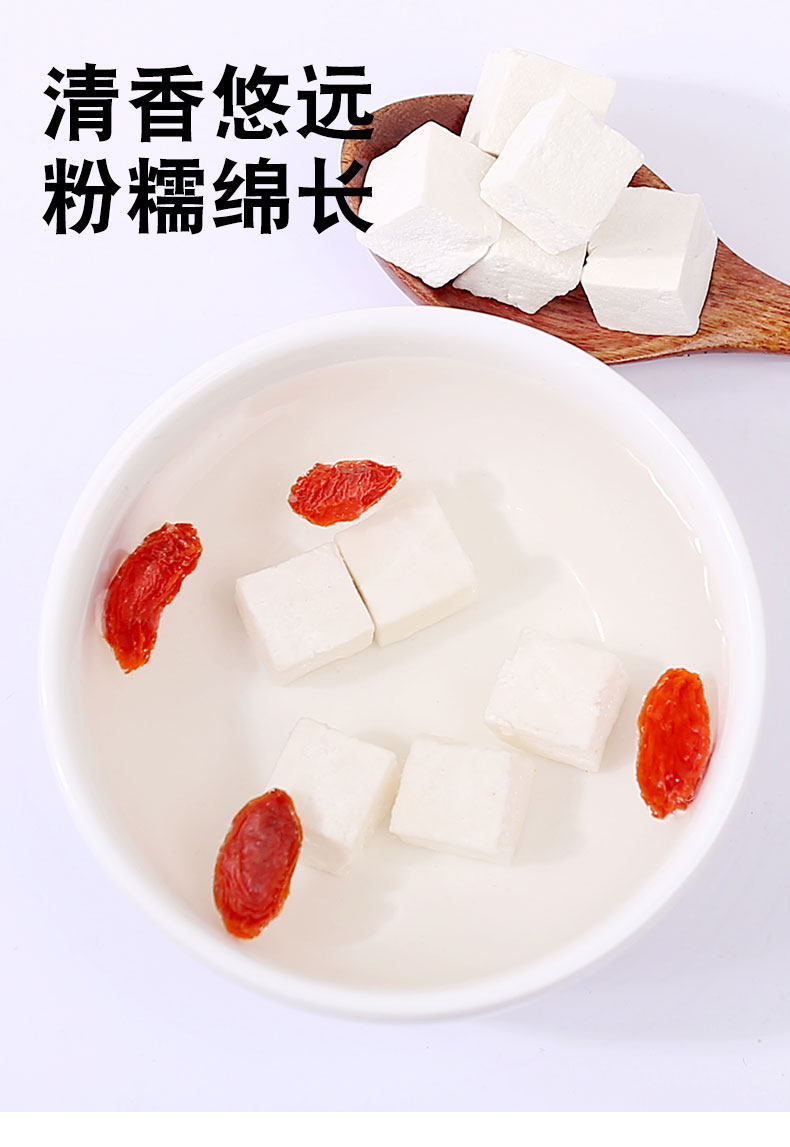
- Simmer in water as a mild daily herbal tea
- Add to herbal decoctions with other tonic herbs
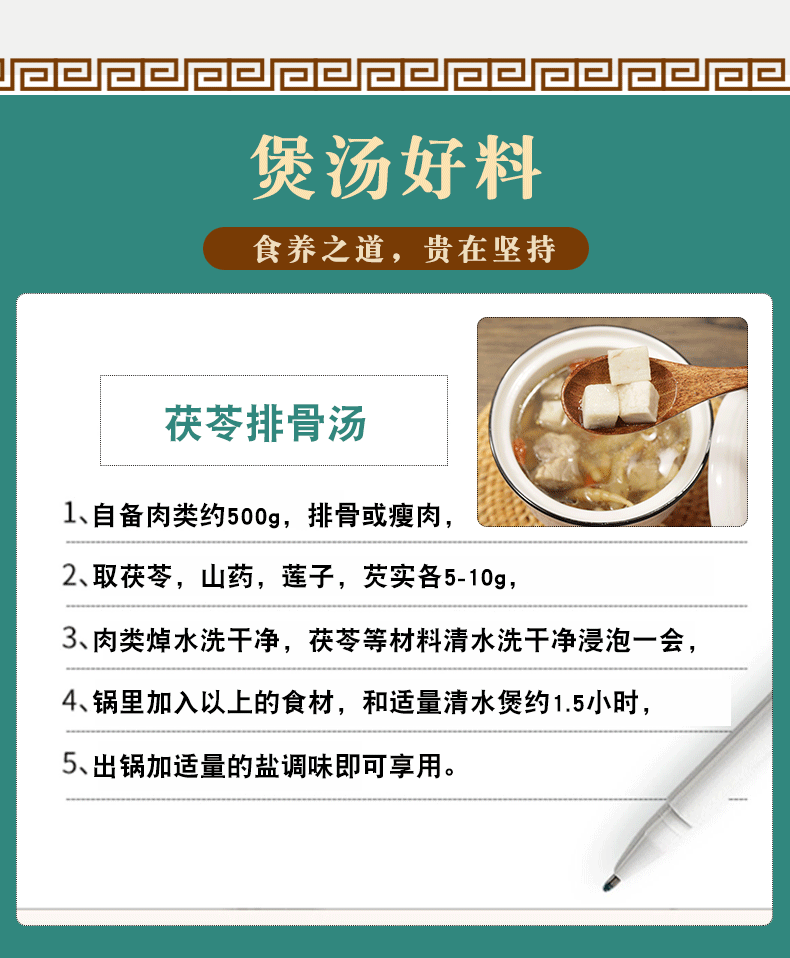
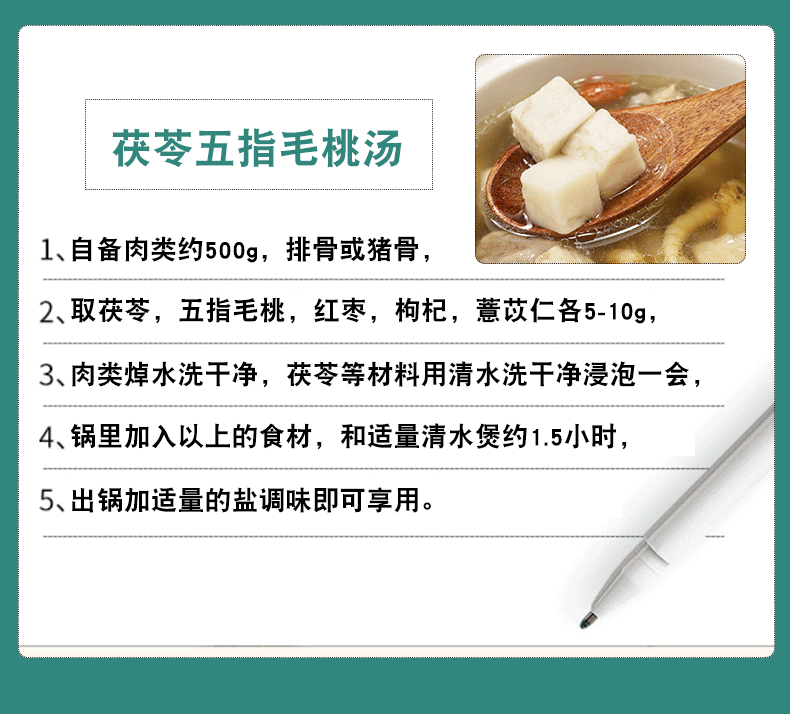
- Cook into congee or soup with Chinese yam and Euryale seed
- Grind into powder for culinary or herbal use
Traditional Uses
In traditional Chinese medicine, Fu Ling has long been used in classic formulas for dampness patterns and spleen deficiency, often paired with Bai Zhu, Chinese yam, and lotus seed. It is a common ingredient in four-herb decoctions and seasonal wellness soups. Traditionally simmered for 20-30 minutes or added to long-cooked soups and congee for gentle daily support.
FAQ Q&A
Q: What is this product?
A: This is 500g of dried white poria cubes, the sclerotium of Poria cocos, known in TCM as Fu Ling (茯苓). It is a traditional Chinese herb supplied in dried cube form.
Q: What is it traditionally used for?
A: In TCM theory, Fu Ling is traditionally associated with draining dampness, strengthening the spleen, and calming the spirit. It is a mild, sweet, and bland herb commonly used in daily herbal formulas.
Q: How is it commonly prepared?
A: The cubes are typically simmered in water for tea or decoction, or added to soups and congee. They can also be ground into powder for culinary use.
Additional information
| Weight | N/A |
|---|---|
| Dimensions | N/A |
| Specifications | 250 grams, 500 grams |
Related products
-

Dried Raspberry Fruit Fu Pen Zi Whole Berries for Herbal Tea and Wine Infusion 500g
Price range: $15.63 through $18.06 -
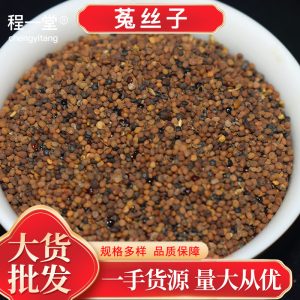
Dried Dodder Seed Tu Si Zi Whole Herb 500g Bulk Chinese Herbal Ingredient
Price range: $7.04 through $7.52 -
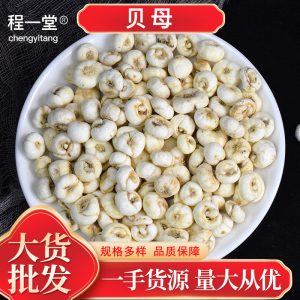
Fritillaria Bulb Chuan Bei Mu Dried Chinese Herbal Bulbs for Decoction and Traditional Use 500g
Price range: $18.06 through $94.21 -
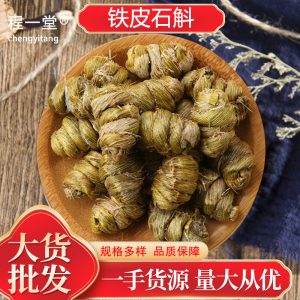
Tie Pi Shi Hu Dried Dendrobium Stems 500g Huoshan Fengdou for Soup and Tea
Price range: $35.88 through $108.80
Reviews
There are no reviews yet.