
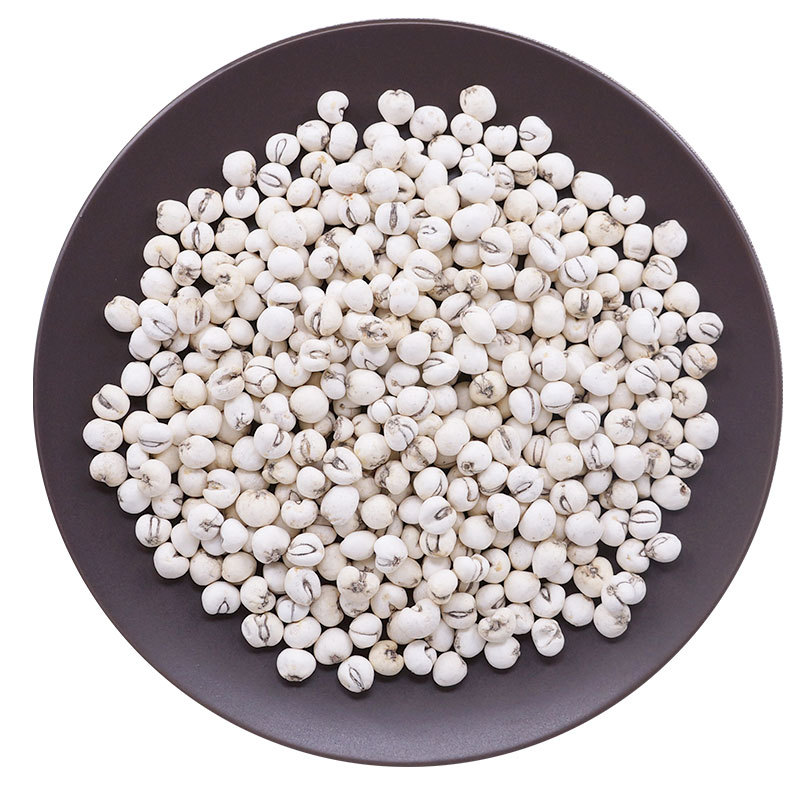
Ping Bei Mu Dried Fritillaria Bulbs Small Flat Fritillaria for Culinary Herbal Use Northeast Origin
Price range: $4.52 through $4.53
Description
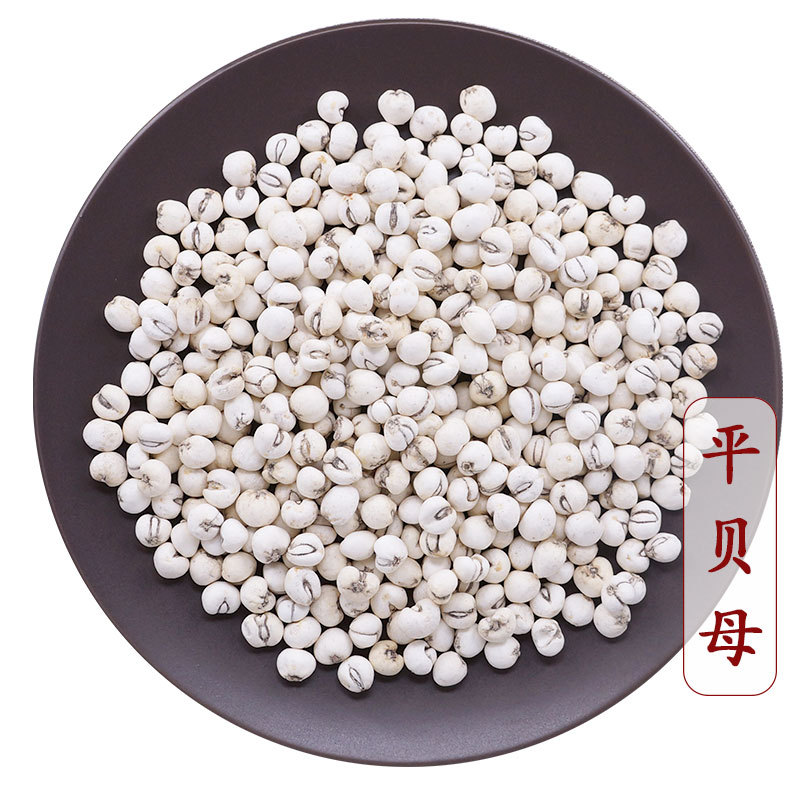
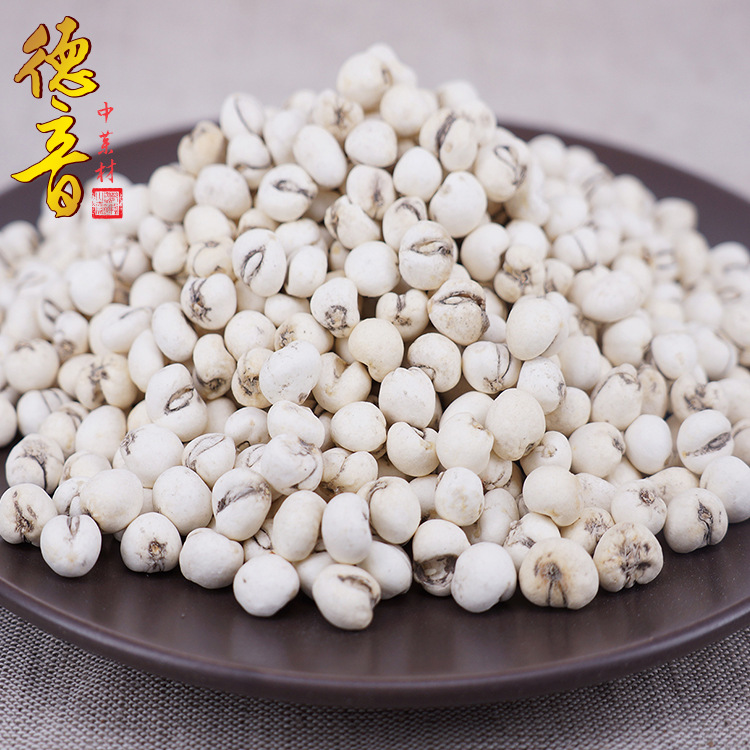
Dried Fritillaria Bulbs, known in TCM as Ping Bei Mu (平贝母), from Fritillaria ussuriensis, whole small bulbs harvested in Northeast China and gently heat-dried to retain their natural form. In TCM theory, Fritillaria is considered cool in nature with a bitter-sweet flavor and is traditionally associated with the lung channel. Sold as a raw culinary-grade botanical for traditional herbal preparation, not a medicine.


Key Selling Points
- Whole small flat Fritillaria bulbs in their natural dried form
- Botanical source Fritillaria ussuriensis from Northeast China
- Known in TCM as Ping Bei Mu (平贝母)
- Heat-dried processing preserves the original bulb shape
- Traditionally used in herbal decoctions and culinary preparations

Quality & Sensory
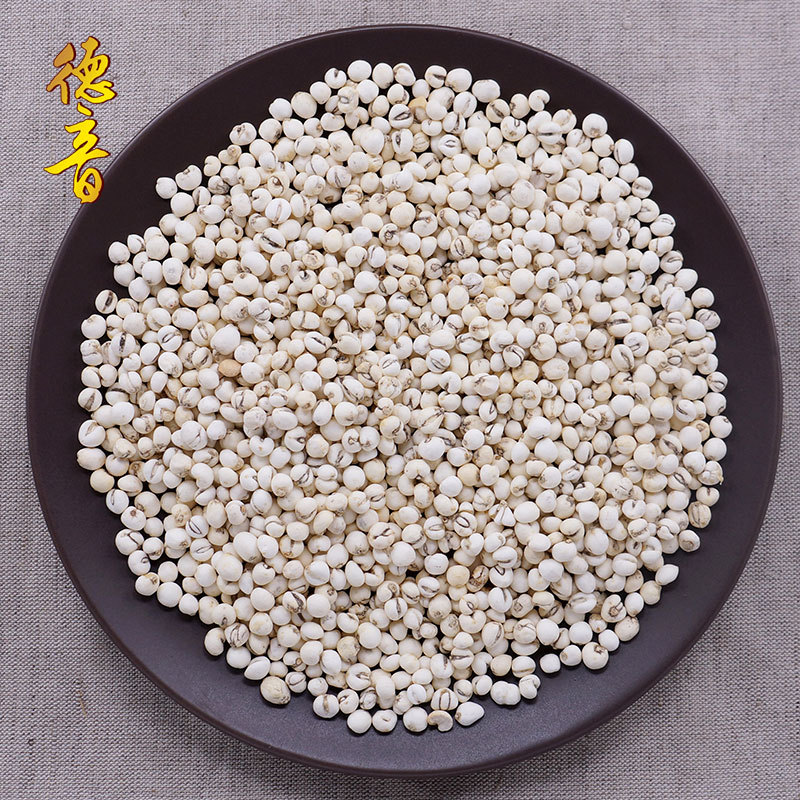
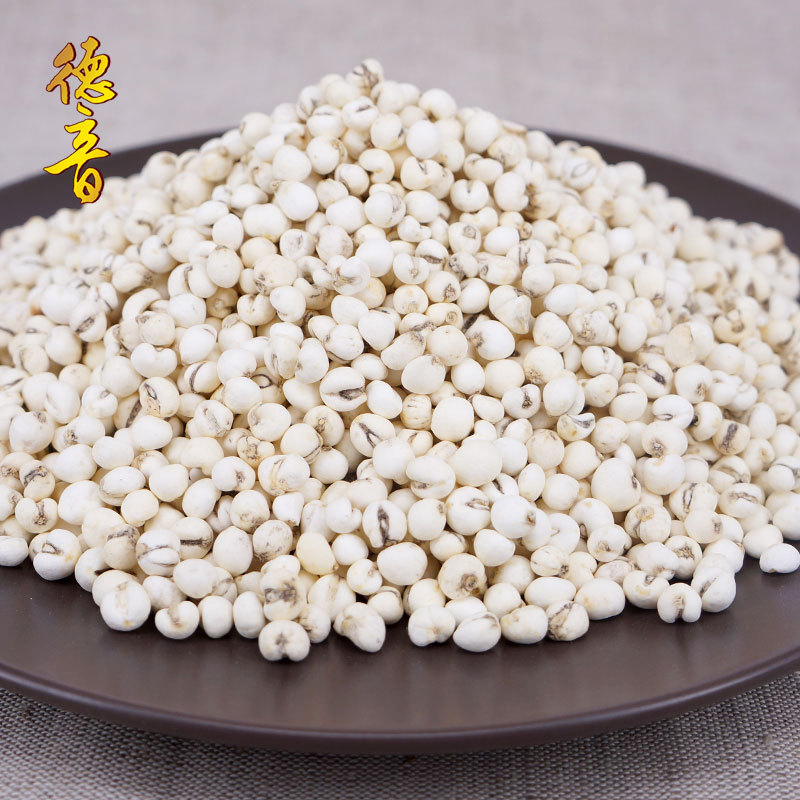
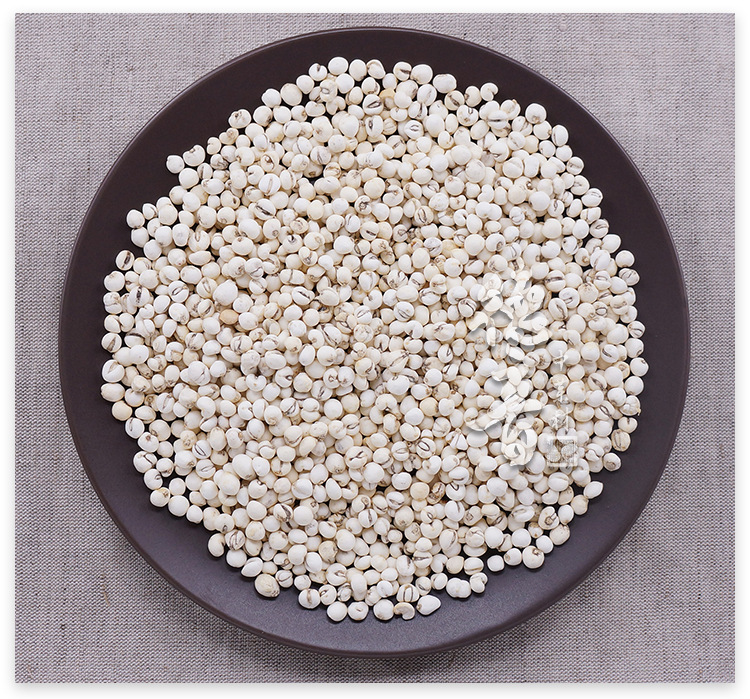
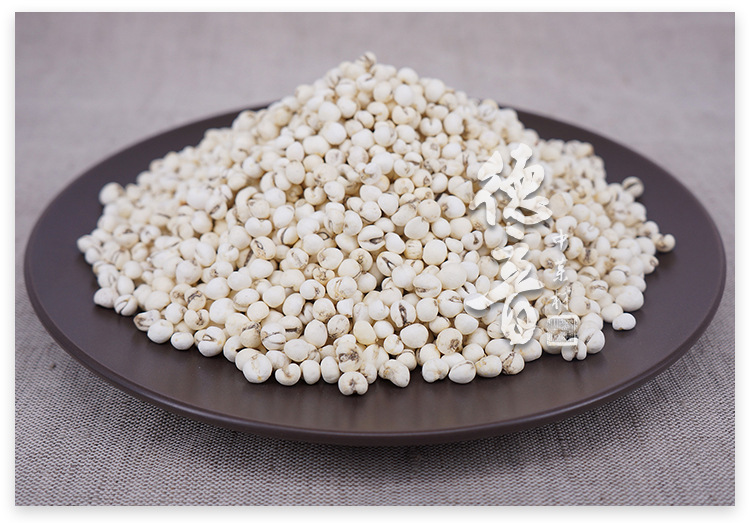
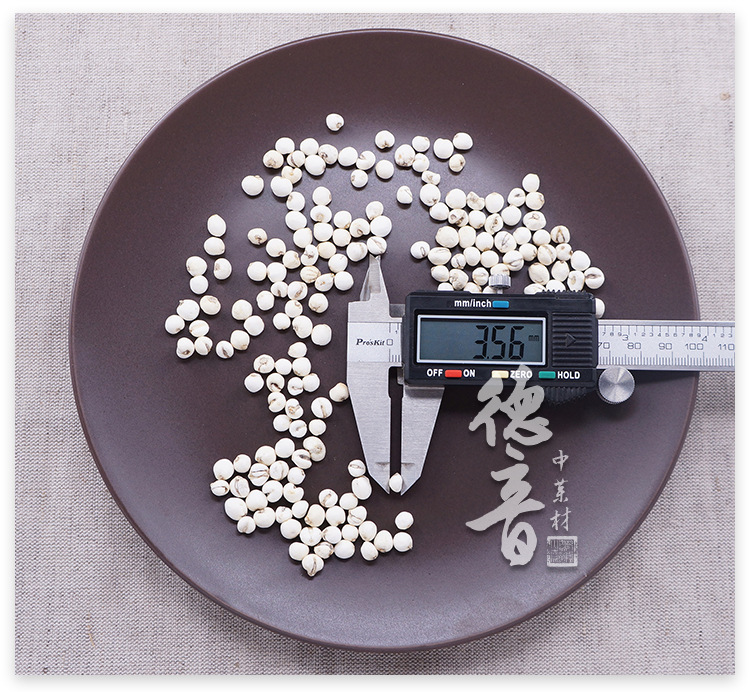
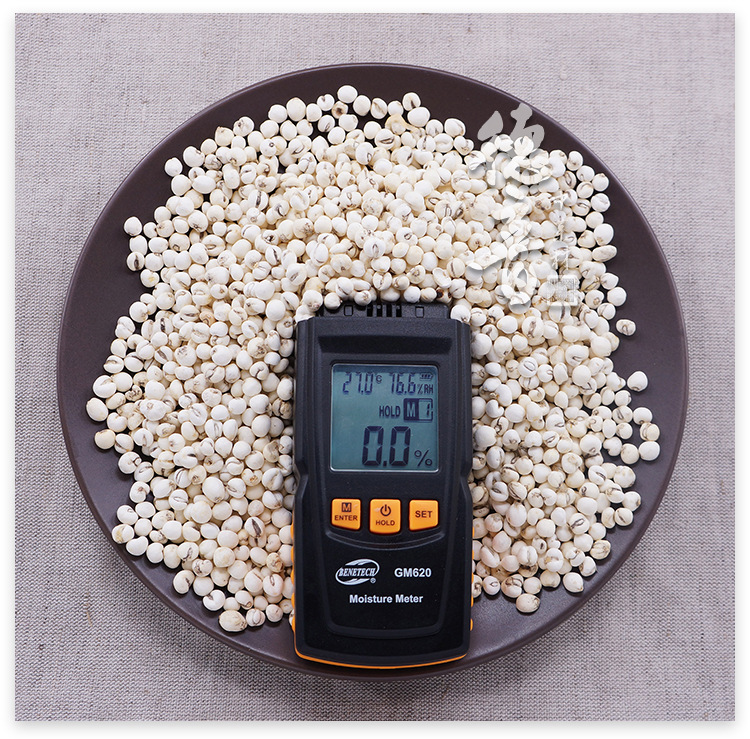
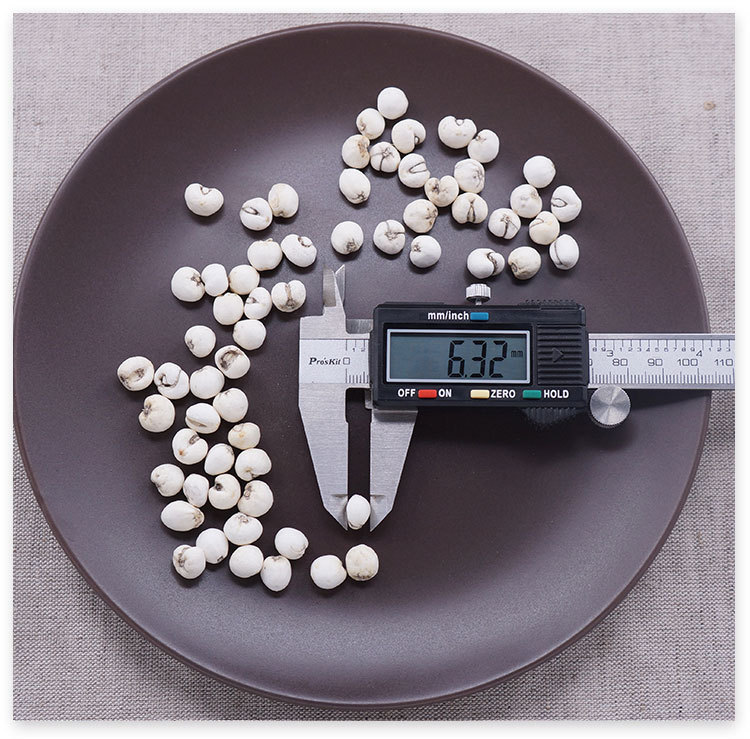
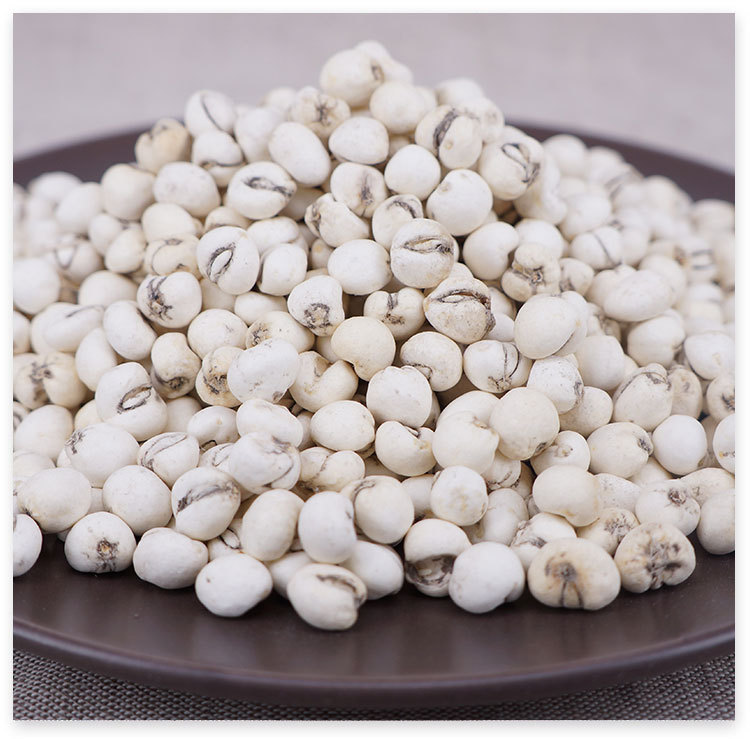
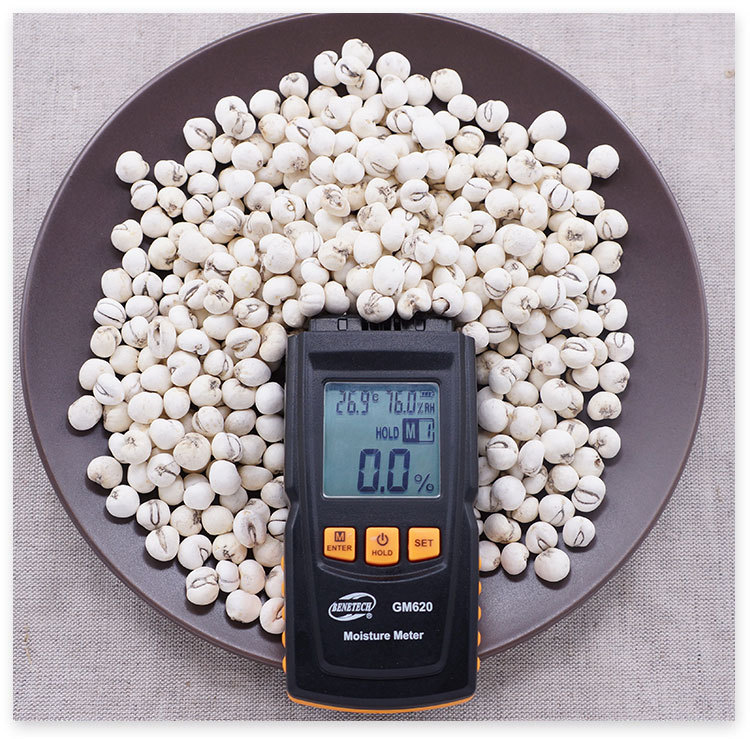
The bulbs are typically small, flat, and off-white to pale yellowish with a firm, starchy texture. They have a faint herbal aroma, and when simmered they typically yield a mild, slightly bitter taste with a subtle sweet finish.
Technical Specifications
| Product Type | Raw Herb |
|---|---|
| Chinese Name | 平贝母 |
| Pinyin | Ping Bei Mu |
| Botanical Name | Fritillaria ussuriensis |
| Plant Part | Bulb |
| Processing | Heat-dried |

Usage Scenarios
- Simmered in traditional herbal decoctions
- Added to slow-cooked soups with pear or other ingredients
- Ground and incorporated into culinary herbal recipes
- Used in seasonal home herbal preparations


Traditional Uses
In traditional Chinese practice, Ping Bei Mu has long been included in lung-focused herbal formulas and home-style preparations. It is commonly simmered with rock sugar and steamed pear as a classic folk preparation, or added to herbal soups and decoctions. Traditionally associated with moistening and clearing, it is a seasonal favorite in autumn and winter herbal cooking.


FAQ Q&A
Q: What is this product?
A: It is whole dried Ping Bei Mu (平贝母), the small bulb of Fritillaria ussuriensis, sold as a raw culinary-grade botanical from Northeast China.
Q: What is its traditional value?
A: In TCM theory, Fritillaria is considered cool in nature and traditionally associated with the lung channel. It has long been used in folk preparations such as steamed pear with rock sugar.
Q: How is it commonly prepared?
A: The bulbs are typically simmered in herbal decoctions, added to slow-cooked soups, or steamed with pear and rock sugar in traditional home recipes.
Additional information
| Weight | N/A |
|---|---|
| Dimensions | N/A |
| Packaging specifications | Xiaopingbei 0 3 1g, Xiaopingbei 0 5 1g |
Related products
-

Dried Raspberry Fruit Fu Pen Zi Whole Berries for Herbal Tea and Wine Infusion 500g
Price range: $15.63 through $18.06 -
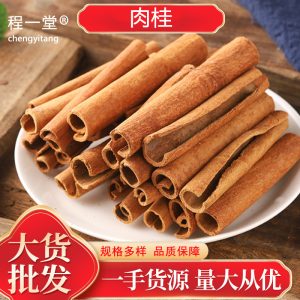
Dried Cinnamon Bark Rou Gui 500g Whole Peeling Culinary Spice and Traditional Herbal Ingredient
Price range: $5.58 through $8.33 -
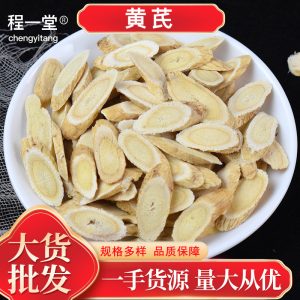
Astragalus Root Slices Huang Qi 斜片 Dried Herb for Decoction Soup and Tea 500g
Price range: $6.06 through $19.51 -
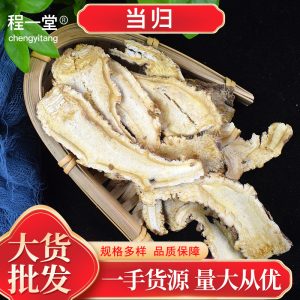
Dried Angelica Sinensis Slices Dang Gui 当归 500g Gansu Raw Herb for Decoction Soup and Tea
Price range: $16.44 through $35.88
Reviews
There are no reviews yet.