
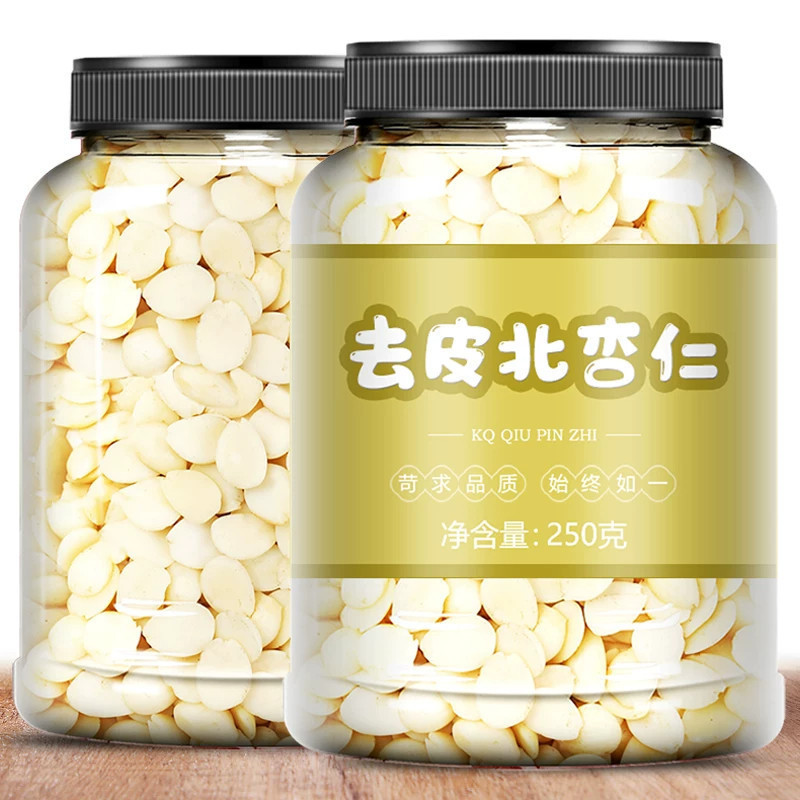
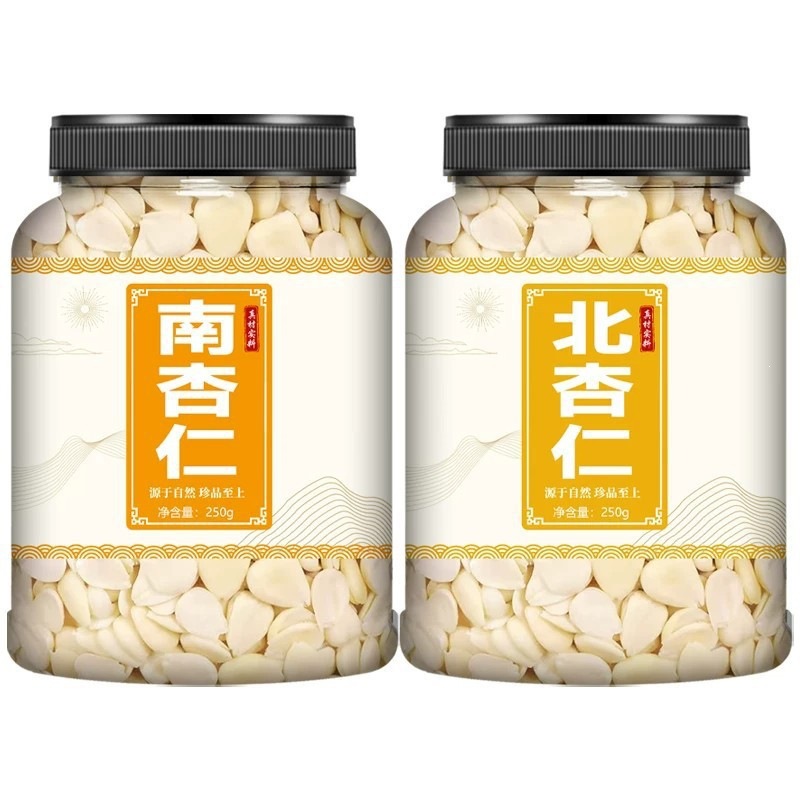
Peeled Bitter Apricot Kernels Bei Xing Ren Dried Herbal Tea Ingredient 500g
Description
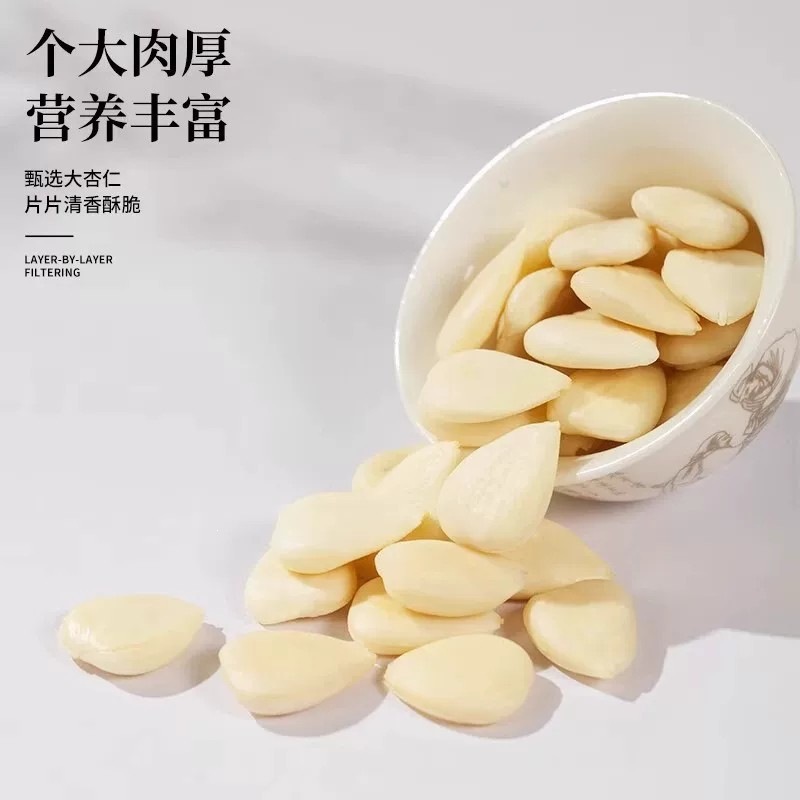
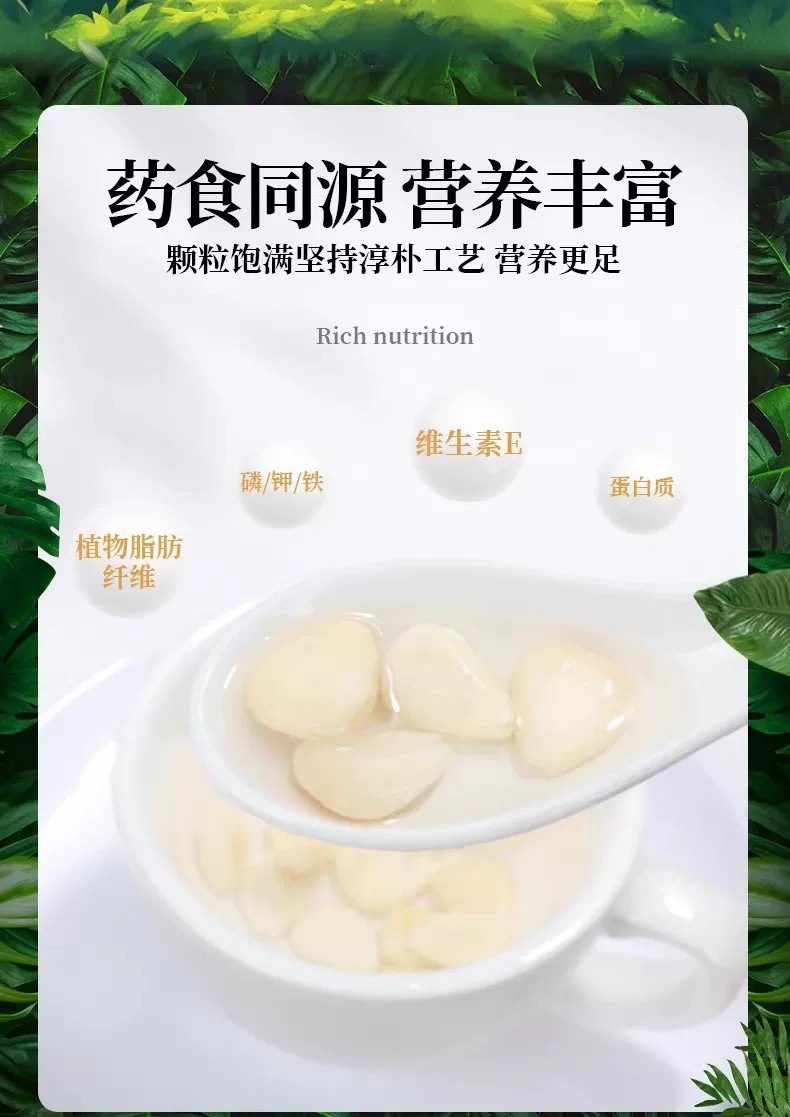
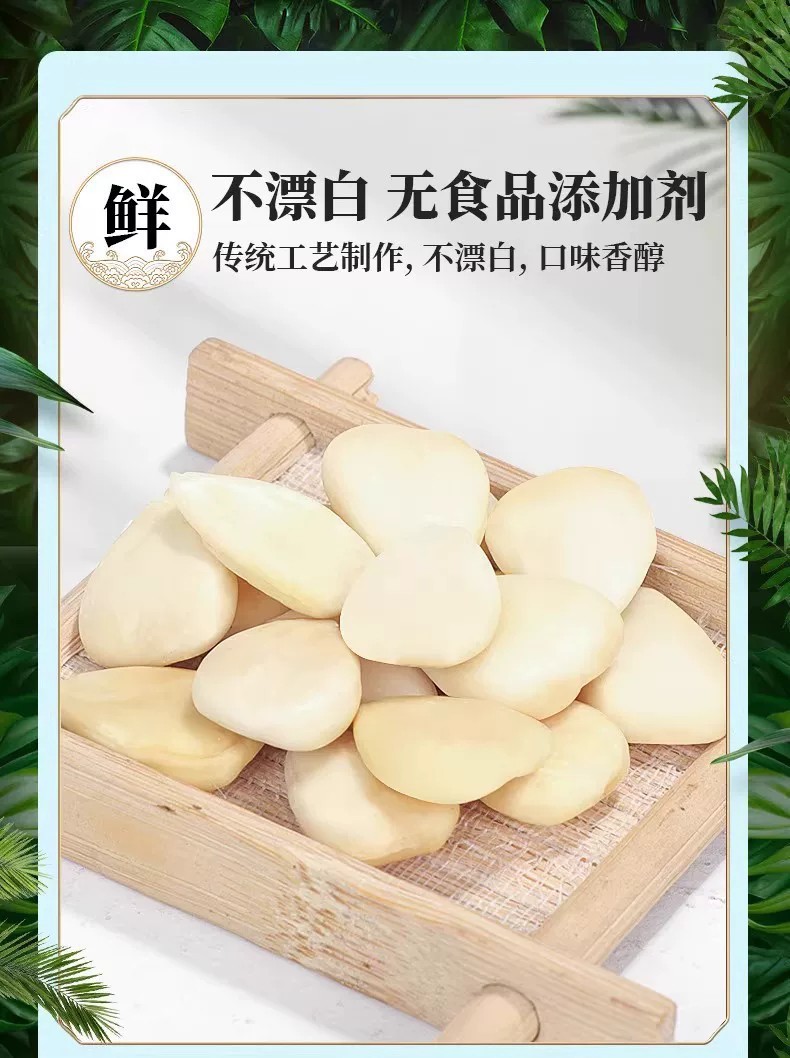
Peeled Bitter Apricot Kernels, known in TCM as Bei Xing Ren (北杏仁), from Prunus armeniaca. These dried, skinless, tip-removed kernel pieces are a traditional Chinese herbal ingredient. In TCM theory, bitter apricot kernel is associated with the Lung channel, with a bitter flavor and slightly warm nature. Traditionally used in decoctions and soups, it should be used in modest amounts and fully cooked before consumption.
Key Selling Points
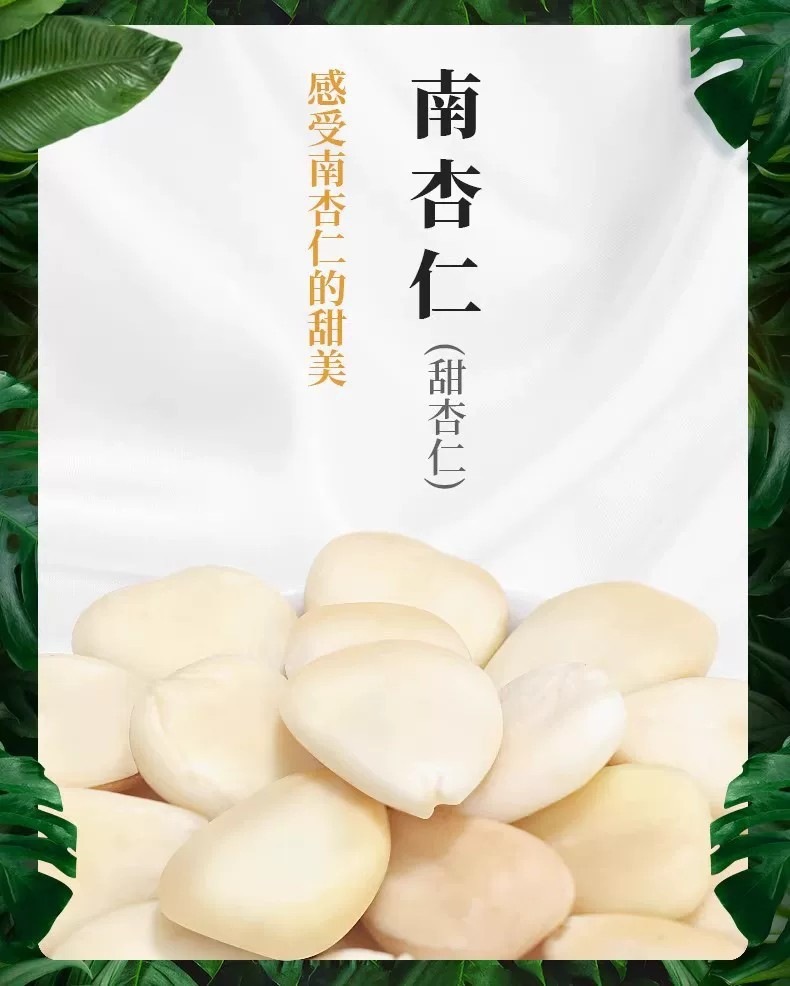
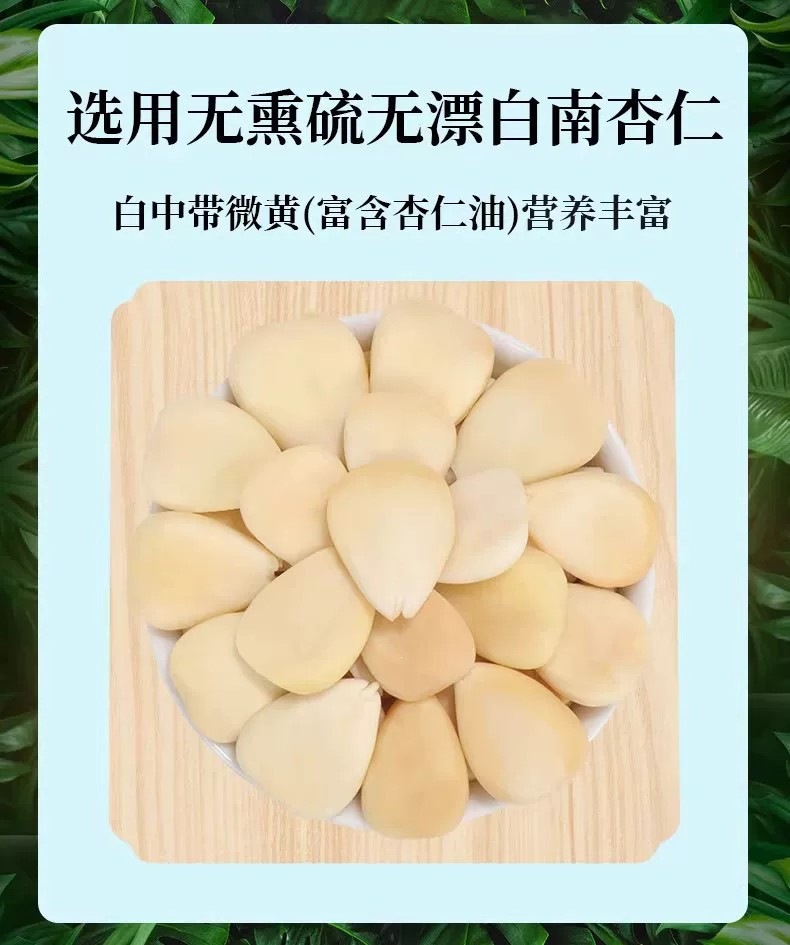
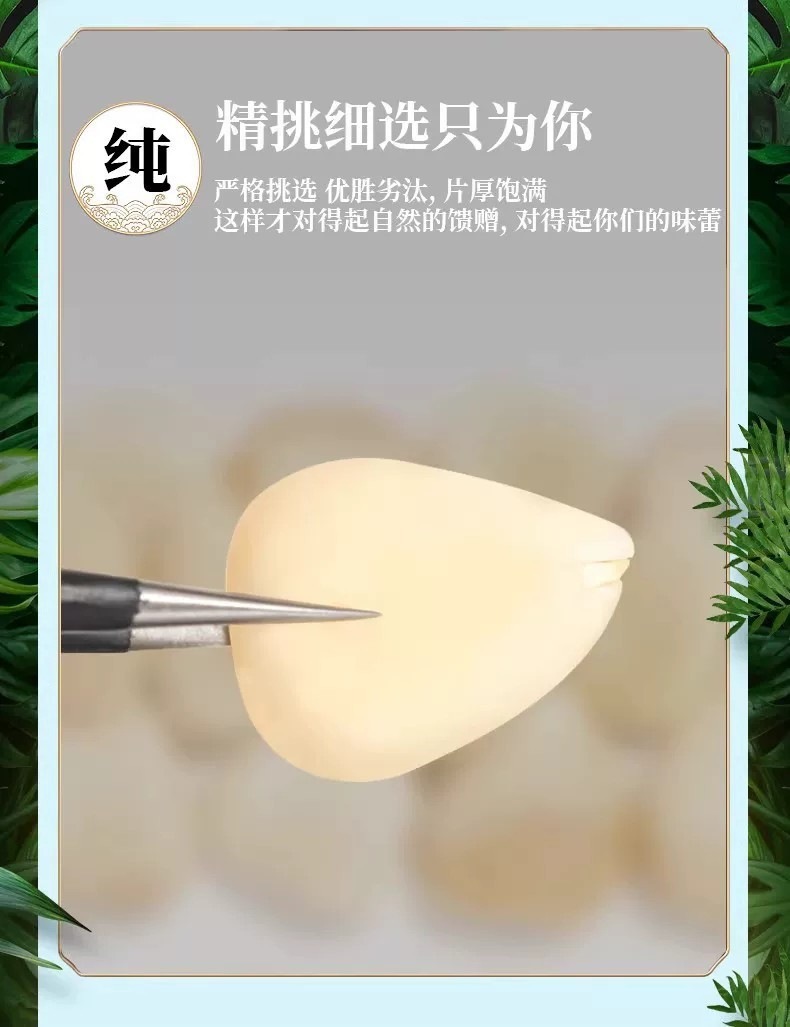
- Peeled and tip-removed bitter apricot kernels for convenient use
- Traditional Chinese herbal ingredient known as Bei Xing Ren
- Dried using a simple sun-drying process
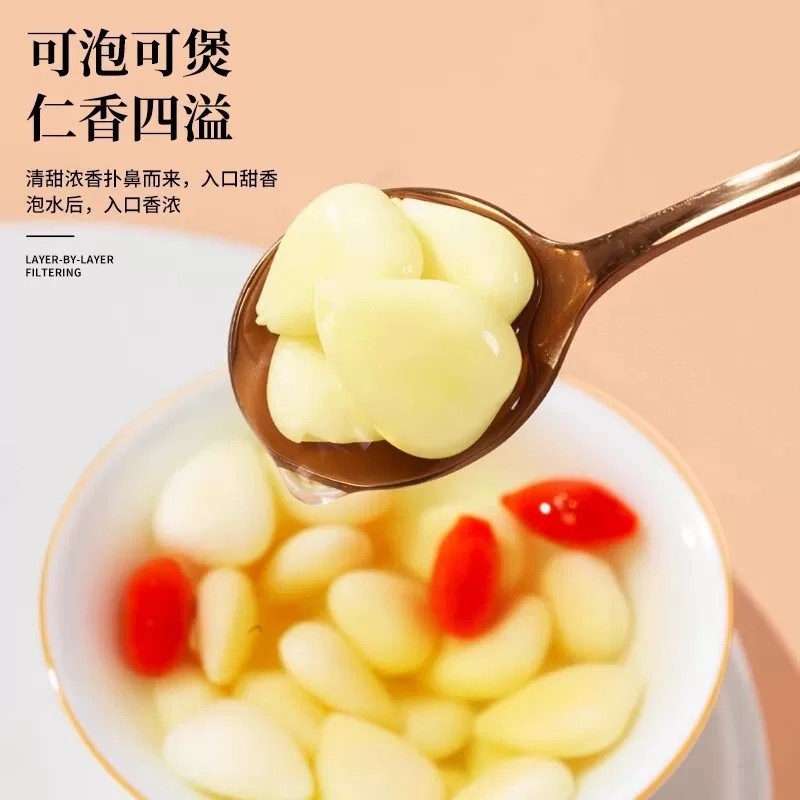
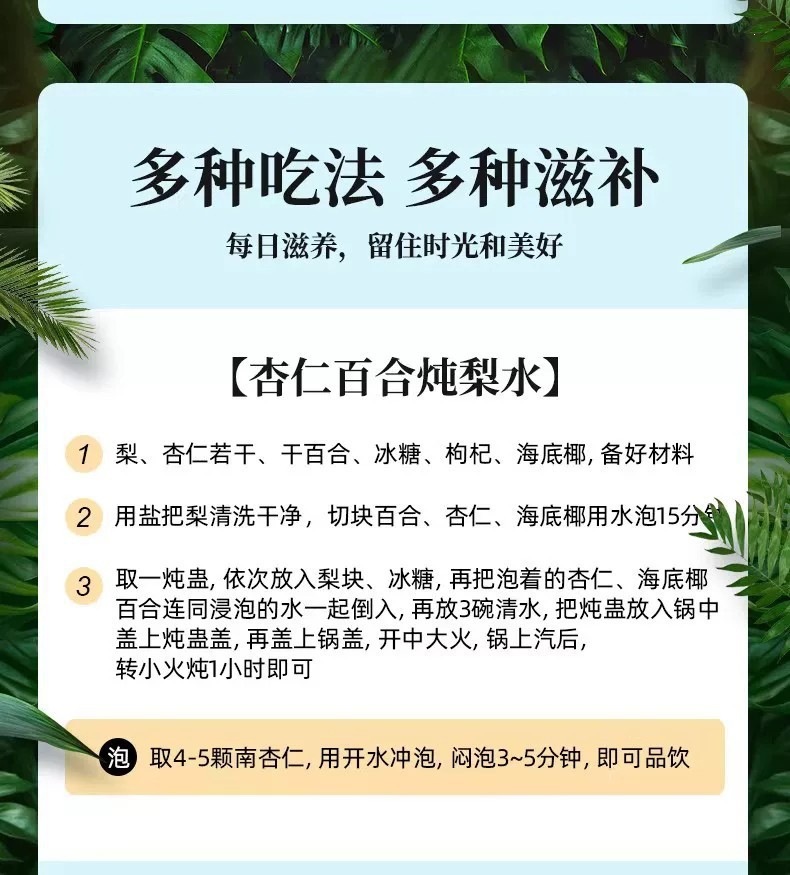
- Suitable for decoctions, soups, and congee
- Two-can pack totaling 500g
Quality & Sensory
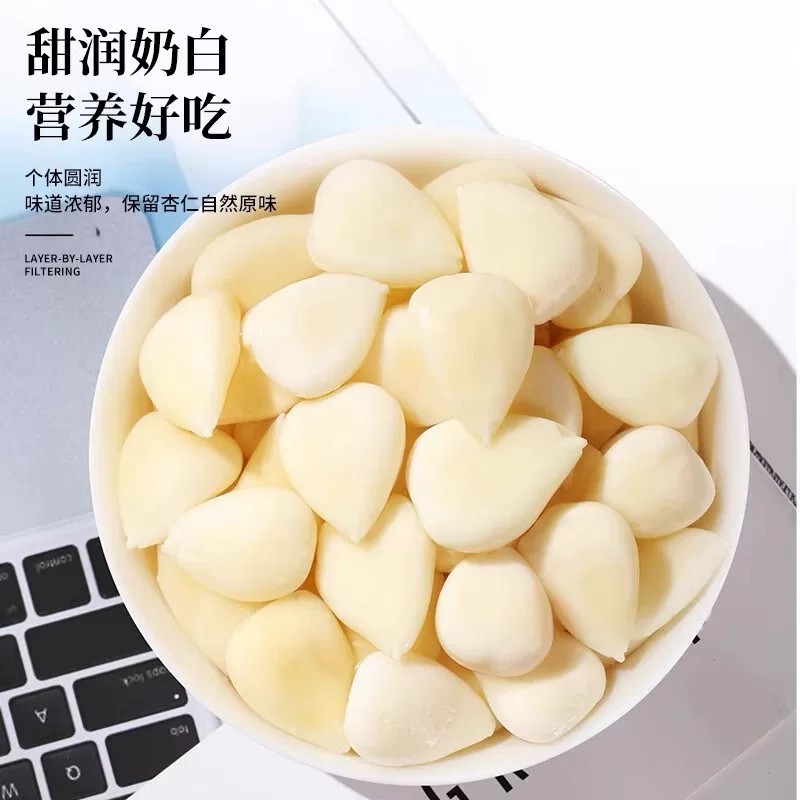
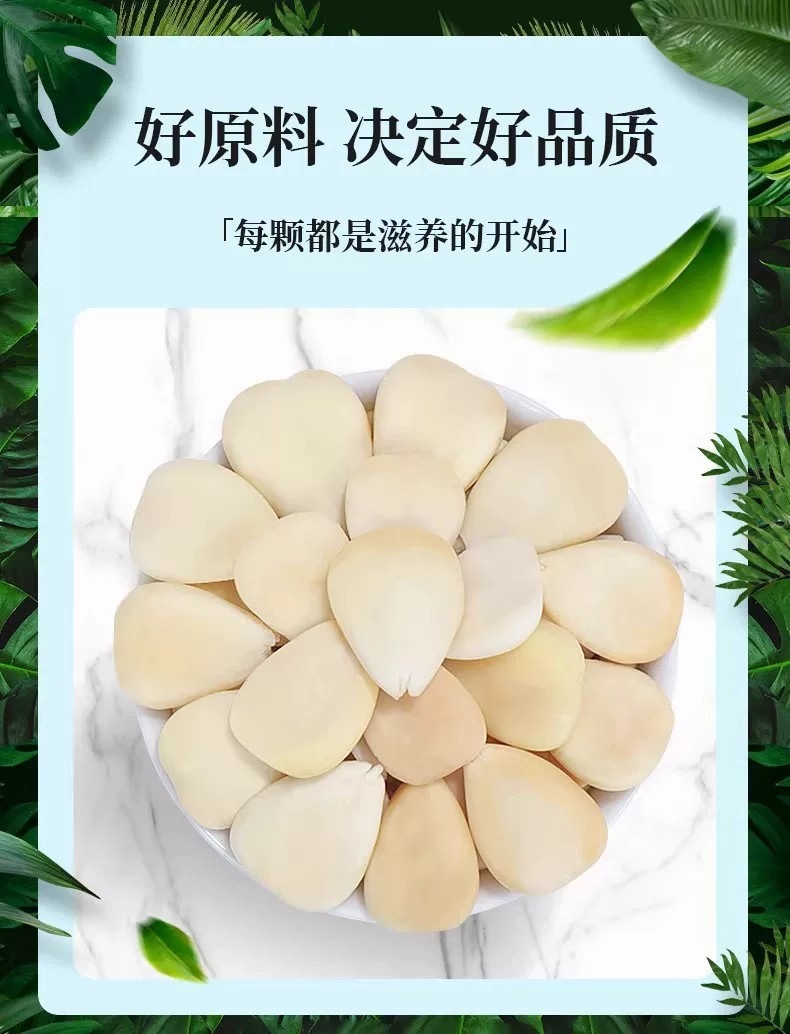
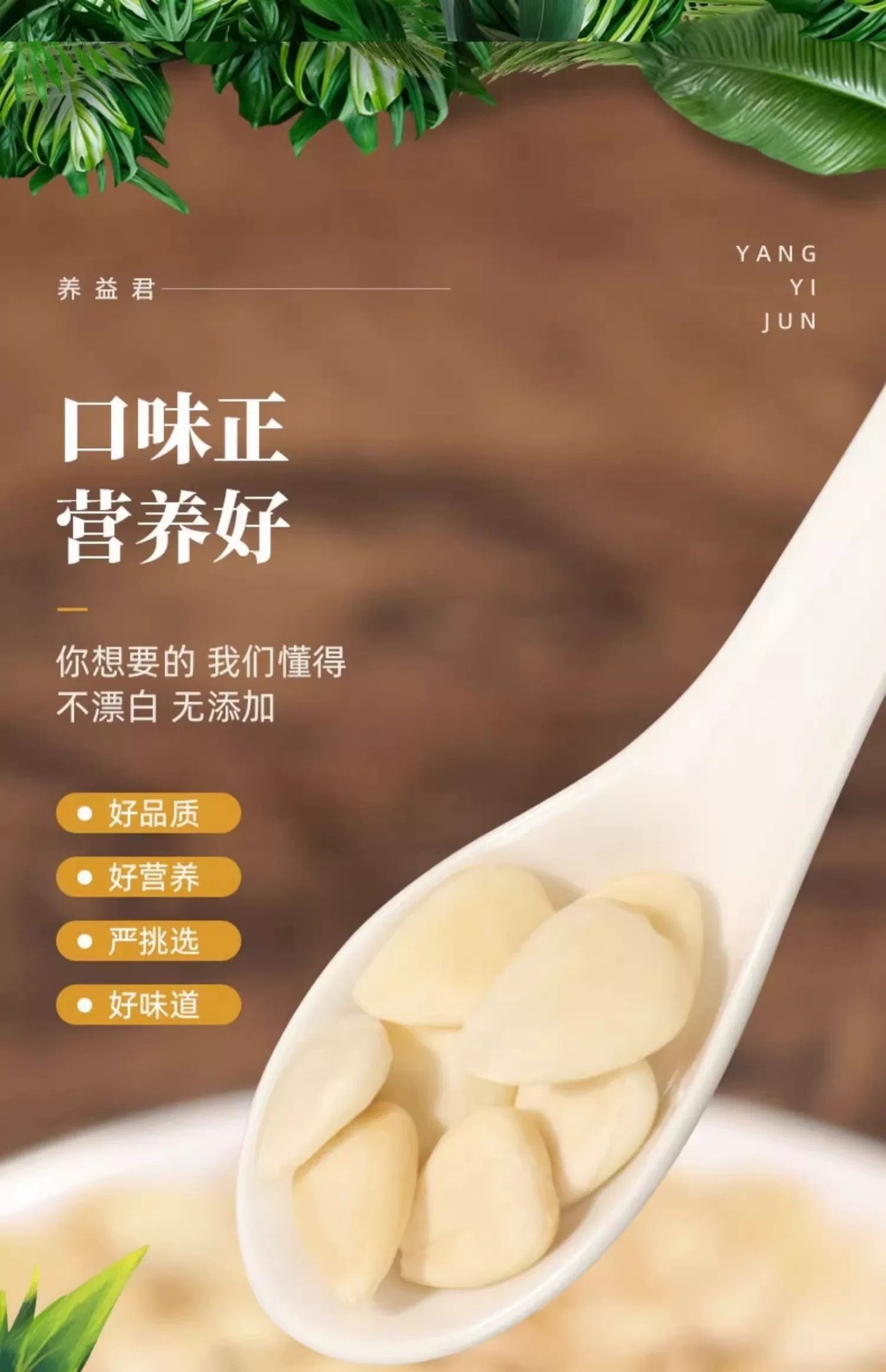
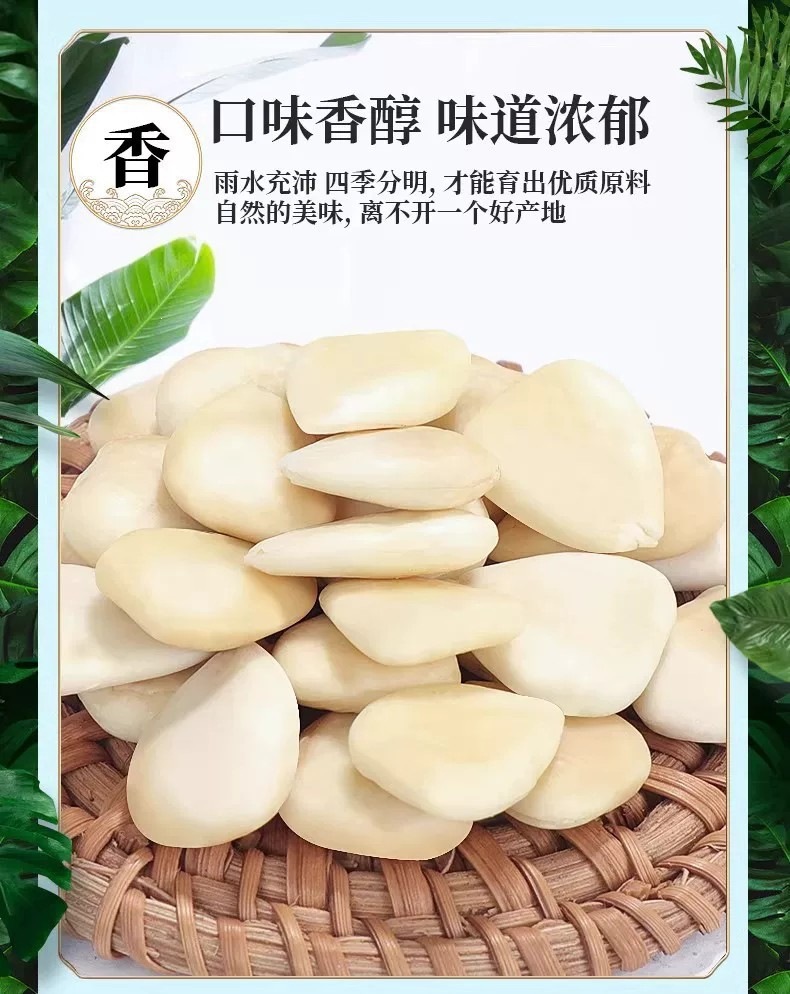
The kernels are typically pale cream to light tan with a smooth, firm texture after peeling. They have a mild, faintly nutty aroma. When cooked or decocted, the flavor is gently bitter and nutty, softening with longer simmering.

Technical Specifications
| Product Type | Dried herbal ingredient |
|---|---|
| Chinese Name | 北杏仁 |
| Pinyin | Bei Xing Ren |
| Botanical Name | Prunus armeniaca |
| Plant Part | Kernel |
| Form | Peeled, tip-removed dried kernels |
Usage Scenarios
- Add to traditional herbal decoctions
- Simmer in soups
- Cook into congee
- Use in seasonal home cooking
Traditional Uses
In TCM theory, bitter apricot kernel is traditionally used in decoctions for Lung-related formulas and is often paired with sweet apricot kernel. It is also added to soups and congee in folk practice. Because of its bitter nature, it is traditionally used in small amounts and always fully cooked.
FAQ Q&A
Q: What is this product?
A: It is dried, peeled, tip-removed bitter apricot kernels, known in TCM as Bei Xing Ren (北杏仁), from Prunus armeniaca.
Q: What is its traditional value?
A: In TCM theory, bitter apricot kernel is associated with the Lung channel and a bitter, slightly warm nature. It is traditionally used in herbal decoctions and soups.
Q: How is it commonly prepared?
A: It is typically simmered in decoctions, soups, or congee. It should be fully cooked and used in modest amounts.
Additional information
| Model | 1罐 去皮北杏仁 250g 1罐, 2罐 去皮南杏仁 去皮北杏仁500克 1组, 2罐 去皮北杏仁 250g 2罐, 3罐 去皮北杏仁 250g 3罐, 4罐 去皮北杏仁 250g 4罐, 1罐 去皮南杏仁 250g 1罐, 2罐 去皮南杏仁 250g 2罐 |
|---|
Related products
-
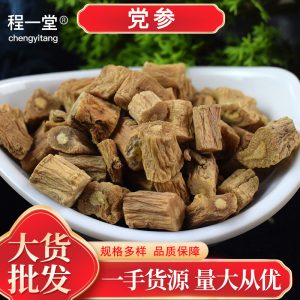
Dried Codonopsis Root Slices Dang Shen 500g Bulk Supply for Soups and Herbal Decoctions
Price range: $10.28 through $18.06 -
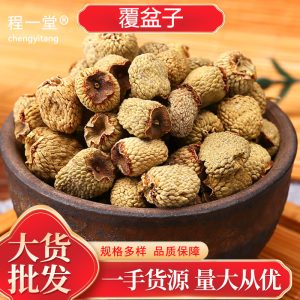
Dried Raspberry Fruit Fu Pen Zi Whole Berries for Herbal Tea and Wine Infusion 500g
Price range: $15.63 through $18.06 -
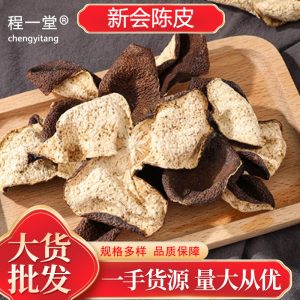
Xinhui Chenpi Dried Tangerine Peel 500g Sun Dried Aged Peel for Soup and Tea
Price range: $60.19 through $116.90 -
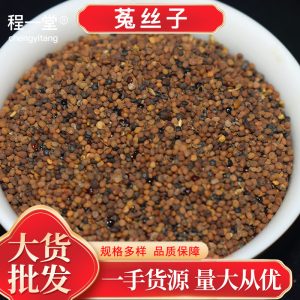
Dried Dodder Seed Tu Si Zi Whole Herb 500g Bulk Chinese Herbal Ingredient
Price range: $7.04 through $7.52
Reviews
There are no reviews yet.