
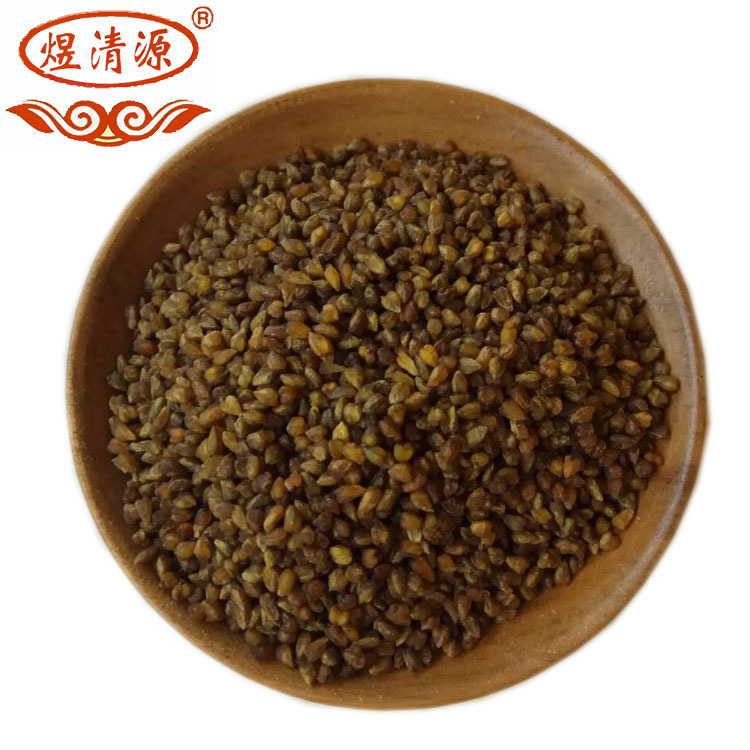
Low Temperature Roasted Tartary Buckwheat Groats Whole Grain for Soy Milk and Congee
$6.44
589 in stock
Description
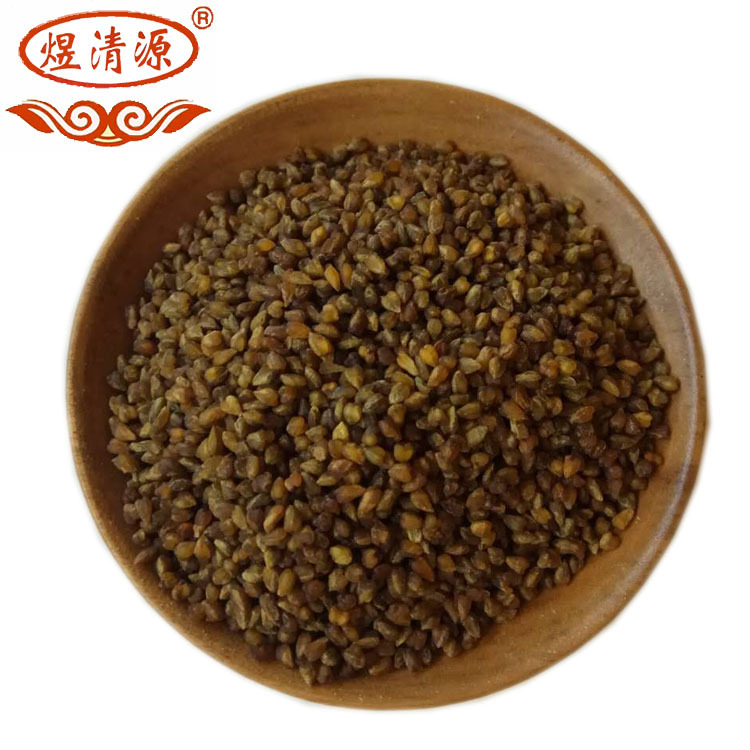
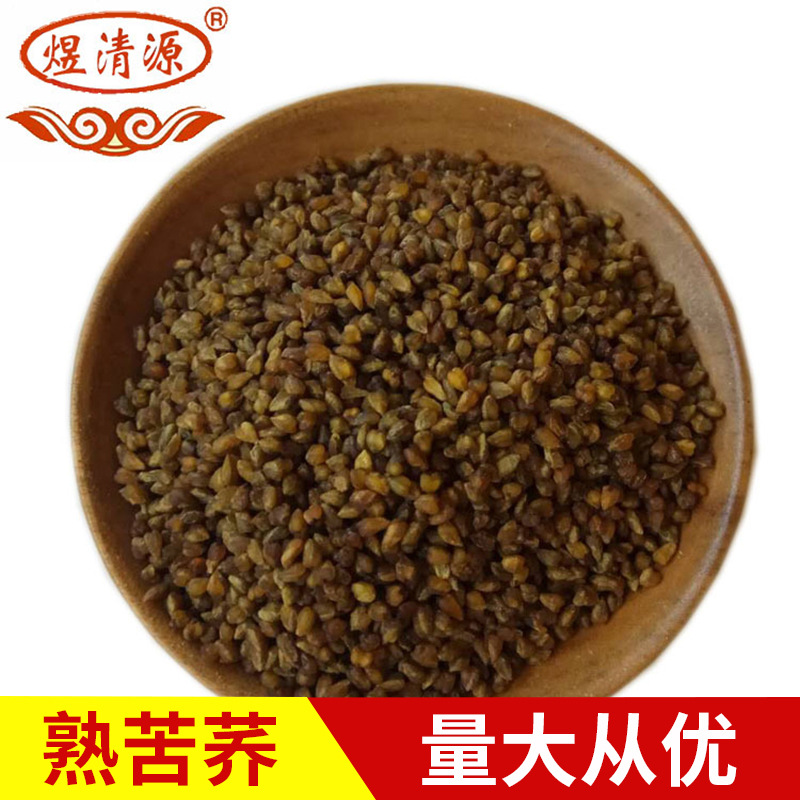
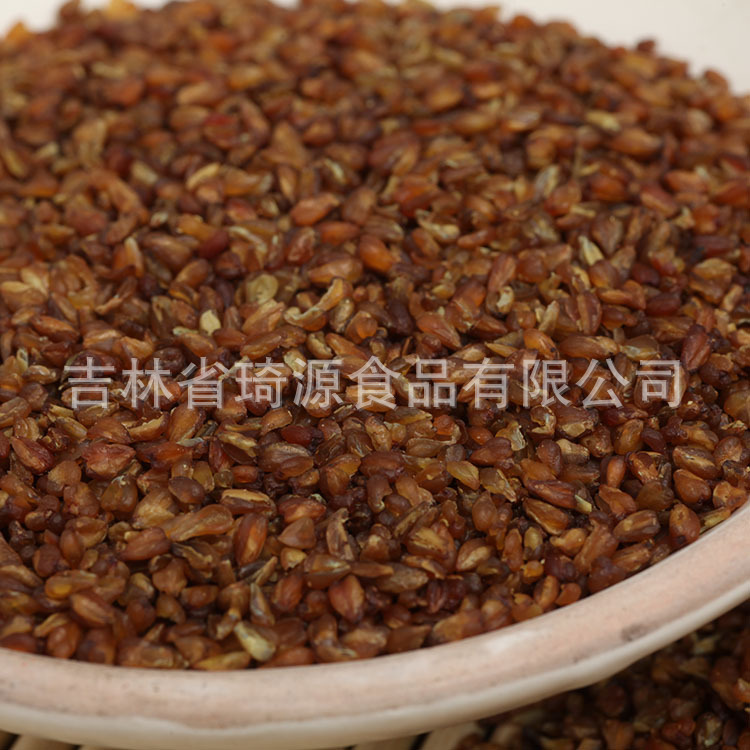
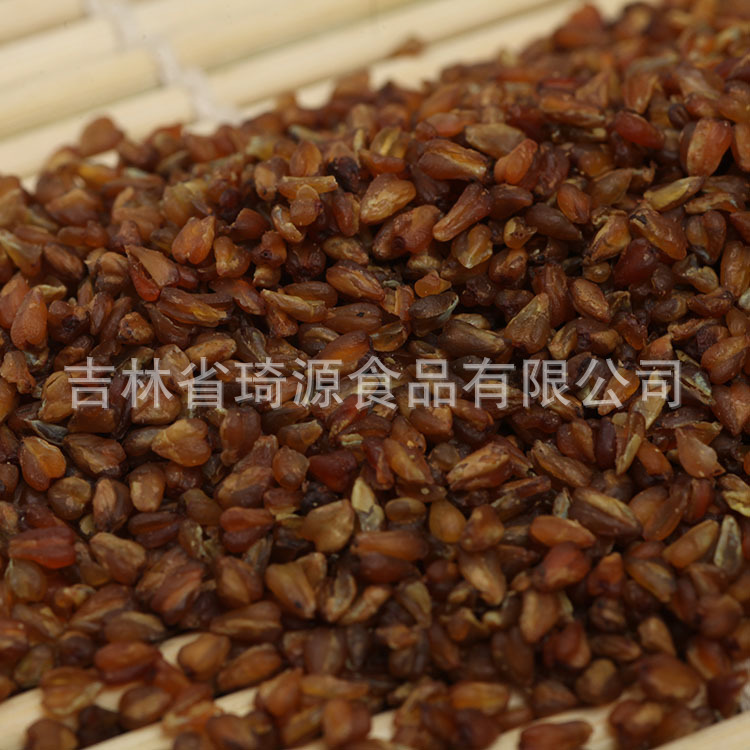
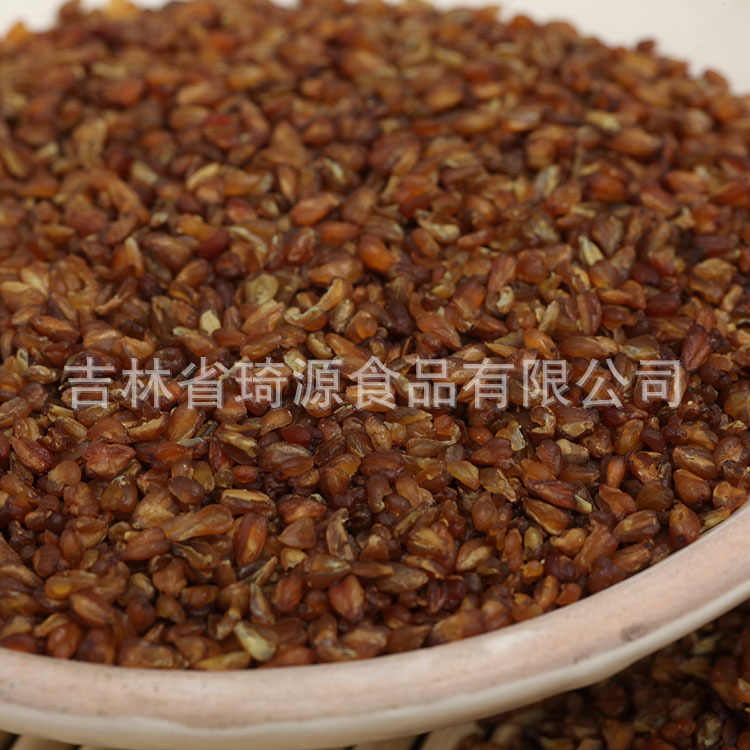
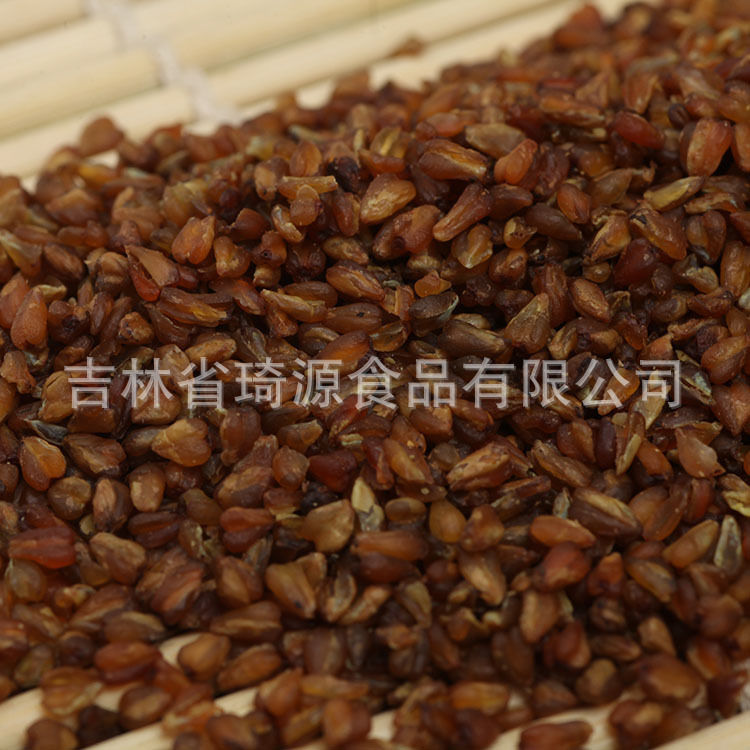
Low-temperature roasted Tartary Buckwheat, known in TCM as Ku Qiao (苦荞) and botanically as Fagopyrum tataricum, is a whole-grain seed product from Northeast China. In TCM theory it is considered cool in nature with a sweet and slightly bitter flavor, traditionally associated with the Stomach and Large Intestine channels. It is commonly used as a nourishing grain for daily congee, tea, and soy milk preparation.


Key Selling Points
- Identifiable Tartary Buckwheat (苦荞 Ku Qiao) whole grain
- Low-temperature roasting preserves natural grain character
- Northeast China origin with normal color and aroma
- Versatile whole grain for soy milk, congee, and tea
- Bulk 5-jin packaging suitable for mixed wholesale orders
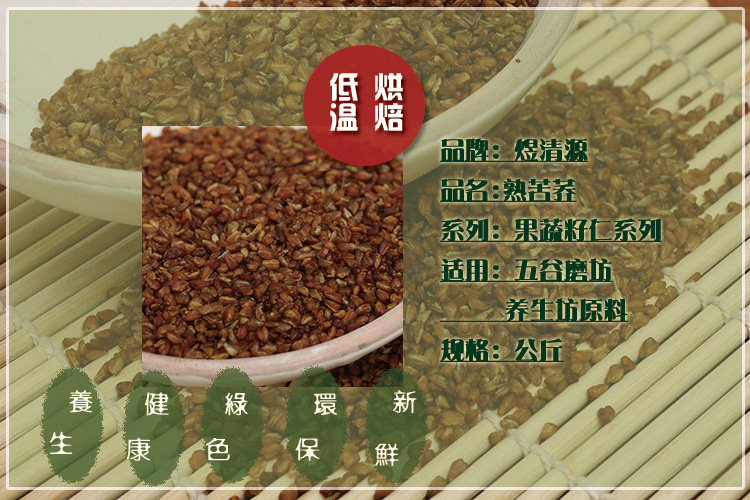

Quality & Sensory
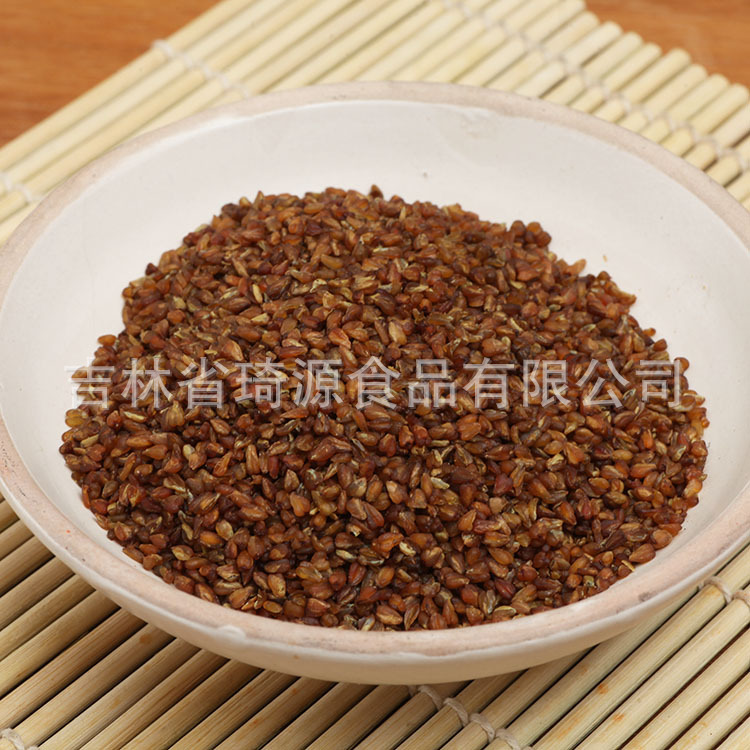
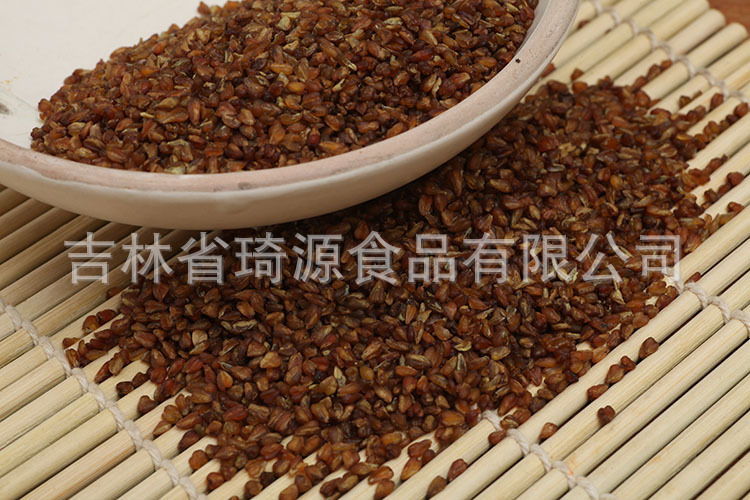
The grains are typically small, angular, and dark golden to brown in color with a dry, firm texture. They have a mild roasted aroma and a slightly bitter, nutty taste when brewed or cooked, with a smooth mouthfeel in congee or soy milk.
Technical Specifications
| Product Type | Roasted whole grain |
|---|---|
| Chinese Name | 苦荞 |
| Pinyin | Ku Qiao |
| Botanical Name | Fagopyrum tataricum |
| Plant Part | Seed |
| Origin | Northeast China |
Usage Scenarios
- Cooked as a whole-grain congee
- Blended into homemade soy milk
- Brewed as a roasted grain tea
- Added to multigrain rice or soup


Traditional Uses
In TCM and folk practice, Tartary Buckwheat is traditionally used as a cooling grain to support digestive balance. It is commonly cooked into congee, brewed as a daily tea, or combined with other whole grains for seasonal nourishment. It is also a traditional ingredient in multigrain blends for everyday meals.
FAQ Q&A
Q: What is this product?
A: It is low-temperature roasted Tartary Buckwheat (苦荞 Ku Qiao), a whole-grain seed from Northeast China.
Q: What is its traditional value?
A: In TCM theory it is considered cool in nature with a sweet and slightly bitter flavor, traditionally associated with digestive balance.
Q: How is it commonly prepared?
A: It is typically cooked into congee, blended into soy milk, or brewed as a roasted grain tea.

Additional information
| Weight | 2.5 kg |
|---|---|
| Dimensions | 20 × 15 × 10 cm |
Related products
-
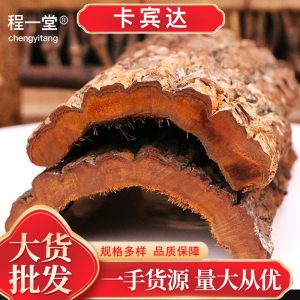
Cabinda Bark Dried Herb 500g Traditional Herbal Infusion Ingredient
Price range: $12.38 through $37.50 -
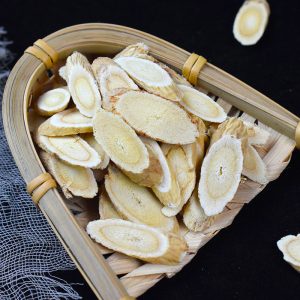
Astragalus Root Slices Huang Qi 500g Dried Herb for Soups and Teas
Price range: $7.36 through $22.11 -
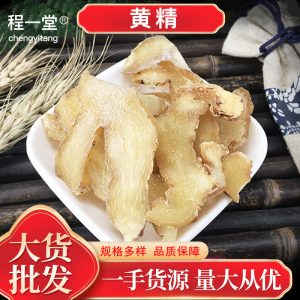
Dried Huang Jing Slices Polygonatum Rhizome Chicken Head Huang Jing 500g Bulk Herbal Tea and Soup Ingredient
Price range: $9.14 through $18.87 -
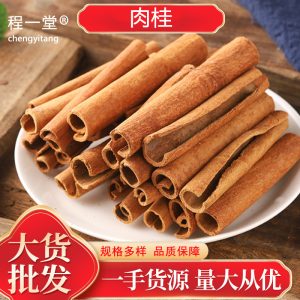
Dried Cinnamon Bark Rou Gui 500g Whole Peeling Culinary Spice and Traditional Herbal Ingredient
Price range: $5.58 through $8.33
Reviews
There are no reviews yet.