
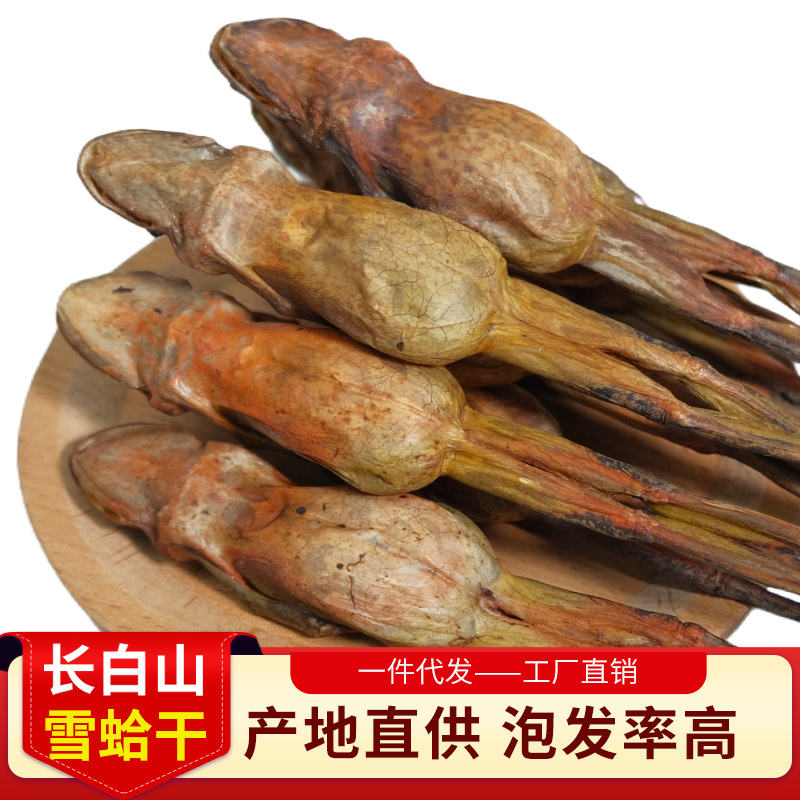
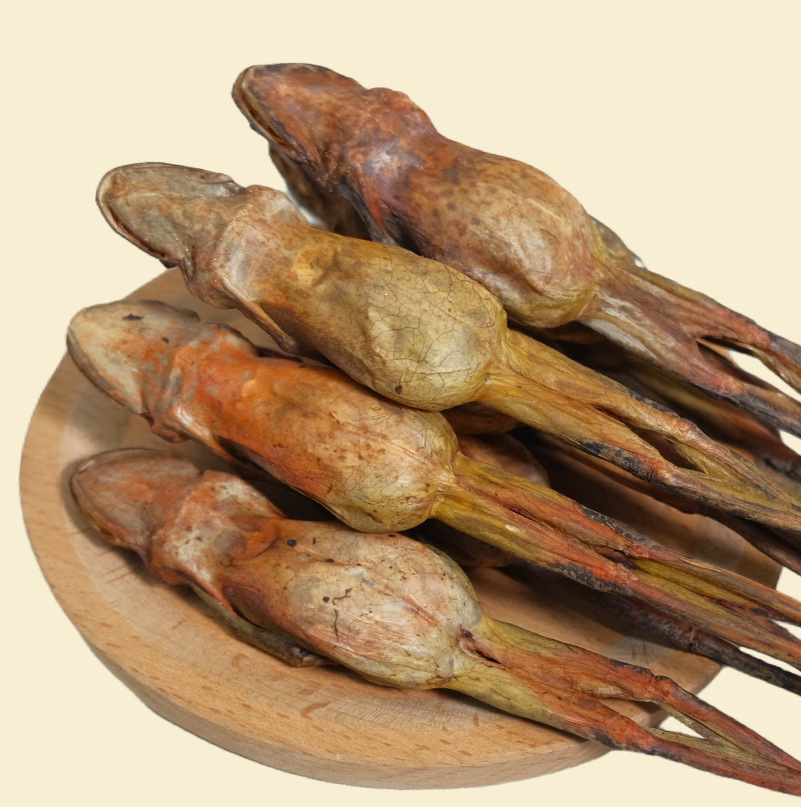
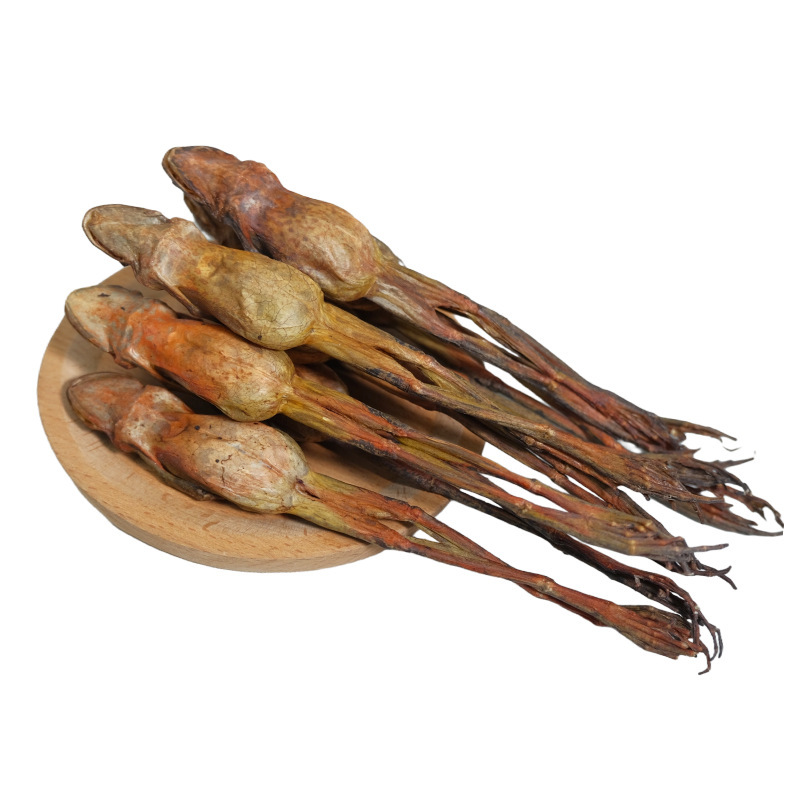
Dried Snow Frog Whole Rana Dried Chinese Forest Frog Traditional TCM Ingredient for Soup and Decoction
Price range: $7.86 through $15.55
Description
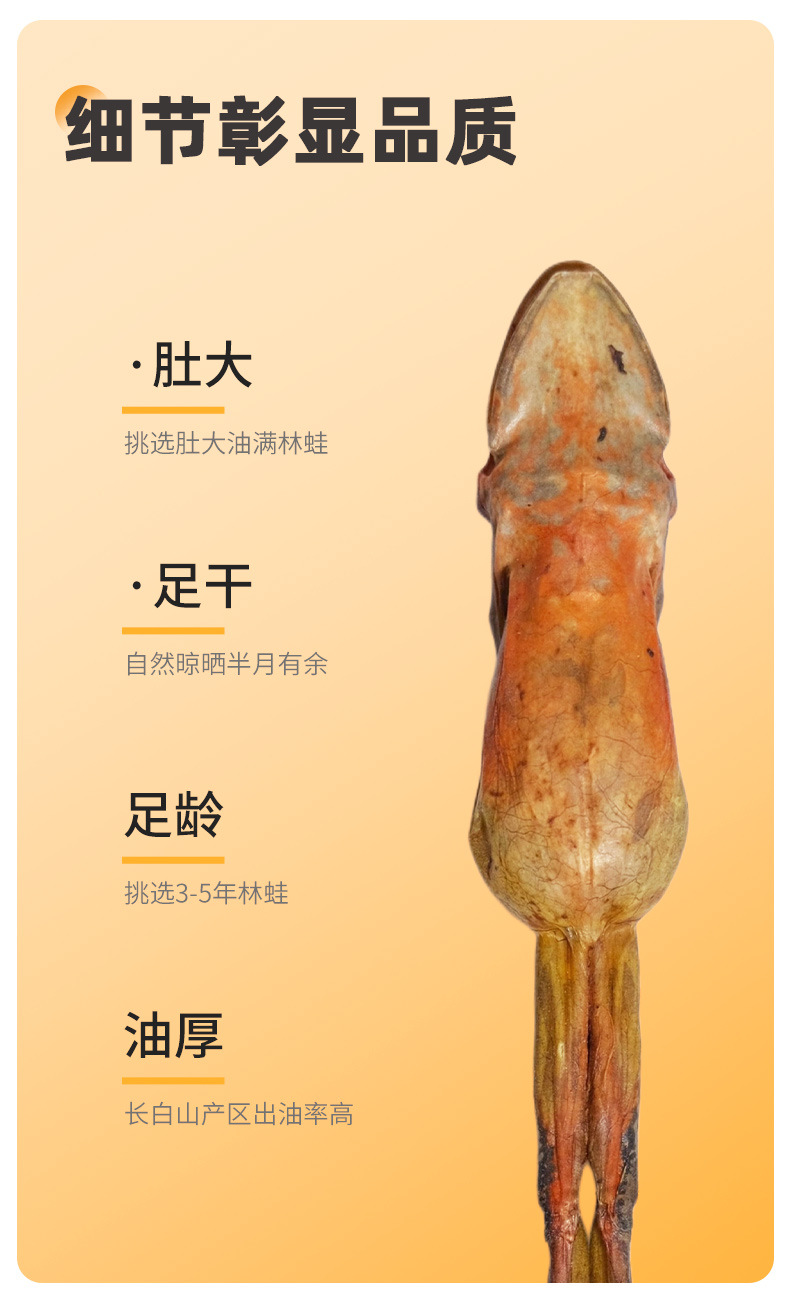
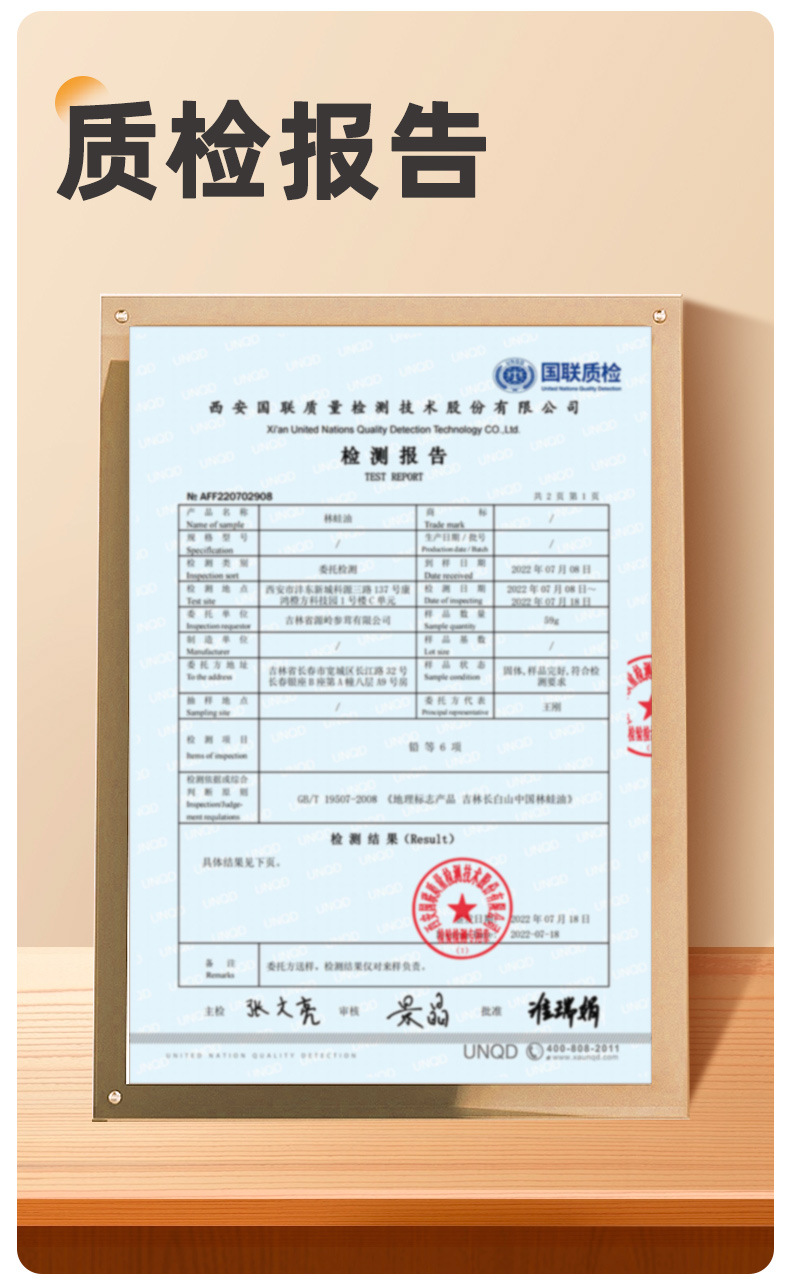
Dried Snow Frog, known in TCM as Xue Ha (雪蛤), is the dried whole body of the Chinese forest frog, Rana temporaria chensinensis, sourced from Changbai Mountain in Jilin. Traditionally used in TCM as a yin-nourishing tonic, it is valued for its mild sweet and neutral nature. Commonly prepared in soups and decoctions, it is a traditional ingredient for middle-aged and older adults seeking gentle wellness support.
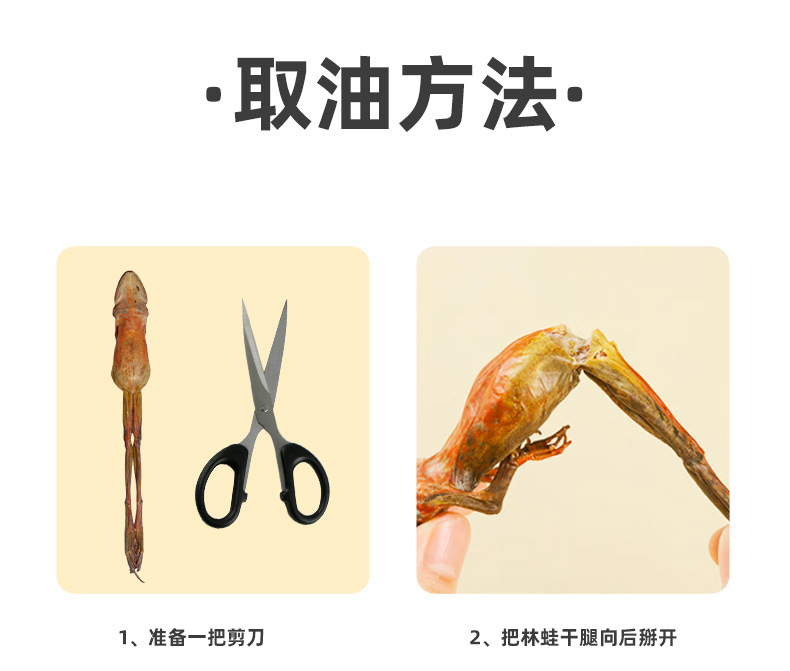
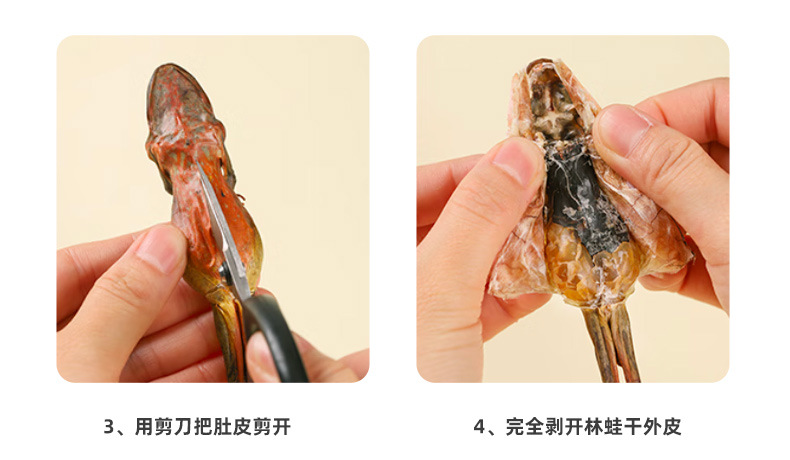
Key Selling Points
- Whole dried Chinese forest frog from Changbai Mountain, Jilin
- Traditional TCM yin-nourishing tonic ingredient
- Dried whole body form for soup and decoction preparation
- Sourced from a recognized northern Chinese herbal region
- Suitable for middle-aged and older adults in traditional wellness routines
Quality & Sensory
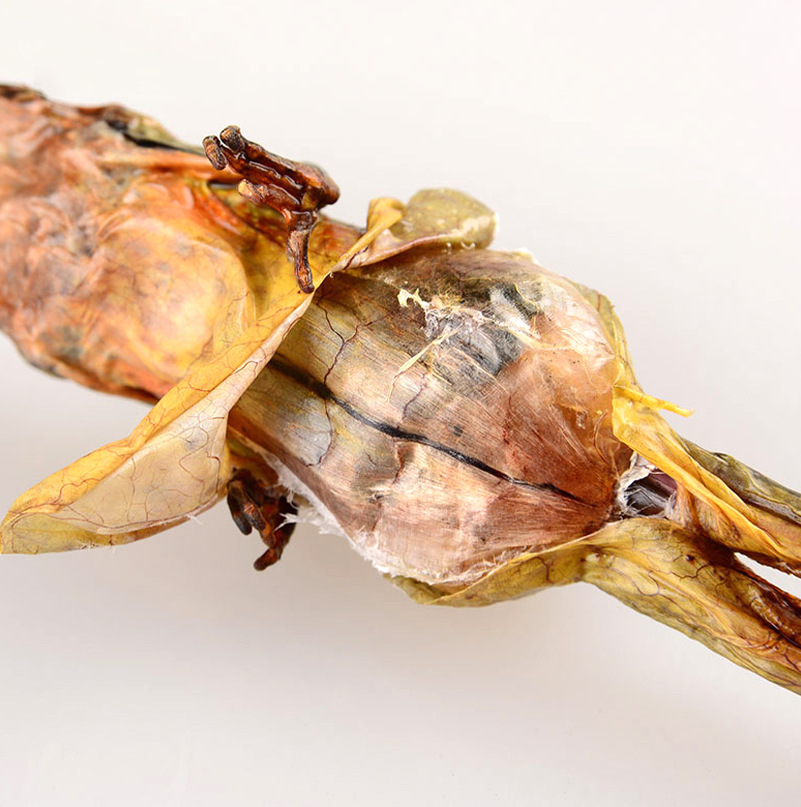
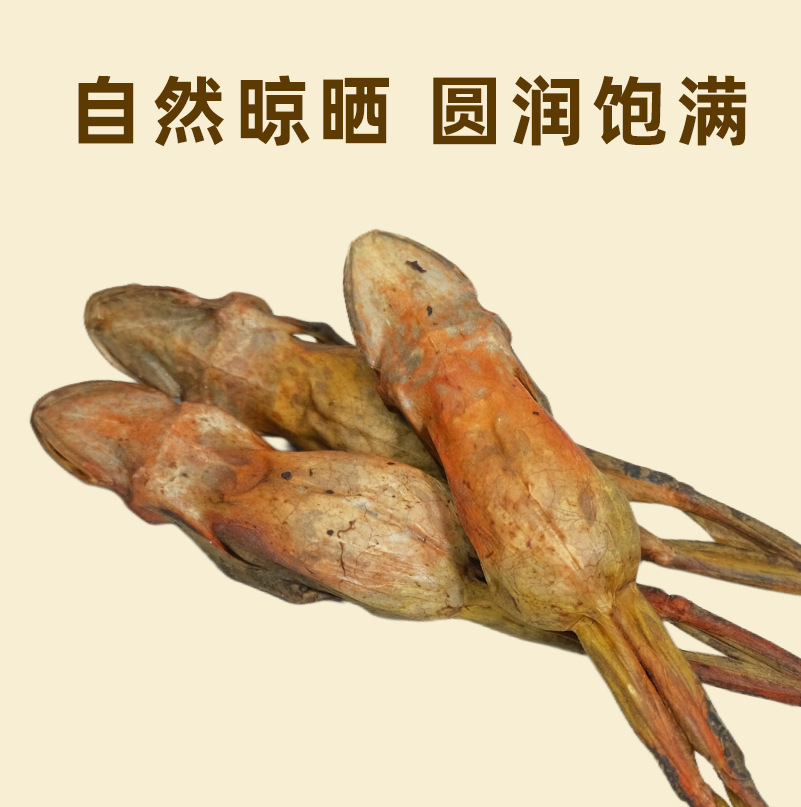
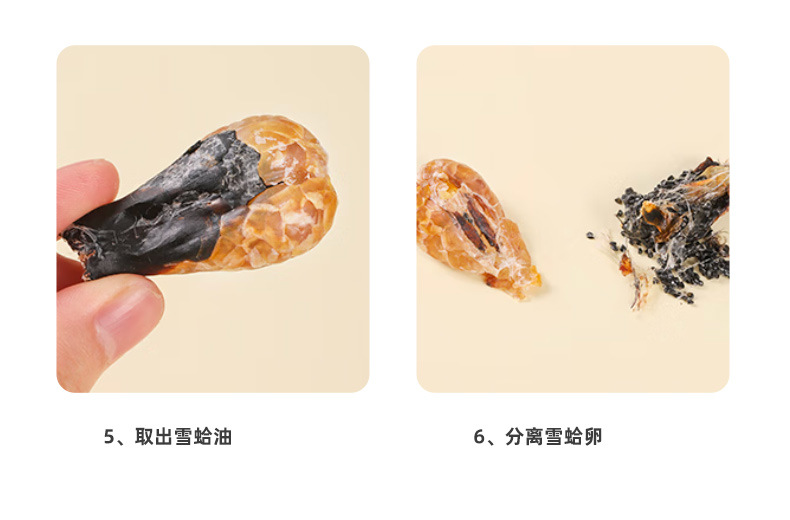
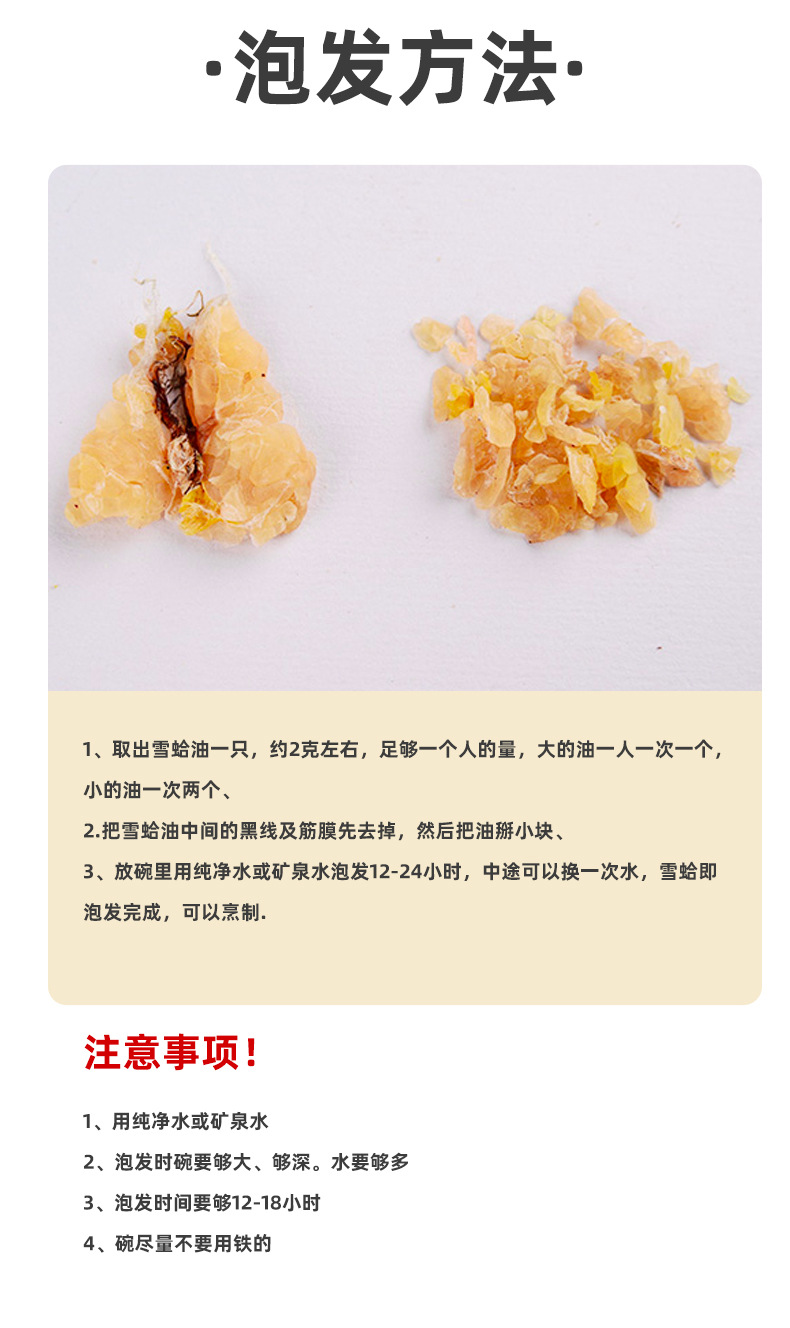
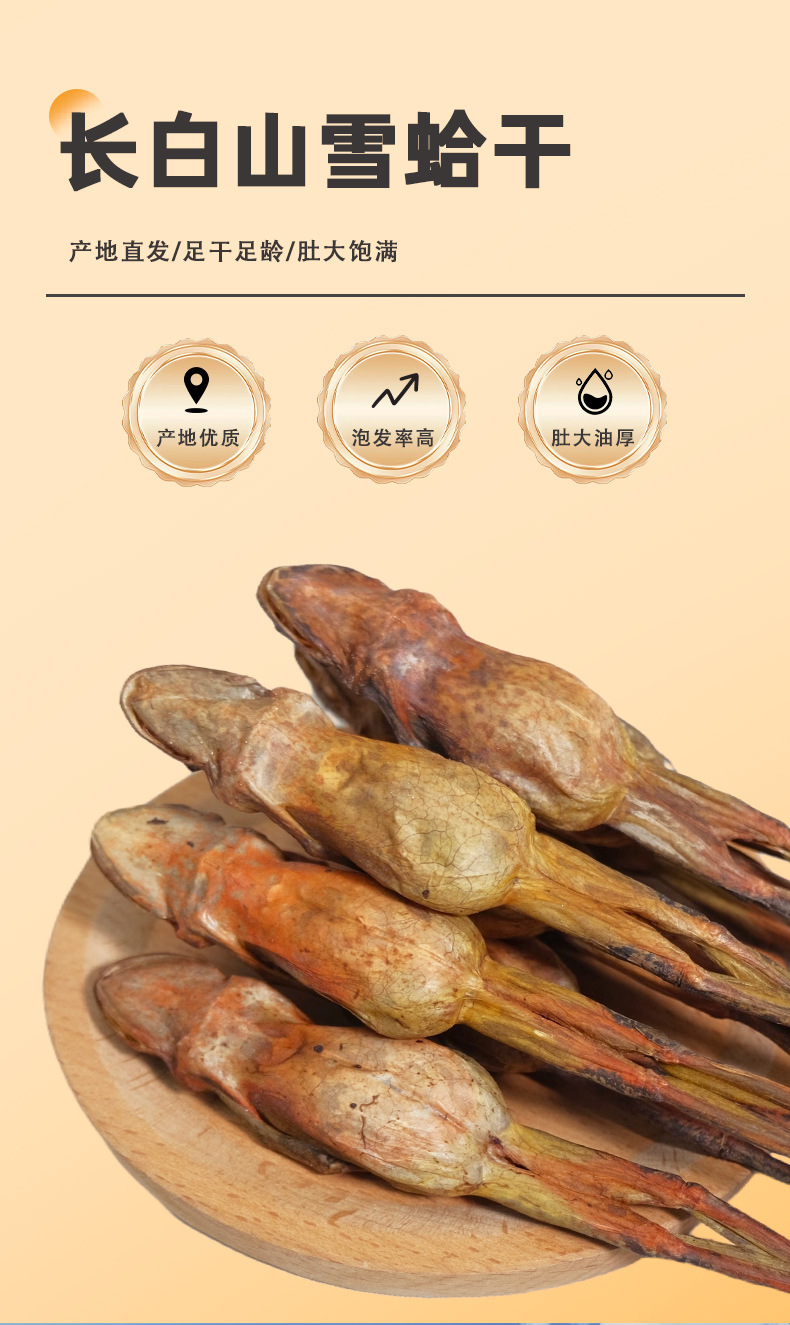
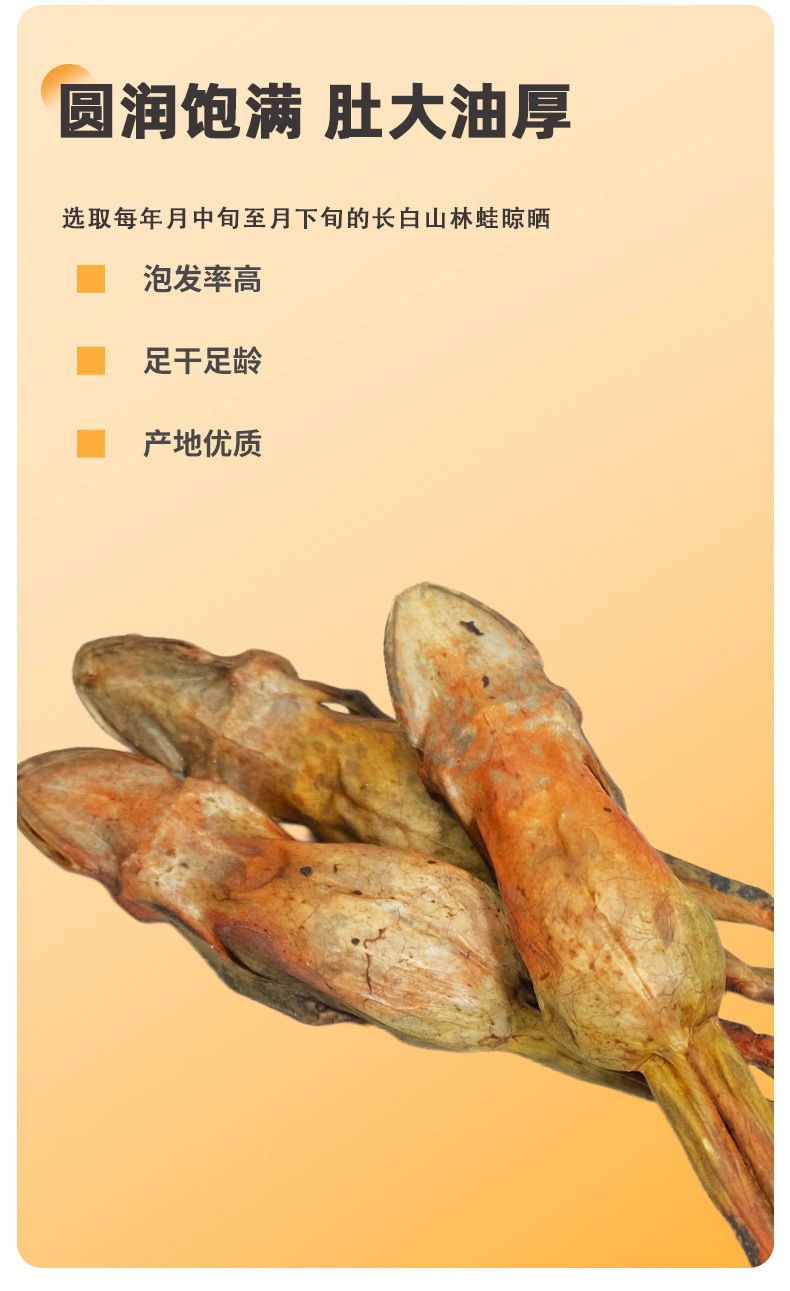
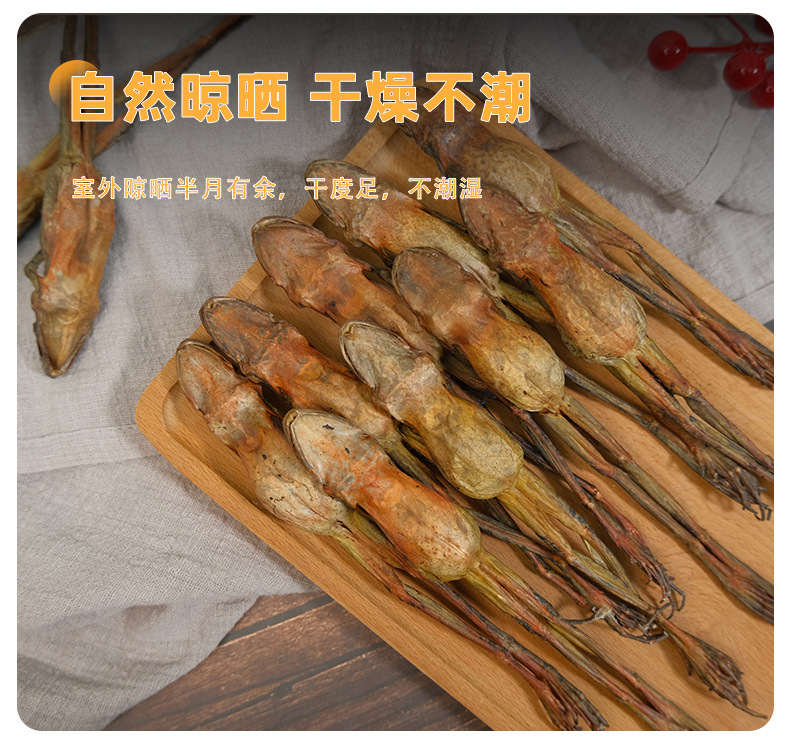
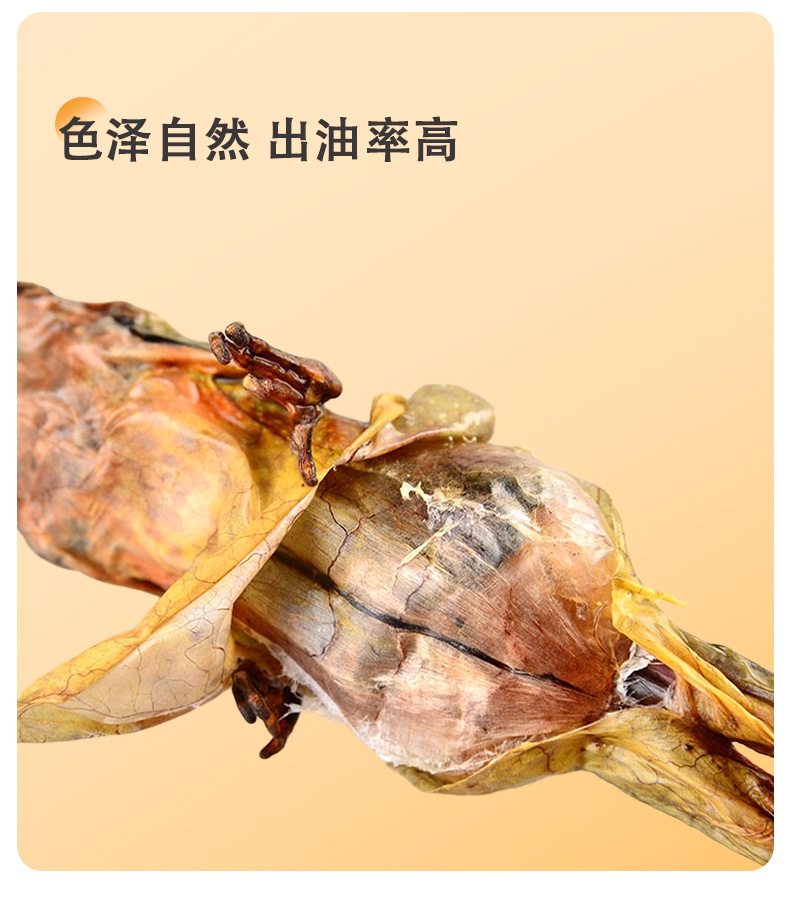
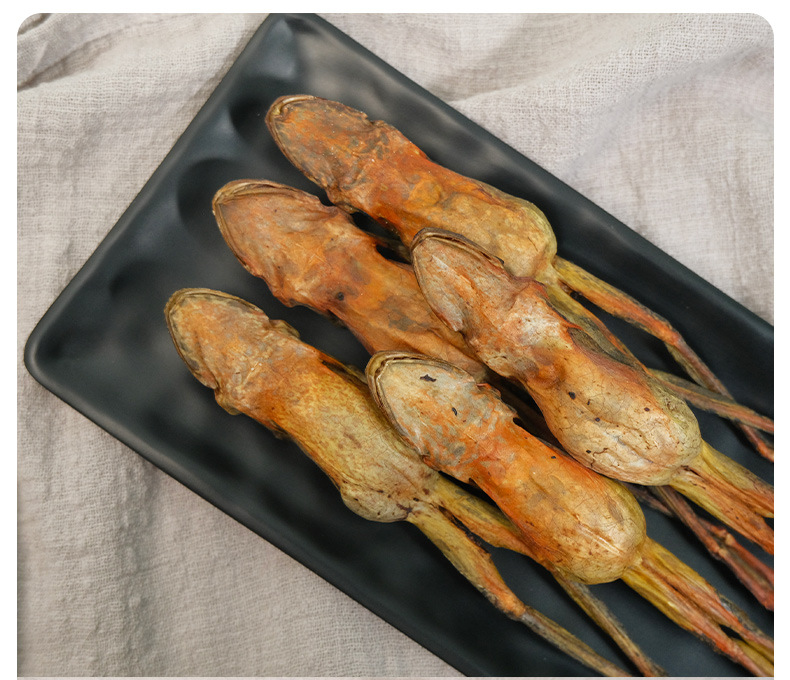
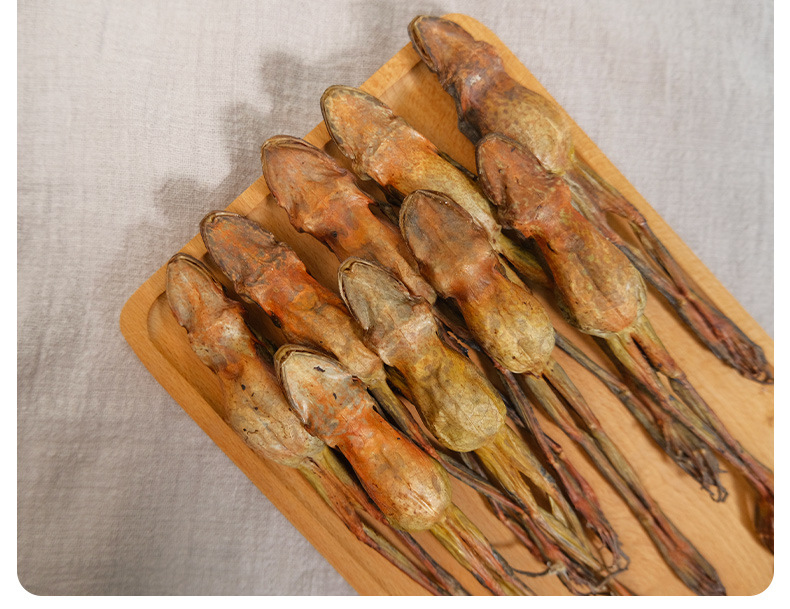
The dried whole frog typically has a light brown to tan color with a firm, leathery texture and a mild, earthy aroma. After simmering in soup or decoction, it becomes soft and gelatinous with a neutral, slightly sweet taste that blends well with other herbal ingredients.

Technical Specifications
| Product Type | Dried whole Chinese forest frog |
|---|---|
| Chinese Name | 雪蛤 |
| Pinyin | Xue Ha |
| Botanical Name | Rana temporaria chensinensis |
| Plant Part | Whole body |
| Origin | Jilin, China |
Usage Scenarios
- Traditional herbal soup
- Decoction with other TCM ingredients
- Congee
- Seasonal nourishing food
Traditional Uses
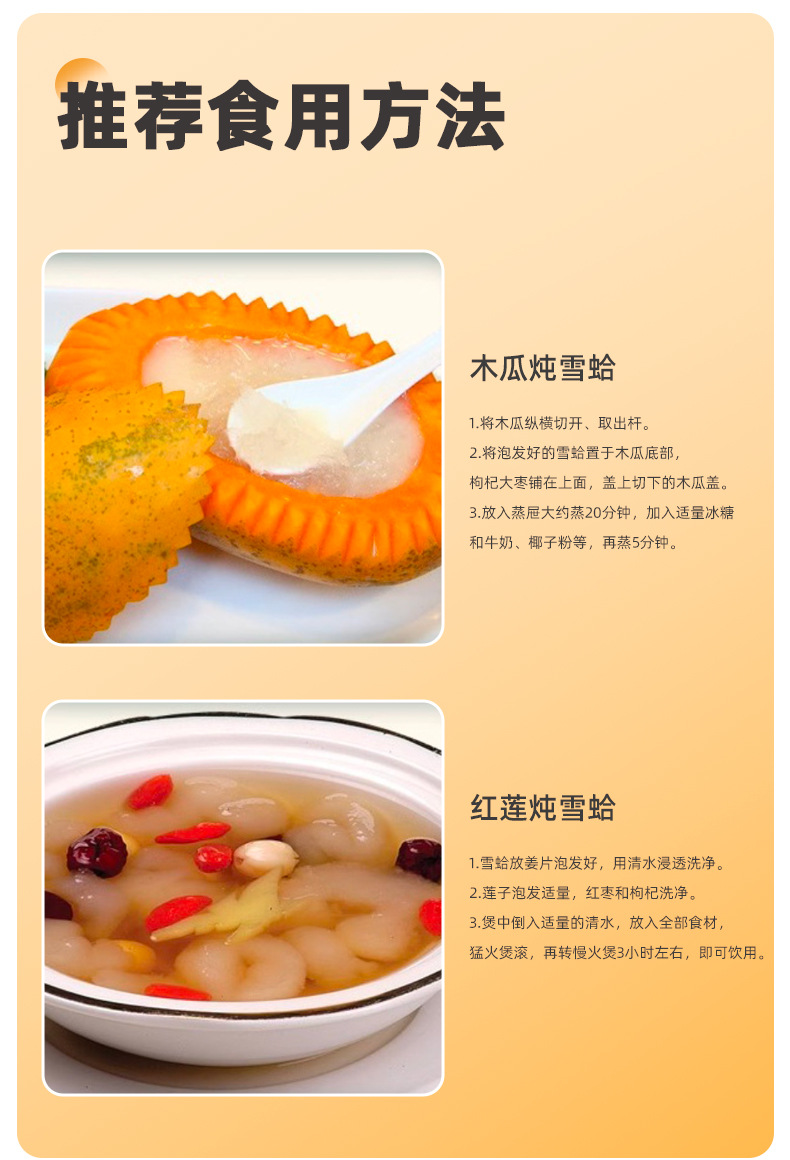
In TCM theory, Xue Ha is traditionally used to nourish yin and support lung and kidney health. It is commonly simmered in soups or decoctions, often paired with ingredients like goji berries, red dates, or rock sugar. Folk practice uses it as a gentle tonic for middle-aged and older adults during seasonal transitions.
FAQ Q&A
Q: What is this product?
A: It is dried whole Chinese forest frog, known in TCM as Xue Ha (雪蛤), sourced from Changbai Mountain in Jilin.
Q: What is its traditional value?
A: In TCM theory, it is traditionally used as a yin-nourishing tonic associated with lung and kidney support.
Q: How is it commonly prepared?
A: It is typically simmered in soups or decoctions with other herbal ingredients such as goji berries or red dates.
Additional information
| Weight | N/A |
|---|---|
| Dimensions | N/A |
| Model | 整支约8克 支, 整支约10克 支, 整支约12克 支, 整支约13克 支, 整支约15克 支, 整支约18克 支 |
Related products
-
Dried Raspberry Fruit Fu Pen Zi 500g Whole Berries for Herbal Tea and Wine Infusion
Price range: $14.00 through $16.44 -
Dried Angelica Sinensis Slices Dang Gui 当归 500g Gansu Raw Herb for Decoction Soup and Tea
Price range: $16.44 through $35.88 -
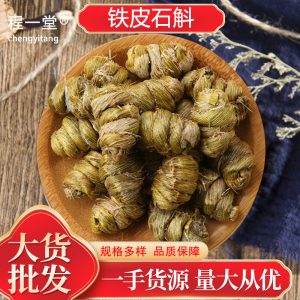
Tie Pi Shi Hu Dried Dendrobium Stems 500g Huoshan Fengdou for Soup and Tea
Price range: $35.88 through $108.80 -
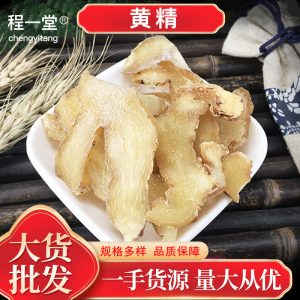
Dried Huang Jing Slices Polygonatum Rhizome Chicken Head Huang Jing 500g Bulk Herbal Tea and Soup Ingredient
Price range: $9.14 through $18.87
Reviews
There are no reviews yet.