
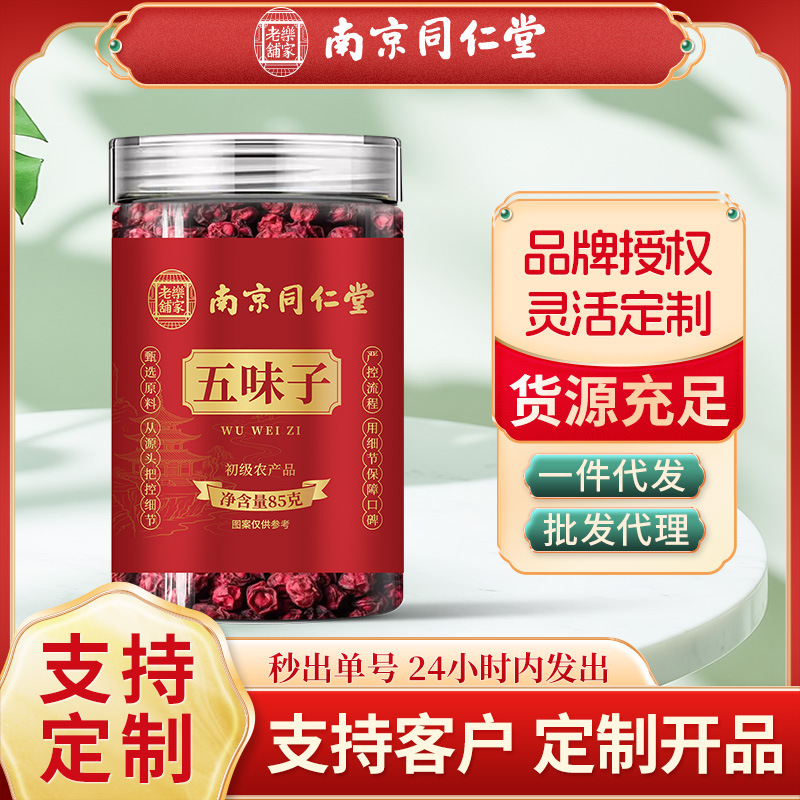

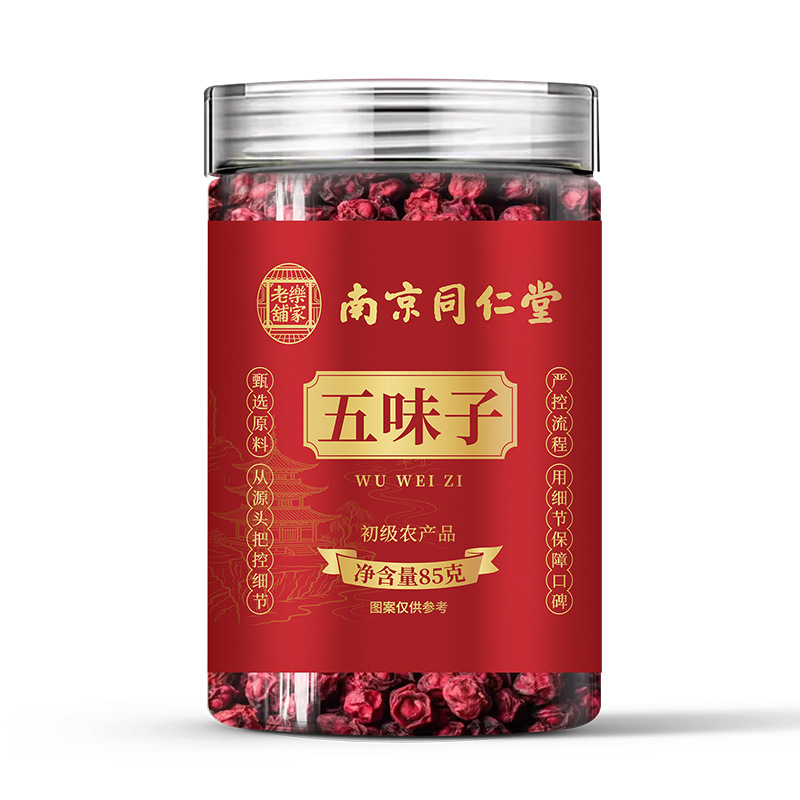
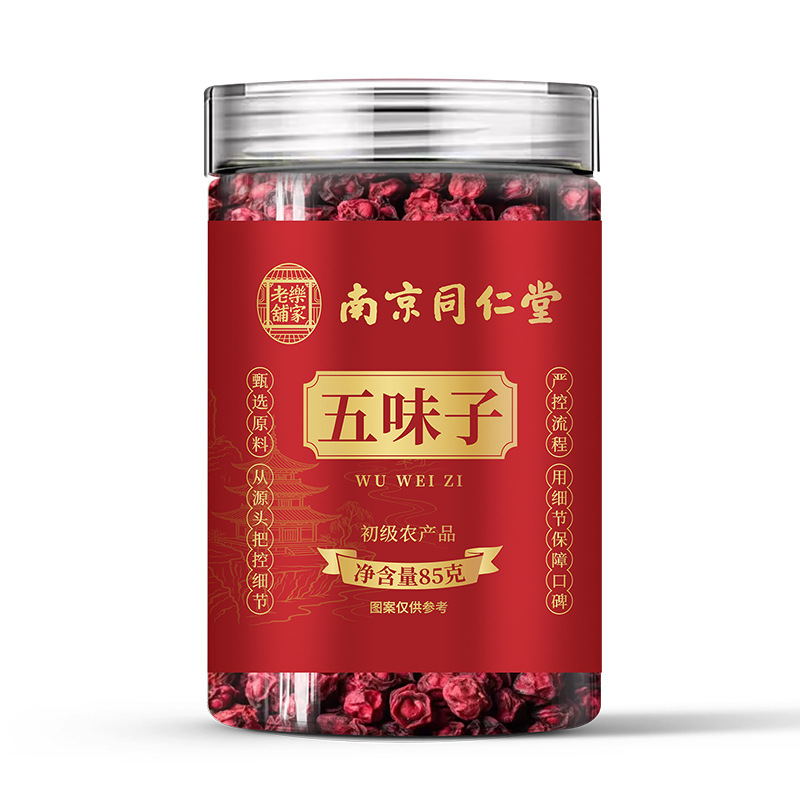
Dried Schisandra Berry Wu Wei Zi 85g Jar Traditional Herbal Tea Ingredient
$6.43
9999 in stock
Description
Dried Schisandra Berry, known in TCM as Wu Wei Zi (五味子), from Schisandra chinensis. This 85g jar contains sun-dried whole berries traditionally used in Chinese herbal practice. In TCM theory, Schisandra is considered sour and warm, entering the lung, heart, and kidney channels. It is traditionally associated with supporting the body's natural balance and is commonly prepared as a tea or decoction.

Key Selling Points
- Identified in TCM as Wu Wei Zi (五味子), the fruit of Schisandra chinensis
- Sun-dried whole berries with a naturally sour and slightly sweet profile
- Traditionally used in TCM for its sour and warming properties
- Convenient 85g jar suitable for daily tea or decoction preparation
- Sourced from Anhui province and packed for freshness
Quality & Sensory
The berries are typically deep red to dark purple, wrinkled, and firm. They have a mild, fruity aroma. When brewed, the tea is typically sour with a slight sweetness and a subtle bitter note, reflecting the five-flavor character traditionally associated with this herb.
Technical Specifications
| Product Type | Dried herbal fruit |
|---|---|
| Chinese Name | 五味子 |
| Pinyin | Wu Wei Zi |
| Botanical Name | Schisandra chinensis |
| Plant Part | Fruit |
| Net Weight | 85g |
Usage Scenarios
- Brewed as a daily herbal tea
- Added to decoctions with other herbs
- Used in traditional soup or congee recipes
- Incorporated into seasonal wellness blends
Traditional Uses
In TCM theory, Wu Wei Zi is traditionally used to support lung and kidney function and to promote fluid balance. It is often paired with herbs such as wolfberry or astragalus in decoctions. Commonly prepared by steeping the berries in hot water or simmering in soups, it is valued for its astringent and nourishing properties in traditional practice.
FAQ Q&A
Q: What is this product?
A: It is dried Schisandra berry, known in TCM as Wu Wei Zi (五味子), from the Schisandra chinensis plant.
Q: What is its traditional value?
A: In TCM theory, it is considered sour and warm, entering the lung, heart, and kidney channels, and is traditionally used to support the body's natural balance.
Q: How is it commonly prepared?
A: It is typically brewed as a tea or added to decoctions and soups. The berries can also be steeped in hot water for a simple daily infusion.
Additional information
| Weight | 0.24 kg |
|---|---|
| Dimensions | 10 × 10 × 12 cm |
Related products
-
Dried Cinnamon Bark Rou Gui 500g Whole Peeling Culinary Spice and Traditional Herbal Ingredient
Price range: $5.58 through $8.33 -
Dried Hawthorn Slices Shan Zha 500g Seedless Hollow Rings Freeze Dried Hawthorn for Tea and Culinary Use
Price range: $4.44 through $7.04 -

Cabinda Bark Dried Herb 500g Traditional Herbal Infusion Ingredient
Price range: $12.38 through $37.50 -
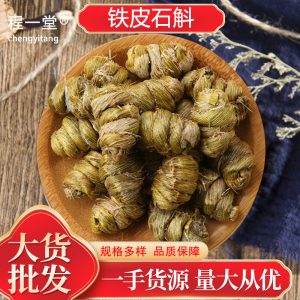
Tie Pi Shi Hu Dried Dendrobium Stems 500g Huoshan Fengdou for Soup and Tea
Price range: $35.88 through $108.80
Reviews
There are no reviews yet.