
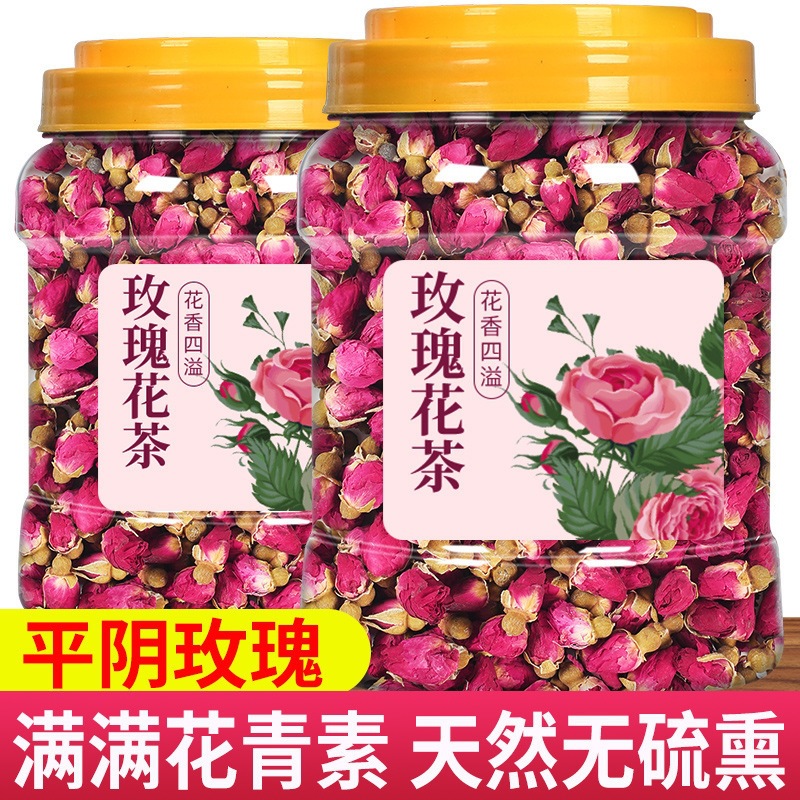
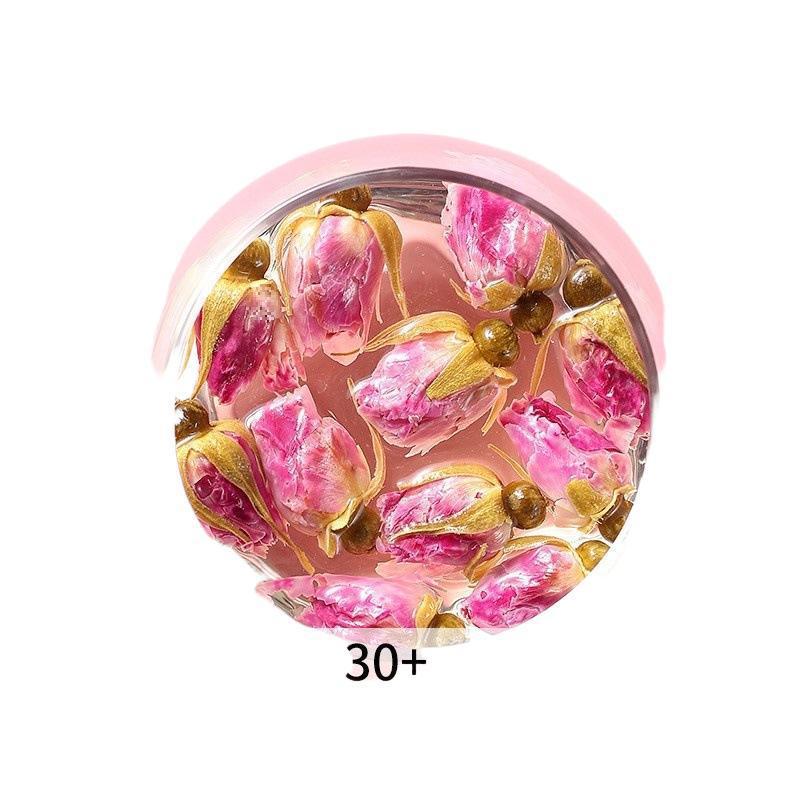
Dried Rose Flower Tea Pingyin Rose Buds Loose Herbal Tea for Daily Teatime 150g
Price range: $5.84 through $11.99
Description
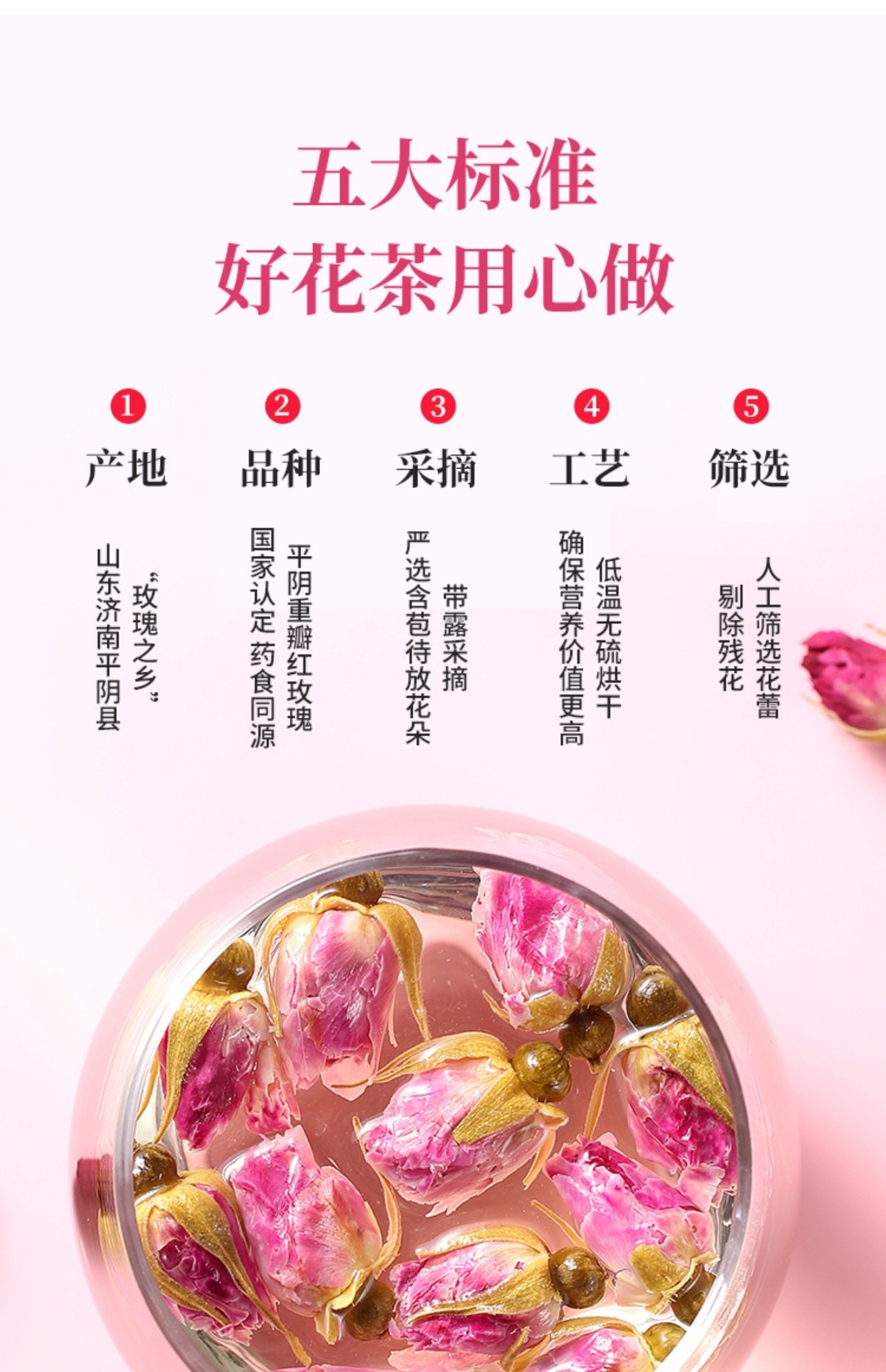
Dried Rose Flower Tea, known in TCM as Mei Gui Hua (玫瑰花), from Rosa rugosa, consists of sun-dried double-petaled rose buds. In TCM theory it is considered warm and sweet with a mild bitter note, entering the Liver and Spleen channels. Traditionally used to support gentle qi movement and a calm, pleasant mood. Enjoy as a fragrant daily infusion, alone or blended with other herbs.

Key Selling Points
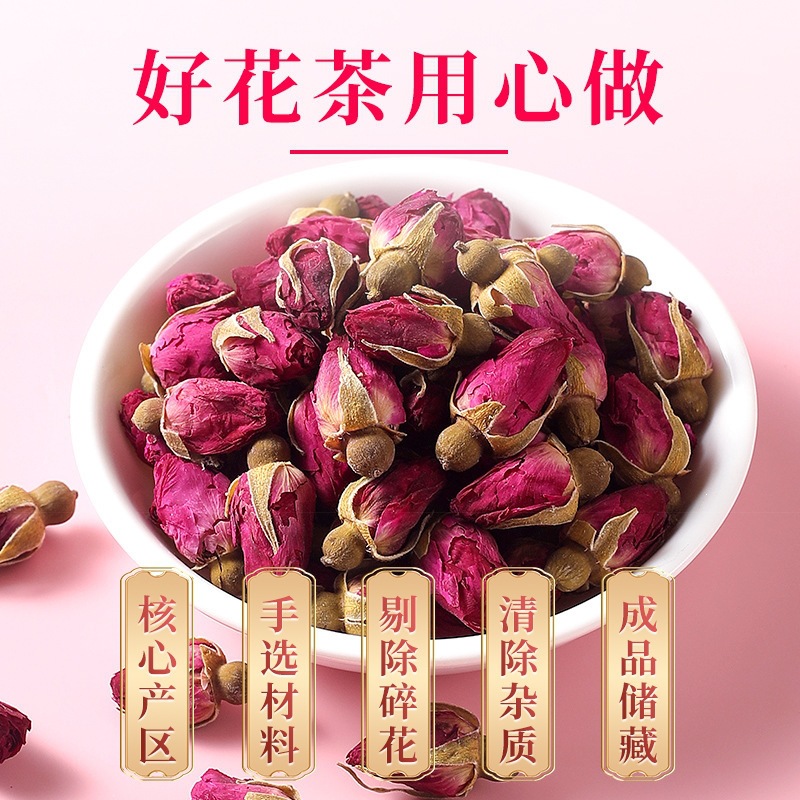
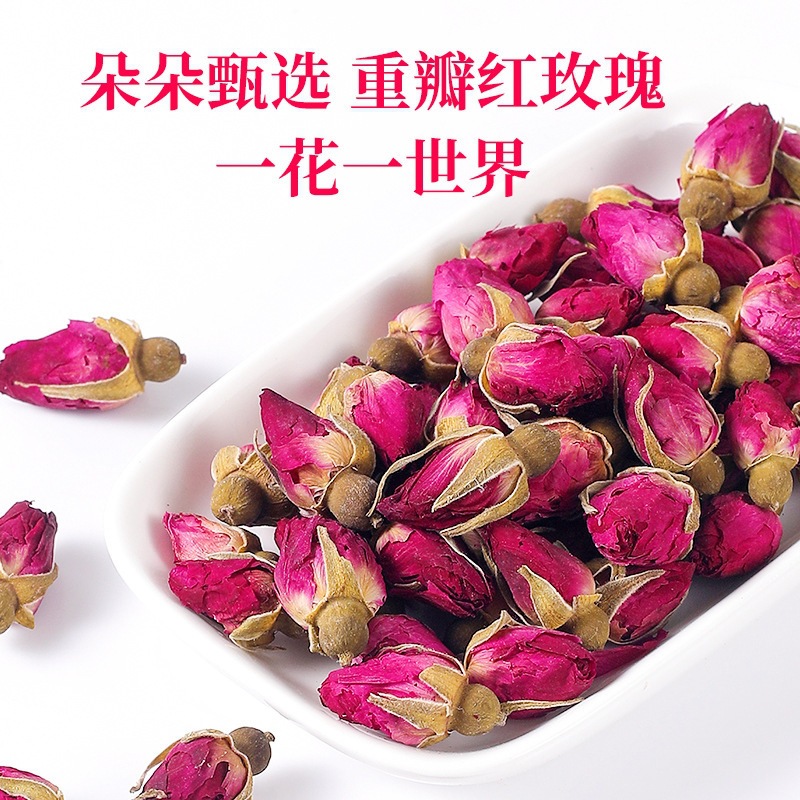
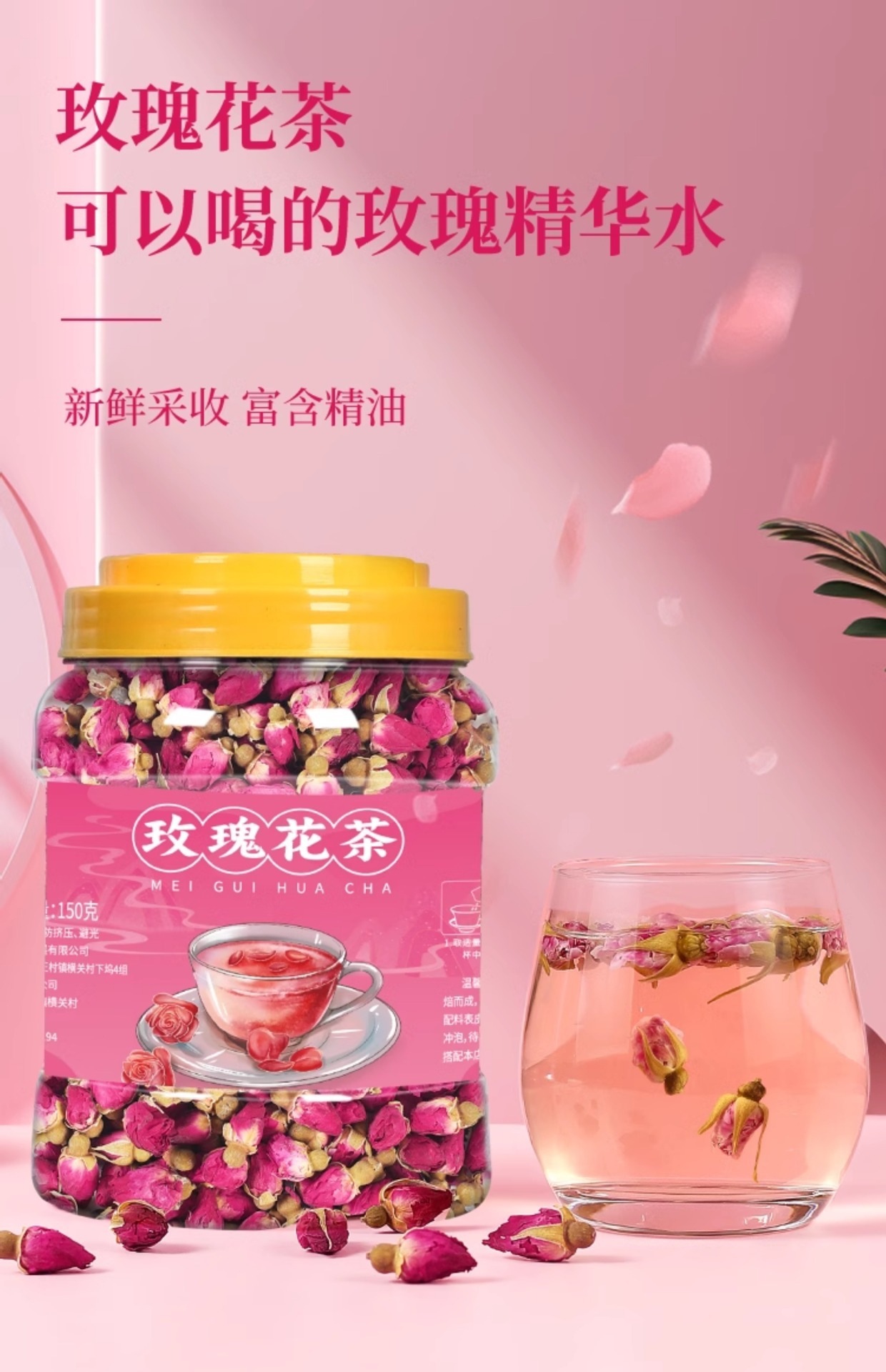
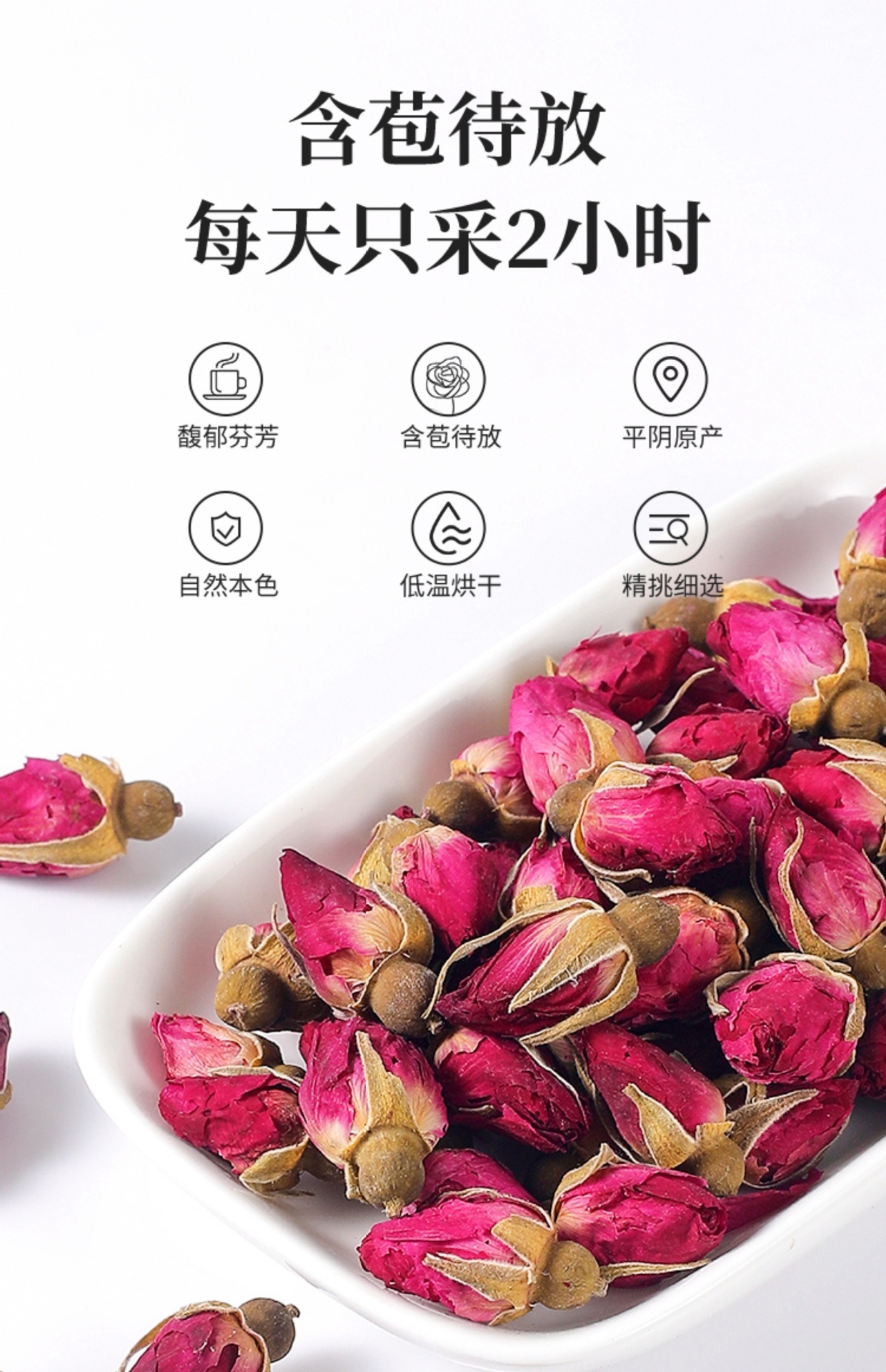
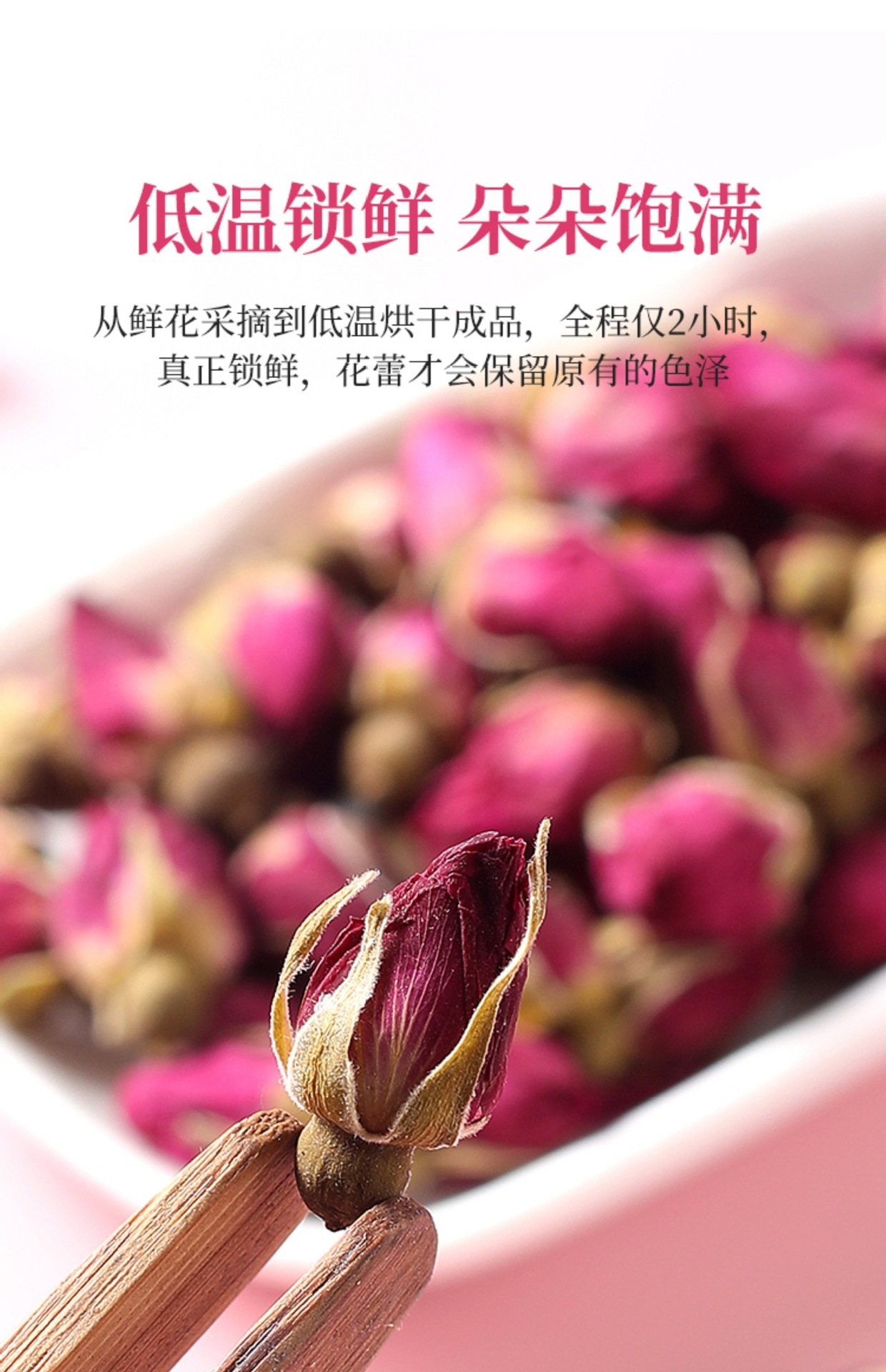
- Sun-dried double-petaled rose buds from Pingyin, China
- Known in TCM as Mei Gui Hua (玫瑰花), from Rosa rugosa
- Loose dried flower form suited for tea, decoction, or congee
- Naturally caffeine-free and unsweetened
- Packed as two 50g jars for a total of 150g
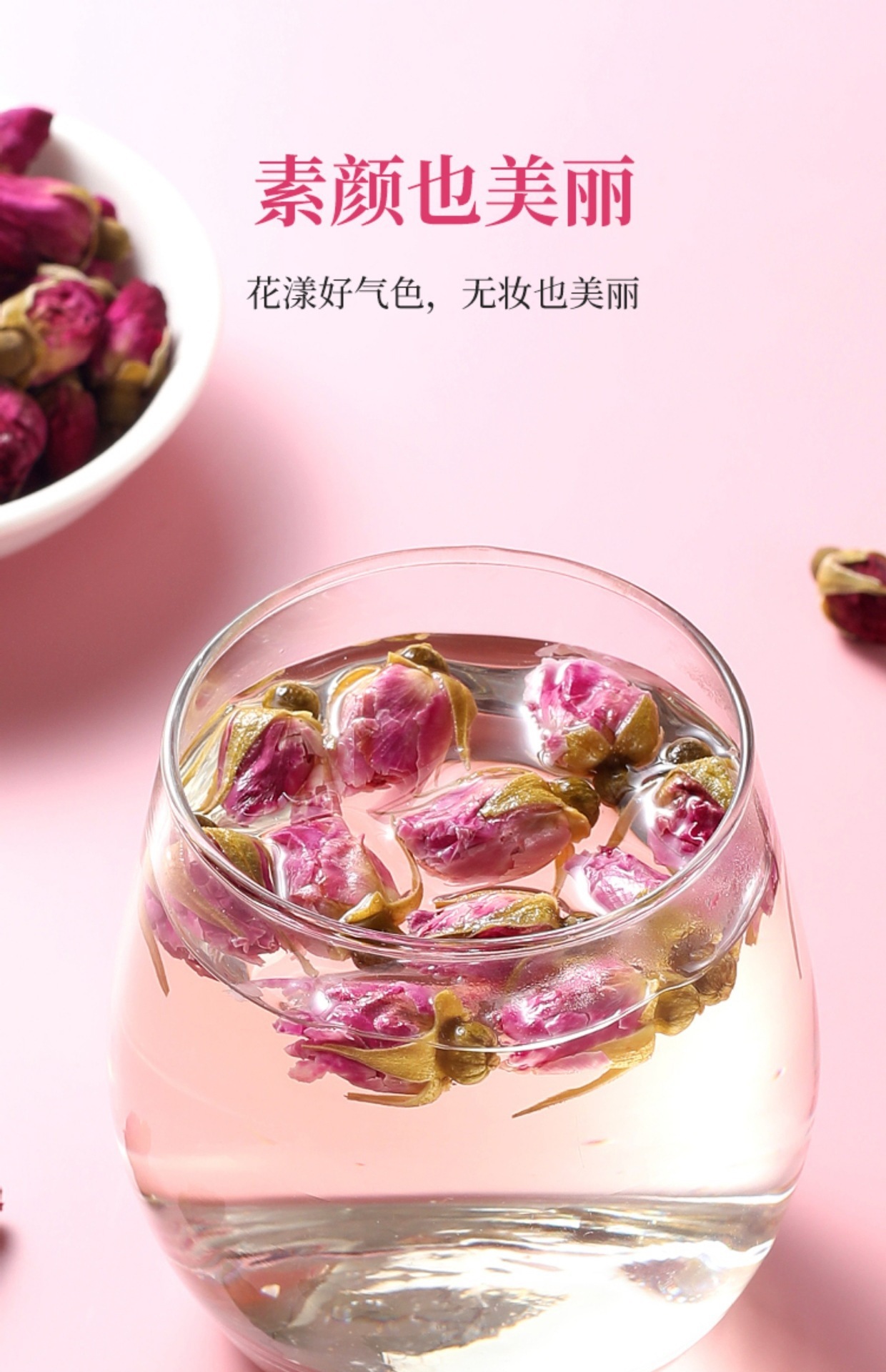

Quality & Sensory
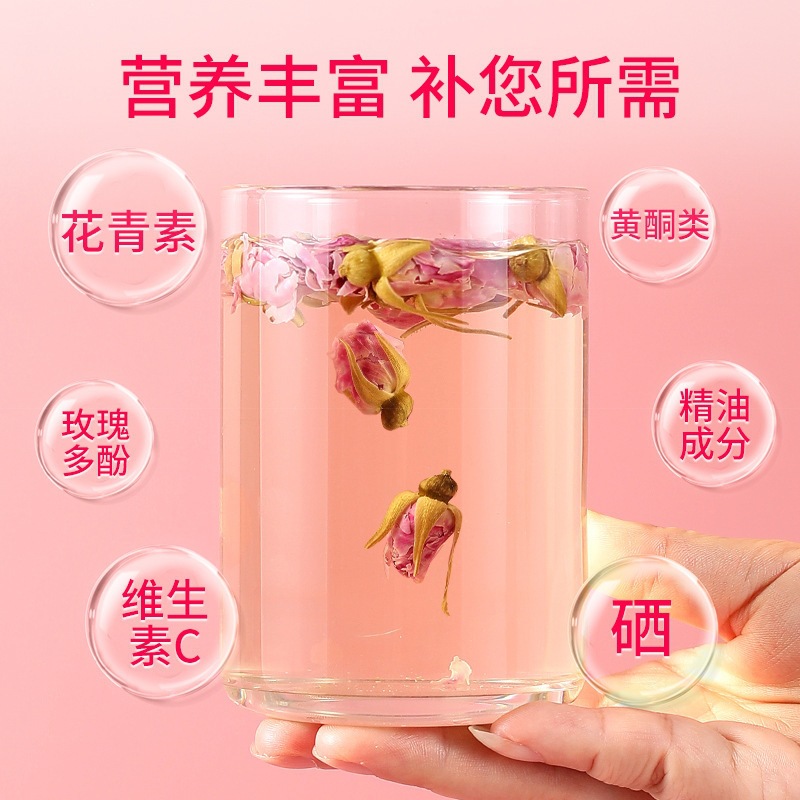
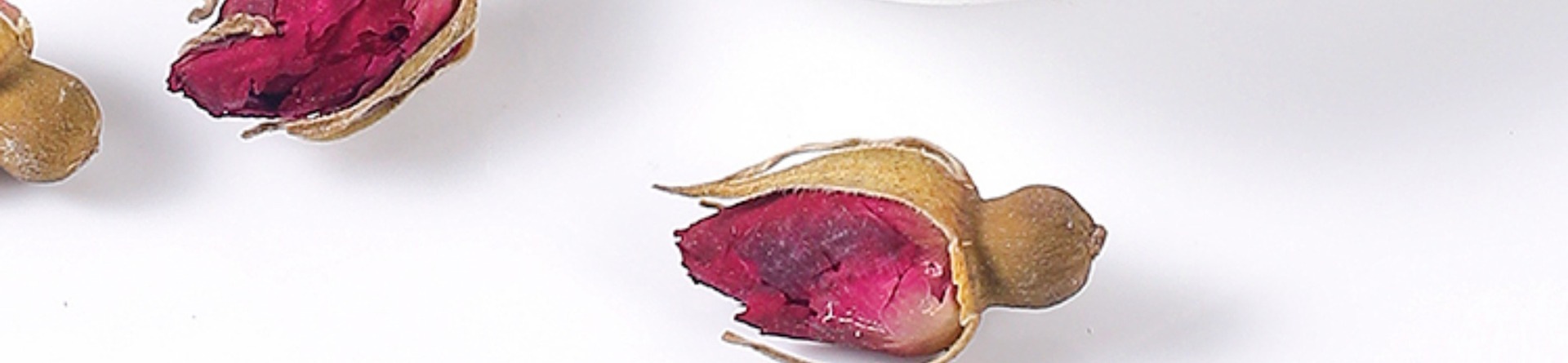
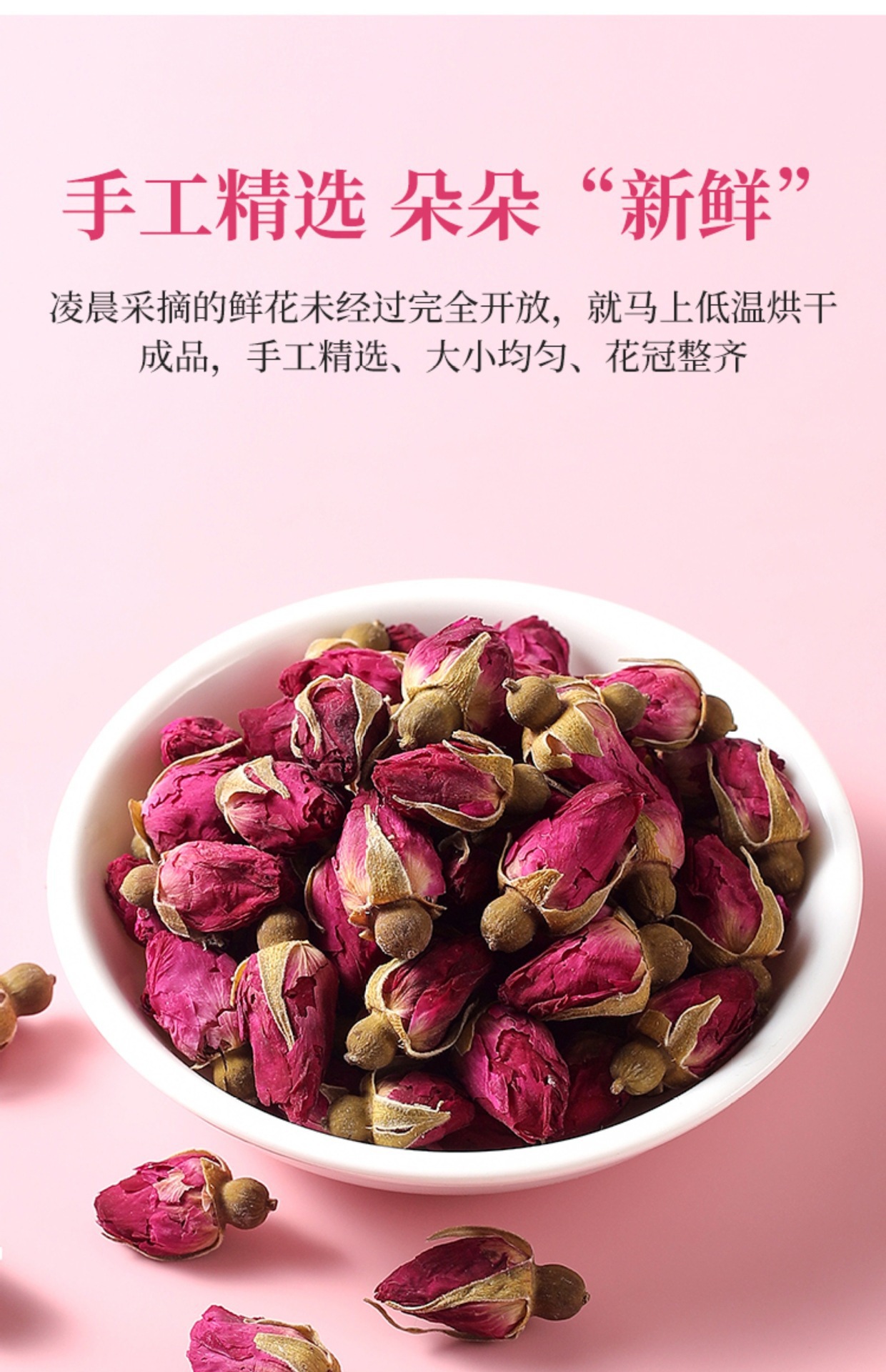
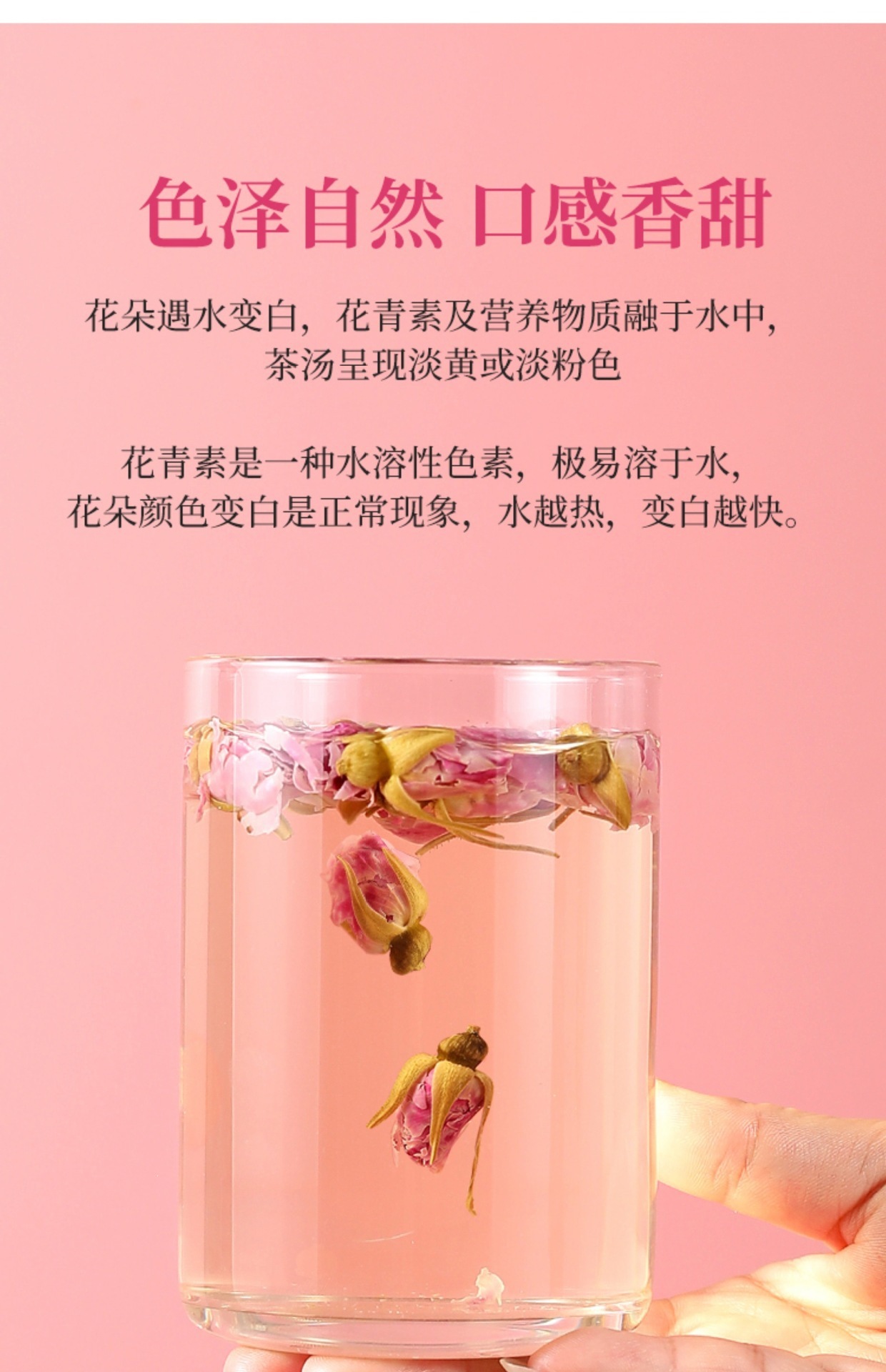
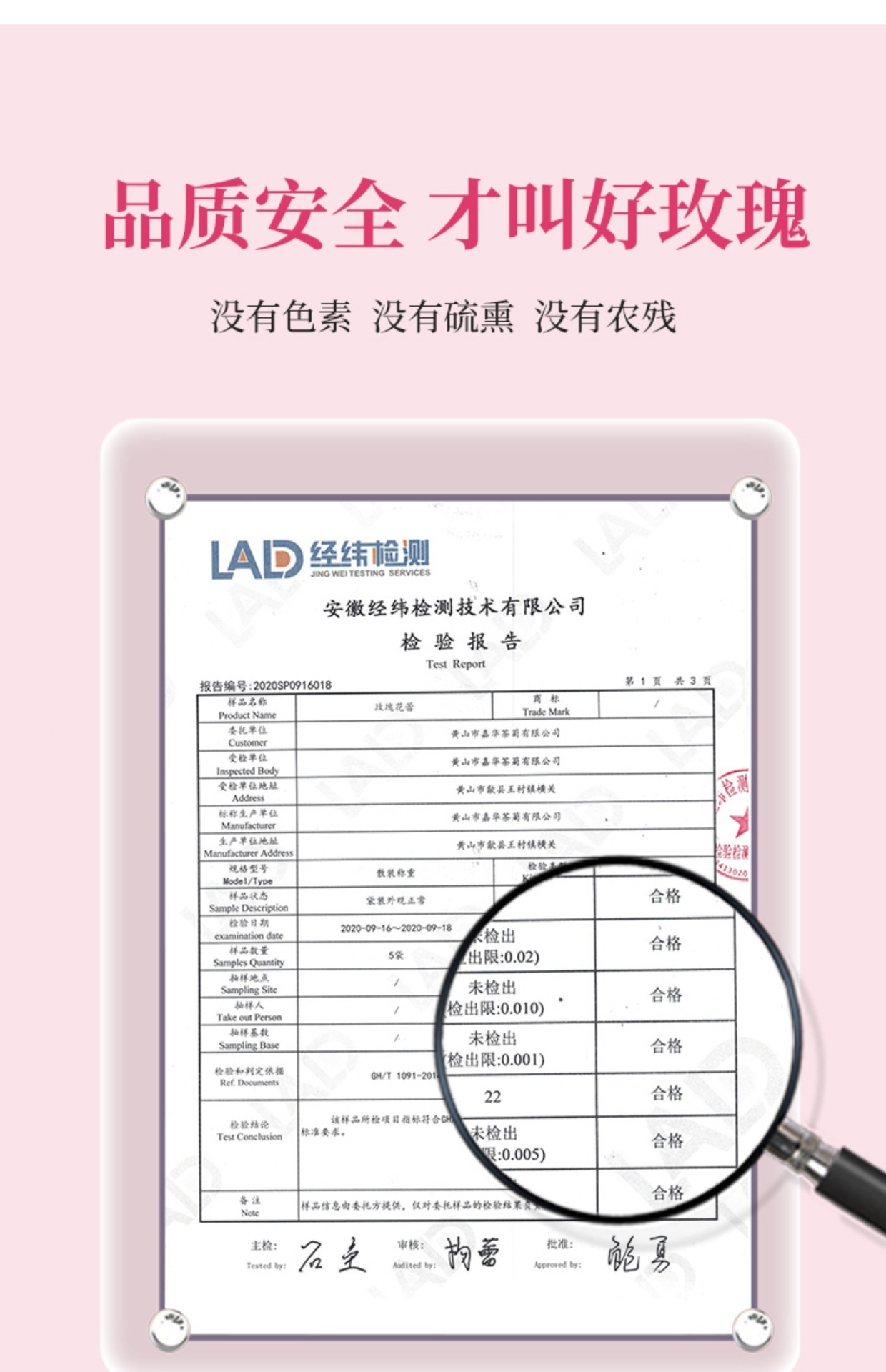
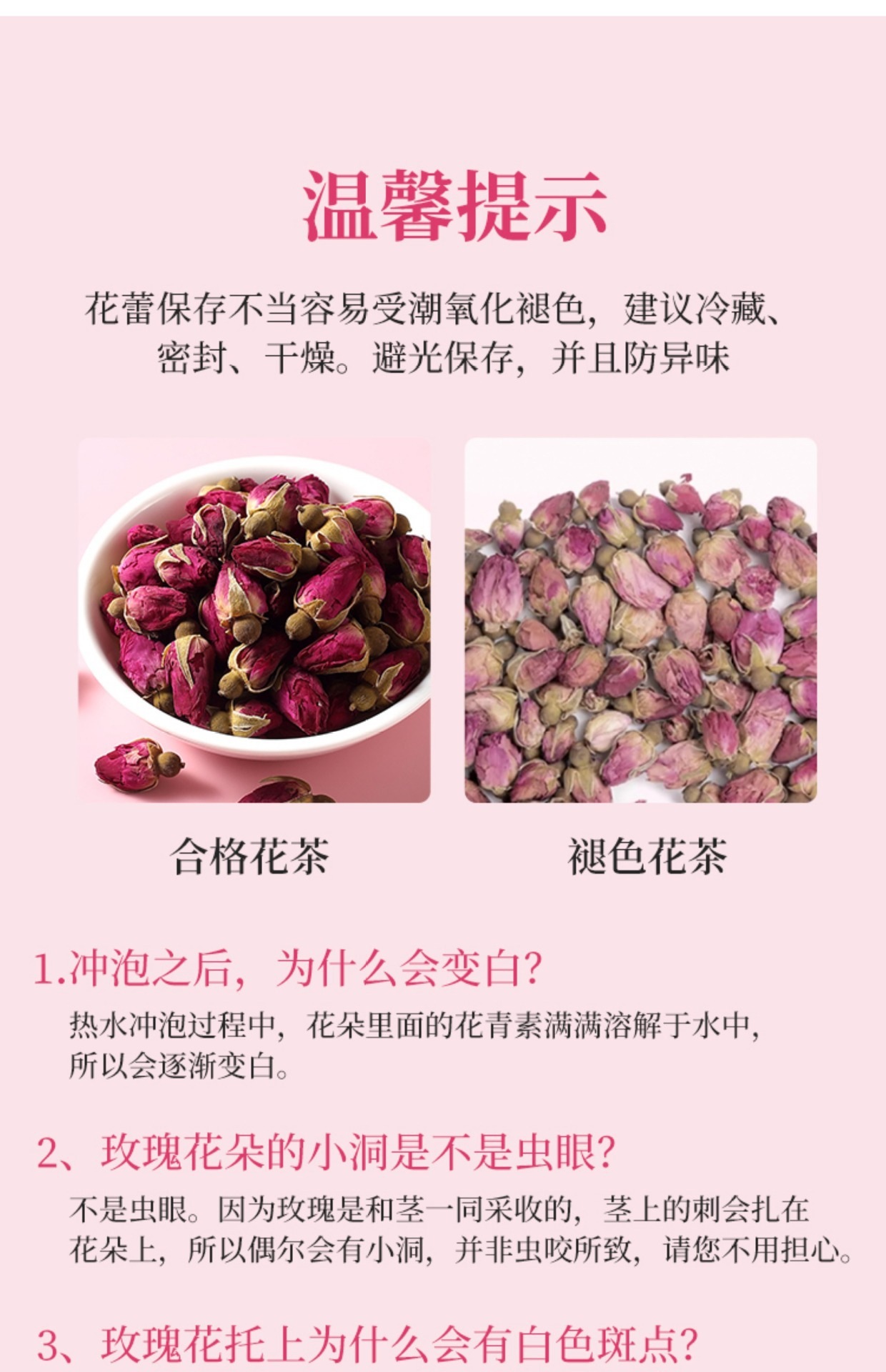
The dried buds are typically deep pink to purple with a soft, papery texture and a sweet floral aroma. Once brewed, the liquor is typically pale gold to light amber with a delicate rose fragrance and a mild, gently sweet taste.
Technical Specifications
| Product Type | Dried rose flower tea |
|---|---|
| Chinese Name | 玫瑰花 |
| Pinyin | Mei Gui Hua |
| Botanical Name | Rosa rugosa |
| Plant Part | Flower bud |
| Net Weight | 150g (50g x 2 jars) |


Usage Scenarios
- Daily floral tea infusion
- Blended with other herbs in a decoction
- Added to congee or dessert soups
- Seasonal springtime tea
- Culinary garnish for baked goods

Traditional Uses
In TCM and folk practice, Mei Gui Hua is traditionally used in floral teas and decoctions to support gentle qi flow and a settled mood. It is often paired with chrysanthemum, goji berry, or red date and taken as a warm daily infusion, especially during spring. It may also be added to congee or sweet soups for fragrance.

FAQ Q&A
Q: What is this product?
A: It is sun-dried double-petaled rose buds from Pingyin, China, sold as loose flower tea in two 50g jars.
Q: What is its traditional value?
A: In TCM theory, Mei Gui Hua is considered warm and sweet, entering the Liver and Spleen channels, and is traditionally associated with gentle qi movement and a calm mood.
Q: How is it commonly prepared?
A: It is typically steeped in hot water as a floral tea, alone or blended with other herbs, and may also be added to decoctions or congee.
Additional information
| Weight | N/A |
|---|---|
| Dimensions | N/A |
| Model | 玫瑰花25克, 大罐 玫瑰花1罐 共180克, 大罐 玫瑰花2罐 共360克, 玫瑰花茶250gX1罐 共1罐, 玫瑰花茶50gX3罐 共3罐, 玫瑰花茶50gX1罐 共1罐, 玫瑰花50克 茉莉雪球30克 共2罐, 玫瑰花50克 胎菊40克 共2罐, 玫瑰花50克 枸杞150克 共2罐, 玫瑰花50克 蒲公英50克 共2罐, 玫瑰花50克 红枣片80克 共2罐, 玫瑰花50克 枸杞150克 红枣片80克 共3罐, 玫瑰花茶50gX2罐 共2罐 |
Related products
-
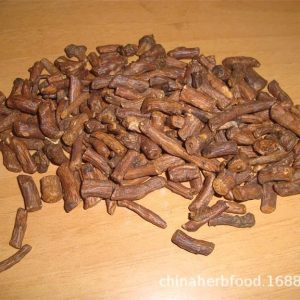
Dandelion Root Tea 500g Premium Roasted Pu Gong Ying Herbal Tea for Daily Brewing
$9.29 -
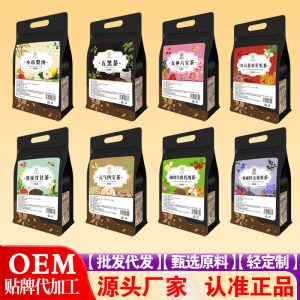
You Qie Da Du Herbal Tea Bags 5g x 50 Pyramid Teabags Cassia Seed Lotus Leaf Hawthorn Blend
Price range: $4.30 through $5.43 -
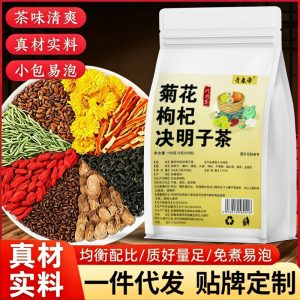
Chrysanthemum Goji Cassia Seed Tea 30 Bags Sugar Free Herbal Flower Tea Blend Hot Brew Wellness Tea
$4.30 -
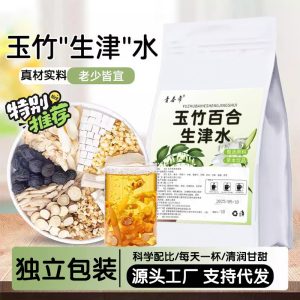
Yu Zhu Bai He Sheng Jin Tea 5g x 12 Bags Sugar-Free Herbal Tea Blend with Solomon Seal Lily Bulb Ophiopogon
$3.93
Reviews
There are no reviews yet.