
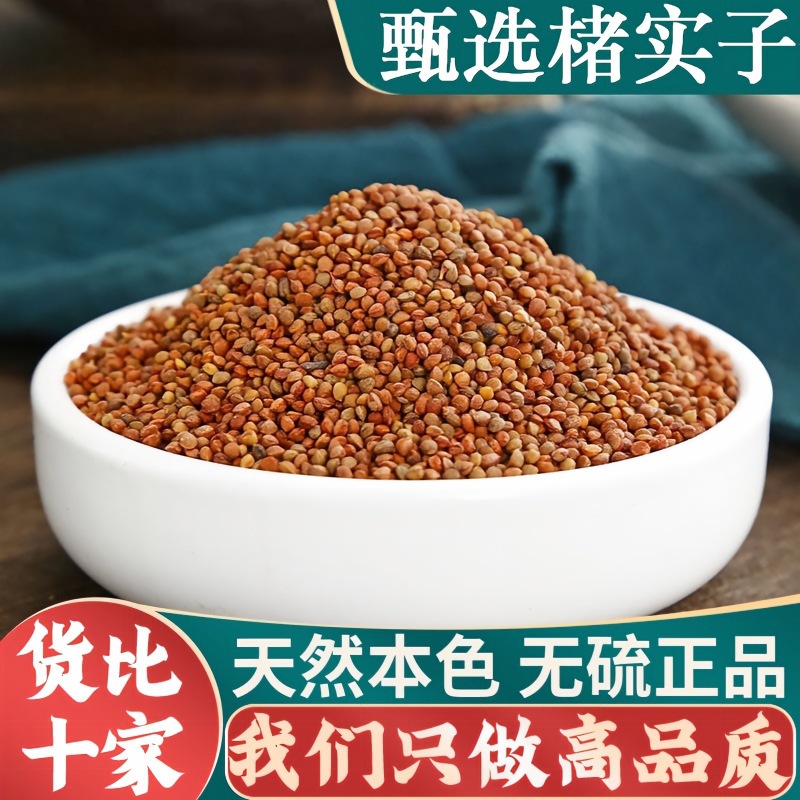
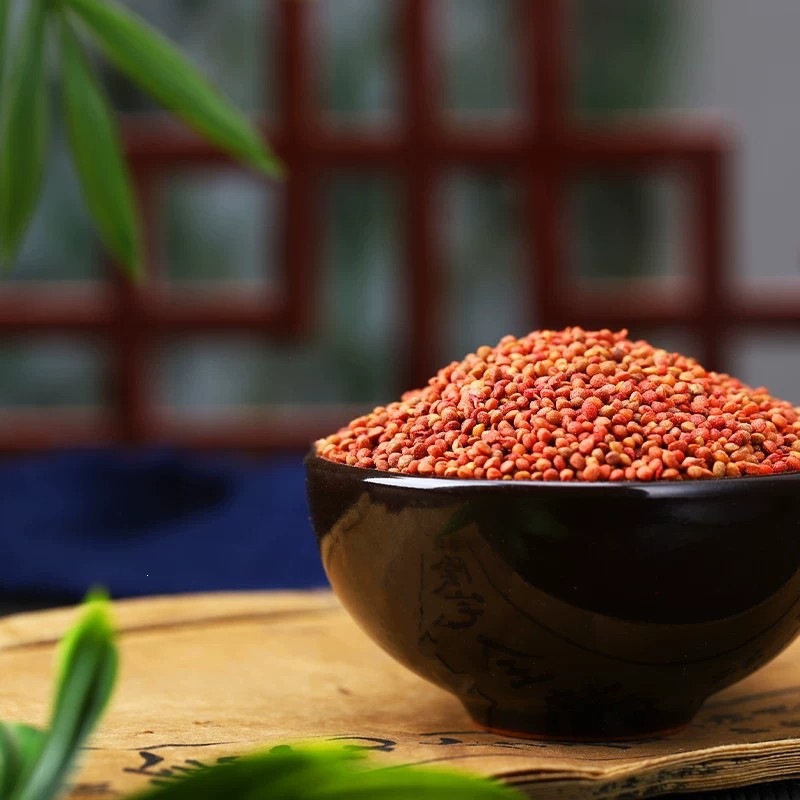
Dried Paper Mulberry Fruit Chu Shi Zi 100g Unsulfured Herbal Fruit for Tea and Decoction
Price range: $5.78 through $10.40
Description
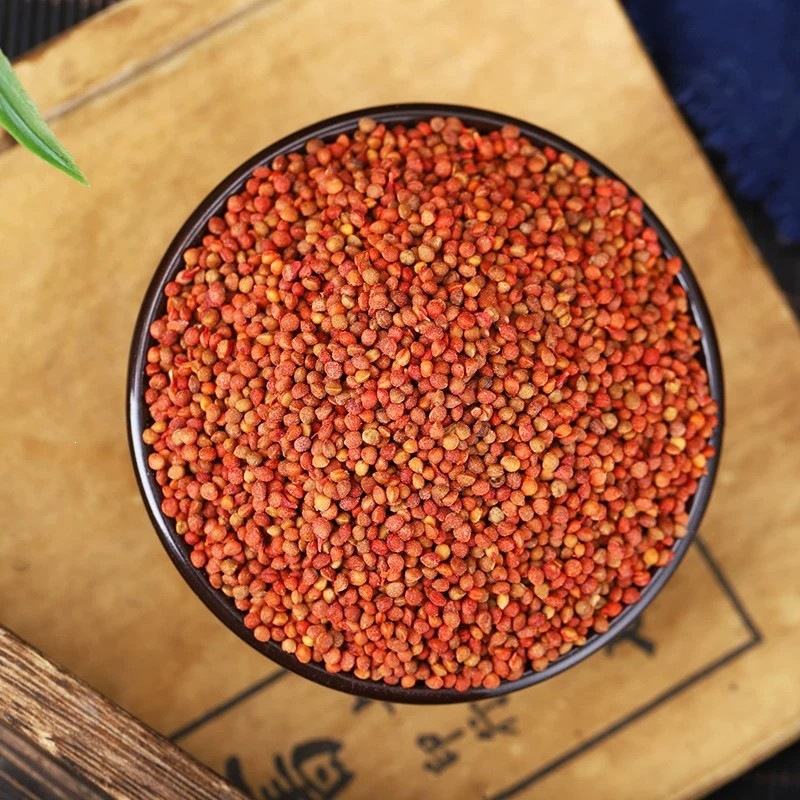
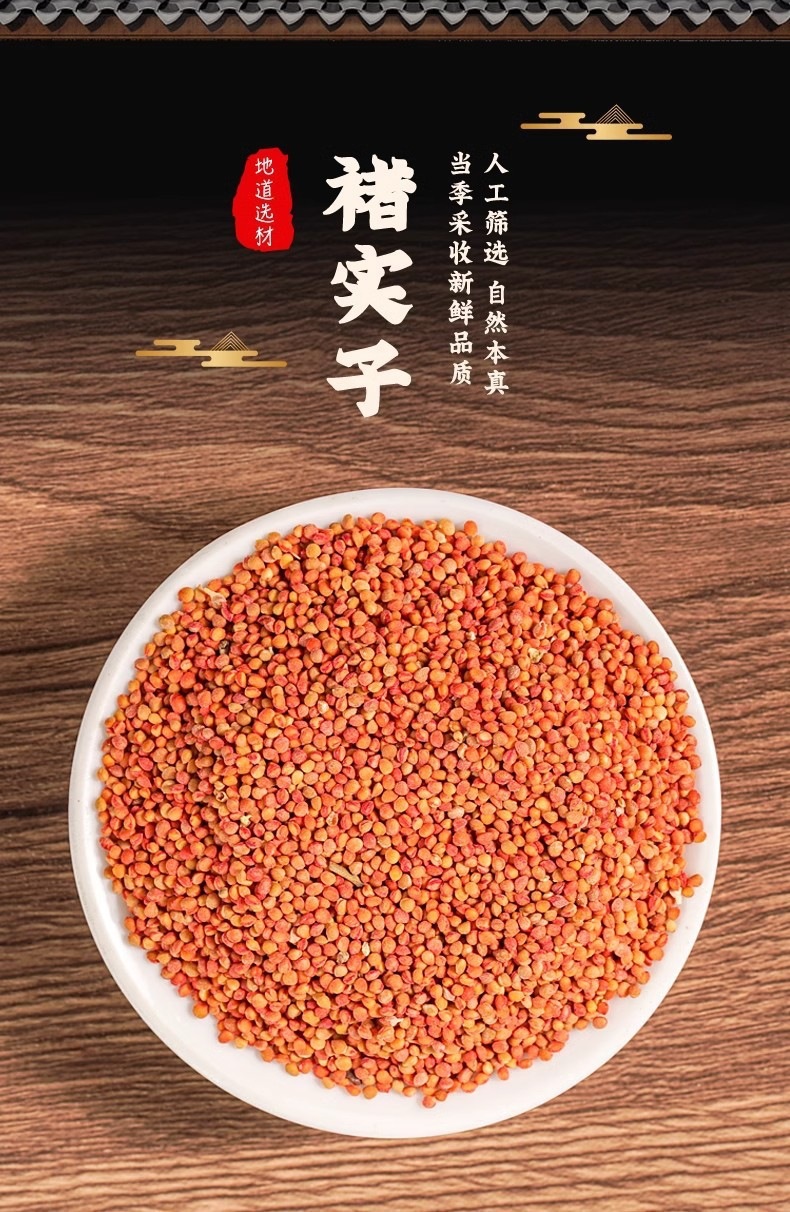
Dried Paper Mulberry Fruit, known in TCM as Chu Shi Zi (楮实子), from Broussonetia papyrifera. This unsulfured fruit is sun-dried and traditionally used in Chinese herbal practice. In TCM theory it is associated with sweet and neutral properties and the liver and kidney channels. It is commonly prepared as a tea or decoction and is also used in congee and soup. Store in a cool dry place.
Key Selling Points
- Identified as Chu Shi Zi (楮实子), the dried fruit of Broussonetia papyrifera
- Unsulfured and sun-dried to preserve natural color and aroma
- Traditional TCM herb associated with liver and kidney channels
- Suitable for tea, decoction, congee, and soup preparation
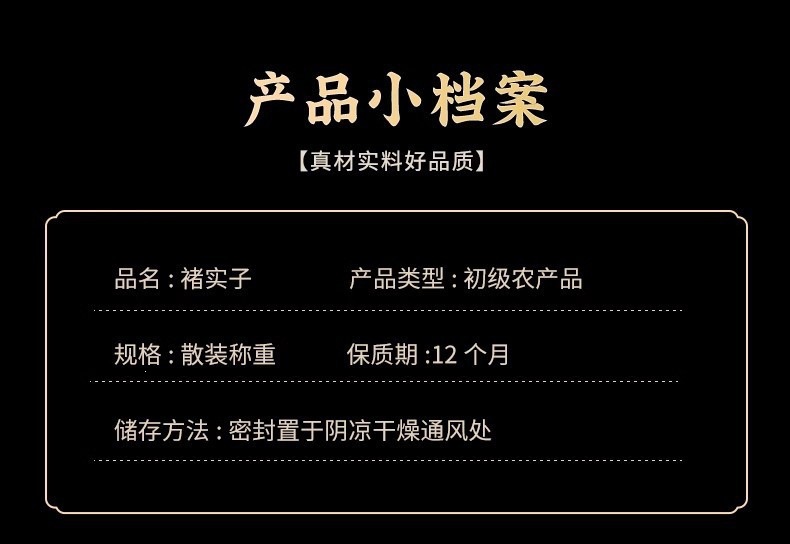
- 100g net weight in a resealable jar for home storage
Quality & Sensory
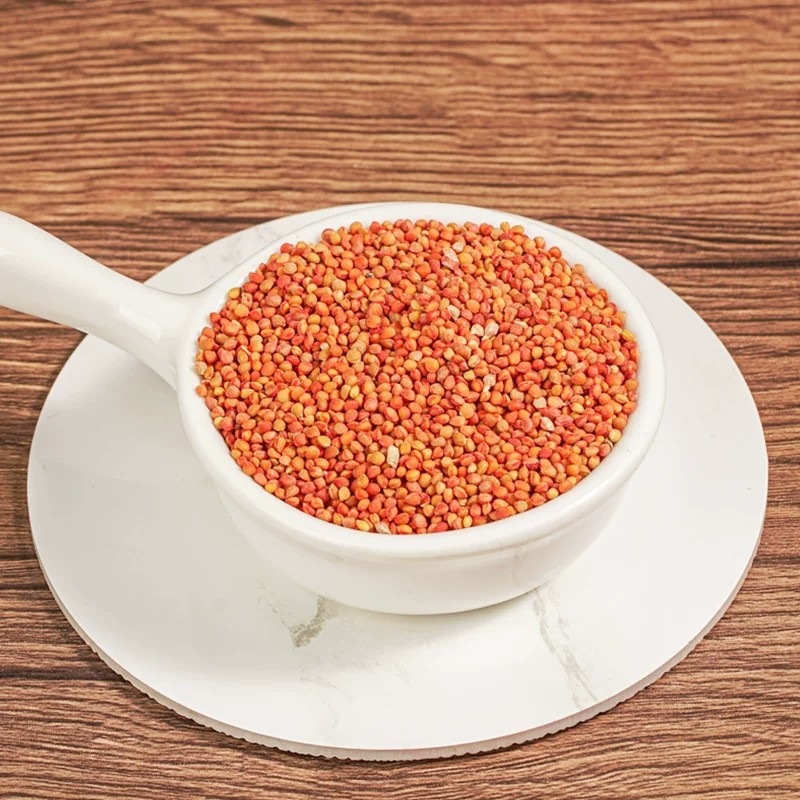
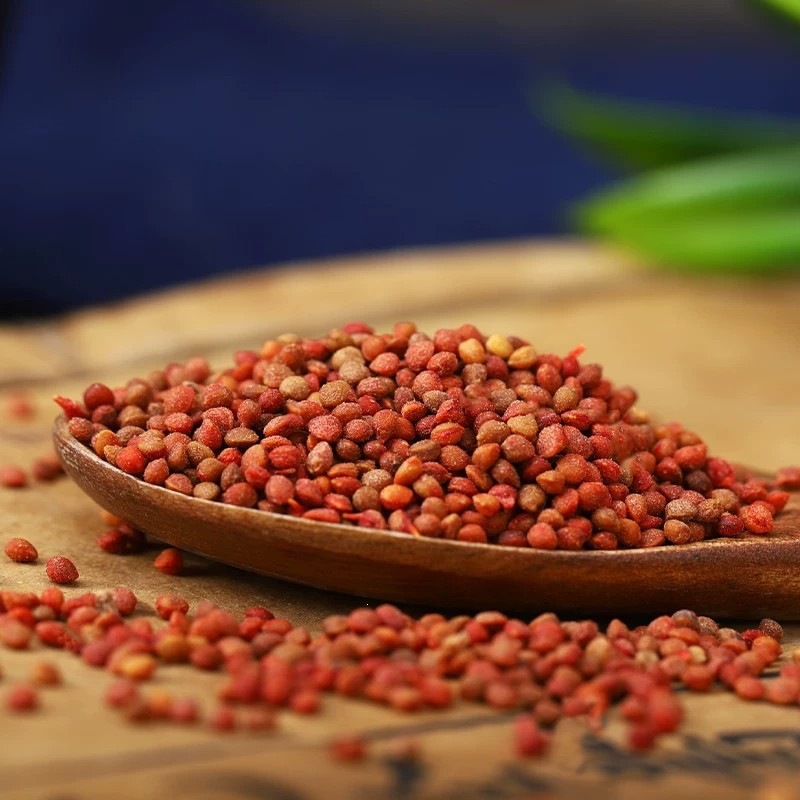
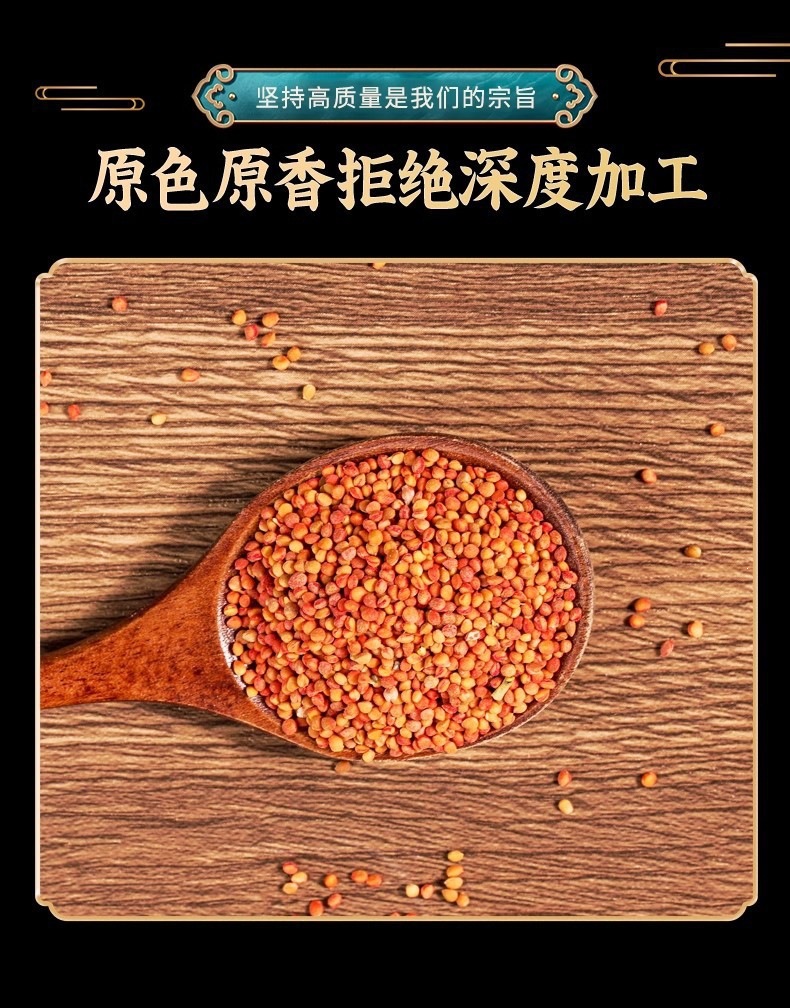
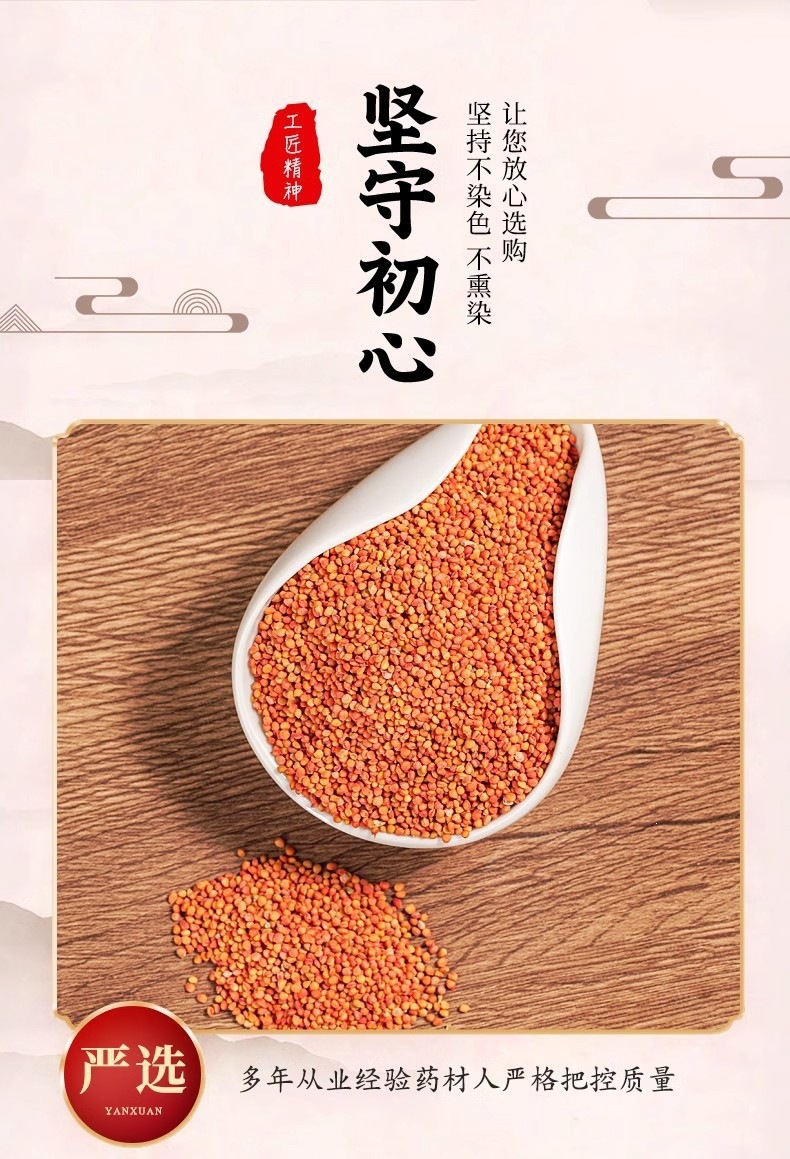
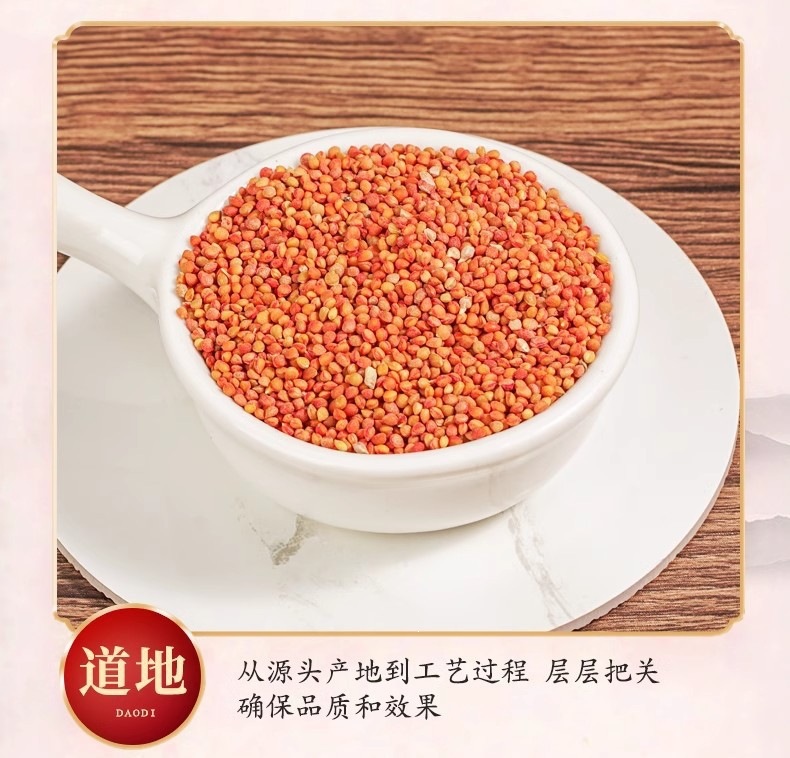
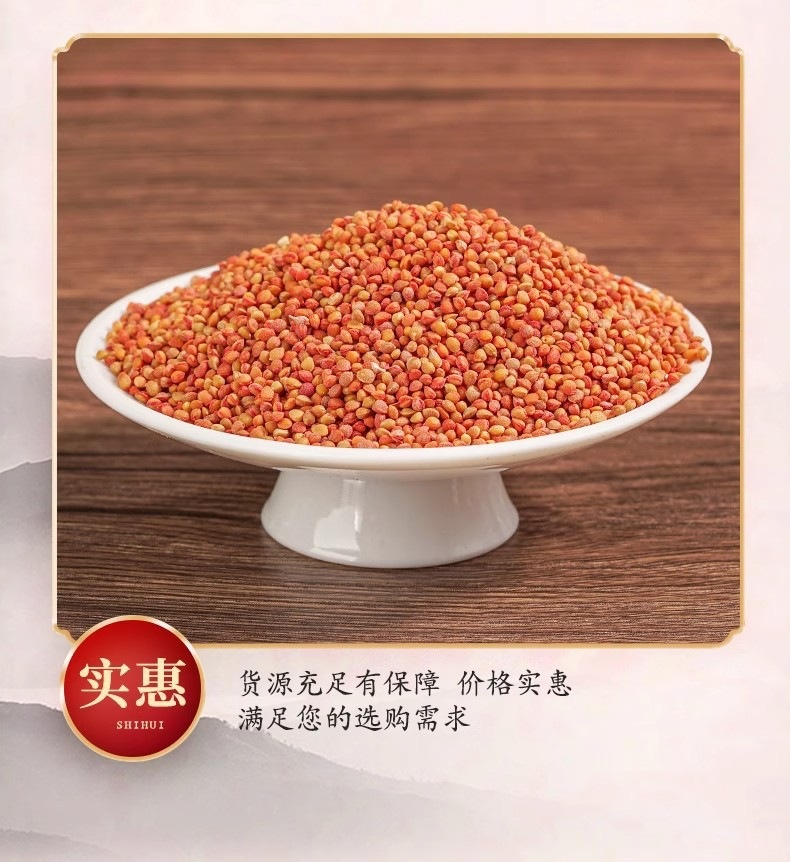
The dried fruit is typically reddish-brown to dark brown with a slightly wrinkled texture. It has a mild, earthy aroma and a lightly sweet, bland taste when brewed or decocted. Color and texture may vary slightly between batches due to natural sun-drying.
Technical Specifications
| Product Type | Dried herbal fruit |
|---|---|
| Chinese Name | 楮实子 |
| Pinyin | Chu Shi Zi |
| Botanical Name | Broussonetia papyrifera |
| Plant Part | Fruit |
| Net Weight | 100g |
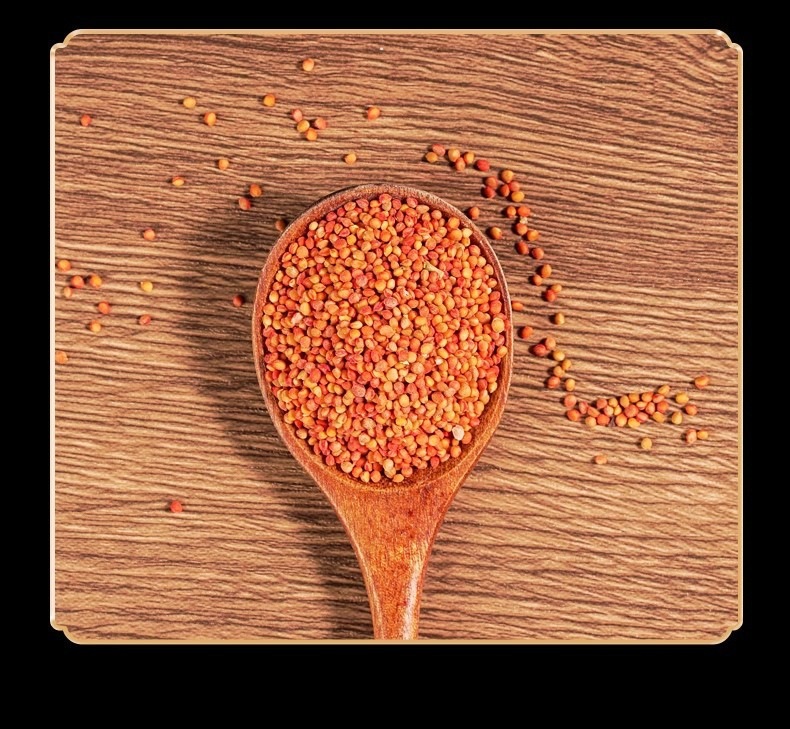
Usage Scenarios
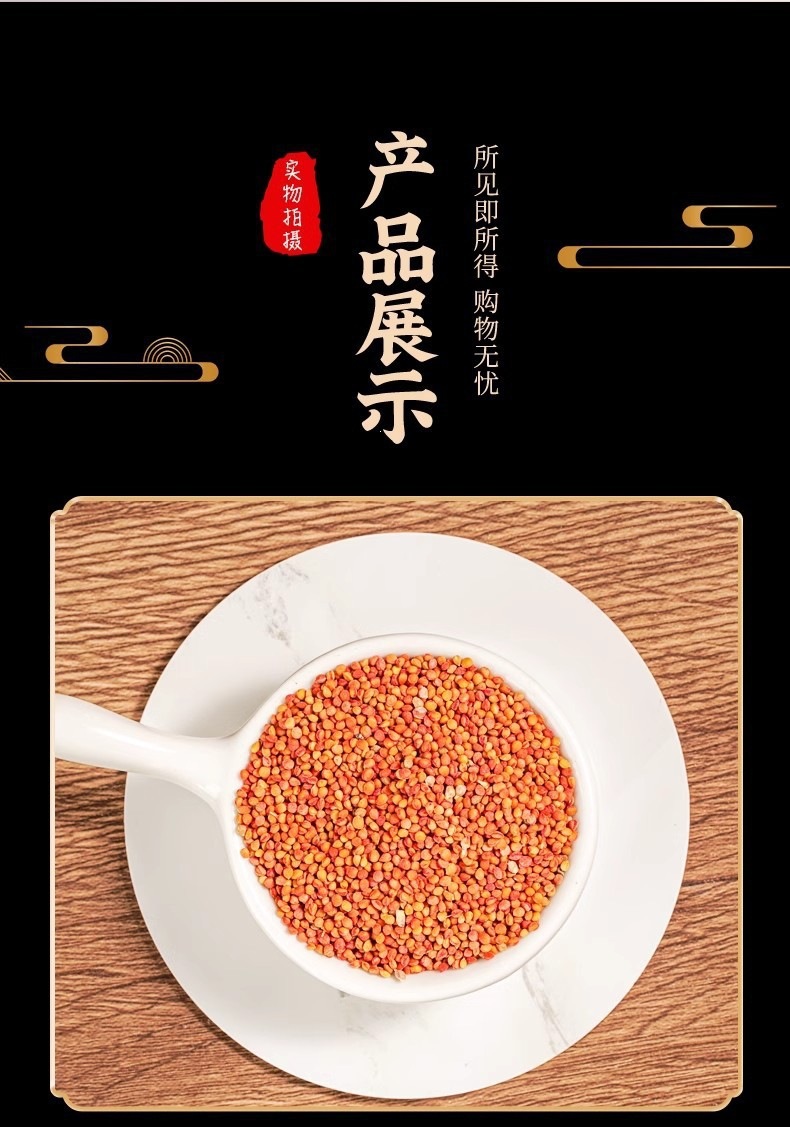
- Brewed as a daily herbal tea
- Simmered in a traditional decoction
- Added to congee or soup
- Combined with red goji berries in tea
Traditional Uses
In TCM theory, Chu Shi Zi is traditionally associated with the liver and kidney channels and is often used in formulas that support vitality. It is commonly decocted alone or with red goji berries, added to congee, or simmered in soups. Traditional preparations typically use the dried fruit and may vary by region and practitioner.
FAQ Q&A
Q: What is this product?
A: It is dried Paper Mulberry Fruit, known in TCM as Chu Shi Zi (楮实子), from Broussonetia papyrifera.
Q: What is its traditional value?
A: In TCM theory it is associated with sweet and neutral properties and the liver and kidney channels.
Q: How is it commonly prepared?
A: It is typically brewed as a tea, simmered in a decoction, or added to congee and soup.
Additional information
| Weight | N/A |
|---|---|
| Dimensions | N/A |
| Model | 新货楮实子100克 1罐, 新货楮实子250克 1罐, 新货楮实子500克 1罐, 新货楮实子500克 2罐, 组合 楮实子 威灵仙各100克 1罐, 大罐 楮实子 威灵仙各250克 1罐, 组合 楮实子 红枸杞共250克 1组, 大罐 楮实子 红枸杞各250克 1罐 |
Related products
-

Fritillaria Bulb Chuan Bei Mu Dried Chinese Herbal Bulbs for Decoction and Traditional Use 500g
Price range: $18.06 through $94.21 -
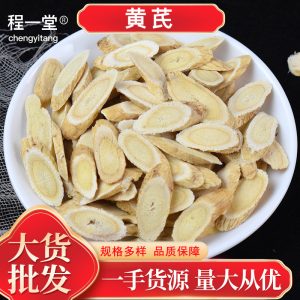
Astragalus Root Slices Huang Qi 斜片 Dried Herb for Decoction Soup and Tea 500g
Price range: $6.06 through $19.51 -
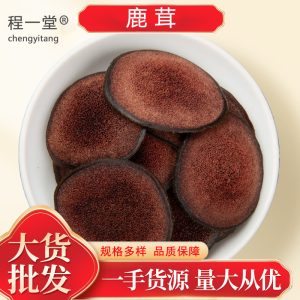
Deer Antler Slices Lu Rong 鹿茸片 Dried Slices for Wine Infusion and Soup 100g Wax Slices Pack
Price range: $68.29 through $92.59 -
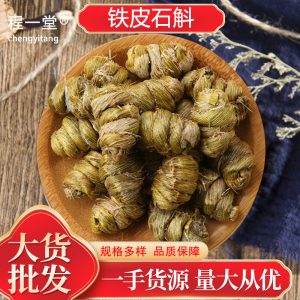
Tie Pi Shi Hu Dried Dendrobium Stems 500g Huoshan Fengdou for Soup and Tea
Price range: $35.88 through $108.80
Reviews
There are no reviews yet.