
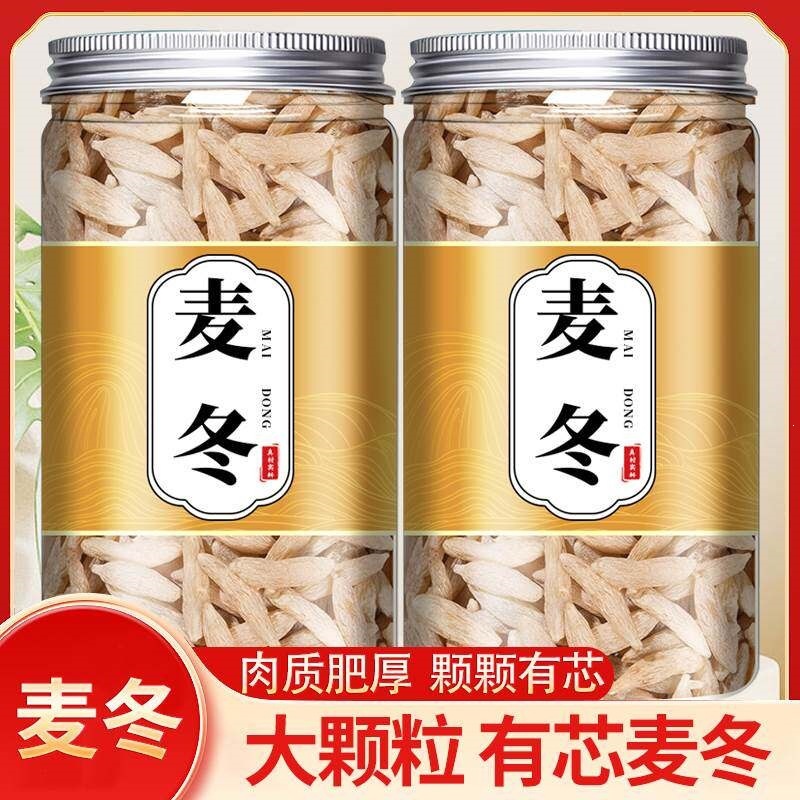
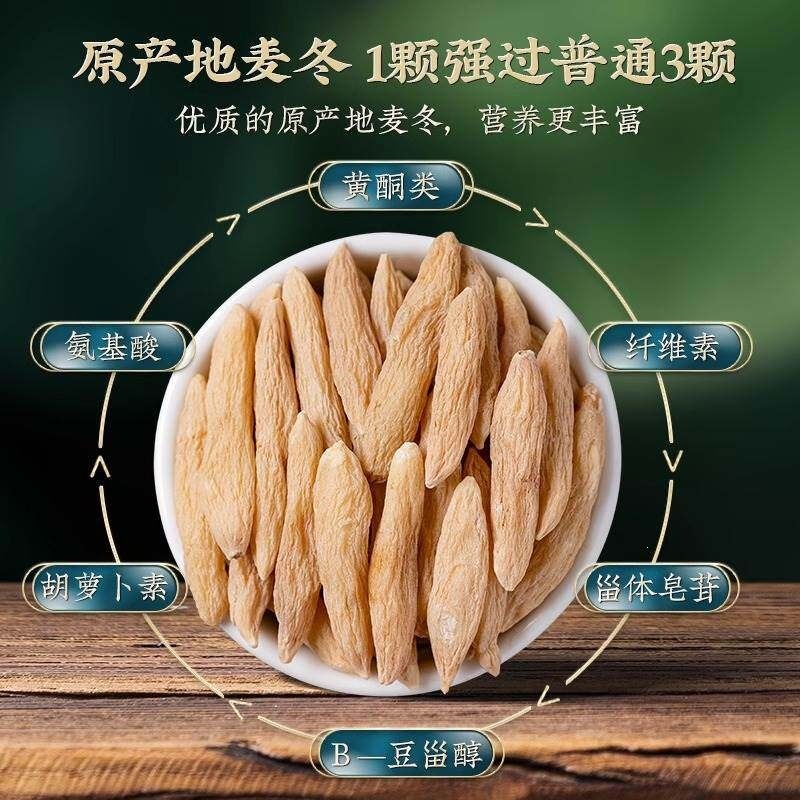
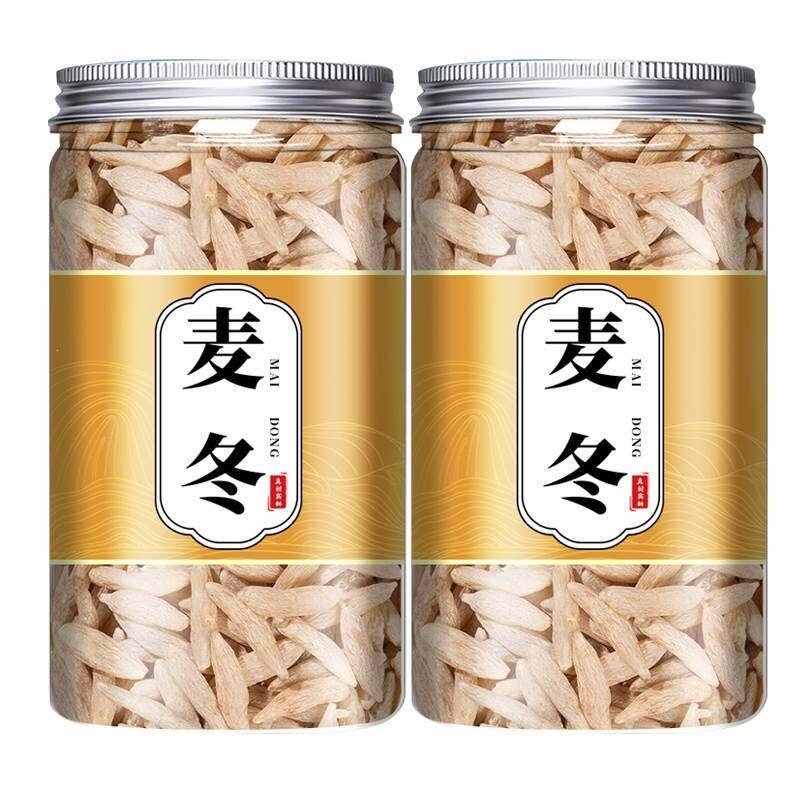
Dried Ophiopogon Root 500g Sichuan Maidong for Herbal Tea and Soup
Price range: $5.88 through $16.76
Description
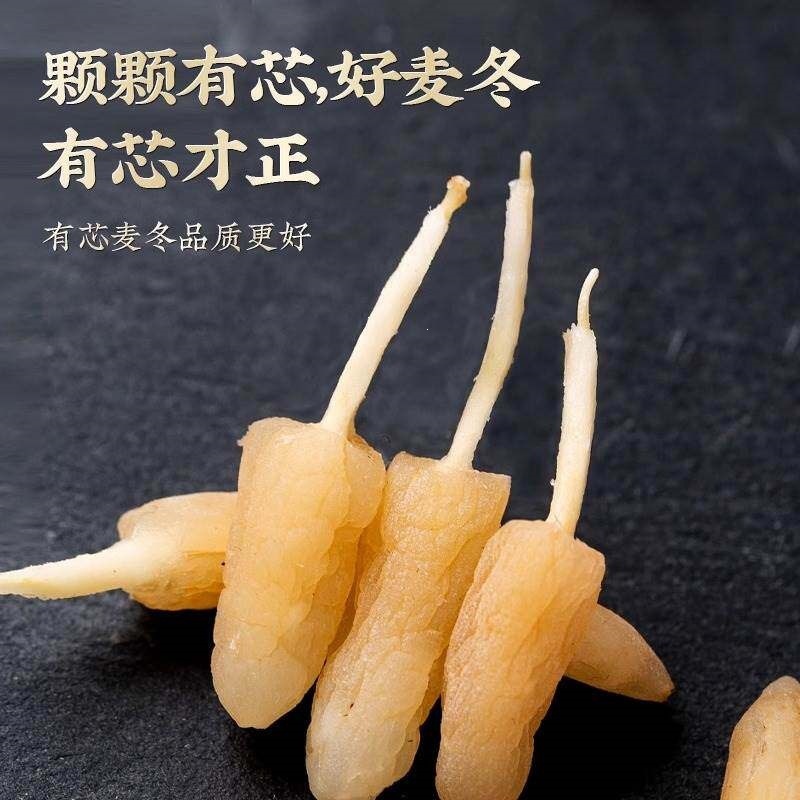
Dried Ophiopogon Root, known in TCM as Maidong (麦冬) and botanically as Ophiopogon japonicus, is the dried tuberous root of a perennial plant. In TCM theory it is sweet and slightly bitter with a slightly cold nature, entering the Heart, Lung, and Stomach channels. Traditionally used to nourish Yin and moisten dryness, it is commonly simmered in water, soups, or congee as a gentle daily herbal ingredient.
Key Selling Points
- Dried tuberous root of Ophiopogon japonicus, a classic TCM herb
- Known in TCM as Maidong (麦冬), sweet and slightly cold in nature
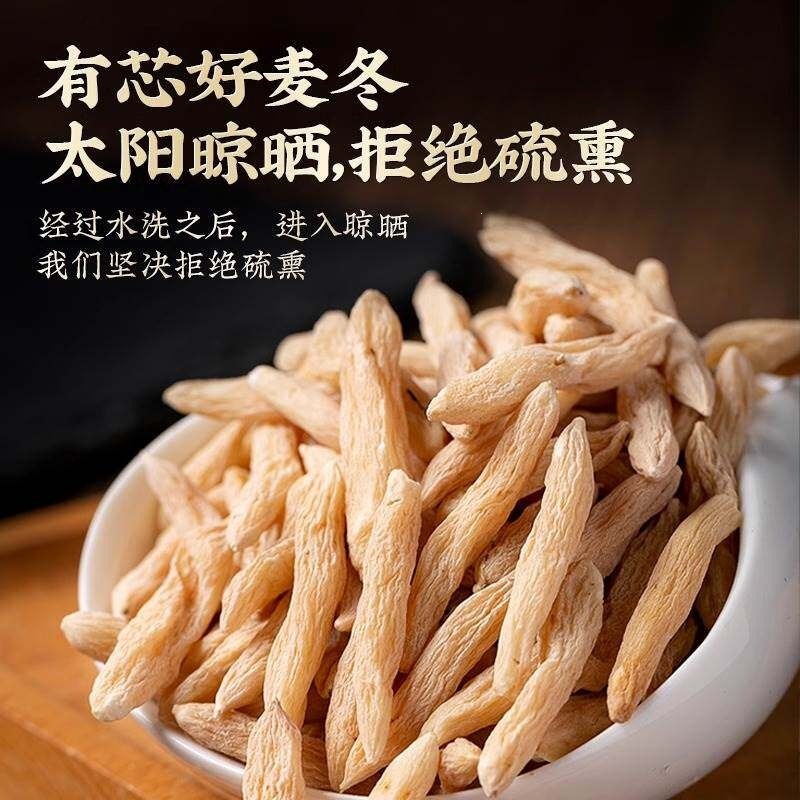
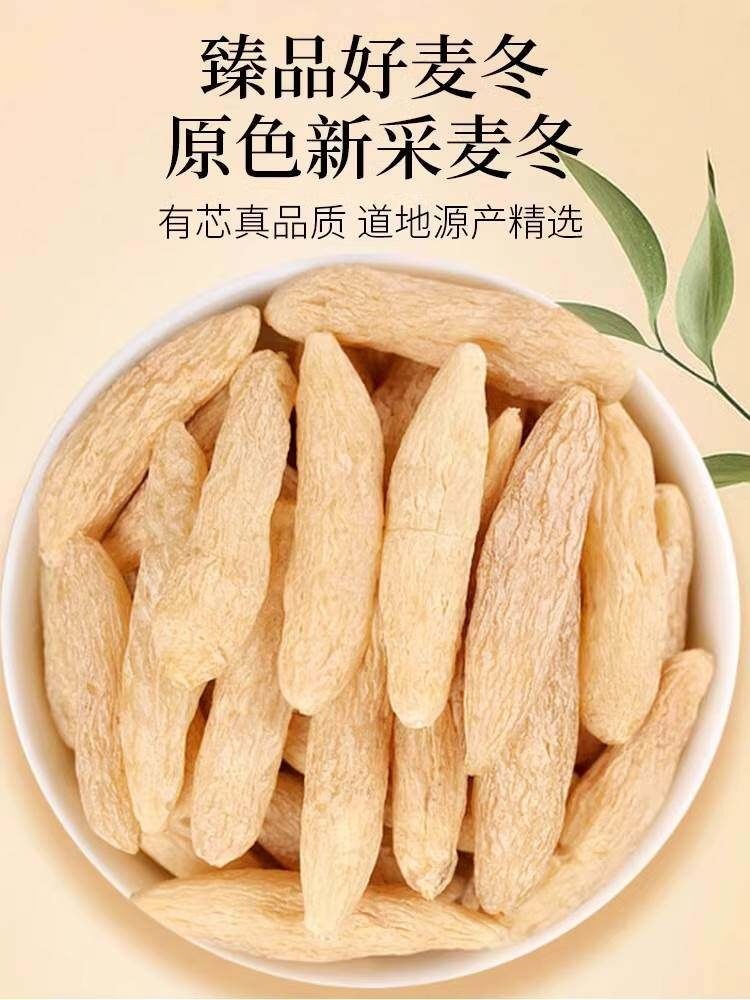
- Sun-dried processing preserves natural texture and mild aroma
- Traditionally used to nourish Yin and moisten dryness in TCM theory
- Versatile for teas, soups, congee, and daily herbal cooking

Quality & Sensory
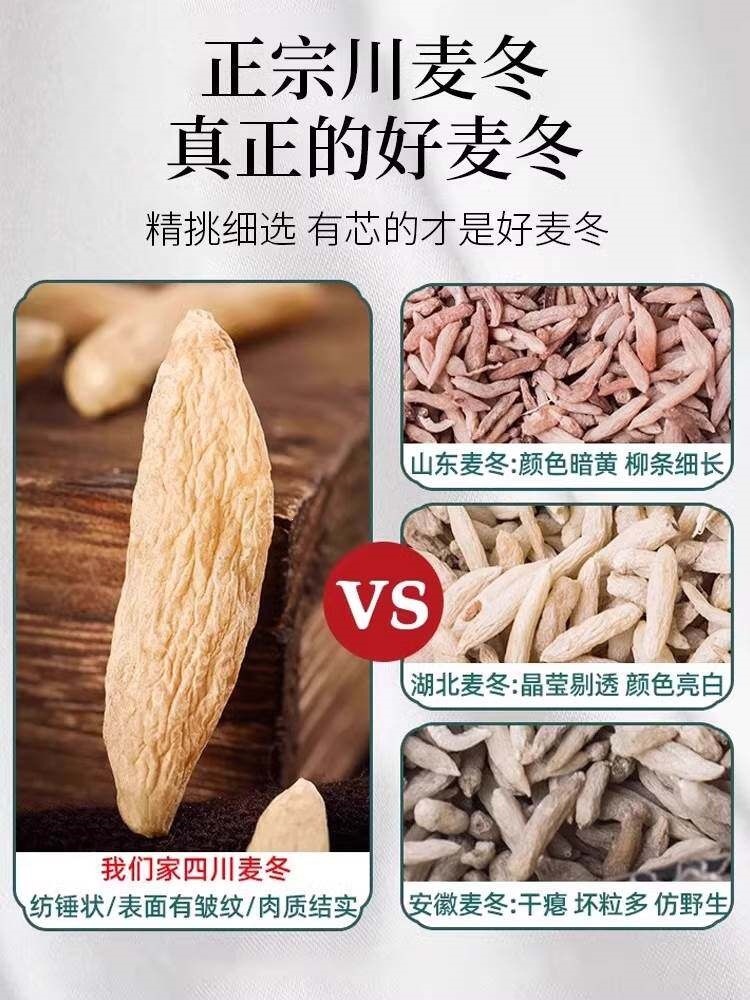
The dried roots are typically pale yellowish-brown to light tan, firm and slightly fibrous in texture, with a mild earthy aroma. When simmered or brewed, the liquid is typically light amber with a subtly sweet and faintly bitter taste. Actual batch color and flavor may vary slightly by harvest.
Technical Specifications
| Product Type | Dried herbal root |
|---|---|
| Chinese Name | 麦冬 |
| Pinyin | Maidong |
| Botanical Name | Ophiopogon japonicus |
| Plant Part | Tuberous root |
| Net Weight | 500g |
Usage Scenarios
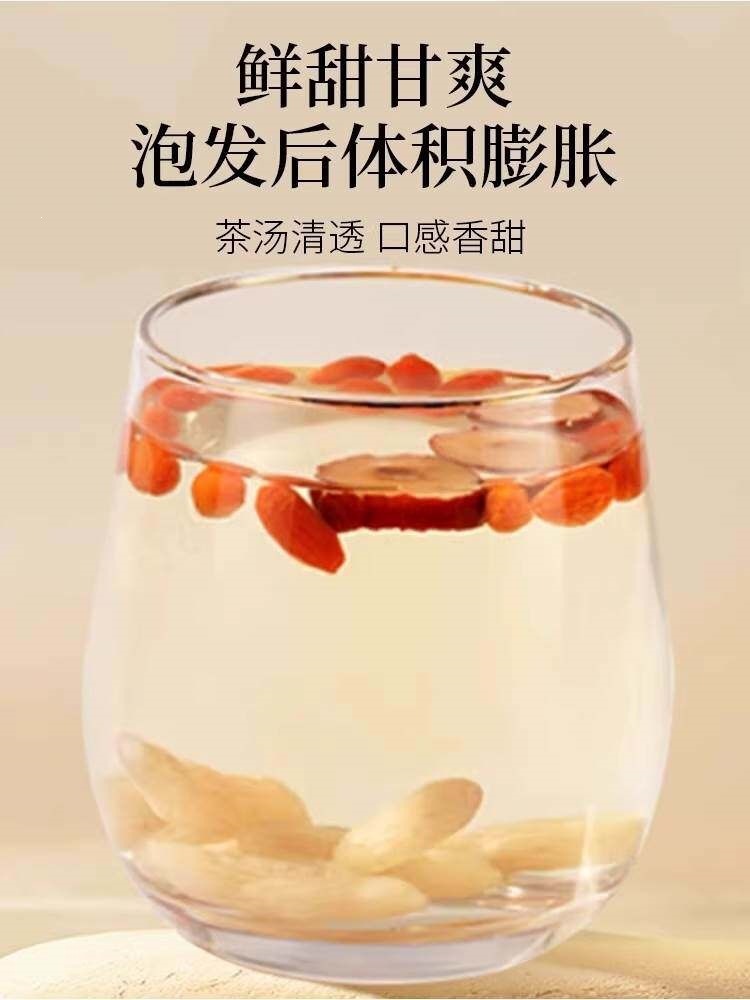
- Simmered as a daily herbal tea
- Added to soups and broths
- Cooked into congee
- Combined with other herbs in decoctions
- Used in seasonal home cooking
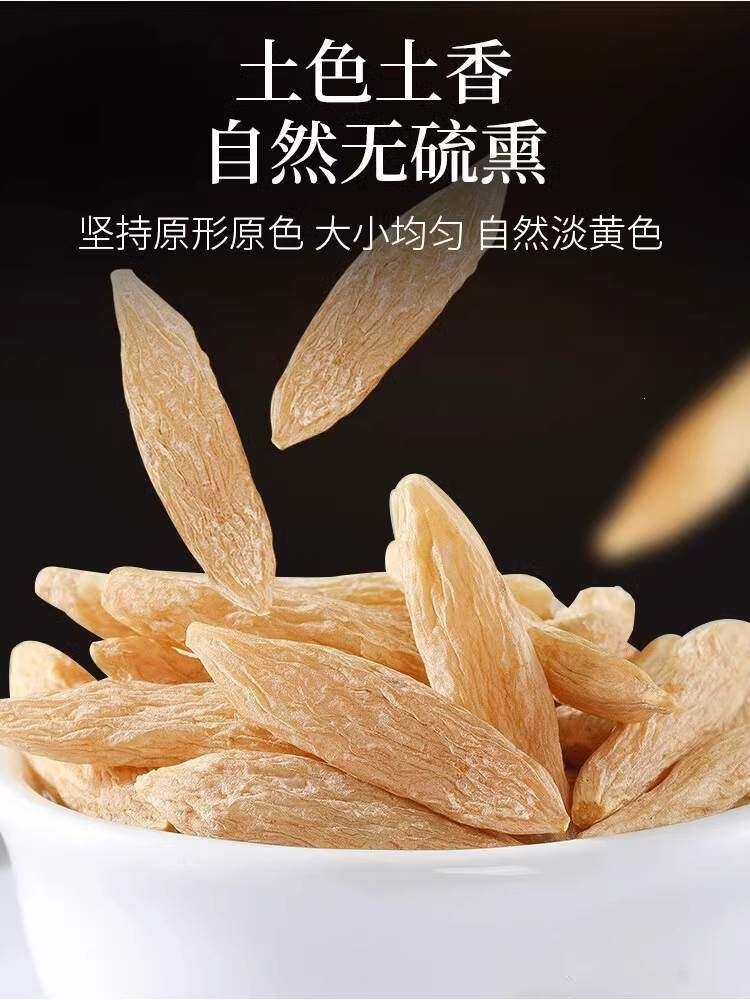
Traditional Uses
In TCM theory, Maidong is traditionally used to nourish Yin and moisten dryness, and is often paired with herbs such as American ginseng or goji berry in decoctions. It is commonly simmered in water, added to soups, or cooked into congee. Folk practice also uses it in seasonal cooling teas and restorative broths.
FAQ Q&A
Q: What is this product?
A: It is dried Ophiopogon root, known in TCM as Maidong (麦冬), from Ophiopogon japonicus.
Q: What is its traditional value?
A: In TCM theory it is considered sweet and slightly cold, traditionally used to nourish Yin and moisten dryness.
Q: How is it commonly prepared?
A: It is typically simmered in water as a tea, added to soups, or cooked into congee.
Additional information
| Weight | N/A |
|---|---|
| Dimensions | N/A |
| Model | 罐装 麦冬30g, 3罐 党参125g 黄芪125g 麦冬100g, 3罐 西洋参50g 黄芪125g 麦冬100g, 买1发4 共4罐 西洋参50g 黄芪125g 麦冬100g 党参150g, 罐装 麦冬250g, 罐装 麦冬1000g, 罐装 麦冬100g, 罐装 麦冬100g 党参125g, 罐装 麦冬100g 枸杞150g, 罐装 麦冬100g 玉竹125g, 罐装 麦冬100g 甘草125g, 罐装 麦冬100g 百合125g, 罐装 麦冬100g 西洋参50g |
Related products
-

Ningxia Goji Berries Gou Qi Zi 500g Dried Red Wolfberry for Tea Soup and Snacking
Price range: $7.20 through $16.44 -
Dried Angelica Sinensis Slices Dang Gui 当归 500g Gansu Raw Herb for Decoction Soup and Tea
Price range: $16.44 through $35.88 -
Tie Pi Shi Hu Dried Dendrobium Stems 500g Huoshan Fengdou for Soup and Tea
Price range: $35.88 through $108.80 -
Dried Ginger Root Gan Jiang 500g Bulk Chinese Herb Zingiber officinale Rhizome for Decoction and Culinary Use
$5.90
Reviews
There are no reviews yet.