
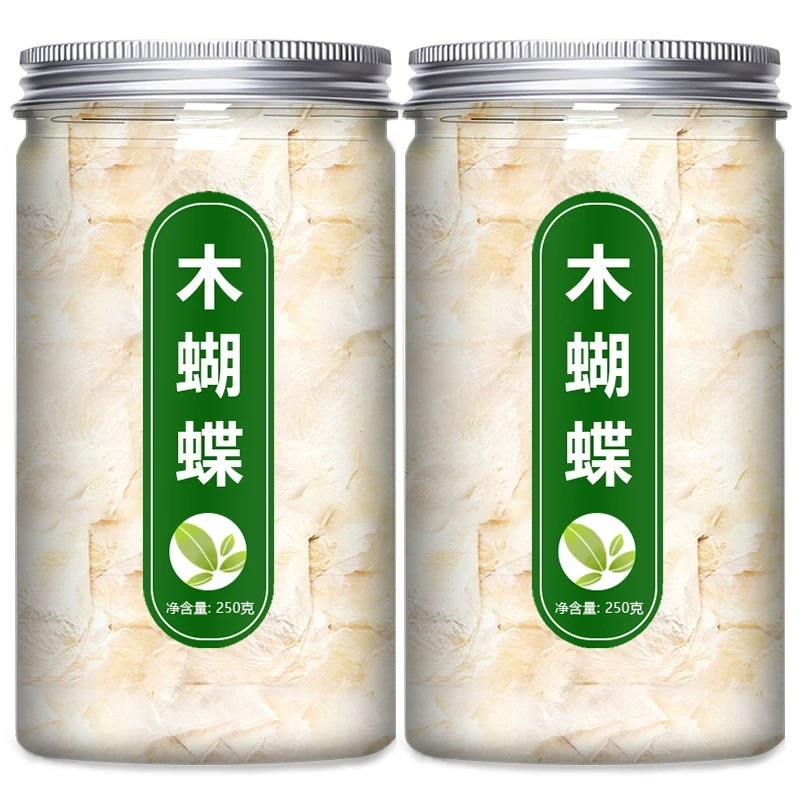
Dried Mu Hu Die Semen Oroxyli Herb for Herbal Tea and Soup 250g
Price range: $5.90 through $12.74
Description
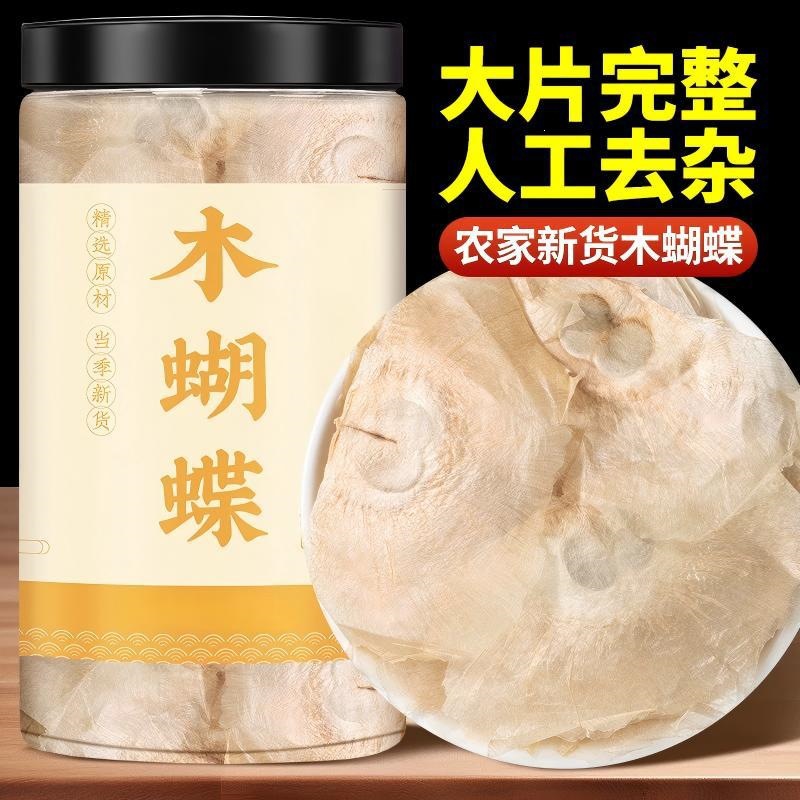
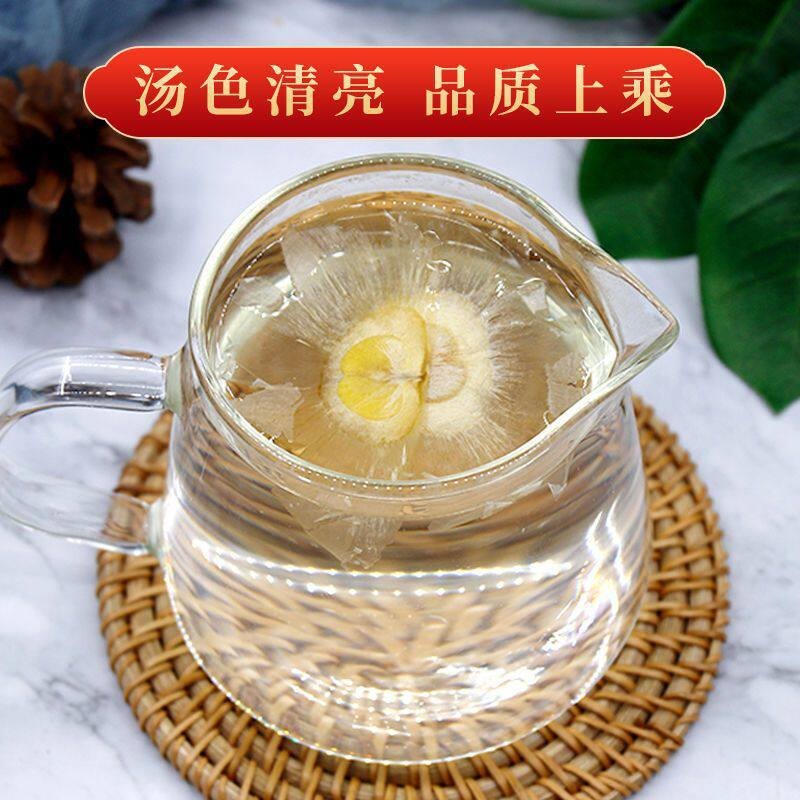
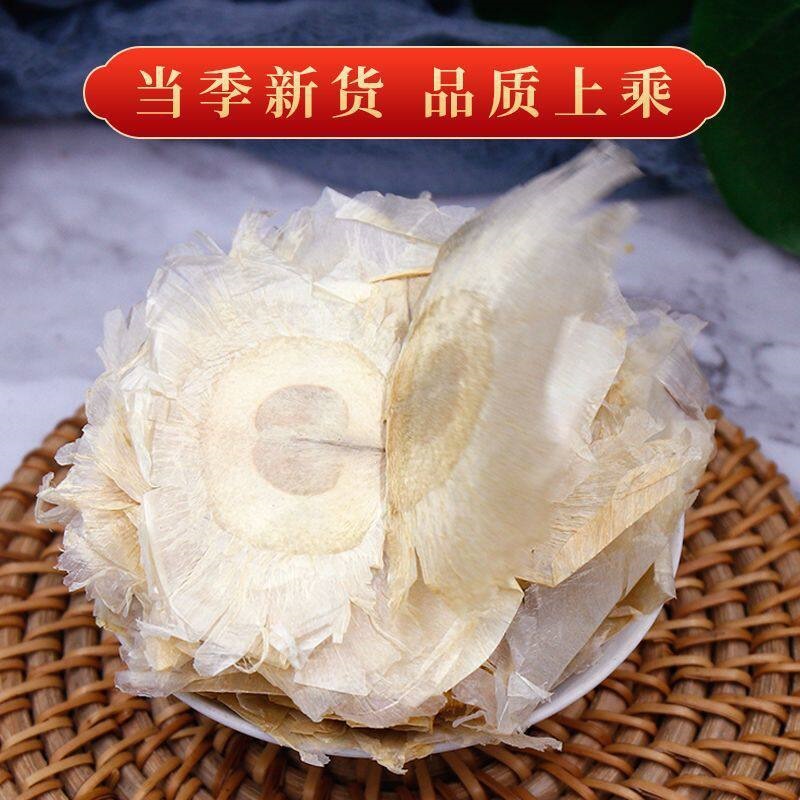
Dried Mu Hu Die (木蝴蝶), also known as Semen Oroxyli or Indian Trumpet Flower Seed, is the dried seed of Oroxylum indicum. In TCM theory it is considered cool and sweet-bitter, traditionally associated with the Lung and Liver channels. It is commonly prepared as a simple herbal tea or added to soups and decoctions. Store in a cool dry place and use as a traditional food herb.
Key Selling Points
- Dried seed of Oroxylum indicum, known in TCM as Mu Hu Die (木蝴蝶)
- Also called Qian Ceng Zhi or Yu Hu Die in traditional Chinese herbal texts
- Naturally sun-dried and packed as a food agricultural product
- Lightweight, papery seeds suitable for tea, soup, and decoction
- 250g per can, available as a two-can set
Quality & Sensory
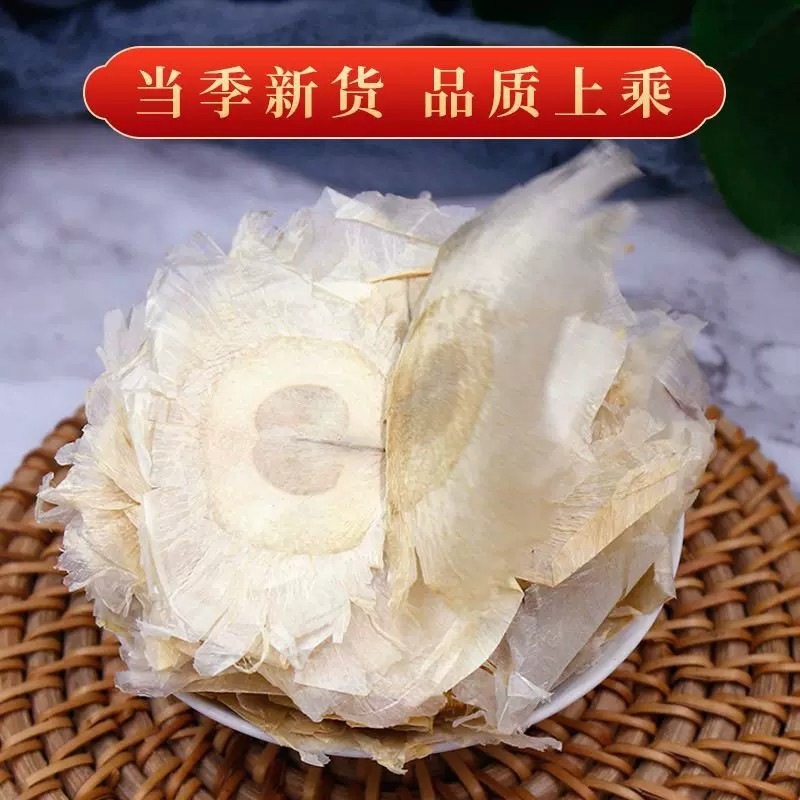
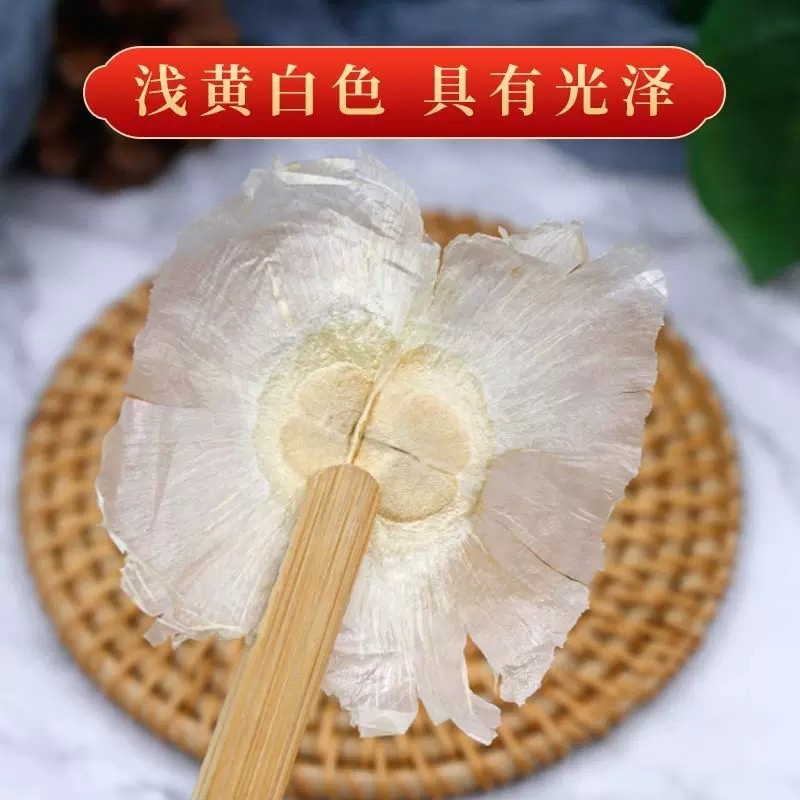
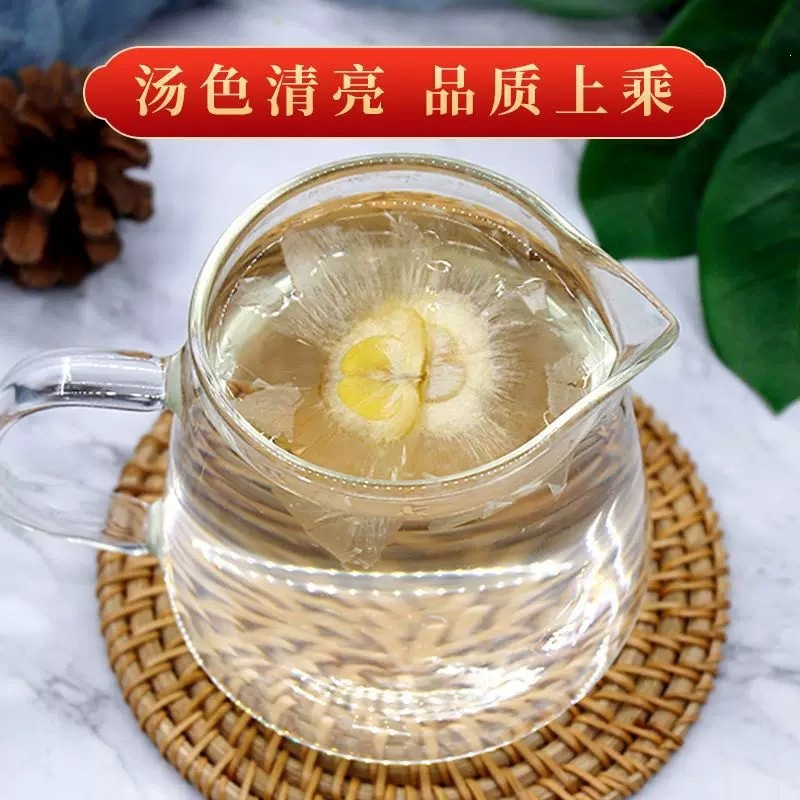
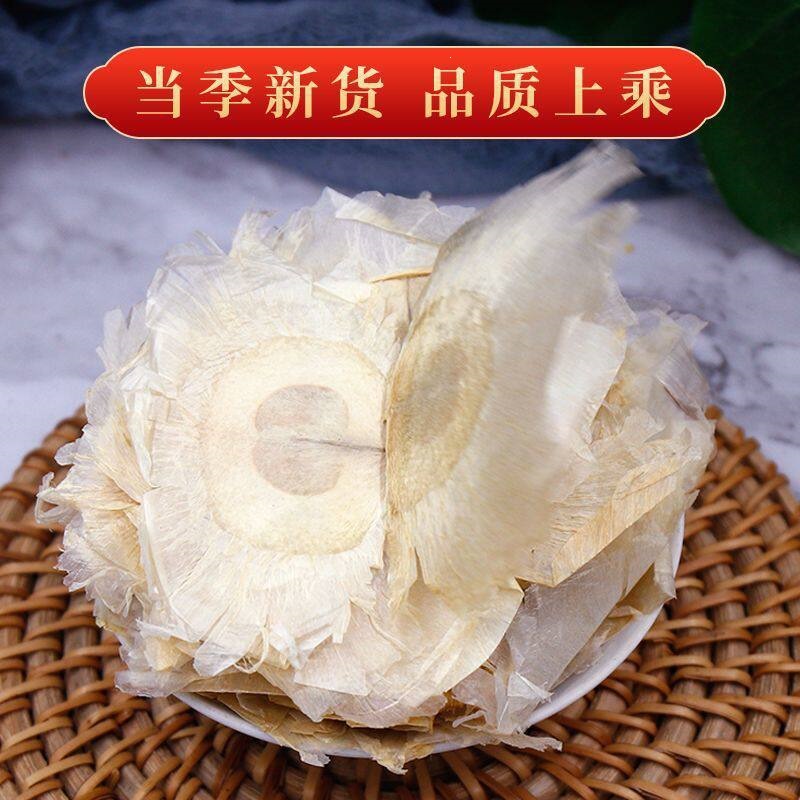
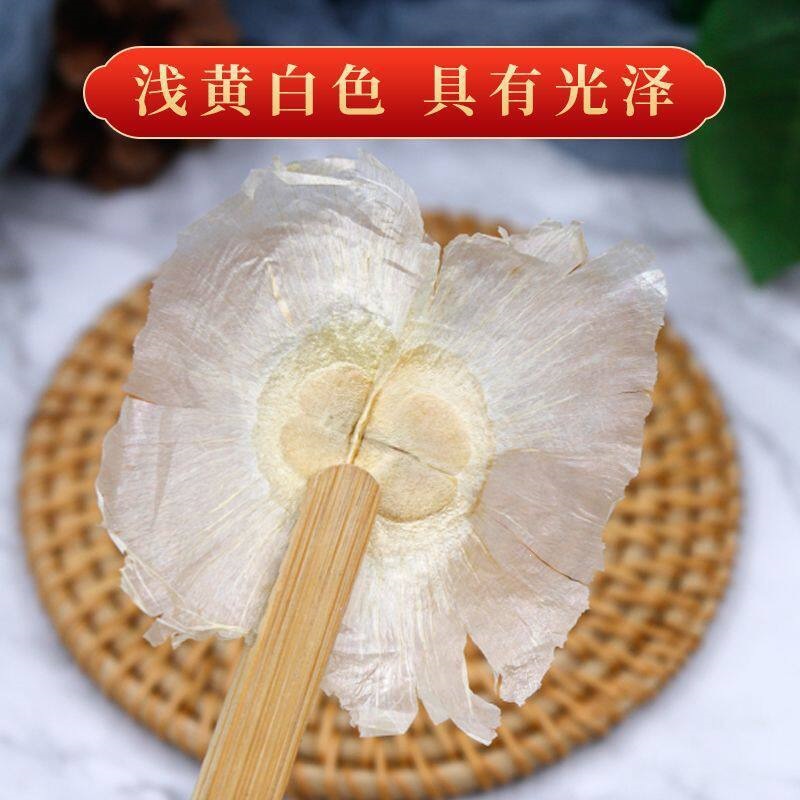
The seeds are typically pale yellowish-white to light tan, thin, flat, and papery with a slight wing-like shape. They have a mild, faintly grassy aroma and a subtle, slightly sweet and bland taste when brewed. Texture is dry and brittle, softening after steeping or simmering.
Technical Specifications
| Product Type | Dried herbal seed |
|---|---|
| Chinese Name | 木蝴蝶 |
| Pinyin | Mu Hu Die |
| Botanical Name | Oroxylum indicum |
| Plant Part | Seed |
| Net Weight | 250g per can |
Usage Scenarios
- Brewed alone as a mild herbal tea
- Combined with Pang Da Hai and Mai Dong in tea
- Simmered in light herbal soups
- Added to daily decoctions
- Used in traditional congee recipes
Traditional Uses
In TCM theory, Mu Hu Die is traditionally used in formulas for the throat and voice, often paired with Pang Da Hai (胖大海) and Mai Dong (麦冬). It is commonly prepared by steeping in hot water or simmering briefly in decoctions. Folk practice also includes adding it to light soups and congee for seasonal throat care.
FAQ Q&A
Q: What is Mu Hu Die?
A: Mu Hu Die (木蝴蝶) is the dried seed of Oroxylum indicum, a traditional Chinese herbal ingredient also known as Semen Oroxyli.
Q: What is it traditionally used for?
A: In TCM theory it is associated with the Lung and Liver channels and is traditionally used in throat and voice formulas, often with Pang Da Hai and Mai Dong.
Q: How do I prepare it?
A: It is commonly brewed as a tea or simmered briefly in decoctions and soups. It can also be added to congee.
Additional information
| Weight | N/A |
|---|---|
| Dimensions | N/A |
| Model | 木蝴蝶35克 1罐, 木蝴蝶250克 1罐, 木蝴蝶250克 2罐 |
Related products
-

Ningxia Goji Berries Gou Qi Zi 500g Dried Red Wolfberry for Tea Soup and Snacking
Price range: $7.20 through $16.44 -
Dried Raspberry Fruit Fu Pen Zi Whole Berries for Herbal Tea and Wine Infusion 500g
Price range: $15.63 through $18.06 -
Black Pepper Whole Peppercorns Hu Jiao 500g Bulk Culinary Spice for Cooking and Seasoning
Price range: $8.33 through $9.14 -

Cabinda Bark Dried Herb 500g Traditional Herbal Infusion Ingredient
Price range: $12.38 through $37.50
Reviews
There are no reviews yet.