
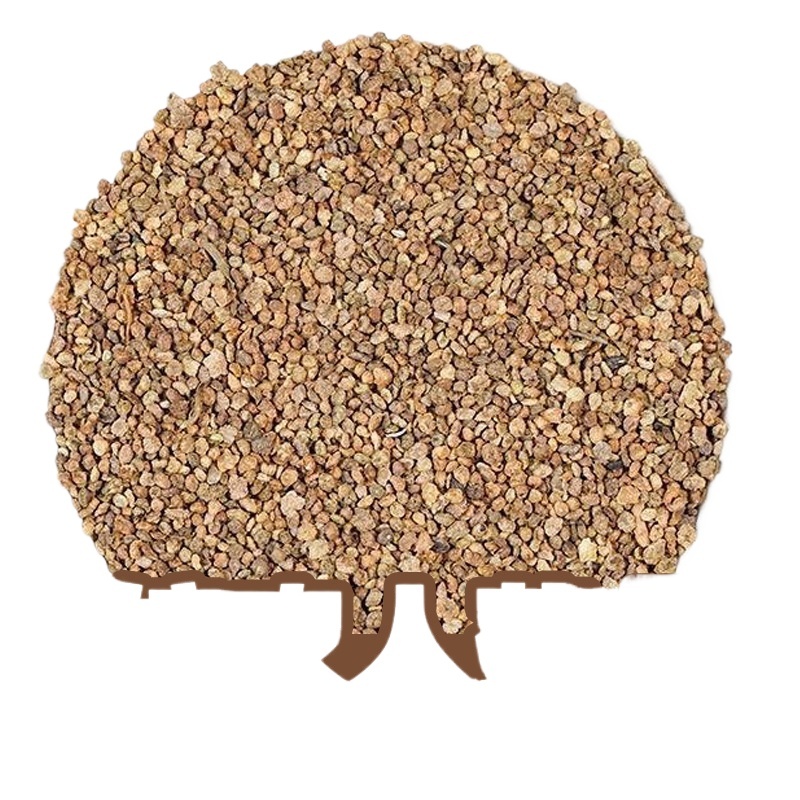
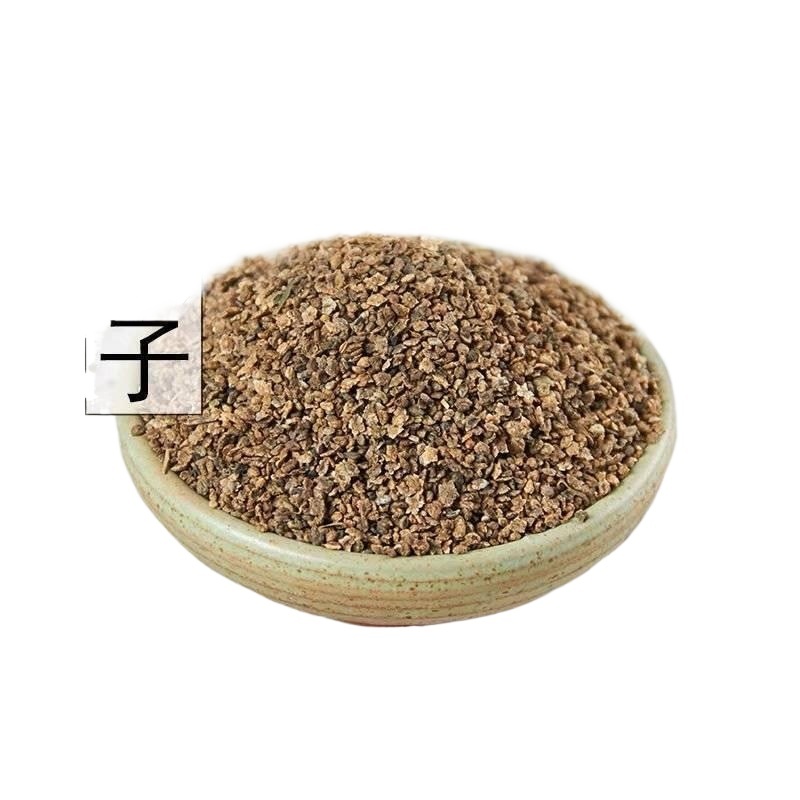
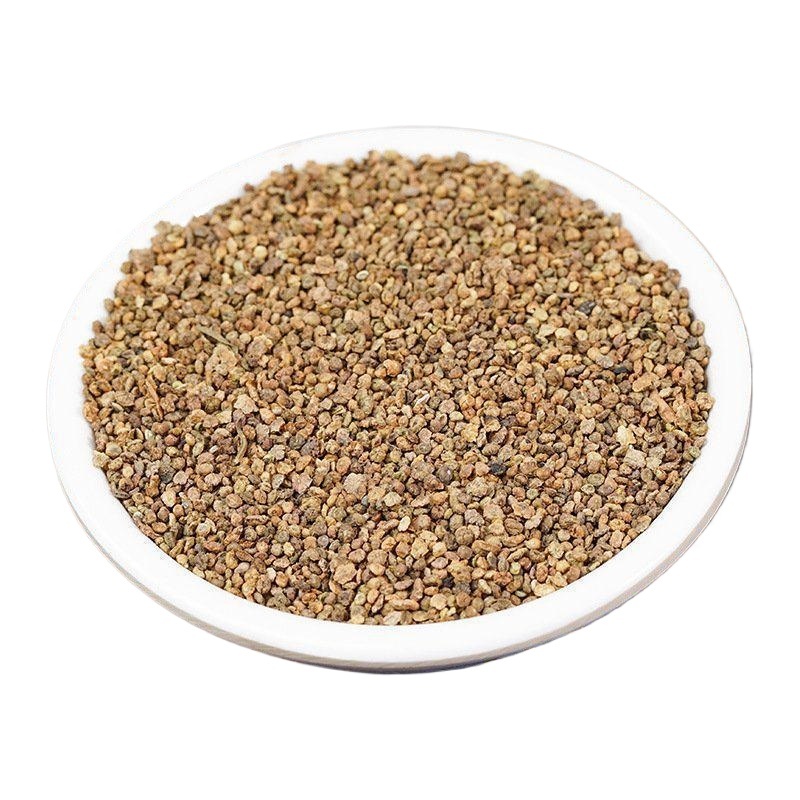
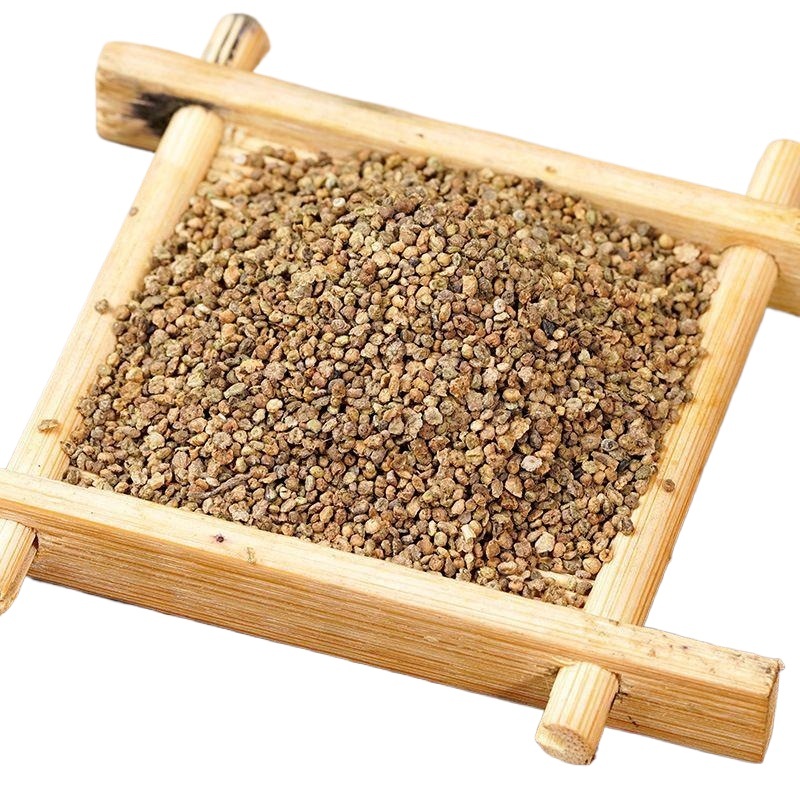
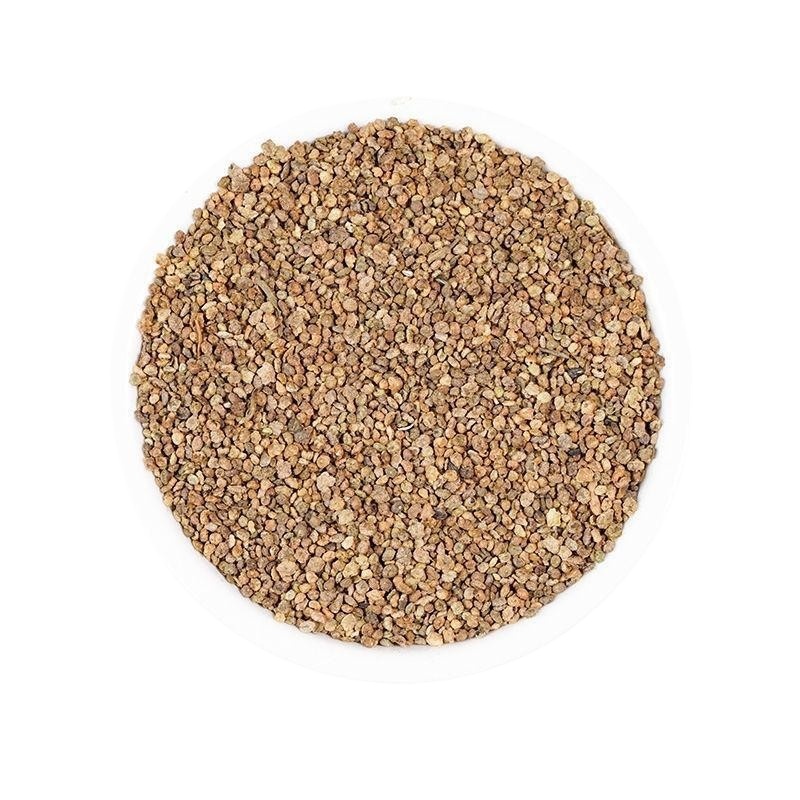
Dried Kochia Fruit Di Fu Zi 500g Traditional Chinese Herb Sliced Botanical Ingredient
Price range: $5.40 through $12.11
Description
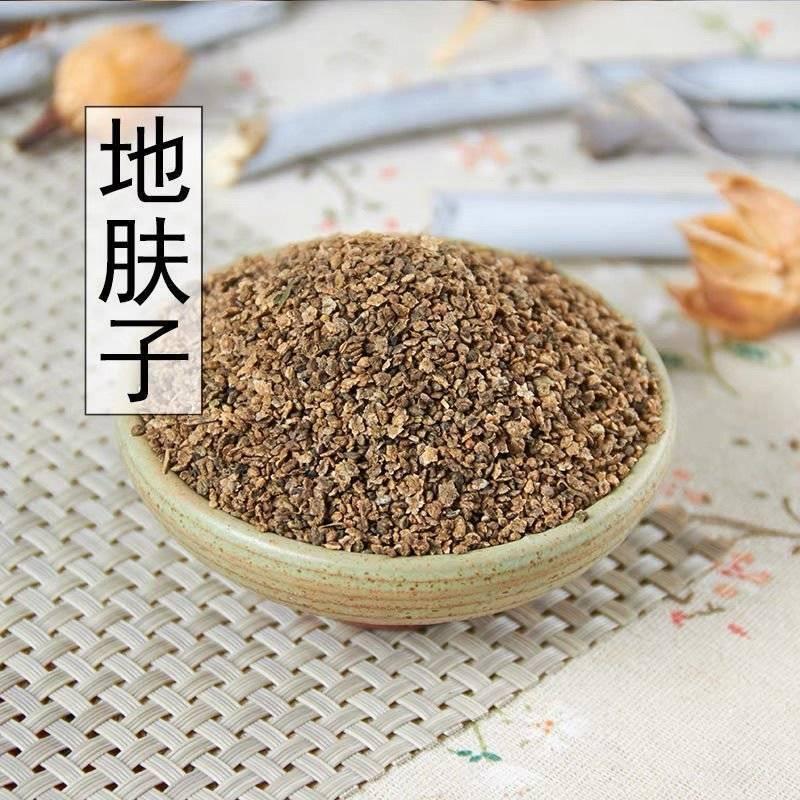
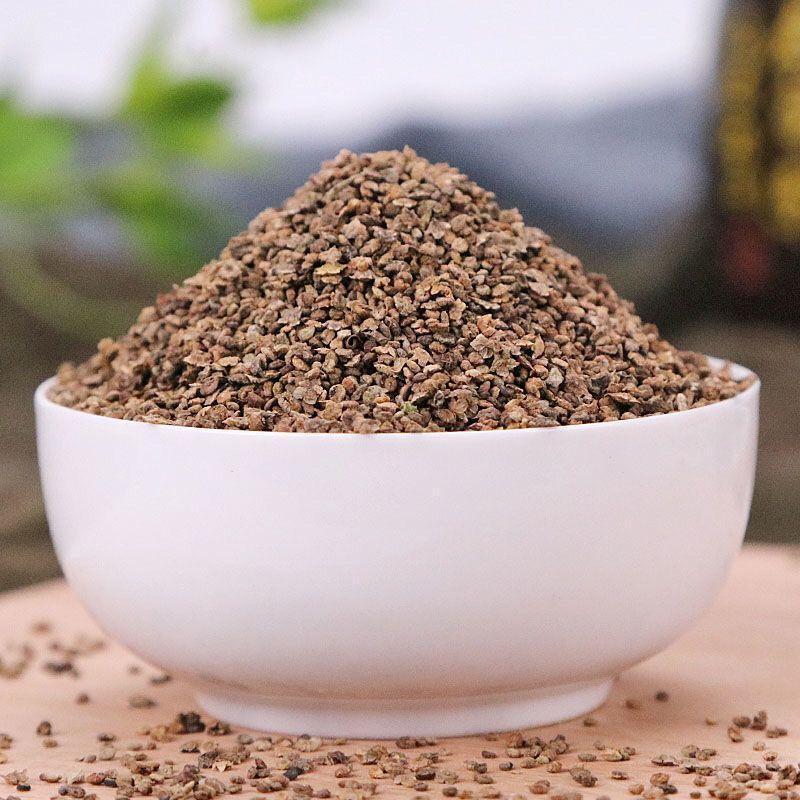
Dried Kochia Fruit, known in TCM as Di Fu Zi (地肤子), from Kochia scoparia, the dried mature fruit of the kochia plant. Traditionally associated in Chinese herbal practice with clearing damp-heat and supporting skin comfort, this seed-type botanical is typically prepared by decoction or used in herbal formulas. Store sealed in a cool dry place away from moisture.

Key Selling Points
- Authentic Di Fu Zi (地肤子) dried kochia fruit, a classic seed-type Chinese herbal ingredient
- Botanical source Kochia scoparia, harvested mature fruits carefully sliced and dried
- Traditionally used in TCM to clear damp-heat and support skin-related wellness
- Sold as a food-grade agricultural product in a 500 gram sealed pack
- Suitable for decoctions, herbal formulas, and traditional external washes
Quality & Sensory
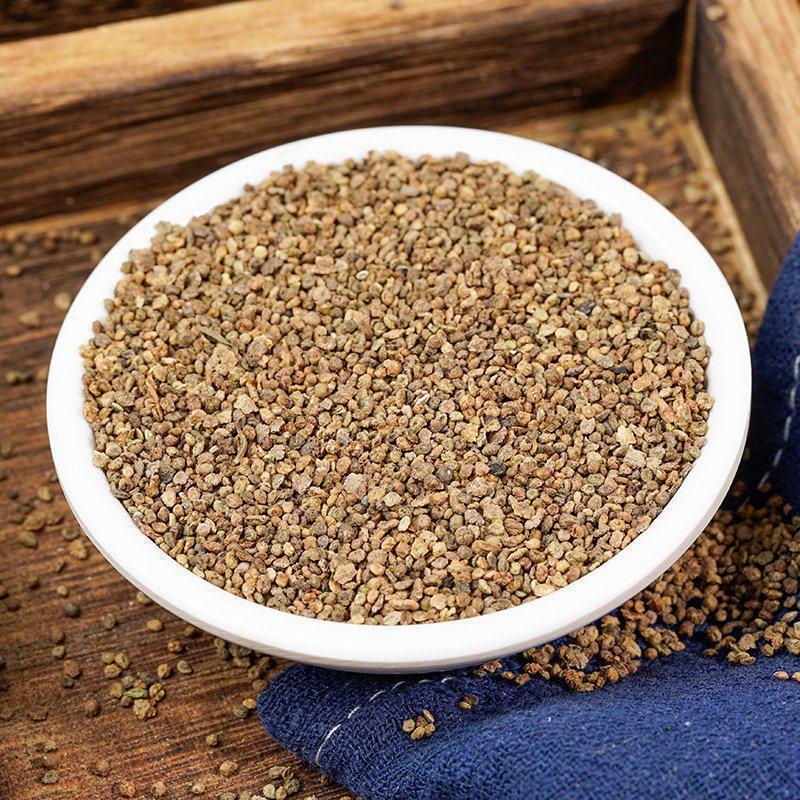
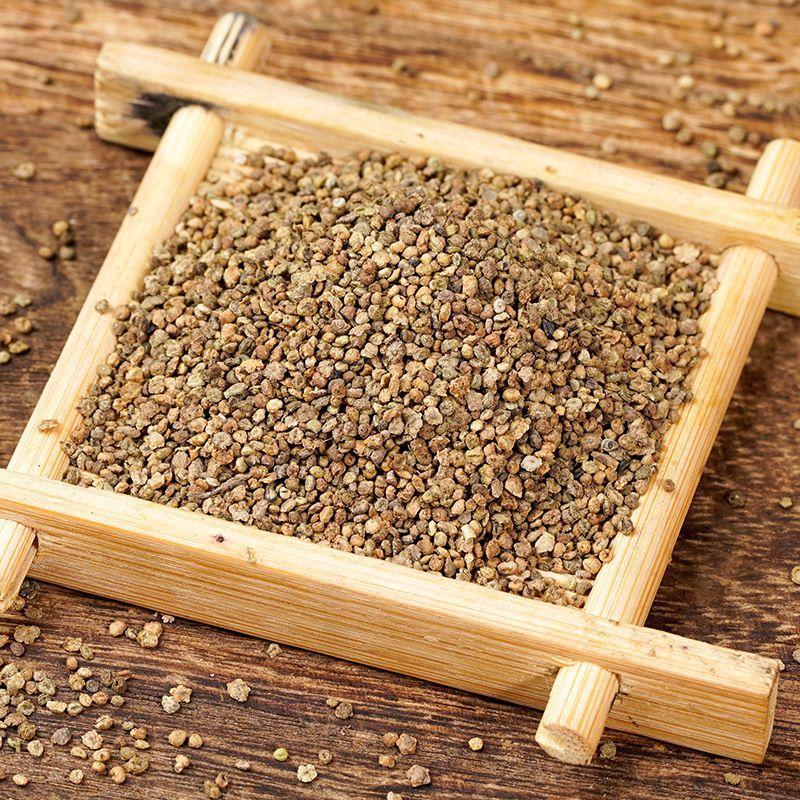
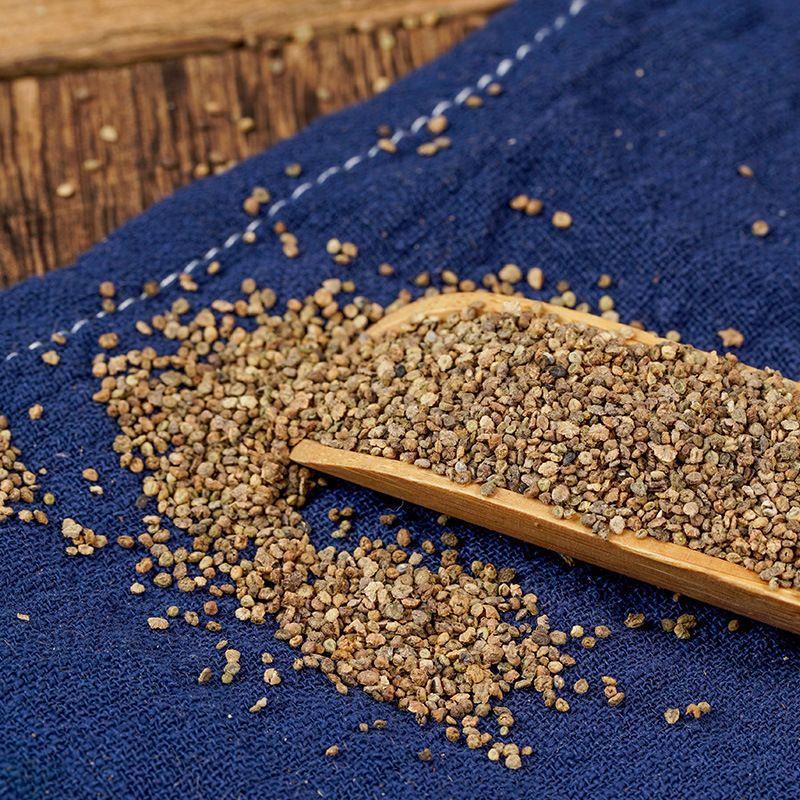
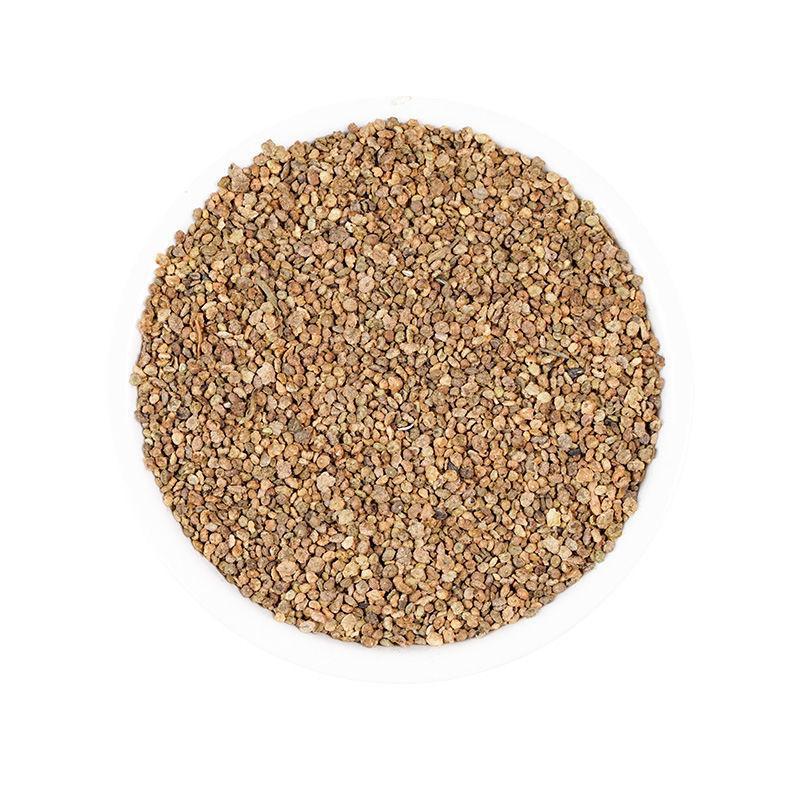
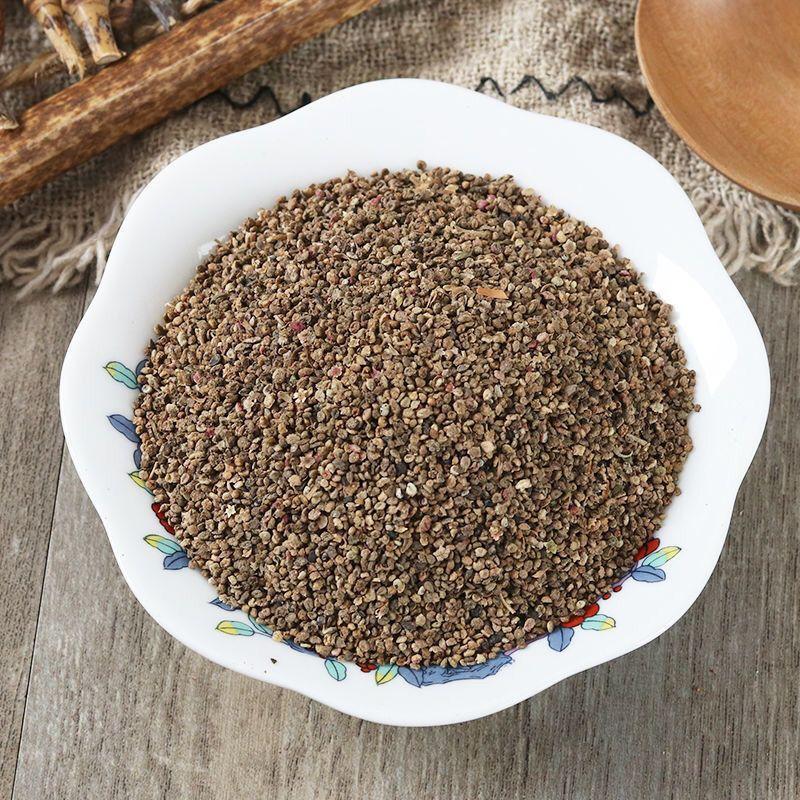
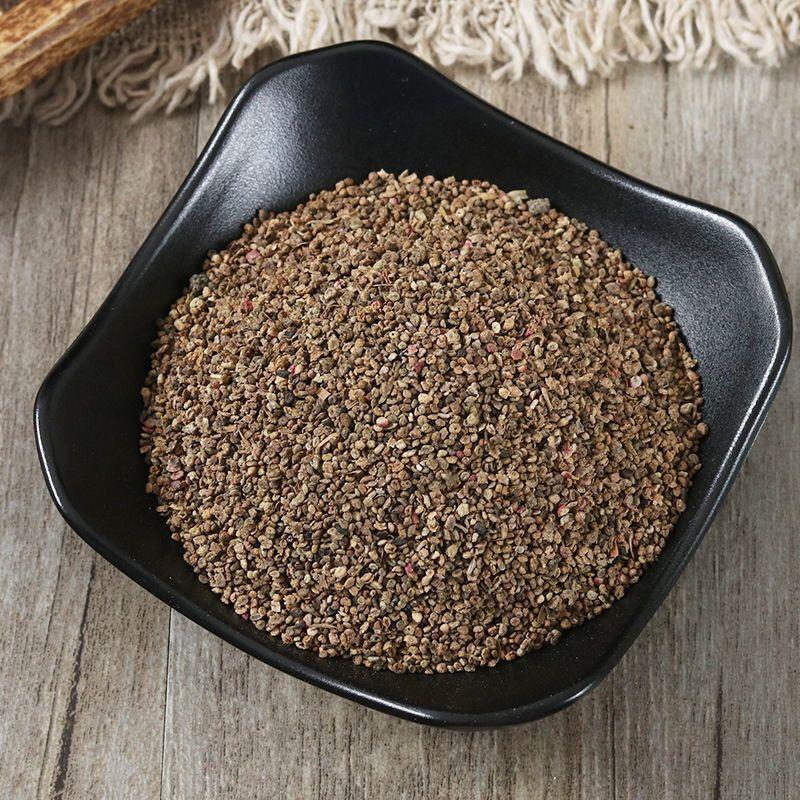
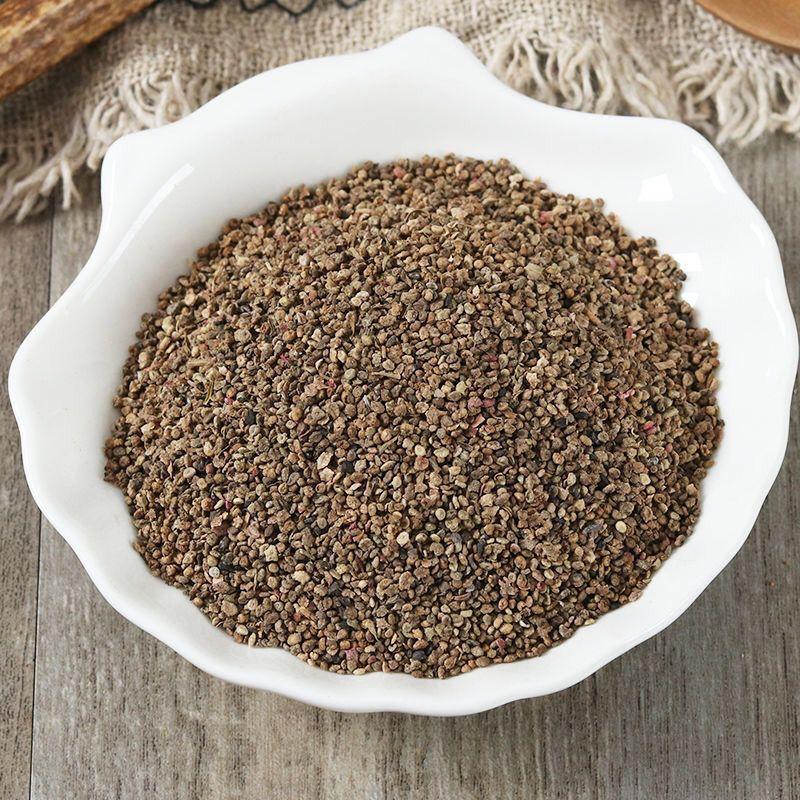
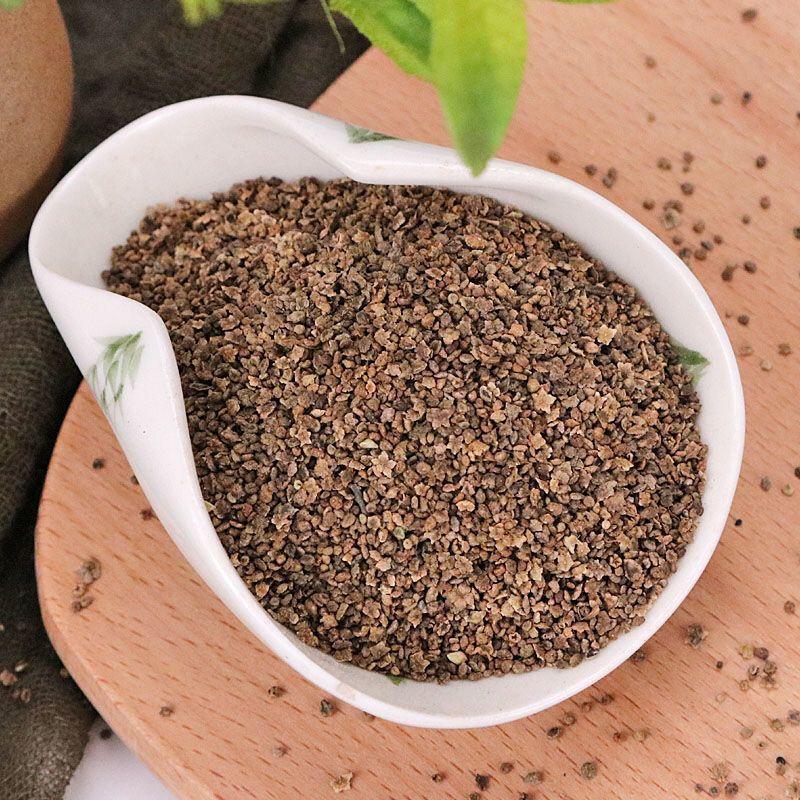
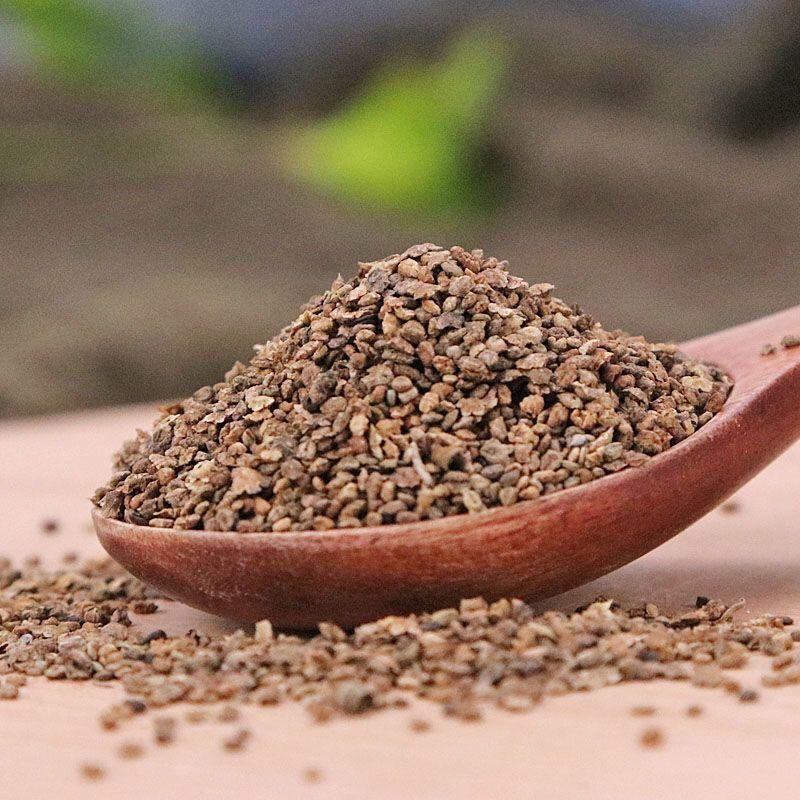
Typically the fruits are small flat oblate seeds with a grayish-green to brownish surface and a fine granular texture. They have a faint herbal aroma and a mild, slightly bitter taste when decocted.
Technical Specifications
| Product Type | Dried Chinese herbal fruit |
|---|---|
| Chinese Name | 地肤子 |
| Pinyin | Di Fu Zi |
| Botanical Name | Kochia scoparia |
| Plant Part | Mature fruit |
| Net Weight | 500 g |
Usage Scenarios
- Simmered in traditional herbal decoctions
- Combined with other herbs in TCM formulas
- Prepared as a mild herbal wash for external use
- Used in seasonal herbal wellness routines
Traditional Uses
In TCM theory, Di Fu Zi is considered bitter and cold and is traditionally associated with the bladder channel. It has long been used in decoctions and external washes, often paired with herbs such as Ku Shen or Bai Xian Pi in damp-heat formulas. Practitioners also traditionally include it in herbal baths or sitz washes for skin comfort.
FAQ Q&A
Q: What is this product?
A: It is dried Kochia Fruit, called Di Fu Zi (地肤子) in Chinese, the mature fruit of Kochia scoparia used as a traditional Chinese herbal ingredient.
Q: What is it traditionally used for?
A: In TCM it is traditionally associated with clearing damp-heat and supporting skin comfort, commonly appearing in decoctions and external washes.
Q: How is it commonly prepared?
A: It is typically simmered in herbal decoctions or boiled for external washes, often combined with other herbs according to traditional formulas.

Additional information
| Weight | N/A |
|---|---|
| Dimensions | N/A |
| Packaging specifications | 2000 grams, 1000 grams, 100 grams, 250 grams, 500 grams |
Related products
-
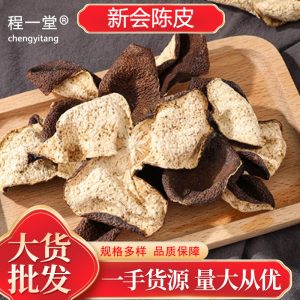
Xinhui Chenpi Dried Tangerine Peel 500g Sun Dried Aged Peel for Soup and Tea
Price range: $60.19 through $116.90 -
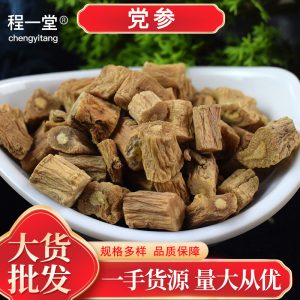
Dried Codonopsis Root Slices Dang Shen 500g Bulk Supply for Soups and Herbal Decoctions
Price range: $10.28 through $18.06 -
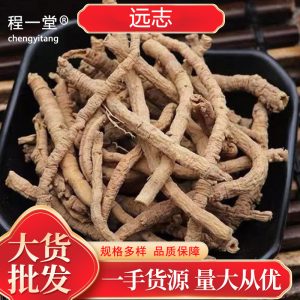
Dried Polygala Root Yuan Zhi 500g Traditional Chinese Herb for Decoction
Price range: $18.87 through $24.54 -
Astragalus Root Slices Huang Qi 500g Dried Herb for Soups and Teas
Price range: $7.36 through $22.11
Reviews
There are no reviews yet.