
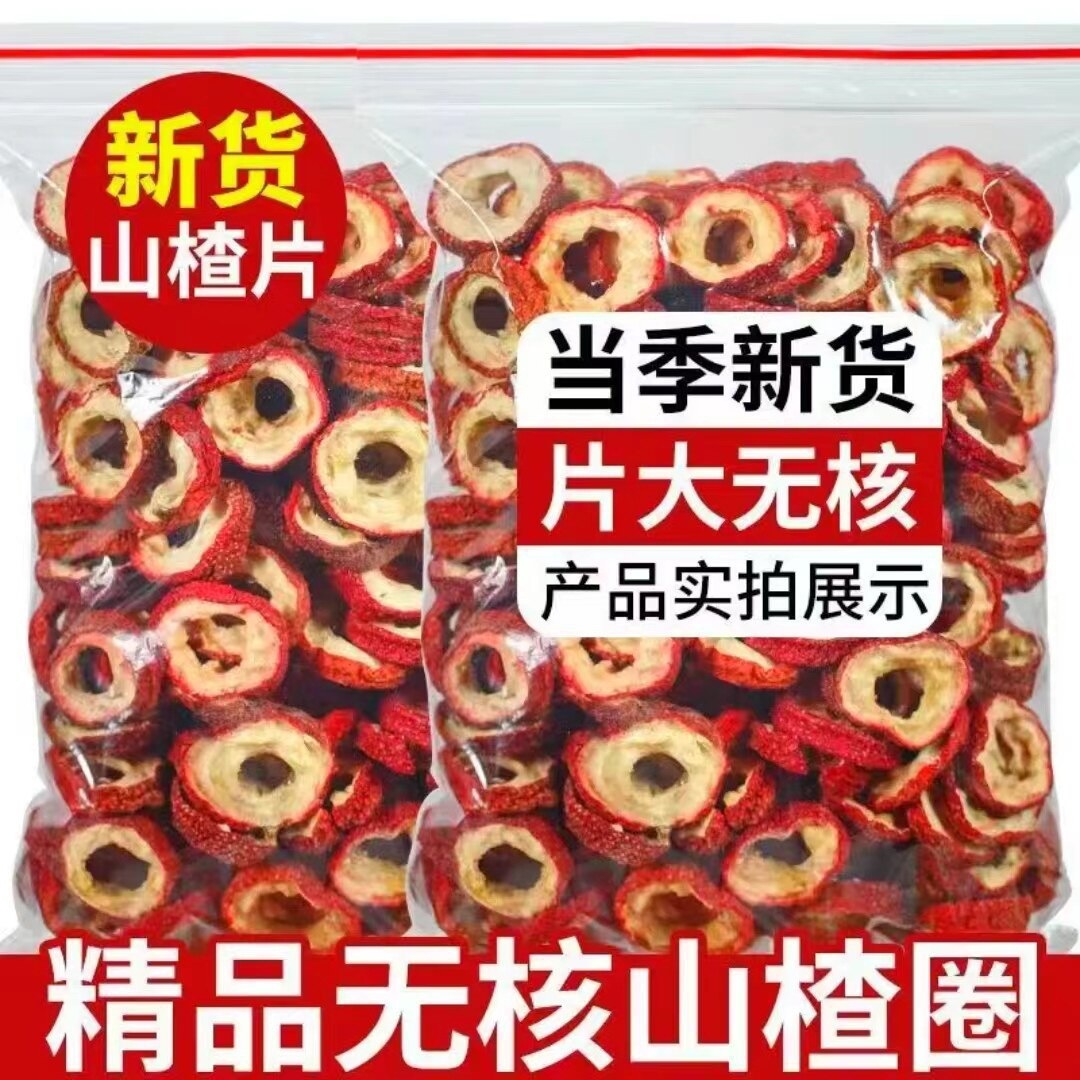
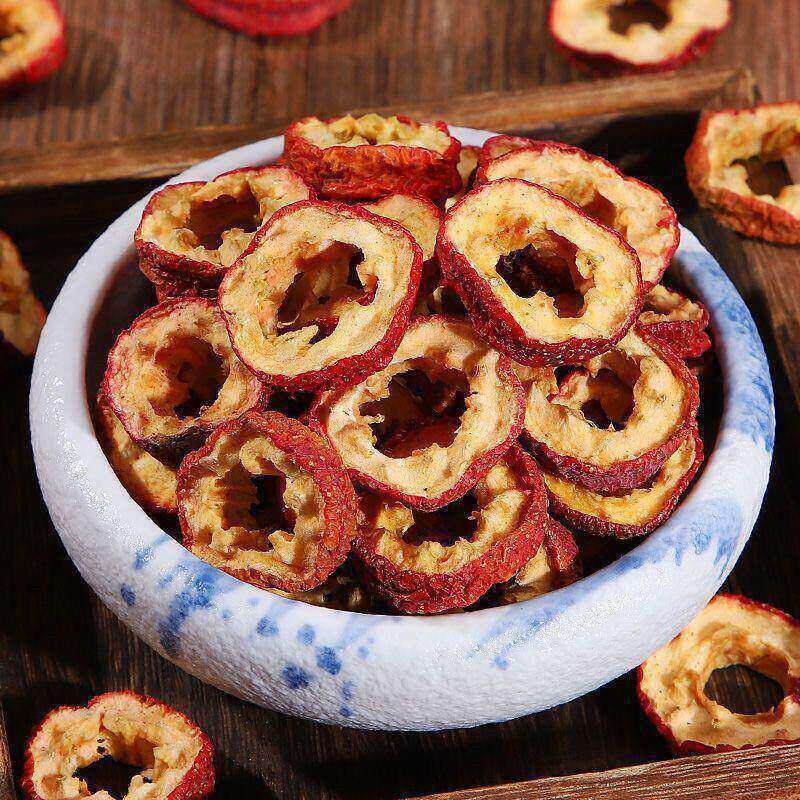
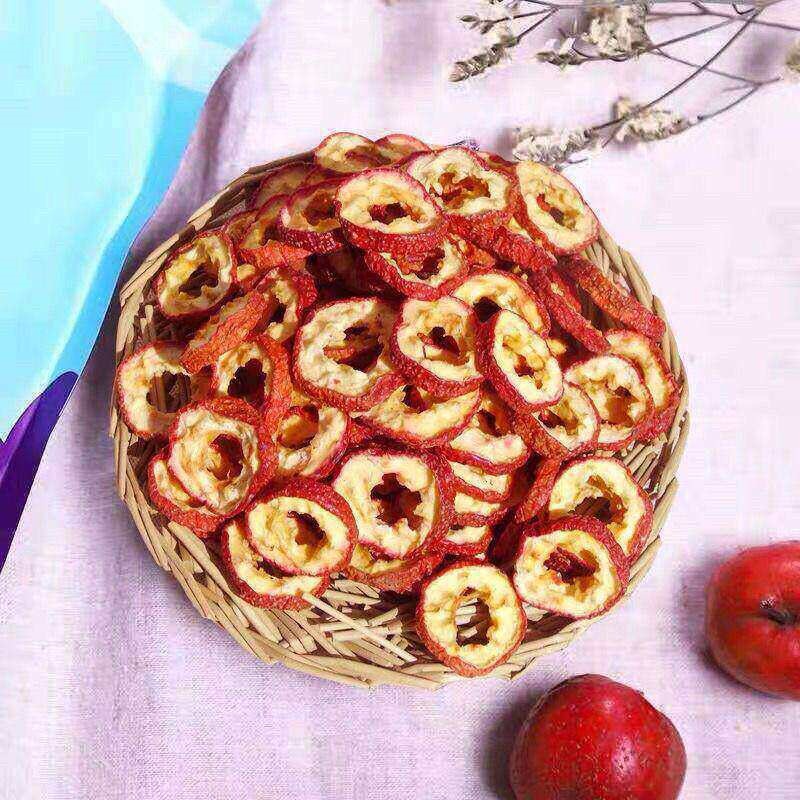
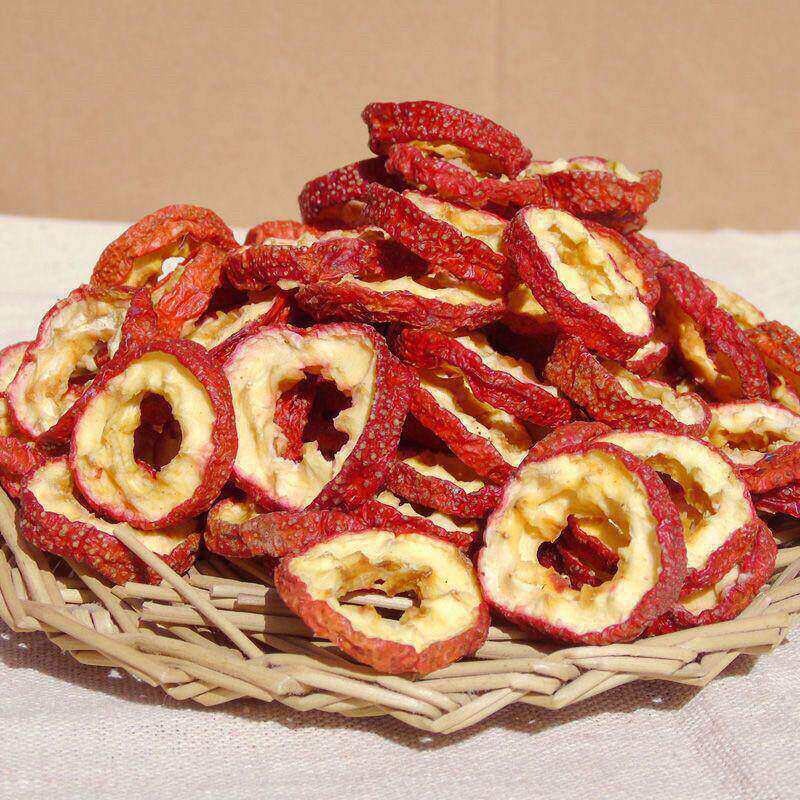
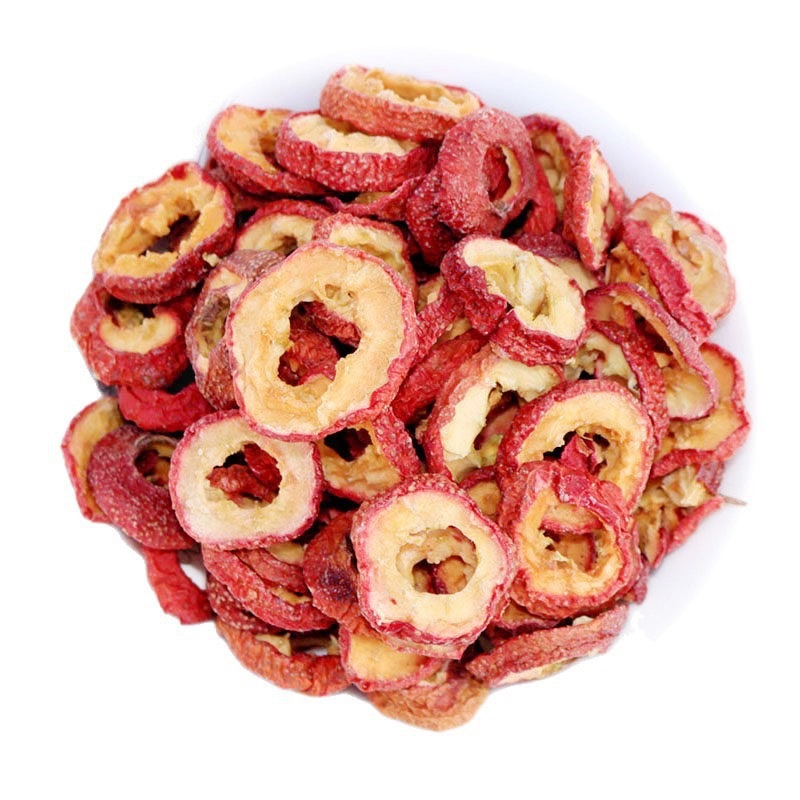
Dried Hawthorn Slices Seedless Shan Zha Fruit Tea Snack 250g
Price range: $5.78 through $10.80
Description
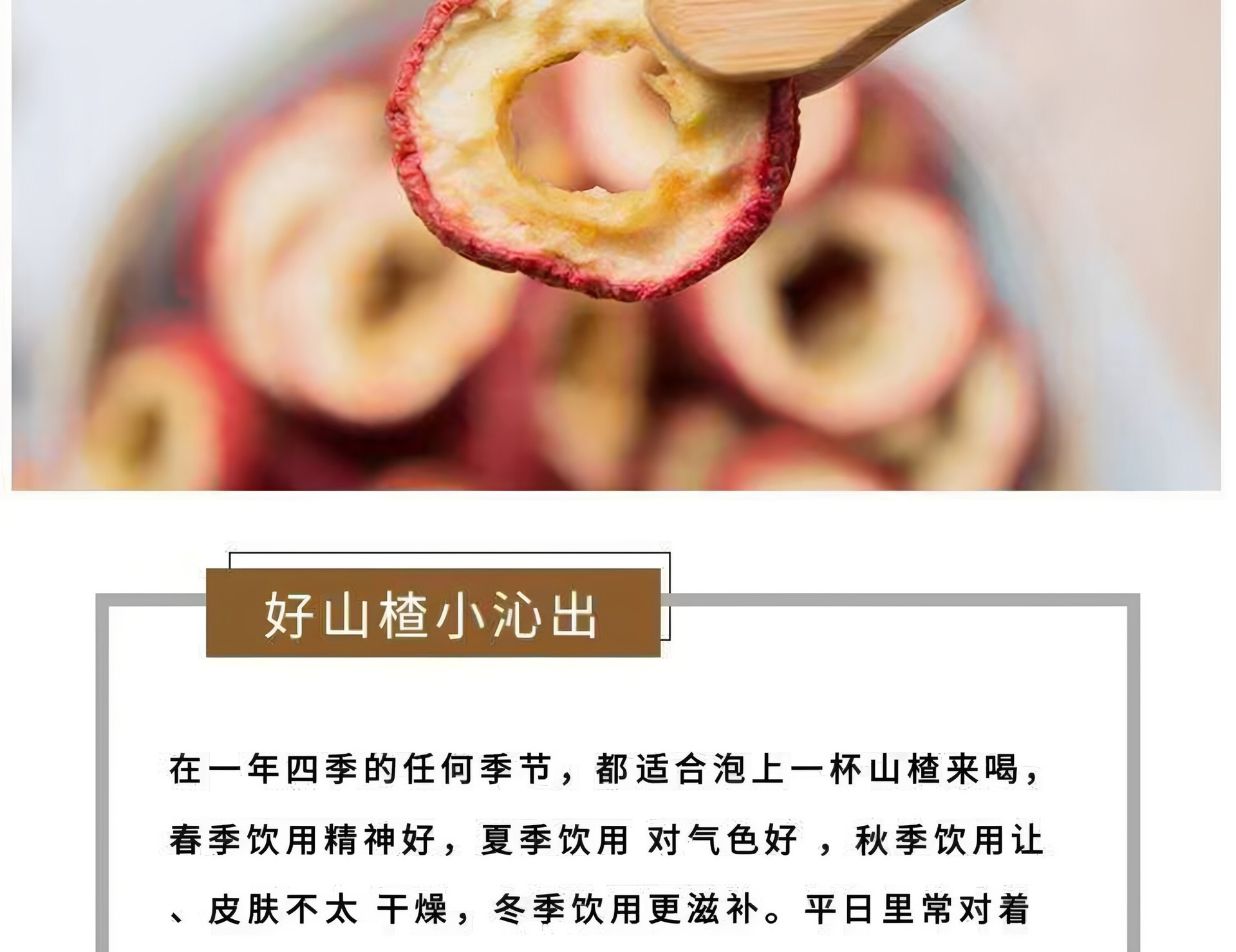
Dried Hawthorn Slices, known in TCM as Shan Zha (山楂), from Crataegus pinnatifida. These seedless sun-dried fruit slices are a traditional Chinese herbal food used in teas, soups, and congee. In TCM theory, hawthorn is sour and sweet, slightly warm, and associated with the Spleen, Stomach, and Liver channels. Traditionally used to support digestion after heavy meals. Enjoy as a tangy herbal tea or culinary ingredient.
Key Selling Points
- Seedless hawthorn fruit slices, naturally sun-dried
- Known in TCM as Shan Zha (山楂), Crataegus pinnatifida
- Traditionally used to support digestion in TCM theory
- Versatile for teas, soups, congee, and snacks
- Resealable 250g pack, 12-month shelf life
Quality & Sensory
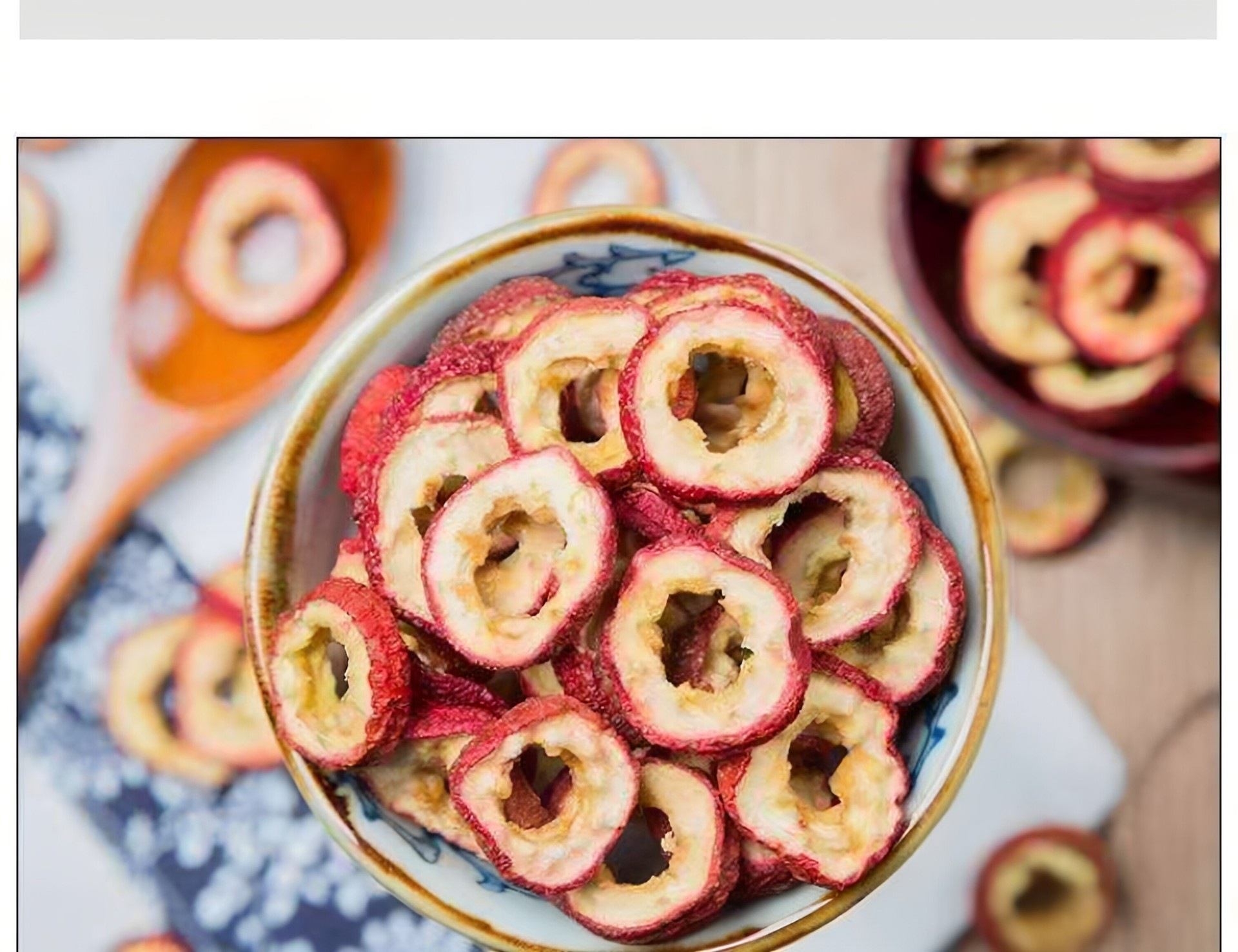
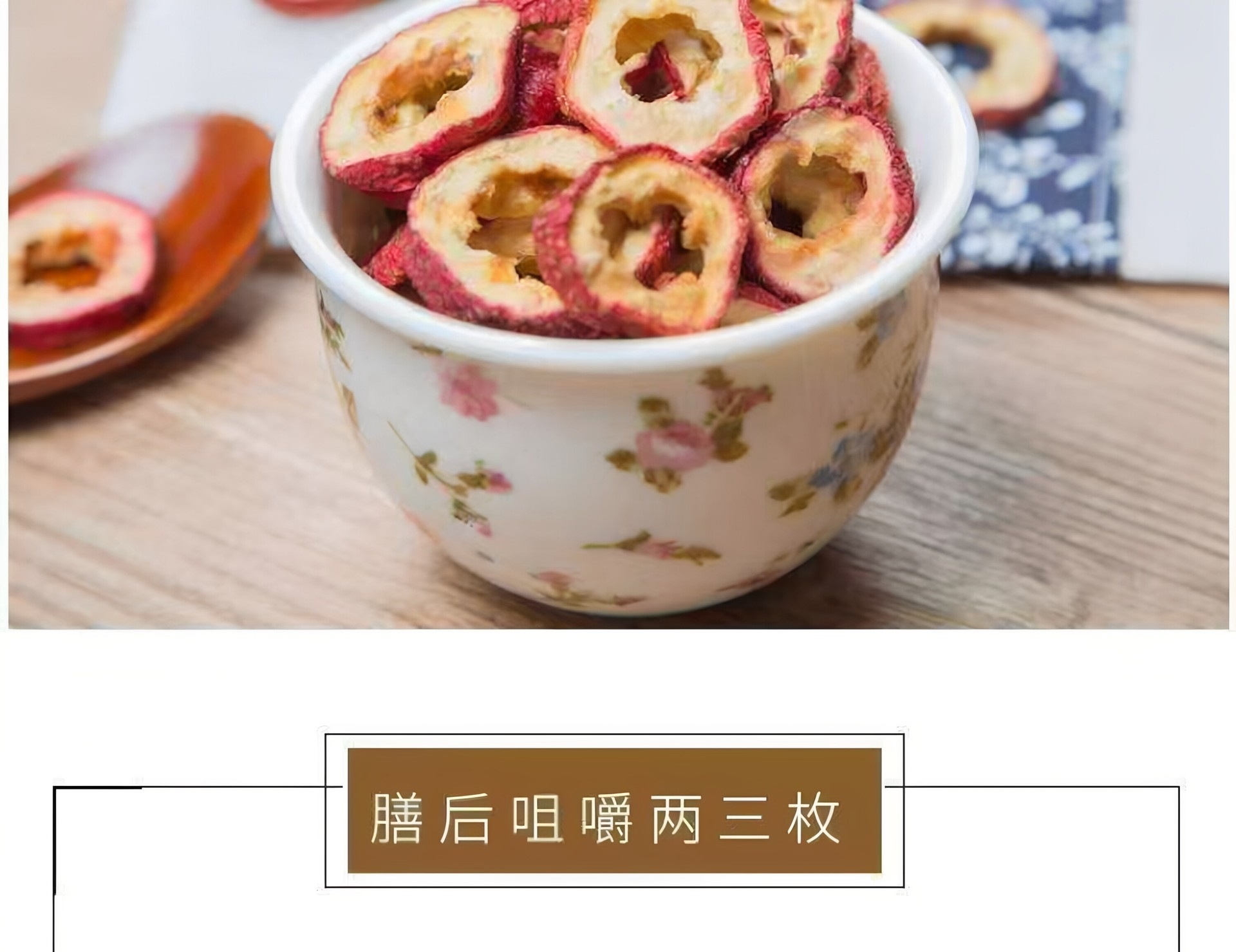
The slices are typically deep red to dark brown with a firm, slightly leathery texture. They have a mild fruity aroma and a tart, sour taste that softens when brewed or simmered. The seedless form gives a cleaner chew and easier preparation for teas and decoctions.
Technical Specifications
| Product Type | Dried fruit slices |
|---|---|
| Chinese Name | 山楂 |
| Pinyin | Shan Zha |
| Botanical Name | Crataegus pinnatifida |
| Plant Part | Fruit |
| Form | Seedless dried slices |
Usage Scenarios
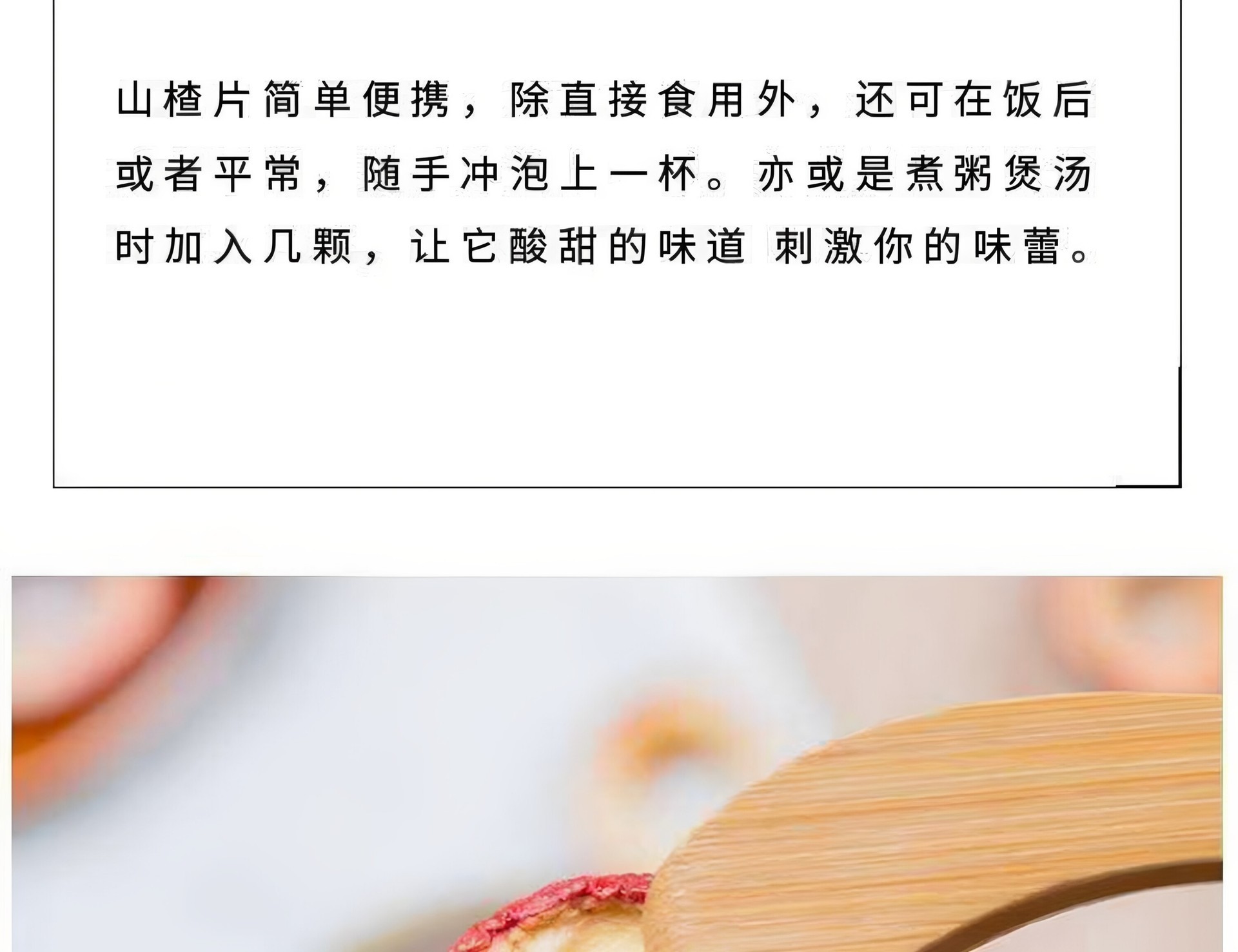
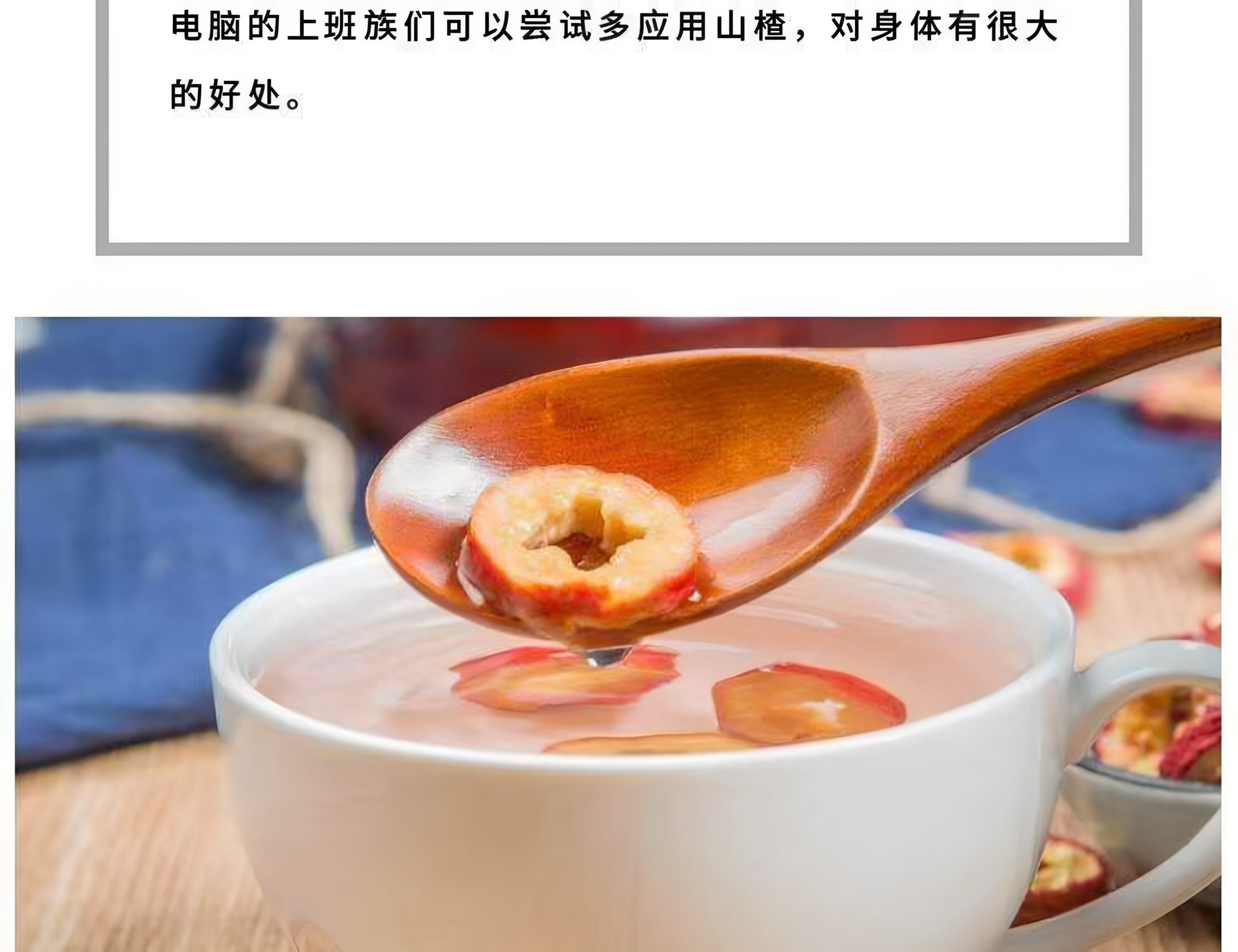
- Herbal tea
- Soup
- Congee
- Culinary use
- Snack
Traditional Uses
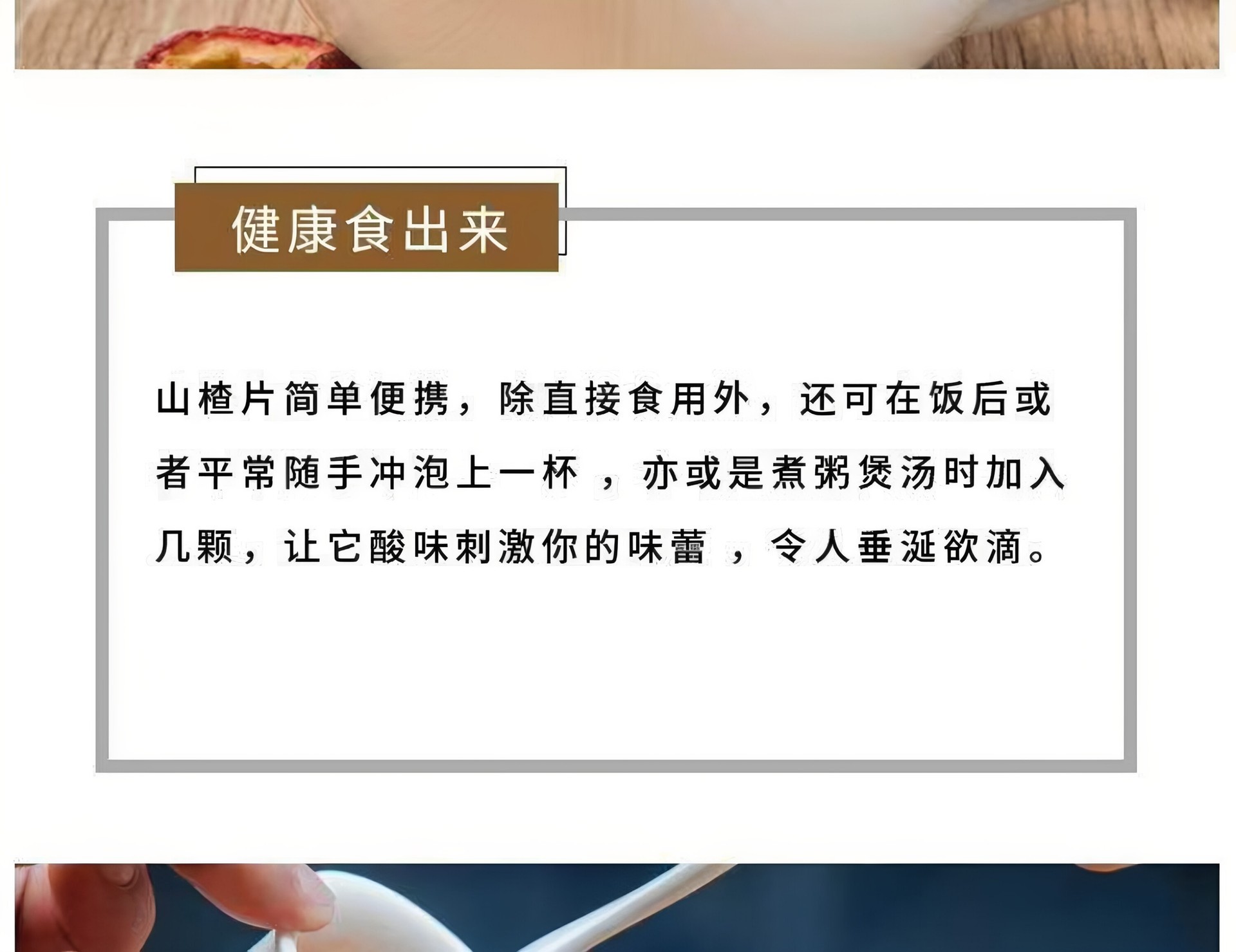
In TCM theory, Shan Zha is traditionally used to support digestion, especially after rich or greasy meals. It is commonly simmered in decoctions or teas, sometimes paired with Chen Pi or Mai Ya. Folk practice also adds hawthorn slices to soups, congee, and seasonal dishes for a tart, appetite-opening flavor.
FAQ Q&A
Q: What is this product?
A: It is dried, seedless hawthorn fruit slices, known in TCM as Shan Zha (山楂), from Crataegus pinnatifida.
Q: What is its traditional value?
A: In TCM theory, hawthorn is sour and sweet, slightly warm, and traditionally associated with supporting digestion and the Spleen, Stomach, and Liver channels.
Q: How is it commonly prepared?
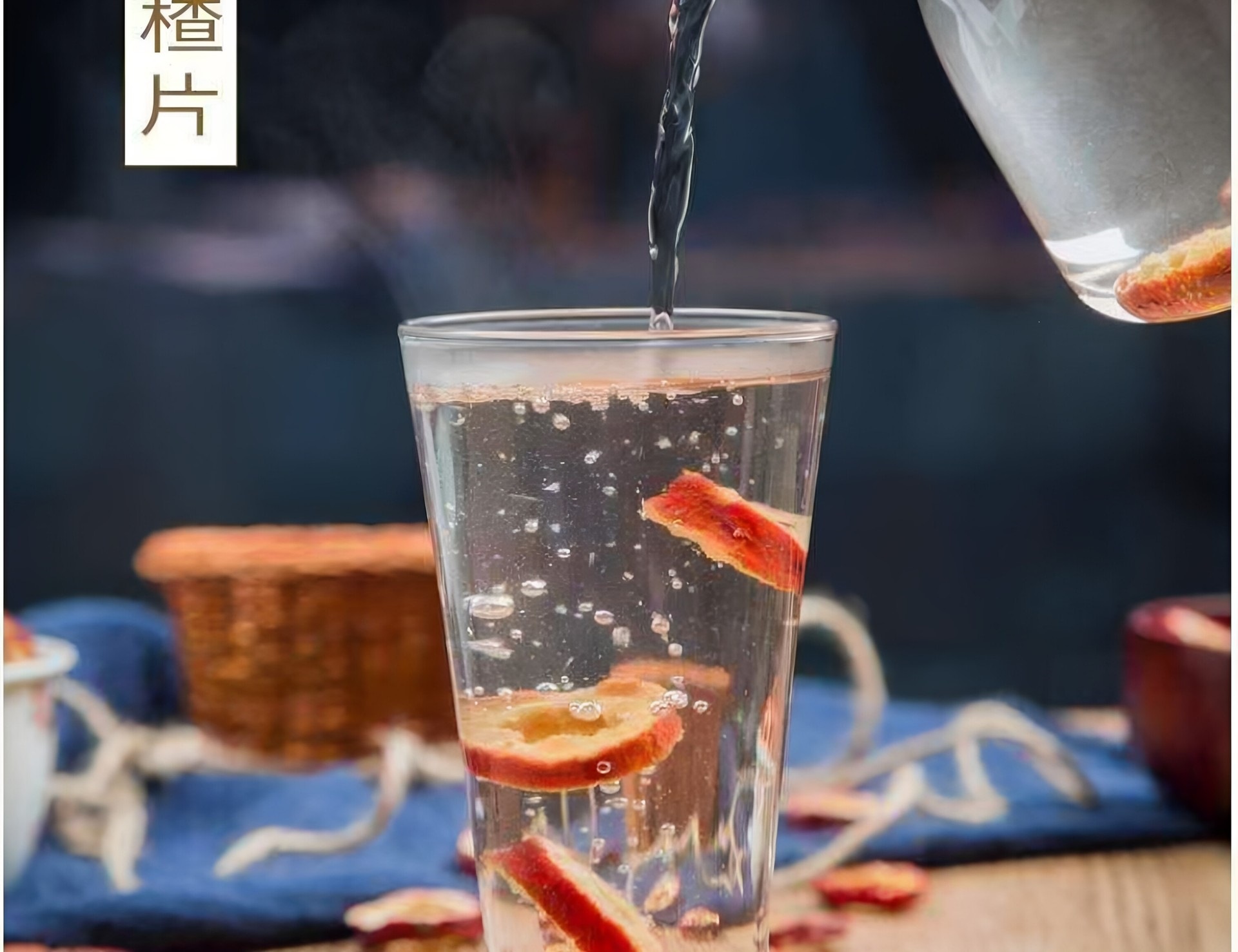
A: It is commonly brewed as a tea, simmered in decoctions or soups, or added to congee. It can also be eaten as a tart dried fruit snack.
Additional information
| Weight | N/A |
|---|---|
| Dimensions | N/A |
| Model | 人工精选 山楂100g, 人工精选 山楂250g, 人工精选 山楂250g 2, 人工精选 山楂250g 3, 人工精选 山楂250g 4 |
Related products
-
Tie Pi Shi Hu Dried Dendrobium Stems 500g Huoshan Fengdou for Soup and Tea
Price range: $35.88 through $108.80 -

Dried Raspberry Fruit Fu Pen Zi Whole Berries for Herbal Tea and Wine Infusion 500g
Price range: $15.63 through $18.06 -
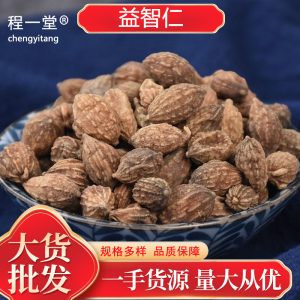
Yi Zhi Ren Dried Alpinia Oxyphylla Fruit 500g Traditional Herbal Tea and Decoction Ingredient
Price range: $11.74 through $13.36 -
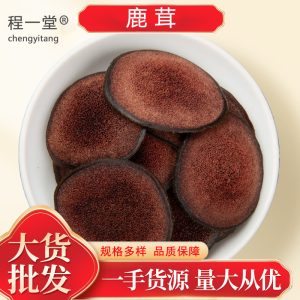
Deer Antler Slices Lu Rong 鹿茸片 Dried Slices for Wine Infusion and Soup 100g Wax Slices Pack
Price range: $68.29 through $92.59
Reviews
There are no reviews yet.