
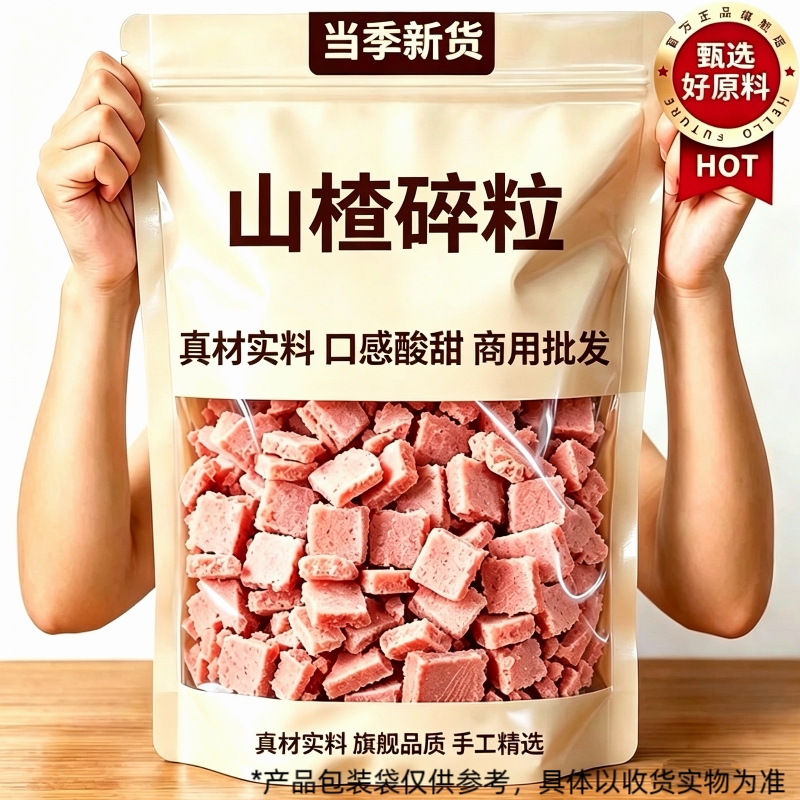
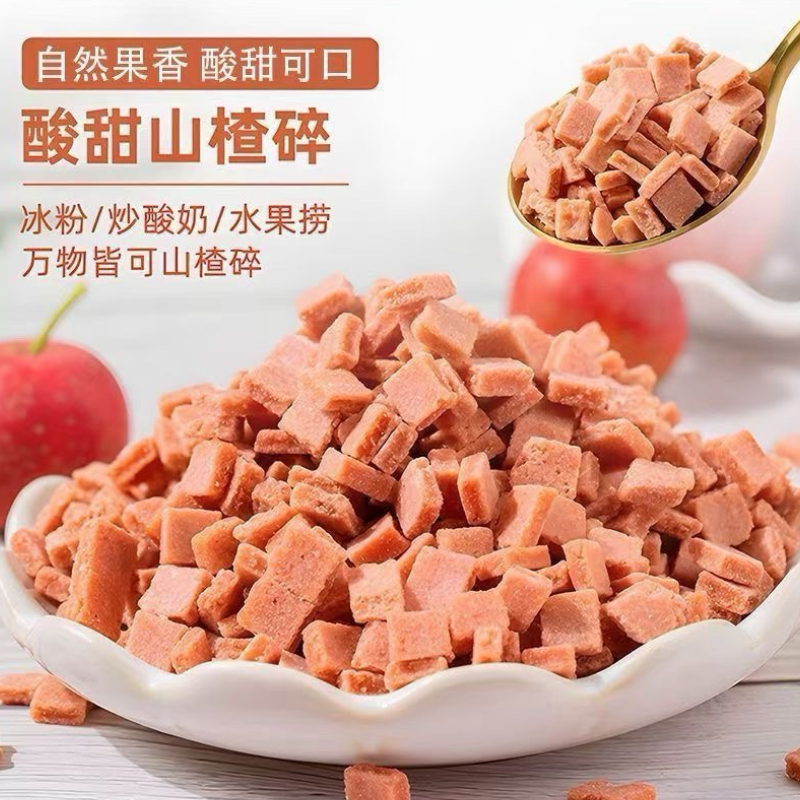
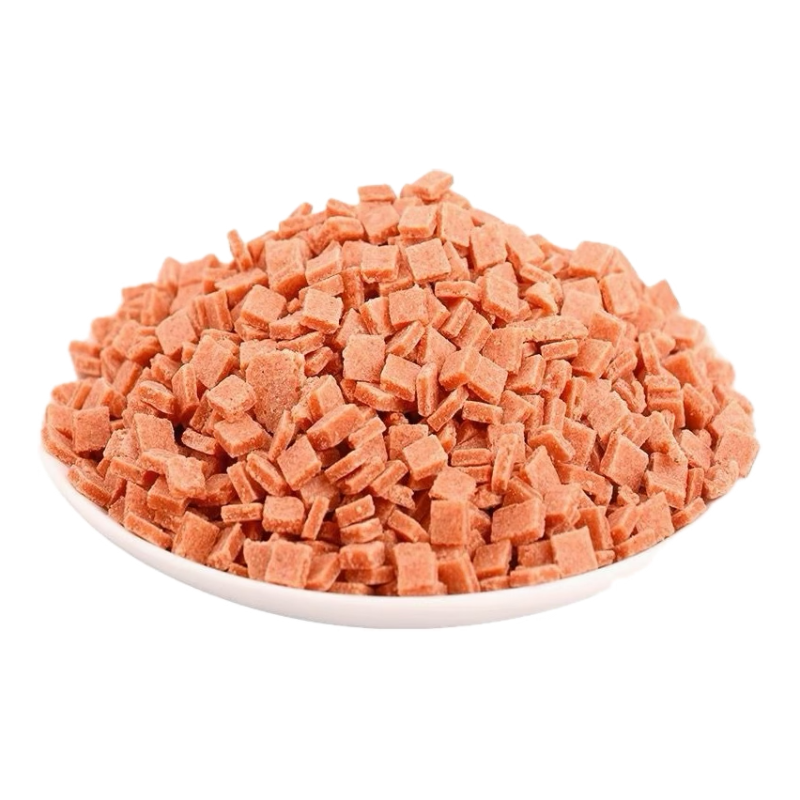
Dried Hawthorn Fruit Pieces Suan Zha Shan Zha for Ice Jelly Fruit Cup Soup and Congee 500g
Price range: $6.28 through $10.53
Description
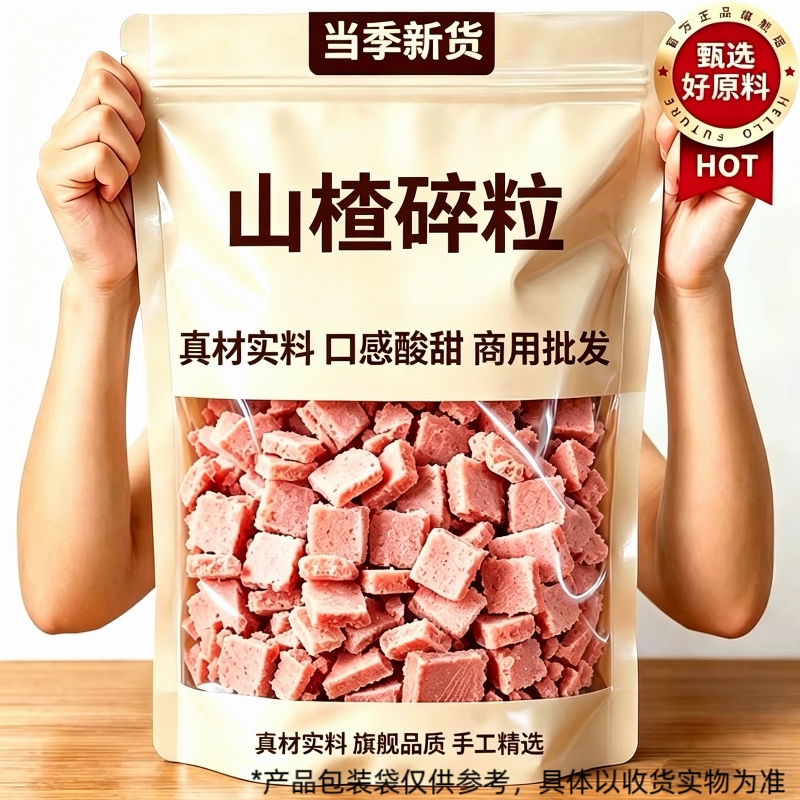
Dried Hawthorn Fruit Pieces, known in TCM as Shan Zha (山楂) or Suan Zha, from Crataegus pinnatifida. These dried fruit pieces are a traditional Chinese herbal ingredient used in teas, soups, and congee. In TCM theory, hawthorn is sour and sweet, slightly warm, and associated with the Spleen, Stomach, and Liver channels. Traditionally used to support digestion and harmonize rich meals. Store in a cool, dry place.
Key Selling Points
- Dried hawthorn fruit pieces from Crataegus pinnatifida
- Known in TCM as Shan Zha (山楂) with sour sweet flavor
- Traditional herbal ingredient for teas soups and congee
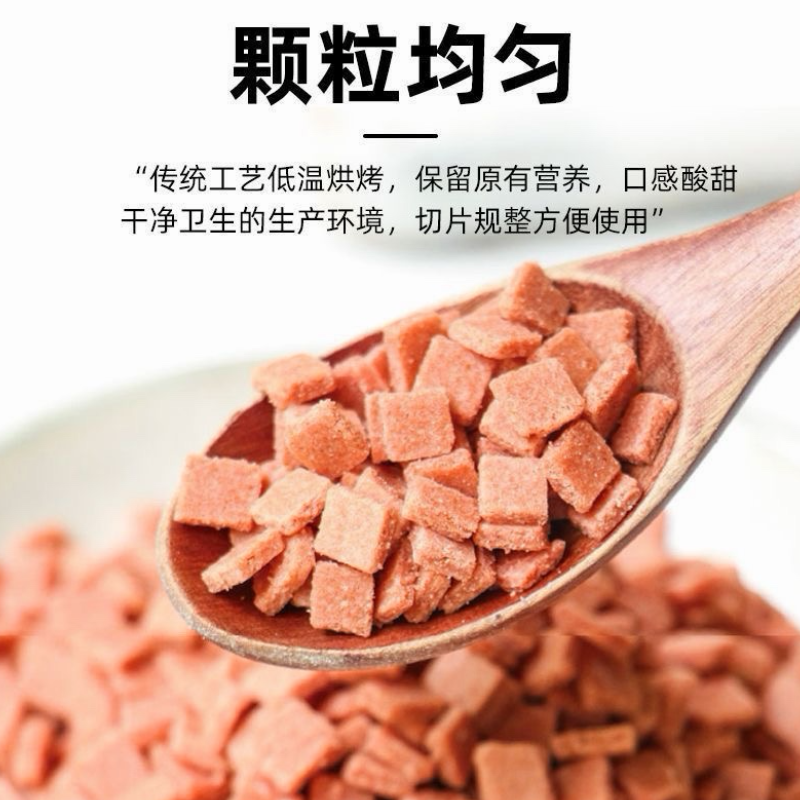
- Dried and cut into small pieces for easy use
- 500g pack ideal for home kitchen and herbal preparation
Quality & Sensory
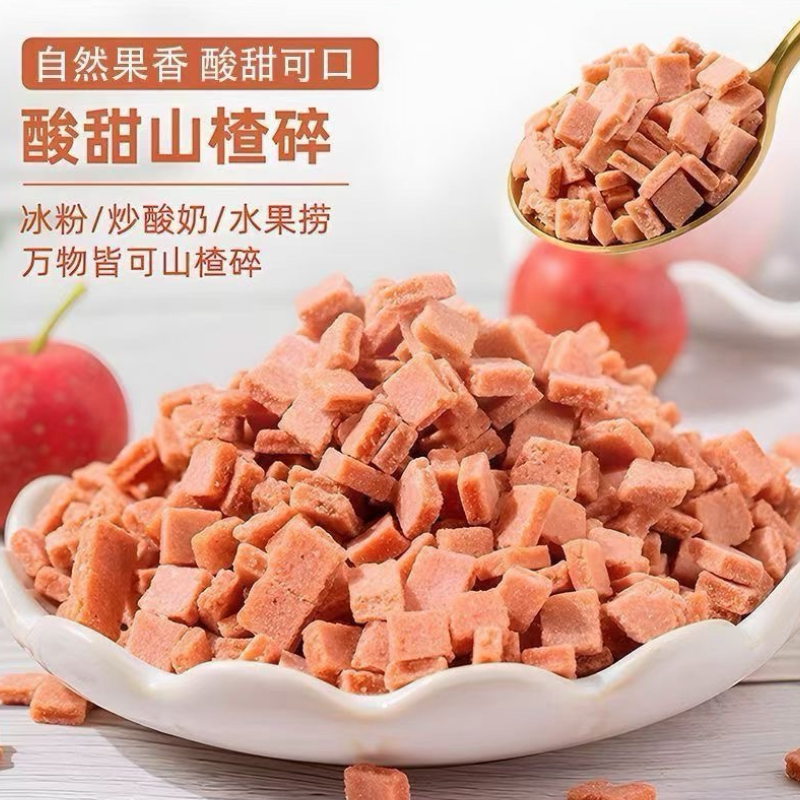
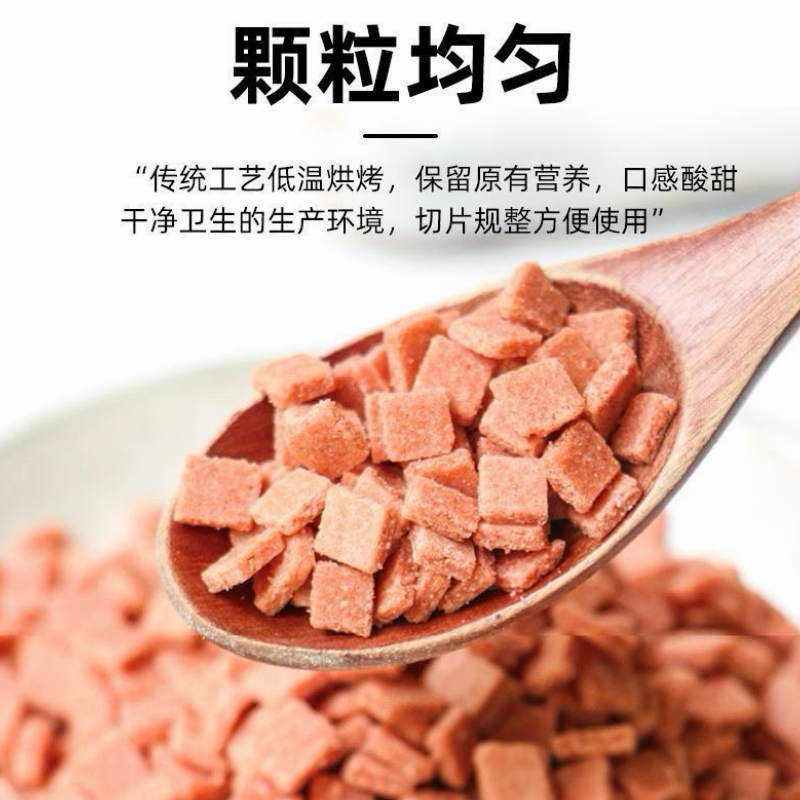
These dried hawthorn pieces are typically deep red to brownish red with a firm, slightly wrinkled texture. They have a mild fruity aroma and a sour, sweet taste. When brewed or cooked, they soften and impart a tart, refreshing flavor to teas, soups, and congee.
Technical Specifications
| Product Type | Dried Hawthorn Fruit Pieces |
|---|---|
| Chinese Name | 山楂 |
| Pinyin | Shan Zha |
| Botanical Name | Crataegus pinnatifida |
| Plant Part | Fruit |
| Form | Dried cut pieces |
Usage Scenarios
- Herbal tea
- Soup
- Congee
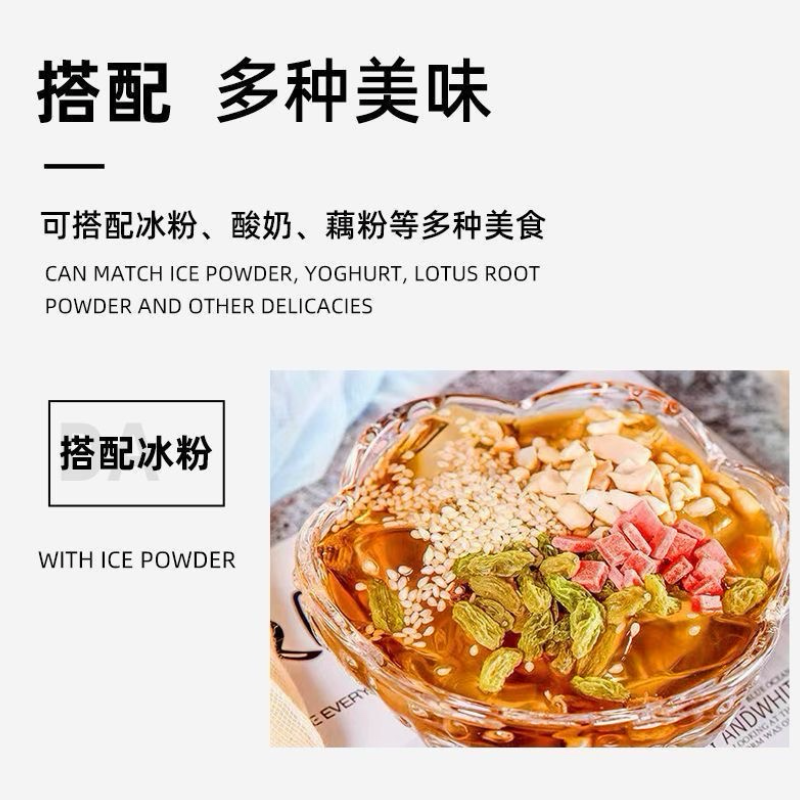
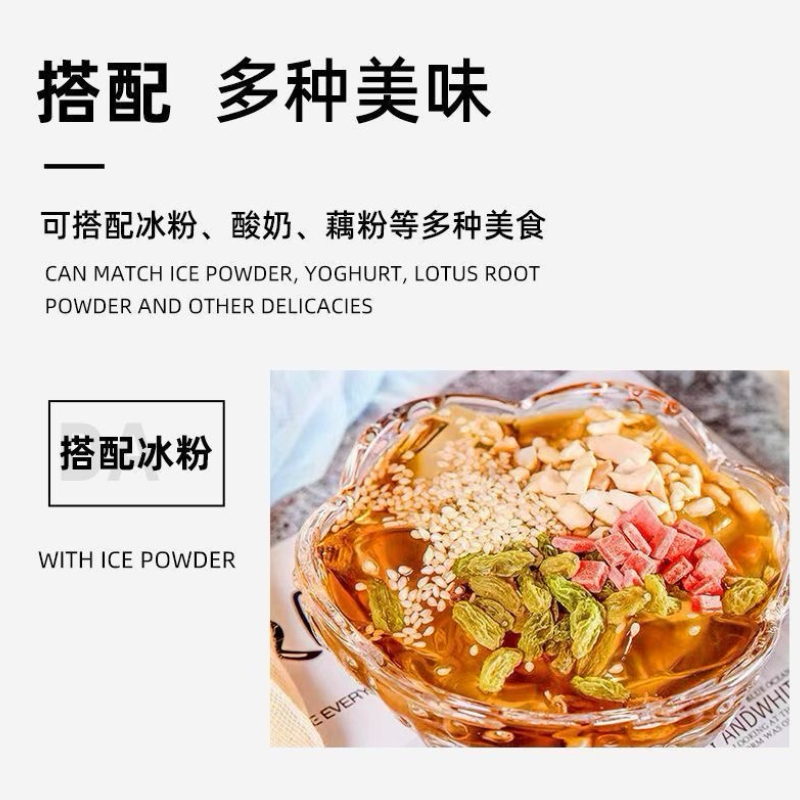
- Culinary use in fruit cups and ice jelly
Traditional Uses
In TCM theory, Shan Zha is traditionally used to support digestion and address food stagnation. It is commonly prepared as a decoction or tea, often paired with other herbs like Chen Pi or Mai Ya. It is also added to soups and congee to impart a sour flavor and traditional digestive support.
FAQ Q&A
Q: What is this product?
A: It is dried hawthorn fruit pieces, known in TCM as Shan Zha (山楂), from Crataegus pinnatifida.
Q: What is its traditional value?
A: In TCM theory, hawthorn is traditionally used to support digestion and is associated with the Spleen, Stomach, and Liver channels.
Q: How is it commonly used?
A: It is commonly brewed as a tea, added to soups, or cooked in congee. It can also be used in culinary applications like fruit cups and ice jelly.
Additional information
| Weight | N/A |
|---|---|
| Dimensions | N/A |
| Model | 山楂碎500g 1罐, 山楂碎500g 2罐, 山楂碎500g 3罐, 山楂碎500g 4罐 |
Related products
-
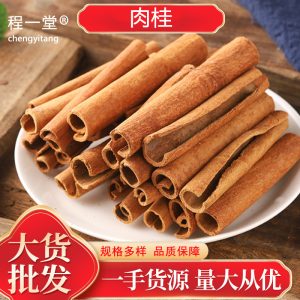
Dried Cinnamon Bark Rou Gui 500g Whole Peeling Culinary Spice and Traditional Herbal Ingredient
Price range: $5.58 through $8.33 -

Cabinda Bark Dried Herb 500g Traditional Herbal Infusion Ingredient
Price range: $12.38 through $37.50 -
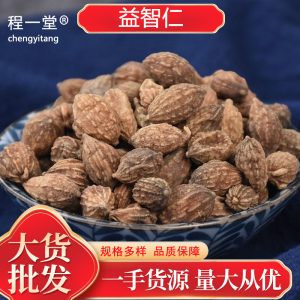
Yi Zhi Ren Dried Alpinia Oxyphylla Fruit 500g Traditional Herbal Tea and Decoction Ingredient
Price range: $11.74 through $13.36 -
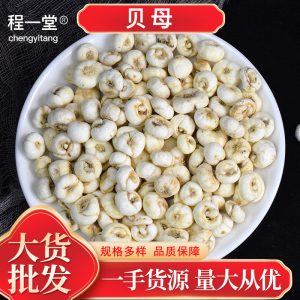
Fritillaria Bulb Chuan Bei Mu Dried Chinese Herbal Bulbs for Decoction and Traditional Use 500g
Price range: $18.06 through $94.21
Reviews
There are no reviews yet.