
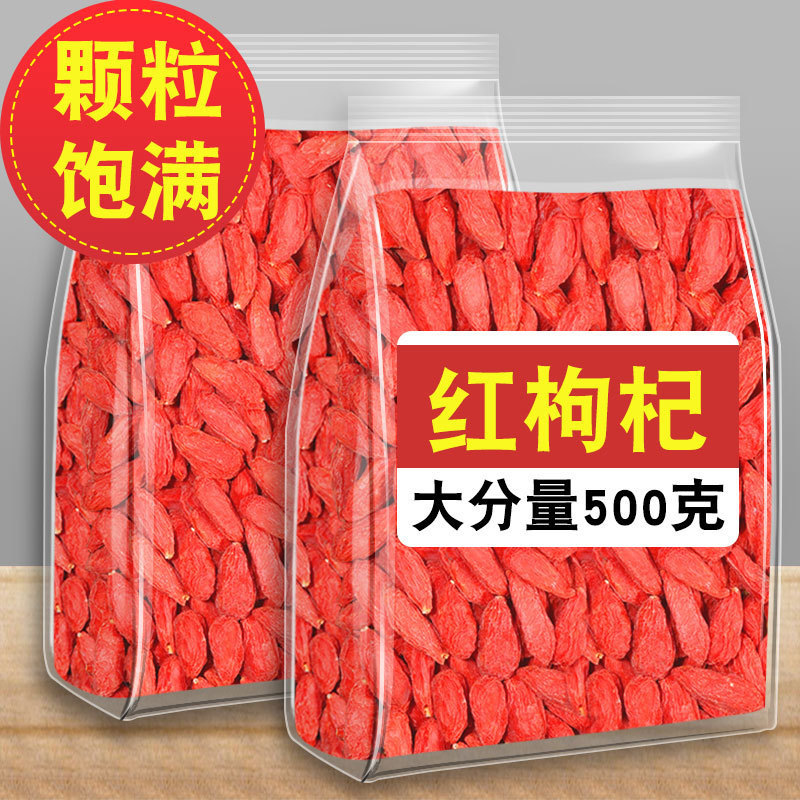
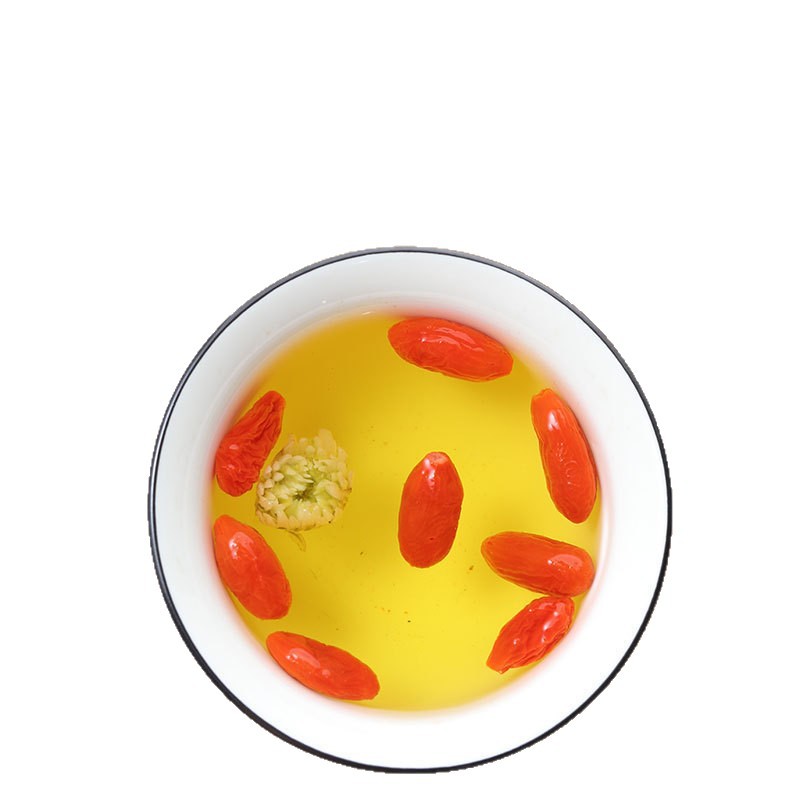
Dried Goji Berries Ningxia Gou Qi Zi 100g Red Wolfberry for Tea Soup and Congee
Price range: $6.01 through $14.78
Description
Dried Goji Berries, known in TCM as Gou Qi Zi (枸杞子), from Lycium barbarum. These sun-dried red wolfberries are a classic Chinese herbal pantry staple traditionally used to nourish Liver and Kidney yin. In TCM theory they are sweet in flavor and neutral in nature, entering the Liver, Kidney, and Lung channels. Enjoy them steeped in tea, simmered in soup, or scattered into congee.

Key Selling Points
- Identified in TCM as Gou Qi Zi (枸杞子), the dried ripe fruit of Lycium barbarum
- Sourced from Ningxia, a well-known traditional growing region for red goji berries
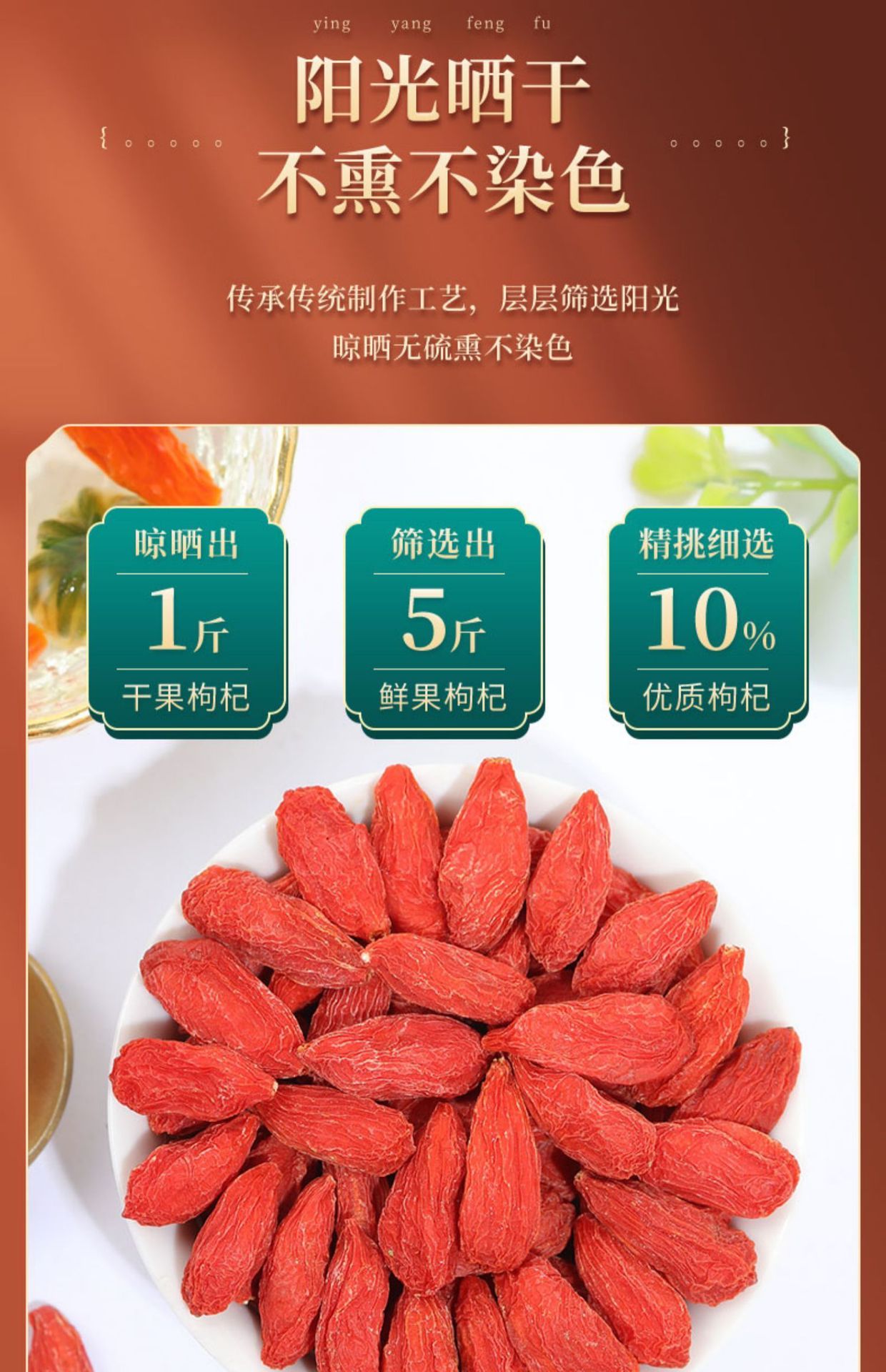
- Sun-dried whole berries with a naturally sweet, mildly tart flavor
- Traditionally used in TCM to nourish Liver and Kidney yin
- Versatile pantry herb for teas, soups, congee, and everyday cooking

Quality & Sensory
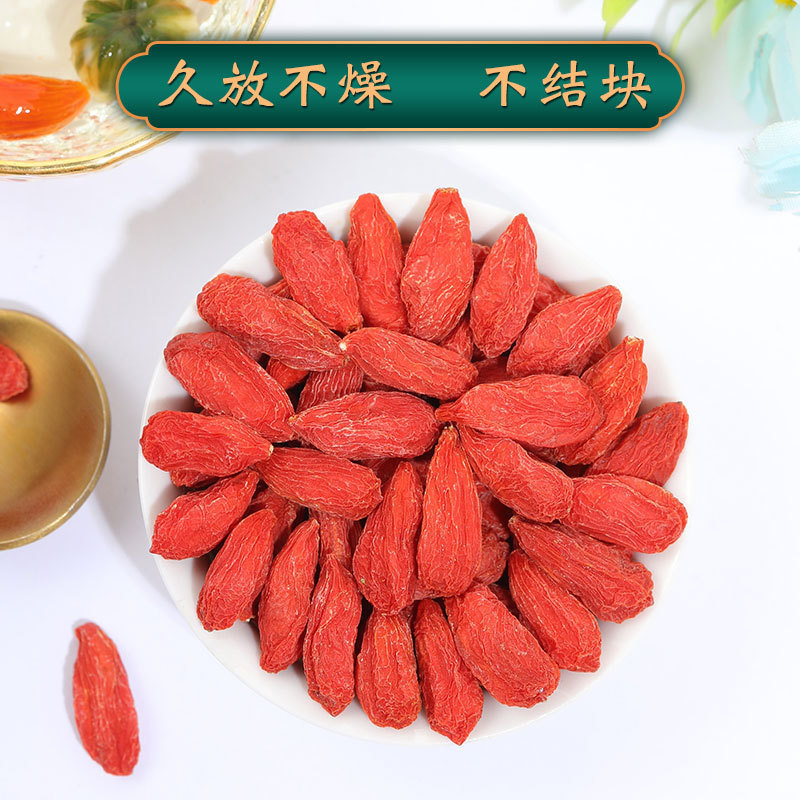
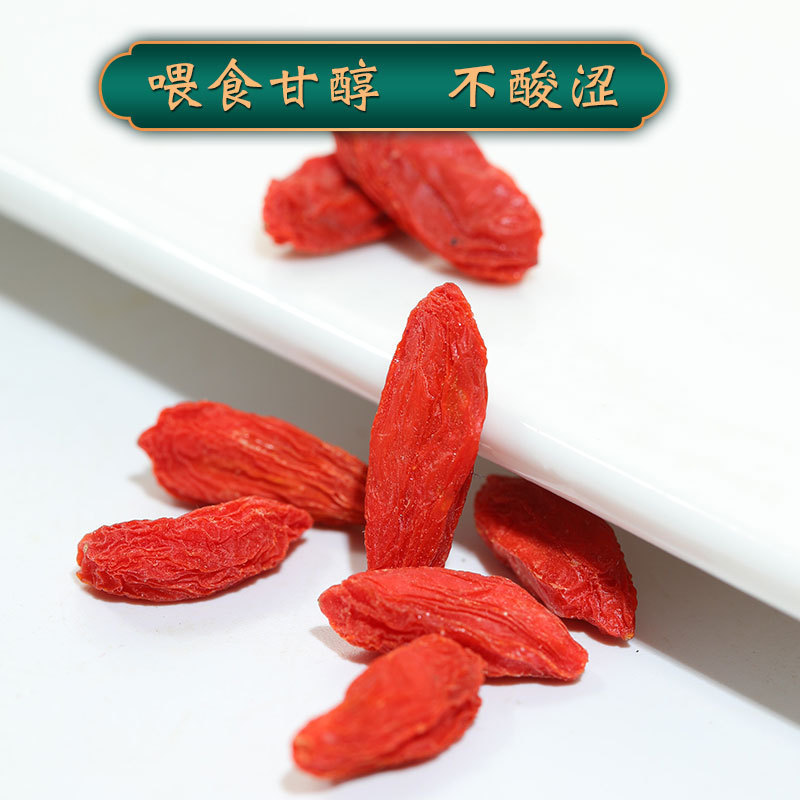
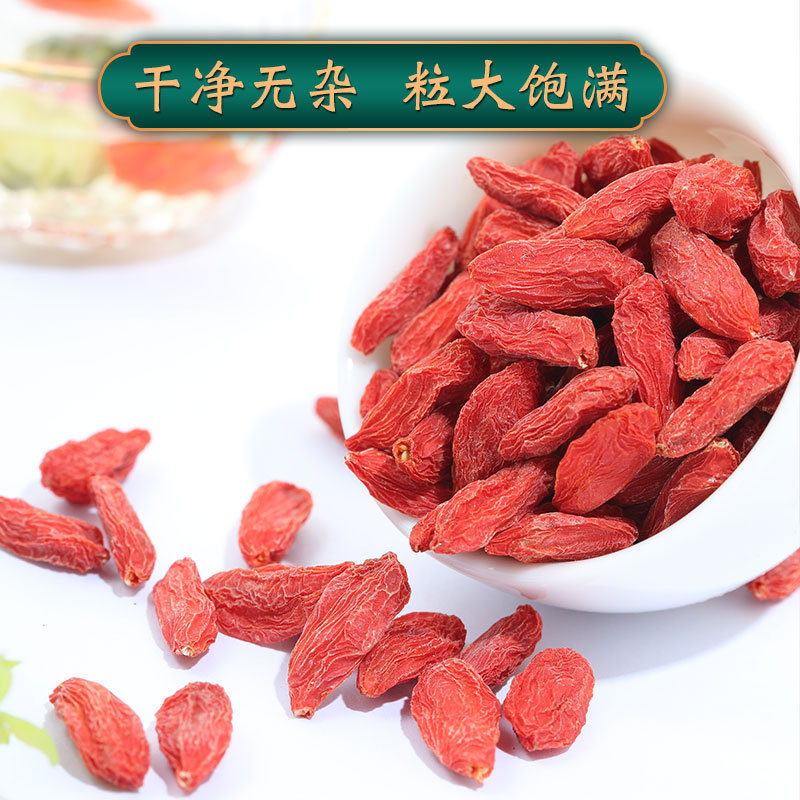
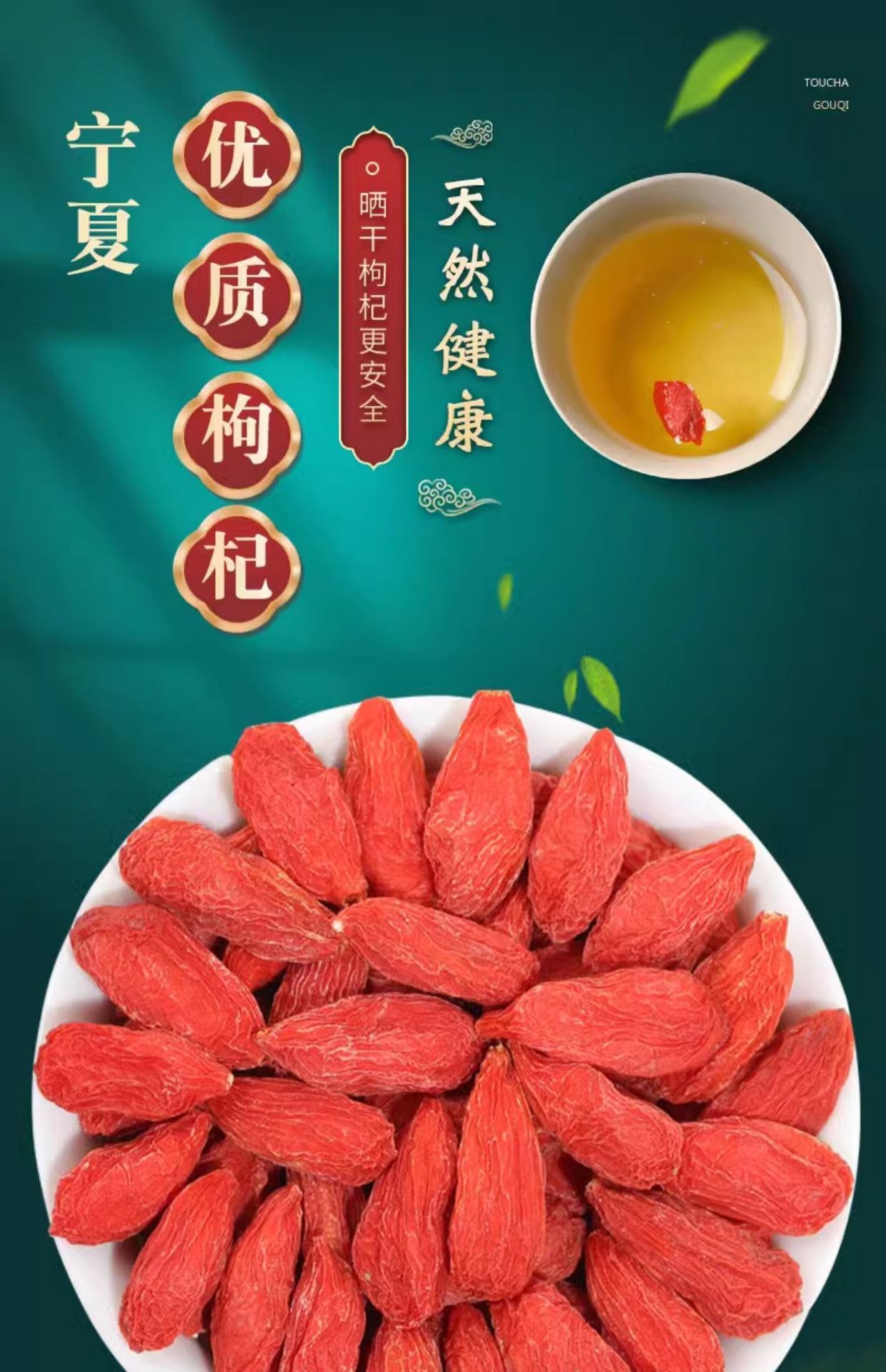
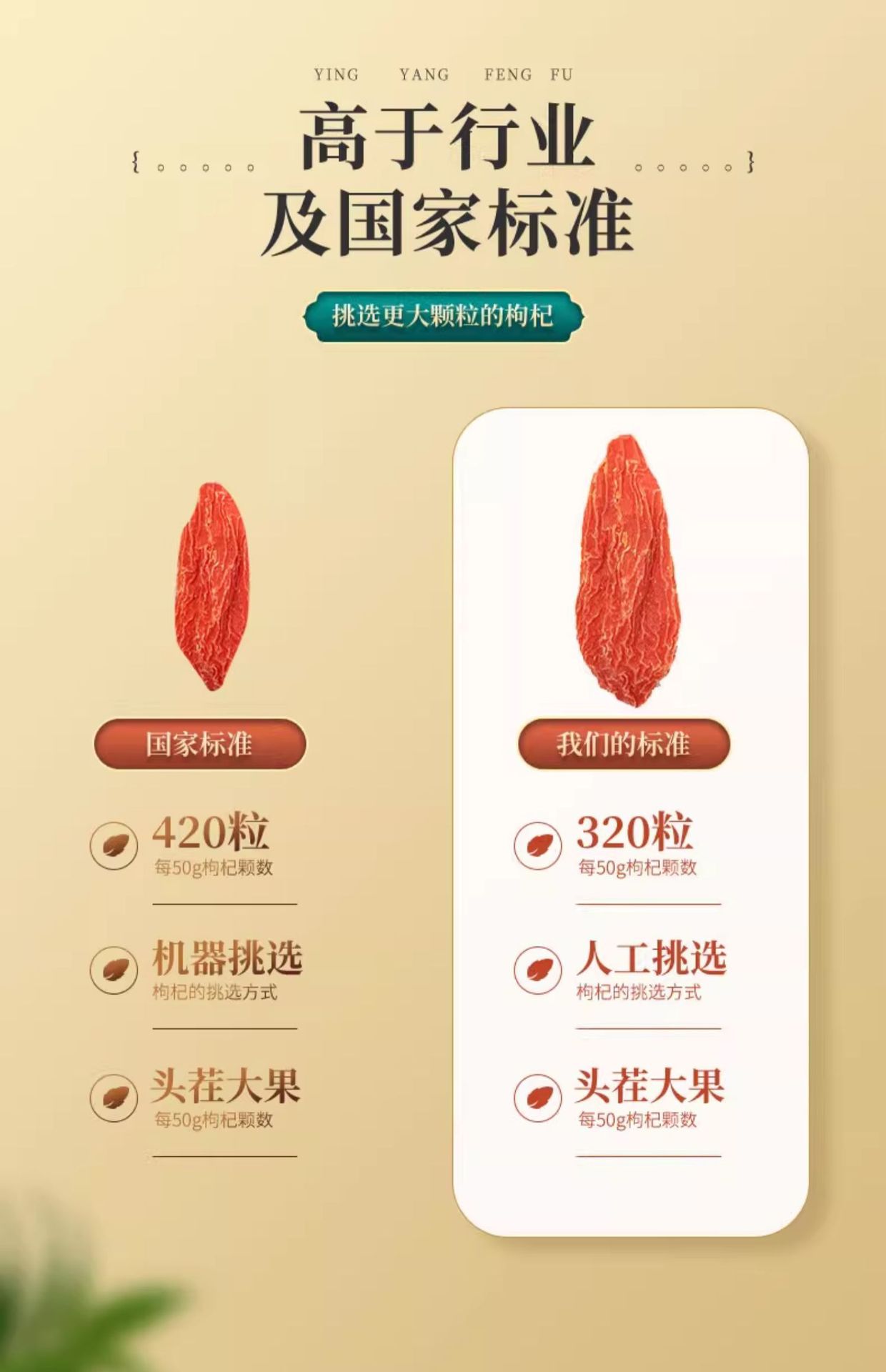
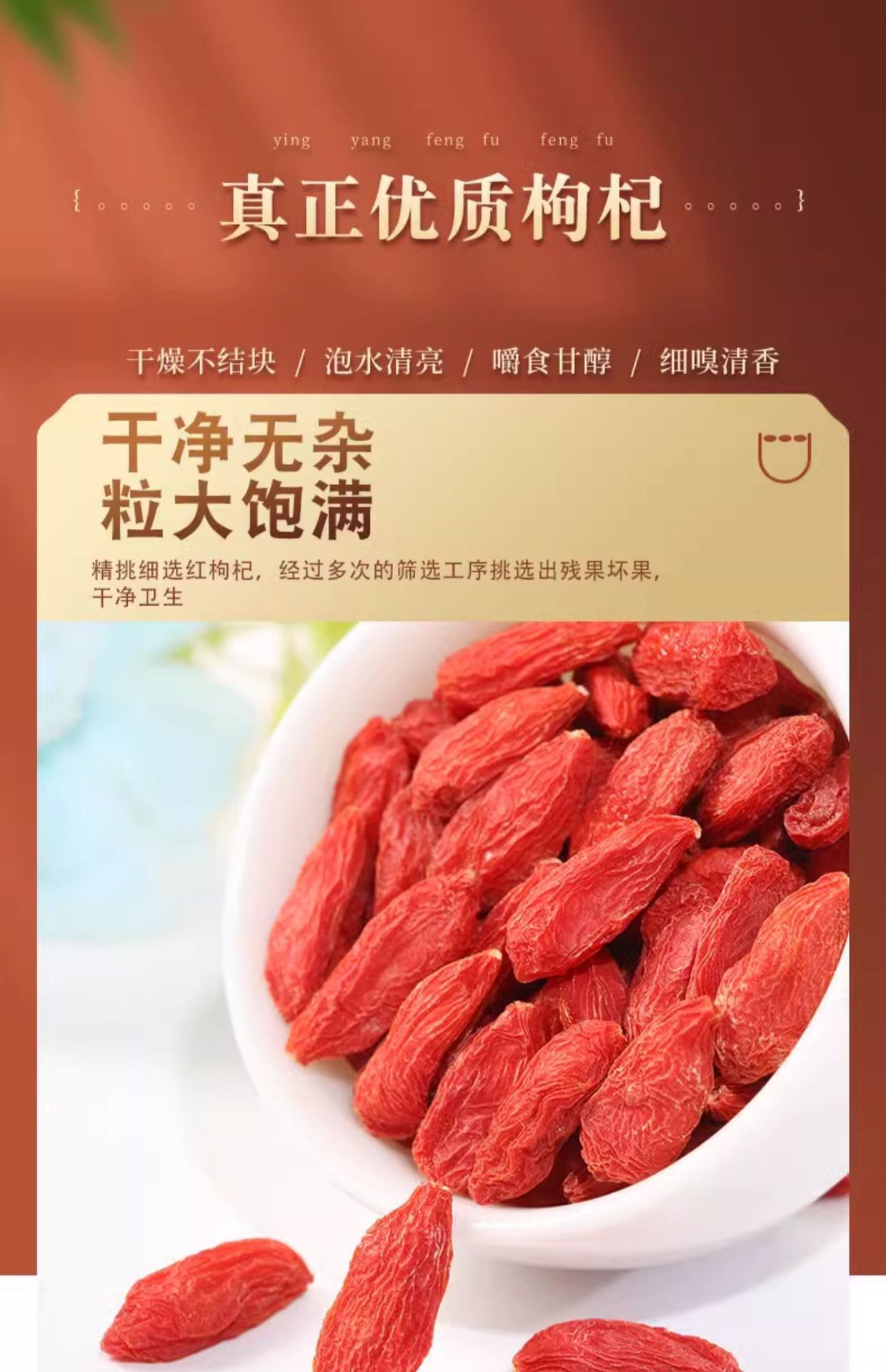
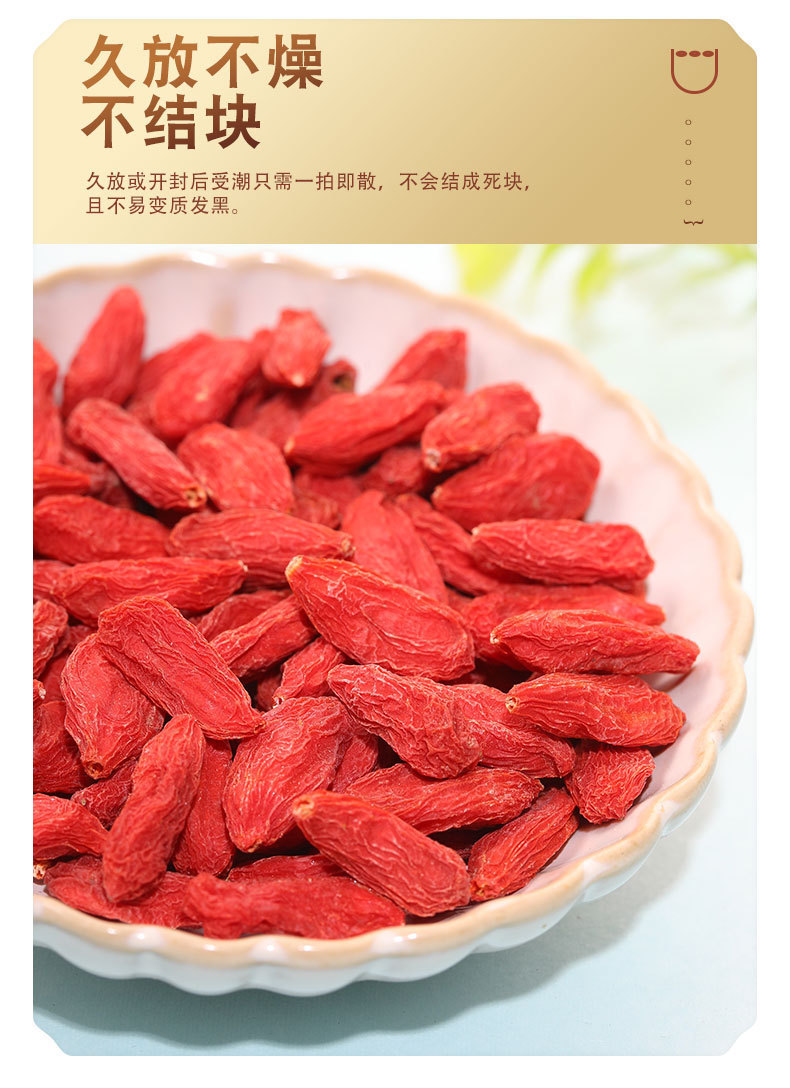
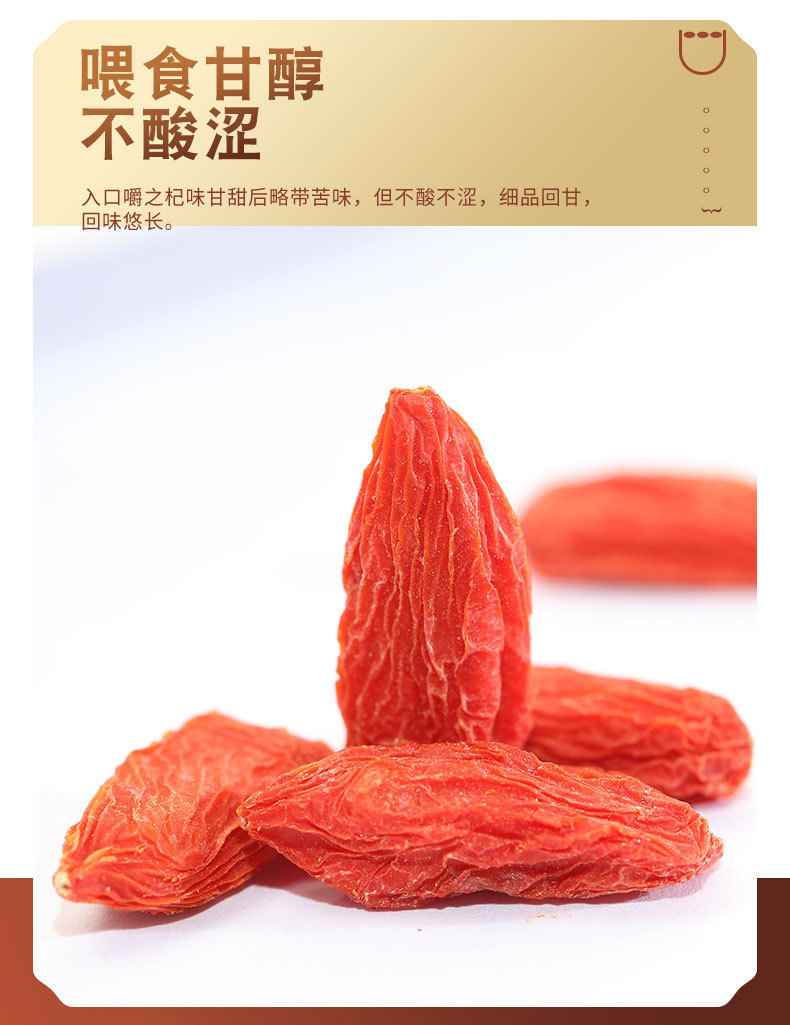
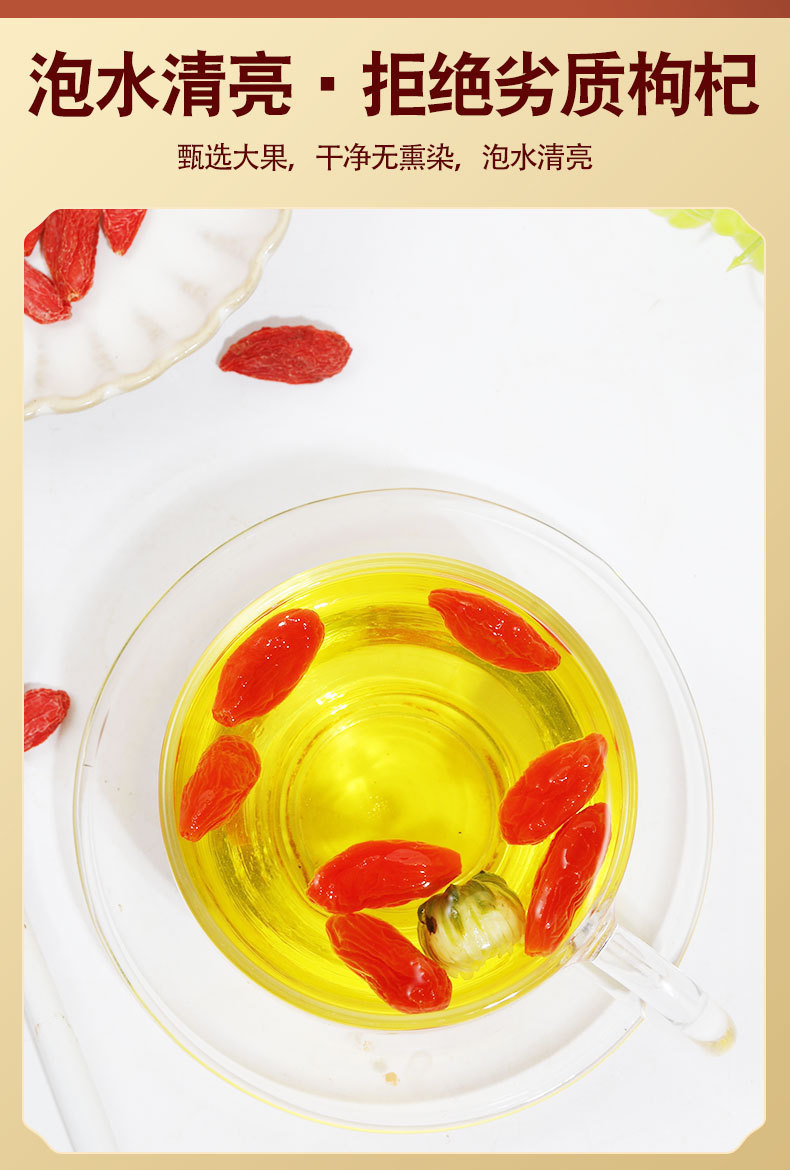
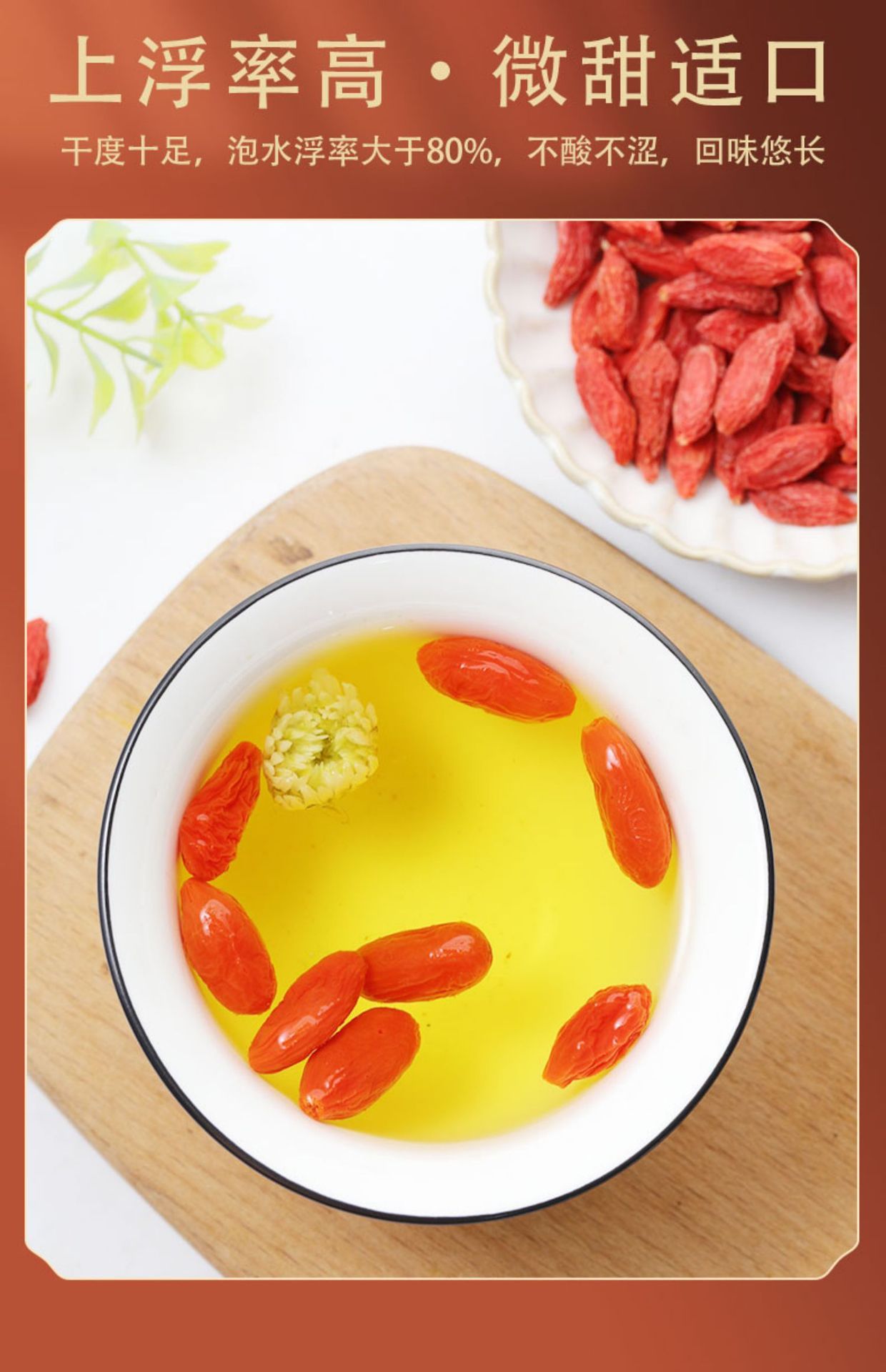
These dried berries are typically deep red to crimson with a slightly wrinkled, leathery skin and a soft, chewy interior. They carry a mild, sweet dried-fruit aroma. When steeped or simmered, they soften and release a gentle sweet-tart taste that blends well with other herbs and foods.

Technical Specifications
| Product Type | Dried herbal fruit |
|---|---|
| Chinese Name | 枸杞子 |
| Pinyin | Gou Qi Zi |
| Botanical Name | Lycium barbarum |
| Plant Part | Ripe fruit |
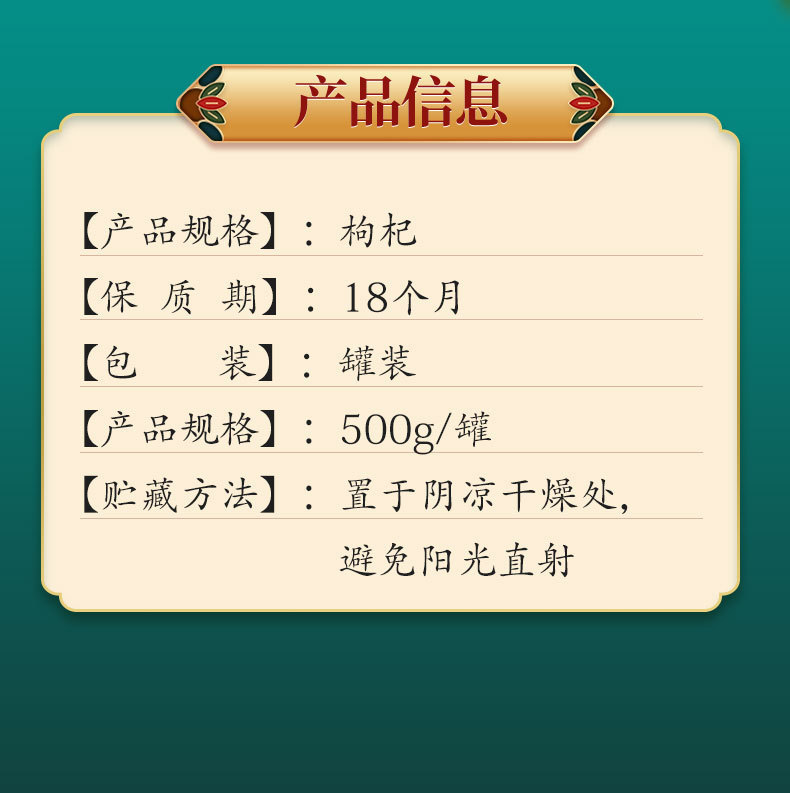
| Net Weight | 100g |

Usage Scenarios
- Steeped alone or with other herbs as a daily tea
- Simmered in soups and broths
- Stirred into congee or rice porridge
- Added to baked goods and grain dishes
- Used as a mild sweetener in herbal blends

Traditional Uses
In TCM theory, Gou Qi Zi is traditionally used to nourish Liver and Kidney yin and to support the eyes. It is commonly simmered in decoctions with herbs such as Ju Hua (Chrysanthemum) or Shan Yao (Chinese Yam), added to congee, or steeped as a daily tea. Folk practice often pairs it with red dates and longan in warming soups.
FAQ Q&A
Q: What are these dried goji berries?
A: They are the dried ripe fruit of Lycium barbarum, known in TCM as Gou Qi Zi (枸杞子).
Q: What is their traditional value in TCM?
A: In TCM theory they are sweet and neutral, entering the Liver, Kidney, and Lung channels, and are traditionally used to nourish yin and support the eyes.
Q: How are they commonly prepared?
A: They can be steeped in hot water as a tea, simmered in soups, or stirred into congee. They are also eaten directly as a snack.
Additional information
| Weight | N/A |
|---|---|
| Dimensions | N/A |
| Model | 1罐 红枸杞 250g, 2罐 红枸杞 500g, 3罐 红枸杞 750g, 4罐 红枸杞 1000g, 1罐 红枸杞 100g |
Related products
-
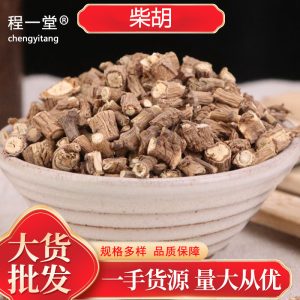
Chai Hu Bupleurum Root Dried Herb 500g Traditional TCM Decoction Herb
Price range: $9.14 through $16.44 -
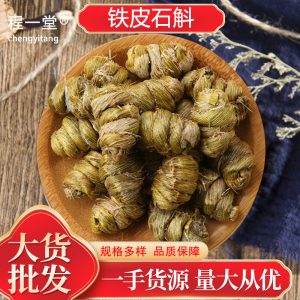
Tie Pi Shi Hu Dried Dendrobium Stems 500g Huoshan Fengdou for Soup and Tea
Price range: $35.88 through $108.80 -
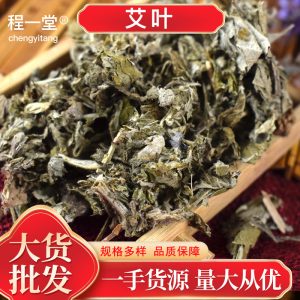
Dried Mugwort Leaf Ai Ye 500g Chinese Herbal Bath Foot Soak and Smoke Cleansing Herb
Price range: $4.77 through $5.25 -
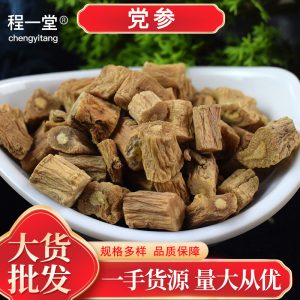
Dried Codonopsis Root Slices Dang Shen 500g Bulk Supply for Soups and Herbal Decoctions
Price range: $10.28 through $18.06
Reviews
There are no reviews yet.