
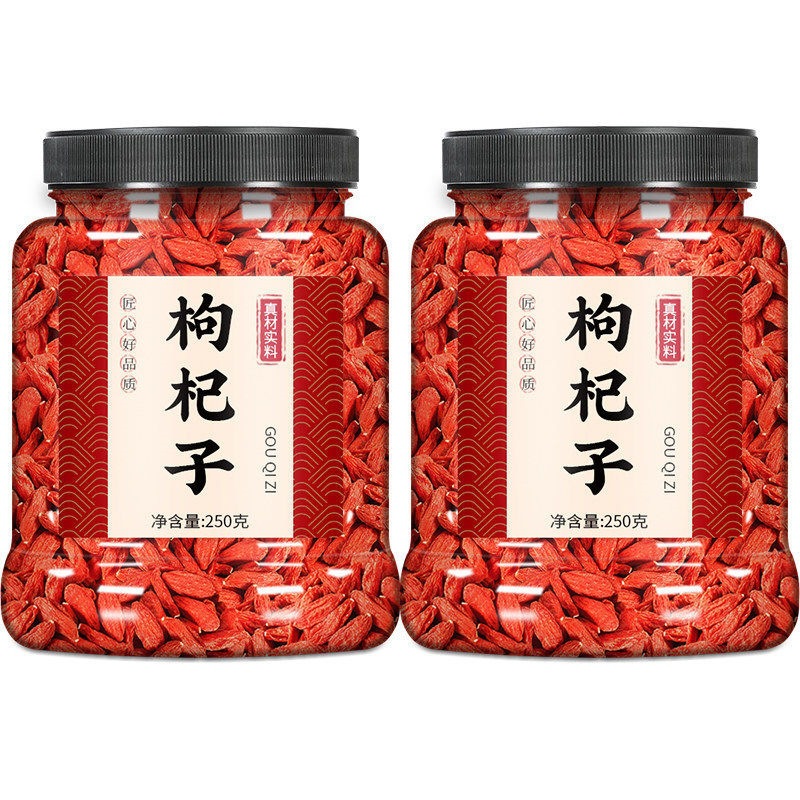
Dried Goji Berries Gou Qi Zi Large Grade Red Wolfberry for Tea and Soup 250g
Price range: $6.13 through $14.88
Description
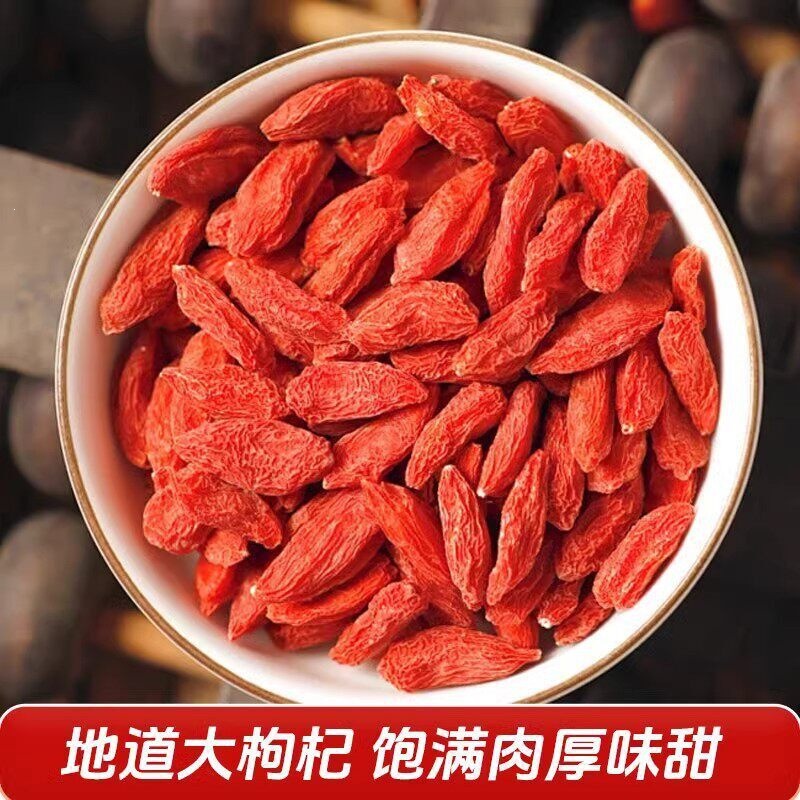
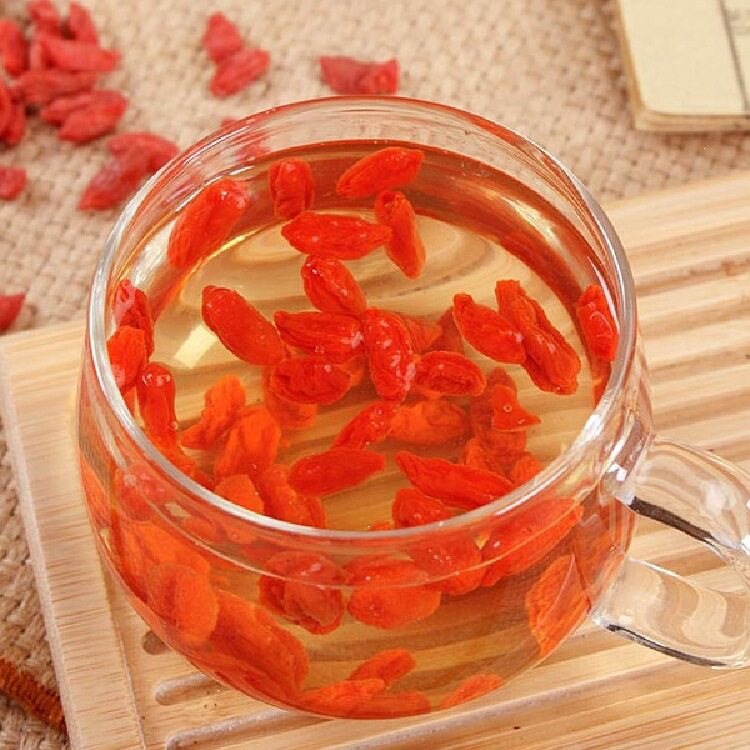
Dried Goji Berries, known in TCM as Gou Qi Zi (枸杞子), from Lycium barbarum. These large-grade red wolfberries are a classic Chinese herbal fruit used in daily wellness routines. In TCM theory, goji berries are sweet in flavor and slightly warm in nature, traditionally associated with the Liver and Kidney channels. They are commonly steeped in hot water, added to soups, or cooked with congee for gentle everyday nourishment.
Key Selling Points
- Identified in TCM as Gou Qi Zi (枸杞子), the dried ripe fruit of Lycium barbarum
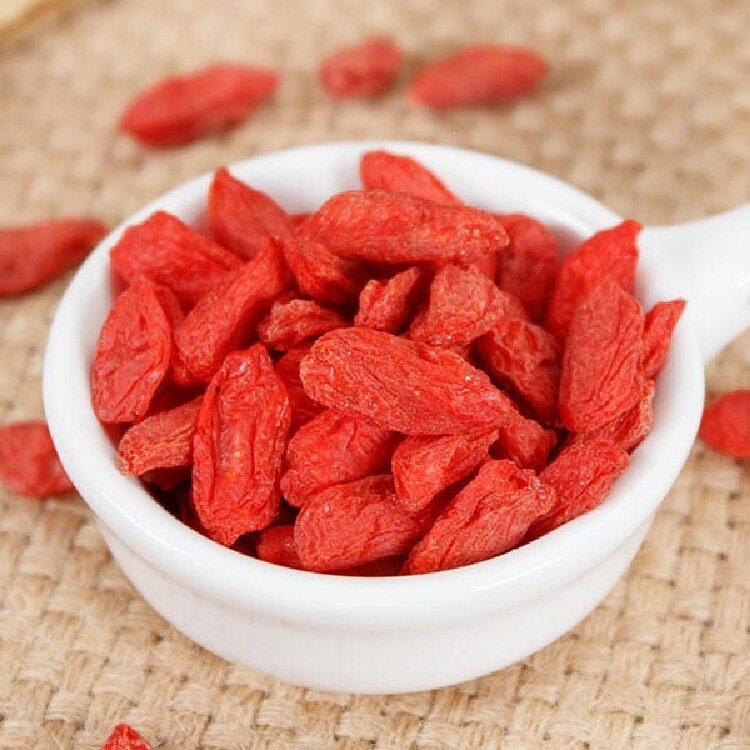
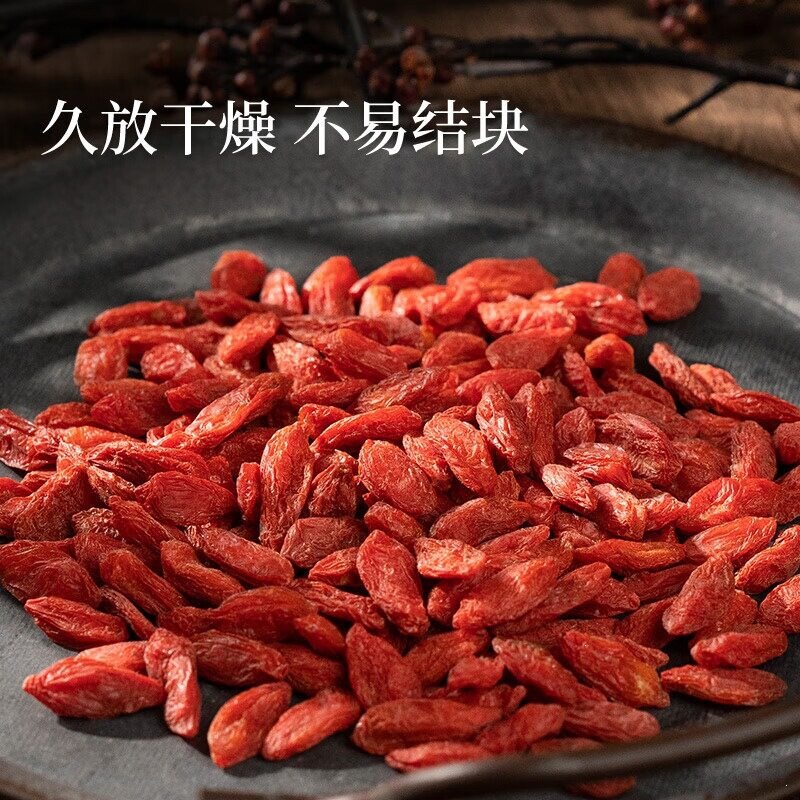
- Large-grade red goji berries selected for uniform size and bright color
- Sweet, slightly warm TCM nature associated with Liver and Kidney channels
- Oven-dried processing for stable shelf life and easy storage
- Versatile for tea, soup, congee, and everyday culinary use
Quality & Sensory
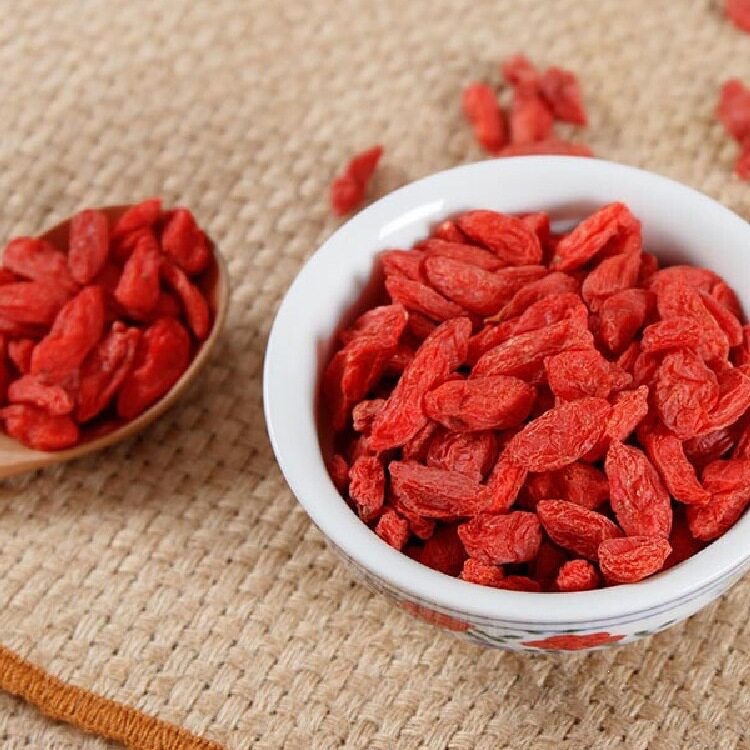
These dried goji berries typically show a deep red to orange-red color with a slightly wrinkled, chewy texture. The aroma is mild and sweet-fruity. When steeped or cooked, they soften and release a gentle sweet taste that blends well with tea, soups, and congee.
Technical Specifications
| Product Type | Dried herbal fruit |
|---|---|
| Chinese Name | 枸杞子 |
| Pinyin | Gou Qi Zi |
| Botanical Name | Lycium barbarum |
| Plant Part | Ripe fruit |
| Form | Whole dried berries |
Usage Scenarios
- Steeped as a daily herbal tea
- Added to soups and broths
- Cooked into congee or rice dishes
- Used in herbal decoctions
- Enjoyed as a culinary ingredient in baked goods
Traditional Uses
In TCM tradition, Gou Qi Zi is often prepared as a tea or decoction and combined with herbs such as chrysanthemum or jujube. It is also added to soups, congee, and tonic formulas. Traditionally associated with supporting the Liver and Kidney, it is used in daily wellness routines and seasonal nourishing dishes.
FAQ Q&A
Q: What are these dried goji berries?
A: They are the dried ripe fruit of Lycium barbarum, known in TCM as Gou Qi Zi (枸杞子).
Q: What is their traditional value in TCM?
A: In TCM theory, goji berries are sweet and slightly warm, traditionally associated with the Liver and Kidney channels.
Q: How are goji berries commonly used?
A: They are often steeped in hot water for tea, added to soups, or cooked with congee.
Additional information
| Weight | N/A |
|---|---|
| Dimensions | N/A |
| Model | 1罐 黑枸杞 100g, 大罐 1罐 红枸杞 250g, 大罐 2罐 红枸杞 250g 2, 大罐 3罐 红枸杞 250g 3, 大罐 4罐 红枸杞 250g 4, 1罐 红枸杞 150g, 2罐 红枸杞 150g 2, 3罐 红枸杞 150g 3, 2罐 红枸杞 150g 黑枸杞 100g, 大罐 1罐 黑枸杞 250g, 大罐 2罐 黑枸杞 250g 2, 大罐 2罐 红枸杞 250g 黑枸杞 250g |
Related products
-

Yi Zhi Ren Dried Alpinia Oxyphylla Fruit 500g Traditional Herbal Tea and Decoction Ingredient
Price range: $11.74 through $13.36 -

Fritillaria Bulb Chuan Bei Mu Dried Chinese Herbal Bulbs for Decoction and Traditional Use 500g
Price range: $18.06 through $94.21 -
Dried Dodder Seed Tu Si Zi Whole Herb 500g Bulk Chinese Herbal Ingredient
Price range: $7.04 through $7.52 -

Dried Huang Jing Slices Polygonatum Rhizome Chicken Head Huang Jing 500g Bulk Herbal Tea and Soup Ingredient
Price range: $9.14 through $18.87
Reviews
There are no reviews yet.