
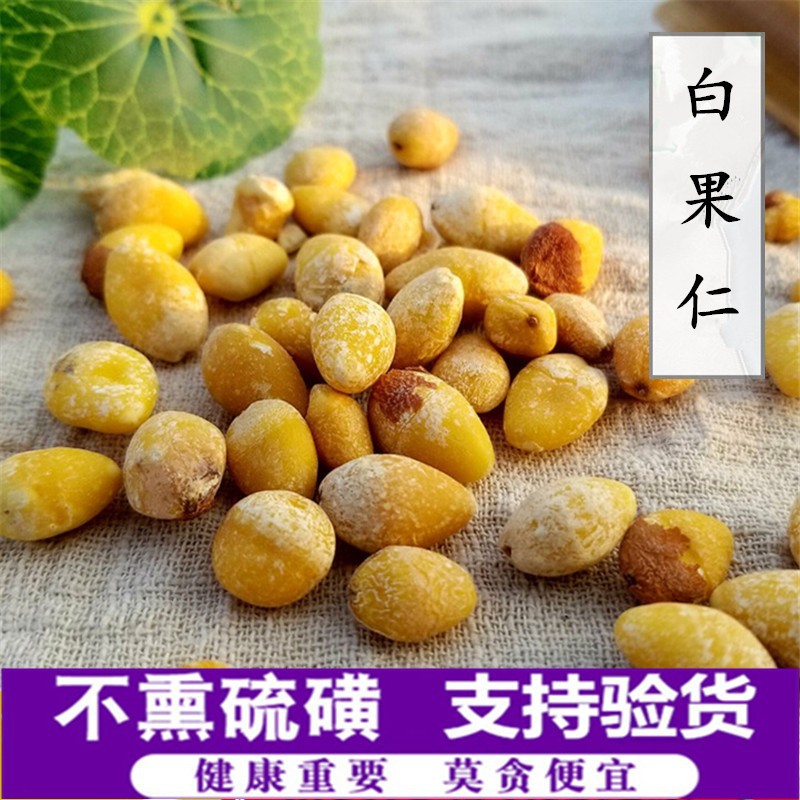
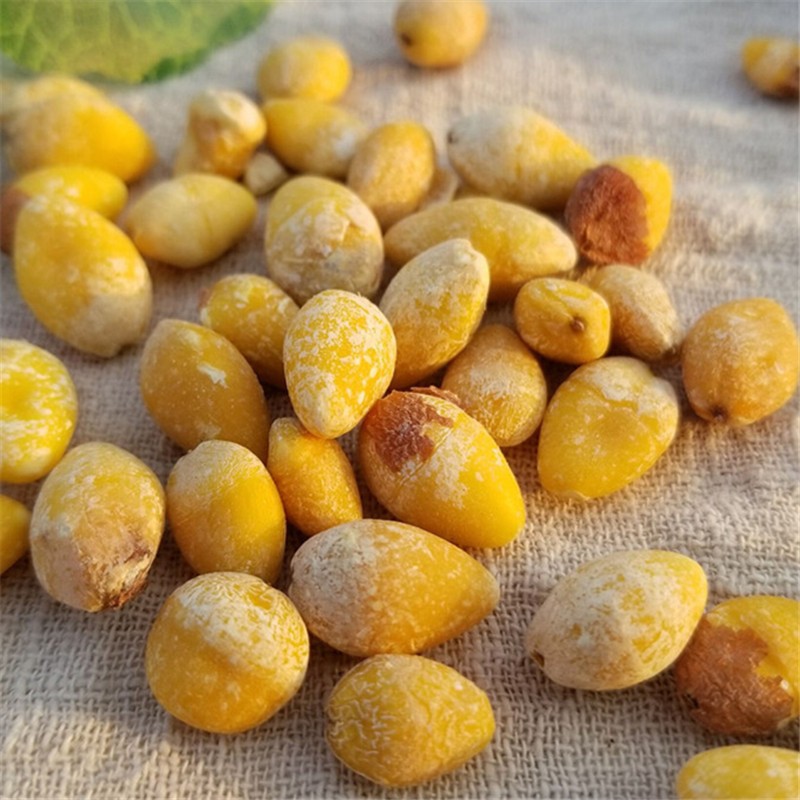
Dried Ginkgo Nut Kernels Bai Guo Ren Shelled Sun Dried Ginkgo biloba Seed 250g
Price range: $5.71 through $37.80
Description
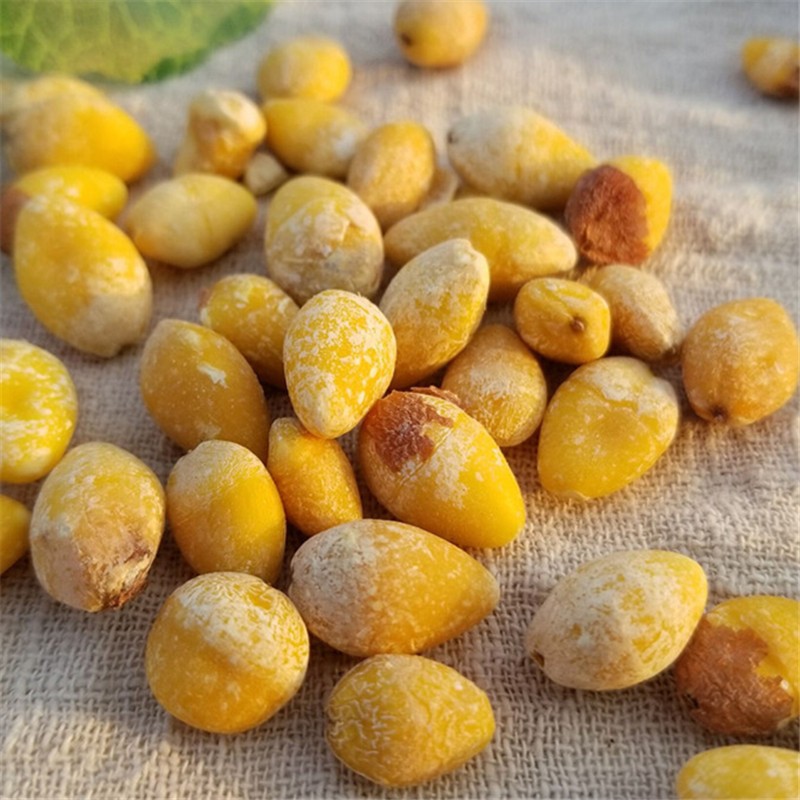
Dried Ginkgo Nut Kernels, known in TCM as Bai Guo Ren (白果仁), from Ginkgo biloba seeds. These shelled, sun-dried kernels are a traditional Chinese herbal food ingredient valued in TCM for their astringent nature and lung-kidney channel entry. Traditionally used in soups, congee, and decoctions. Sold as a food agricultural product, not a medicine.
Key Selling Points
- Identified in TCM as Bai Guo Ren (白果仁), the shelled kernel of Ginkgo biloba seeds
- Sun-dried and shelled for convenient culinary and decoction use
- Traditional TCM ingredient associated with lung and kidney channels
- Sourced from Anhui province, current-year new stock
- Versatile for soups, congee, and herbal decoctions
Quality & Sensory
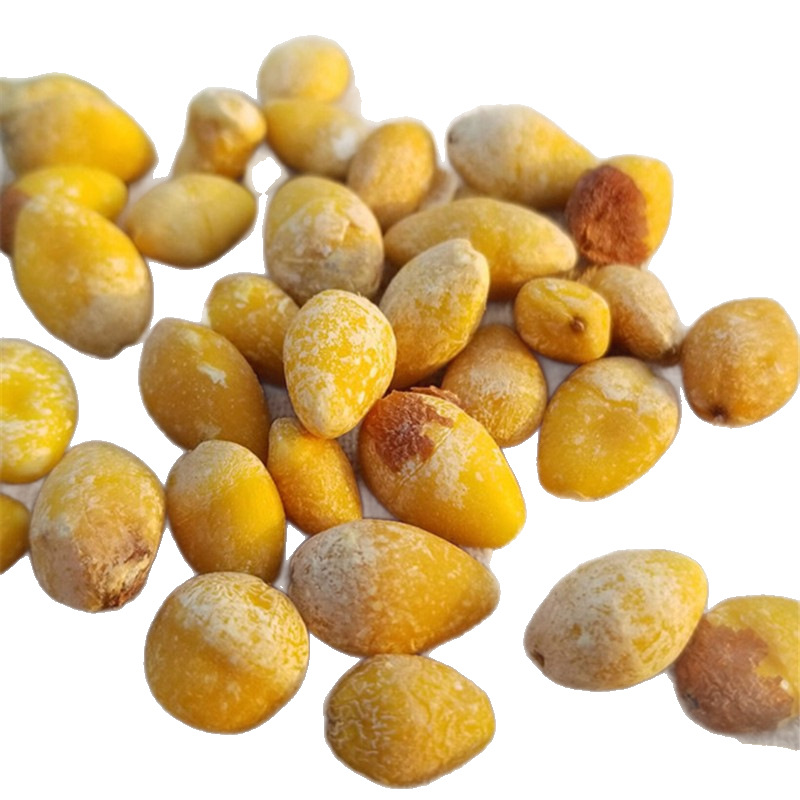
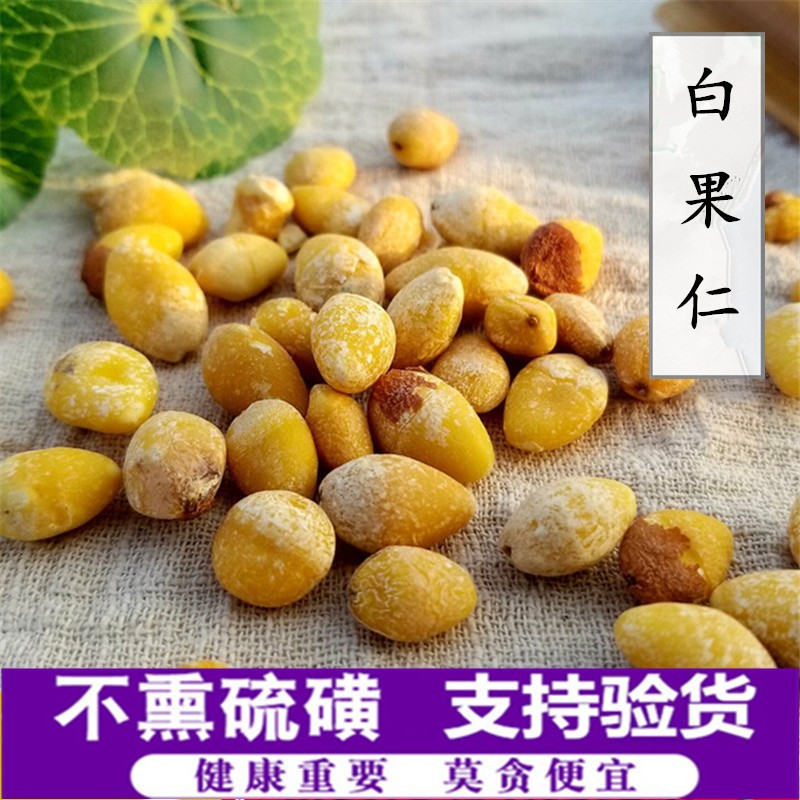
These dried ginkgo kernels are typically pale yellow to light amber with a firm, slightly waxy texture. They have a mild, faintly nutty aroma and a subtly sweet, starchy taste when cooked or decocted. Color and texture may vary slightly between batches.
Technical Specifications
| Product Type | Dried herbal food ingredient |
|---|---|
| Chinese Name | 白果仁 |
| Pinyin | Bai Guo Ren |
| Botanical Name | Ginkgo biloba |
| Plant Part | Seed kernel |
| Form | Shelled dried kernels |
Usage Scenarios
- Added to traditional herbal soups
- Cooked into congee
- Used in herbal decoctions
- Incorporated into seasonal culinary dishes
Traditional Uses
In TCM theory, Bai Guo Ren is traditionally associated with the lung and kidney channels and is considered astringent in nature. It is commonly prepared in soups, congee, and decoctions, often paired with ingredients like lotus seed or Chinese yam. Folk practice sometimes includes it in seasonal nourishing dishes.
FAQ Q&A
Q: What is this product?
A: It is the shelled, sun-dried kernel of Ginkgo biloba seeds, known in TCM as Bai Guo Ren (白果仁).
Q: What is its traditional value?
A: In TCM theory, it is associated with the lung and kidney channels and is considered astringent. It is traditionally used in soups and decoctions.
Q: How is it commonly prepared?
A: It is typically cooked in soups, congee, or herbal decoctions. Follow traditional recipes or consult a qualified practitioner for guidance.
Additional information
| Weight | N/A |
|---|---|
| Dimensions | N/A |
| Model | 白果仁250克, 白果仁500克, 白果仁1000克, 白果仁10公斤 |
Related products
-
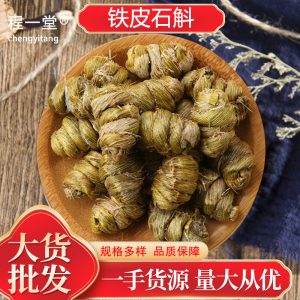
Tie Pi Shi Hu Dried Dendrobium Stems 500g Huoshan Fengdou for Soup and Tea
Price range: $35.88 through $108.80 -
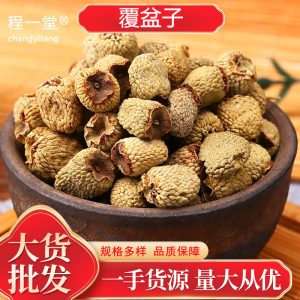
Dried Raspberry Fruit Fu Pen Zi 500g Whole Berries for Herbal Tea and Wine Infusion
Price range: $14.00 through $16.44 -
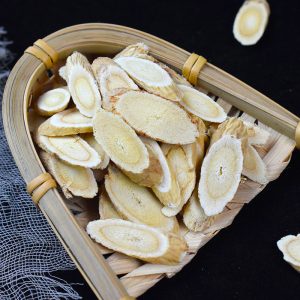
Astragalus Root Slices Huang Qi 500g Dried Herb for Soups and Teas
Price range: $7.36 through $22.11 -
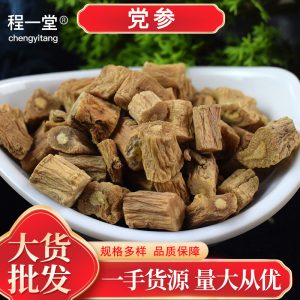
Dried Codonopsis Root Slices Dang Shen 500g Bulk Supply for Soups and Herbal Decoctions
Price range: $10.28 through $18.06
Reviews
There are no reviews yet.