
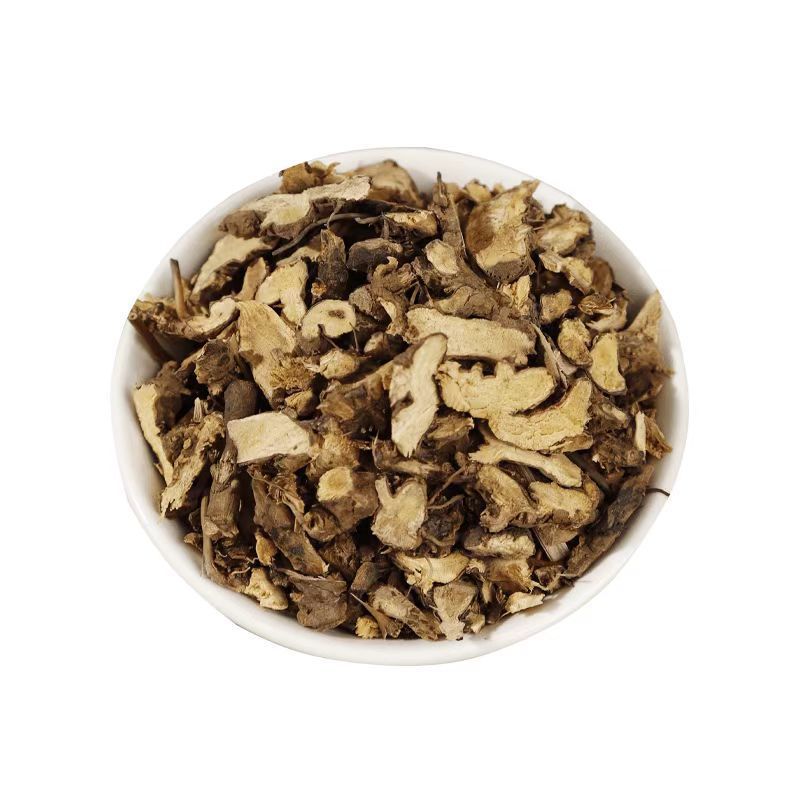
Dried Epimedium Root Slices Xian Ling Pi Sulphur Free Culinary Herbal Ingredient 1000g
Description
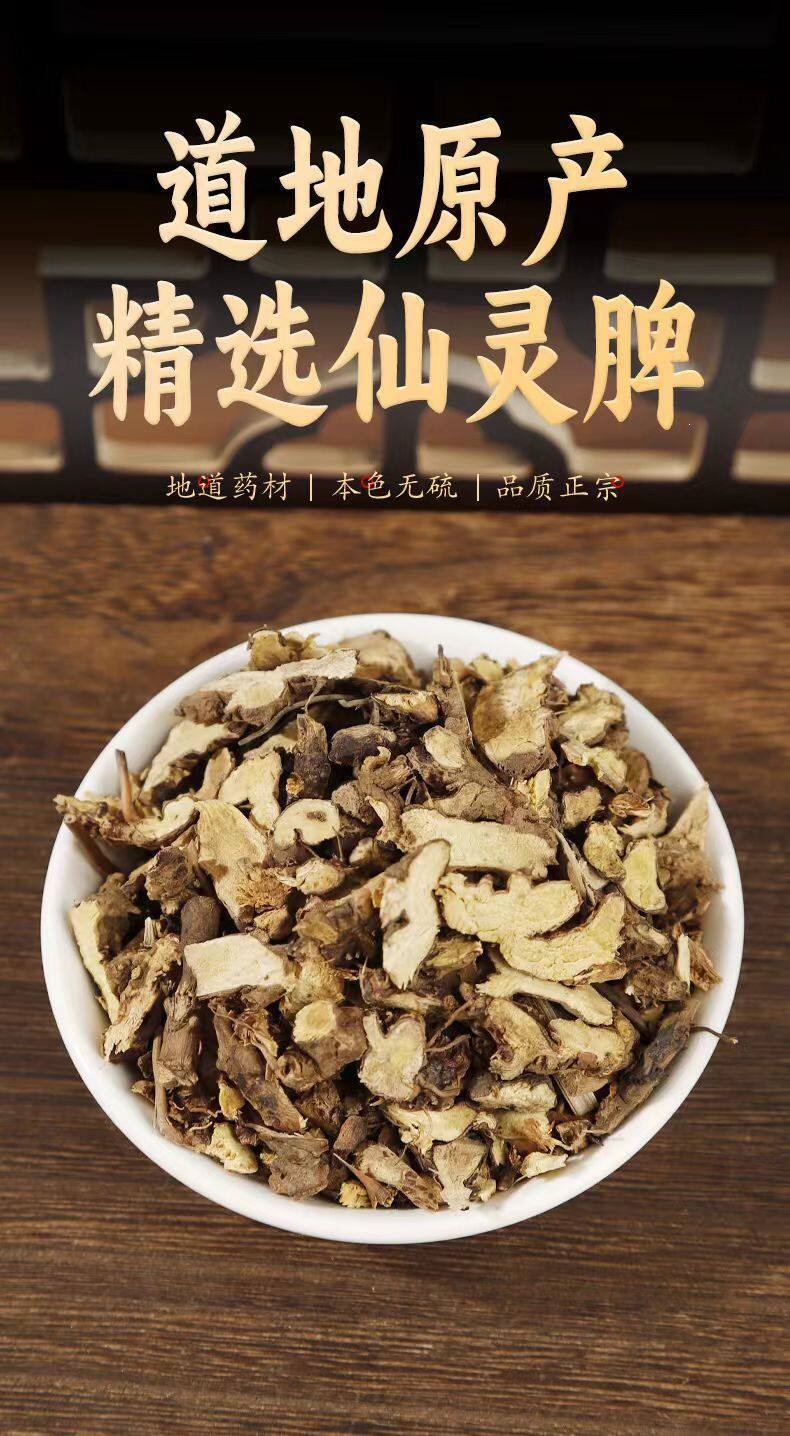
Dried Epimedium Root, known in TCM as Xian Ling Pi (仙灵脾) or Yang Huo Ye Gen (洋火叶根), from Epimedium species. This sulphur-free root is a traditional Chinese herbal ingredient used in decoctions and soups. In TCM theory it is associated with warm yang and kidney support. Traditionally prepared by simmering with other herbs or meats. Suitable for adults seeking traditional herbal nourishment.
Key Selling Points
- Identified in TCM as Xian Ling Pi (仙灵脾), also called Yang Huo Ye Gen (洋火叶根)
- Sourced from Epimedium species root, sulphur-free new stock
- Traditional TCM herb associated with warming yang and supporting kidney function
- Dried root form suitable for decoctions, soups, and culinary preparations
- Packaged in four 250g jars for a total of 1000g
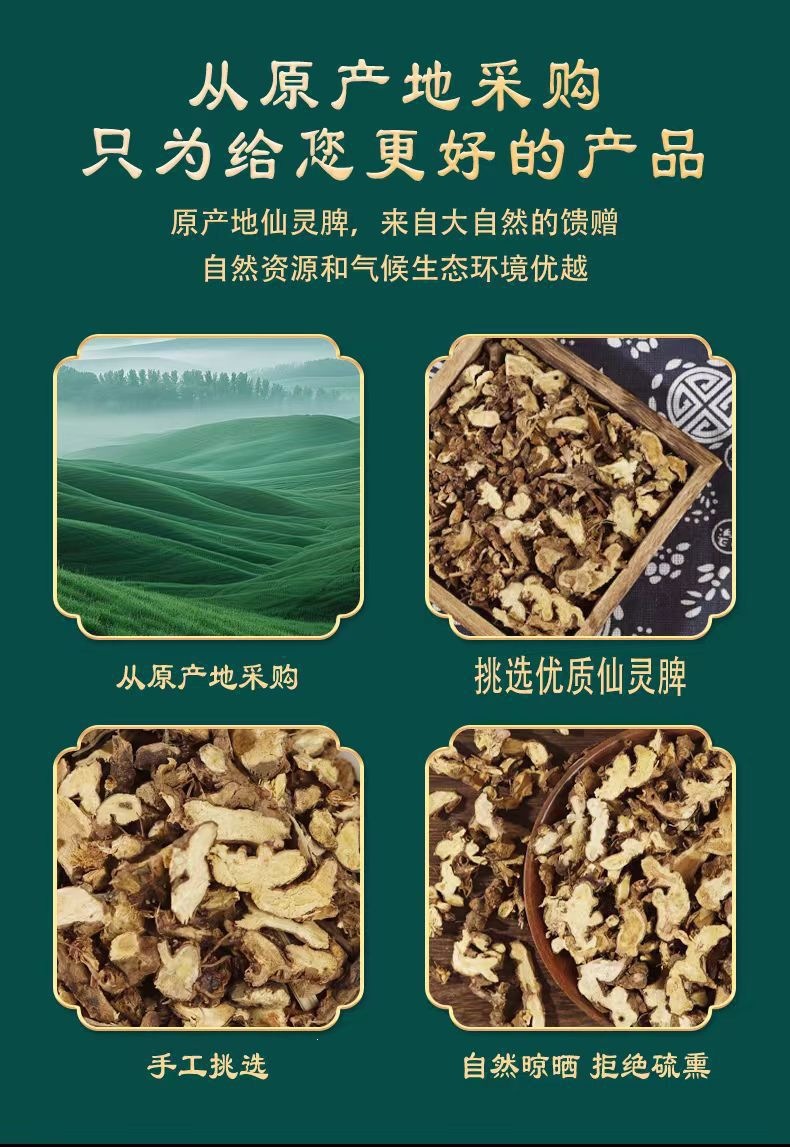
Quality & Sensory
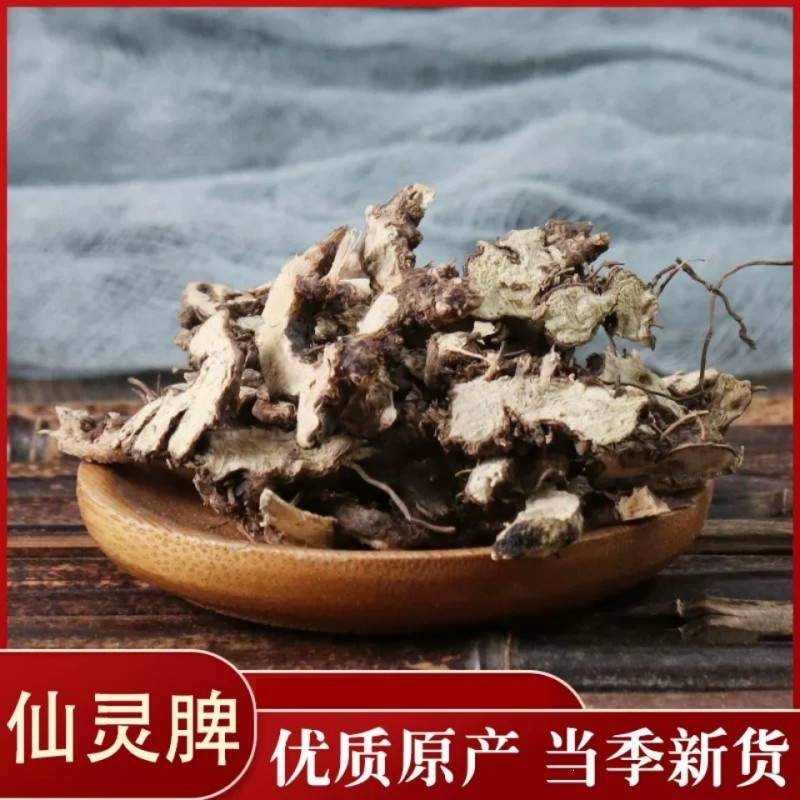
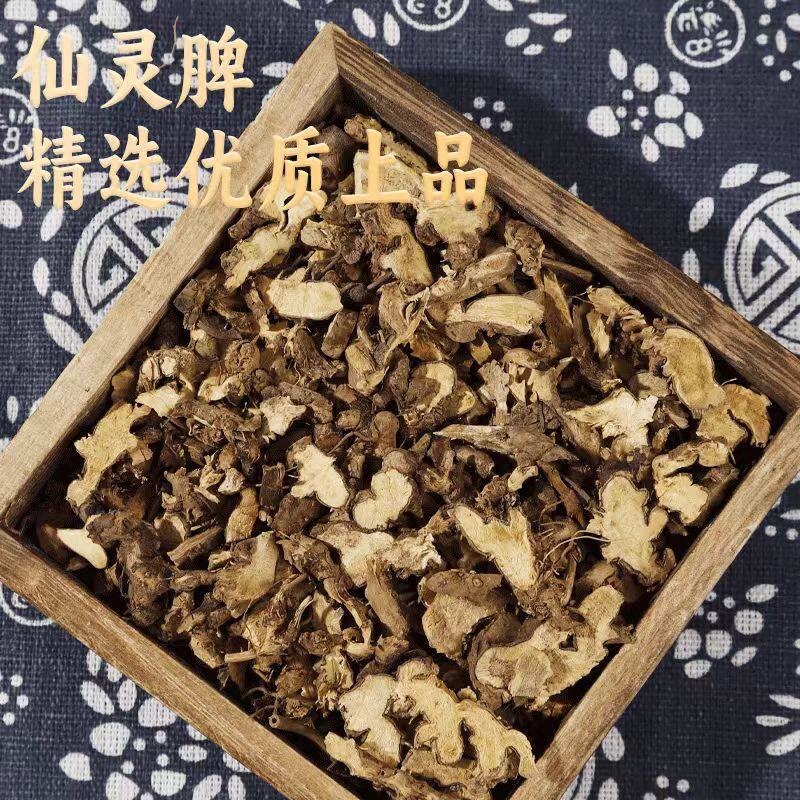
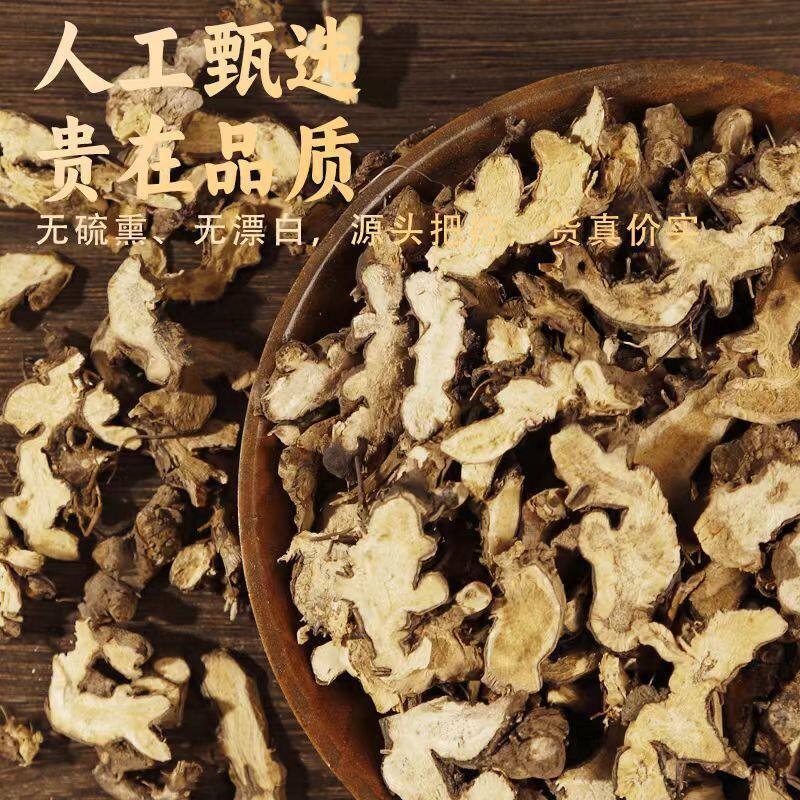
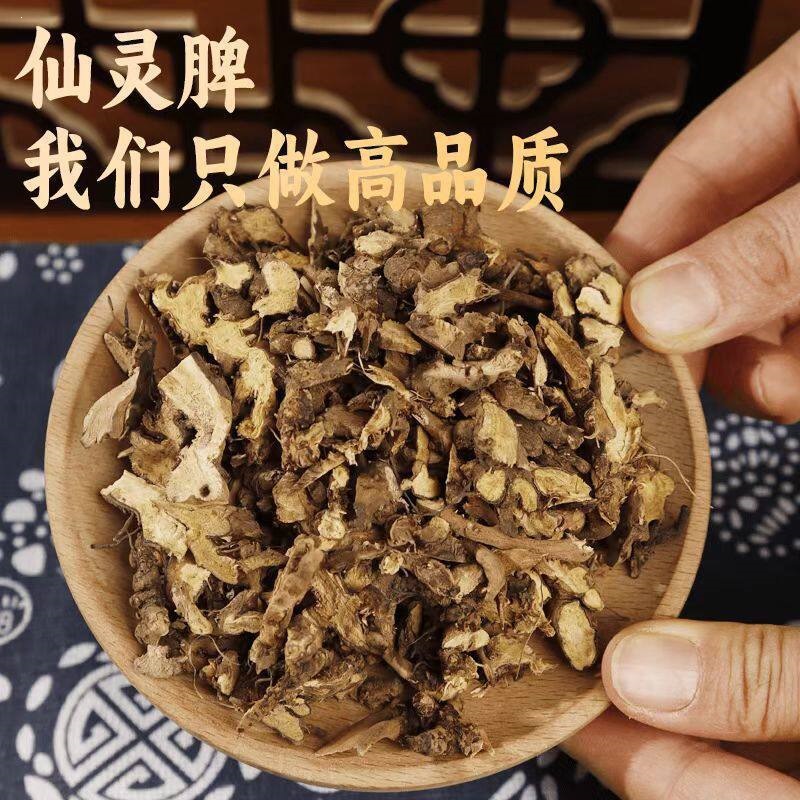
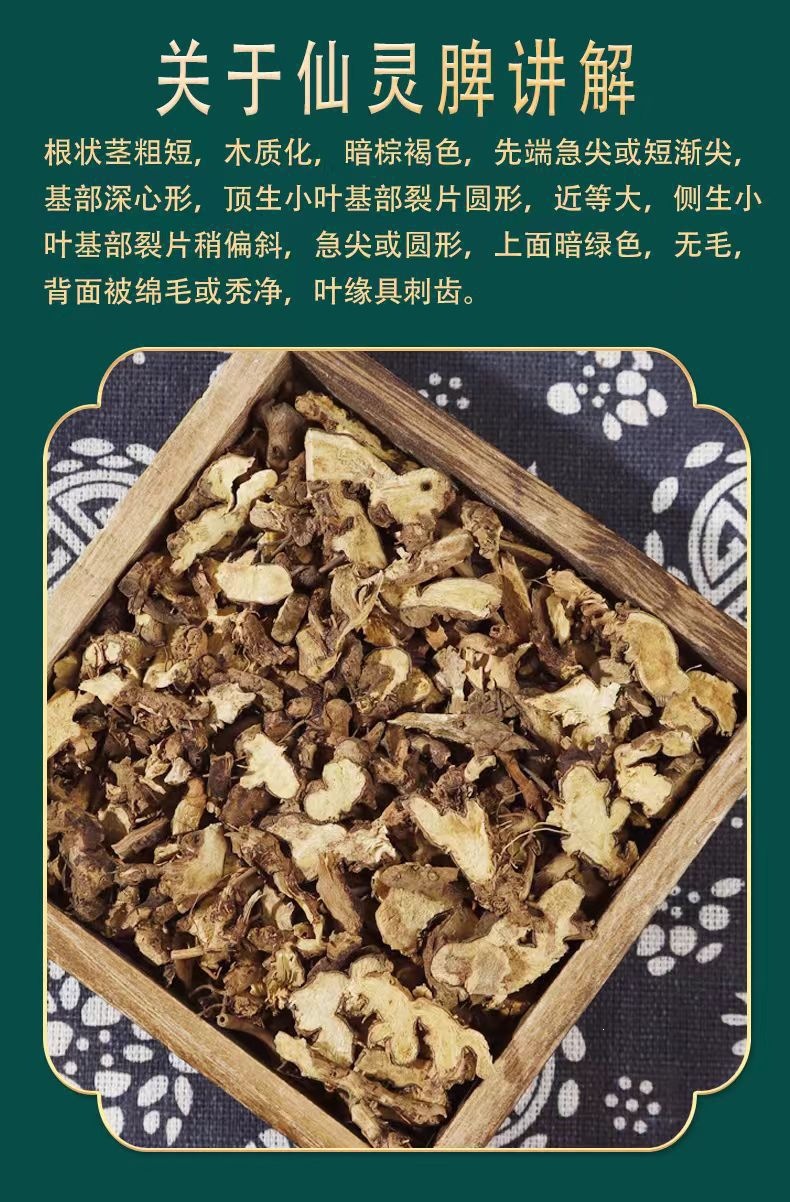
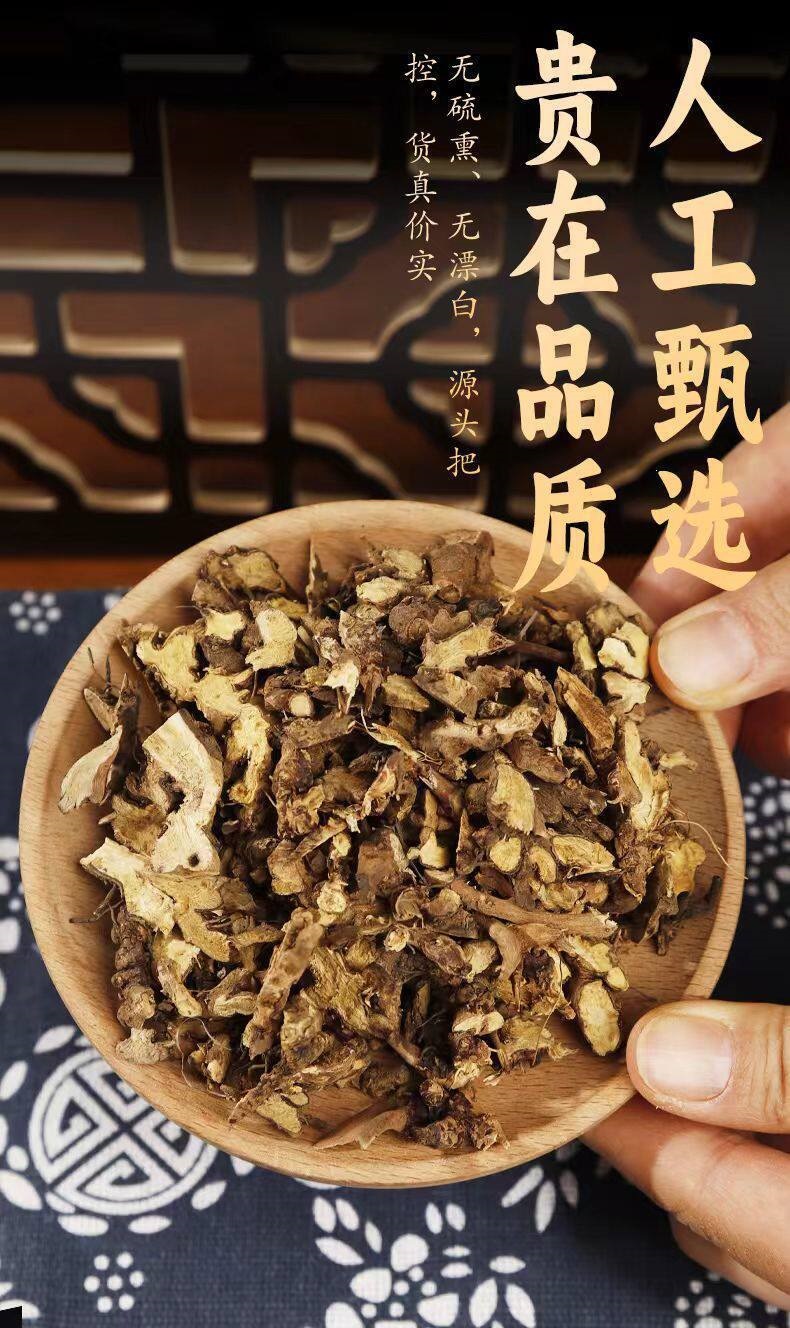
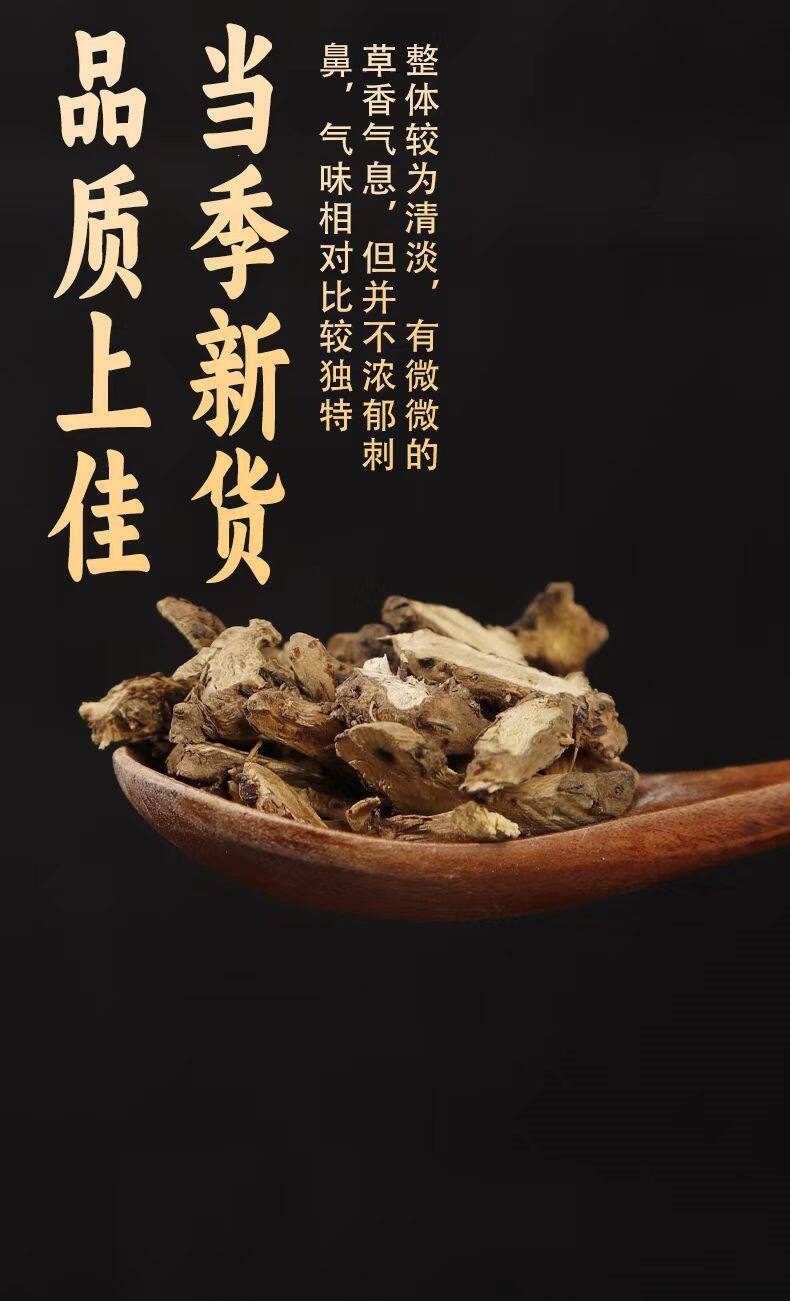
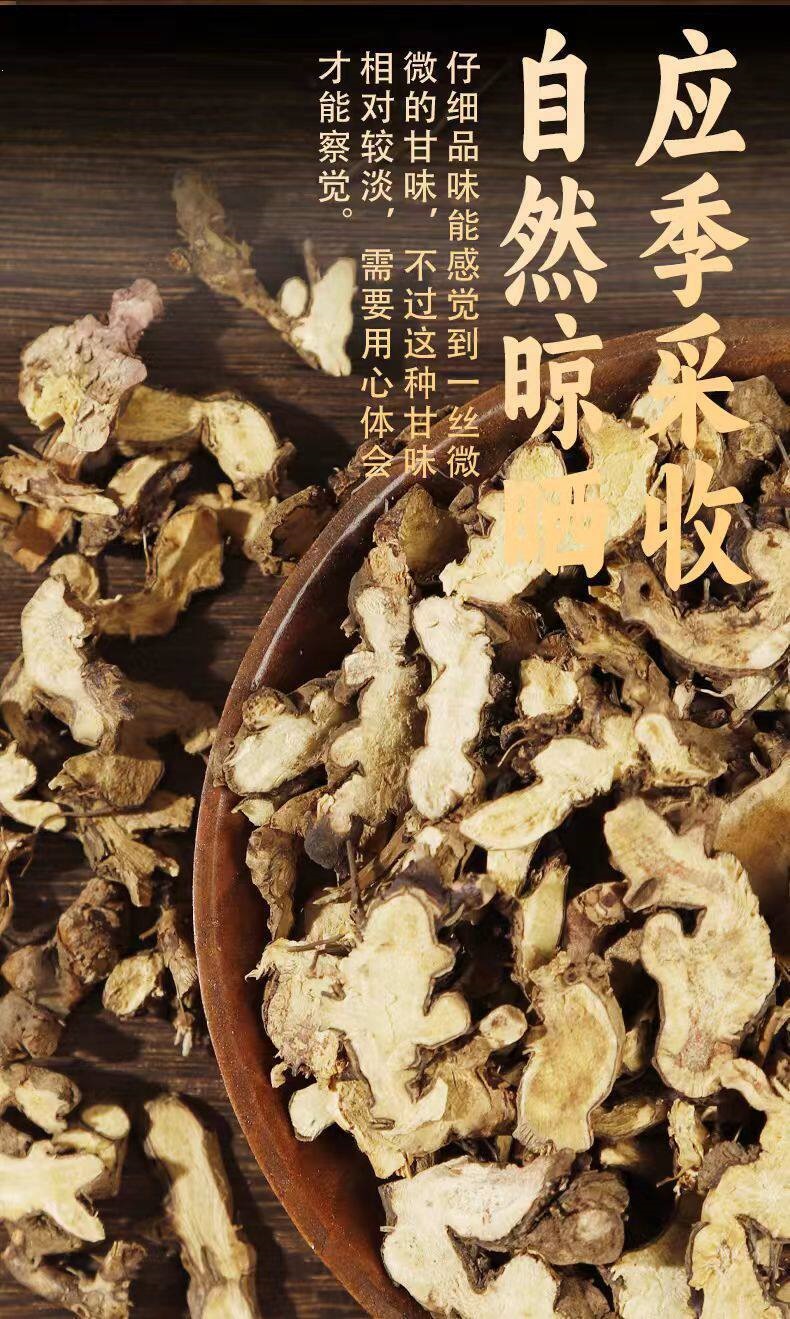
The dried root slices typically show a light brown to tan color with a fibrous, woody texture. Aroma is mild and earthy. When decocted or simmered, the liquid is typically bland with subtle bitter and earthy notes.
Technical Specifications
| Product Type | Dried Herbal Root |
|---|---|
| Chinese Name | 仙灵脾 洋火叶根 |
| Pinyin | Xian Ling Pi, Yang Huo Ye Gen |
| Botanical Name | Epimedium spp. |
| Plant Part | Root |
| Net Weight | 1000g (4 jars x 250g) |
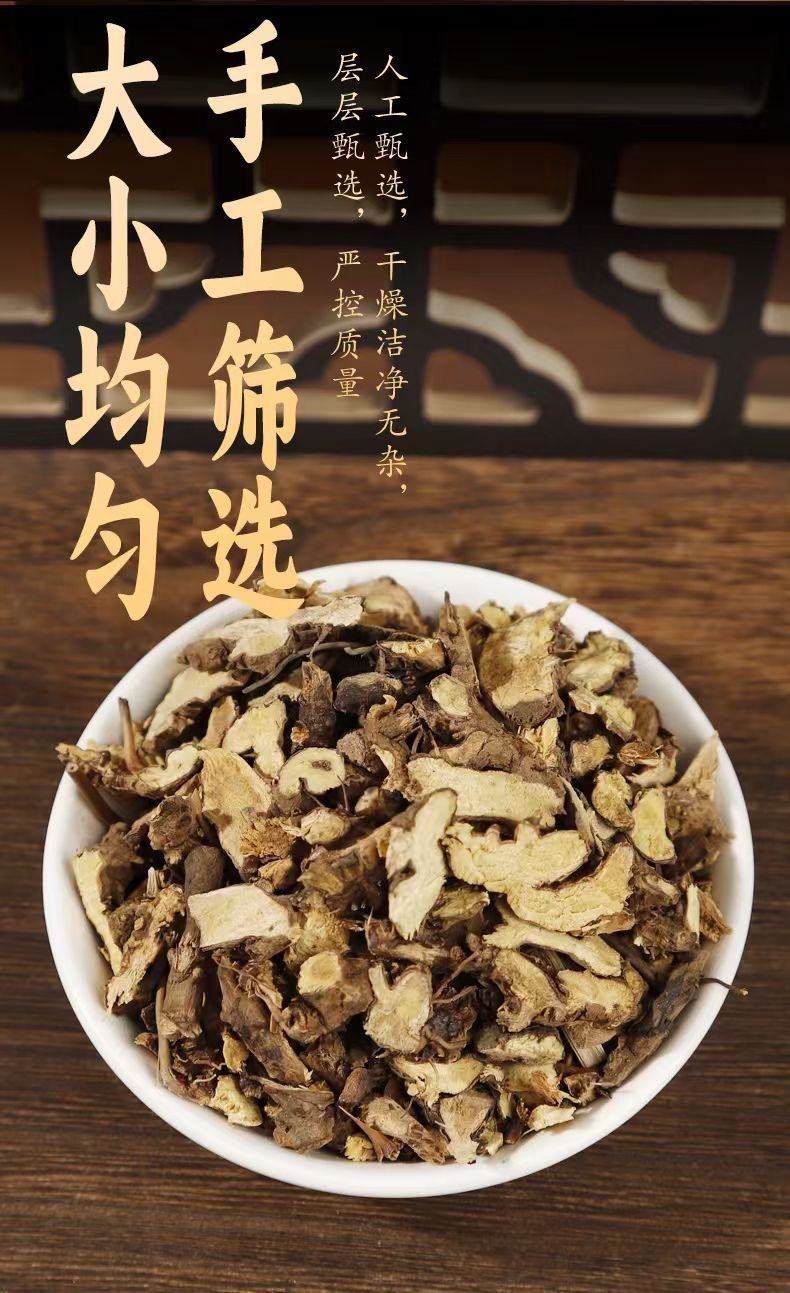
Usage Scenarios
- Simmered in traditional herbal decoctions
- Added to soups and stews as a culinary herb
- Used in congee or grain porridge
- Combined with other herbs in seasonal tonic preparations
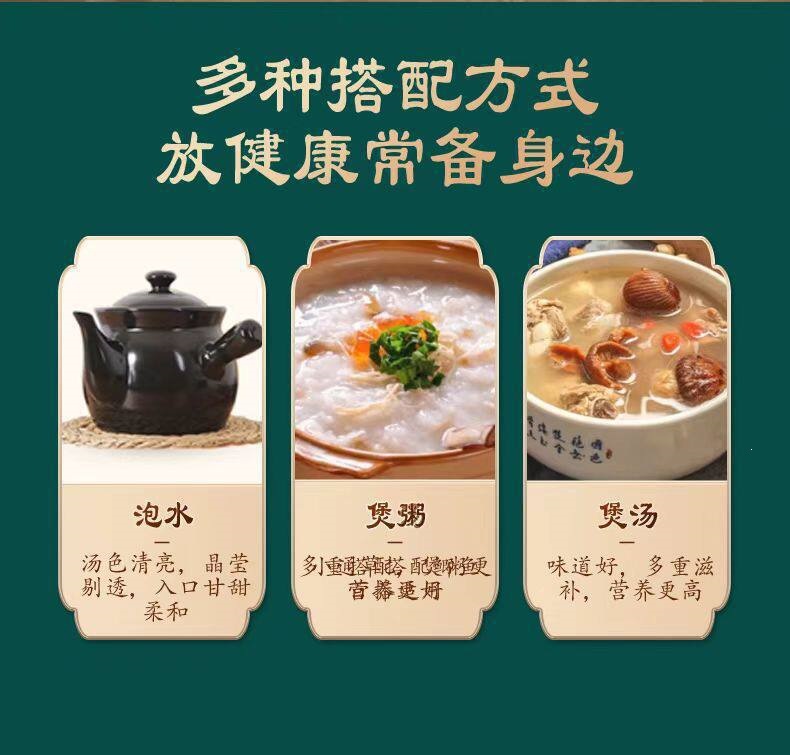
Traditional Uses
In TCM theory, Xian Ling Pi is traditionally used to warm yang and support kidney function. It is commonly simmered in decoctions with herbs such as Rou Cong Rong or Gou Qi Zi, or cooked with meats in soups. Folk practice also includes adding it to congee for daily nourishment during colder seasons.
FAQ Q&A
Q: What is this product?
A: It is dried Epimedium root, known in TCM as Xian Ling Pi (仙灵脾) or Yang Huo Ye Gen (洋火叶根), sold as sulphur-free new stock in four 250g jars.
Q: What is its traditional value?
A: In TCM theory, it is traditionally associated with warming yang and supporting kidney function, and is used in herbal decoctions and soups.
Q: How is it commonly prepared?
A: It is typically simmered in water with other herbs or meats to make a decoction or soup, or added to congee.
Additional information
| Model | 罐装洋火叶根75g 1罐, 罐装洋火叶根75g 2罐, 罐装洋火叶根250g 1罐, 罐装洋火叶根250g 2罐, 罐装洋火叶根250g 3罐, 罐装洋火叶根250g 4罐 |
|---|
Related products
-

Cabinda Bark Dried Herb 500g Traditional Herbal Infusion Ingredient
Price range: $12.38 through $37.50 -
Yi Zhi Ren Dried Alpinia Oxyphylla Fruit 500g Traditional Herbal Tea and Decoction Ingredient
Price range: $11.74 through $13.36 -
Chai Hu Bupleurum Root Dried Herb 500g Traditional TCM Decoction Herb
Price range: $9.14 through $16.44 -

Dried Huang Jing Slices Polygonatum Rhizome Chicken Head Huang Jing 500g Bulk Herbal Tea and Soup Ingredient
Price range: $9.14 through $18.87
Reviews
There are no reviews yet.