
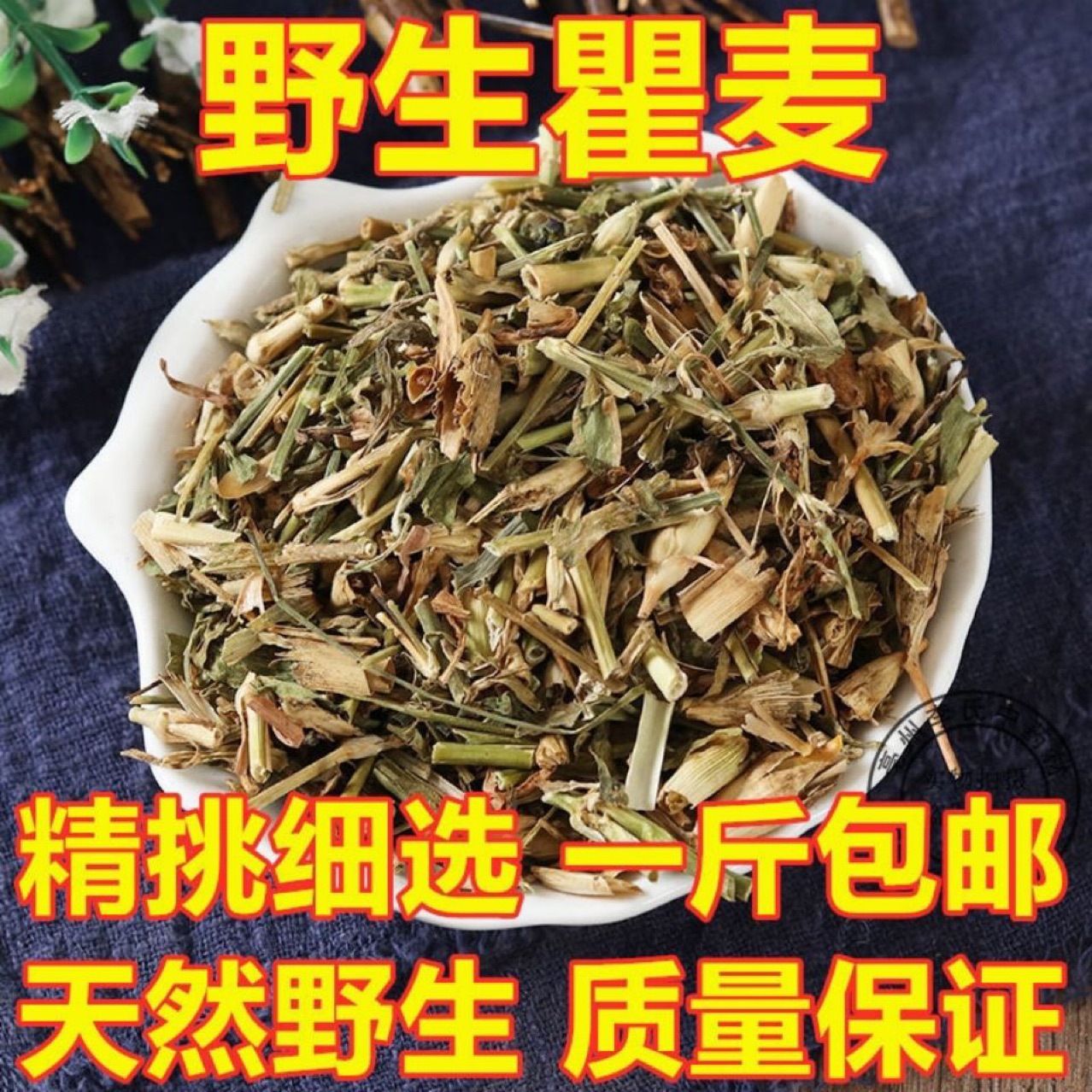
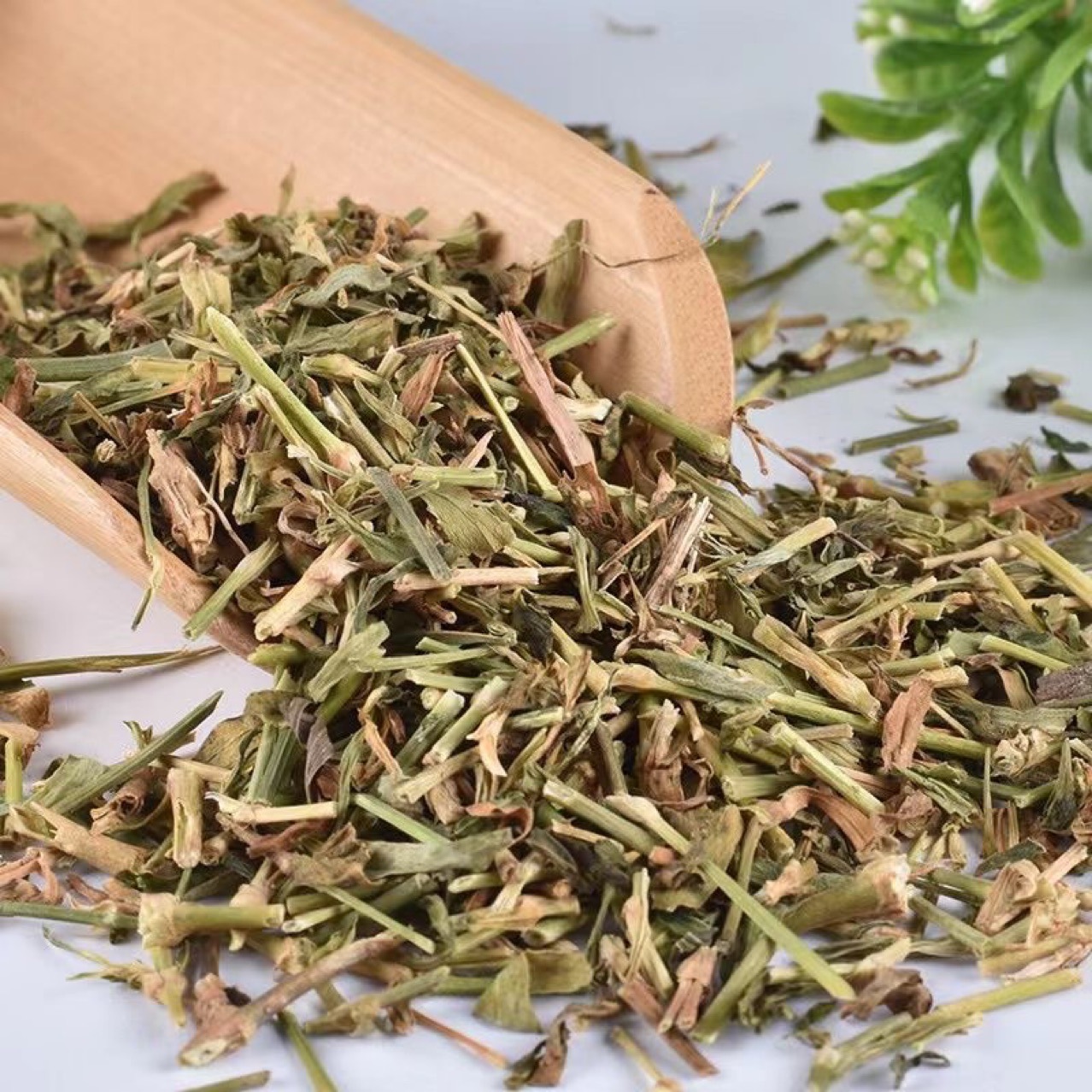
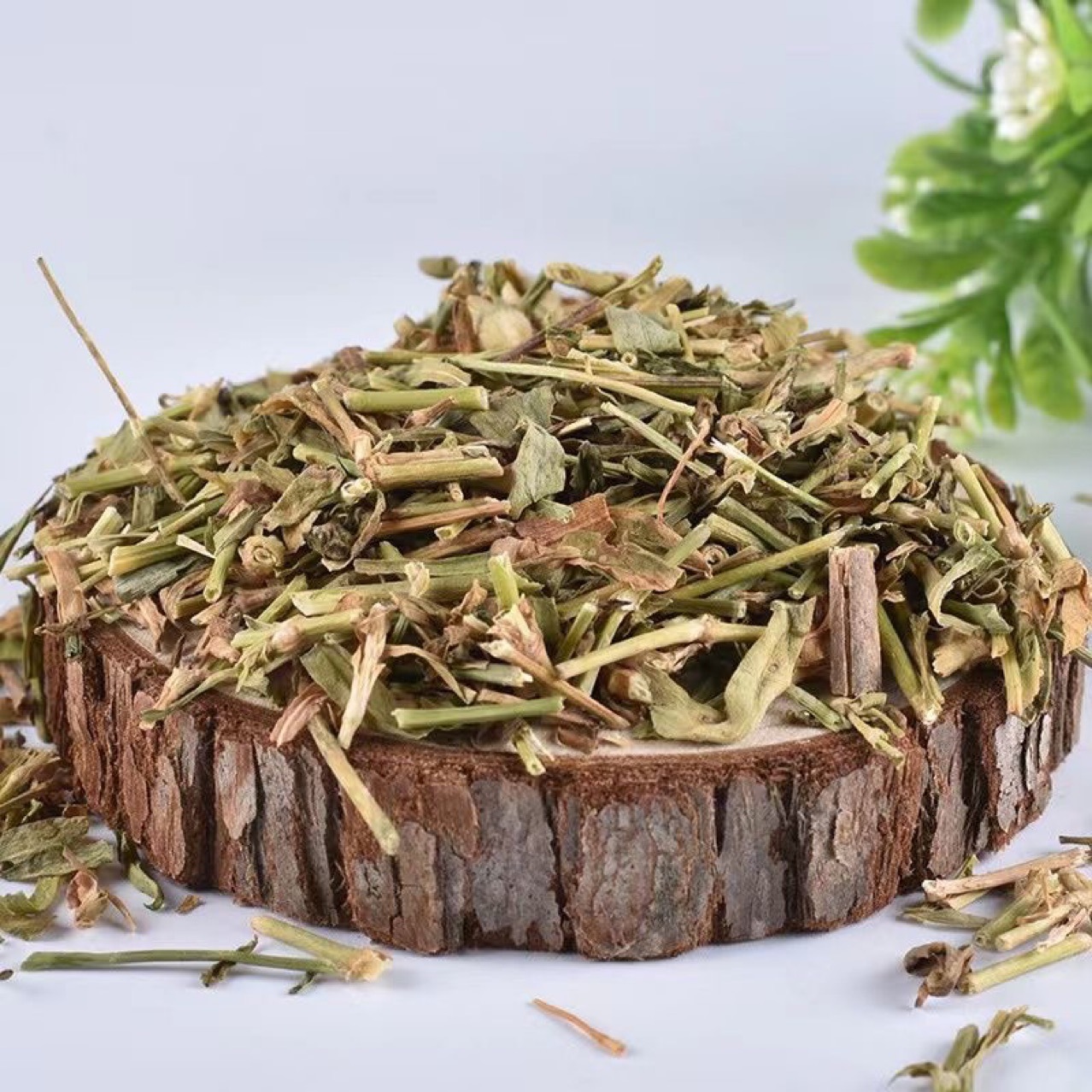
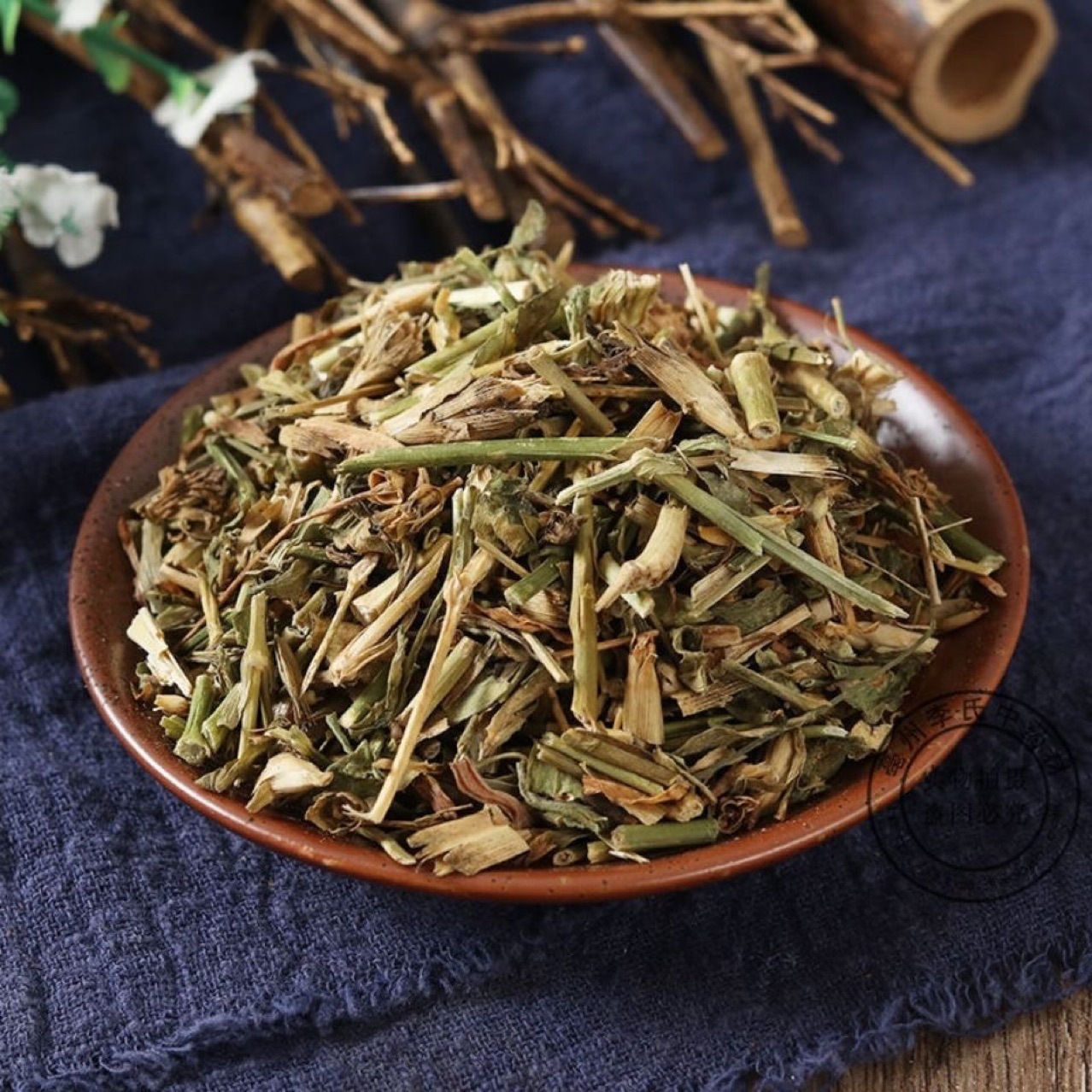
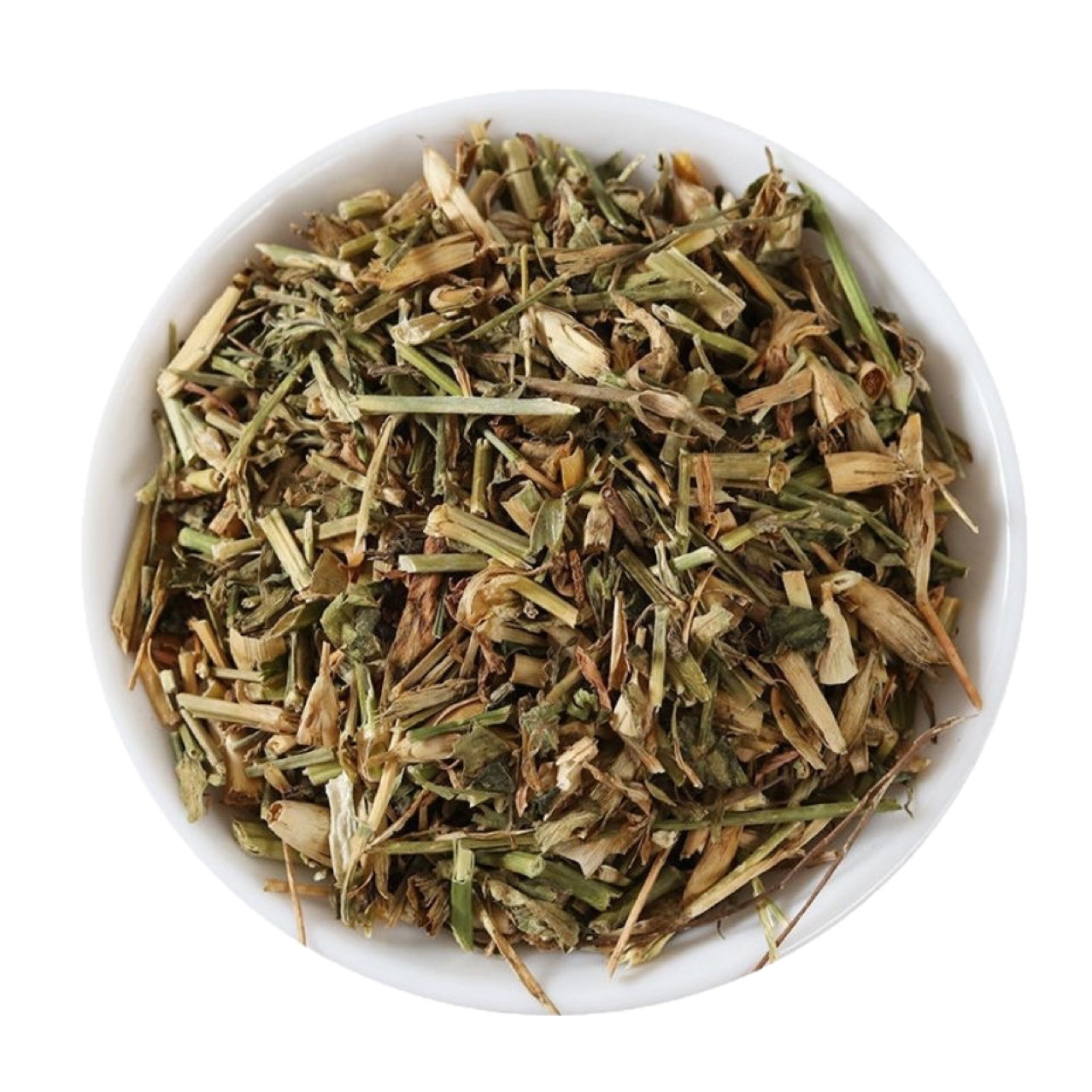
Dried Dianthus Superbus Herb Qu Mai Wild Chinese Herbal Tea 500g New Crop
Price range: $5.51 through $31.55
Description
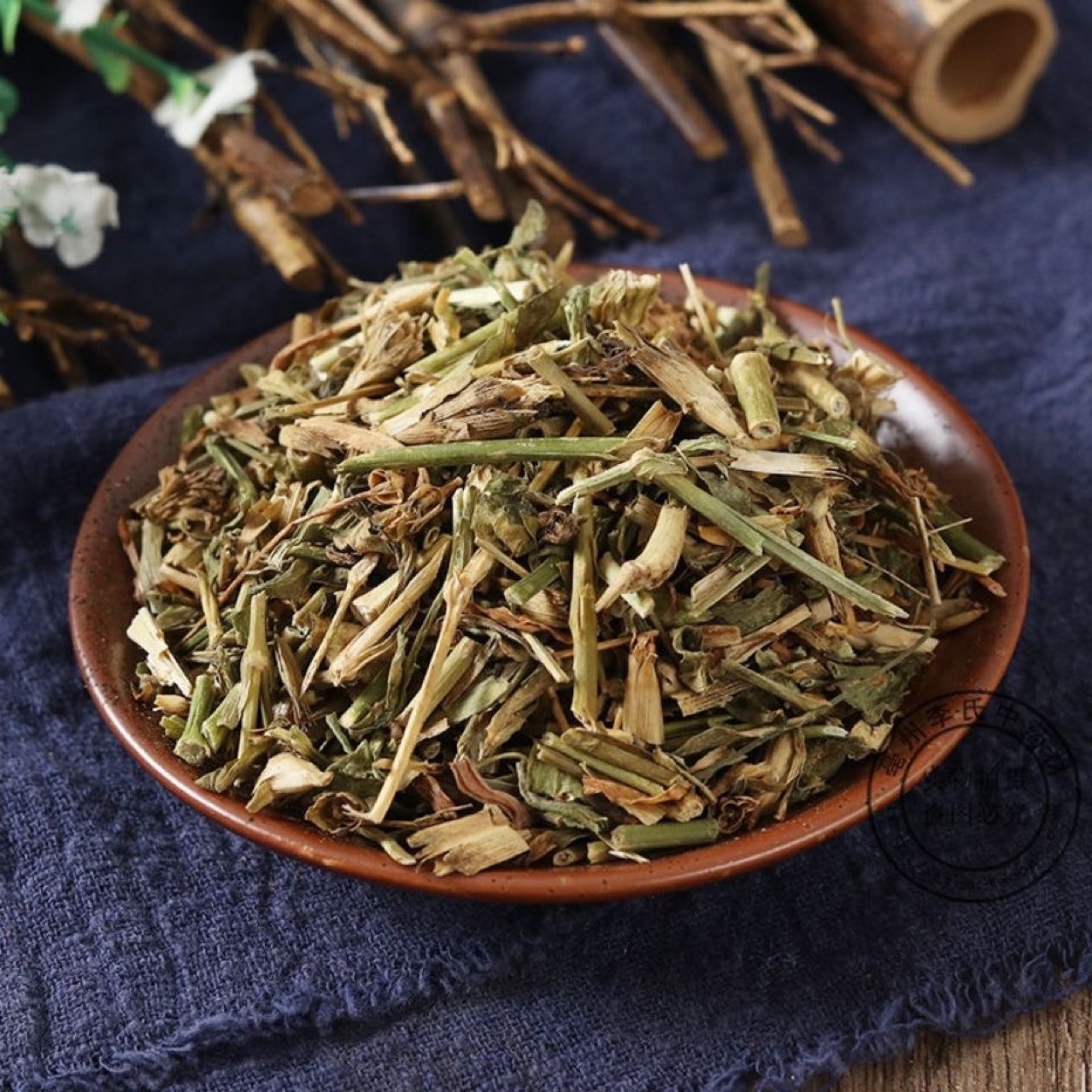
Dried Qu Mai (瞿麦), botanical name Dianthus superbus, is the dried aerial part of the Dianthus plant, also known as Fringed Pink or Chinese Pink. In TCM theory, it is traditionally associated with the Heart and Small Intestine channels, with a bitter and cold nature. Traditionally used in decoctions and herbal formulas, it is commonly prepared as a tea or added to soup. This product is sourced from Anhui and sold as a food agricultural product.
Key Selling Points
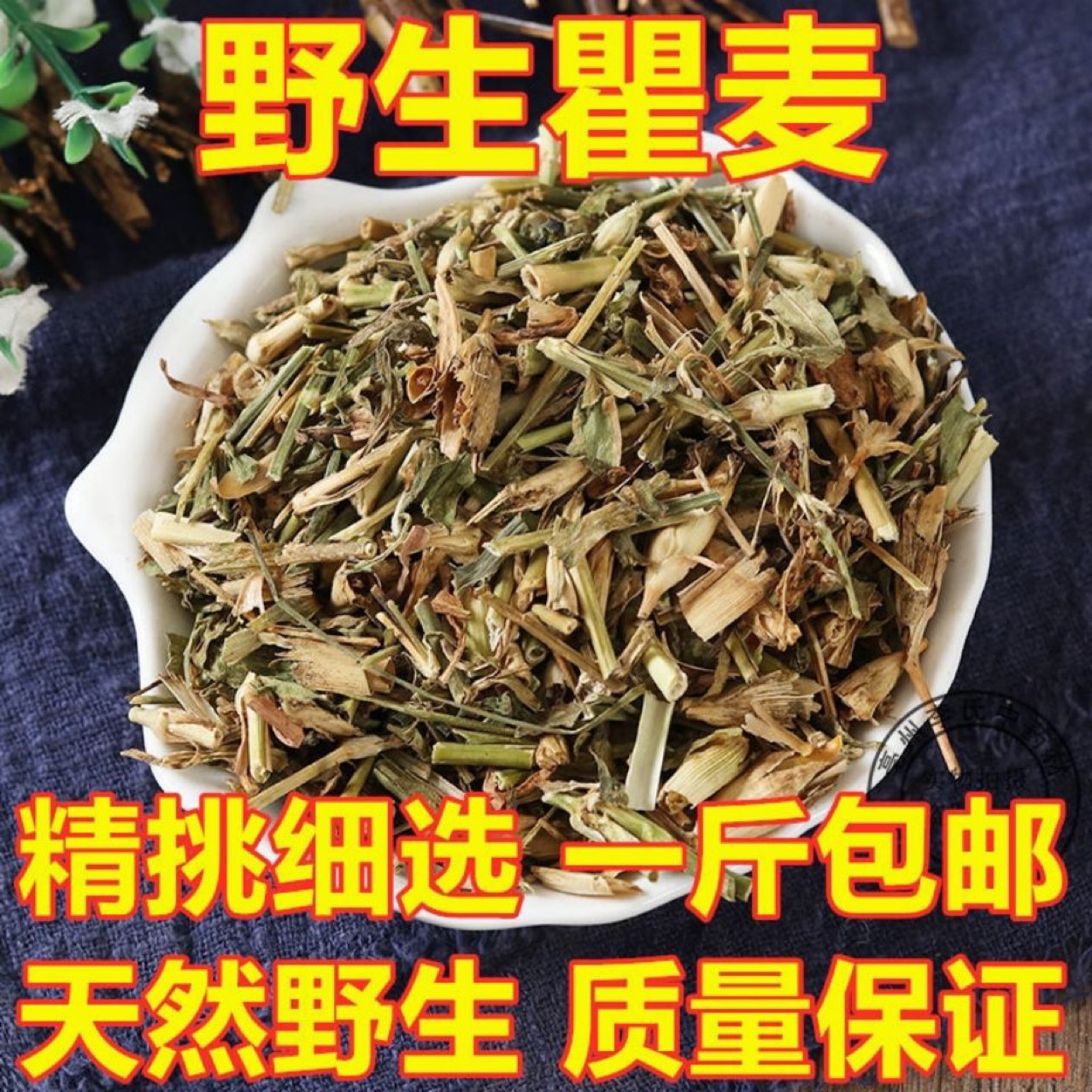
- Authentic Qu Mai (瞿麦) dried herb from Dianthus superbus
- Wild-harvested Chinese herbal ingredient from Anhui origin
- Dried aerial parts suitable for traditional decoctions and teas
- New crop current-year stock with 12-month shelf life
- Available in 500g and 10kg bulk packaging options
Quality & Sensory
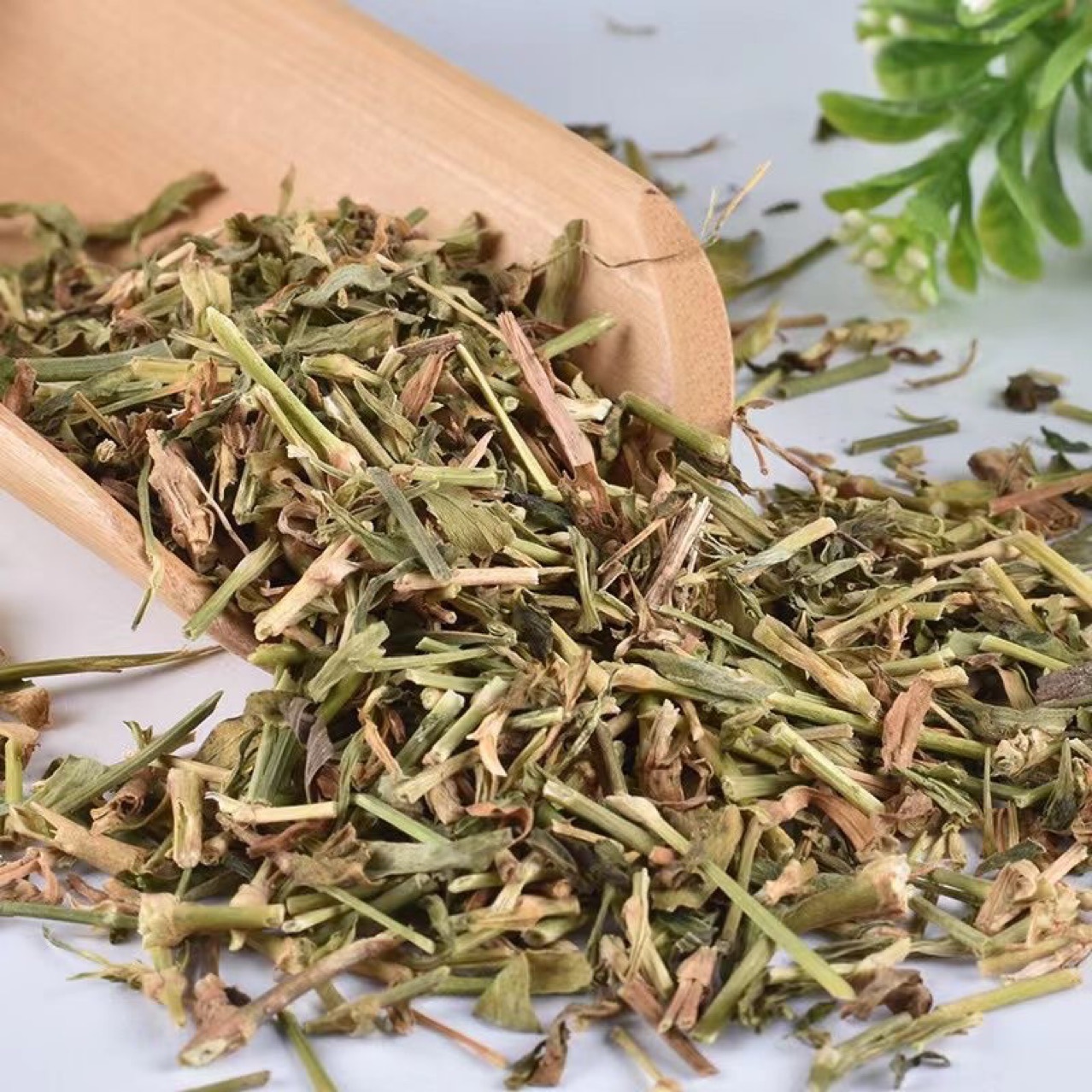
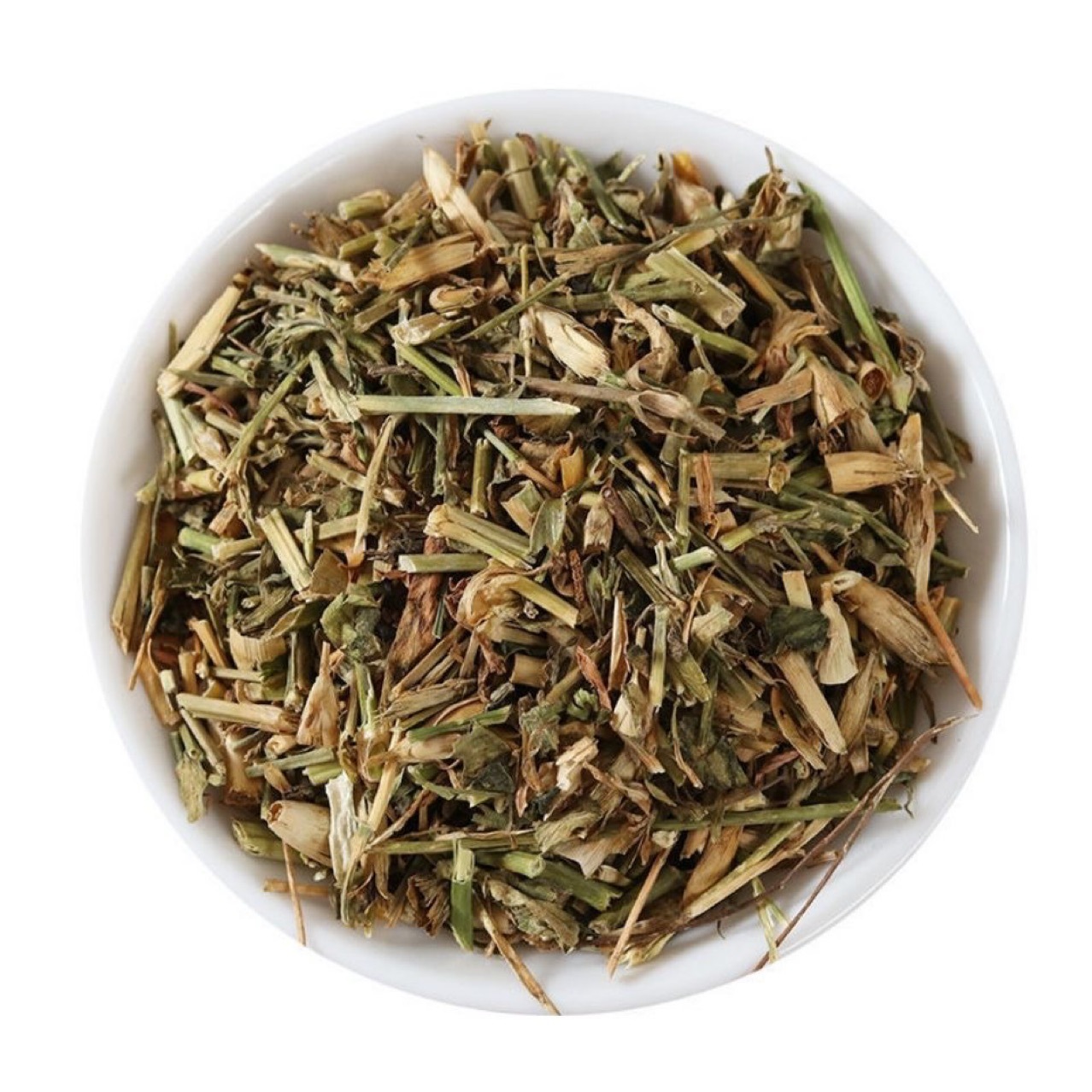
The dried herb typically shows green to yellowish-green stems and leaves with a faint herbal aroma. The texture is dry and slightly brittle. When brewed or decocted, it yields a mildly bitter, earthy taste with a light golden-green liquor.
Technical Specifications
| Product Type | Dried Herbal Decoction Pieces |
|---|---|
| Chinese Name | 瞿麦 |
| Pinyin | Qu Mai |
| Botanical Name | Dianthus superbus |
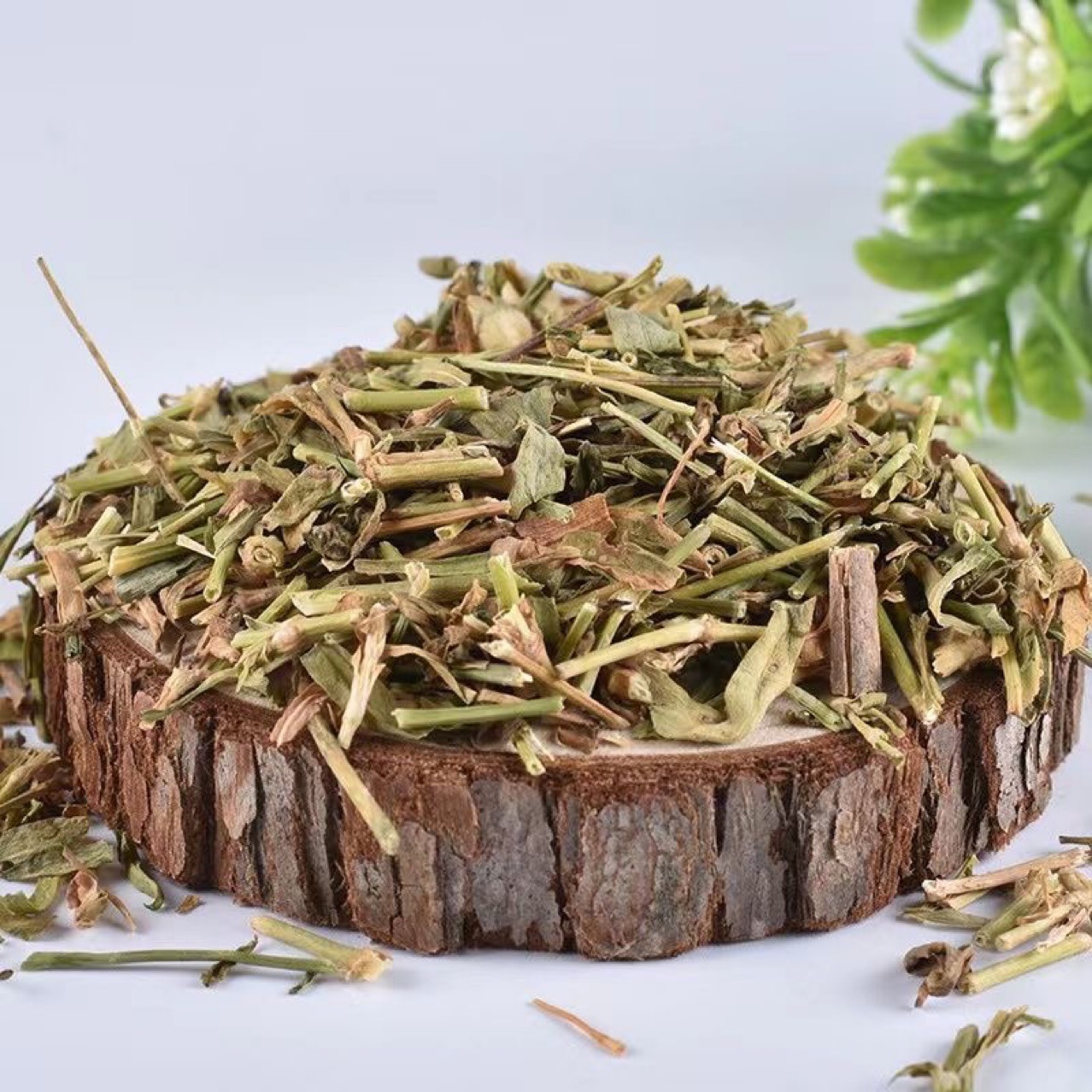
| Plant Part | Dried Aerial Parts |
| Net Weight | 500g |
Usage Scenarios
- Traditional herbal decoction
- Herbal tea infusion
- Added to soup or congee
- Blended with other TCM herbs
Traditional Uses
In TCM theory, Qu Mai is traditionally used in formulas associated with the Heart and Small Intestine channels. It is commonly decocted with other herbs such as Fu Ling or Ze Xie. Folk practice includes preparing it as a simple tea or adding it to soups during seasonal wellness routines. It is traditionally valued for its bitter, cold properties.
FAQ Q&A
Q: What is this product?
A: It is dried Qu Mai (瞿麦), the aerial parts of Dianthus superbus, a traditional Chinese herbal ingredient.
Q: What is its traditional value?
A: In TCM theory, it is associated with the Heart and Small Intestine channels and has a bitter, cold nature.
Q: How is it commonly prepared?
A: It is typically decocted or brewed as a tea, and can also be added to soups or congee.
Additional information
| Weight | N/A |
|---|---|
| Dimensions | N/A |
| Model | 瞿麦250克, 瞿麦500克, 瞿麦1000克, 瞿麦10公斤 |
Related products
-
Tie Pi Shi Hu Dried Dendrobium Stems 500g Huoshan Fengdou for Soup and Tea
Price range: $35.88 through $108.80 -
Chai Hu Bupleurum Root Dried Herb 500g Traditional TCM Decoction Herb
Price range: $9.14 through $16.44 -
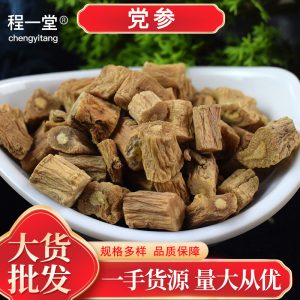
Dried Codonopsis Root Slices Dang Shen 500g Bulk Supply for Soups and Herbal Decoctions
Price range: $10.28 through $18.06 -
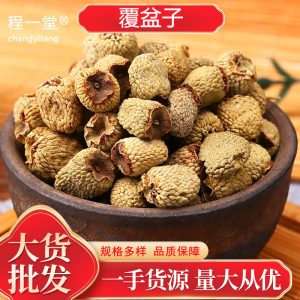
Dried Raspberry Fruit Fu Pen Zi 500g Whole Berries for Herbal Tea and Wine Infusion
Price range: $14.00 through $16.44
Reviews
There are no reviews yet.