
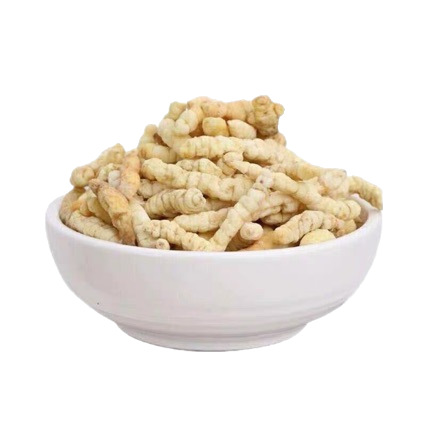
Dried Cordyceps Root Herbal Slices Chinese Di Can 1000g Natural Sun Dried
Price range: $15.92 through $44.05
Description
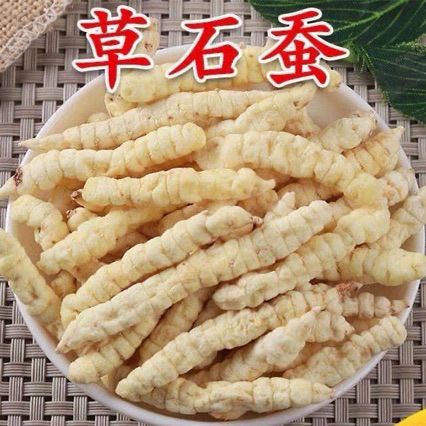
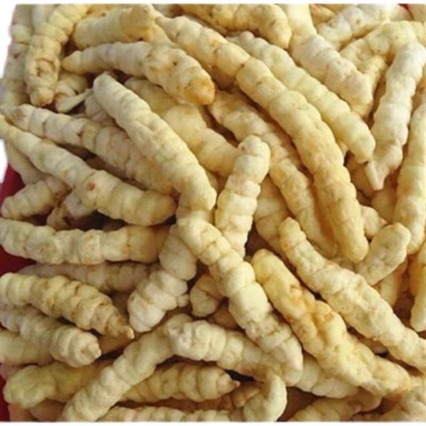
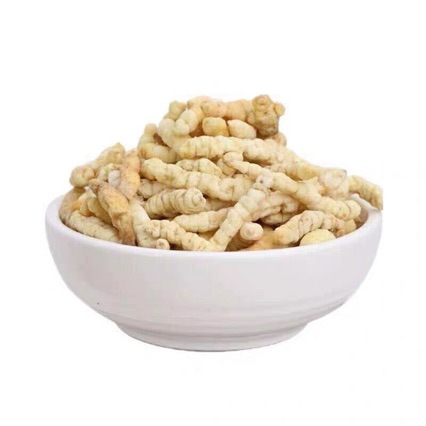
Dried Cordyceps Root, known in TCM as Di Can (地蚕) and also called Cao Shi Can (草石蚕), is the dried tuber of Stachys affinis. In TCM theory it is considered sweet and neutral, traditionally associated with the Lung and Kidney channels. It is commonly used in herbal soups and decoctions as a nourishing food herb. This 1000g pack is naturally sun dried and suitable for daily home cooking.
Key Selling Points
- Identified in TCM as Di Can (地蚕), also known as Cao Shi Can (草石蚕)
- Dried tuber of Stachys affinis, a traditional food herb
- Naturally sun dried to preserve texture and aroma
- Sweet and neutral nature in TCM theory
- 1kg value pack for soups, congee, and decoctions
Quality & Sensory
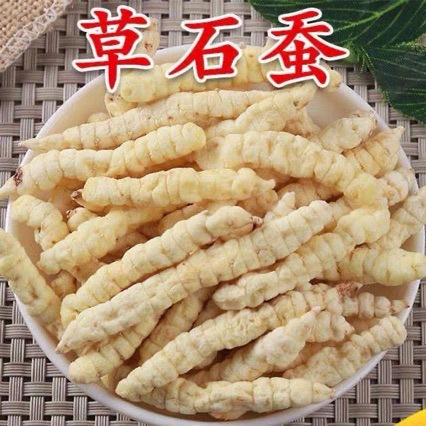
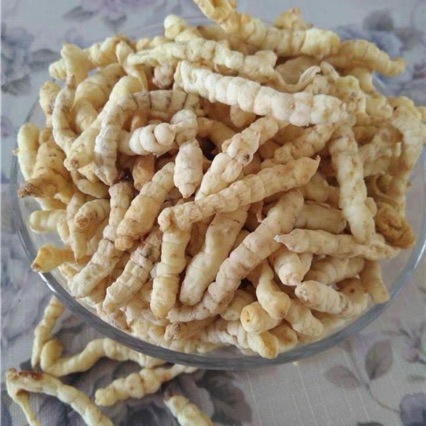
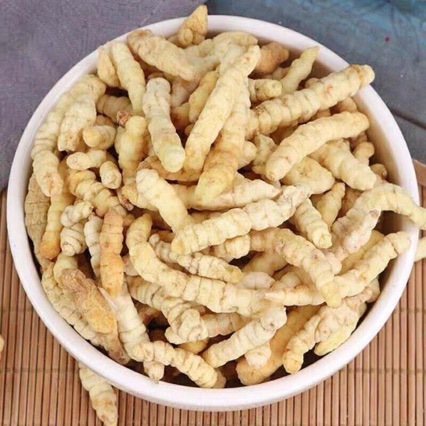
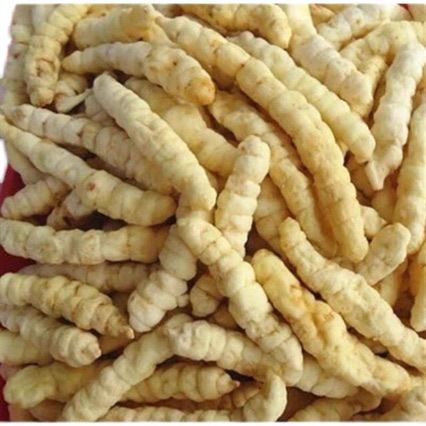
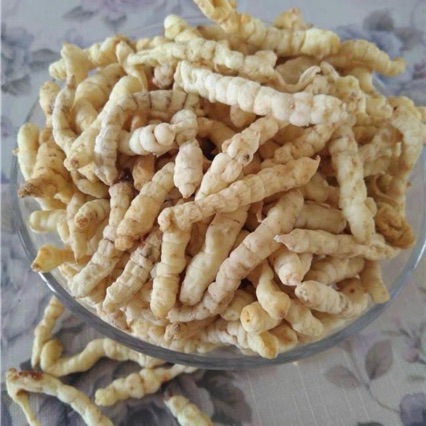
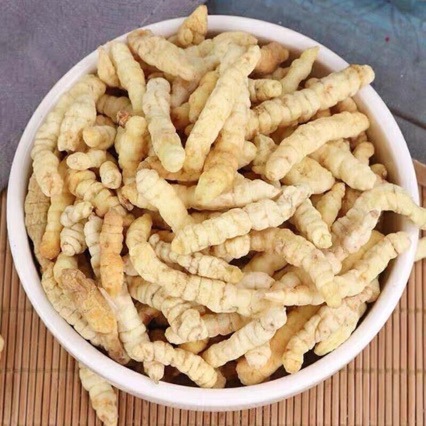
The dried tubers are typically off white to pale beige with a firm, slightly wrinkled texture. They have a mild earthy aroma and a subtly sweet, starchy taste after simmering in soups or decoctions.
Technical Specifications
| Product Type | Dried herbal tuber slices |
|---|---|
| Chinese Name | 地蚕 (Di Can), 草石蚕 (Cao Shi Can) |
| Pinyin | Di Can, Cao Shi Can |
| Botanical Name | Stachys affinis |
| Plant Part | Tuber |
| Net Weight | 1000g |
Usage Scenarios
- Herbal soup with pork or chicken
- Daily decoction with other mild herbs
- Congee or rice porridge
- Seasonal nourishing food use
Traditional Uses
In TCM and folk practice, Di Can is traditionally used in slow simmered soups and decoctions, often paired with mild herbs such as Chinese yam or goji berry. It is also added to congee for everyday nourishment. Traditional texts associate it with supporting the Lung and Kidney, and it is commonly prepared as a gentle food herb rather than a strong medicinal decoction.
FAQ Q&A
Q: What is this product?
A: It is the dried tuber of Stachys affinis, known in TCM as Di Can (地蚕) or Cao Shi Can (草石蚕).
Q: What is its traditional value?
A: In TCM theory it is considered sweet and neutral and is traditionally associated with the Lung and Kidney channels. It is used as a mild nourishing food herb.
Q: How is it commonly prepared?
A: It is usually simmered in soups, decoctions, or congee. Rinse before use and cook until soft.
Additional information
| Weight | N/A |
|---|---|
| Dimensions | N/A |
| Model | 草石蚕250克, 草石蚕500克, 草石蚕1000克 |
Related products
-

Cabinda Bark Dried Herb 500g Traditional Herbal Infusion Ingredient
Price range: $12.38 through $37.50 -
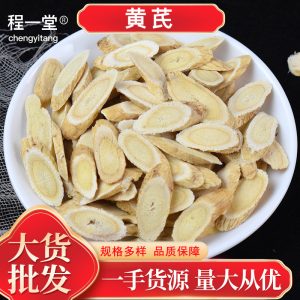
Astragalus Root Slices Huang Qi 斜片 Dried Herb for Decoction Soup and Tea 500g
Price range: $6.06 through $19.51 -

Dried Raspberry Fruit Fu Pen Zi Whole Berries for Herbal Tea and Wine Infusion 500g
Price range: $15.63 through $18.06 -
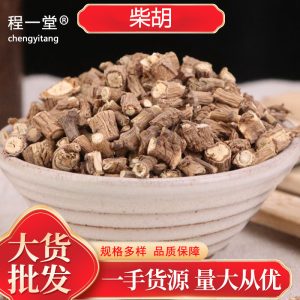
Chai Hu Bupleurum Root Dried Herb 500g Traditional TCM Decoction Herb
Price range: $9.14 through $16.44
Reviews
There are no reviews yet.