
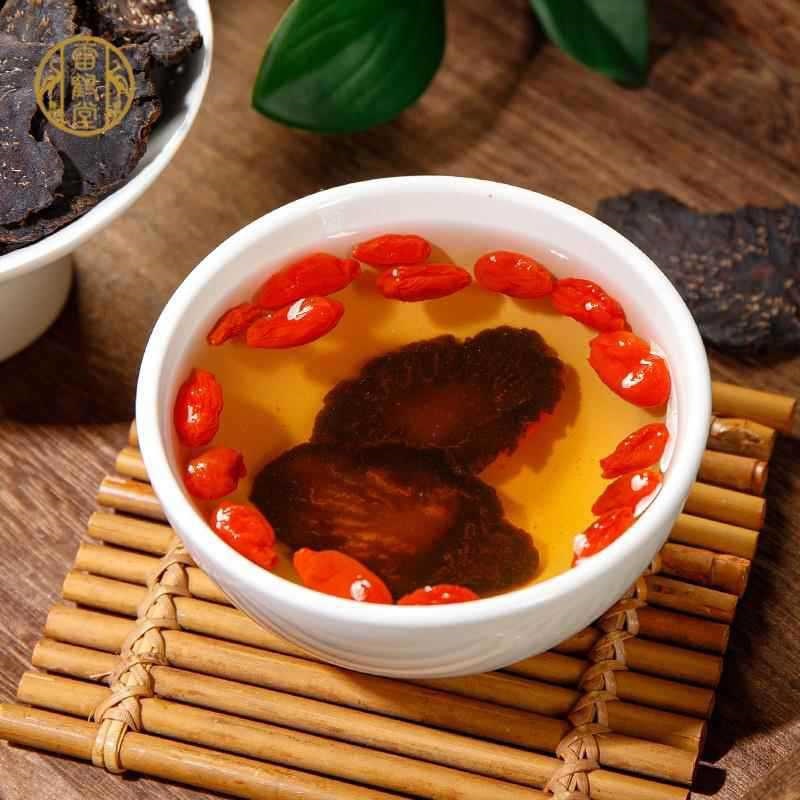
Dried Cistanche Deserticola Slices Rou Cong Rong Inner Mongolia Herbal Decoction Pieces
Price range: $5.60 through $15.44
Description
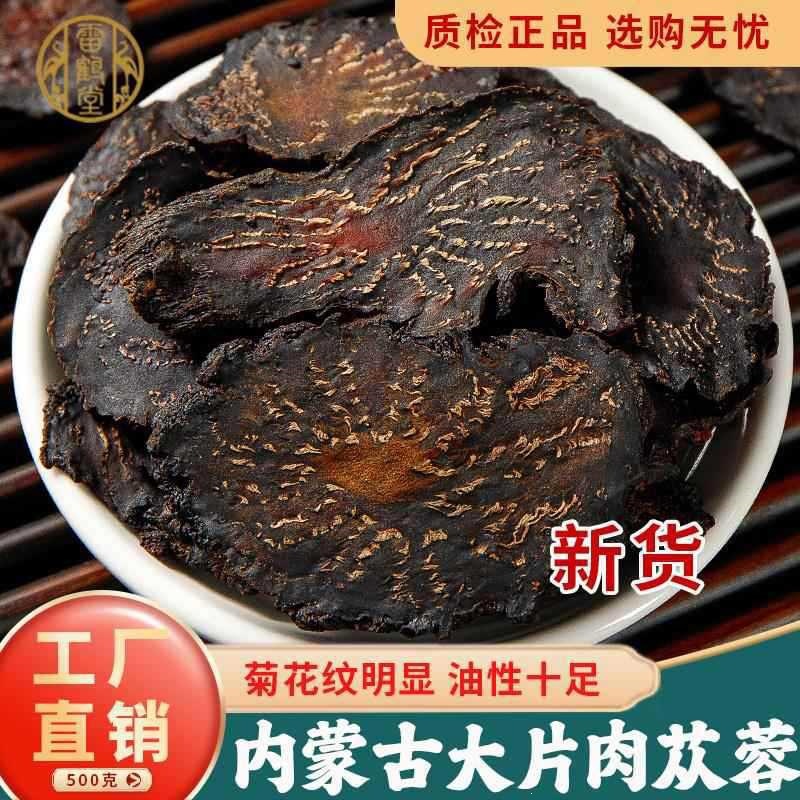
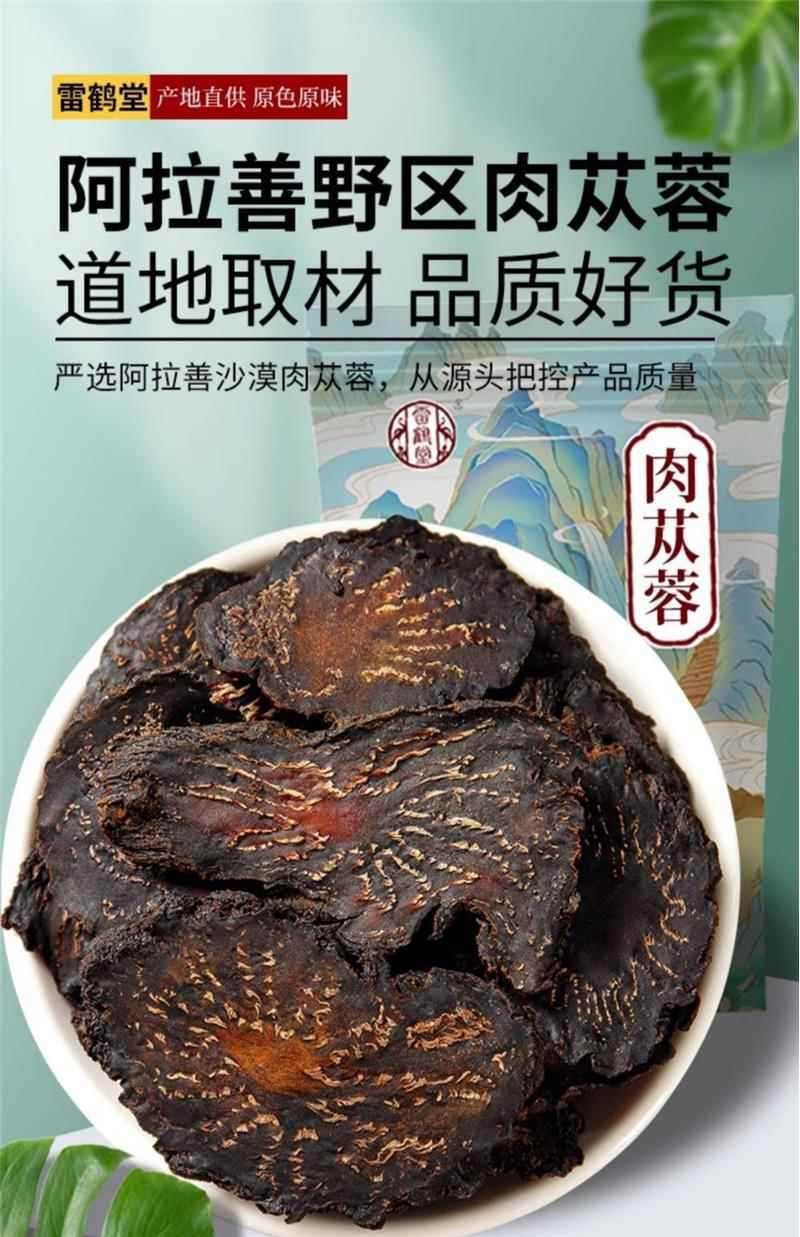
Dried Cistanche Deserticola slices, known in TCM as Rou Cong Rong (肉苁蓉), from Cistanche deserticola. This traditional Chinese herb is a dried stem decoction piece valued in TCM theory as sweet and salty with a warm nature, entering the kidney and large intestine channels. Traditionally used in decoctions and soups, it is a classic tonic herb in Chinese herbal wellness practice.
Key Selling Points
- Identified as Rou Cong Rong (肉苁蓉), the dried stem of Cistanche deserticola
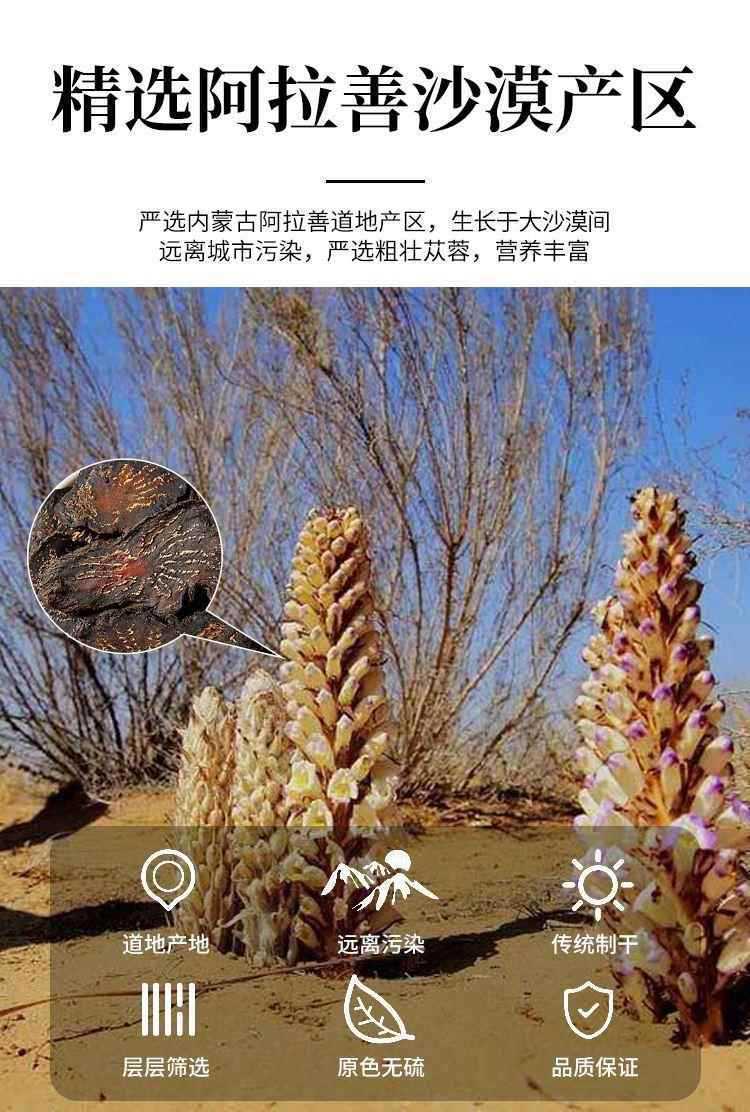
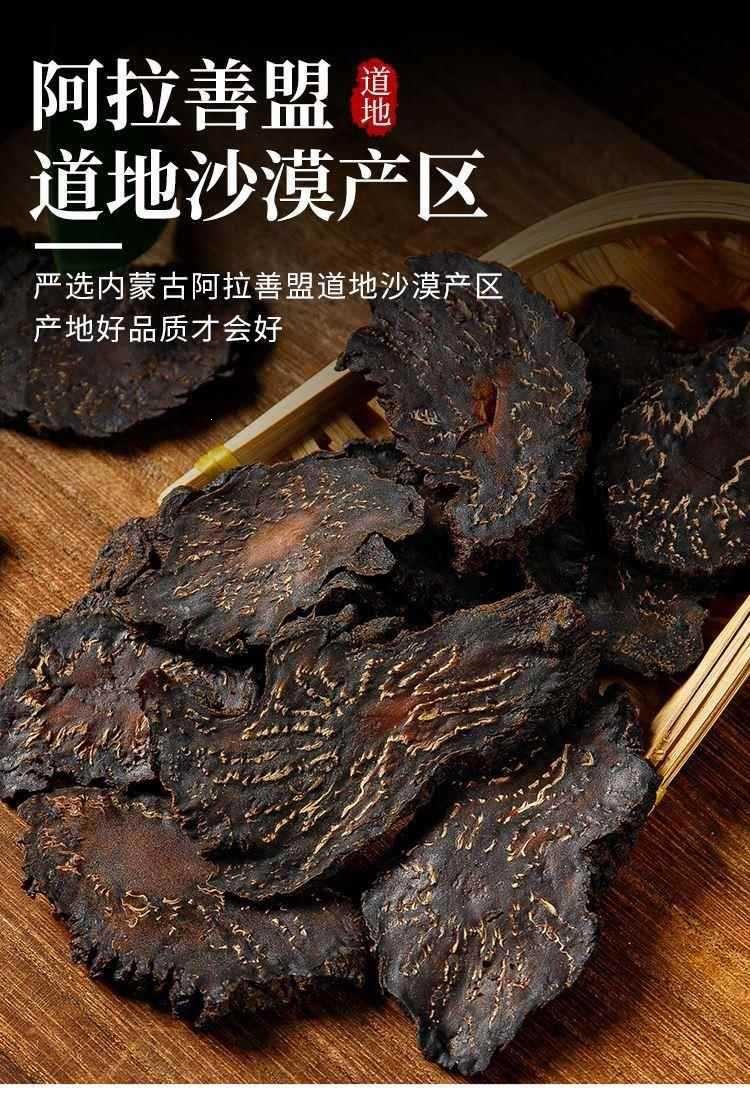
- Sourced from Inner Mongolia, a well-known traditional growing region
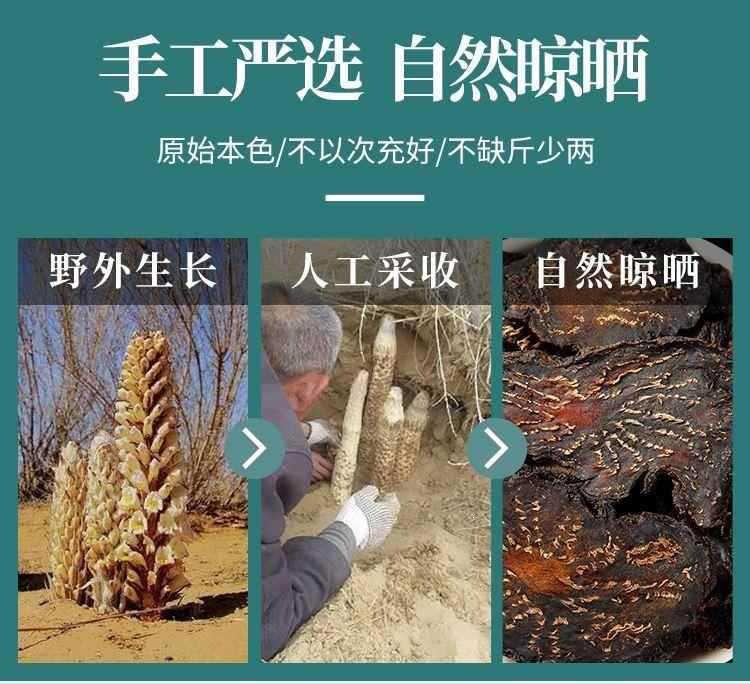
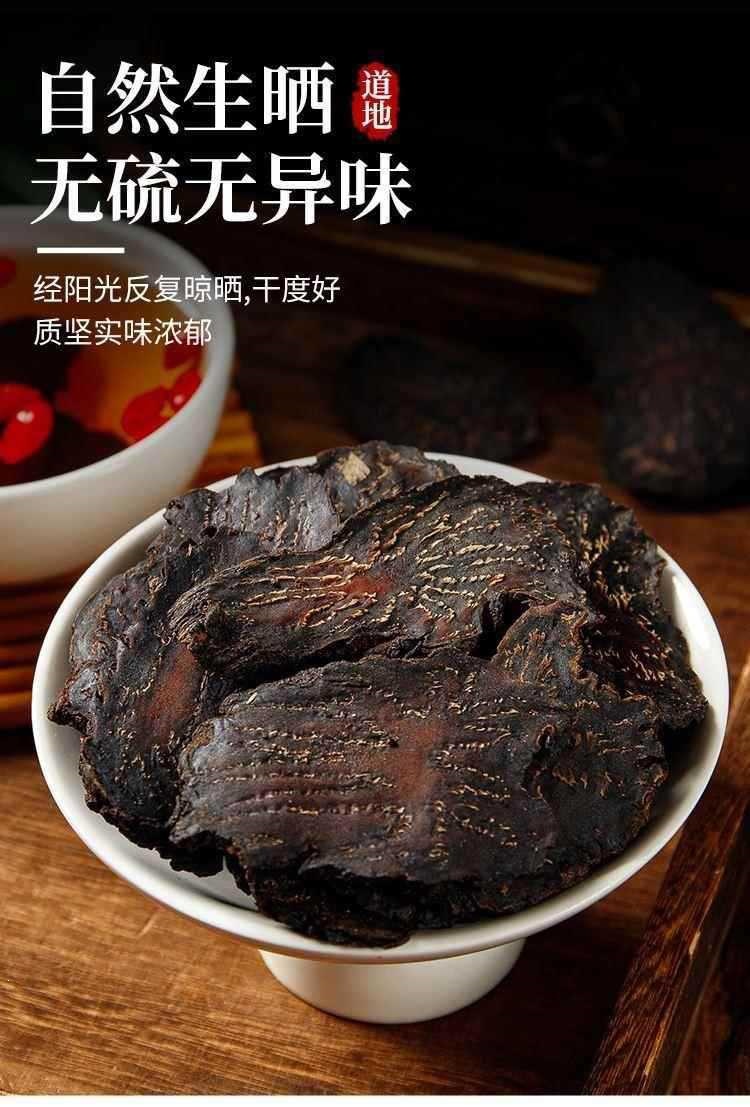
- Naturally sun-dried decoction pieces for traditional preparation
- In TCM theory, sweet and salty with a warm nature
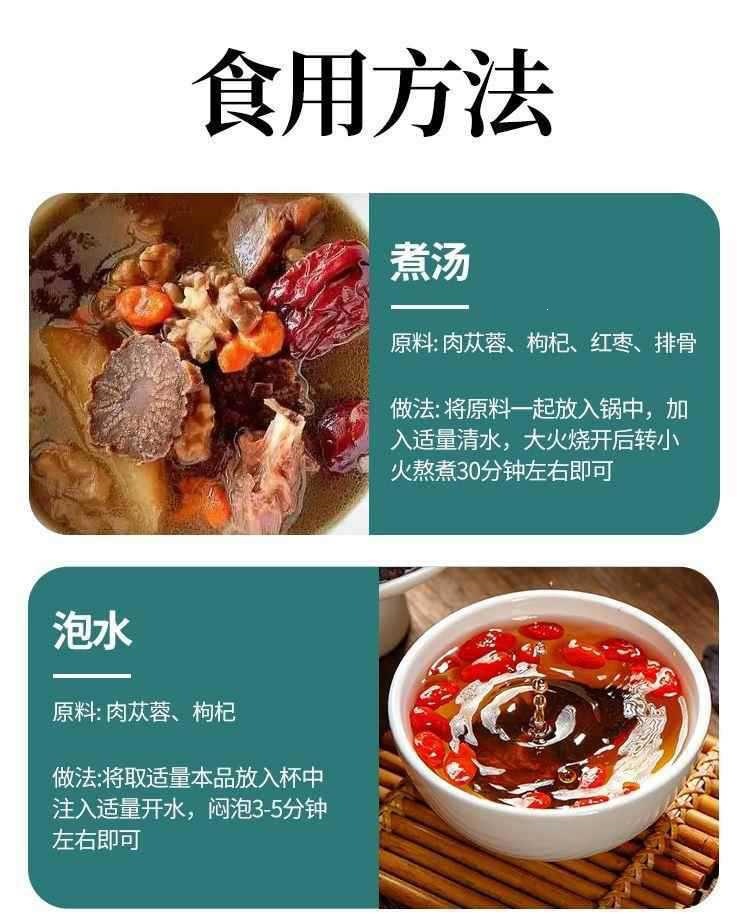
- Traditionally used in decoctions, soups, and congee

Quality & Sensory
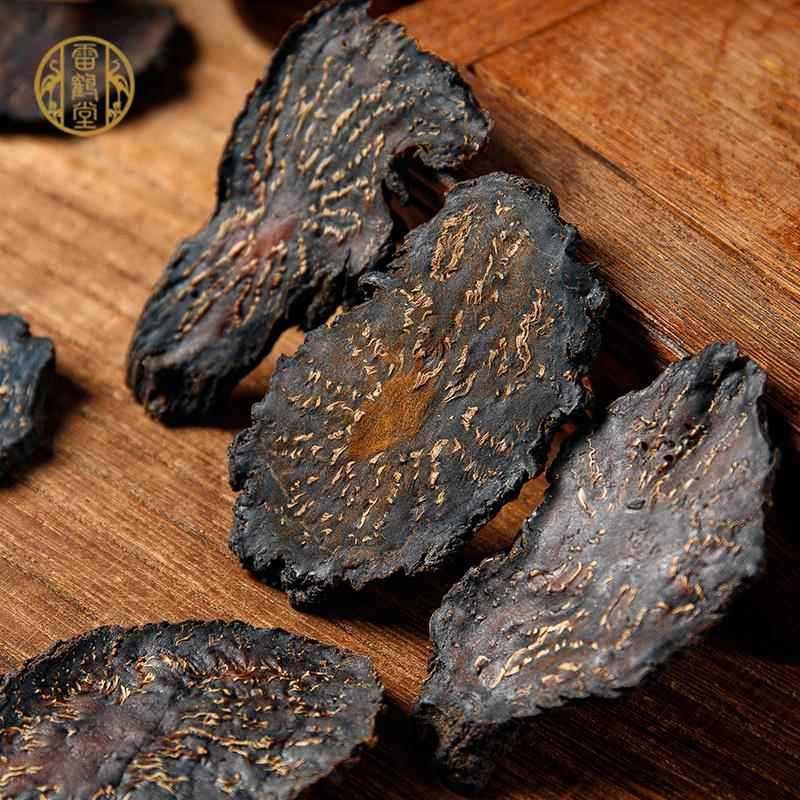
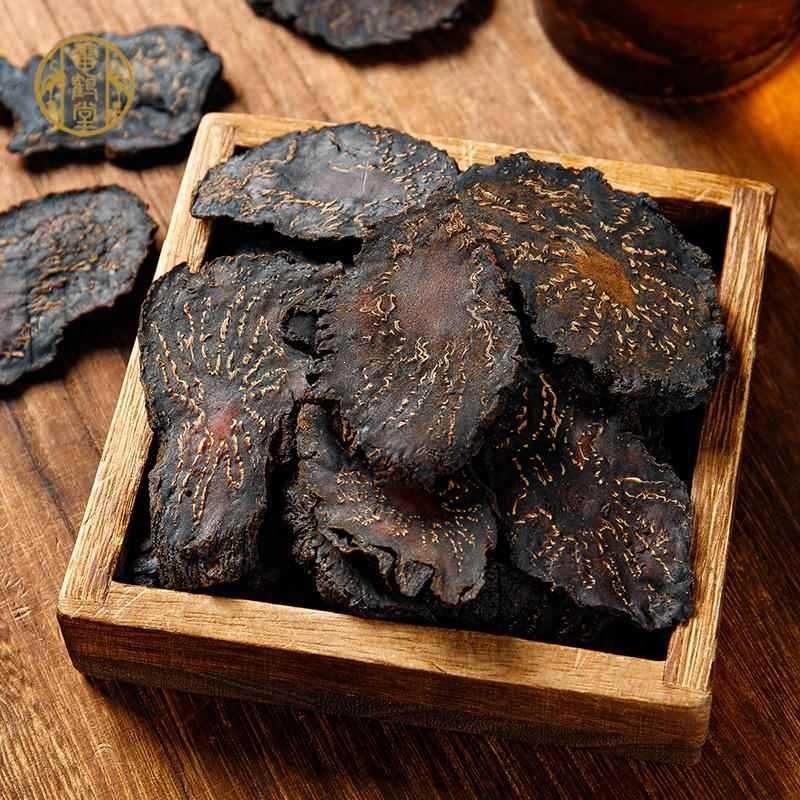
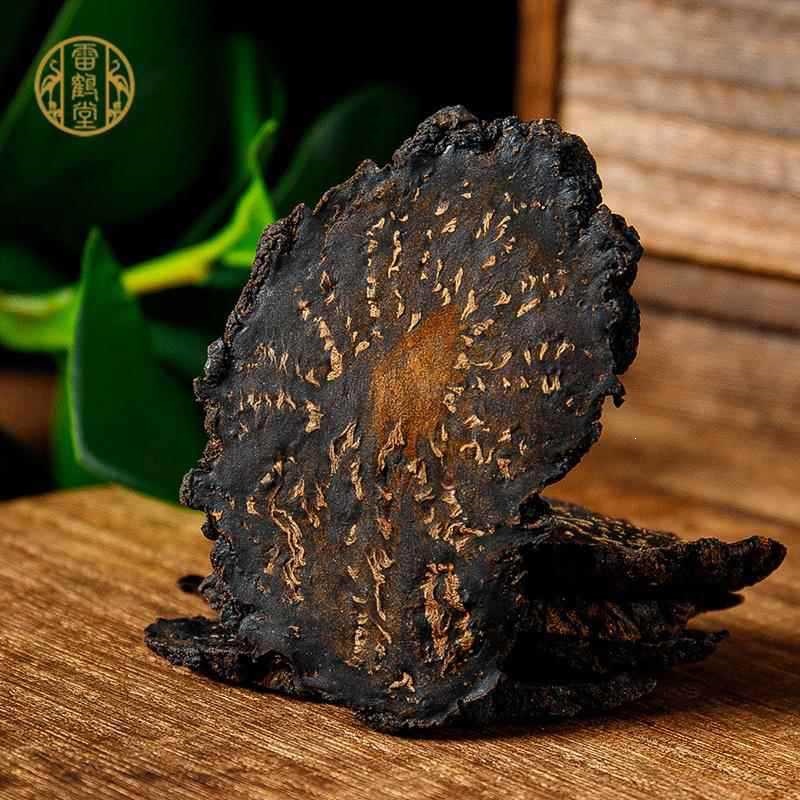
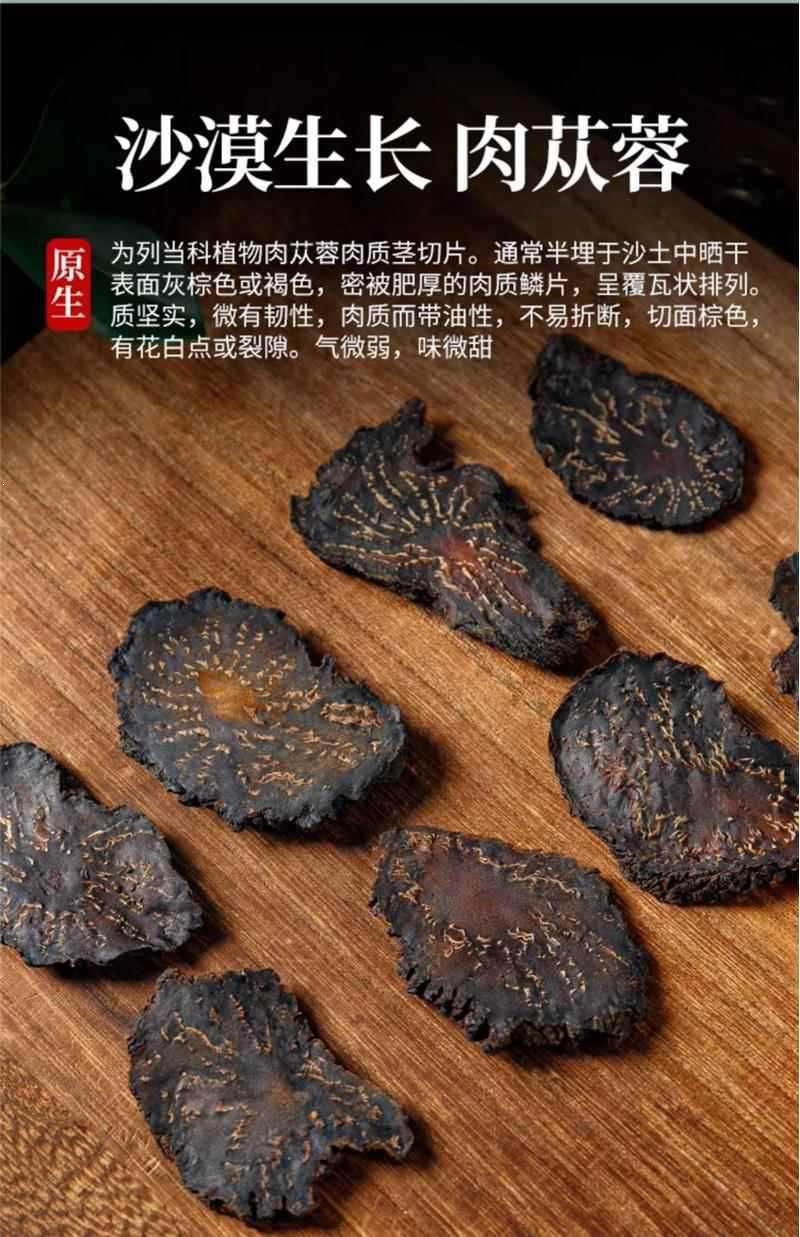
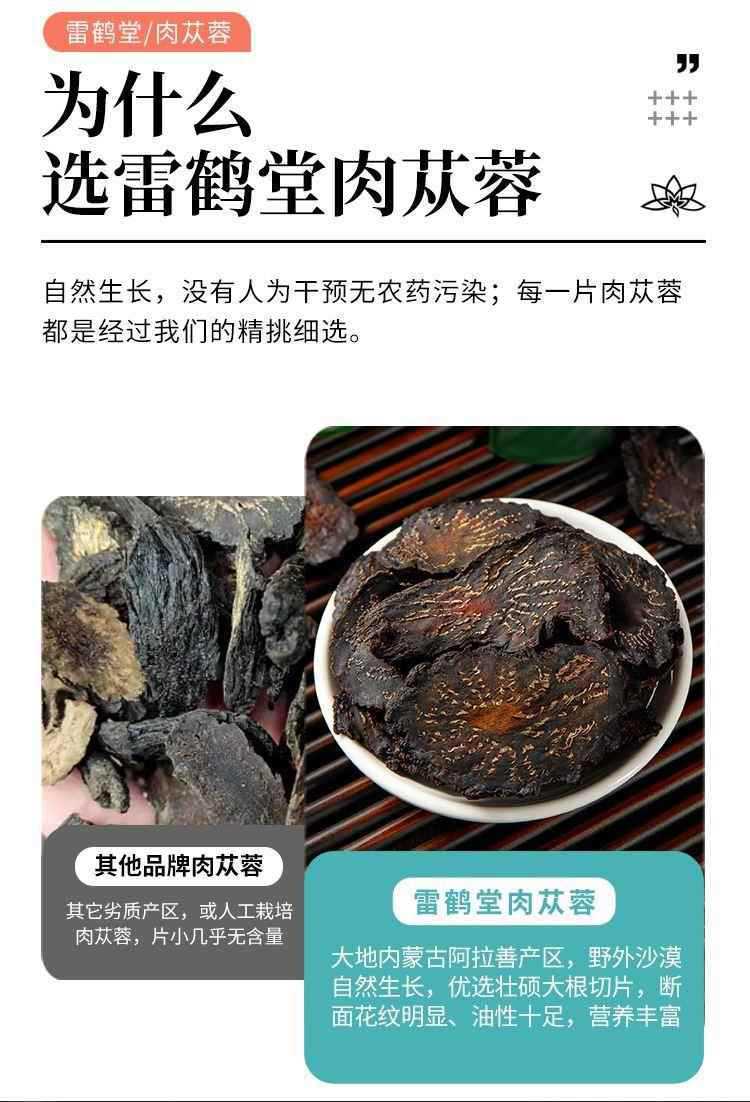
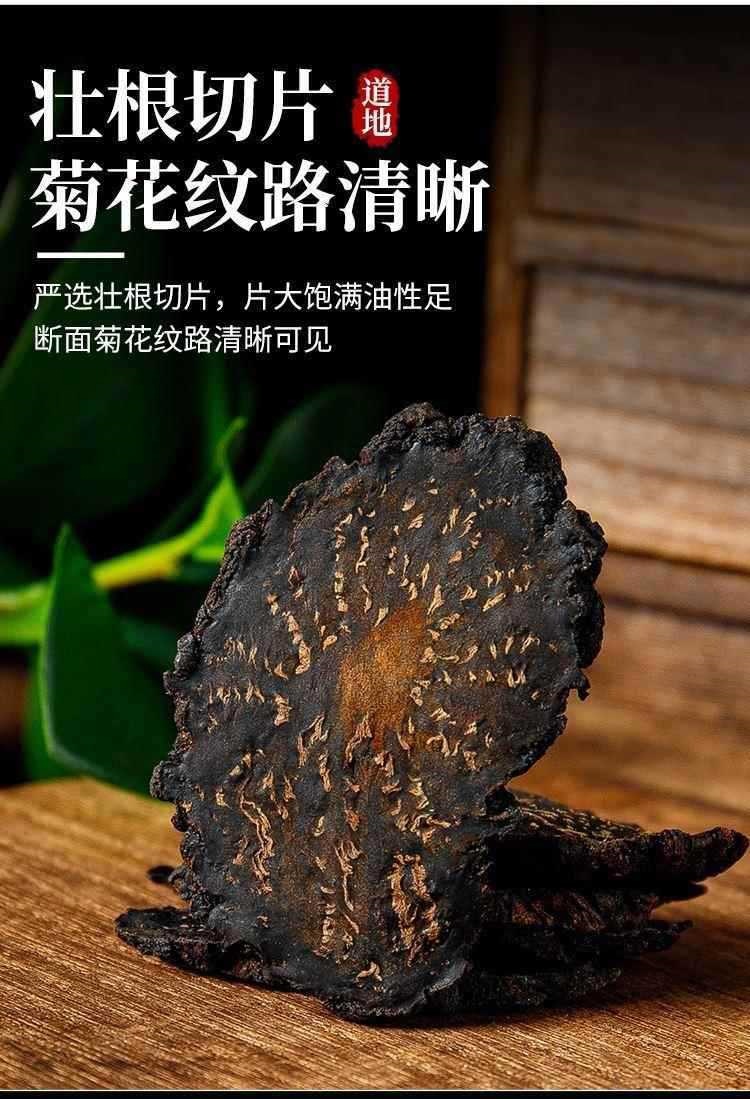
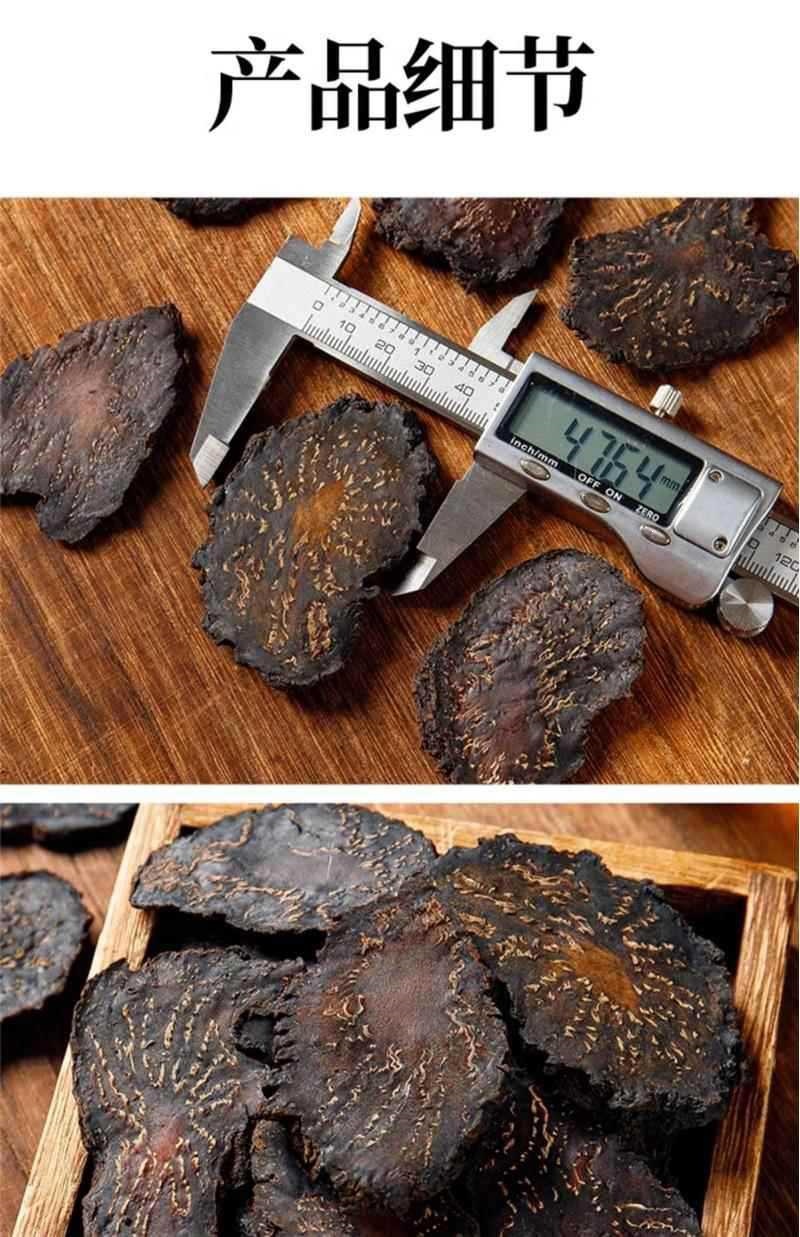
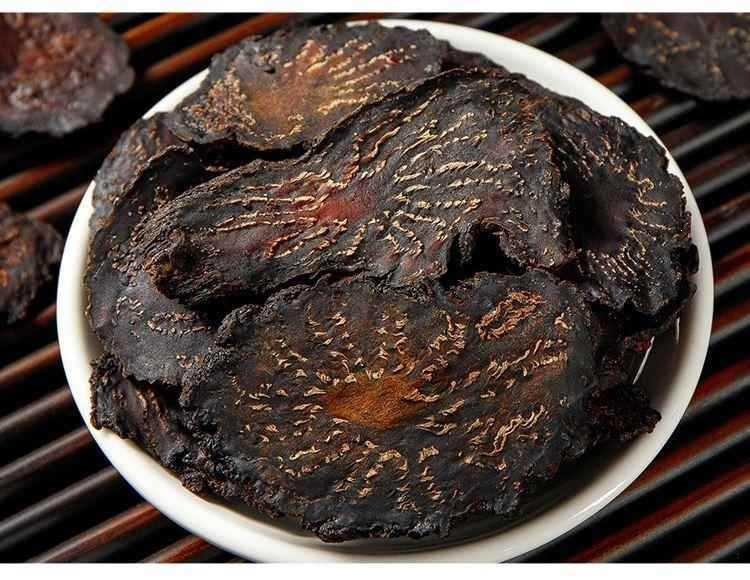
The dried slices typically show a brownish to dark brown color with a firm, slightly fibrous texture. They have a mild earthy aroma and a subtly sweet, slightly salty taste when decocted or simmered in soups.
Technical Specifications
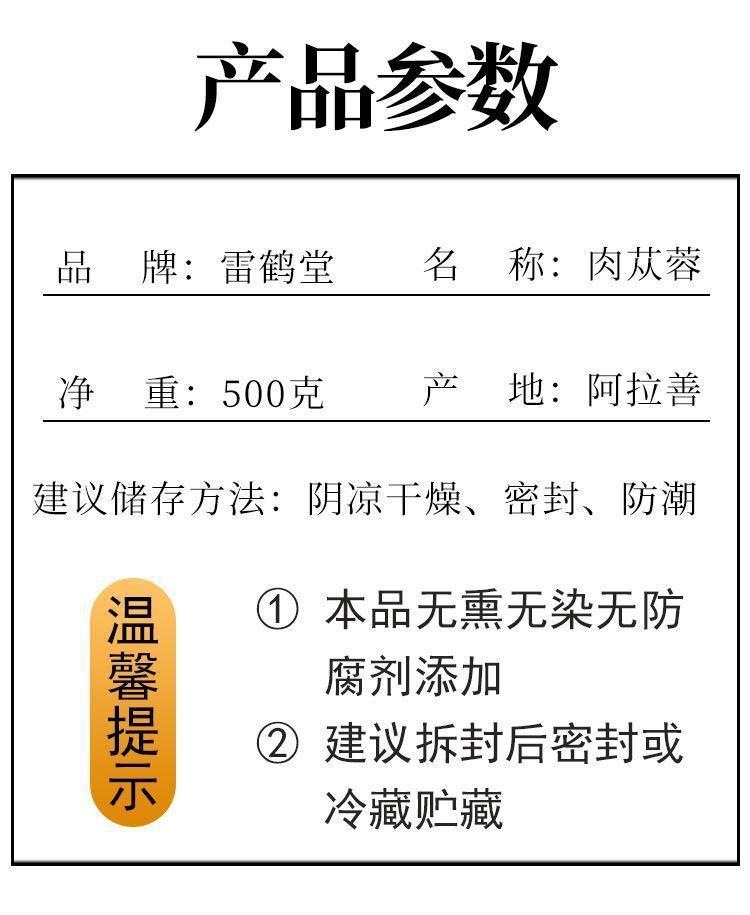
| Product Type | Dried herbal decoction pieces |
|---|---|
| Chinese Name | 肉苁蓉 |
| Pinyin | Rou Cong Rong |
| Botanical Name | Cistanche deserticola |
| Plant Part | Dried stem |
| Processing | Naturally sun-dried |
Usage Scenarios
- Simmered in traditional herbal decoctions
- Added to nourishing soups
- Cooked into congee
- Used in seasonal tonic food preparations
Traditional Uses
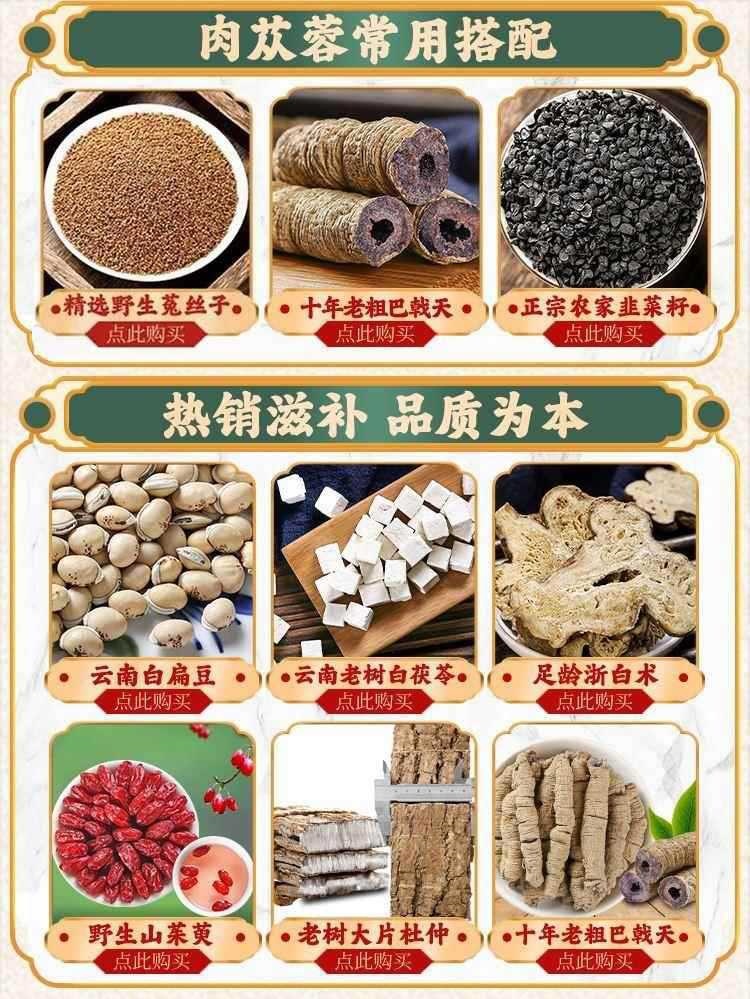
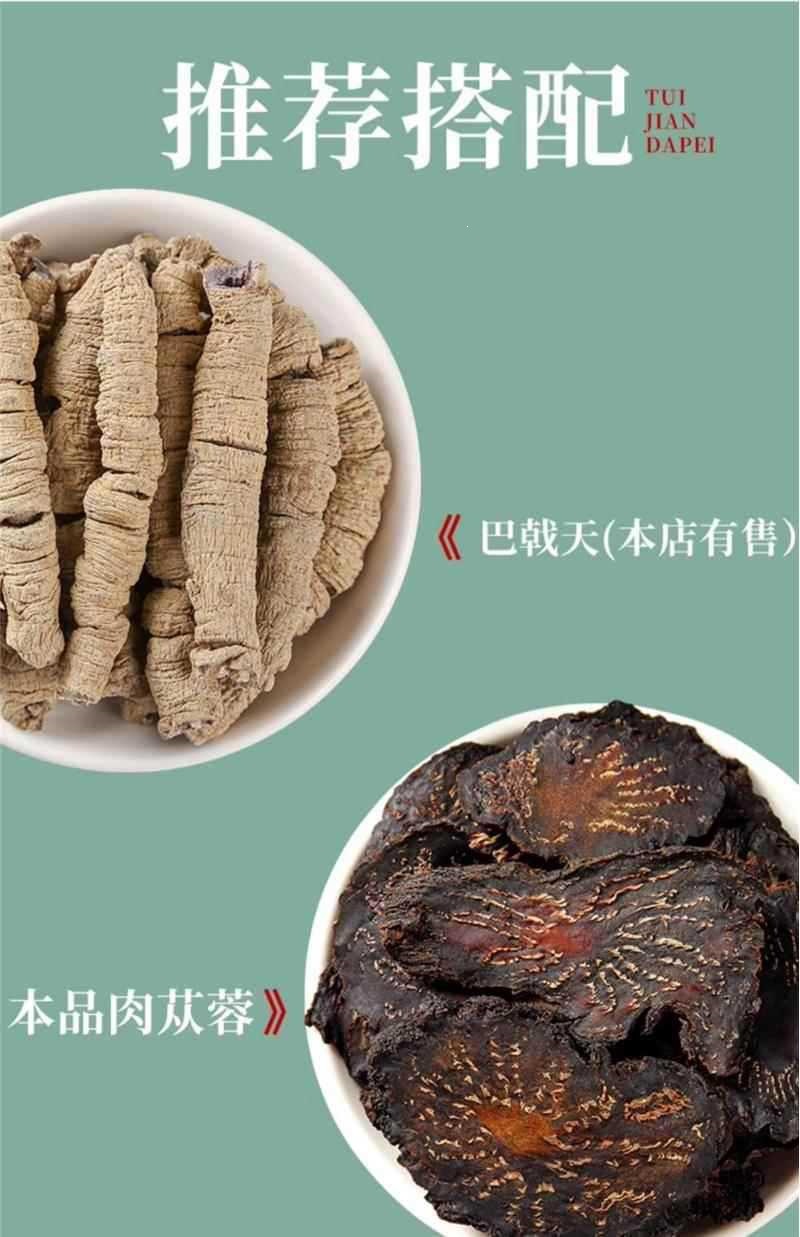
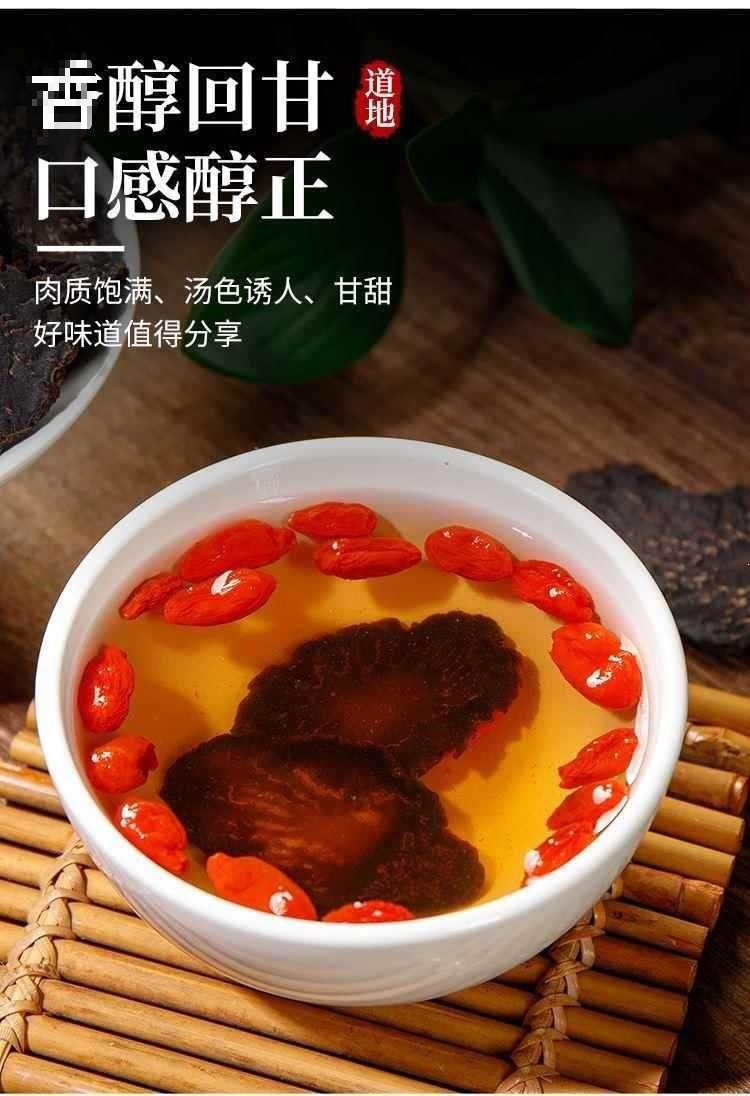
In TCM theory, Rou Cong Rong is traditionally used in decoctions and soups, often paired with herbs such as Gou Qi Zi or Shan Yao. It is commonly prepared by simmering with other ingredients in tonic soups or congee, especially in cooler seasons as part of traditional kidney-supporting formulas.

FAQ Q&A
Q: What is this product?
A: It is dried Cistanche deserticola stem, known in TCM as Rou Cong Rong (肉苁蓉), sold as sun-dried decoction pieces.
Q: What is its traditional value?
A: In TCM theory, it is considered sweet and salty with a warm nature, entering the kidney and large intestine channels, and is traditionally used as a tonic herb.
Q: How is it commonly prepared?
A: It is typically simmered in decoctions, added to soups, or cooked into congee as part of traditional herbal preparations.
Additional information
| Weight | N/A |
|---|---|
| Dimensions | N/A |
| Model | 1罐 肉苁蓉50g, 1罐 肉苁蓉125g, 1罐 肉苁蓉250g, 2罐 肉苁蓉共500g, 3罐 肉苁蓉共750g, 4罐 肉苁蓉共1000g, 2罐 肉苁蓉250g 红枸杞250g, 3罐 肉苁蓉250g 锁阳250g 羊藿叶100g, 4罐 玛卡250g 锁阳250g 肉苁蓉250g 羊藿叶100g |
Related products
-
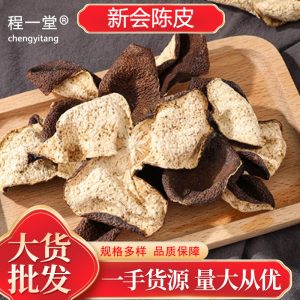
Xinhui Chenpi Dried Tangerine Peel 500g Sun Dried Aged Peel for Soup and Tea
Price range: $60.19 through $116.90 -

Ningxia Goji Berries Gou Qi Zi 500g Dried Red Wolfberry for Tea Soup and Snacking
Price range: $7.20 through $16.44 -
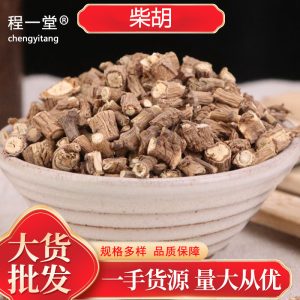
Chai Hu Bupleurum Root Dried Herb 500g Traditional TCM Decoction Herb
Price range: $9.14 through $16.44 -

Yi Zhi Ren Dried Alpinia Oxyphylla Fruit 500g Traditional Herbal Tea and Decoction Ingredient
Price range: $11.74 through $13.36
Reviews
There are no reviews yet.