
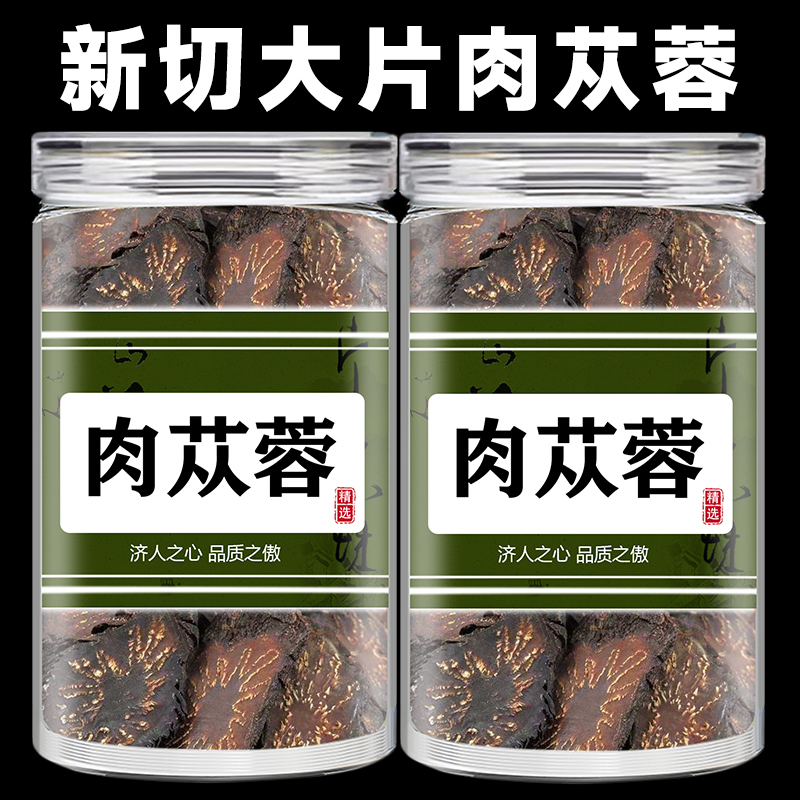
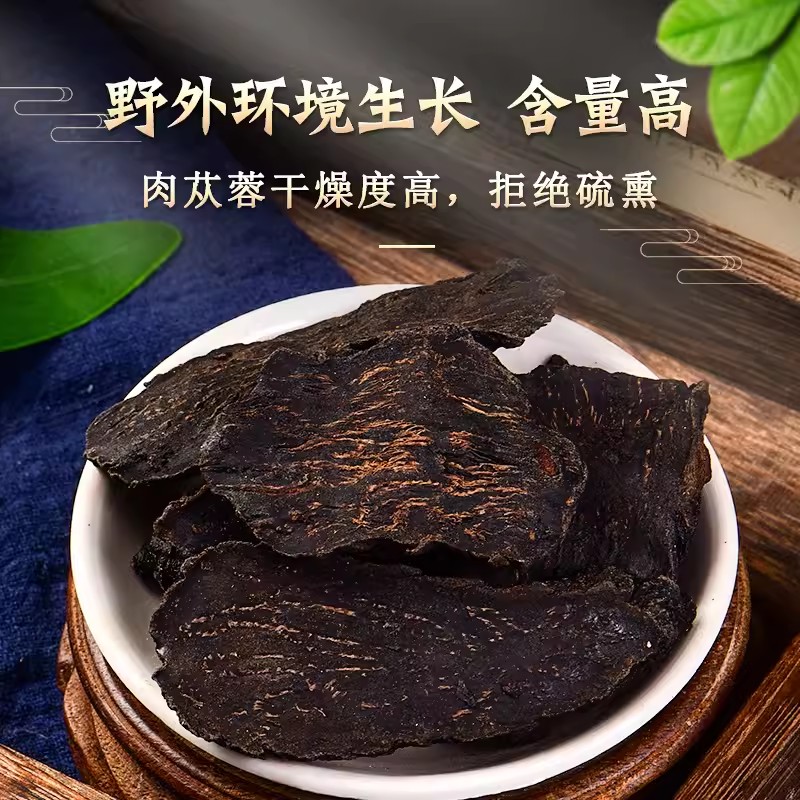
Dried Cistanche Deserticola Slices Rou Cong Rong 250g Alxa Inner Mongolia Sun Dried Herbal
Price range: $5.82 through $10.65
Description
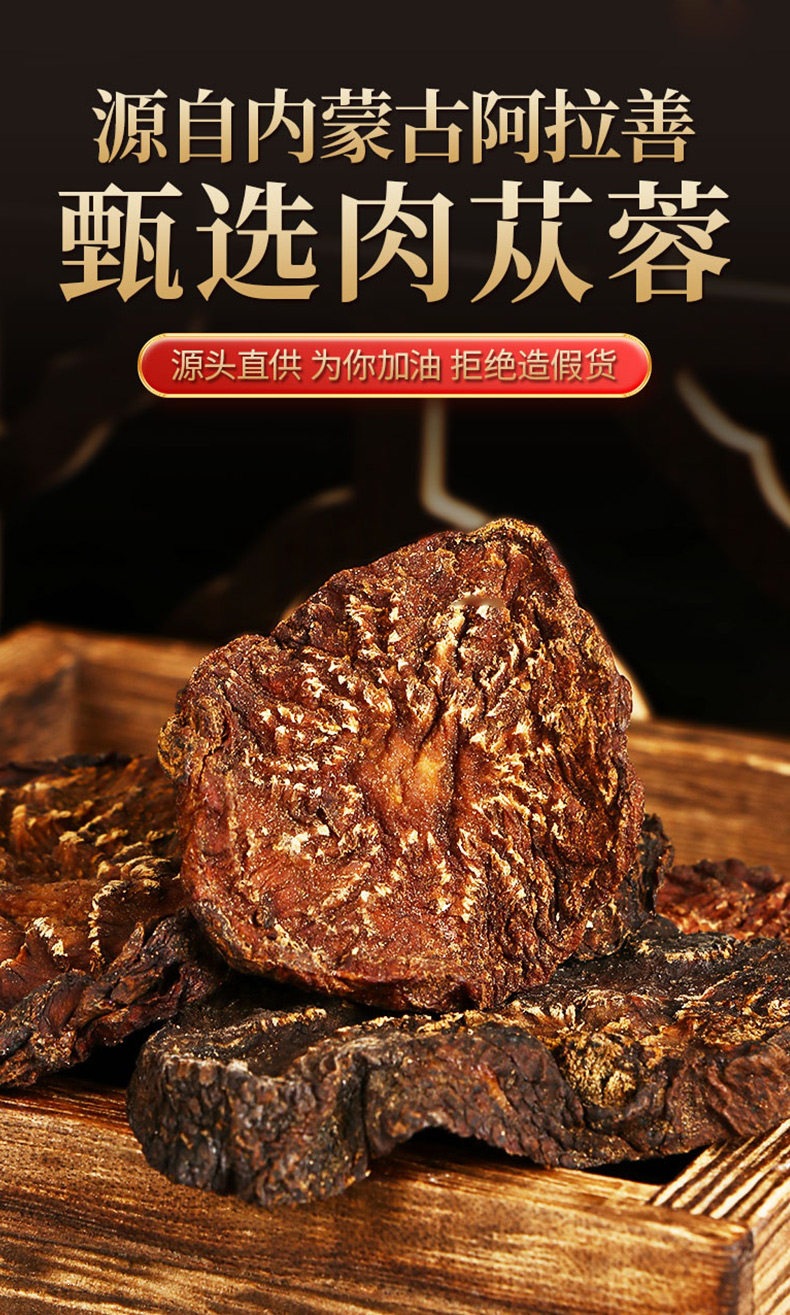
Dried Cistanche slices, known in TCM as Rou Cong Rong (肉苁蓉), from Cistanche deserticola. This sun-dried stem product originates from Alxa, Inner Mongolia, and is traditionally valued in TCM as a sweet, warm herb entering the kidney and large intestine channels. It is commonly used in decoctions, soups, and congee. Store in a cool, dry place and use as part of traditional herbal preparations.

Key Selling Points
- Identified in TCM as Rou Cong Rong (肉苁蓉), Cistanche deserticola stem
- Sourced from Alxa, Inner Mongolia, a well-known growing region
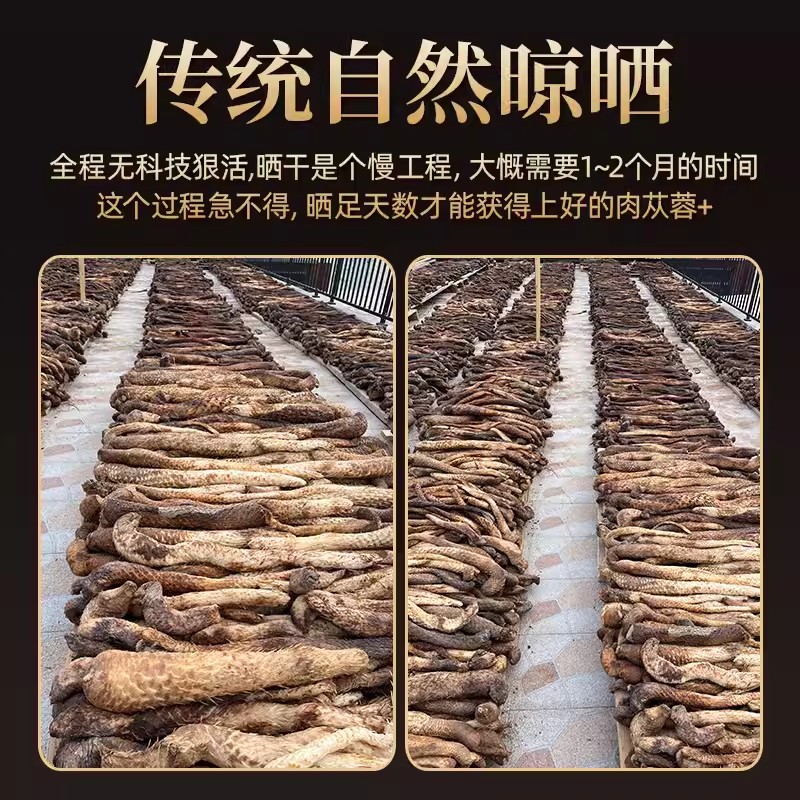
- Sun-dried processing preserves the traditional dried herb form
- Traditionally used in decoctions, soups, and congee
- Prepackaged 250g net weight in a resealable can
Quality & Sensory
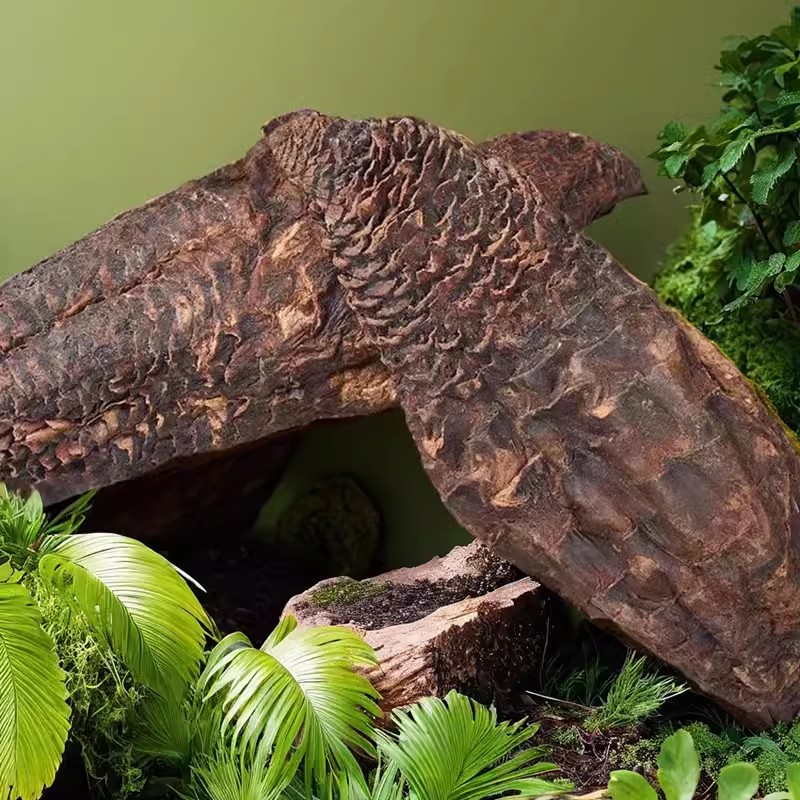
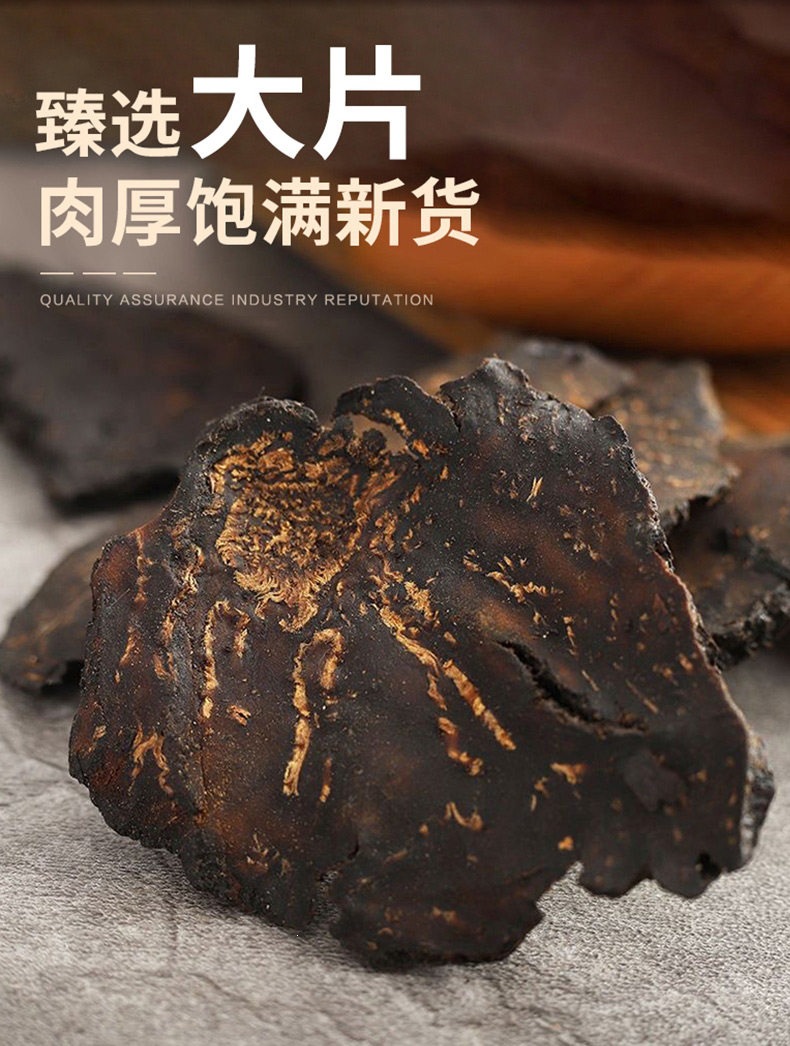
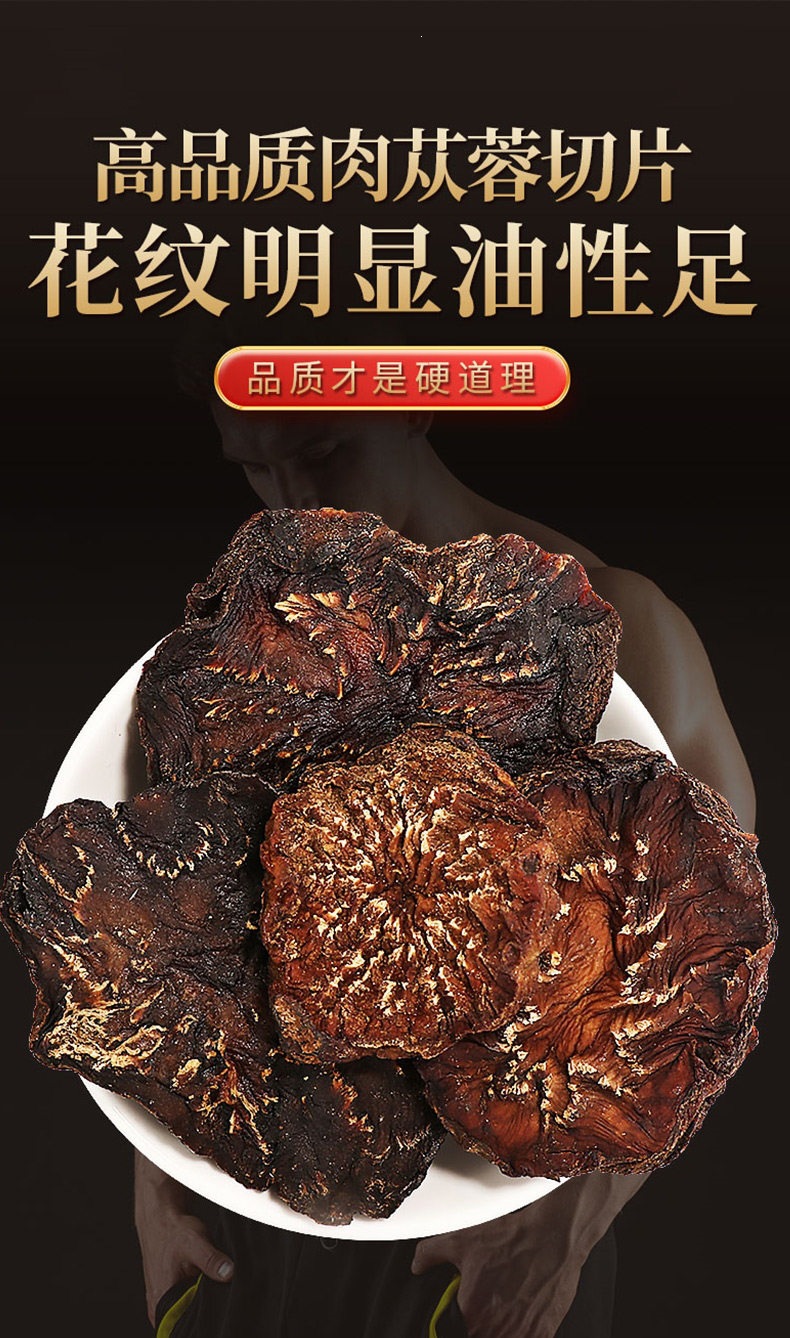
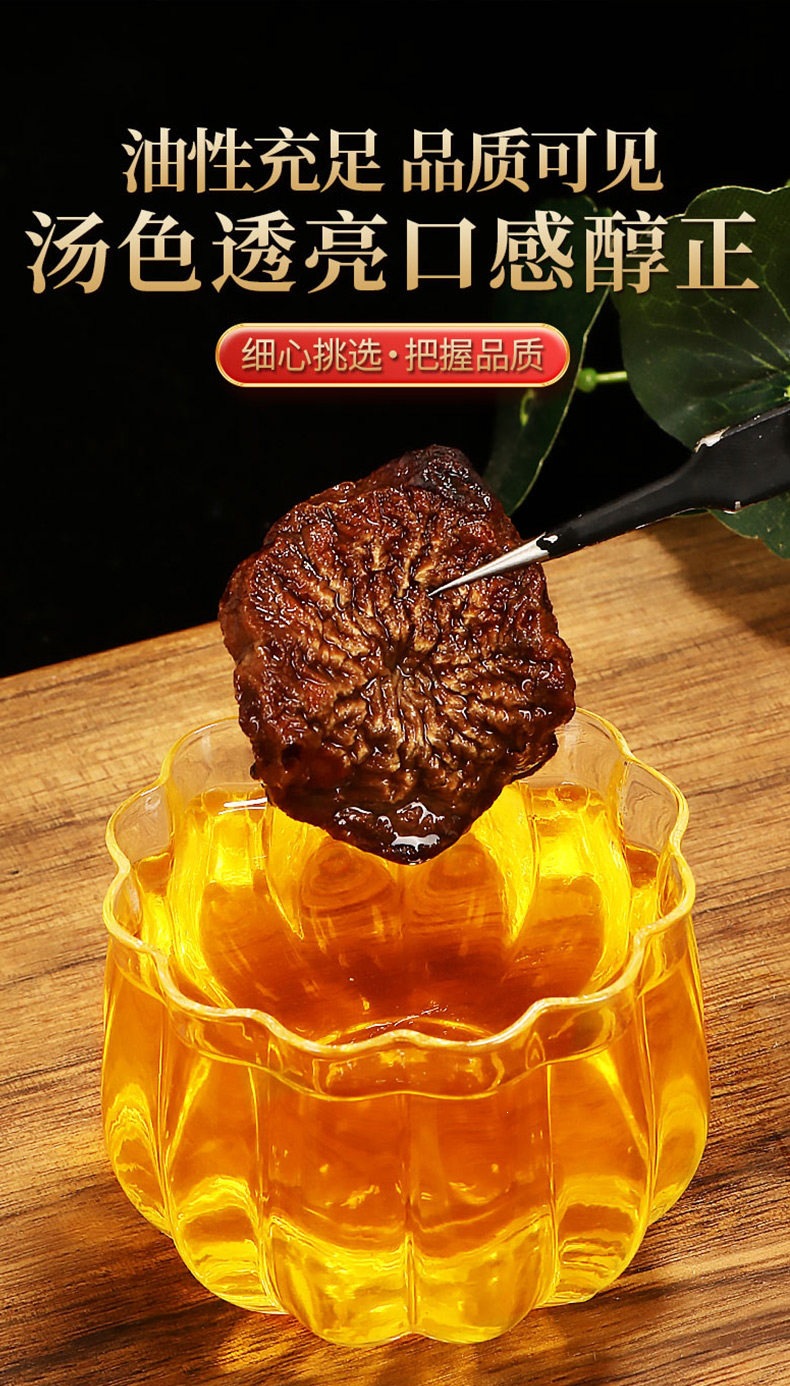
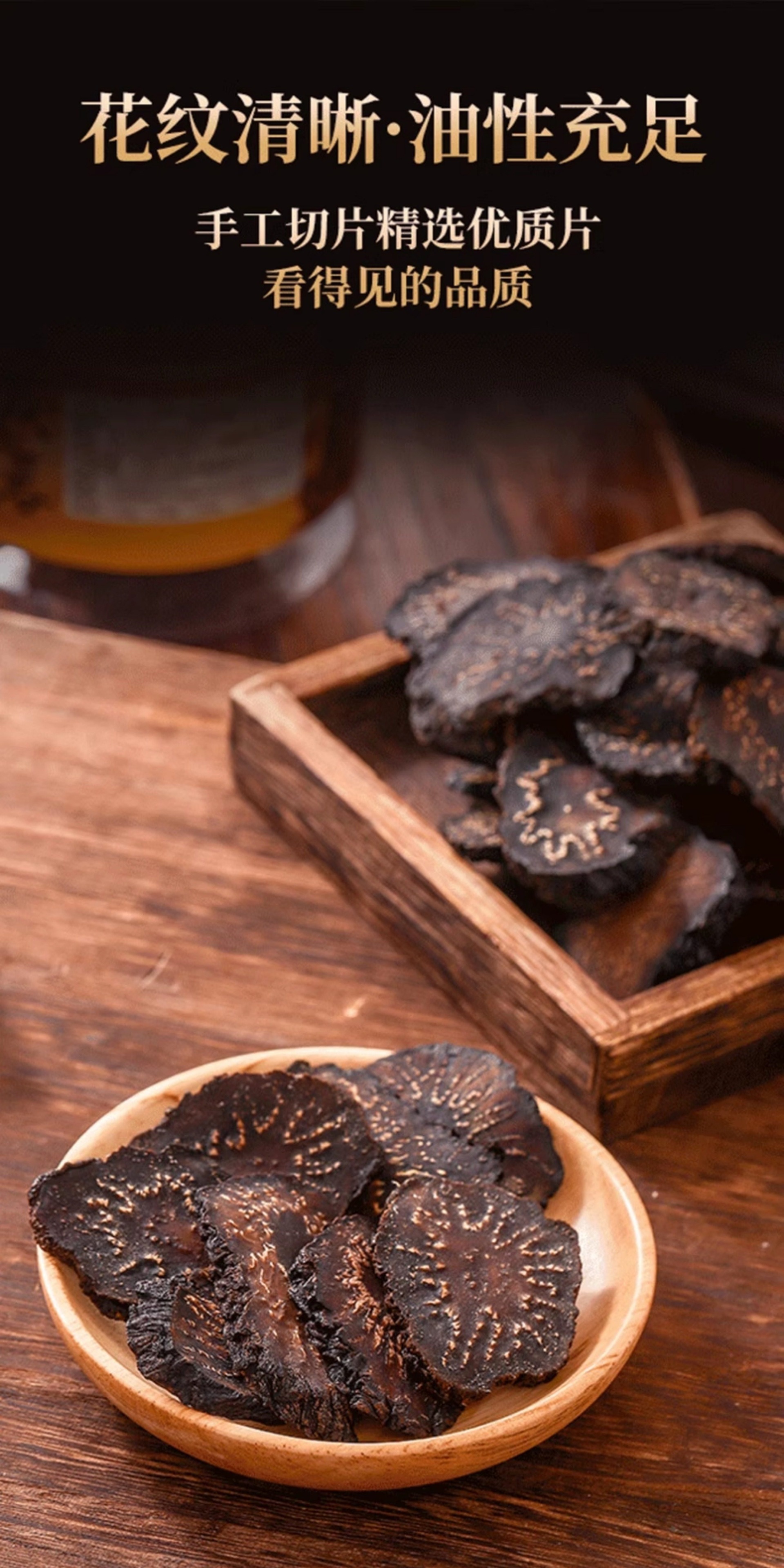
The dried slices are typically brownish, firm, and slightly flexible with a mild earthy aroma. After decocting or simmering, the liquid is typically mild and slightly sweet. Actual color, texture, and taste may vary by batch and preparation.
Technical Specifications
| Product Type | Dried herbal decoction pieces |
|---|---|
| Chinese Name | 肉苁蓉 |
| Pinyin | Rou Cong Rong |
| Botanical Name | Cistanche deserticola |
| Plant Part | Stem |
| Net Weight | 250g |

Usage Scenarios
- Simmered in traditional herbal decoctions
- Added to soups and stews
- Cooked into congee
- Used in seasonal tonic food preparations
Traditional Uses
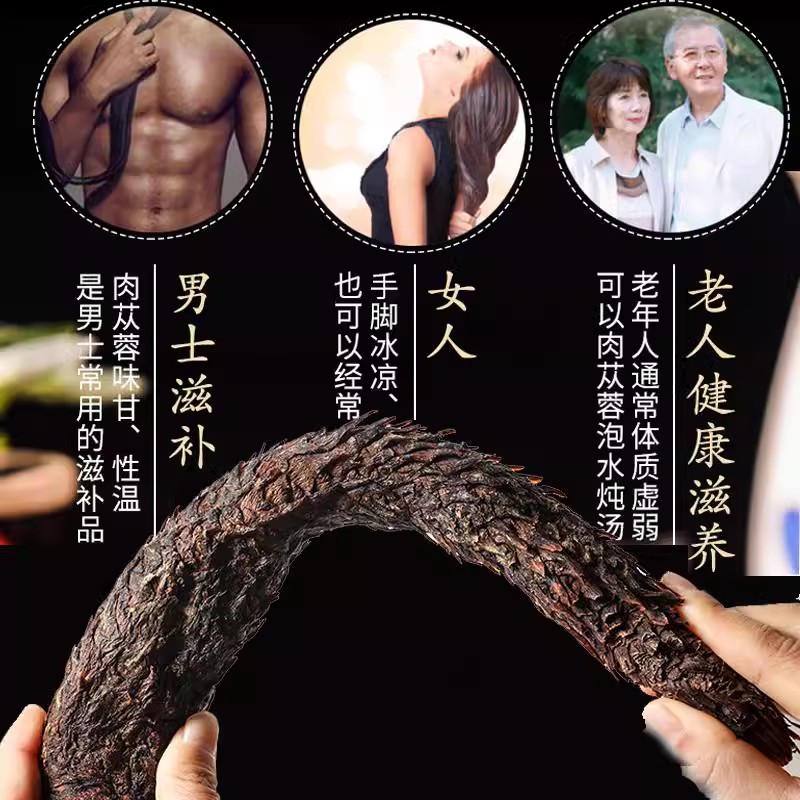
In TCM theory, Rou Cong Rong is traditionally used in decoctions and nourishing soups, often paired with herbs such as Gou Qi Zi or Shan Yao. It is also added to congee for gentle daily support. Traditional texts associate it with warming, tonifying qualities, and it is commonly prepared by simmering for an extended period.
FAQ Q&A
Q: What is this product?
A: It is dried Cistanche deserticola stem, known in TCM as Rou Cong Rong (肉苁蓉), sourced from Alxa, Inner Mongolia.
Q: What is its traditional value?
A: In TCM theory, it is considered a sweet, warm herb associated with the kidney and large intestine channels and is traditionally used in tonic preparations.
Q: How is it commonly prepared?
A: It is typically simmered in decoctions, added to soups, or cooked into congee. Follow a traditional recipe or a qualified practitioner's guidance.
Additional information
| Weight | N/A |
|---|---|
| Dimensions | N/A |
| Model | 肉苁蓉100g 1罐, 肉苁蓉125g 1罐, 肉苁蓉250g 1罐, 肉苁蓉250g 2罐, 肉苁蓉250g 4罐 |
Related products
-

Yi Zhi Ren Dried Alpinia Oxyphylla Fruit 500g Traditional Herbal Tea and Decoction Ingredient
Price range: $11.74 through $13.36 -
Dried Raspberry Fruit Fu Pen Zi Whole Berries for Herbal Tea and Wine Infusion 500g
Price range: $15.63 through $18.06 -
Deer Antler Slices Lu Rong 鹿茸片 Dried Slices for Wine Infusion and Soup 100g Wax Slices Pack
Price range: $68.29 through $92.59 -
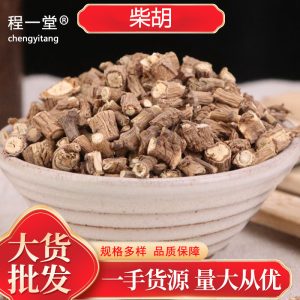
Chai Hu Bupleurum Root Dried Herb 500g Traditional TCM Decoction Herb
Price range: $9.14 through $16.44
Reviews
There are no reviews yet.