
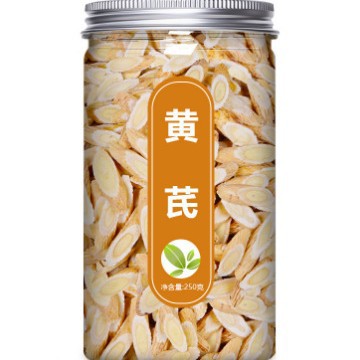
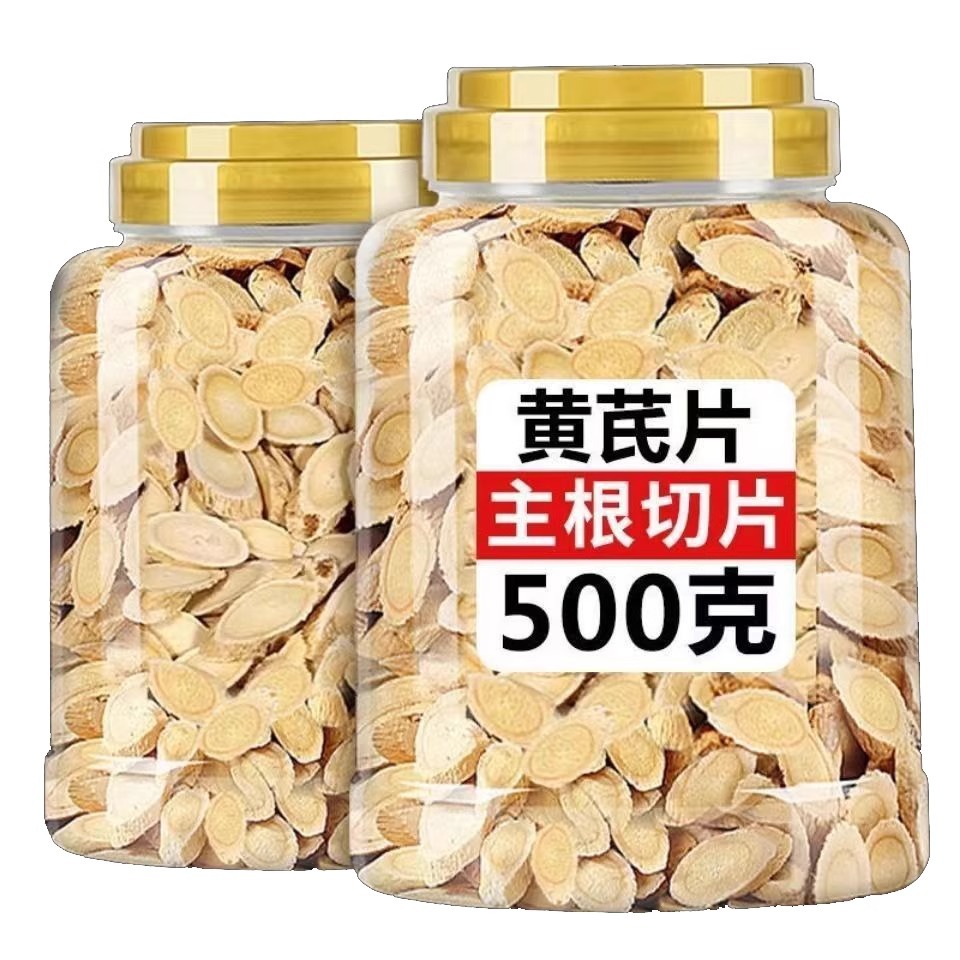
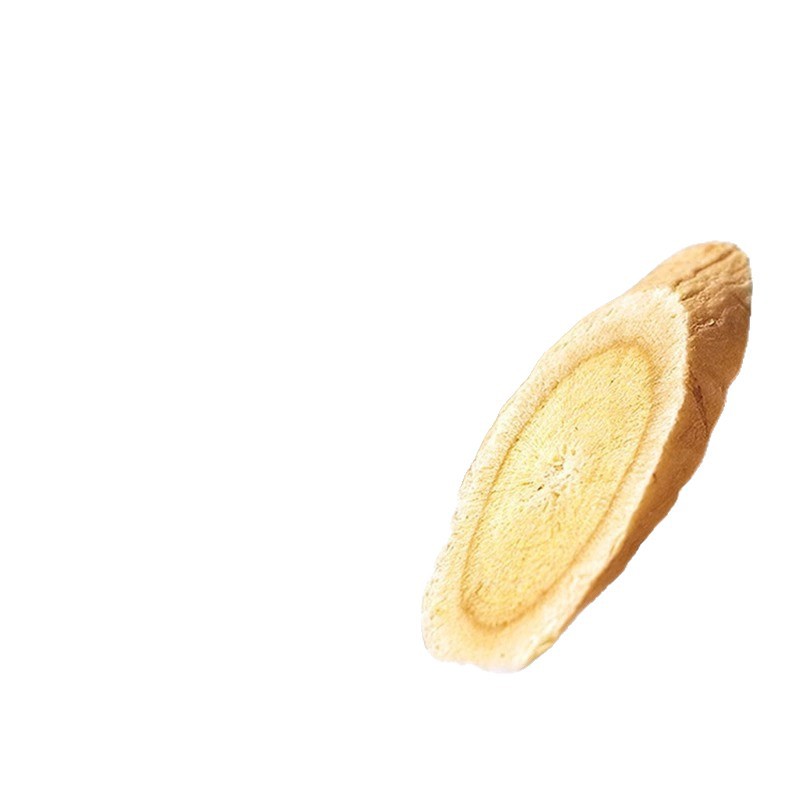
Dried Astragalus Root Slices Huang Qi 125g Jar for Herbal Tea and Soup
Price range: $5.61 through $12.01
Description
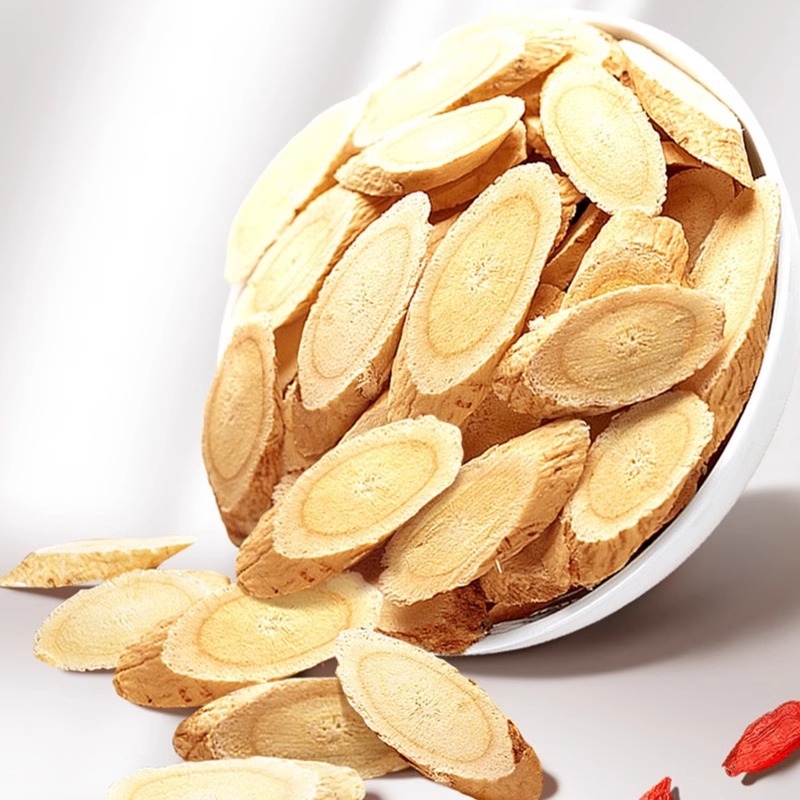
Dried Astragalus Root Slices, known in TCM as Huang Qi (黄芪), from Astragalus membranaceus. This sliced root is a classic qi-tonifying herb traditionally used in Chinese herbal practice. In TCM theory it is sweet in flavor and slightly warm in nature, entering the spleen and lung channels. The dried slices are suited for decoctions, teas, and soups as part of everyday herbal wellness routines.
Key Selling Points
- Identified as Huang Qi (黄芪), the dried root of Astragalus membranaceus
- Traditional Chinese herb associated with supporting qi and vitality
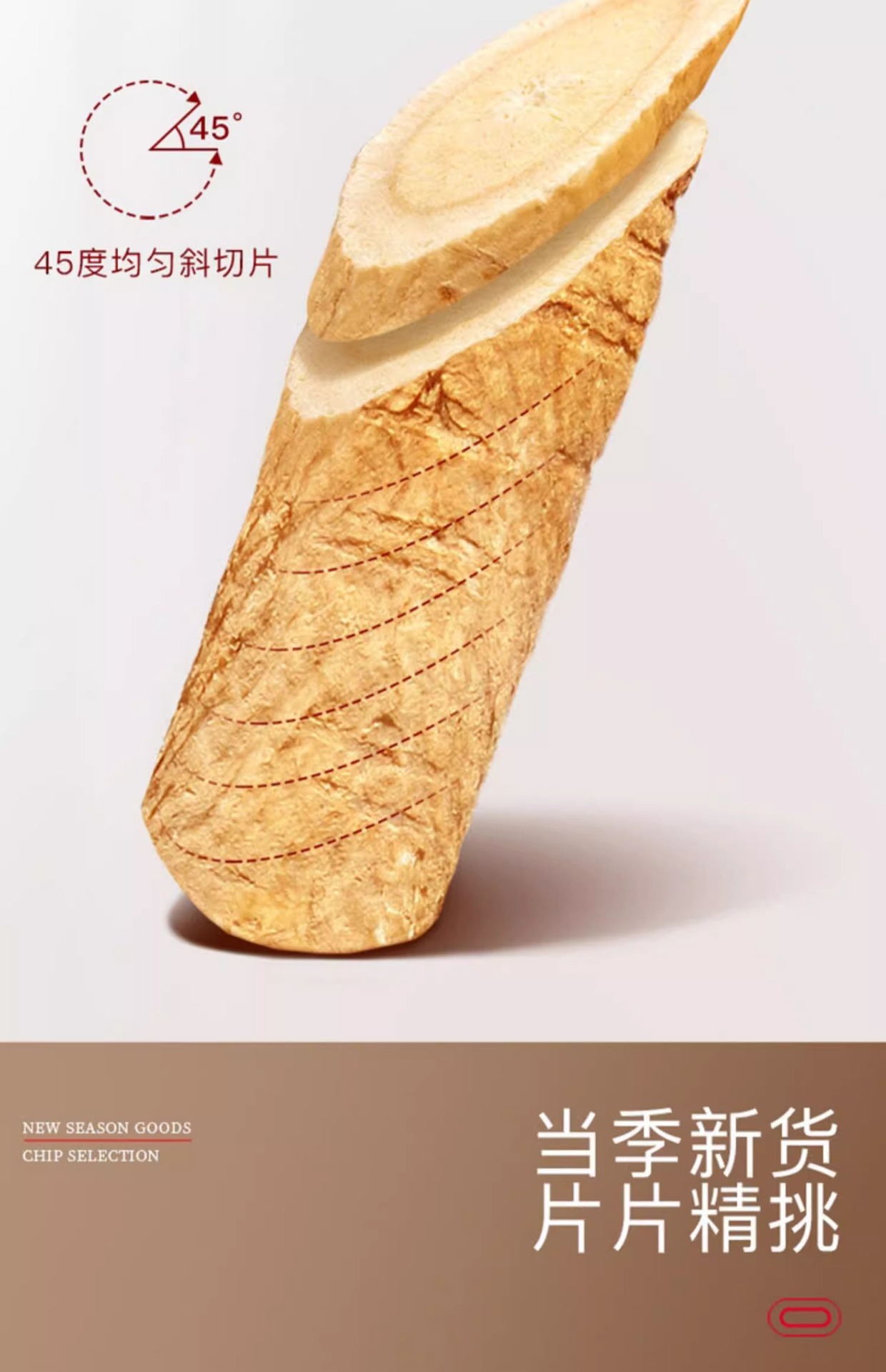
- Cut into uniform dried slices for easy decoction and tea preparation
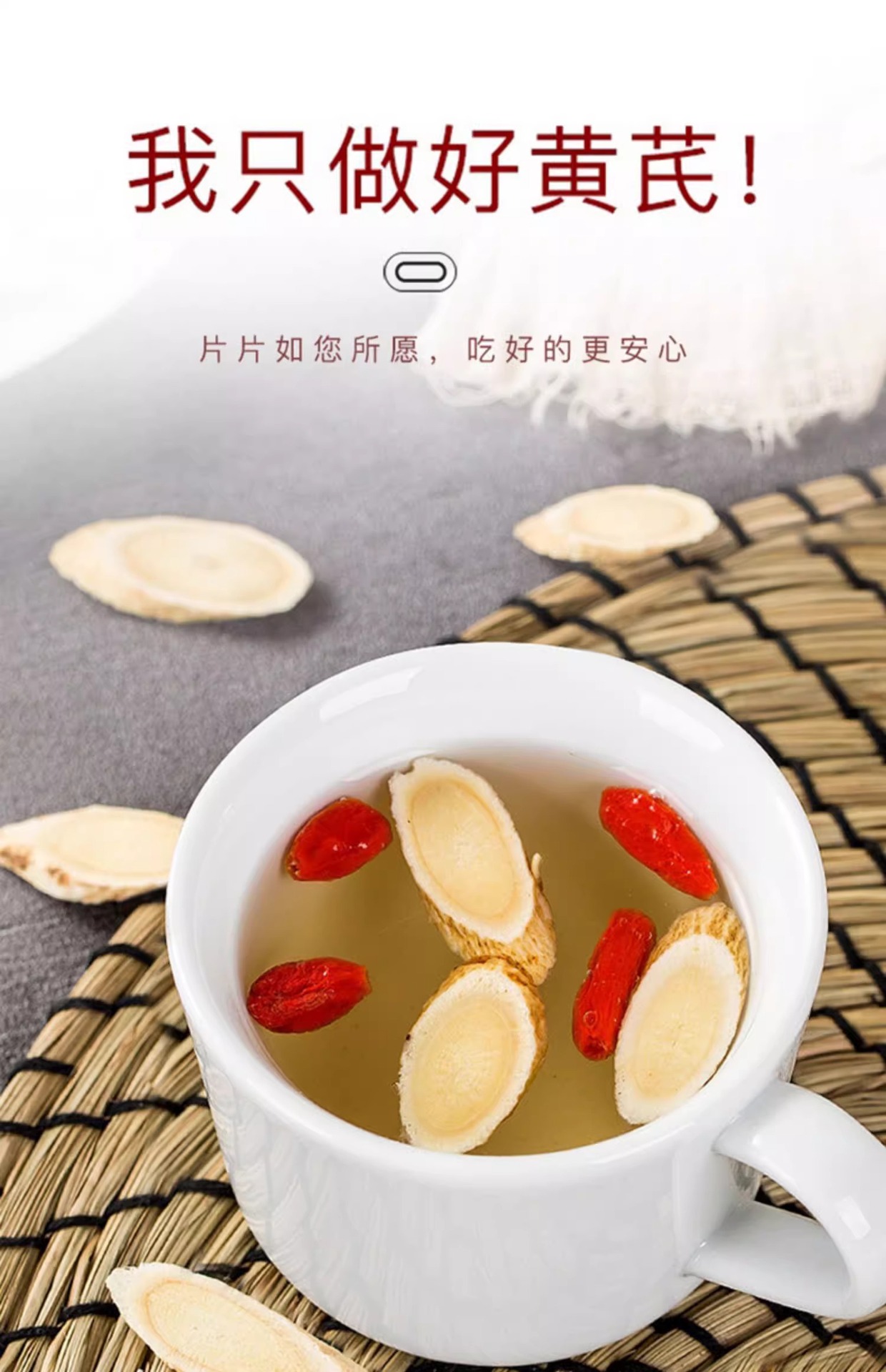
- Suitable for simmering in soups, congee, and daily herbal brews
- Comes in a resealable jar for convenient storage
Quality & Sensory
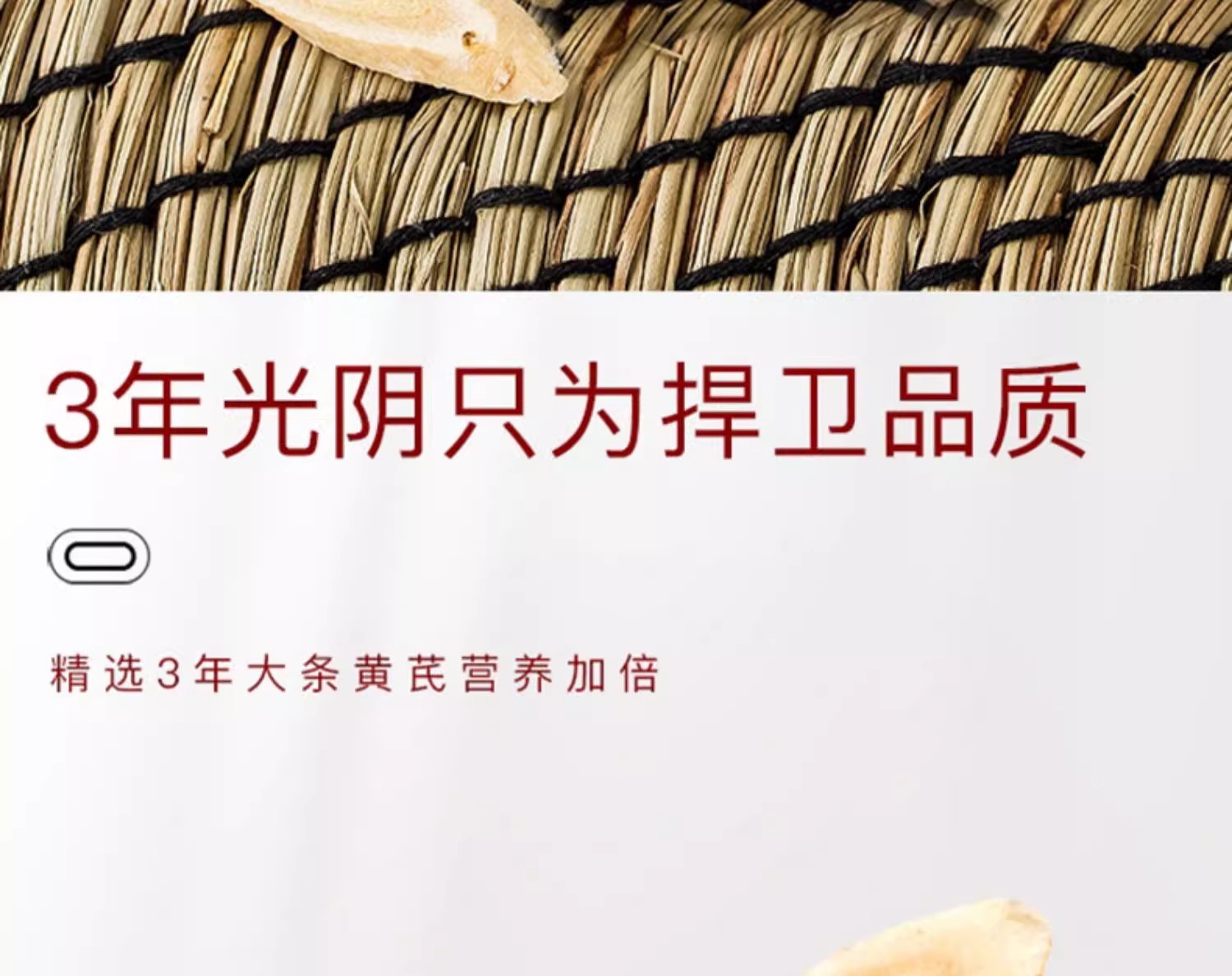
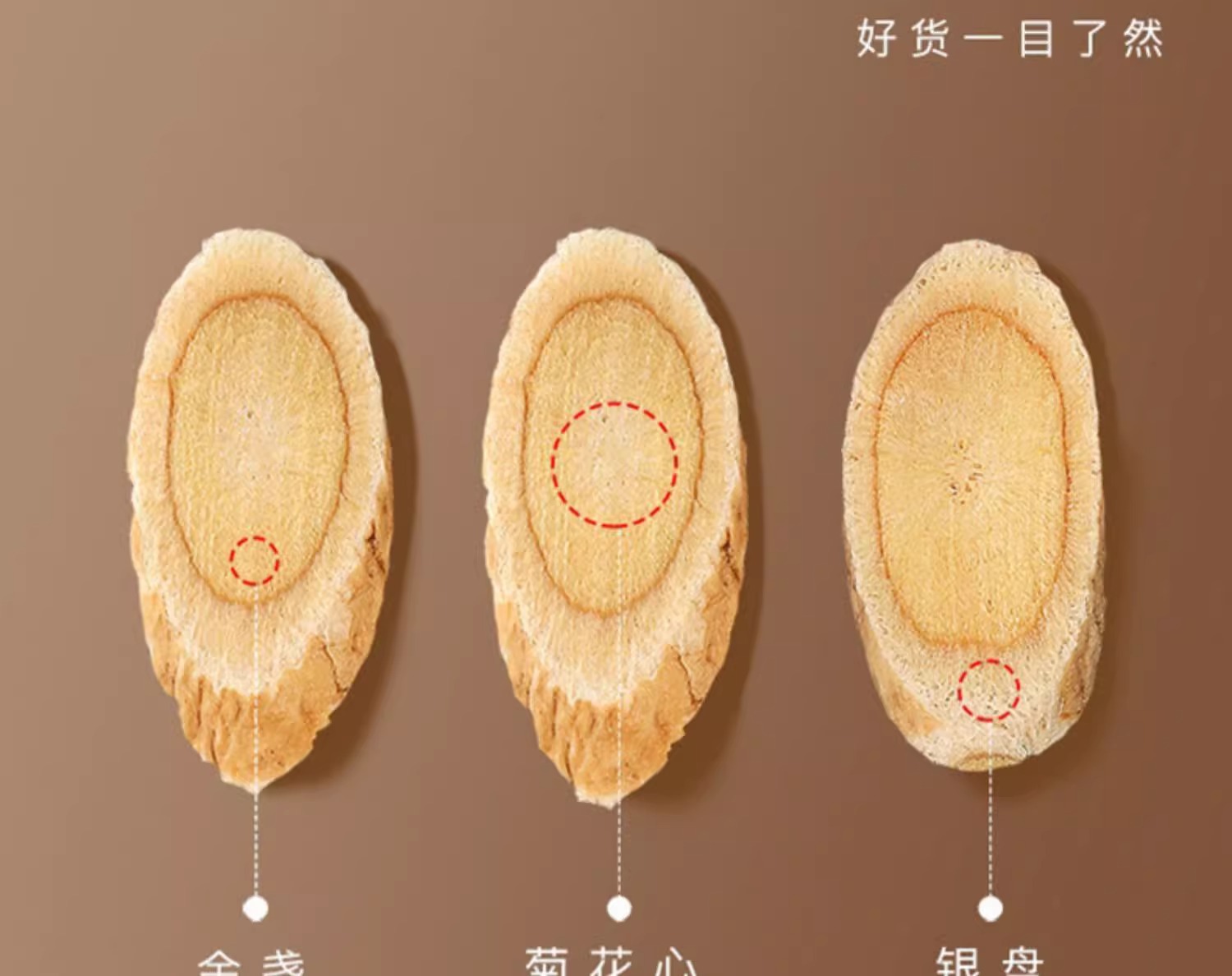
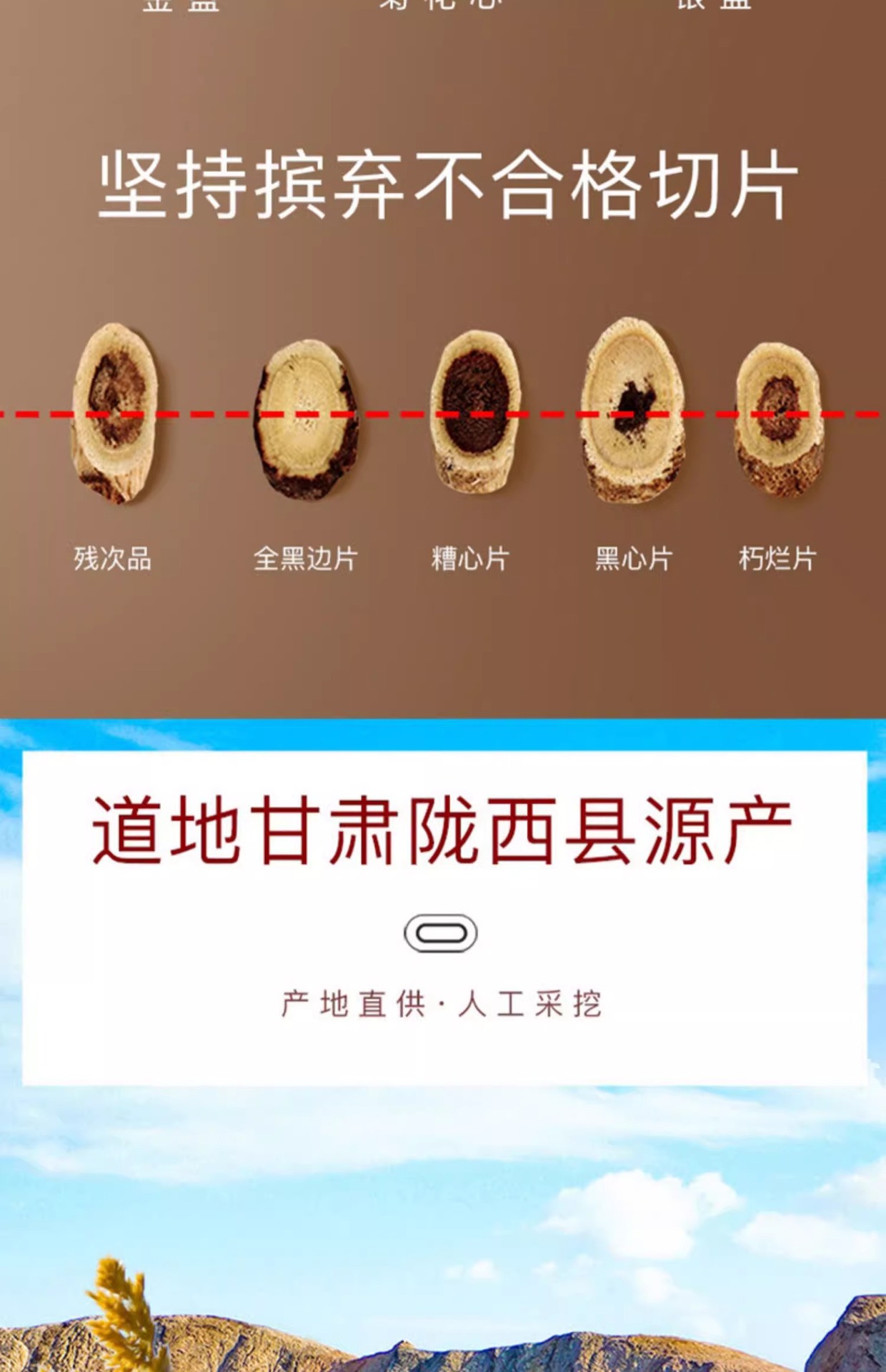
The dried slices are typically pale yellow to light brown with a firm, woody texture. They have a mild, earthy aroma and a subtly sweet, faintly herbal taste when simmered in water or added to soups. Color and texture may vary slightly between batches.
Technical Specifications
| Product Type | Dried herbal root slices |
|---|---|
| Chinese Name | 黄芪 |
| Pinyin | Huang Qi |
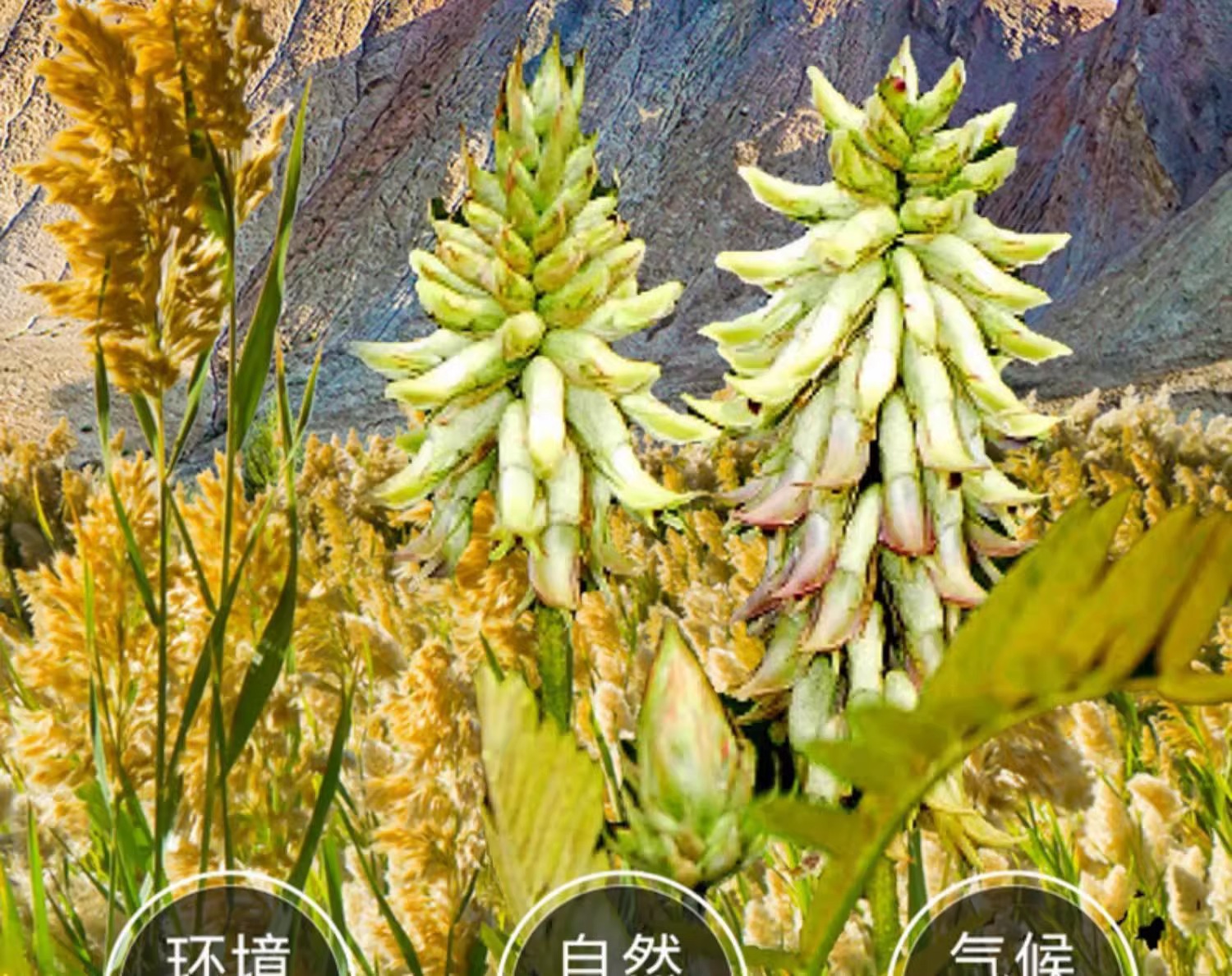
| Botanical Name | Astragalus membranaceus |
| Plant Part | Root |
| Form | Sliced |
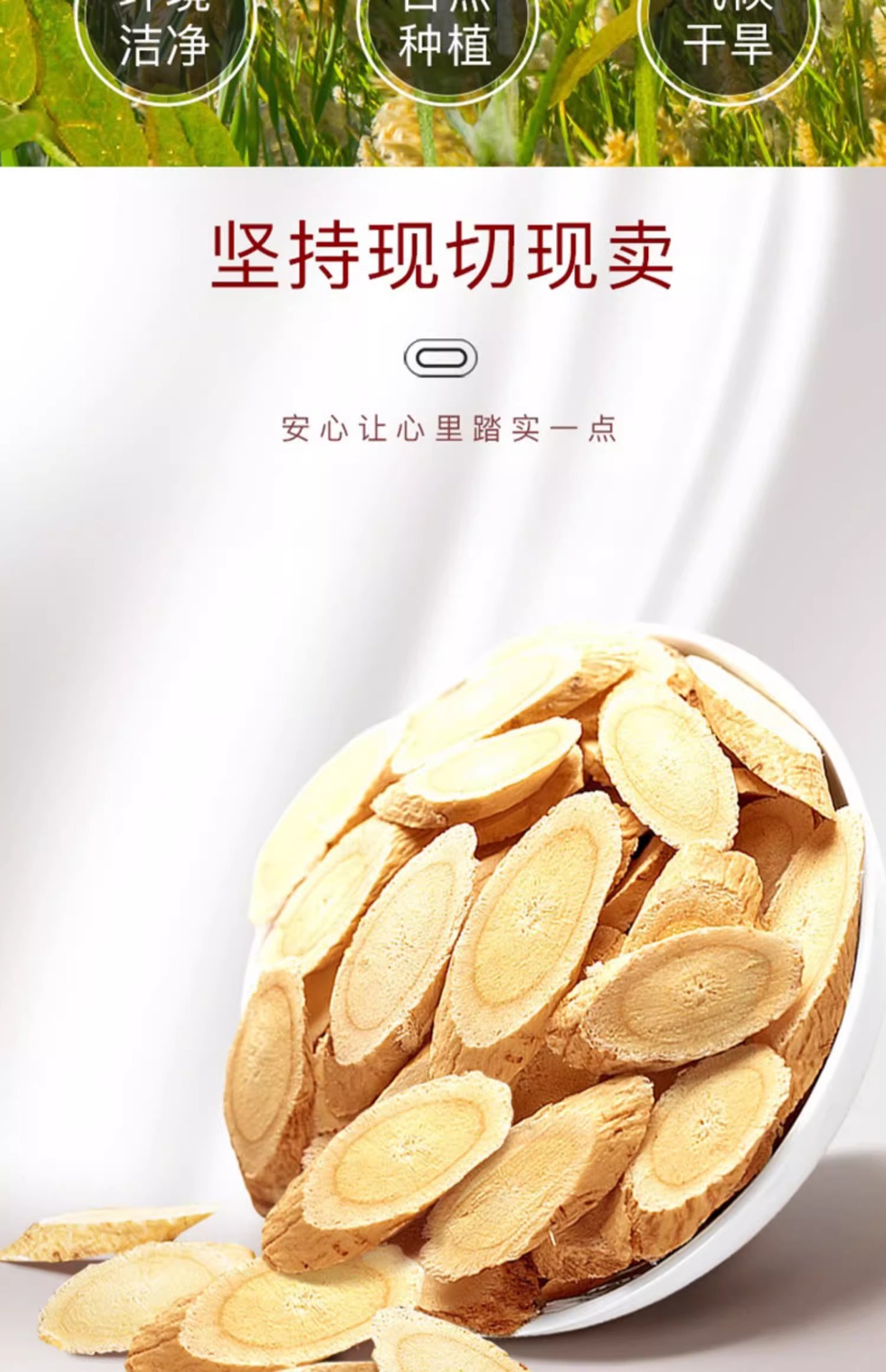
Usage Scenarios
- Simmered in herbal decoctions
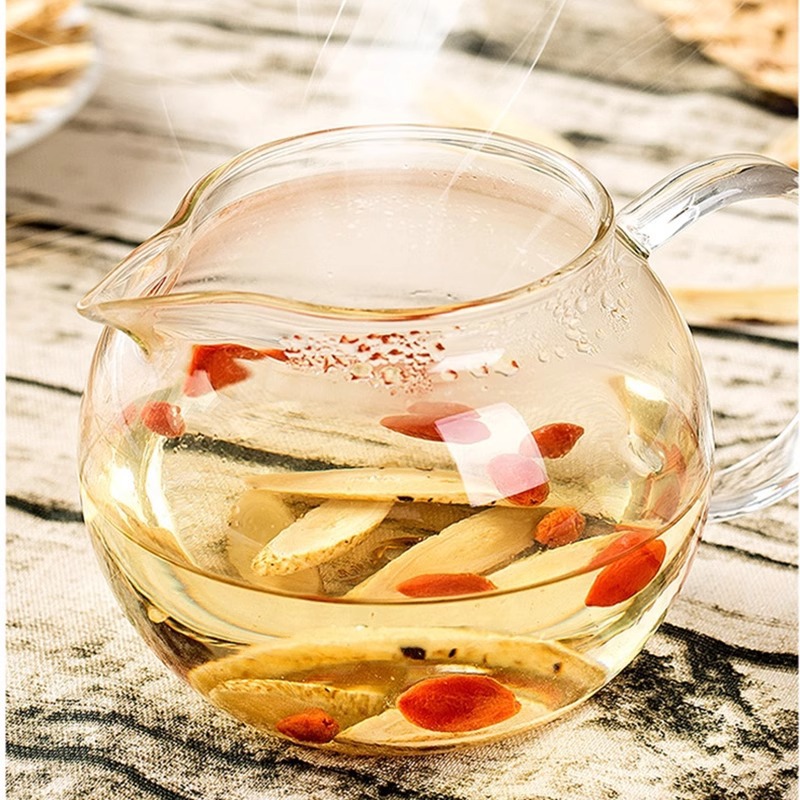
- Brewed as a daily herbal tea
- Added to soups and broths
- Cooked into congee
- Used in seasonal tonic food preparations
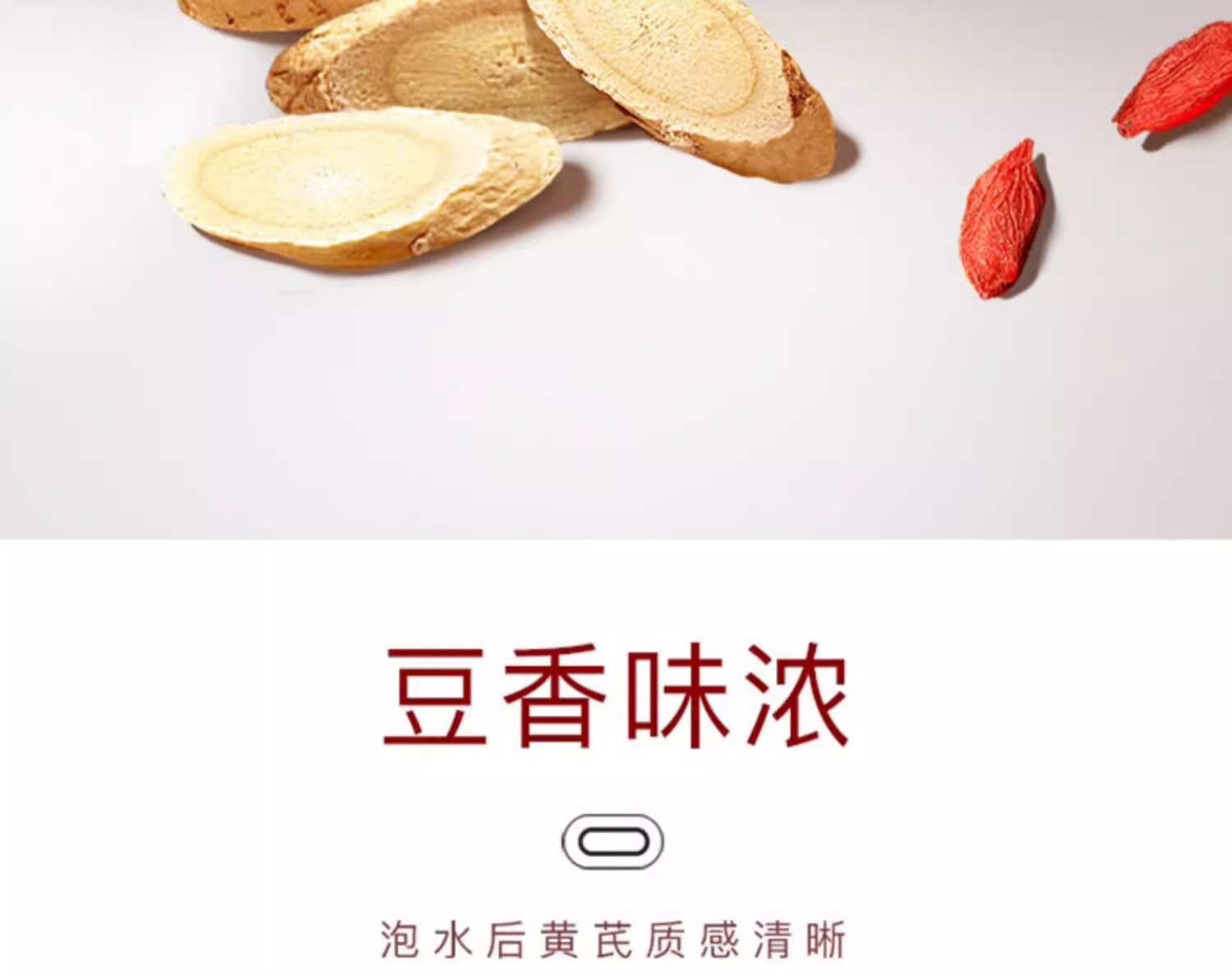
Traditional Uses
In TCM theory, Huang Qi is traditionally used to tonify qi and support the spleen and lung channels. It is commonly simmered in decoctions, added to soups, or cooked with congee. Traditional pairings include goji berries, red dates, and angelica root in tonic formulas. It is often used in seasonal warming preparations and daily herbal teas.
FAQ Q&A
Q: What is this product?
A: It is dried Astragalus root slices, known in TCM as Huang Qi (黄芪), from Astragalus membranaceus.
Q: What is its traditional value?
A: In TCM theory, Huang Qi is considered sweet and slightly warm, associated with tonifying qi and supporting the spleen and lung channels.
Q: How is it commonly prepared?
A: It is typically simmered in water for decoctions or teas, or added to soups and congee. It can also be combined with other herbs such as goji berries or red dates.
Additional information
| Weight | N/A |
|---|---|
| Dimensions | N/A |
| Model | 体验装 黄芪60g, 大罐 1罐 黄芪250g, 大罐 2罐 黄芪, 大罐 3罐 黄芪, 大罐 4罐 黄芪, 1罐 黄芪125g |
Related products
-

Dried Raspberry Fruit Fu Pen Zi Whole Berries for Herbal Tea and Wine Infusion 500g
Price range: $15.63 through $18.06 -
Dried Polygala Root Yuan Zhi 500g Traditional Chinese Herb for Decoction
Price range: $18.87 through $24.54 -
Yi Zhi Ren Dried Alpinia Oxyphylla Fruit 500g Traditional Herbal Tea and Decoction Ingredient
Price range: $11.74 through $13.36 -
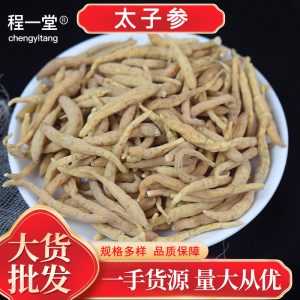
Taizishen Dried Pseudostellaria Root TCM Herbal Tea and Soup Ingredient 500g Bulk Pack
Price range: $10.28 through $15.63
Reviews
There are no reviews yet.