
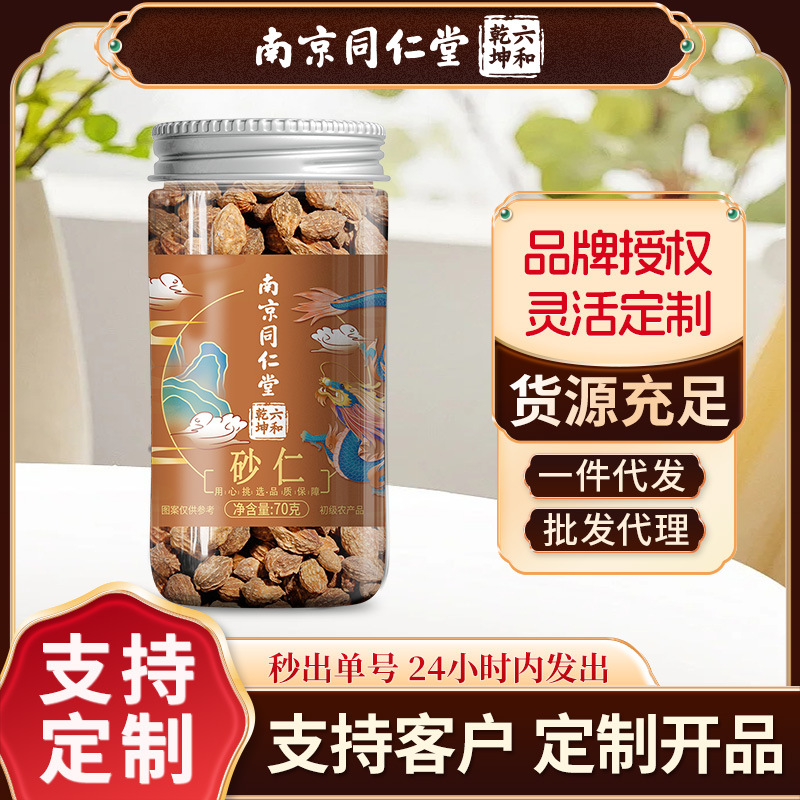


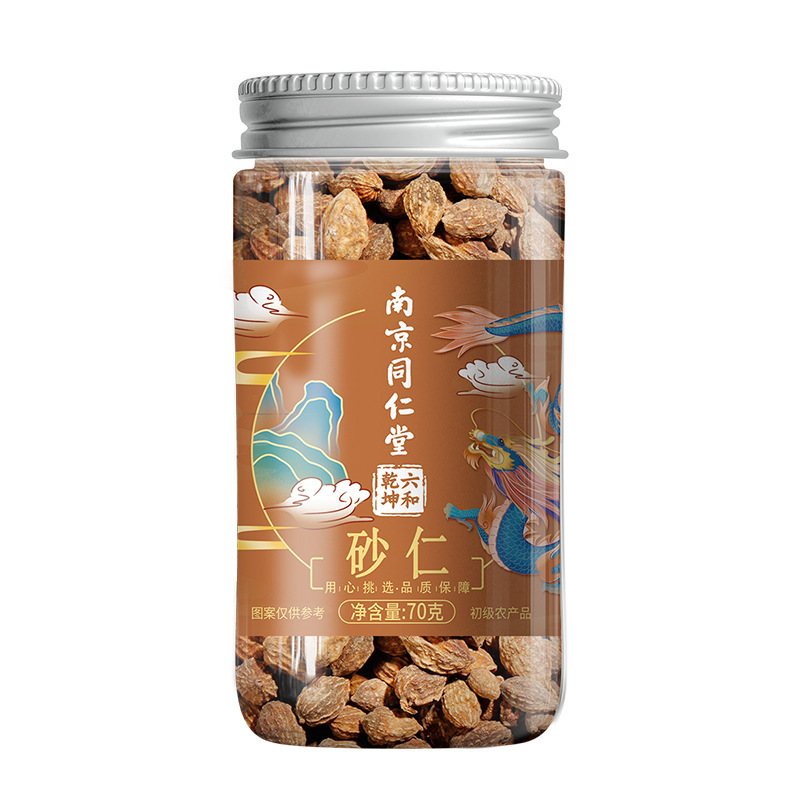
Dried Amomum Villosum Fruit Sha Ren 70g Culinary Spice and Wellness Tea
$5.81
9999 in stock
Description
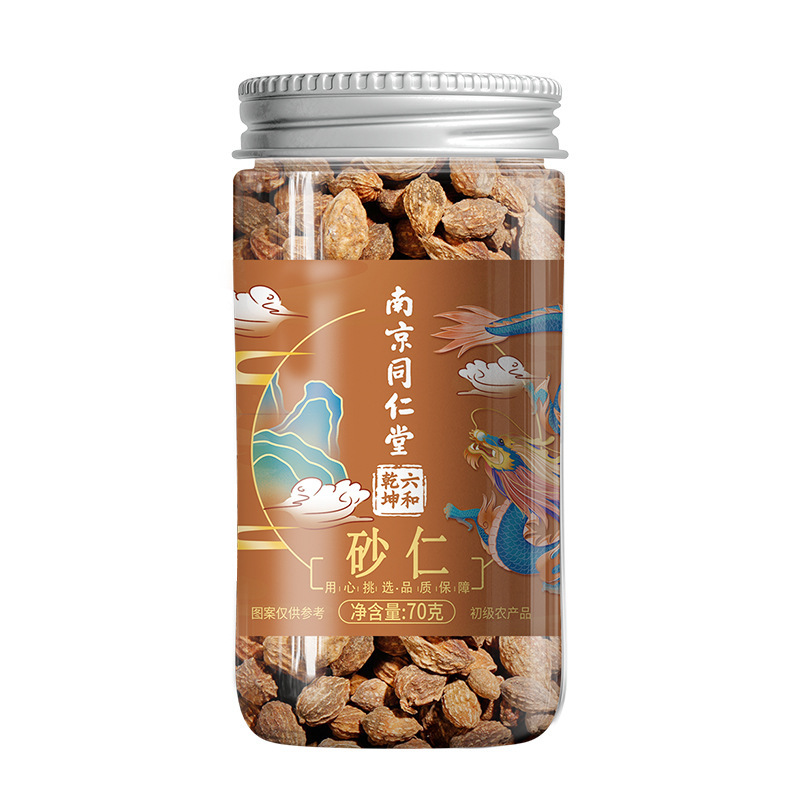
Dried Amomum Fruit, known in TCM as Sha Ren (砂仁) with pinyin Shā Rén, from Amomum villosum, is the dried ripe fruit of the ginger family. In TCM theory it is warm and pungent, entering the Spleen, Stomach, and Kidney channels. Traditionally used to support digestive comfort and transform dampness. Commonly added to soups, teas, and congee as a warming culinary herb.

Key Selling Points
- Dried ripe fruit of Amomum villosum, a classic TCM aromatic herb
- Known in TCM as Sha Ren (砂仁), pinyin Shā Rén
- Warm pungent nature entering Spleen Stomach and Kidney channels
- Dual use as culinary spice and traditional wellness tea ingredient
- Sealed 70g bag with 18-month shelf life from Anhui origin
Quality & Sensory
The dried fruits are typically brownish to dark brown with a rough textured surface and a strong aromatic spicy fragrance. When brewed or simmered they release a warm pungent aroma with a mildly spicy slightly bitter taste. Texture is firm and fibrous before cooking and softens after decoction.
Technical Specifications
| Product Type | Dried herbal fruit |
|---|---|
| Chinese Name | 砂仁 |
| Pinyin | Shā Rén |
| Botanical Name | Amomum villosum |
| Plant Part | Dried ripe fruit |
| Net Weight | 70g |
Usage Scenarios
- Simmered in herbal soups and broths
- Brewed as a warming wellness tea
- Added to congee during cooking
- Used as a culinary spice in braised dishes
- Combined with other herbs in traditional decoctions
Traditional Uses
In TCM theory Sha Ren is traditionally used to transform dampness, warm the middle burner, and support digestive comfort. It is commonly simmered in soups with ingredients such as Chen Pi or Bai Zhu, added to congee, or brewed as a simple tea. Folk practice often pairs it with ginger or licorice to balance its pungent warmth.
FAQ Q&A
Q: What is this product?
A: It is dried ripe fruit of Amomum villosum, known in TCM as Sha Ren (砂仁), sold as a 70g sealed bag.
Q: What is its traditional value?
A: In TCM theory it is warm and pungent, entering the Spleen, Stomach, and Kidney channels, and is traditionally associated with transforming dampness and supporting digestive comfort.
Q: How is it commonly prepared?
A: It is typically simmered in soups or decoctions, brewed as a tea, or added to congee. It can also be used as a culinary spice in braised dishes.
Additional information
| Weight | 0.3 kg |
|---|---|
| Dimensions | 20 × 15 × 5 cm |
Related products
-
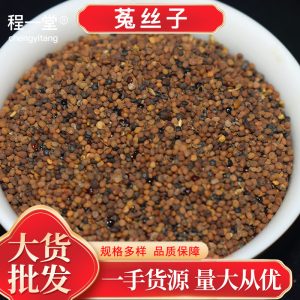
Dried Dodder Seed Tu Si Zi Whole Herb 500g Bulk Chinese Herbal Ingredient
Price range: $7.04 through $7.52 -
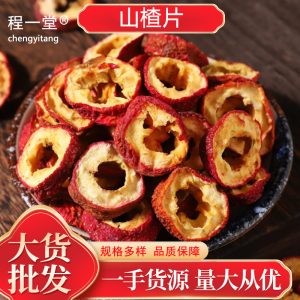
Dried Hawthorn Slices Shan Zha 500g Seedless Hollow Rings Freeze Dried Hawthorn for Tea and Culinary Use
Price range: $4.44 through $7.04 -

Dried Raspberry Fruit Fu Pen Zi Whole Berries for Herbal Tea and Wine Infusion 500g
Price range: $15.63 through $18.06 -
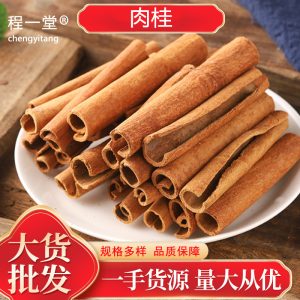
Dried Cinnamon Bark Rou Gui 500g Whole Peeling Culinary Spice and Traditional Herbal Ingredient
Price range: $5.58 through $8.33
Reviews
There are no reviews yet.