
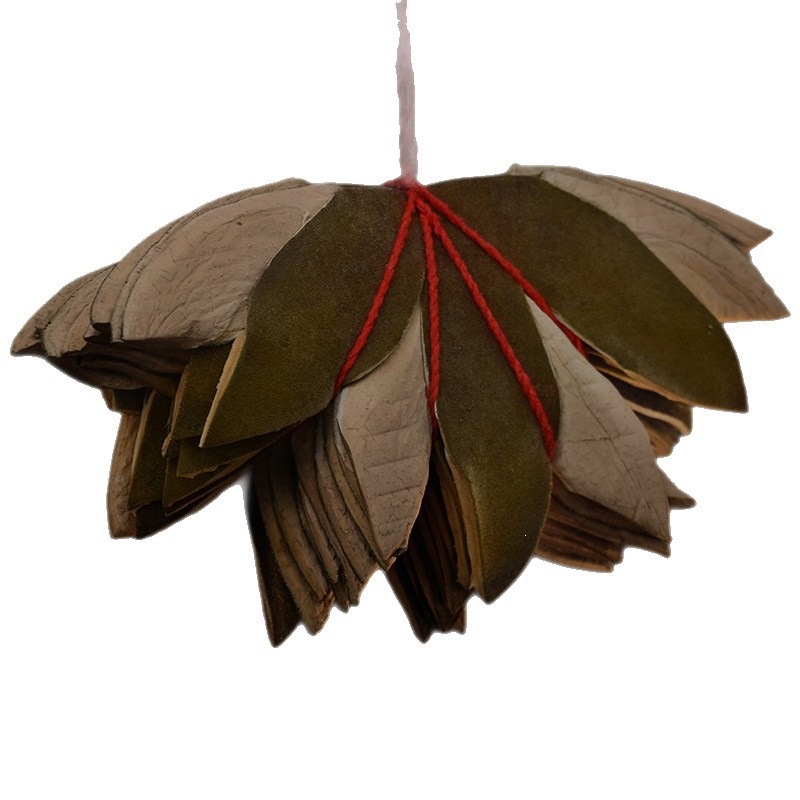
Dried Aged Qizhua Juhong Peel Seven Claw Exocarpium Citri Grandis for Herbal Tea 250g 2 Cans
Description
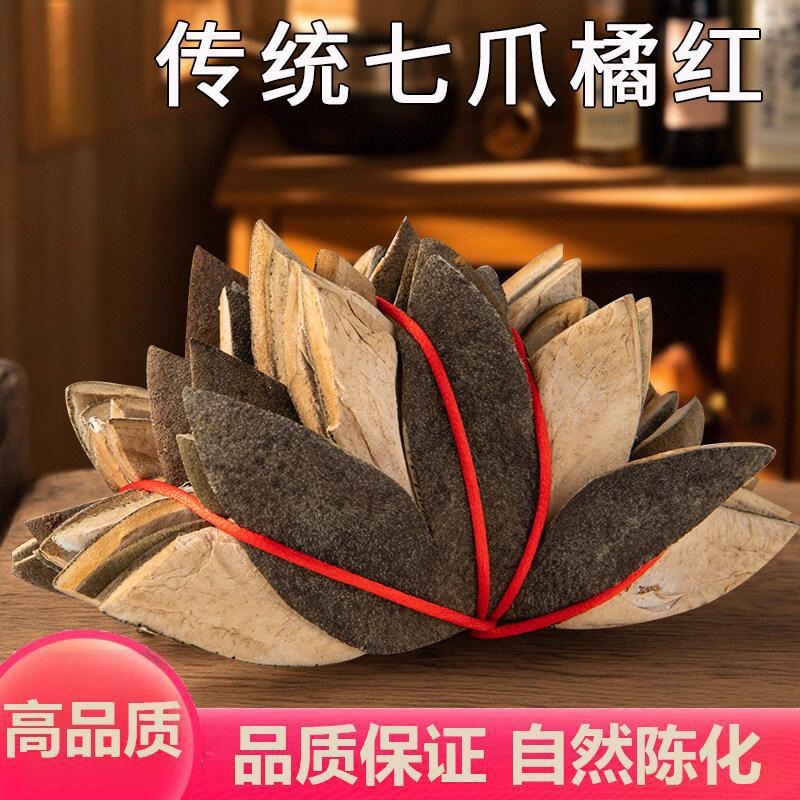
Dried Aged Qizhua Juhong Peel, known in TCM as Juhong (橘红) or Qizhua Juhong (七爪橘红), from Citrus grandis, is the sun-dried exocarp of the pomelo fruit. In TCM theory it is warm and pungent with bitter and sweet notes, entering the Lung and Spleen channels. Traditionally used to support qi flow and transform phlegm, it is commonly steeped as a warming herbal tea or added to decoctions.
Key Selling Points
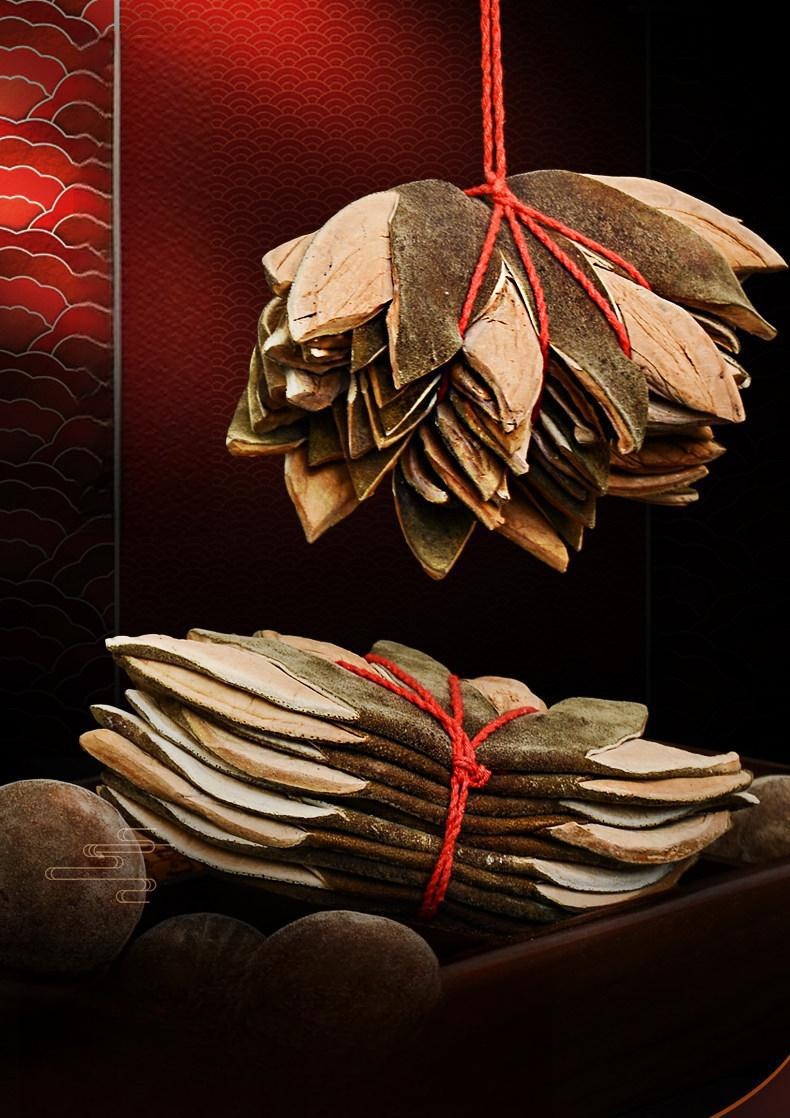
- Traditional aged Juhong peel from Citrus grandis exocarp
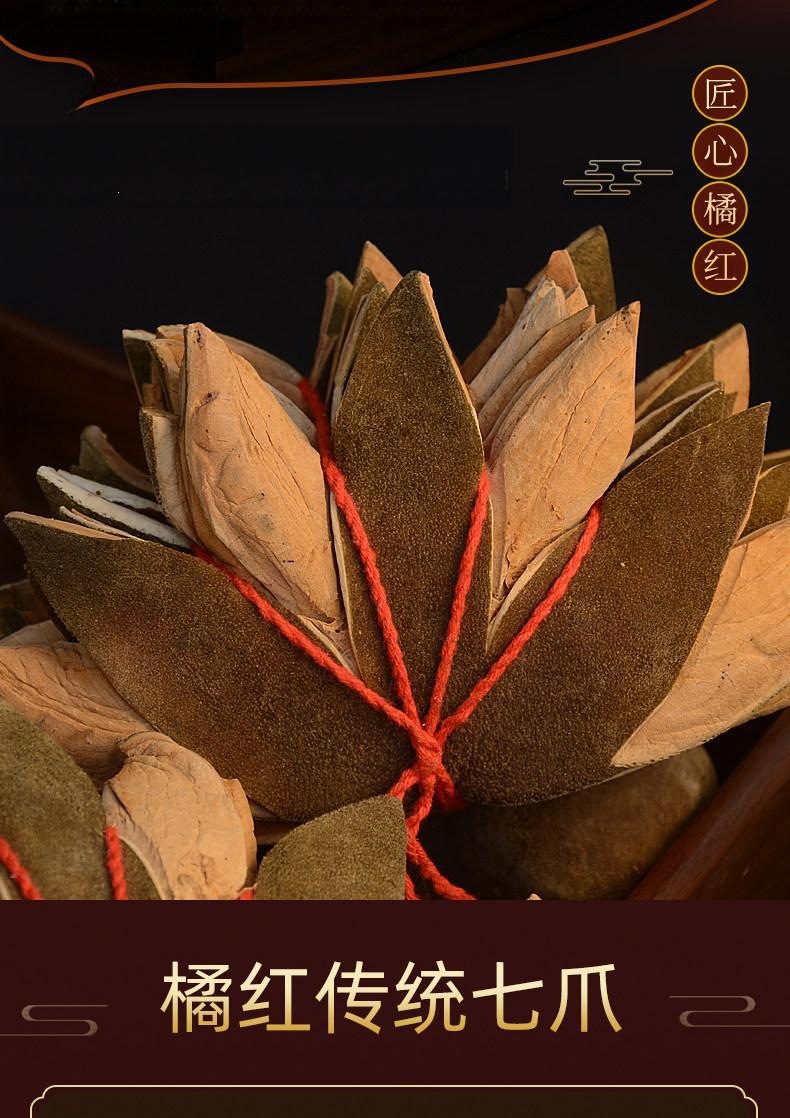
- Seven-claw Qizhua cut with sun-dried processing
- Warm pungent TCM nature entering Lung and Spleen channels
- Traditionally used to support qi flow and transform phlegm
- Sold as two 250g cans of dried peel for tea or decoction
Quality & Sensory
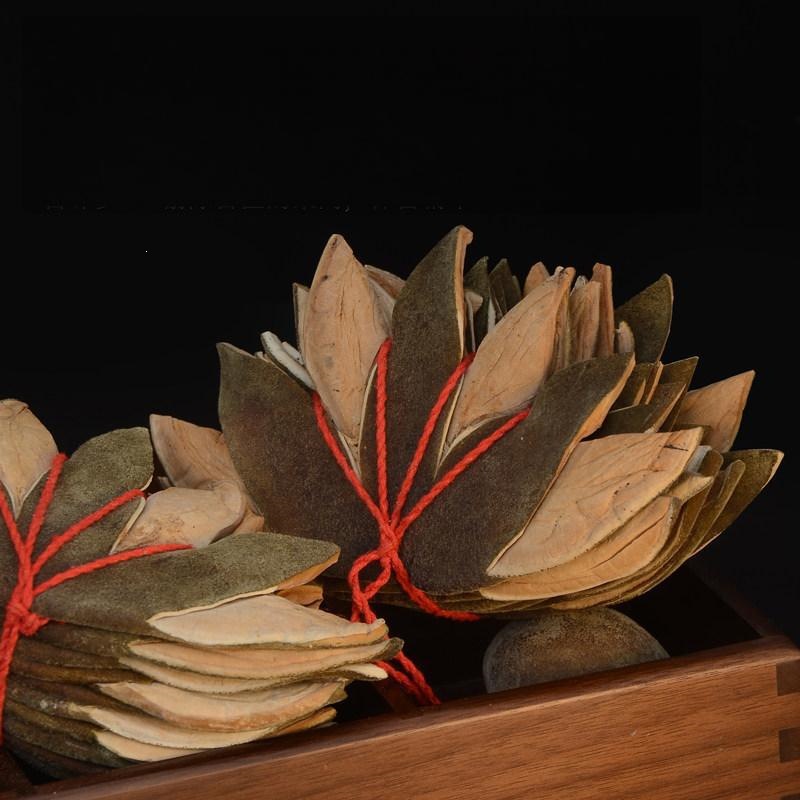
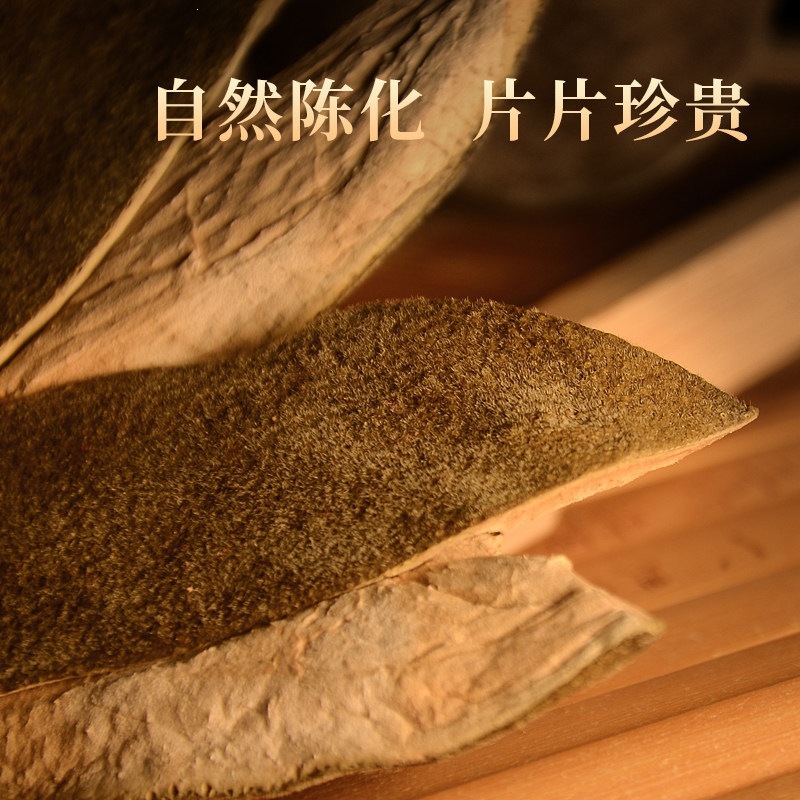
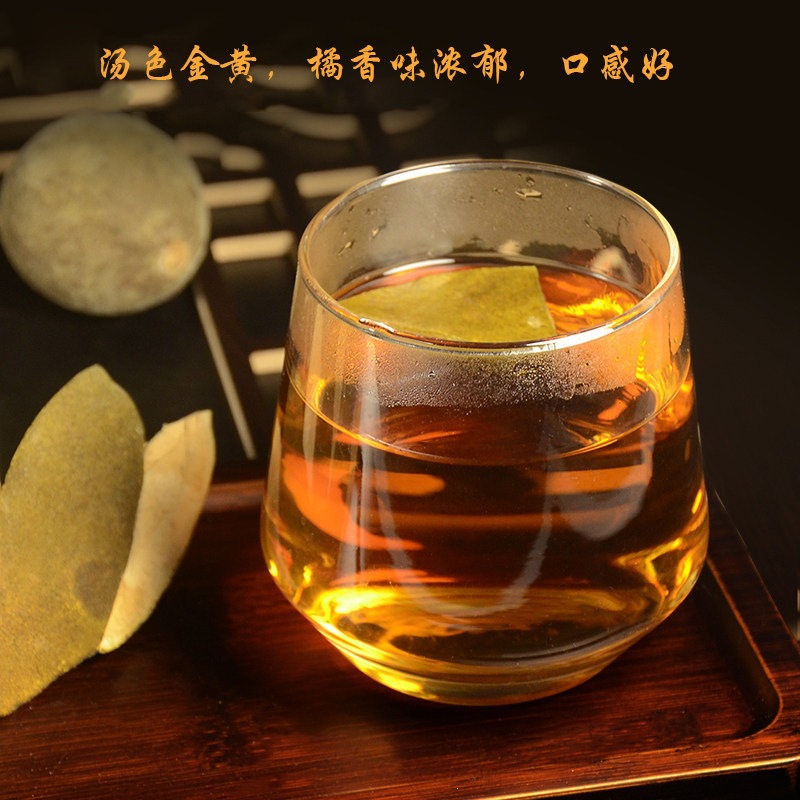
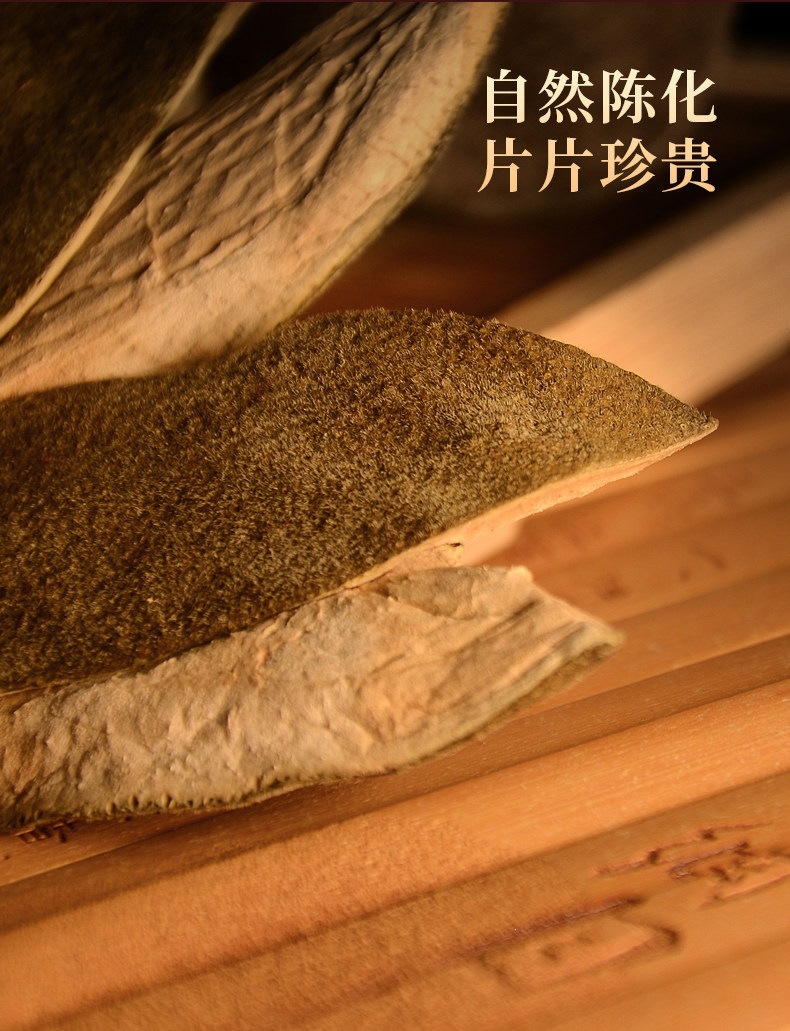
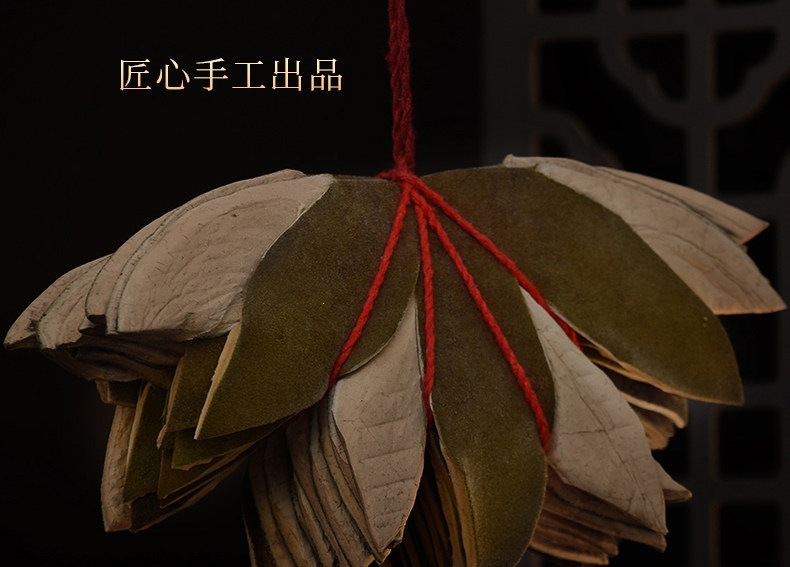
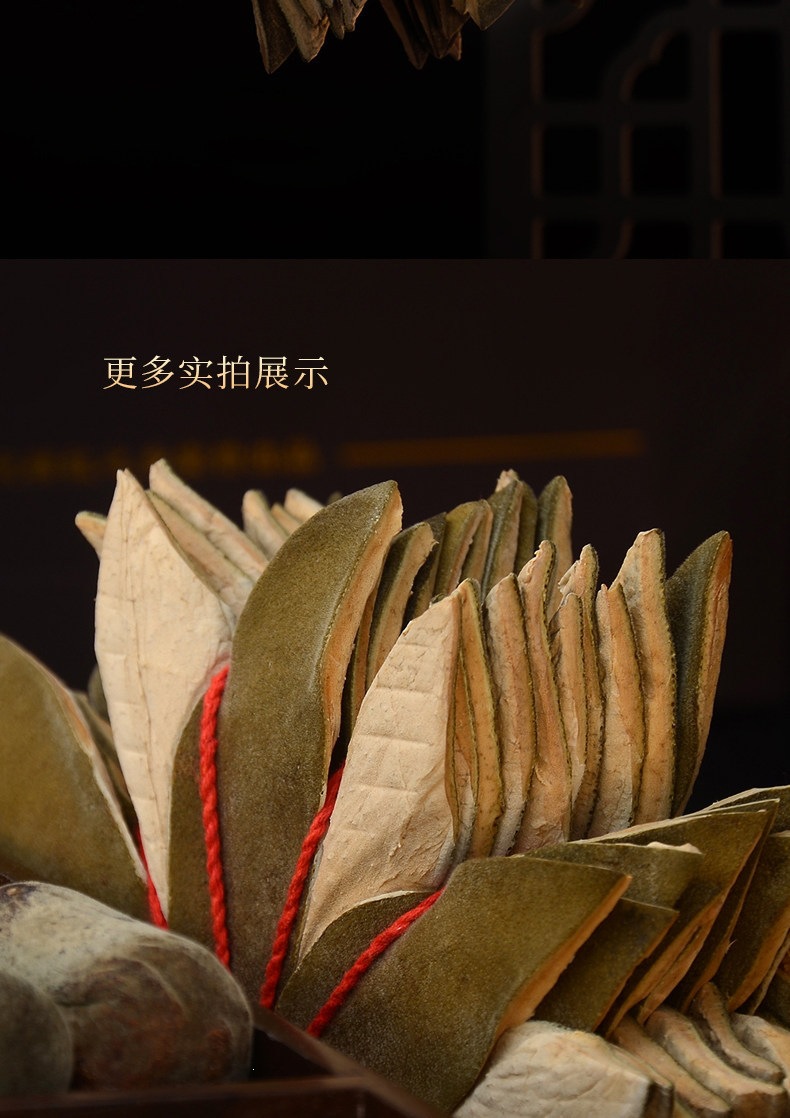
The dried peel typically shows a dark brown to reddish-brown exterior with a leathery, slightly brittle texture. Aroma is citrus-like, warm, and gently resinous. When brewed, the liquor is typically amber to golden-brown with a bittersweet, aromatic citrus taste and a lingering warm finish.
Technical Specifications
| Product Type | Dried herbal peel |
|---|---|
| Chinese Name | 橘红 / 七爪橘红 |
| Pinyin | Juhong / Qizhua Juhong |
| Botanical Name | Citrus grandis |
| Plant Part | Exocarp (outer peel) |
| Processing | Sun-dried |
Usage Scenarios
- Steeped as a warm herbal tea
- Added to herbal decoctions
- Simmered in soups or congee
- Used as a seasonal warming drink
- Combined with other TCM herbs in formulas
Traditional Uses
In TCM theory, Juhong is traditionally used to regulate qi, transform phlegm, and support the Lung and Spleen. It is often steeped alone as a tea or paired with herbs such as Chen Pi or Gan Cao in decoctions. Folk practice also adds aged peel to soups and congee for its warming aromatic quality, especially during cooler seasons.
FAQ Q&A
Q: What is this product?
A: It is sun-dried aged peel from the pomelo fruit, known in TCM as Juhong or Qizhua Juhong (七爪橘红), from Citrus grandis.
Q: What is its traditional value?
A: In TCM theory it is warm and pungent, entering the Lung and Spleen channels, and is traditionally used to support qi flow and transform phlegm.
Q: How is it commonly prepared?
A: It is commonly steeped in hot water as a tea or simmered in decoctions, soups, and congee. It can also be combined with other herbs in traditional formulas.
Additional information
| Model | 七爪橘红皮100g 1袋, 七爪橘红皮250g 1罐, 七爪橘红皮250g 2罐 |
|---|
Related products
-
Ningxia Goji Berries Gou Qi Zi 500g Dried Red Wolfberry for Tea Soup and Snacking
Price range: $7.20 through $16.44 -
Tie Pi Shi Hu Dried Dendrobium Stems 500g Huoshan Fengdou for Soup and Tea
Price range: $35.88 through $108.80 -
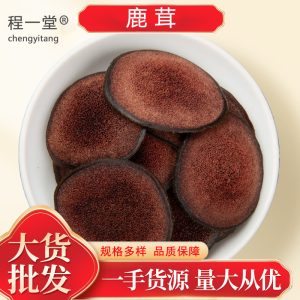
Deer Antler Slices Lu Rong 鹿茸片 Dried Slices for Wine Infusion and Soup 100g Wax Slices Pack
Price range: $68.29 through $92.59 -

Dried Huang Jing Slices Polygonatum Rhizome Chicken Head Huang Jing 500g Bulk Herbal Tea and Soup Ingredient
Price range: $9.14 through $18.87
Reviews
There are no reviews yet.