
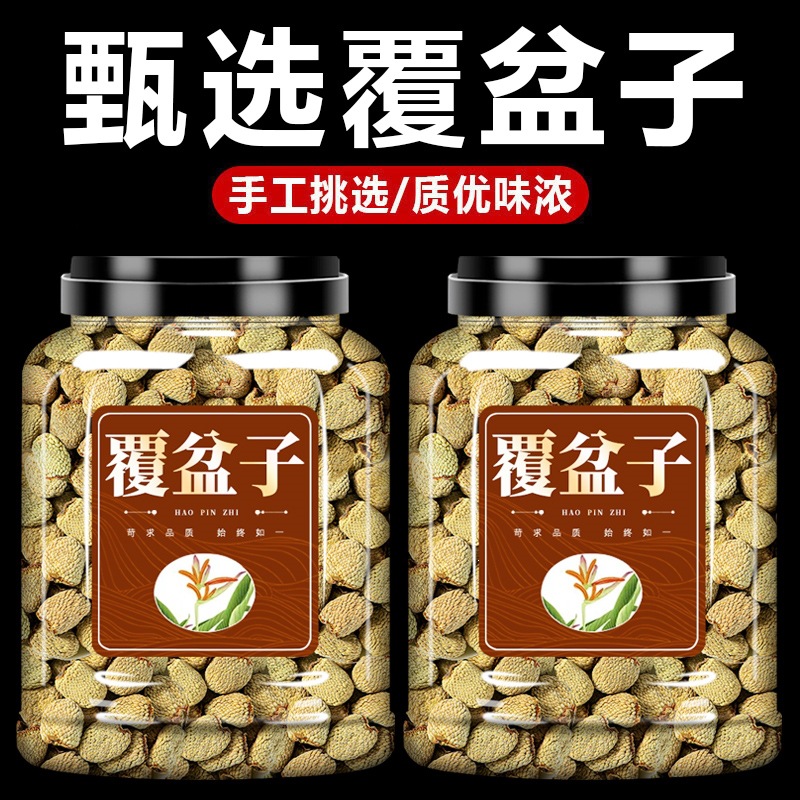
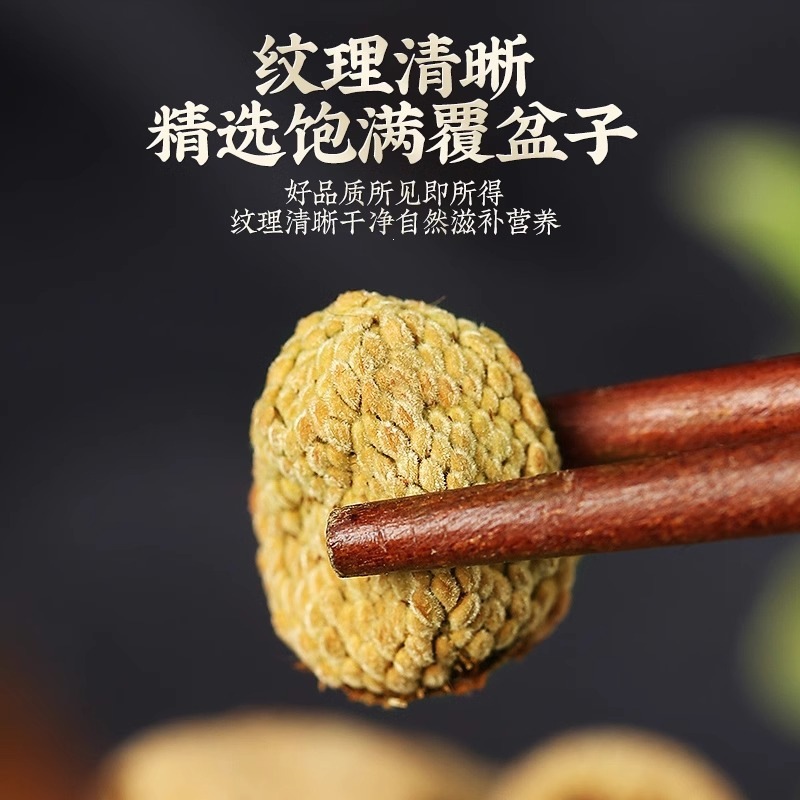
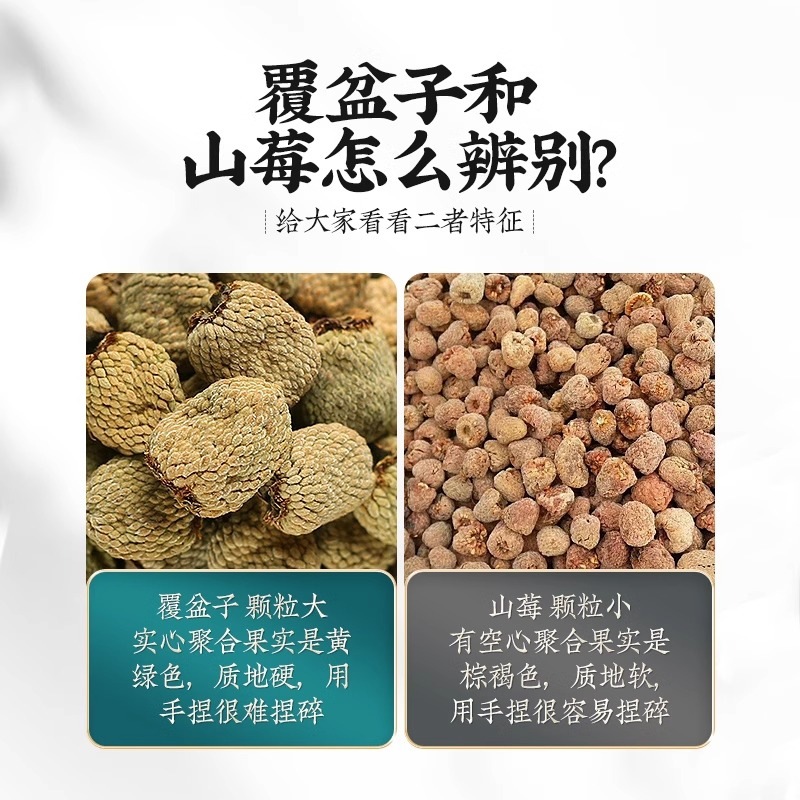
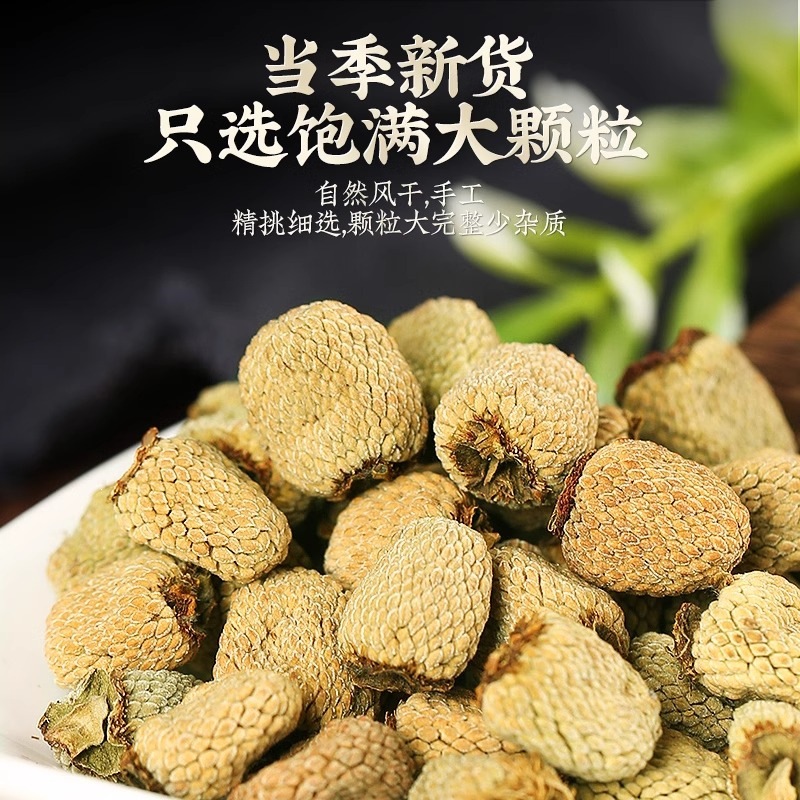
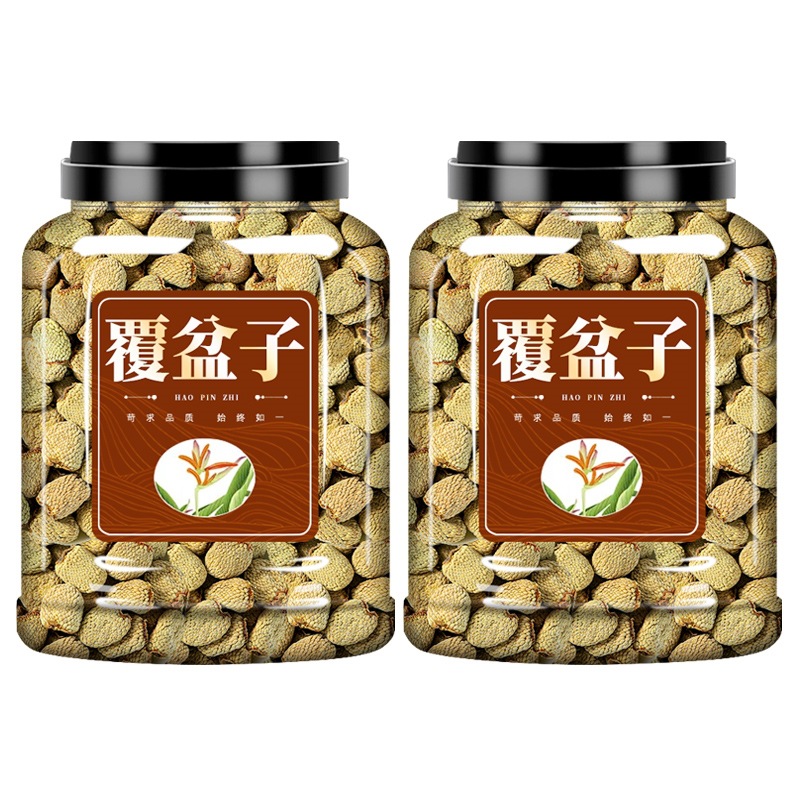
Wild Raspberry Fruit Dried Fu Pen Zi Herbal Tea Traditional Chinese Herbal Wellness 1000g
Price range: $7.53 through $26.99
Description
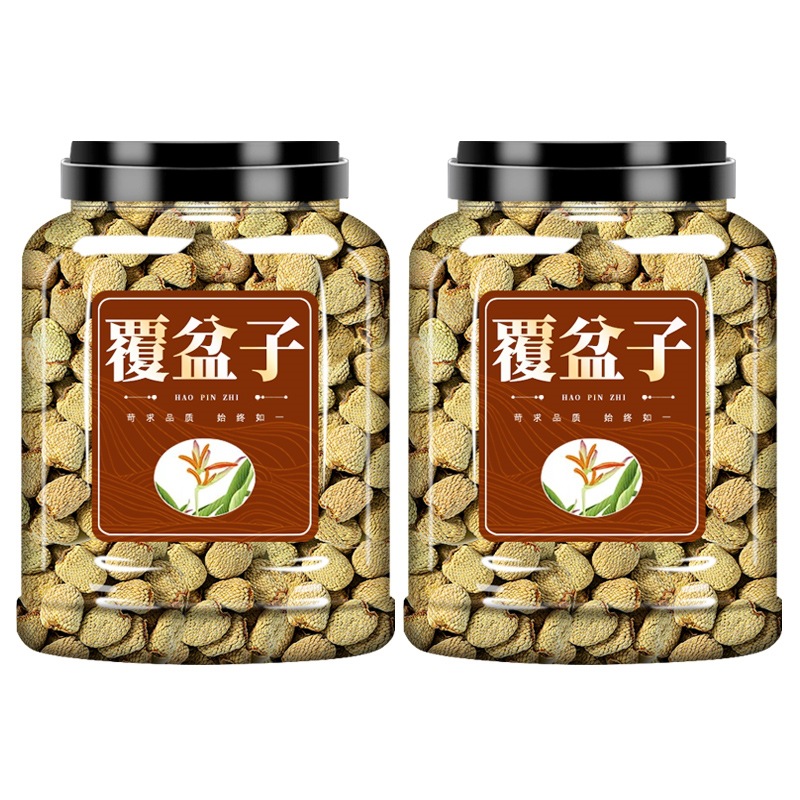
Dried Wild Raspberry Fruit, known in TCM as Fu Pen Zi (覆盆子), from Rubus idaeus or related Rubus species. These sun-dried berry fruits are traditionally used in Chinese herbal wellness. In TCM theory, Fu Pen Zi is associated with sweet and sour flavors and a slightly warm nature, entering the kidney and bladder channels. It is commonly prepared as a simple herbal tea or added to decoctions and congee for traditional daily nourishment.
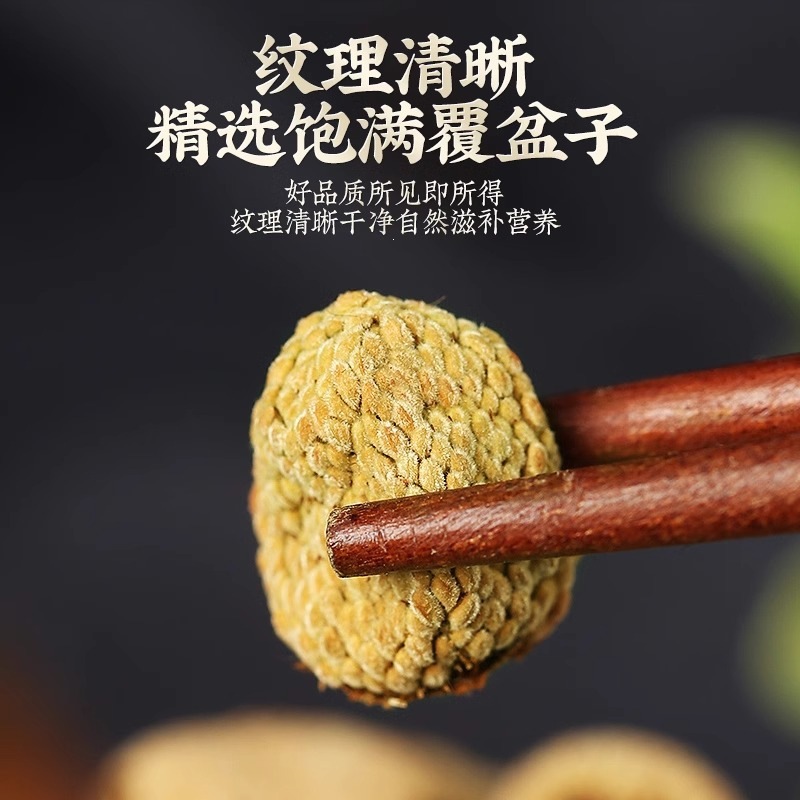
Key Selling Points
- Identified in TCM as Fu Pen Zi (覆盆子), the dried fruit of Rubus species
- Sun-dried whole berry fruit, carefully sorted for herbal preparation
- Traditionally associated with kidney and bladder channel support in TCM theory
- Versatile form suitable for teas, decoctions, soups, and congee
- Pre-packaged 1000g loose dried fruit from mainland China
Quality & Sensory
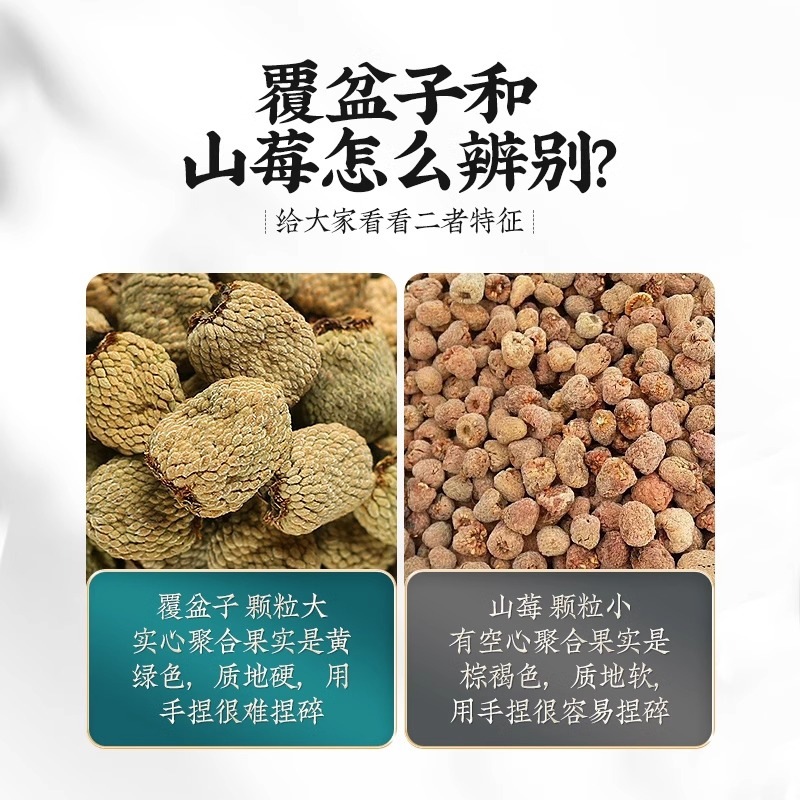
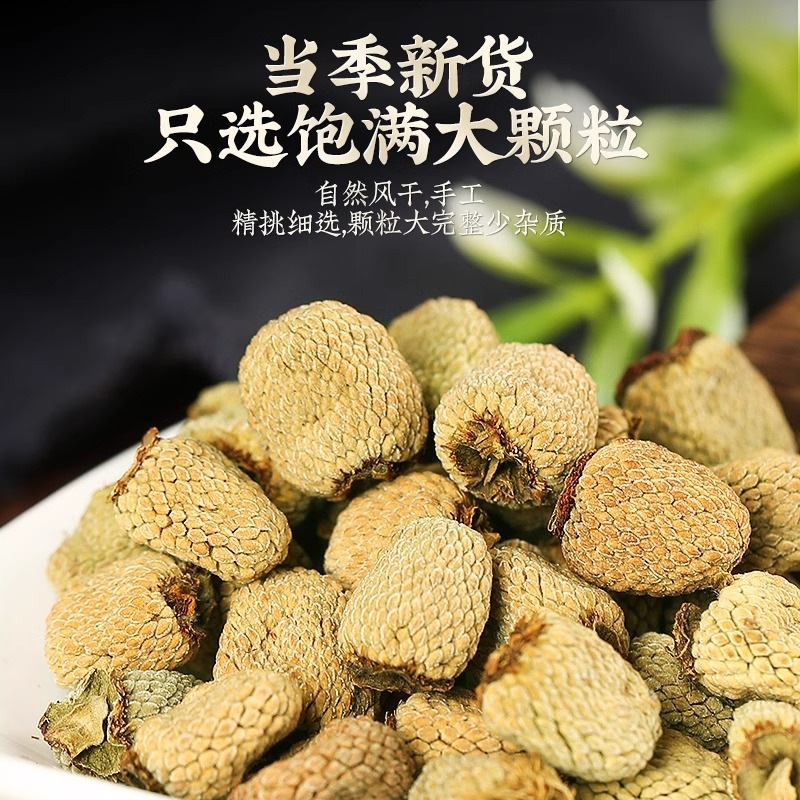
The dried fruits are typically small, round, and reddish-brown to dark purple in color with a slightly wrinkled texture. They have a mild, sweet-tart aroma and a gently sour, sweet taste when brewed or decocted. Texture softens after soaking or simmering.
Technical Specifications
| Product Type | Dried herbal fruit |
|---|---|
| Chinese Name | 覆盆子 |
| Pinyin | Fu Pen Zi |
| Botanical Name | Rubus idaeus |
| Plant Part | Fruit |
| Form | Whole dried fruit |
Usage Scenarios
- Brewed as a simple herbal tea
- Simmered in traditional decoctions
- Added to congee or porridge
- Used in herbal soup preparations
- Incorporated into seasonal food and drink

Traditional Uses
In TCM theory, Fu Pen Zi is traditionally used in formulas associated with kidney and bladder channel support. It is often simmered alone as a tea or combined with herbs such as Gou Qi Zi (goji berry) and Shan Yao (Chinese yam) in decoctions and congee. Folk practice includes adding the dried fruit to soups and daily teas for traditional wellness during seasonal changes.
FAQ Q&A
Q: What is this product?
A: It is dried wild raspberry fruit, known in TCM as Fu Pen Zi (覆盆子), from Rubus species. It is sold as a loose dried herbal fruit for traditional preparation.
Q: What is its traditional value?
A: In TCM theory, Fu Pen Zi is associated with sweet and sour flavors and a slightly warm nature, entering the kidney and bladder channels. It is traditionally used in herbal formulas for kidney and bladder channel support.
Q: How is it commonly prepared?
A: It is commonly brewed as a simple tea, simmered in decoctions, or added to congee and soups. Follow traditional preparation methods or consult a qualified practitioner.
Additional information
| Weight | N/A |
|---|---|
| Dimensions | N/A |
| Model | 覆盆子100g, 覆盆子250g, 覆盆子300g, 覆盆子500g, 覆盆子750g, 覆盆子1000g |
Related products
-
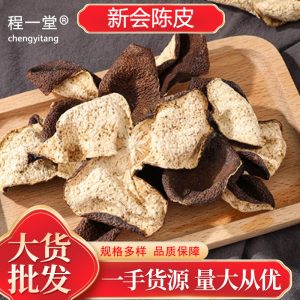
Xinhui Chenpi Dried Tangerine Peel 500g Sun Dried Aged Peel for Soup and Tea
Price range: $60.19 through $116.90 -
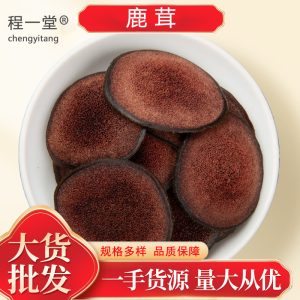
Deer Antler Slices Lu Rong 鹿茸片 Dried Slices for Wine Infusion and Soup 100g Wax Slices Pack
Price range: $68.29 through $92.59 -
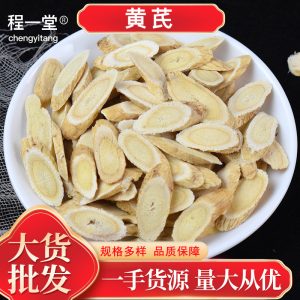
Astragalus Root Slices Huang Qi 斜片 Dried Herb for Decoction Soup and Tea 500g
Price range: $6.06 through $19.51 -

Ningxia Goji Berries Gou Qi Zi 500g Dried Red Wolfberry for Tea Soup and Snacking
Price range: $7.20 through $16.44
Reviews
There are no reviews yet.