
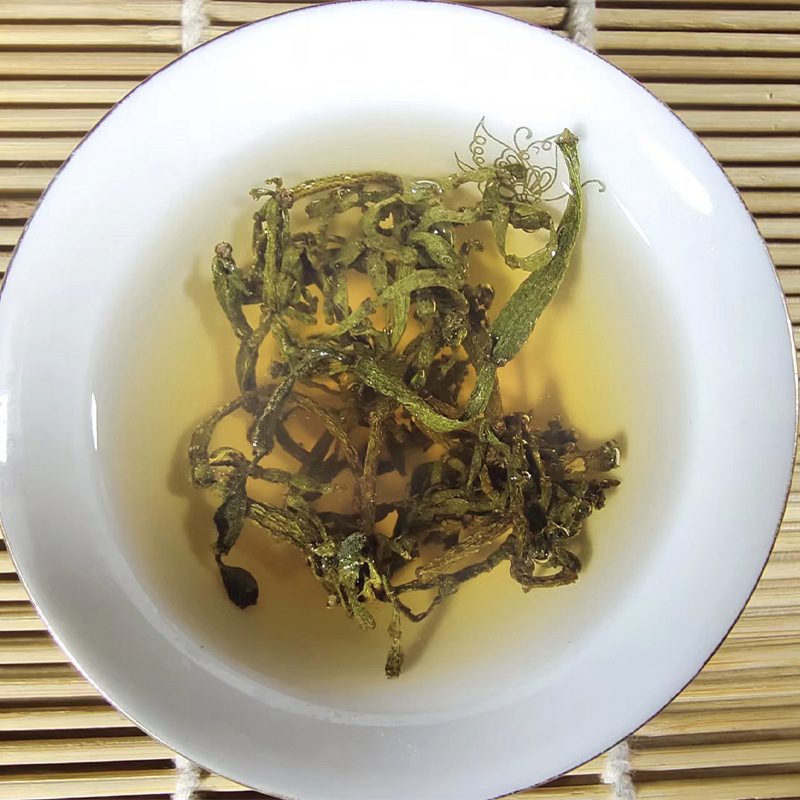
Wild Changbai Mountain Crab Claw Ancient Tree Parasitic Herb Loose 50g Bottle for Pu-erh Tea
$16.96
9997 in stock
Description
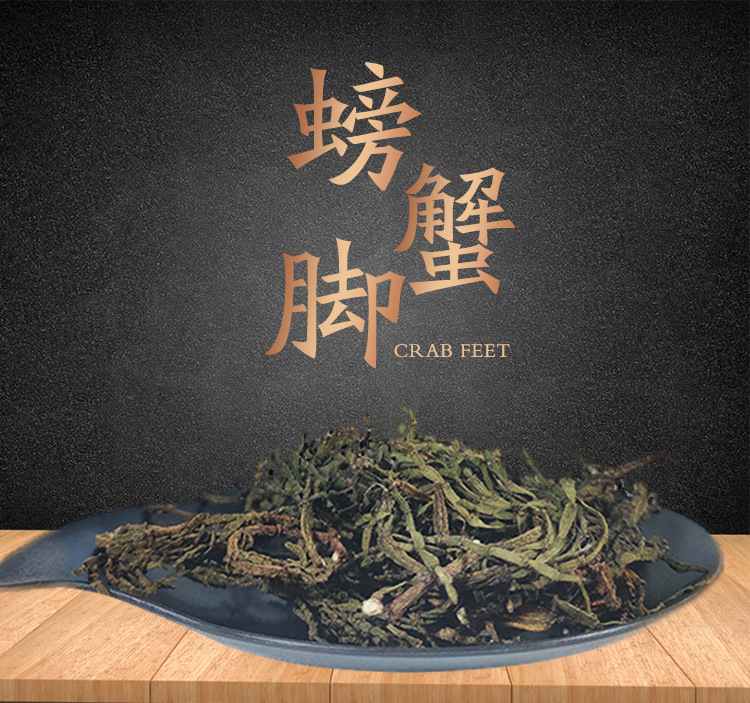
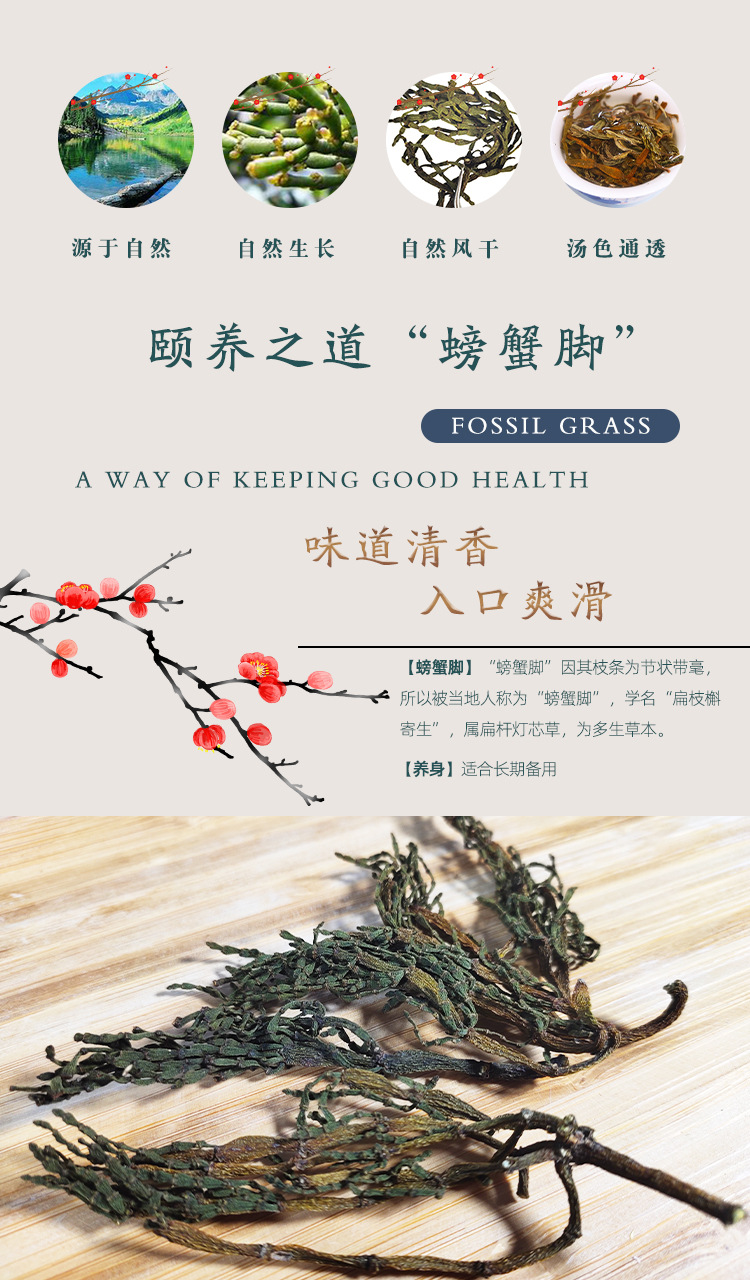
Wild Changbai Mountain Crab Claw (螃蟹脚, Pang Xie Jiao), botanical name Viscum articulatum, is a dried parasitic plant harvested from ancient trees. In TCM theory it is traditionally considered neutral in nature with a sweet and slightly bitter flavor. Traditionally used to support digestive comfort and as a companion herb in Pu-erh tea preparations. Store in a cool dry place and use in small amounts as a traditional herbal tea or decoction ingredient.
Key Selling Points
- Wild-harvested from ancient trees in the Changbai Mountain region
- Known in TCM as Pang Xie Jiao (螃蟹脚), a traditional parasitic herb
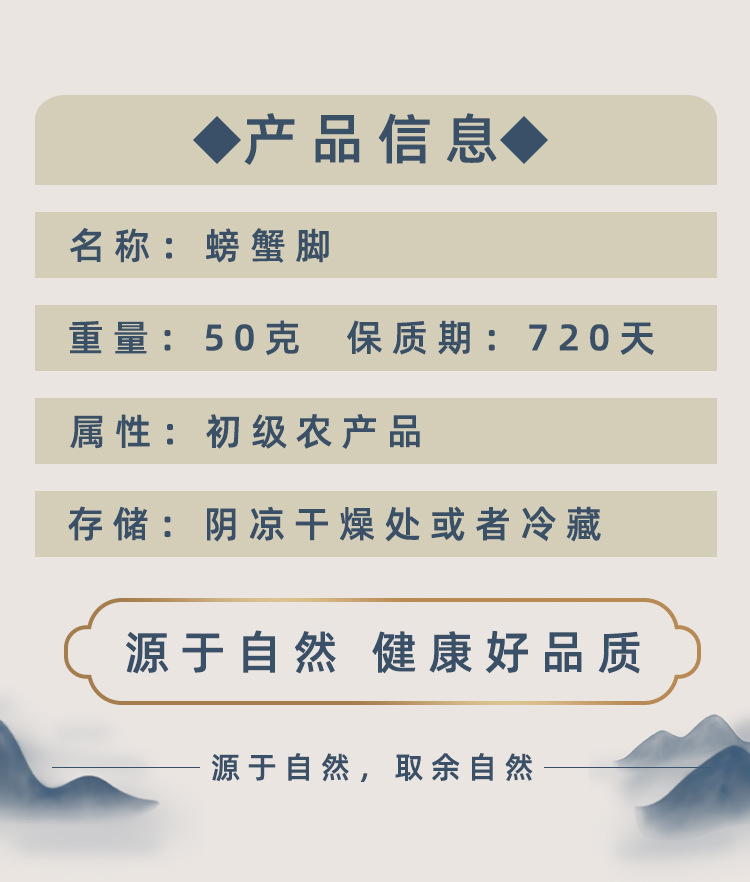
- Dried loose form packaged in a 50g bottle
- Traditionally paired with Pu-erh tea for flavor and herbal value
- Store in a cool dry place with a 24-month shelf life

Quality & Sensory
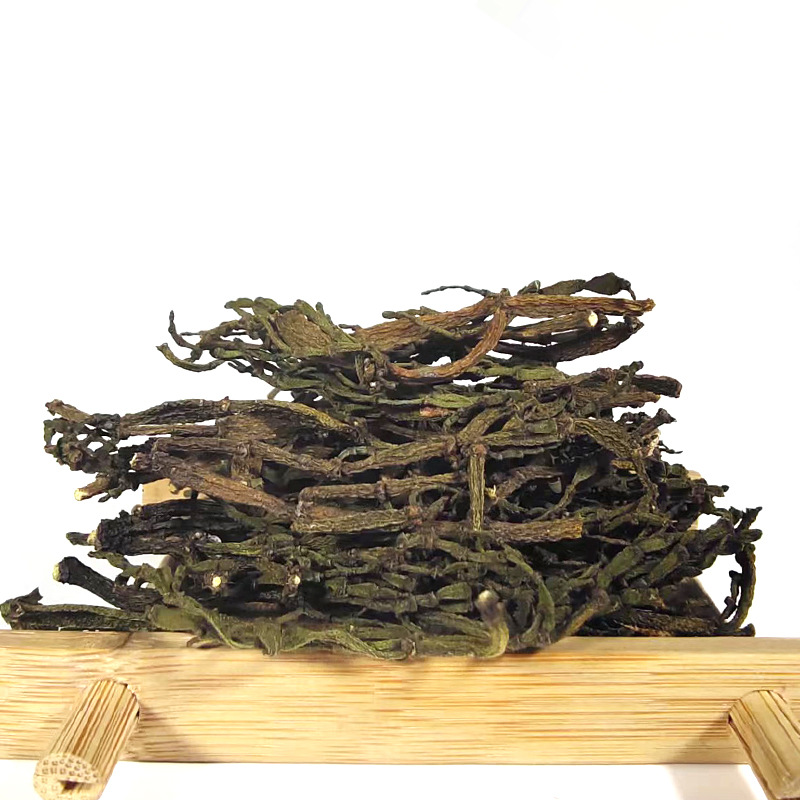
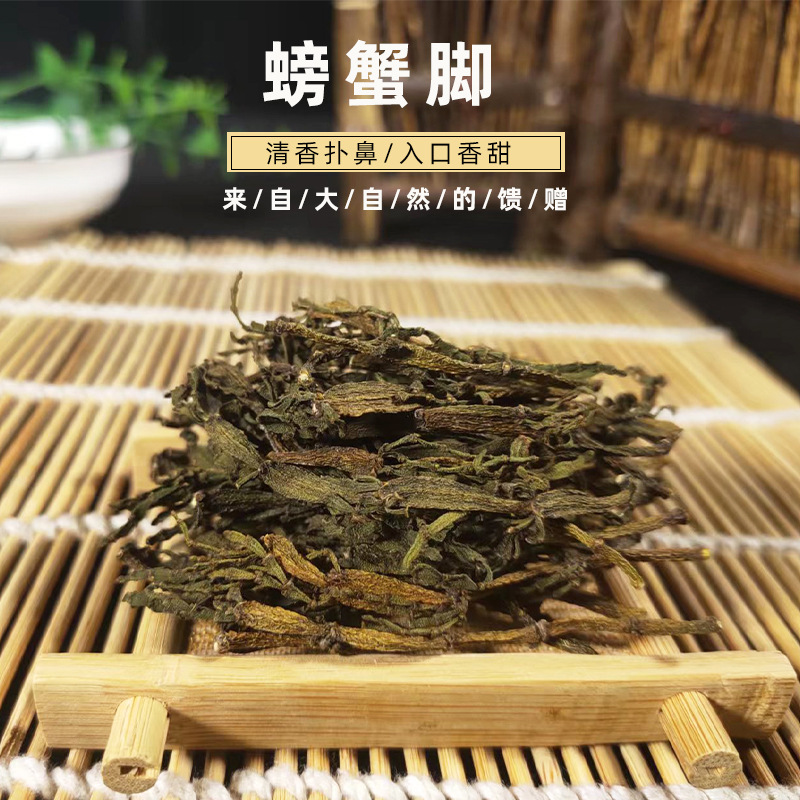
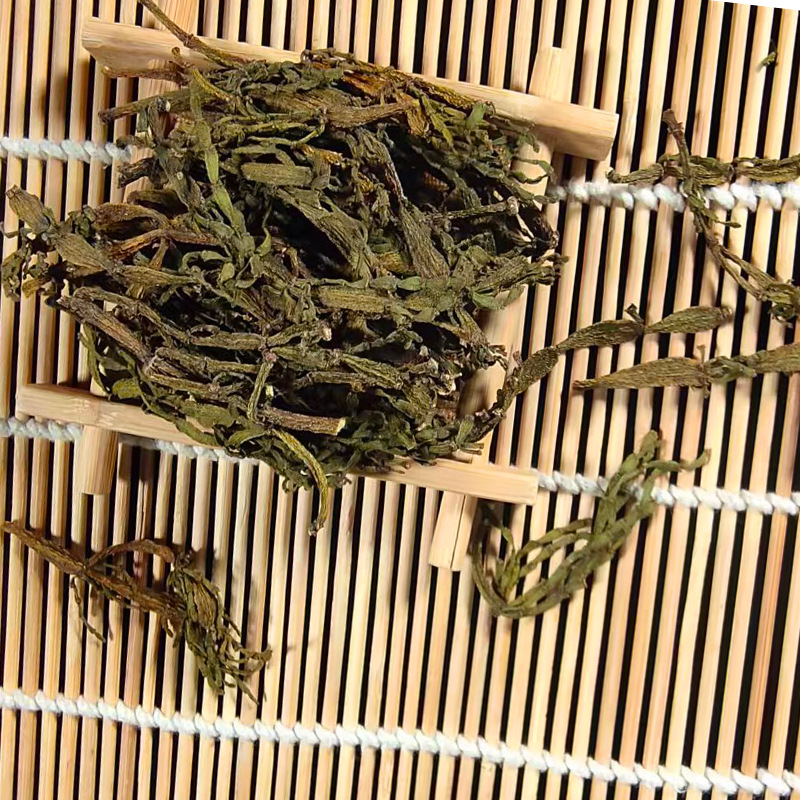
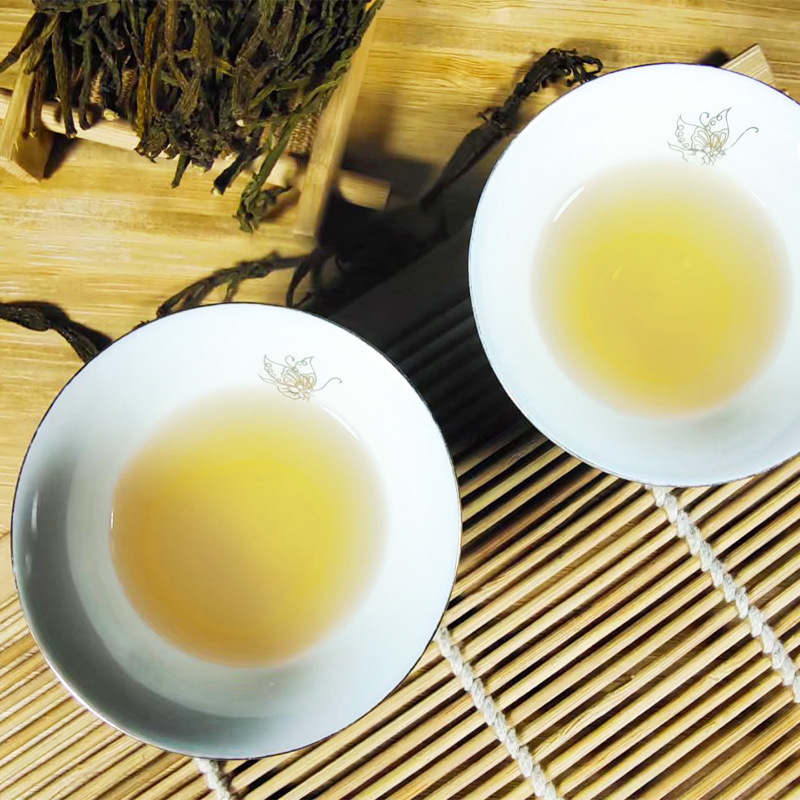
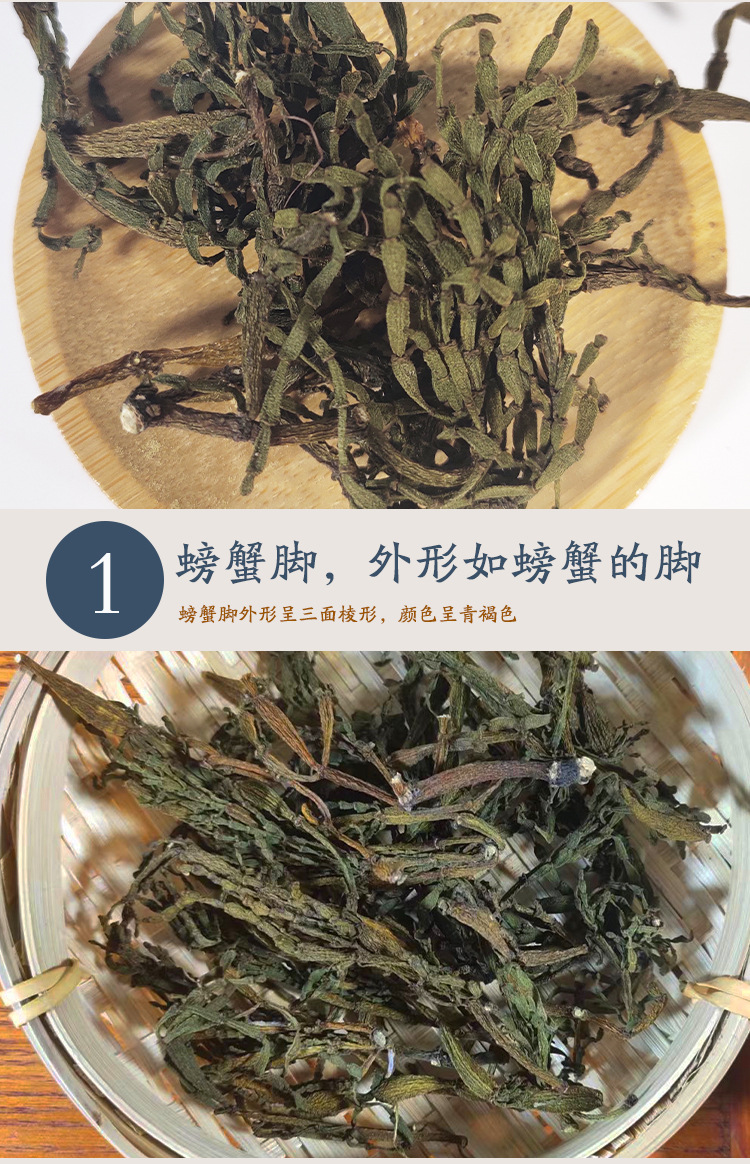
The dried herb typically appears as small jointed green-brown stems with a slightly woody texture and a mild earthy aroma. When brewed, it typically yields a light golden liquor with a gentle sweet and slightly bitter taste. Characteristics may vary by batch and harvest season.

Technical Specifications
| Product Type | Dried parasitic herb |
|---|---|
| Chinese Name | 螃蟹脚 |
| Pinyin | Pang Xie Jiao |
| Botanical Name | Viscum articulatum |
| Plant Part | Stems |
| Net Weight | 50g |

Usage Scenarios
- Brewed as a standalone herbal tea
- Added to Pu-erh tea during brewing
- Simmered in decoctions with other herbs
- Used in traditional soup preparations

Traditional Uses
In TCM and folk practice, Pang Xie Jiao is traditionally used as a gentle herbal tea or decoction ingredient, often combined with Pu-erh tea or other herbs. It is traditionally associated with supporting digestive comfort and is sometimes included in seasonal wellness preparations. Preparation typically involves steeping or simmering a small amount in hot water.
FAQ Q&A
Q: What is Crab Claw (Pang Xie Jiao)?
A: It is a dried parasitic plant traditionally harvested from ancient trees, known in TCM as Pang Xie Jiao (螃蟹脚).
Q: What is its traditional value?
A: In TCM theory it is considered neutral with a sweet and slightly bitter flavor, traditionally used to support digestive comfort.
Q: How is it commonly prepared?
A: It is typically brewed as a tea or simmered in decoctions, often paired with Pu-erh tea.
Additional information
| Weight | 0.3 kg |
|---|---|
| Dimensions | 15 × 10 × 10 cm |
Related products
-
Dried Raspberry Fruit Fu Pen Zi Whole Berries for Herbal Tea and Wine Infusion 500g
Price range: $15.63 through $18.06 -
Tie Pi Shi Hu Dried Dendrobium Stems 500g Huoshan Fengdou for Soup and Tea
Price range: $35.88 through $108.80 -
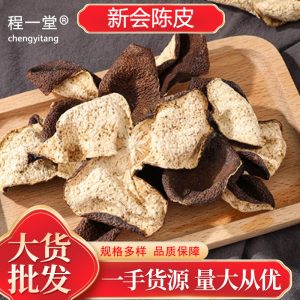
Xinhui Chenpi Dried Tangerine Peel 500g Sun Dried Aged Peel for Soup and Tea
Price range: $60.19 through $116.90 -
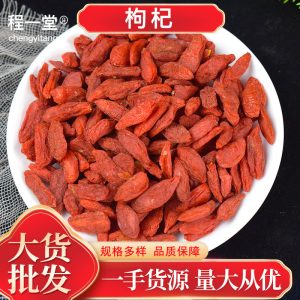
Ningxia Goji Berries Gou Qi Zi 500g Dried Red Wolfberry for Tea Soup and Snacking
Price range: $7.20 through $16.44
Reviews
There are no reviews yet.