
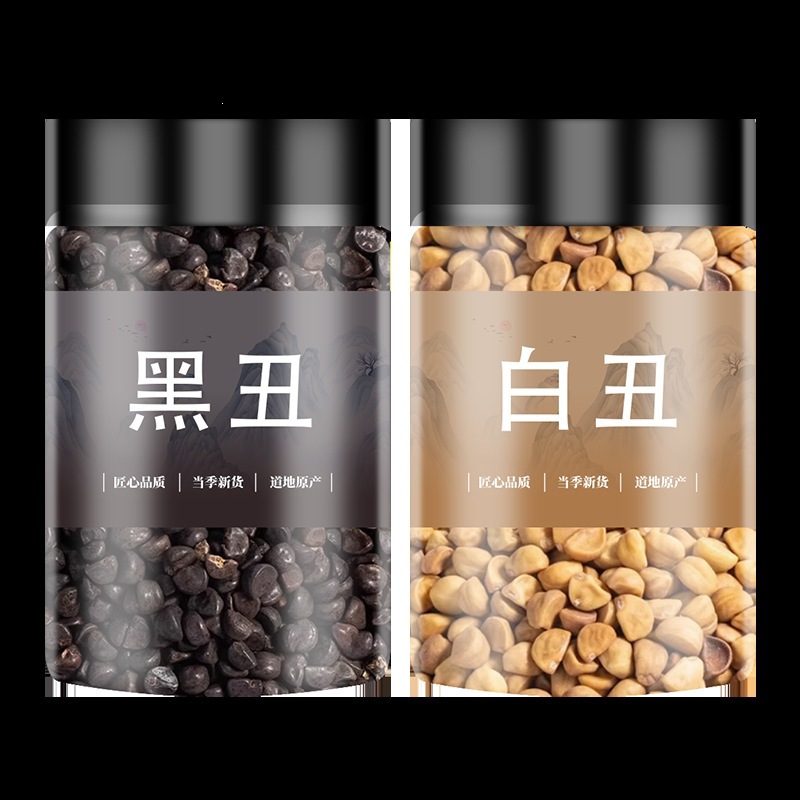
White Morning Glory Seed Bai Chou Dried Herb for Traditional Decoction and Herbal Tea
Price range: $5.90 through $12.07
Description
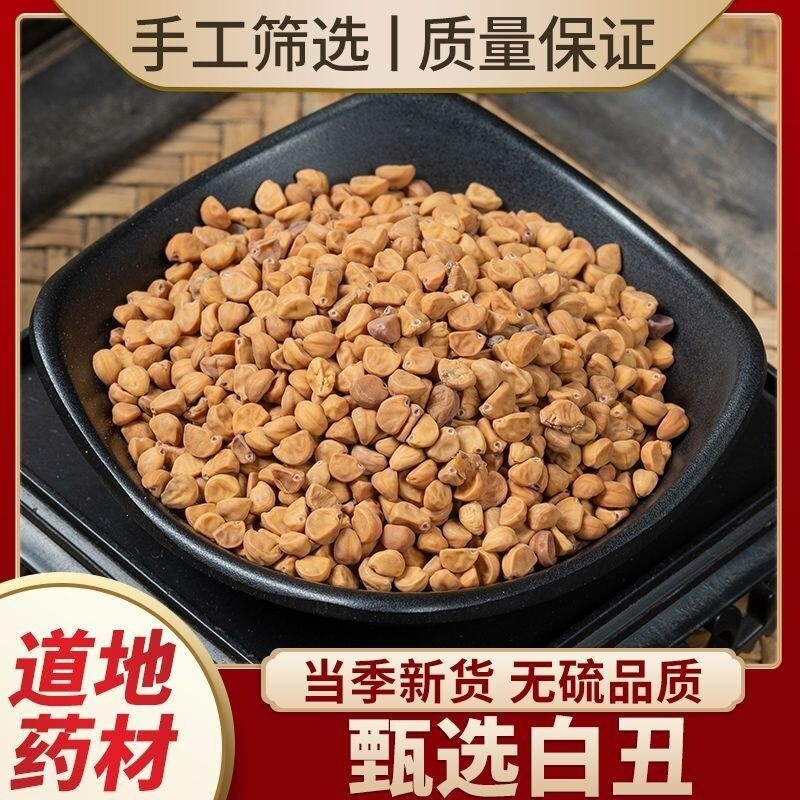
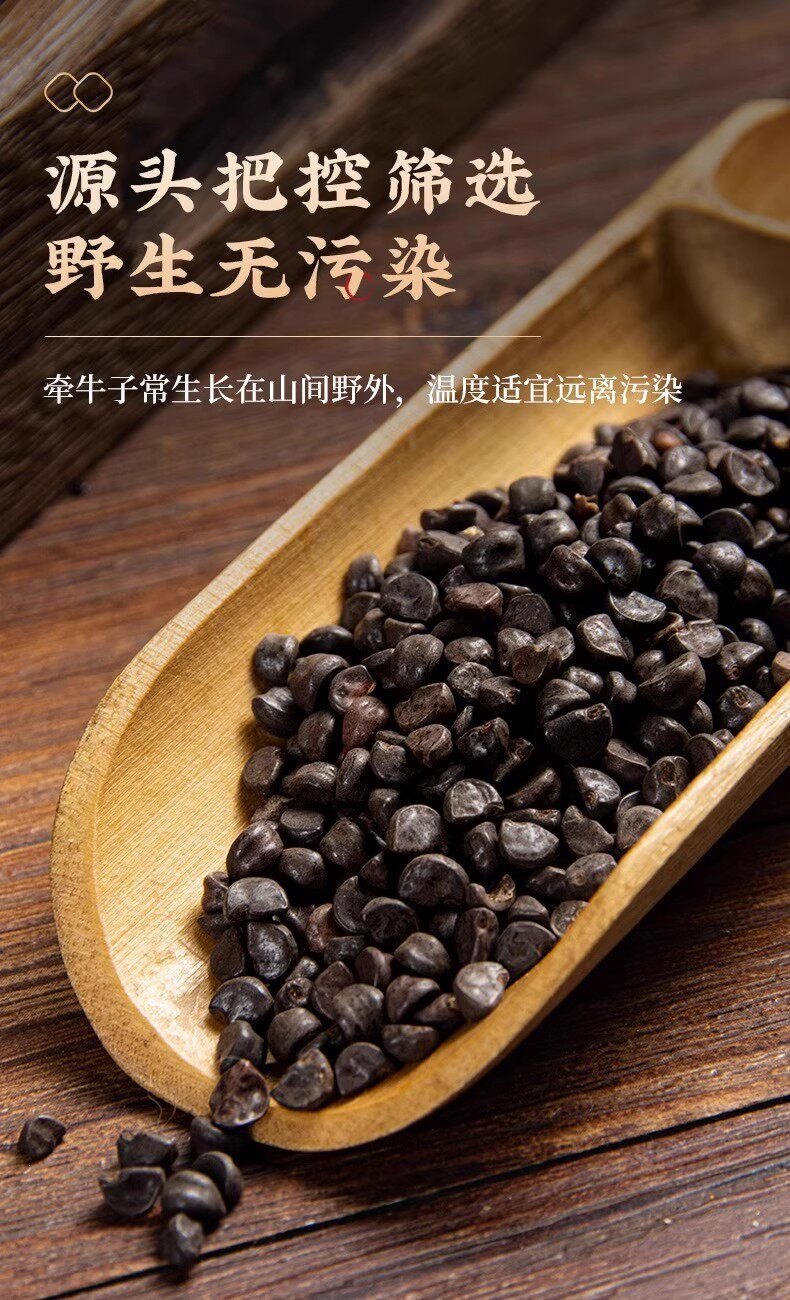
White Morning Glory Seed, known in TCM as Bai Chou (白丑), is the dried seed of Ipomoea nil. It is a traditional Chinese herbal decoction piece valued in TCM theory for its bitter, cold nature and its association with the Lung and Kidney channels. Traditionally used in herbal formulas and teas, it is prepared by drying and is commonly decocted or steeped with other herbs.
Key Selling Points
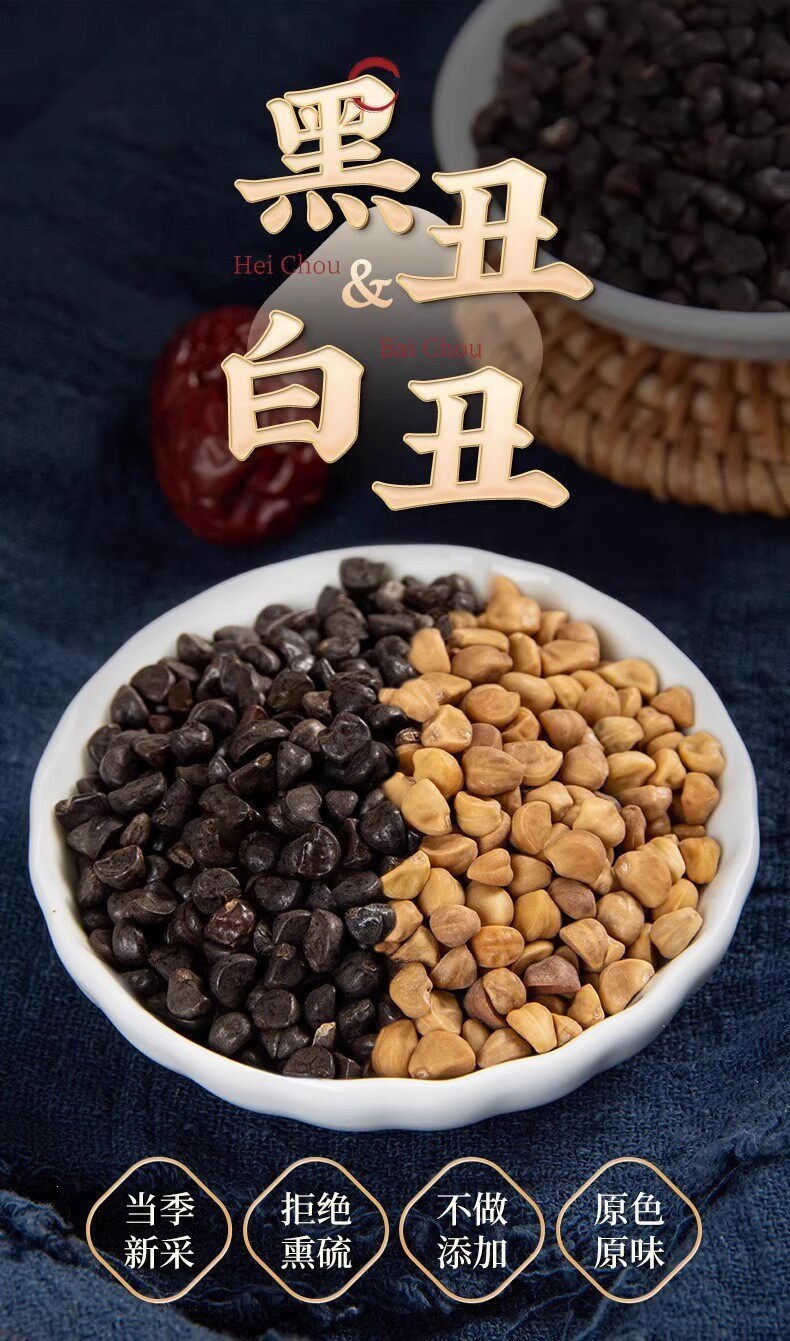
- Identified in TCM as Bai Chou (白丑), the white seed of Ipomoea nil
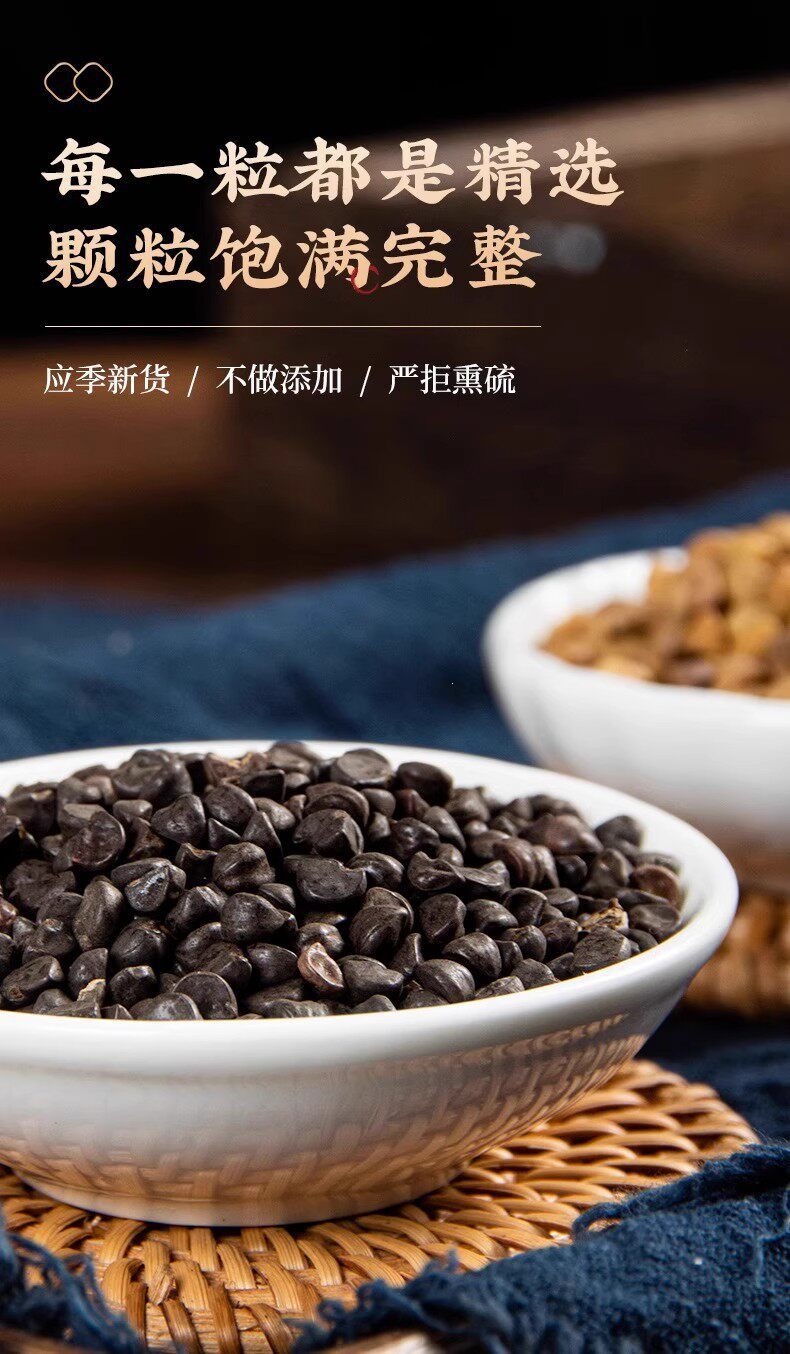
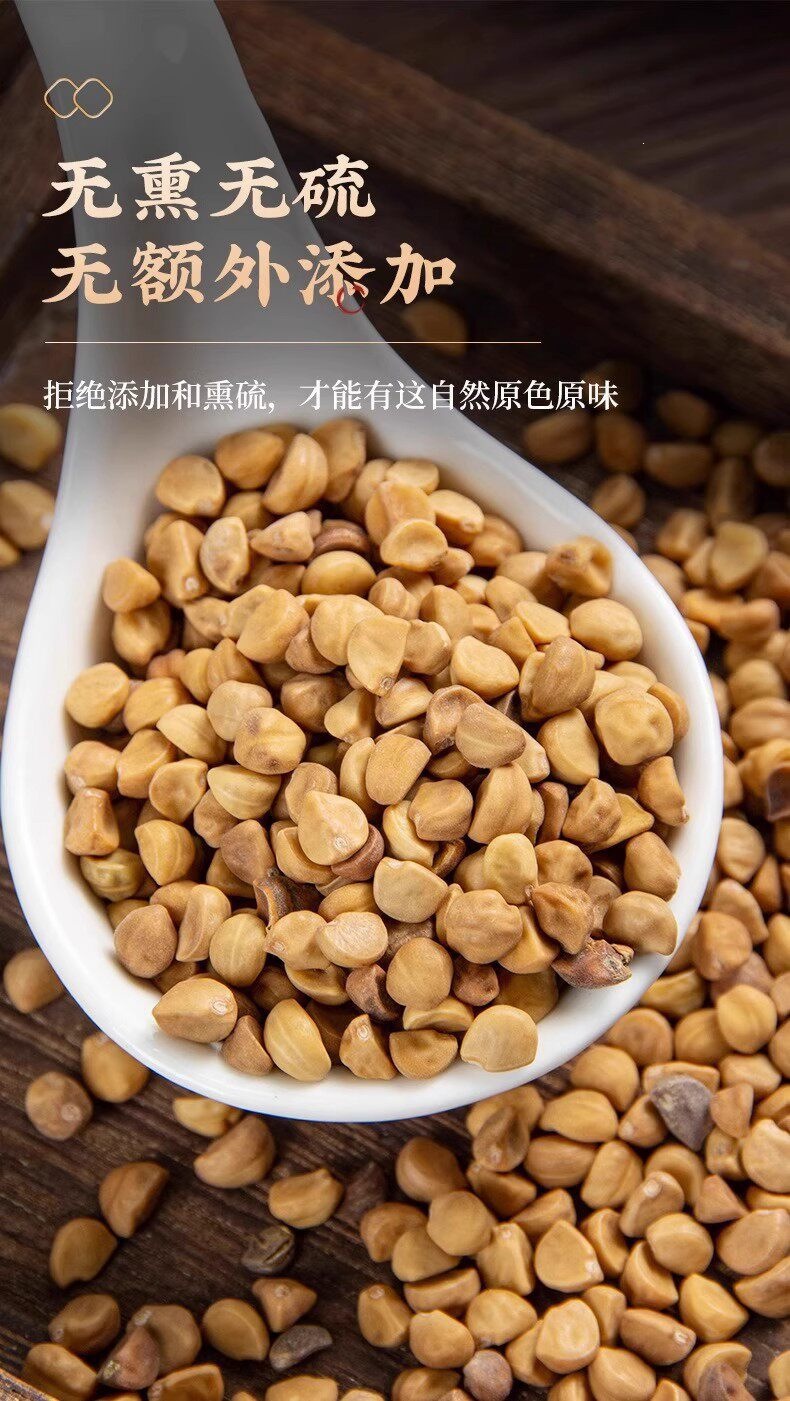
- Dried whole seeds, sun-dried and sulfur-free
- Traditional herbal ingredient used in decoctions and formulas
- Bitter, cold nature associated with Lung and Kidney channels in TCM theory
- Sold as a food agricultural product, not a medicine
Quality & Sensory
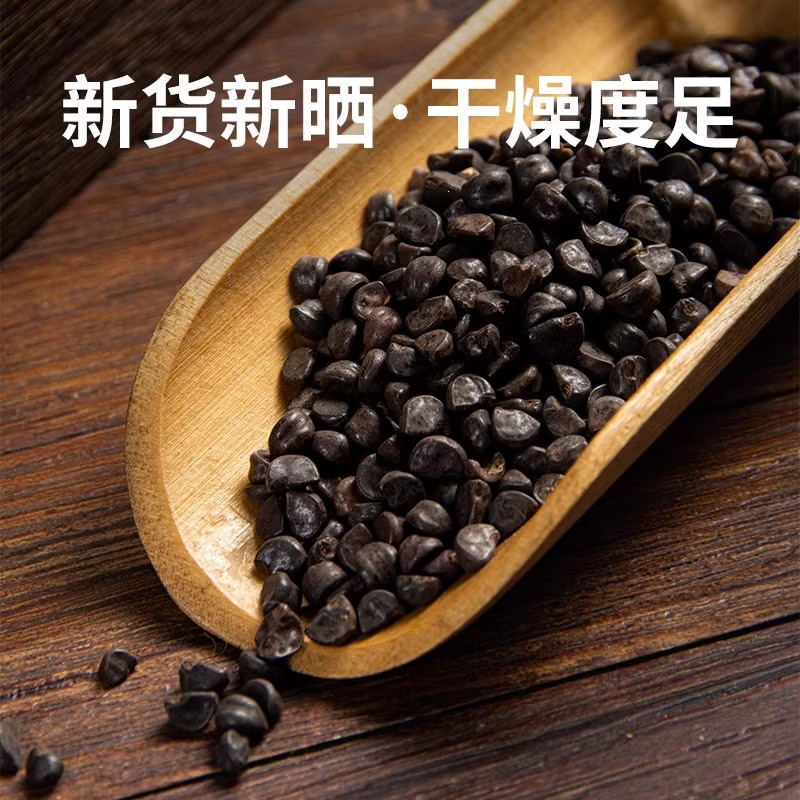
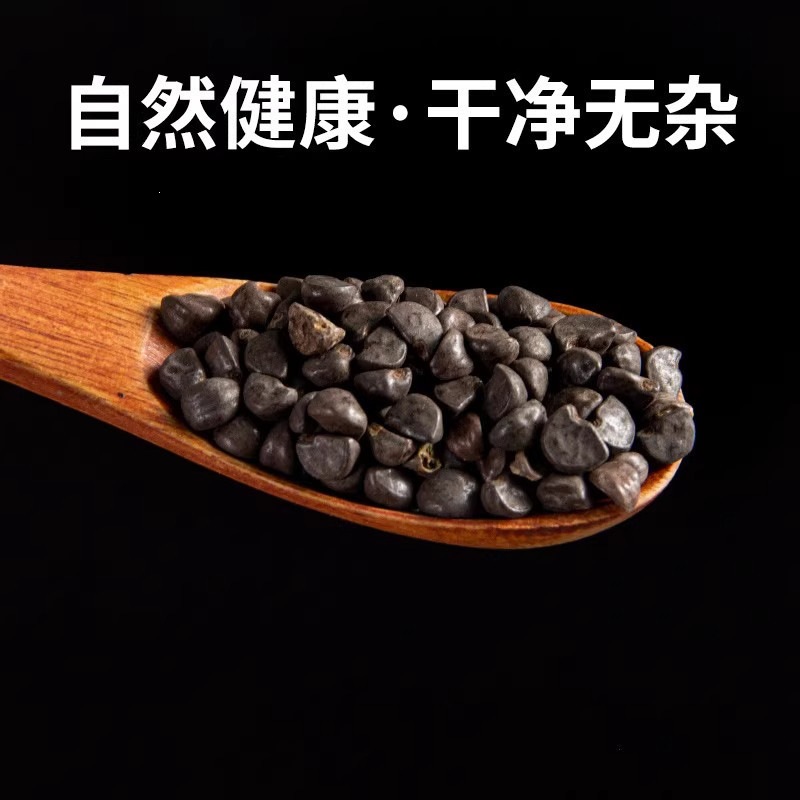
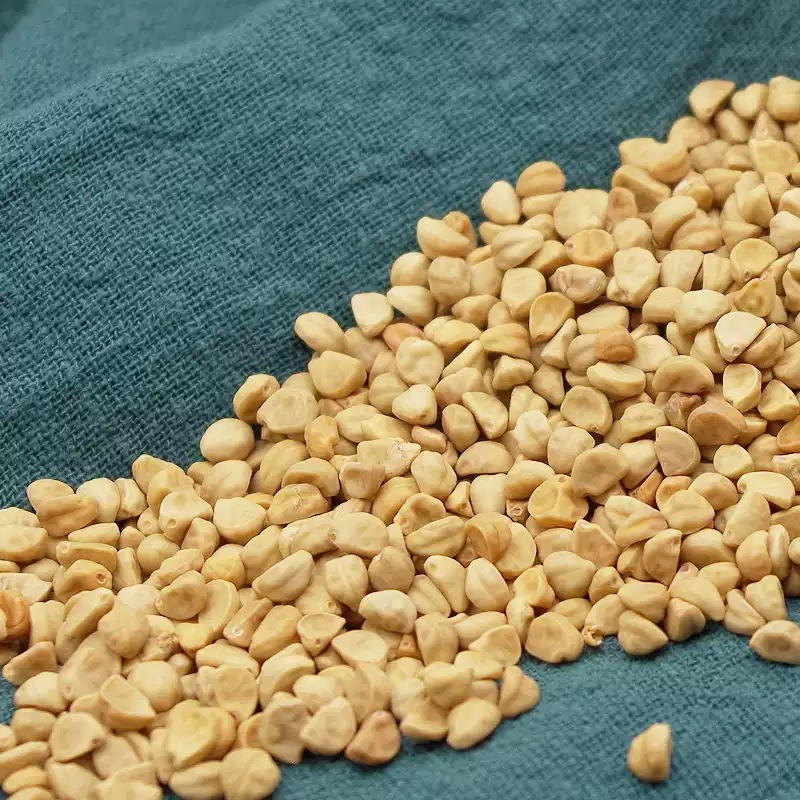
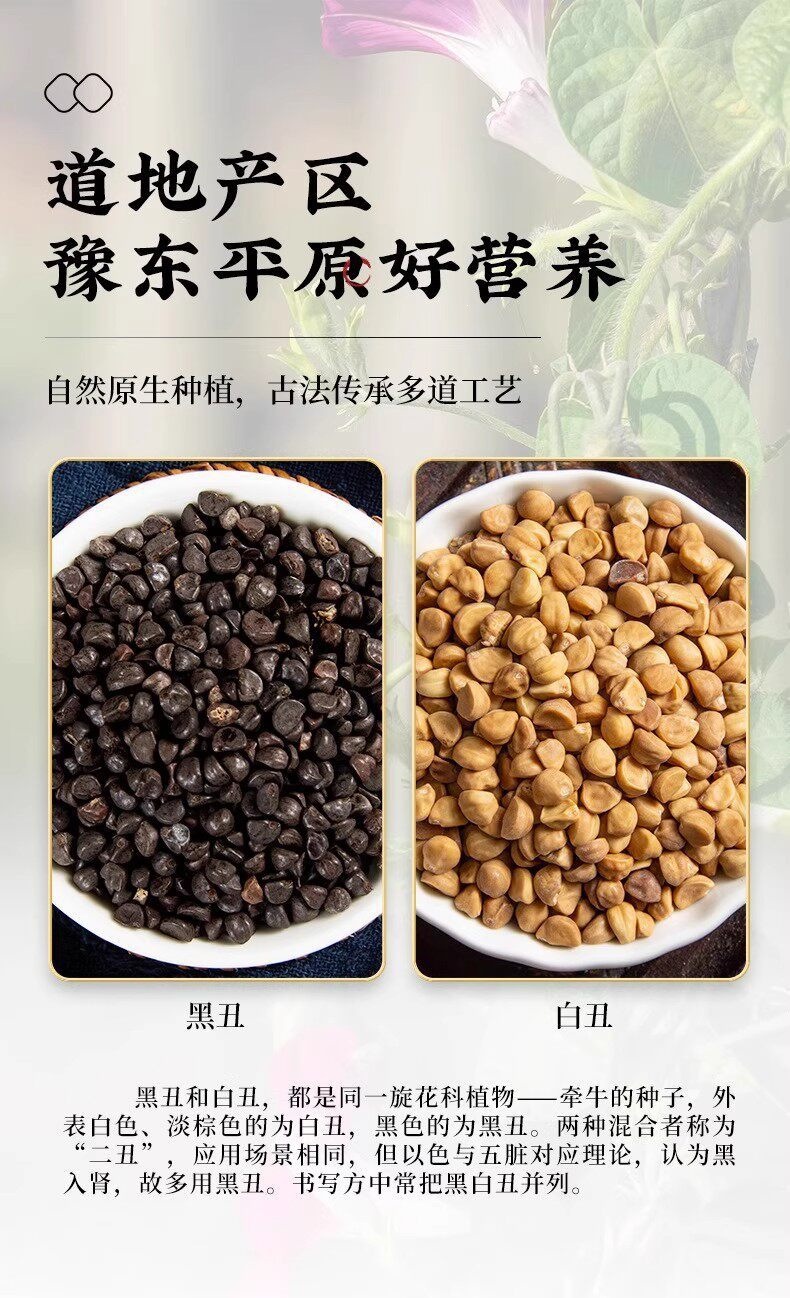
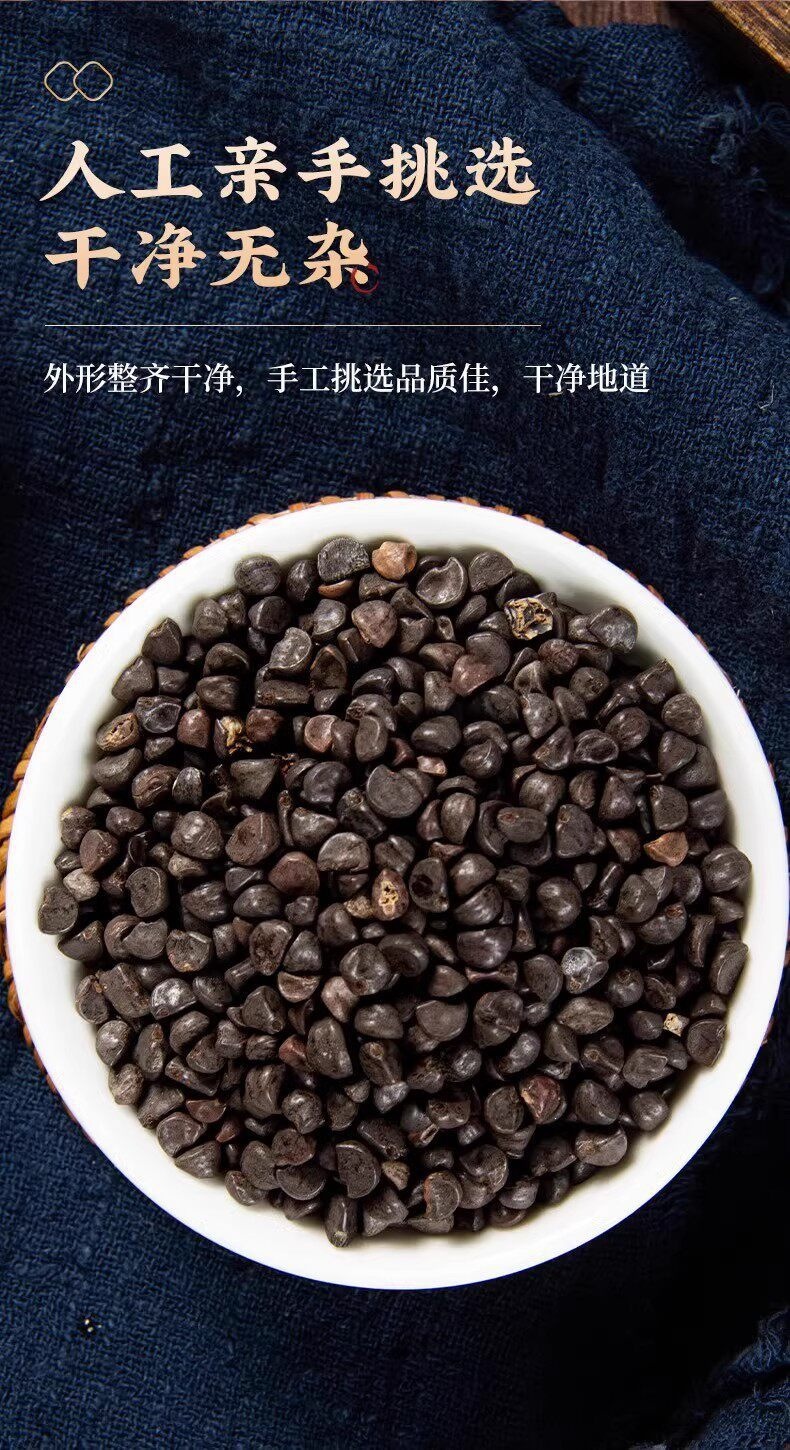
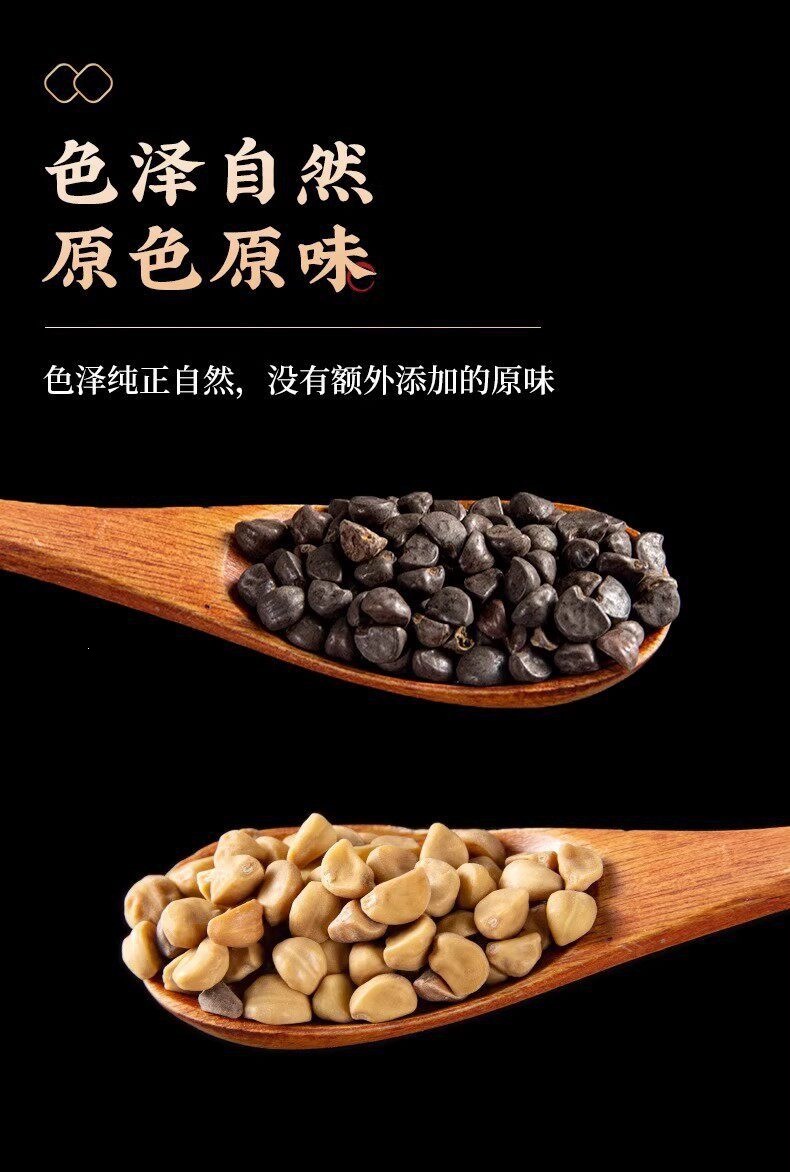
The seeds are typically pale white to light gray, small and angular with a hard, dry texture. They have a mild, earthy aroma and a bitter taste when decocted or steeped. As a natural agricultural product, color and size may vary slightly between batches.
Technical Specifications
| Product Type | Dried herbal seed |
|---|---|
| Chinese Name | 白丑 |
| Pinyin | Bai Chou |
| Botanical Name | Ipomoea nil |
| Plant Part | Seed |
| Processing | Sun-dried |
Usage Scenarios
- Combined with other herbs in a traditional decoction
- Steeped as part of a custom herbal tea blend
- Added to herbal soup or congee recipes in small amounts
- Used in seasonal folk herbal preparations
Traditional Uses
In TCM theory, Bai Chou is traditionally used in formulas to address patterns associated with excess and stagnation. It is commonly decocted with herbs such as black morning glory seed (Hei Chou) or other qi-moving and purgative herbs. Folk practice sometimes includes it in teas or soups for seasonal support, always in small, carefully considered amounts.
FAQ Q&A
Q: What is White Morning Glory Seed?
A: It is the dried white seed of Ipomoea nil, known in TCM as Bai Chou (白丑). It is a traditional herbal decoction piece.
Q: What is its traditional value in TCM?
A: In TCM theory, it is considered bitter and cold and is associated with the Lung and Kidney channels. It is traditionally used in formulas for patterns of excess and stagnation.
Q: How is it commonly prepared?
A: It is typically decocted with other herbs or steeped in a custom tea blend. It is also sometimes added in small amounts to soups or congee.
Additional information
| Weight | N/A |
|---|---|
| Dimensions | N/A |
| Model | 新货无杂 白丑100g 1罐, 新货无杂 白丑250g 1罐, 新货无杂 白丑250g 2罐, 粒粒饱满 黑丑250g 1罐, 粒粒饱满 黑丑250g 2罐, 新货无硫 黑丑 白丑 500g 1组, 新货无硫 黑丑 白丑 1000g 1组 |
Related products
-
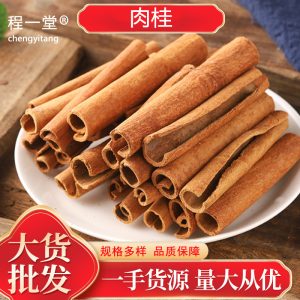
Dried Cinnamon Bark Rou Gui 500g Whole Peeling Culinary Spice and Traditional Herbal Ingredient
Price range: $5.58 through $8.33 -
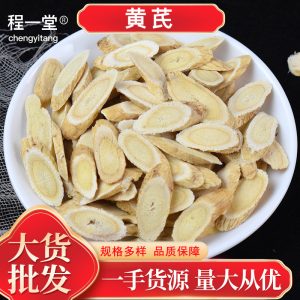
Astragalus Root Slices Huang Qi 斜片 Dried Herb for Decoction Soup and Tea 500g
Price range: $6.06 through $19.51 -
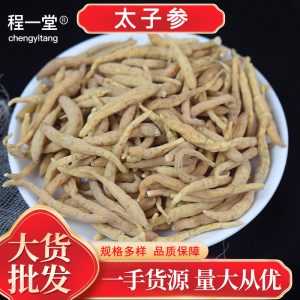
Taizishen Dried Pseudostellaria Root TCM Herbal Tea and Soup Ingredient 500g Bulk Pack
Price range: $10.28 through $15.63 -
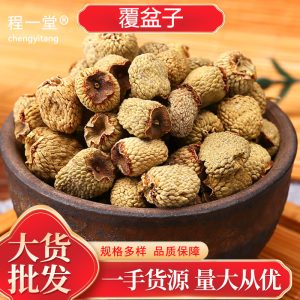
Dried Raspberry Fruit Fu Pen Zi Whole Berries for Herbal Tea and Wine Infusion 500g
Price range: $15.63 through $18.06
Reviews
There are no reviews yet.