
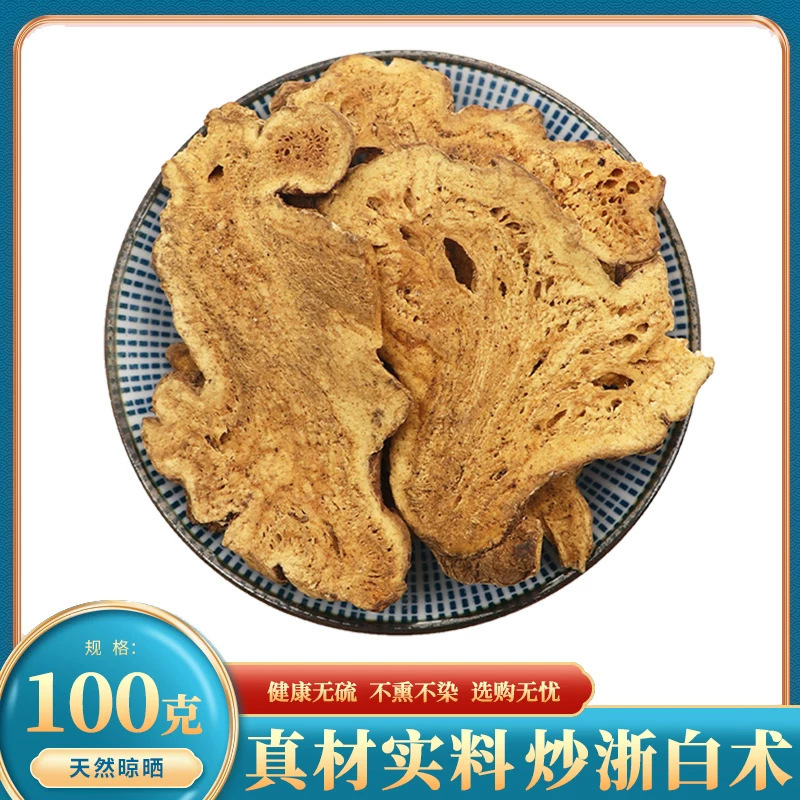
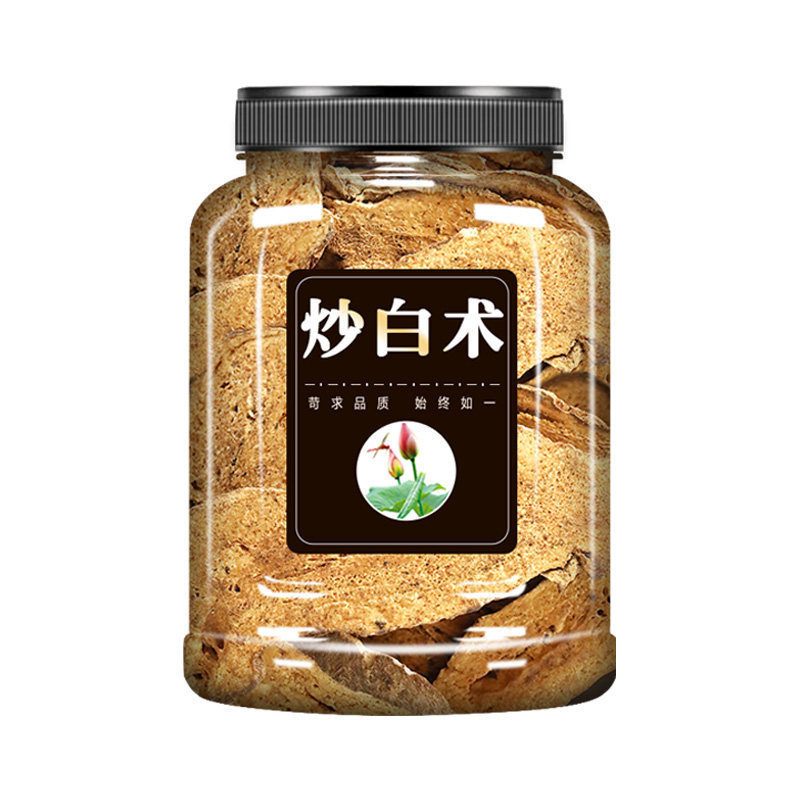
Wheat Bran Fried Bai Zhu Slices Dried Atractylodes Macrocephala Root for Herbal Tea and Soup 500g
Description
Wheat bran fried Bai Zhu (白术), botanically Atractylodes macrocephala, is the dried rhizome of a traditional Chinese herb, processed with wheat bran to soften its character. In TCM theory it is warm, bitter and sweet, entering the Spleen and Stomach channels. Traditionally used to support digestive wellness and gently dry dampness. Commonly simmered in decoctions, soups, or steeped as a daily herbal tea.
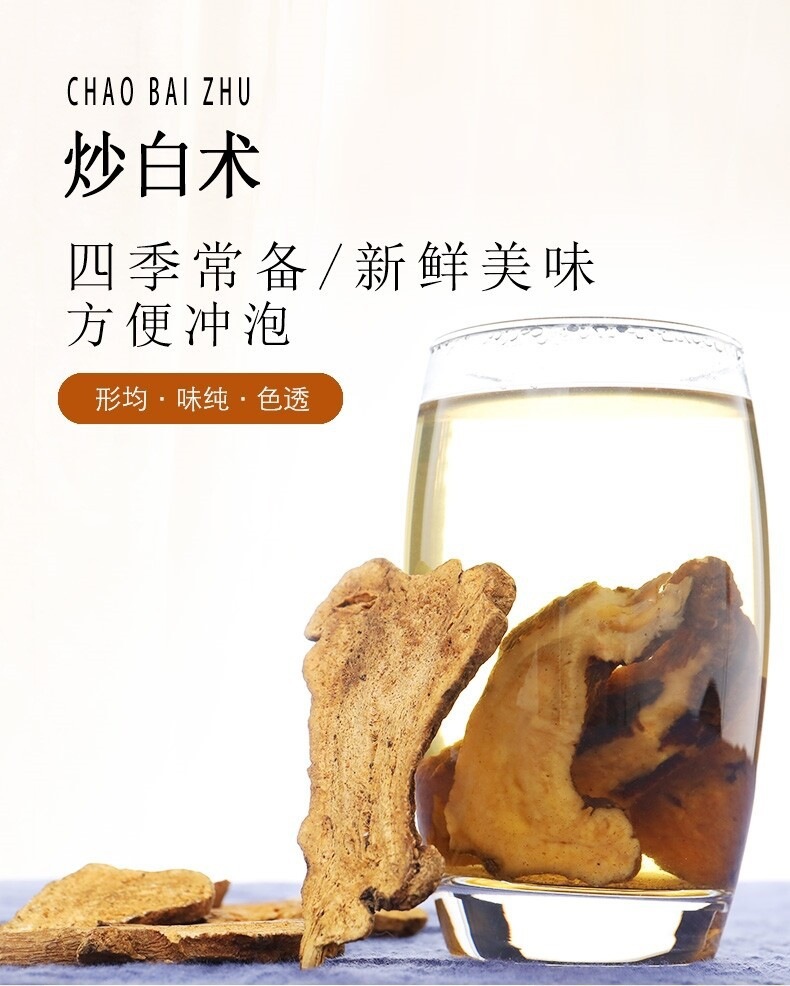

Key Selling Points
- Wheat bran fried Bai Zhu rhizome slices from Atractylodes macrocephala
- Traditional TCM herb associated with Spleen and Stomach support
- Wheat bran processing tempers the herb for gentler traditional use
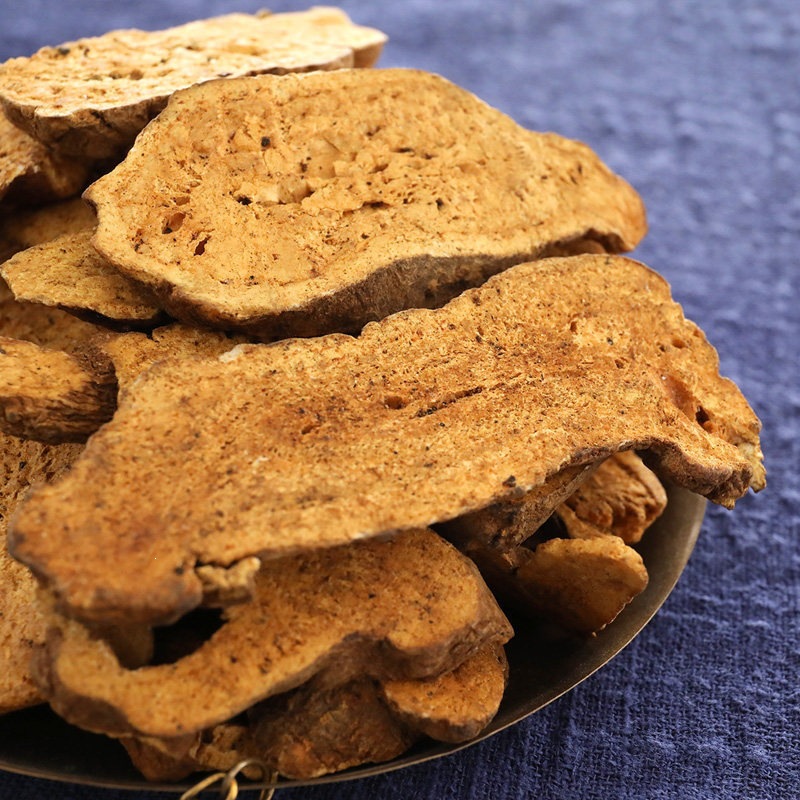
- Large dried slices suited for decoctions, soups, and congee
- Sourced from Sichuan and stored in cool dry conditions

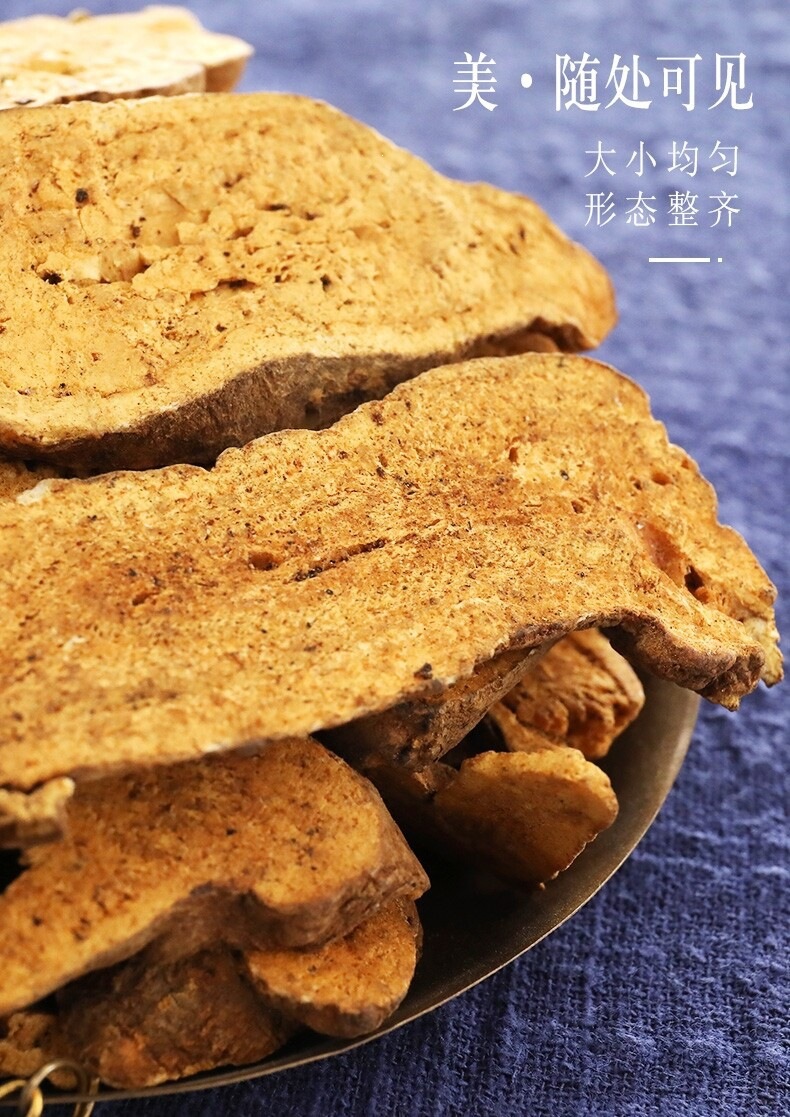
Quality & Sensory
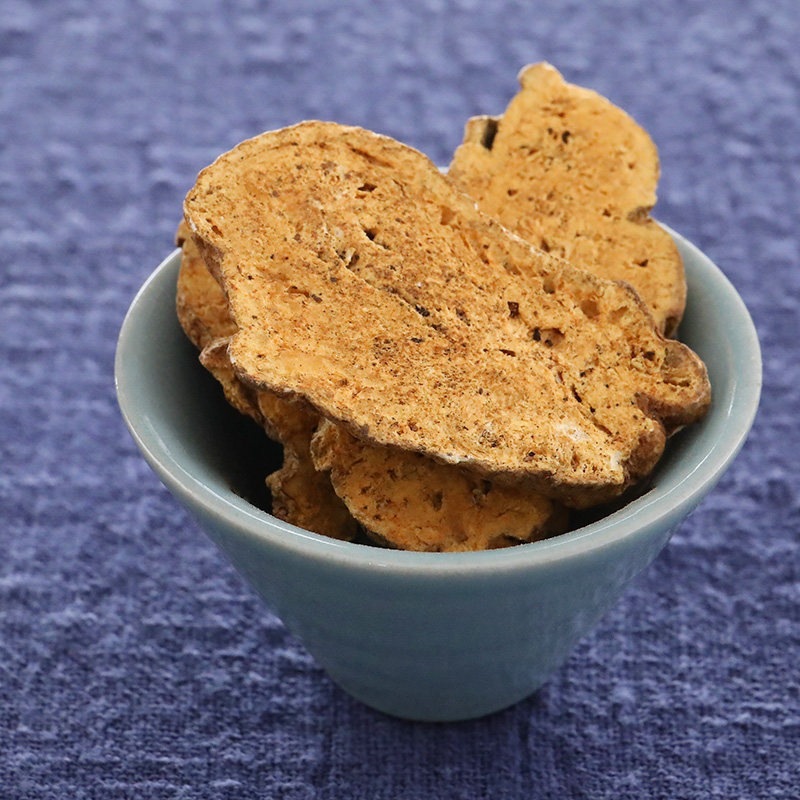
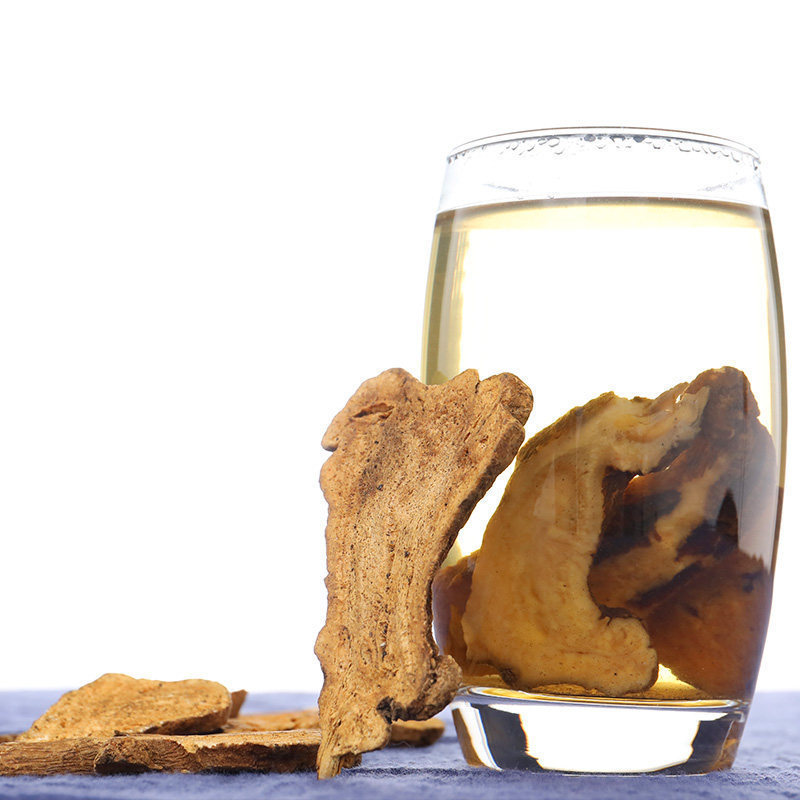
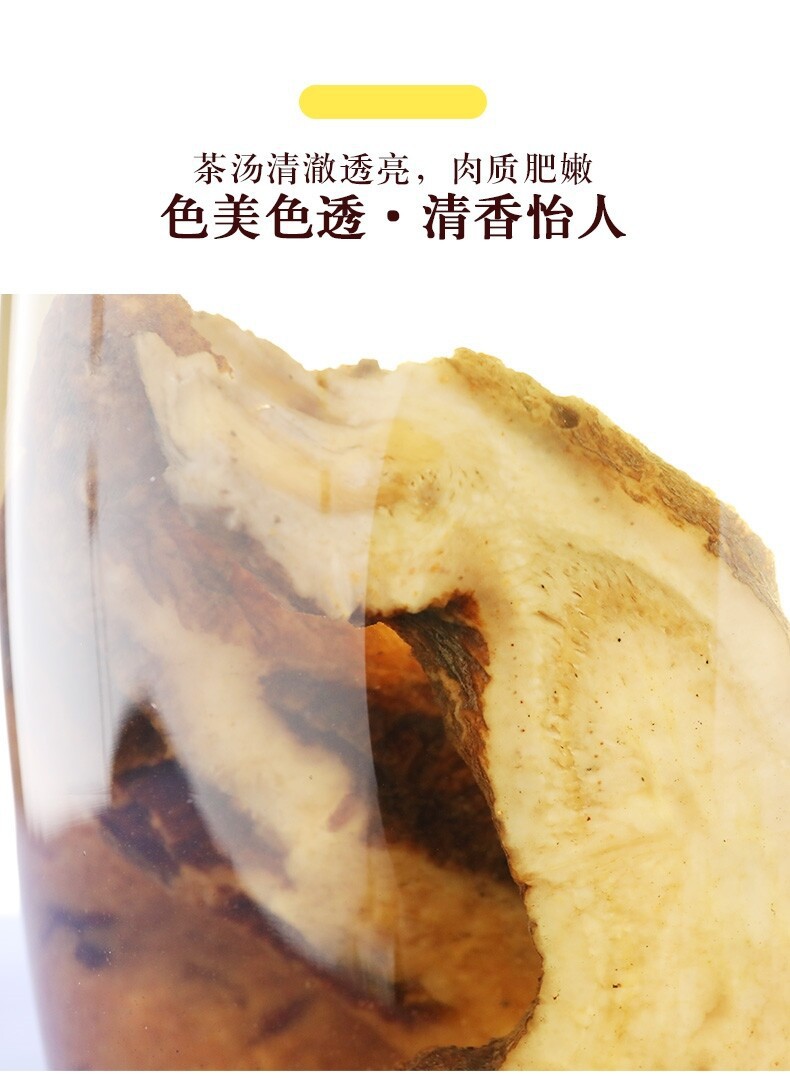
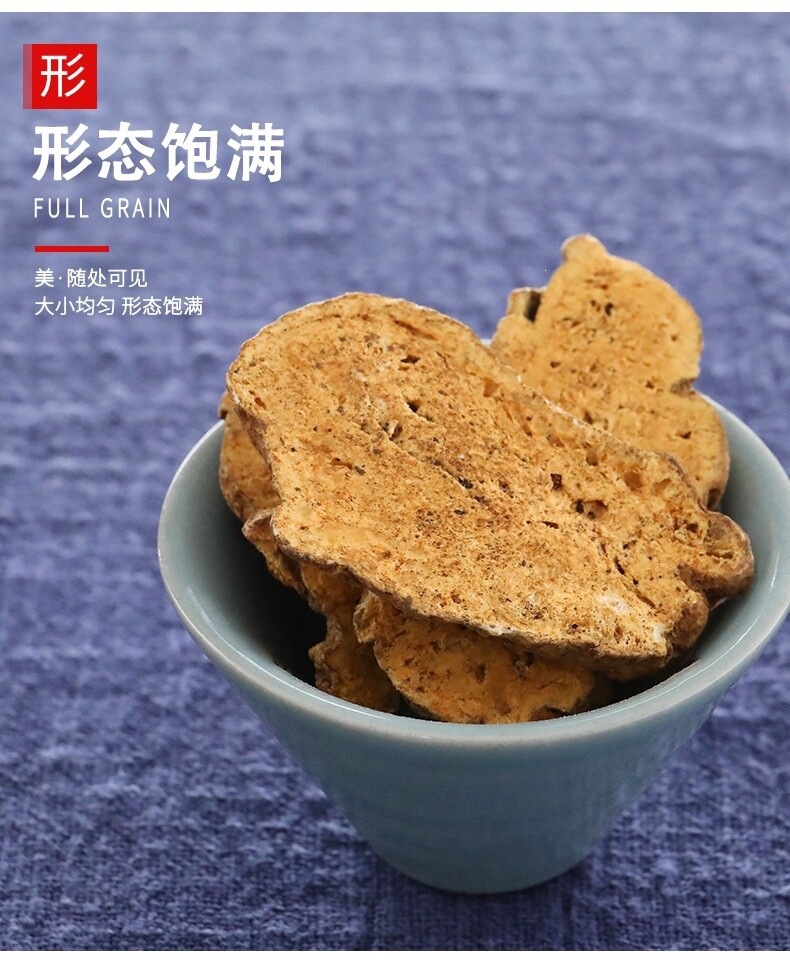
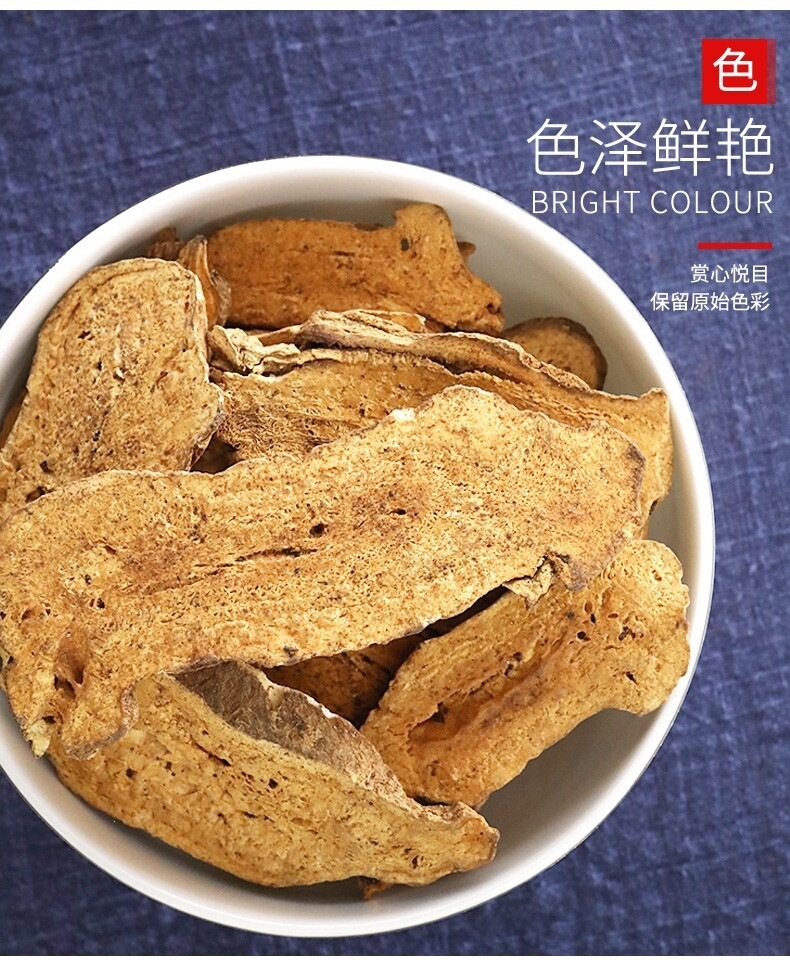
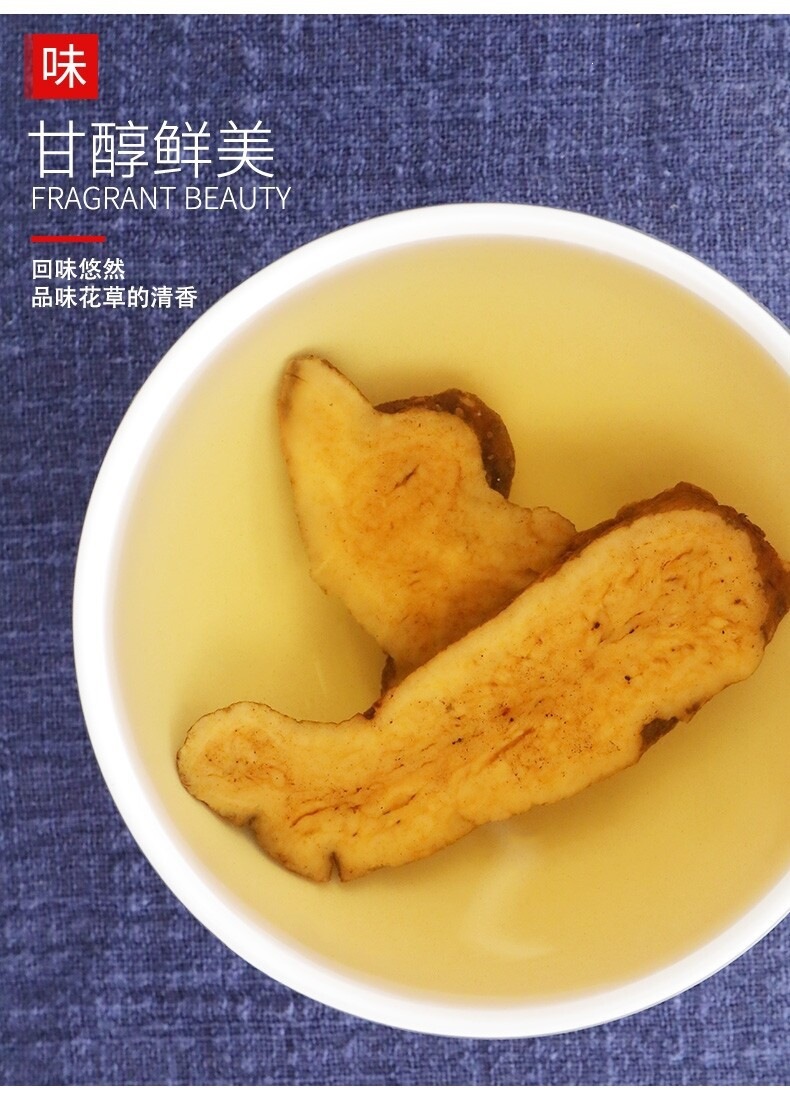
The slices are typically off-white to pale yellowish-brown with a firm, slightly fibrous texture and a mild earthy aroma. After simmering, the decoction is typically light amber with a gentle, faintly sweet and earthy taste. Wheat bran processing may add a subtle toasted note.
Technical Specifications
| Product Type | Dried herbal decoction pieces |
|---|---|
| Chinese Name | 炒白术 |
| Pinyin | Chao Bai Zhu |
| Botanical Name | Atractylodes macrocephala |
| Plant Part | Dried rhizome |
| Net Weight | 250g per can |
Usage Scenarios
- Simmered in traditional herbal decoctions
- Added to soups and congee
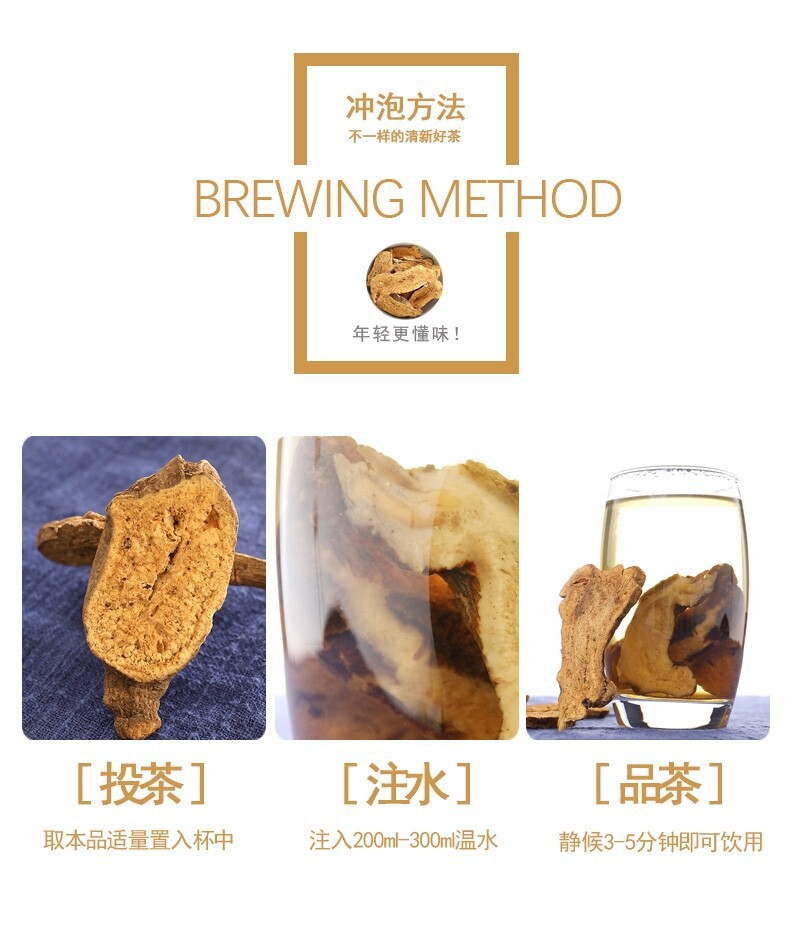
- Steeped as a daily herbal tea
- Combined with other TCM herbs in seasonal formulas
Traditional Uses
In TCM theory, Bai Zhu is traditionally used to support the Spleen and Stomach and to dry dampness. Wheat bran fried Bai Zhu is often chosen when a gentler, more warming action is desired. It is commonly simmered in decoctions, added to soups or congee, and paired with herbs such as Fu Ling, Huang Qi, or Dang Shen in traditional formulas.
FAQ Q&A
Q: What is wheat bran fried Bai Zhu?
A: It is the dried rhizome of Atractylodes macrocephala, processed by stir-frying with wheat bran. This traditional method tempers the herb's character for gentler use.
Q: What is it traditionally used for?
A: In TCM theory it is associated with supporting the Spleen and Stomach and drying dampness. It is traditionally used in decoctions and soups.
Q: How is it commonly prepared?
A: It is typically simmered in water as a decoction, added to soups or congee, or steeped as a herbal tea. It is often combined with other TCM herbs.
Additional information
| Model | 1袋 炒白术100g 1袋, 1罐 炒白术500g 1罐, 2罐 炒白术500g 2罐 |
|---|
Related products
-
Dried Dodder Seed Tu Si Zi Whole Herb 500g Bulk Chinese Herbal Ingredient
Price range: $7.04 through $7.52 -
Xinhui Chenpi Dried Tangerine Peel 500g Sun Dried Aged Peel for Soup and Tea
Price range: $60.19 through $116.90 -

Cabinda Bark Dried Herb 500g Traditional Herbal Infusion Ingredient
Price range: $12.38 through $37.50 -
Ningxia Goji Berries Gou Qi Zi 500g Dried Red Wolfberry for Tea Soup and Snacking
Price range: $7.20 through $16.44
Reviews
There are no reviews yet.