
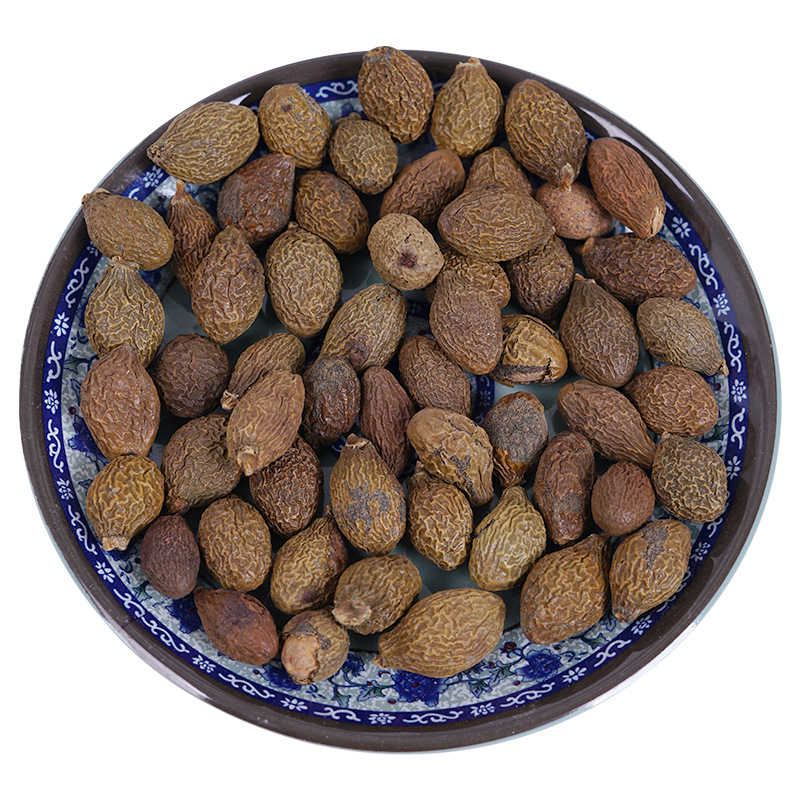
Premium Pang Da Hai 500g Loose Dried Herbal Tea for Steeping with Honeysuckle and Luo Han Guo
Price range: $5.76 through $23.42
Description
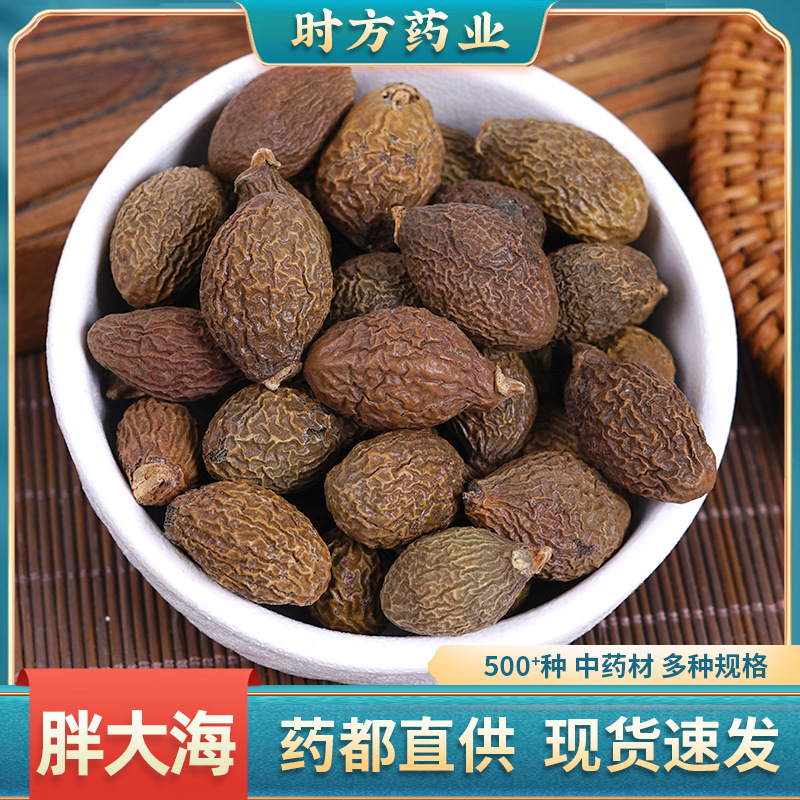
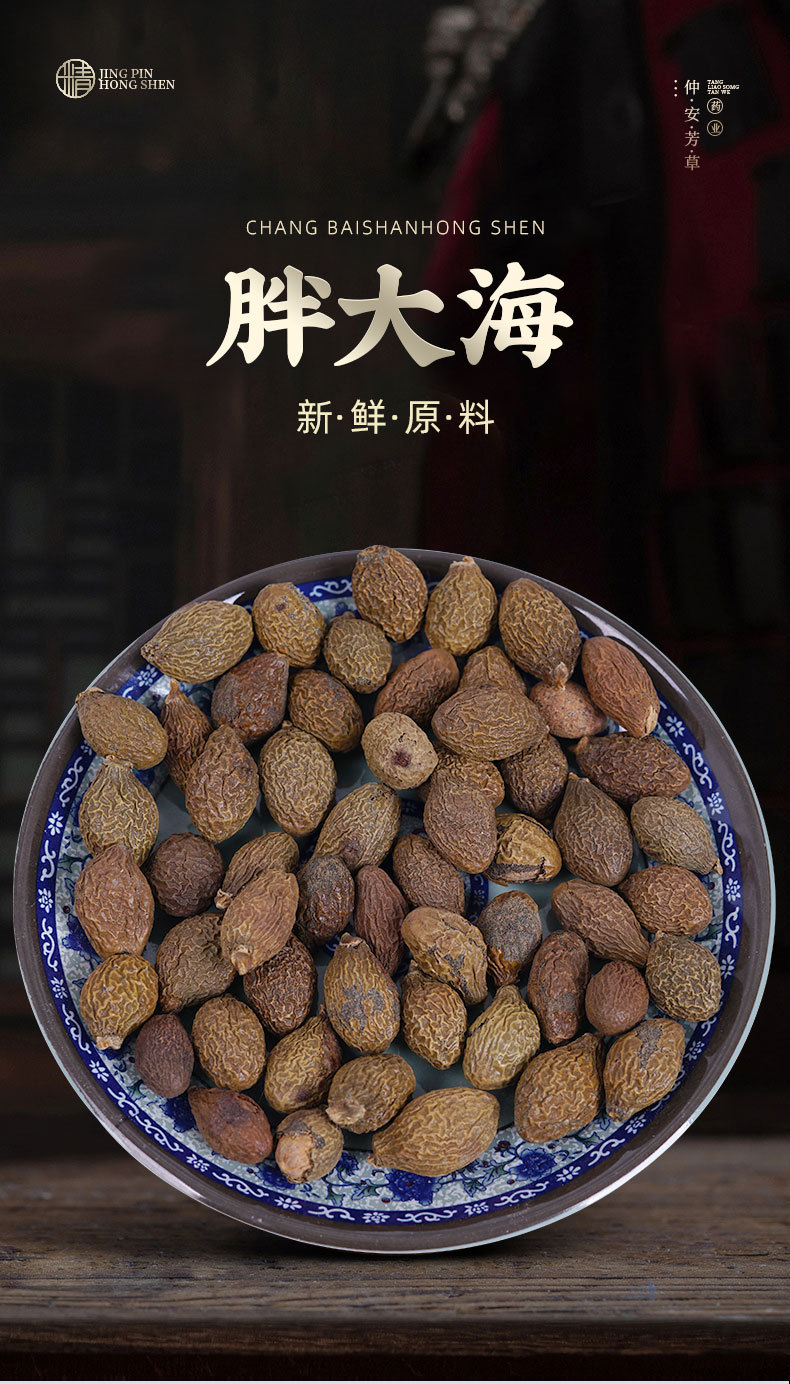
Premium Dried Boat Sterculia Seed, known in TCM as Pang Da Hai (胖大海), from Sterculia lychnophora. These top-grade whole seeds are a classic Chinese herbal tea ingredient, traditionally associated with soothing the throat and supporting comfortable breathing. In TCM theory, Pang Da Hai is sweet in flavor and cool in nature, entering the lung and large intestine channels. Traditionally steeped in hot water alone or paired with honeysuckle and luo han guo for a gentle daily herbal infusion.
Key Selling Points
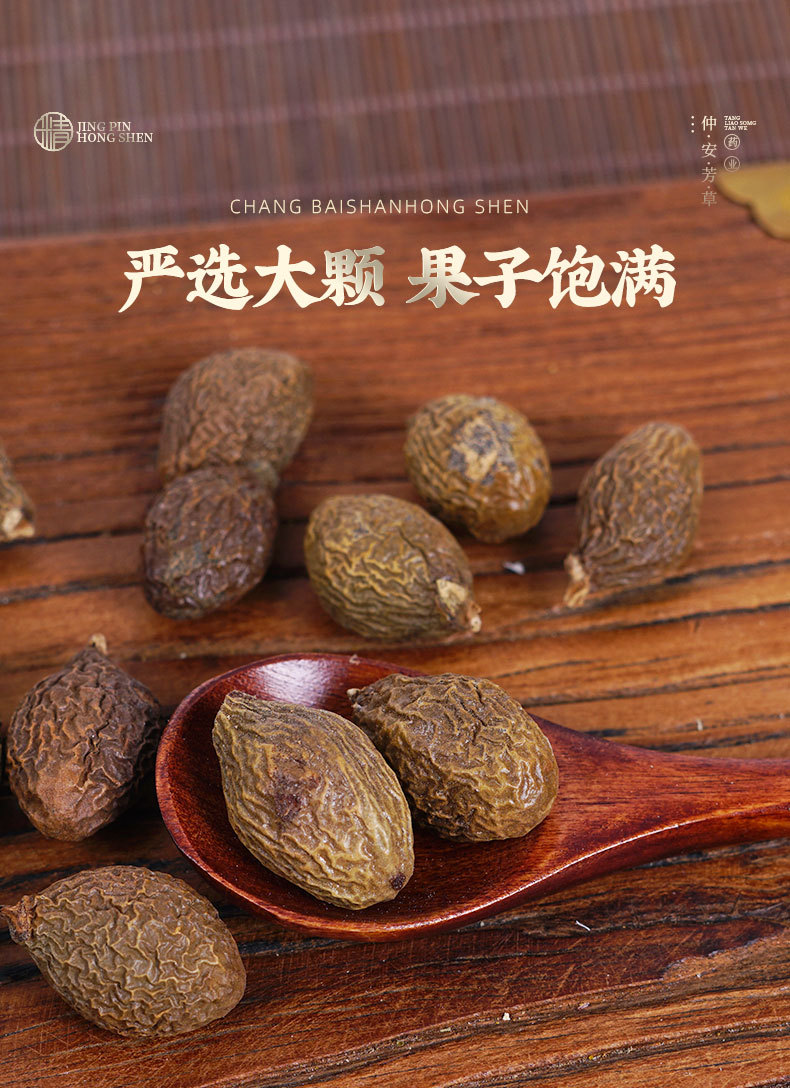
- Top-grade whole Pang Da Hai seeds carefully selected for size and integrity
- Botanical source Sterculia lychnophora, a traditional Chinese herbal tea seed
- Low-temperature slow baking helps preserve natural aroma and character
- Traditionally steeped with honeysuckle or luo han guo for a soothing infusion
- Generous 500g jar suitable for regular home herbal tea preparation
Quality & Sensory
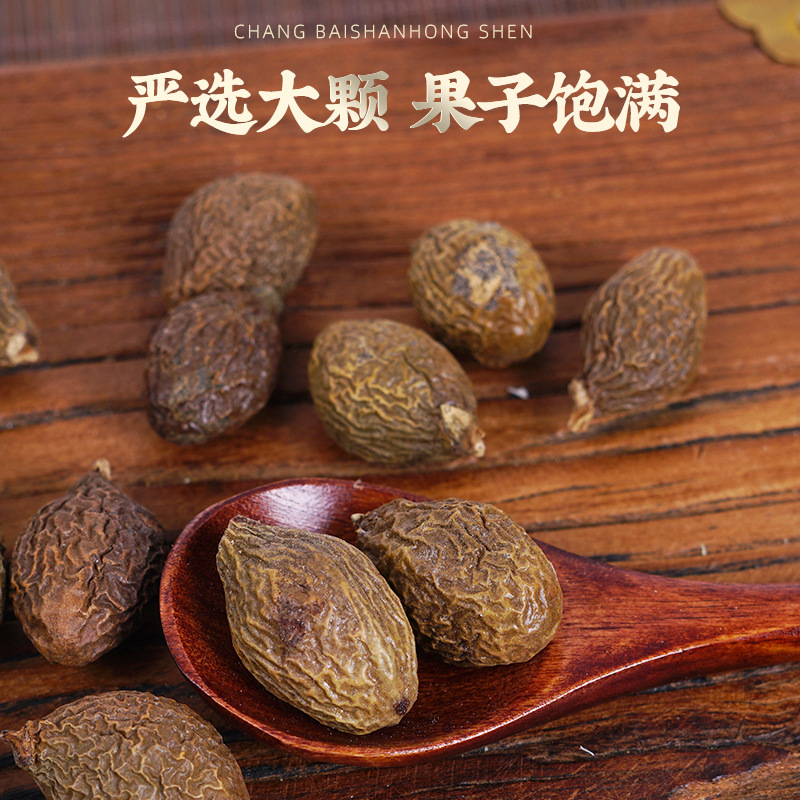
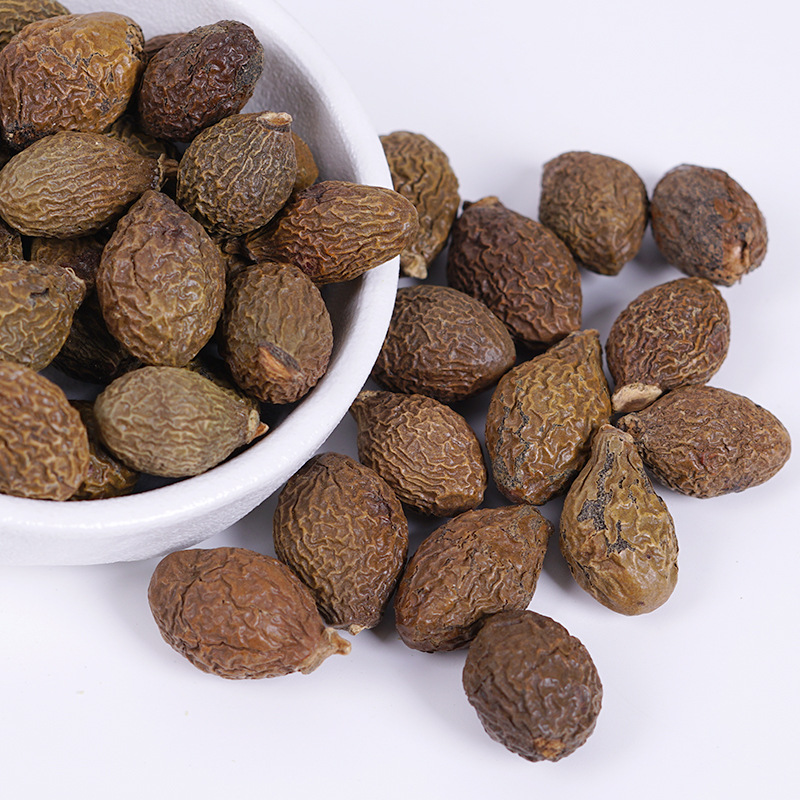
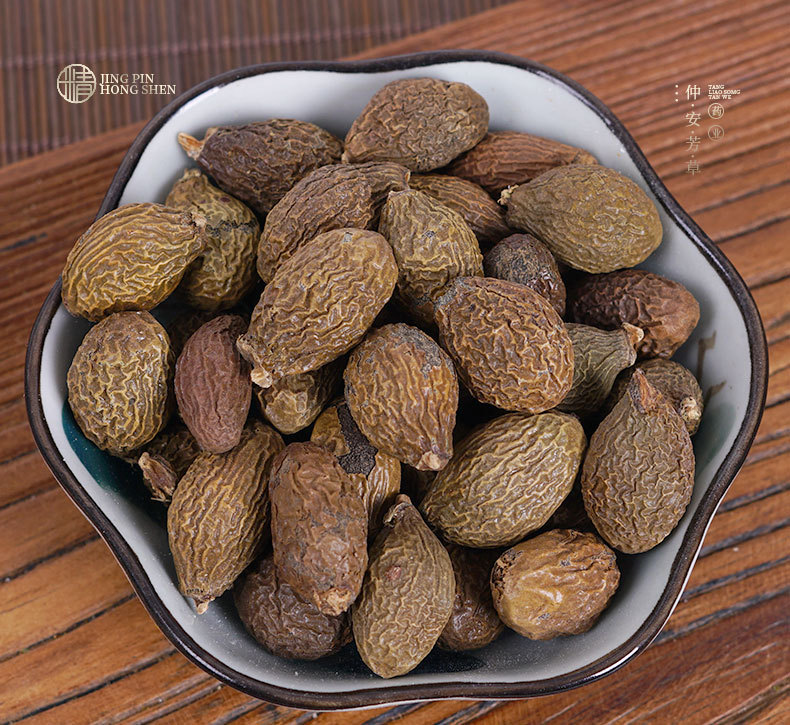
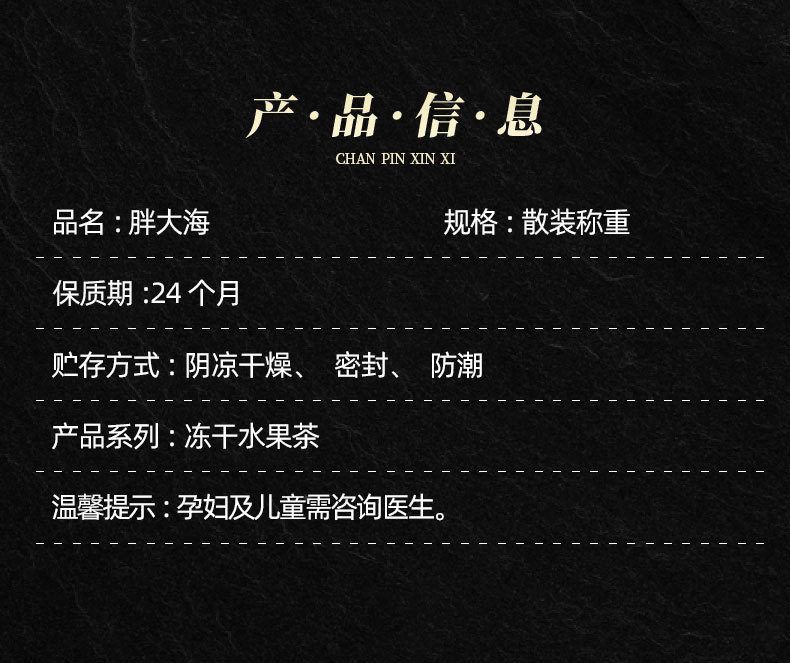
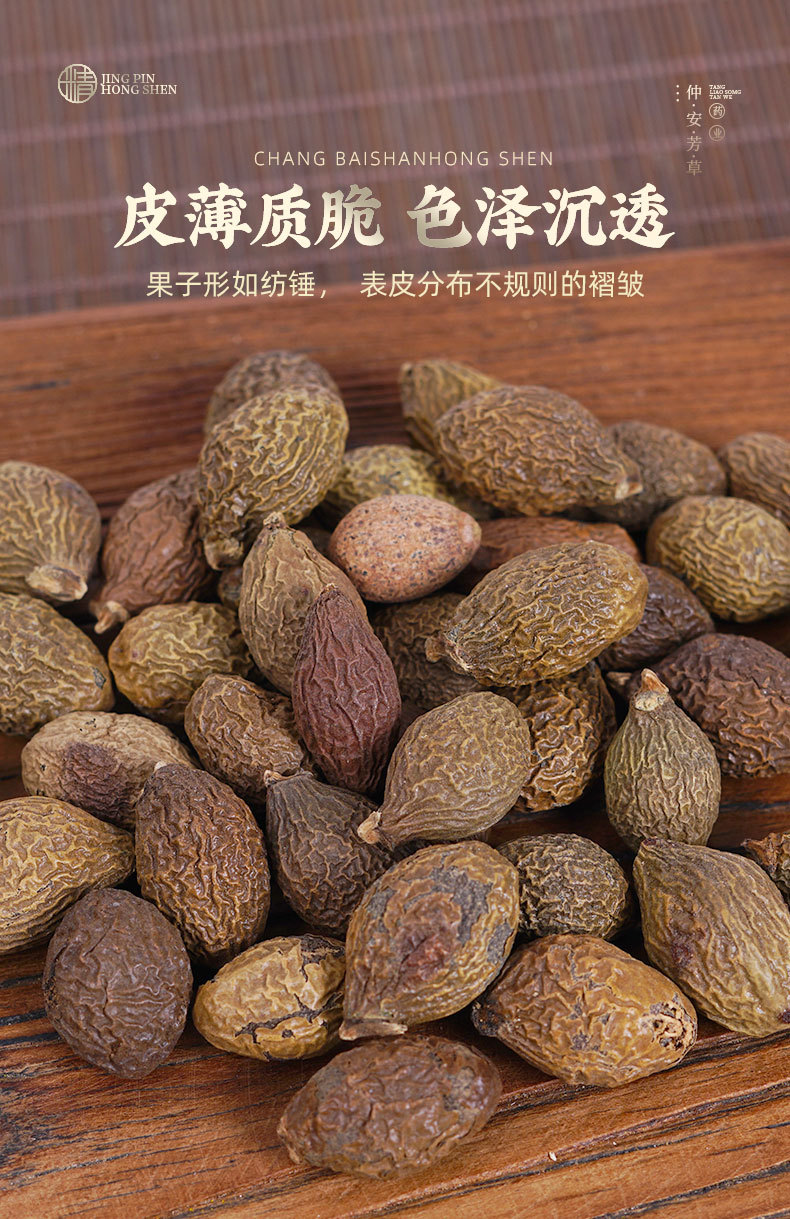
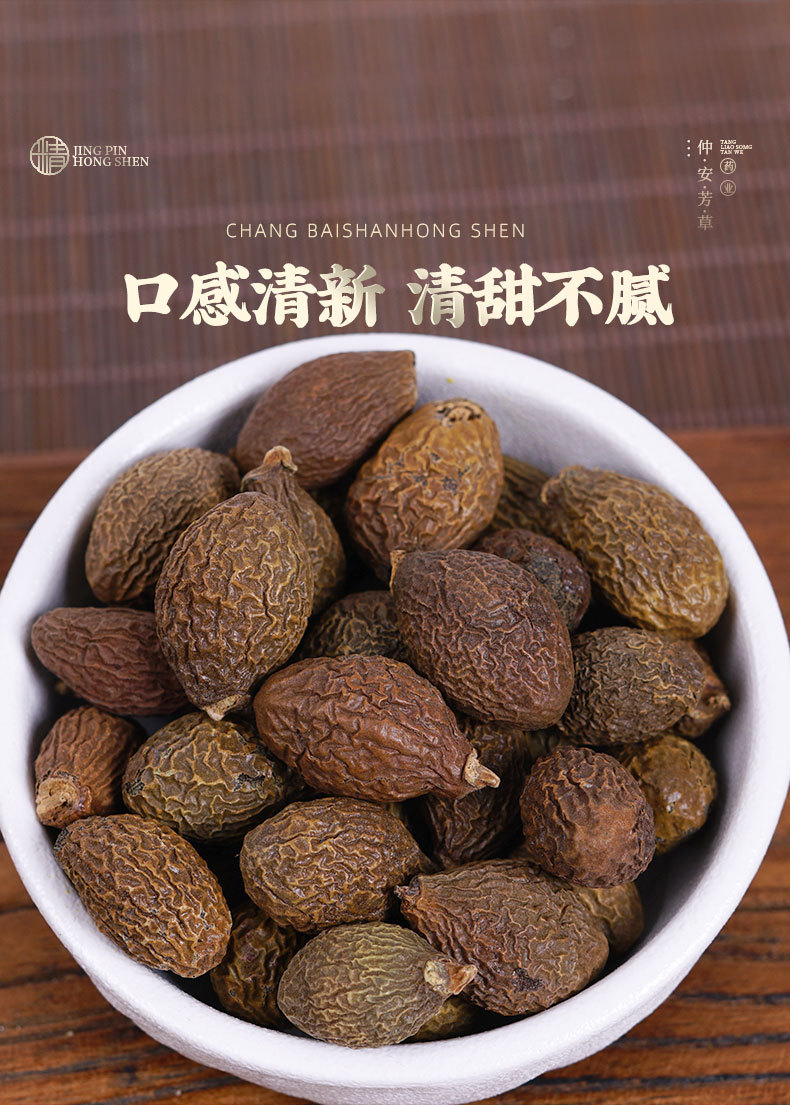
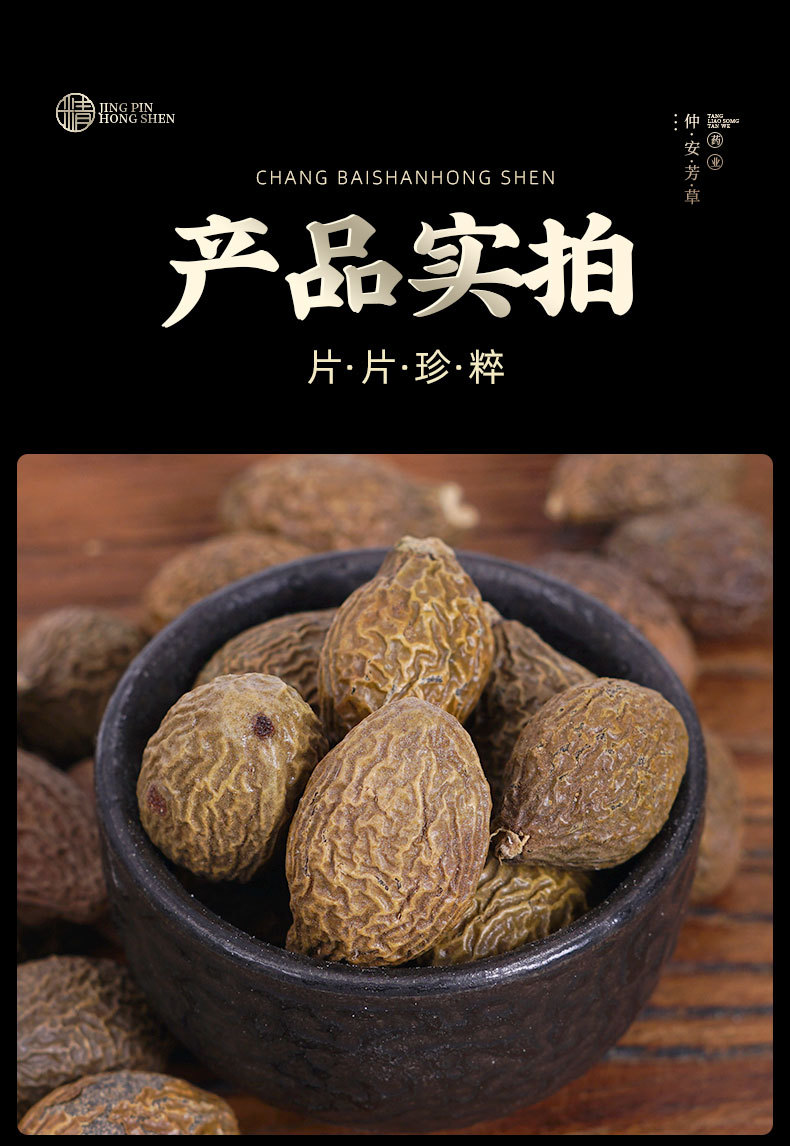
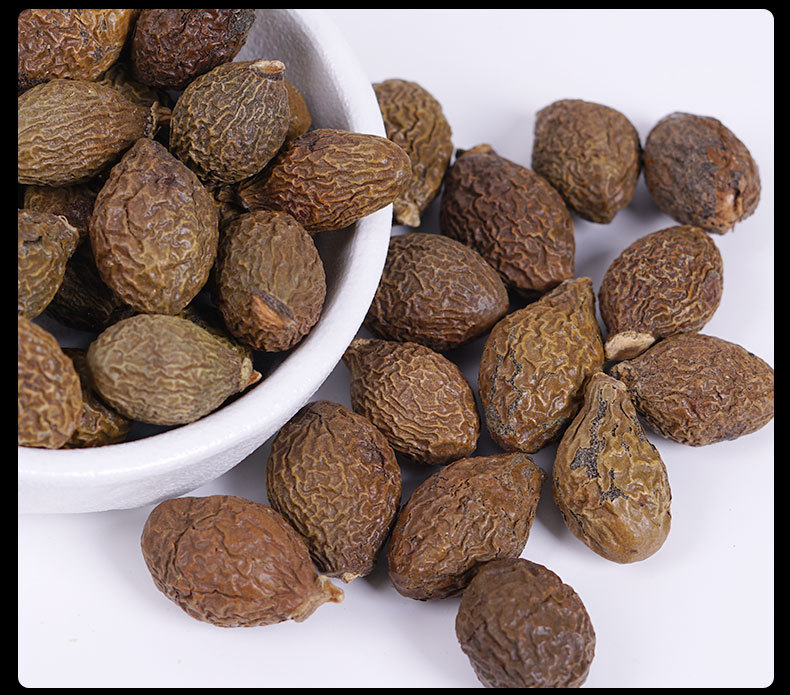
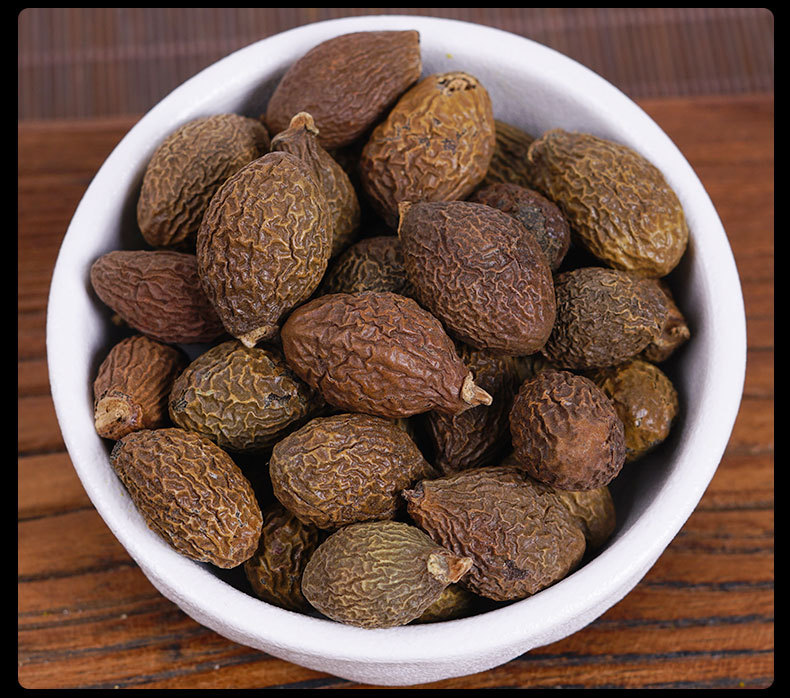
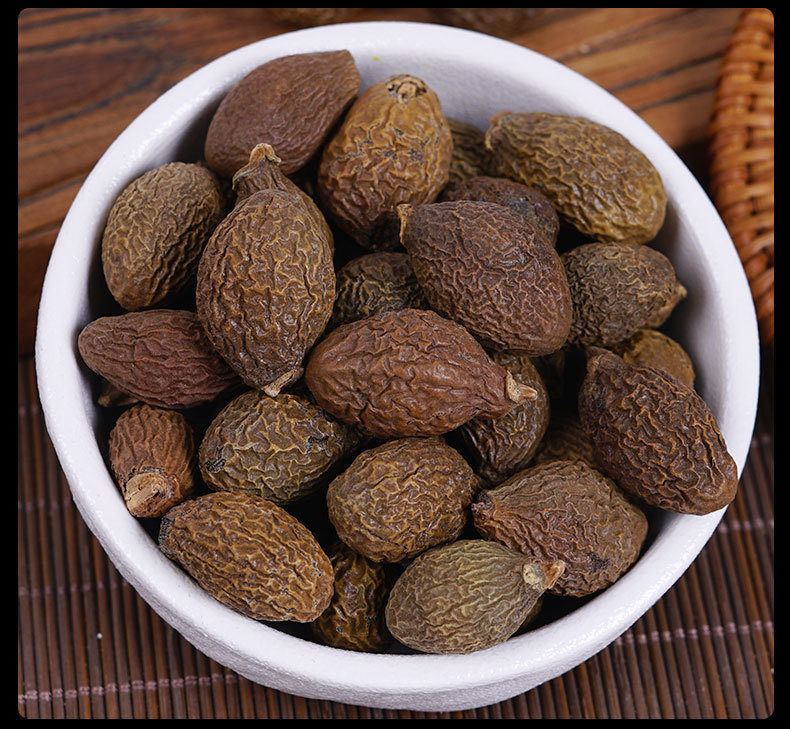
Typically oval, olive-brown seeds with a wrinkled, papery surface and a light, earthy aroma. When steeped in hot water, the seeds swell into a large gelatinous mass and release a mild, slightly sweet, mucilaginous taste.
Technical Specifications
| Product Type | Dried herbal tea seed |
|---|---|
| Chinese Name | 胖大海 |
| Pinyin | Pang Da Hai |
| Botanical Name | Sterculia lychnophora |
| Plant Part | Seed |
| Net Weight | 500g jar |
Usage Scenarios
- Steep 1-2 seeds in hot water as a traditional herbal infusion
- Combine with honeysuckle and luo han guo for a classic throat-soothing tea
- Add to seasonal herbal blends for family tea time
- Use in traditional herbal decoctions prepared at home
Traditional Uses
In TCM practice, Pang Da Hai is traditionally used to moisten the lung, ease the throat, and support comfortable bowel movement. It is commonly steeped alone in hot water or combined with jin yin hua (honeysuckle) and luo han guo (monk fruit) for a cooling daily infusion, especially during dry seasons or after extended speaking.
FAQ Q&A
Q: What is this product?
A: It is top-grade whole dried Pang Da Hai (Sterculia lychnophora) seeds, a traditional Chinese herbal tea ingredient supplied in a 500g jar.
Q: What is it traditionally valued for?
A: In TCM theory it is sweet and cool, traditionally associated with moistening the lung and easing the throat, and is often steeped with honeysuckle or luo han guo.
Q: How is it commonly prepared?
A: Typically 1-2 seeds are steeped in hot water; the seeds swell considerably and release a mild, mucilaginous infusion.
Additional information
| Weight | N/A |
|---|---|
| Dimensions | N/A |
| Packaging specifications | can pangdahai 75g, can pangdahai 10g, can fat sea 250g, can pangdahai 500g |
Related products
-
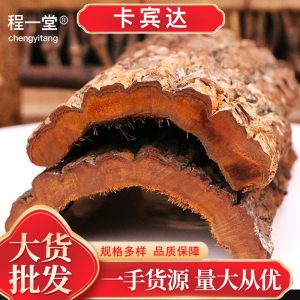
Cabinda Bark Dried Herb 500g Traditional Herbal Infusion Ingredient
Price range: $12.38 through $37.50 -
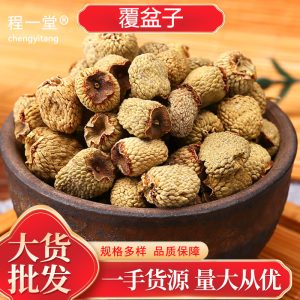
Dried Raspberry Fruit Fu Pen Zi Whole Berries for Herbal Tea and Wine Infusion 500g
Price range: $15.63 through $18.06 -
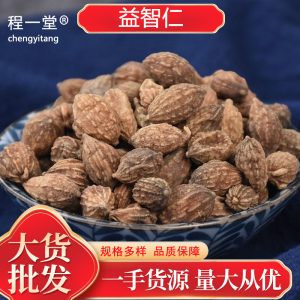
Yi Zhi Ren Dried Alpinia Oxyphylla Fruit 500g Traditional Herbal Tea and Decoction Ingredient
Price range: $11.74 through $13.36 -
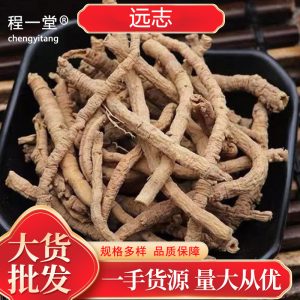
Dried Polygala Root Yuan Zhi 500g Traditional Chinese Herb for Decoction
Price range: $18.87 through $24.54
Reviews
There are no reviews yet.