
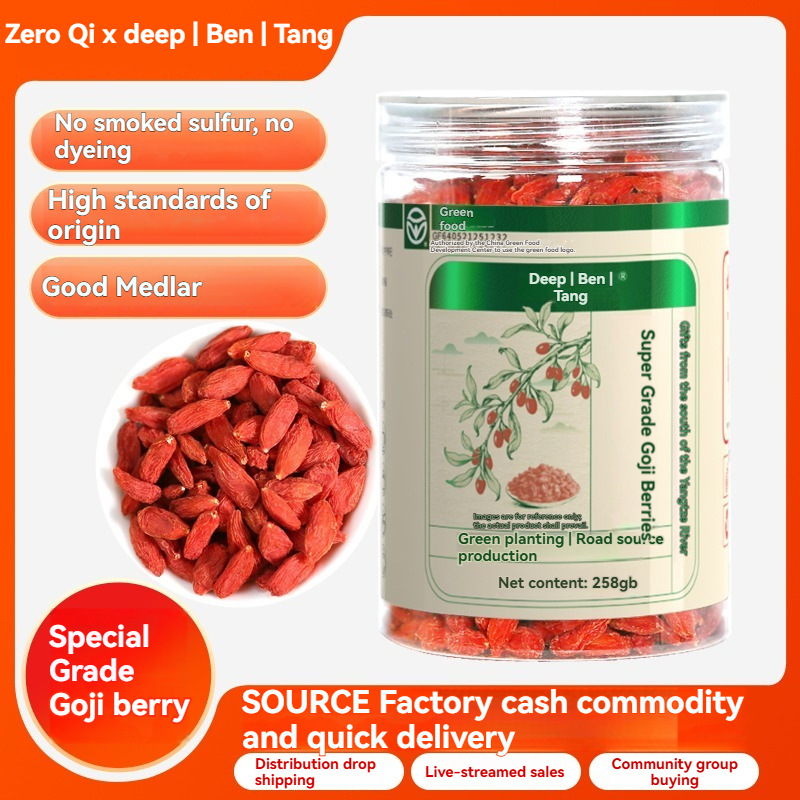


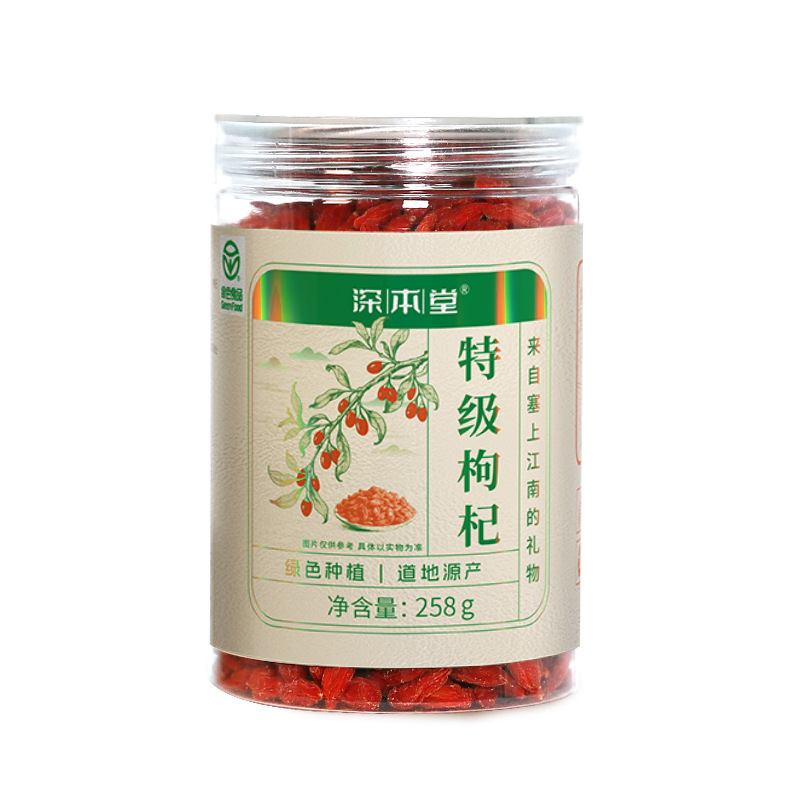
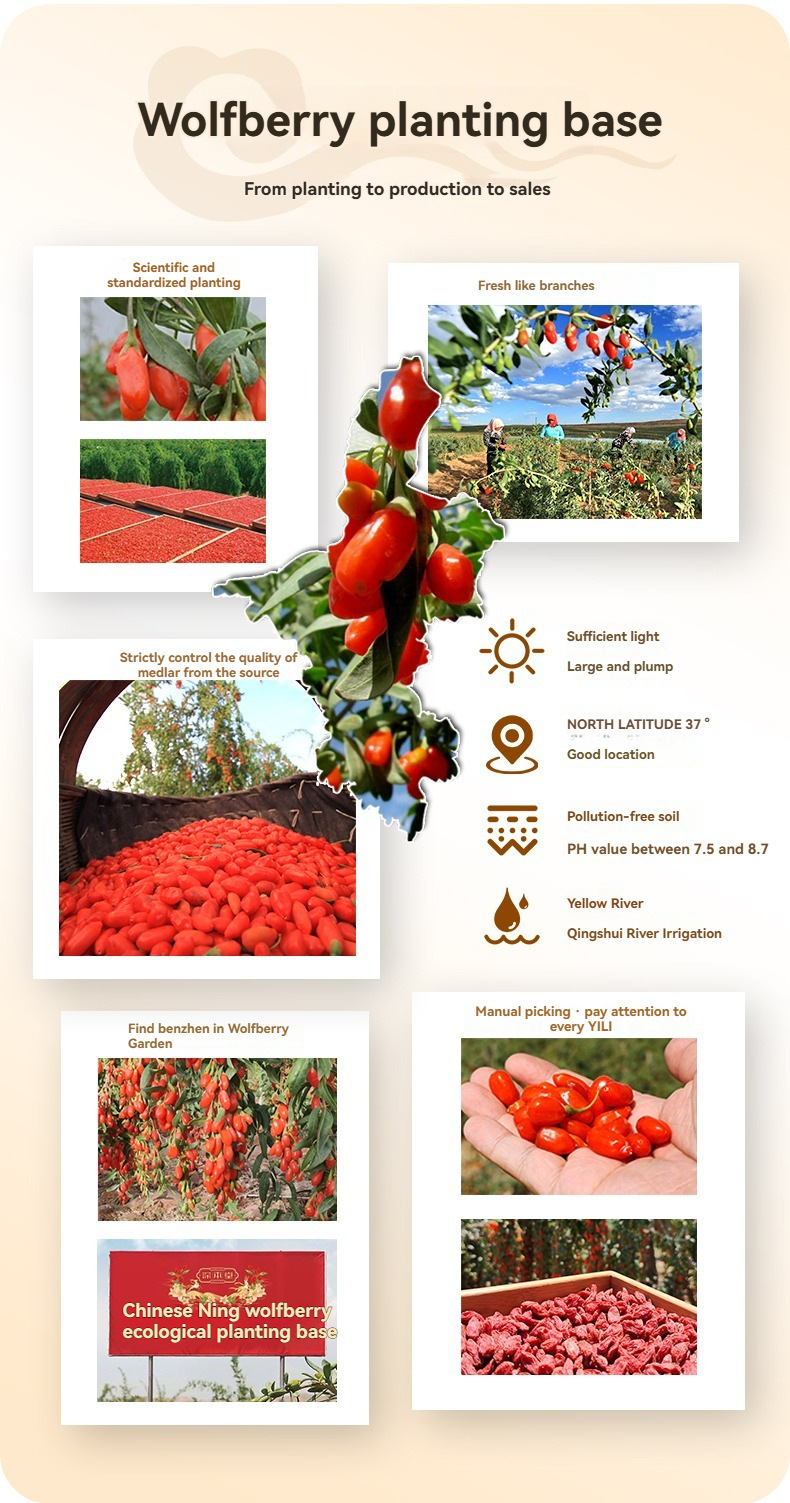
Ningxia Red Goji Berry Dried Wolfberry Gou Qi Zi Premium Grade 258g Jar
$12.78
1000 in stock
Description
Ningxia Red Goji Berry, known in TCM as Gou Qi Zi (枸杞子), from Lycium barbarum. These dried ripe fruits are a classic Chinese herbal ingredient traditionally used to nourish the liver and kidneys. In TCM theory, goji berries are sweet in flavor and neutral in nature, entering the liver and kidney channels. Enjoy them as a daily snack, in teas, soups, or congee.

Key Selling Points
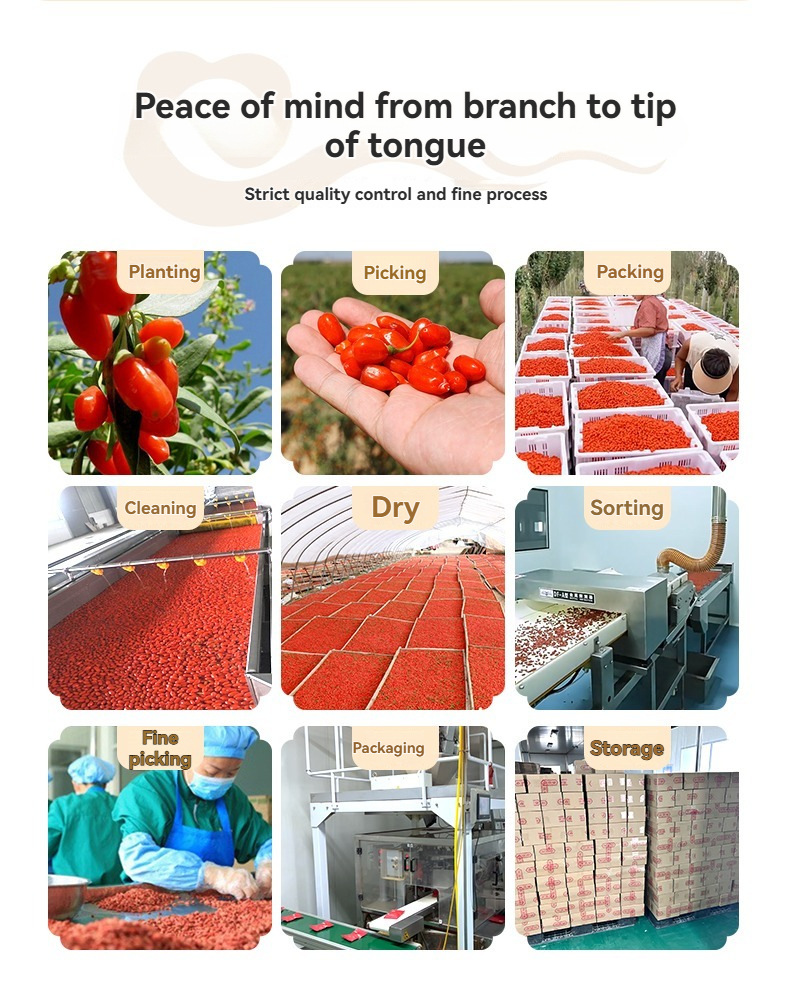
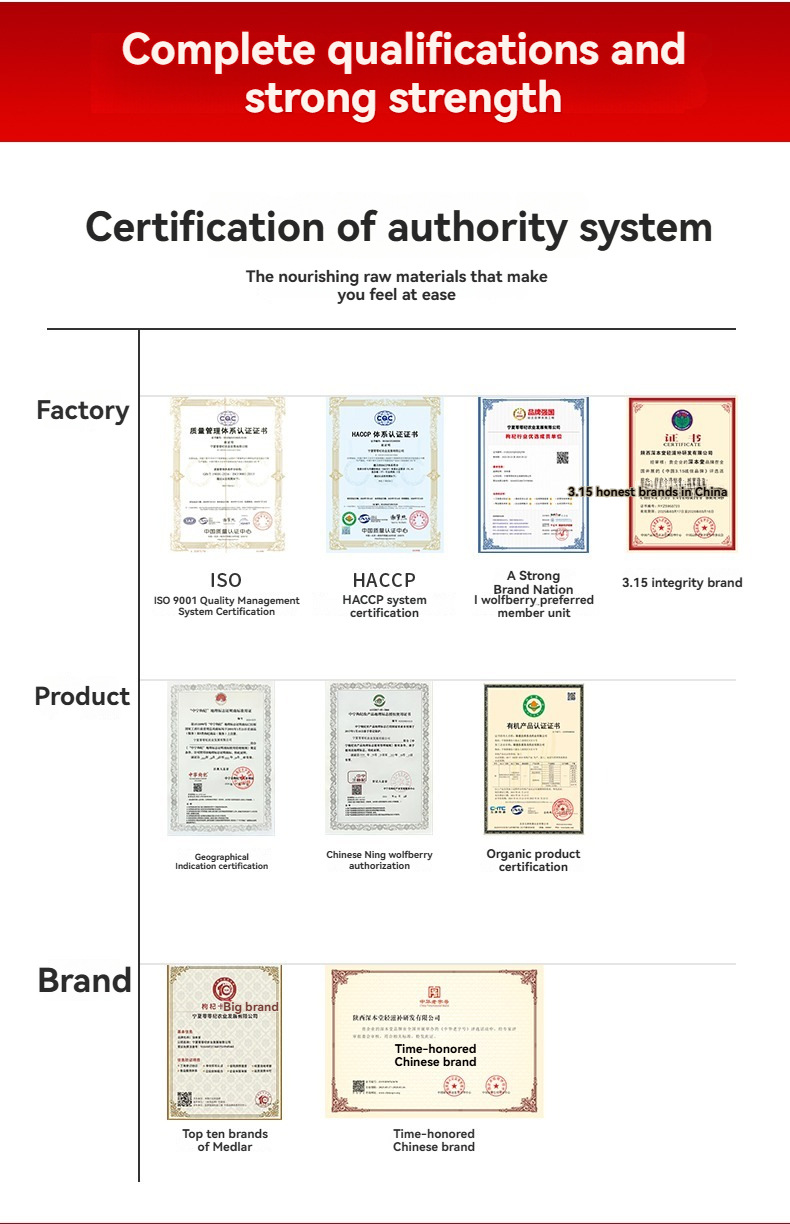
- Premium Grade Ningxia goji berries from Ningxia, China
- Dried ripe fruit of Lycium barbarum
- Sweet neutral herb in TCM entering liver and kidney channels
- Dried by sun and oven methods for stable shelf life
- Ready to eat as a snack or add to teas soups and congee
Quality & Sensory
These goji berries are typically bright red to deep orange-red, with a slightly wrinkled surface and soft chewy texture. They have a mild sweet aroma and a naturally sweet, slightly tart taste. When brewed or cooked, they soften and impart a gentle sweetness to teas, soups, and congee.
Technical Specifications
| Product Type | Dried goji berry fruit |
|---|---|
| Chinese Name | 枸杞子 |
| Pinyin | Gou Qi Zi |
| Botanical Name | Lycium barbarum |
| Plant Part | Ripe fruit |
| Net Weight | 258g |
Usage Scenarios
- Eat directly as a daily snack
- Brew in hot water as a simple herbal tea
- Add to soups and stews
- Mix into congee or rice porridge
- Use in baked goods or trail mixes
Traditional Uses
In TCM tradition, Gou Qi Zi is often used in decoctions, teas, soups, and congee to support liver and kidney health. It is commonly paired with chrysanthemum flowers, jujube dates, and Chinese yam. Traditional formulas may include it for eye comfort and vitality, especially during seasonal changes.
FAQ Q&A
Q: What is this product?
A: It is dried ripe fruit of Lycium barbarum, known in TCM as Gou Qi Zi (枸杞子), sourced from Ningxia, China.
Q: What is its traditional value?
A: In TCM theory, goji berries are sweet and neutral, entering the liver and kidney channels, and are traditionally used to nourish these organs.
Q: How is it commonly used?
A: It can be eaten directly, brewed as tea, or added to soups and congee. No specific dosage is provided.
Additional information
| Weight | 0.4 kg |
|---|---|
| Dimensions | 15 × 10 × 10 cm |
Related products
-
Taizishen Dried Pseudostellaria Root TCM Herbal Tea and Soup Ingredient 500g Bulk Pack
Price range: $10.28 through $15.63 -
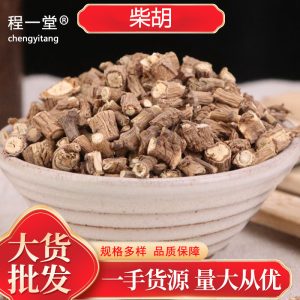
Chai Hu Bupleurum Root Dried Herb 500g Traditional TCM Decoction Herb
Price range: $9.14 through $16.44 -
Dried Ginger Root Gan Jiang 500g Bulk Chinese Herb Zingiber officinale Rhizome for Decoction and Culinary Use
$5.90 -
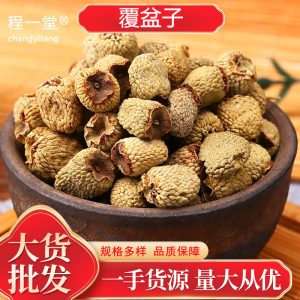
Dried Raspberry Fruit Fu Pen Zi 500g Whole Berries for Herbal Tea and Wine Infusion
Price range: $14.00 through $16.44
Reviews
There are no reviews yet.