
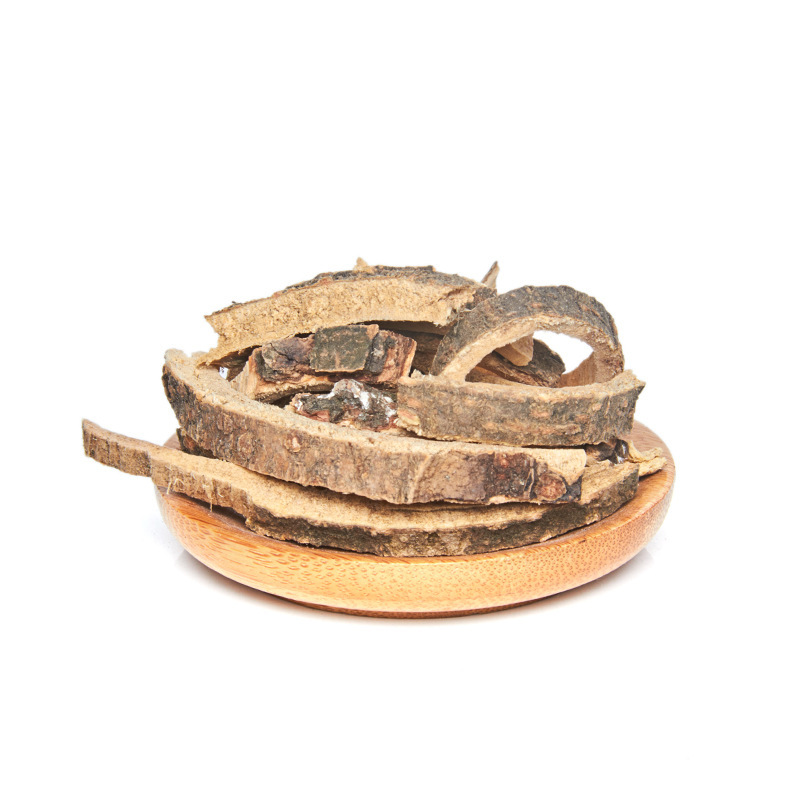
He Huan Pi (Albizia julibrissin Bark) — Dried Silk Tree Bark, 500g Food Herb
$5.58
8929 in stock
Description
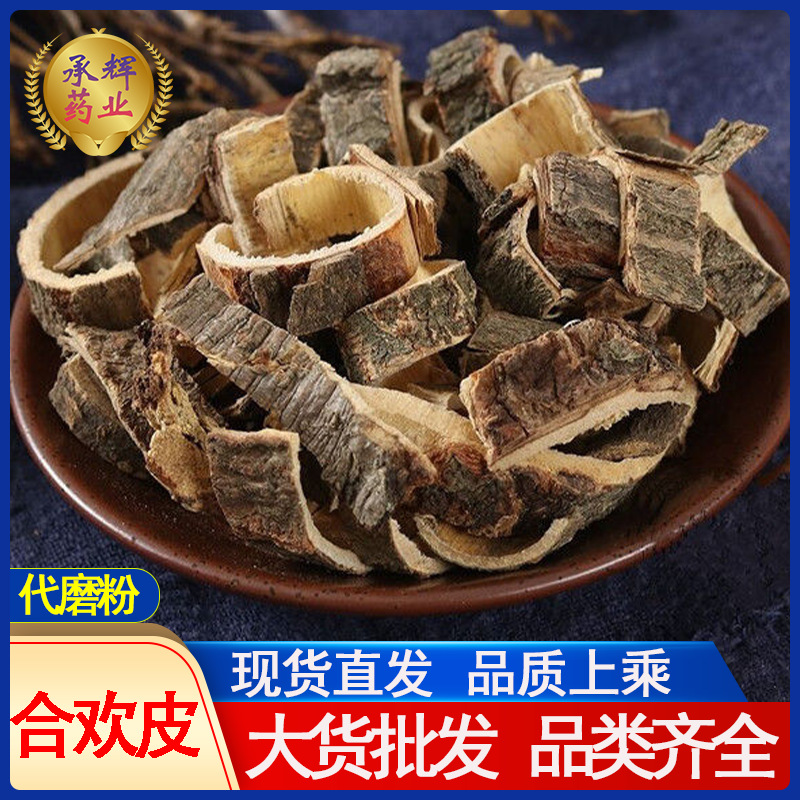
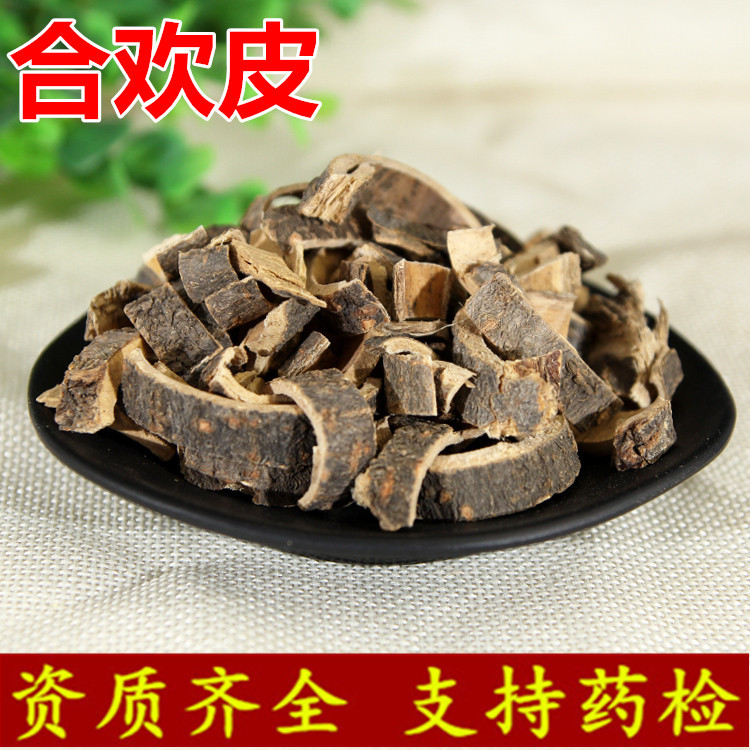
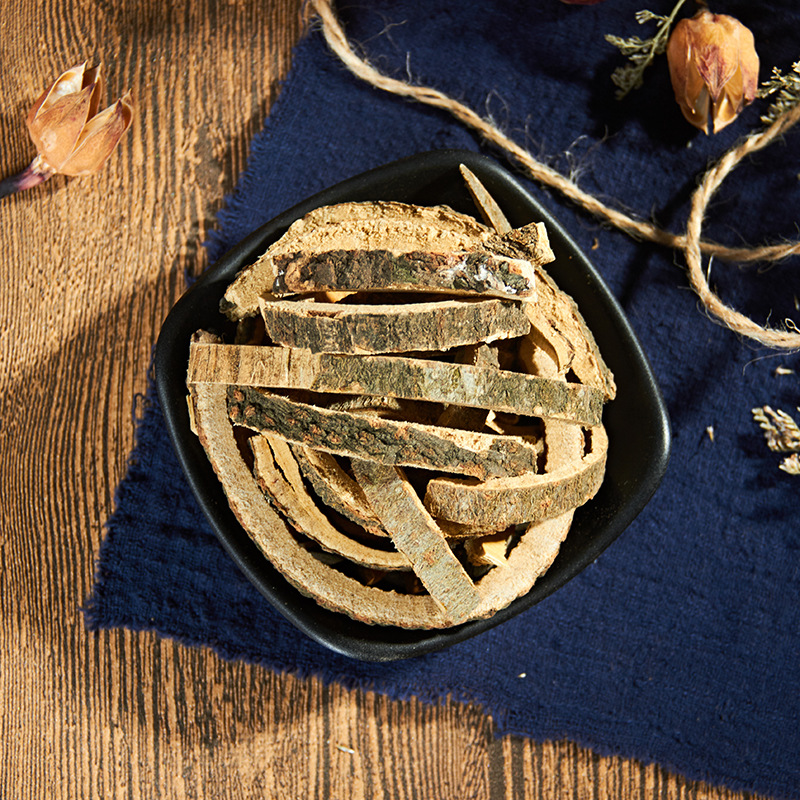
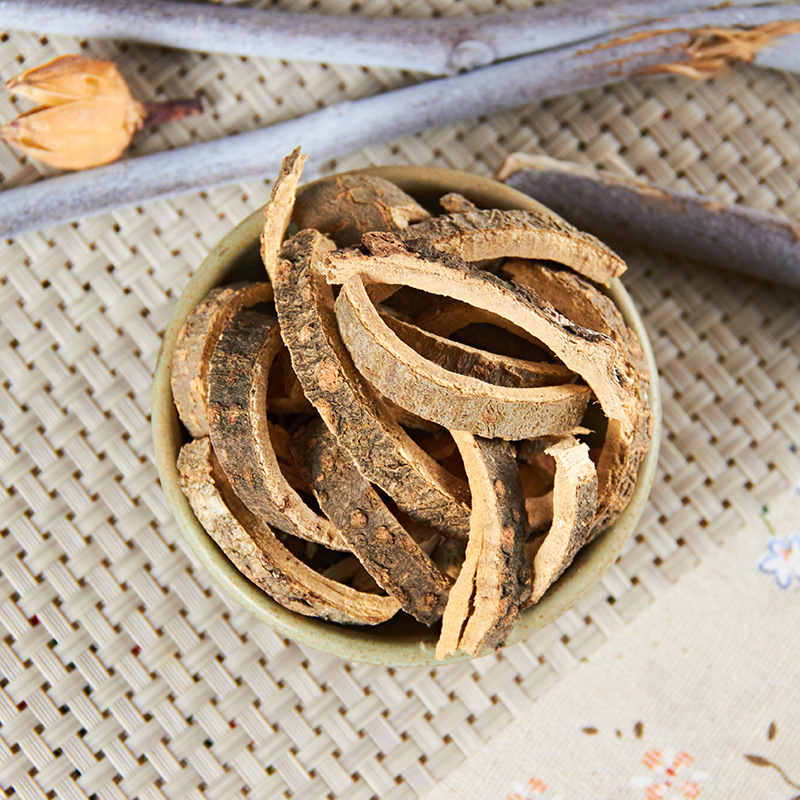
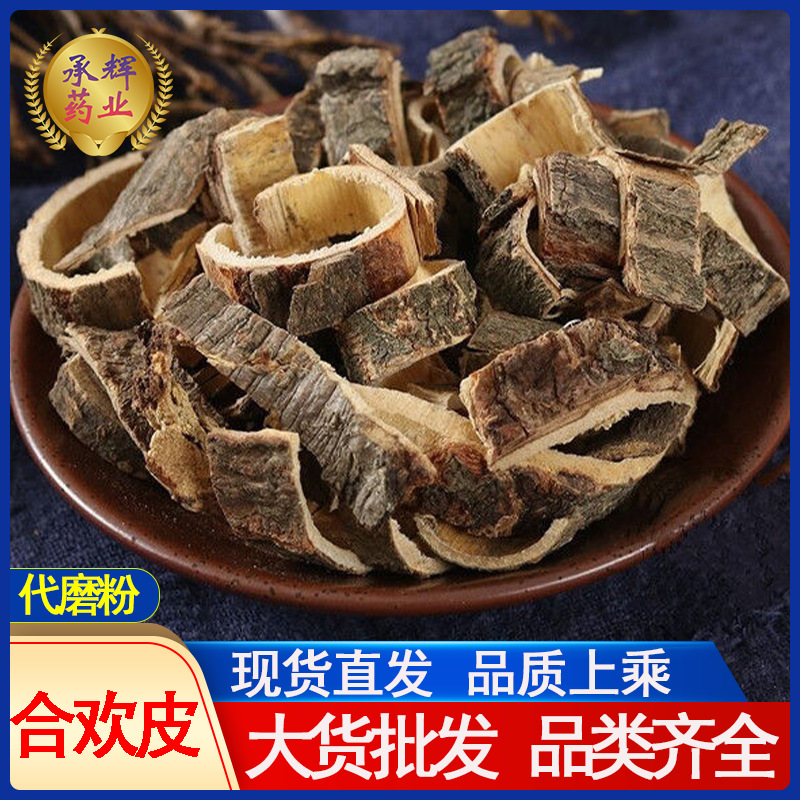
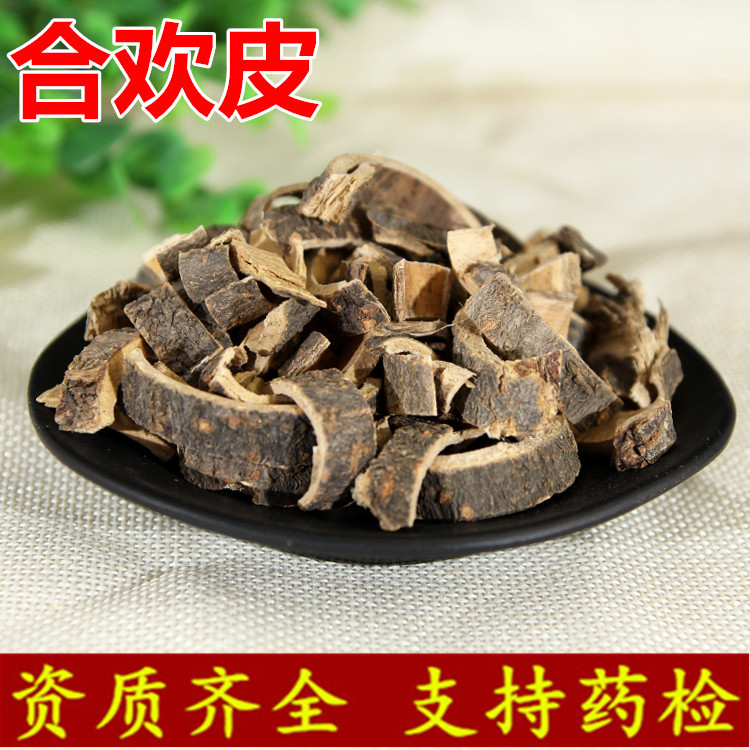
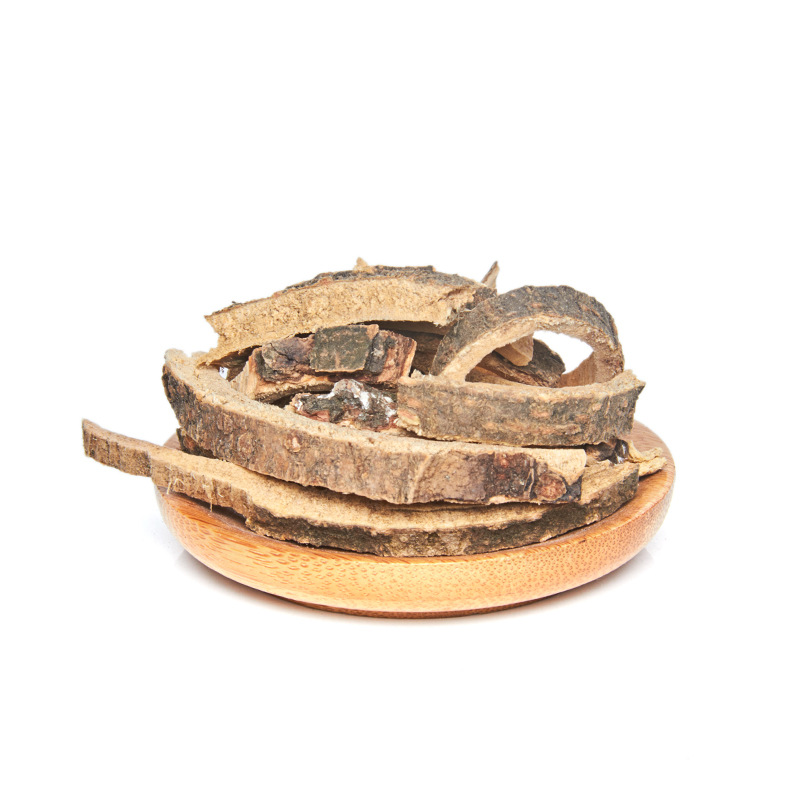
He Huan Pi (Albizia julibrissin) is the dried stem bark of a beloved traditional herb known in Traditional Chinese Medicine (TCM) as Hé Huān Pí (合欢皮), also called Silk Tree Bark or Mimosa Tree Bark. For centuries, He Huan Pi has been prized as a spirit-calming, emotion-harmonizing herb, traditionally used to ease restlessness, unsettle the heart, and smooth the flow of qi and blood. Its nature is sweet and neutral, making it a gentle yet profoundly soothing herb for calming the Shen and harmonizing the Liver.
Key Selling Points
- Traditional spirit-calming food herb
- Dried He Huan Pi stem bark
- Albizia julibrissin
- Suitable for decoction and tea blends
- Clean new-crop quality from Hubei
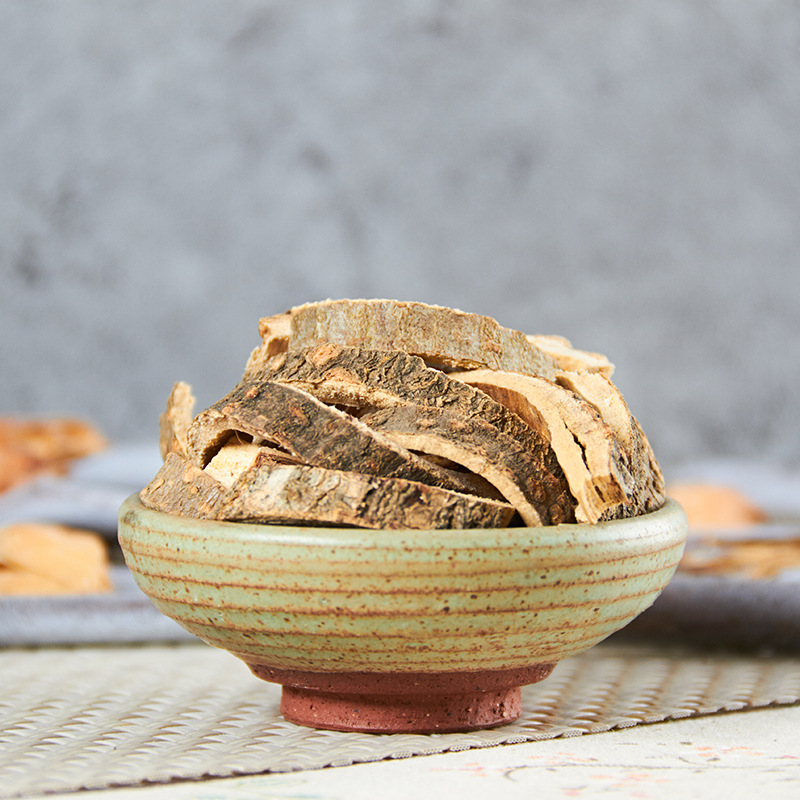
Quality & Sensory
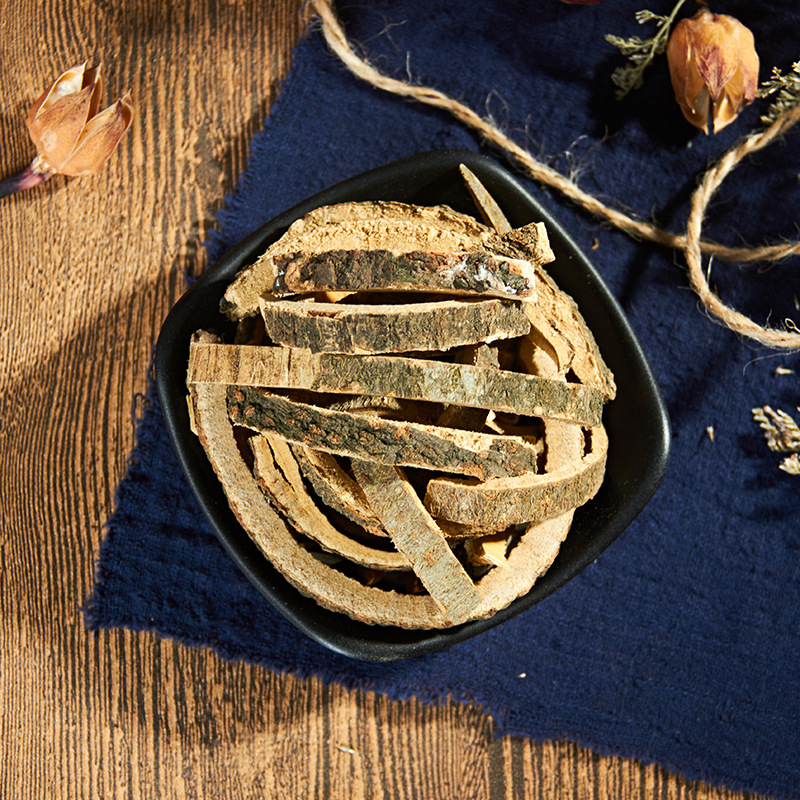
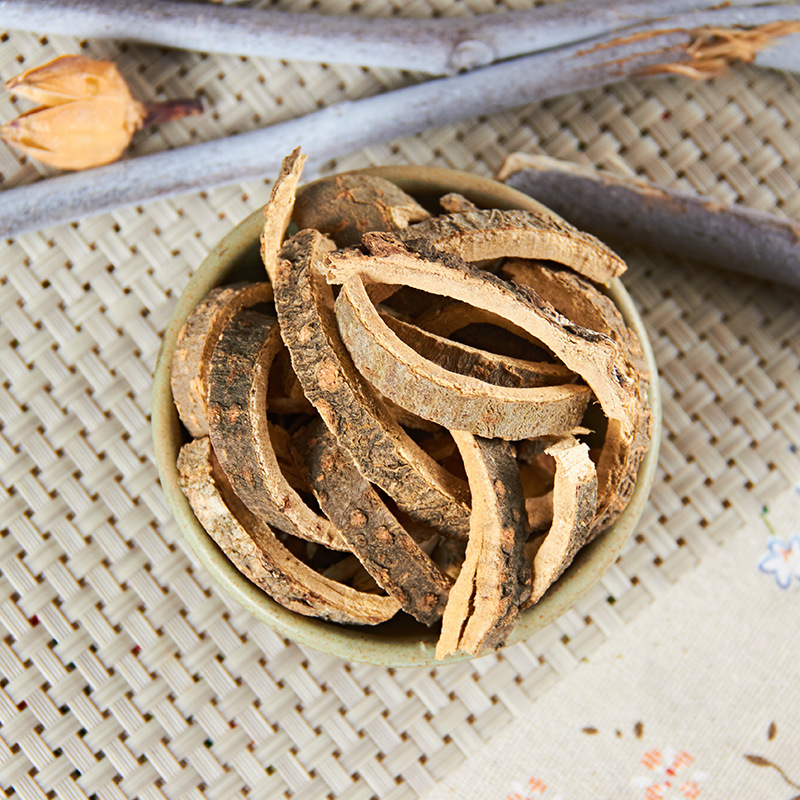
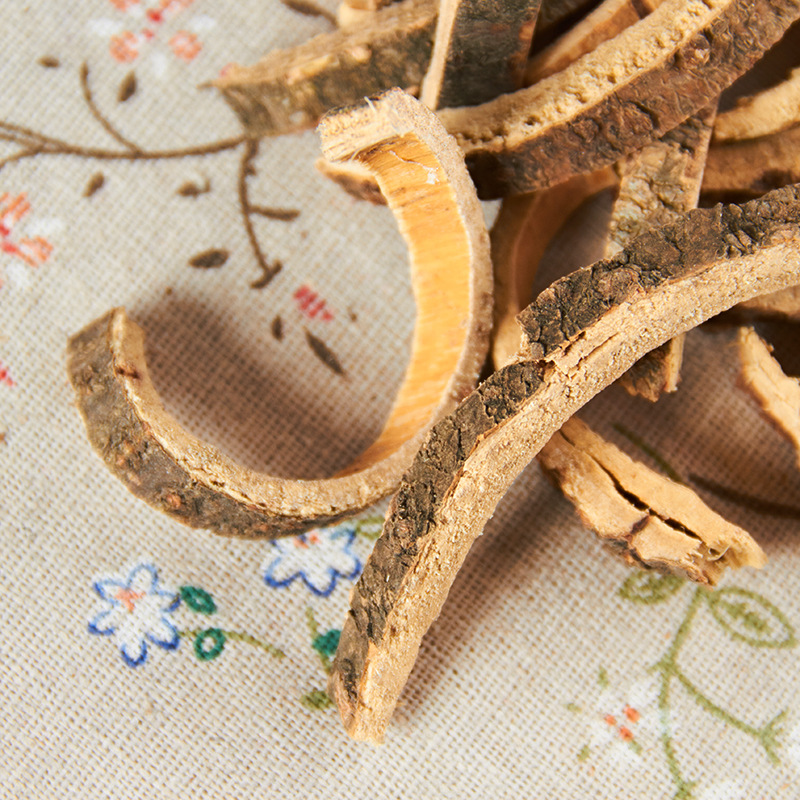
Each batch is carefully dried to preserve its grayish-brown outer bark, fibrous texture, and faint woody aroma. When decocted, the bark releases a mild, slightly sweet and earthy infusion with a gentle, rounded mouthfeel, blending smoothly with other herbs in a formula.
Technical Specifications
| Product Type | Dried Herb Bark |
|---|---|
| Common Name | He Huan Pi |
| Botanical Name | Albizia julibrissin |
| Form | Dried Stem Bark |
| Net Weight | 500g |
| Origin | Hubei, China |
Usage Scenarios
- Herbal decoction blends
- Calming evening tea formulas
- Traditional soup and congee
- Seasonal wellness routines
- Custom herbal powder preparation

Traditional Uses
In folk herbal practice, He Huan Pi is decocted into soothing teas, calming formulas, and evening tonics to harmonize the spirit and ease the heart. It is a common ingredient in traditional blends paired with herbs like Bai Shao, Suan Zao Ren, and Fu Ling. As a daily tea, it is brewed alone or combined with other gentle botanicals for a light, mildly sweet infusion that fits naturally into restful evening rituals.
FAQ Q&A
Q: What is He Huan Pi?
A: He Huan Pi is the common Chinese name for the dried stem bark of Albizia julibrissin, also called Silk Tree Bark or Mimosa Tree Bark. It is a traditional food herb used in decoctions and tea blends.
Q: What is the traditional wellness value of He Huan Pi?
A: In traditional Chinese food wellness culture, He Huan Pi is associated with calming the spirit, harmonizing the emotions, and supporting the smooth flow of qi and blood. It is often used in evening teas and calming formulas for daily nourishment.
Q: How do I use dried He Huan Pi bark?
A: Rinse the bark and simmer it in water as part of a decoction, or brew it in hot water as part of a tea blend. Adjust the quantity to your recipe and taste preference.
Additional information
| Weight | 1 kg |
|---|---|
| Dimensions | 25 × 18 × 8 cm |
Related products
-
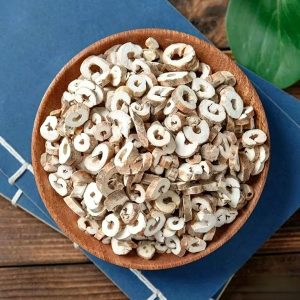
Mu Dan Pi Slices (Moutan Cortex) — Unsmoked Dan Pi Root Bark for Cooking & Tea
Price range: $4.61 through $11.57 -
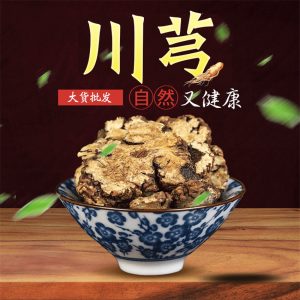
Chuan Xiong Slices (Ligusticum chuanxiong) — Sichuan Sun-Dried Rhizome Pieces, 500g
Price range: $4.44 through $6.06 -
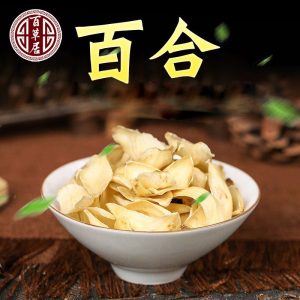
Bai He Dried Lily Bulb (Lilium lancifolium) — Sulfur-Free Hunan Lily for Tea, Soup & Congee
$11.25 -
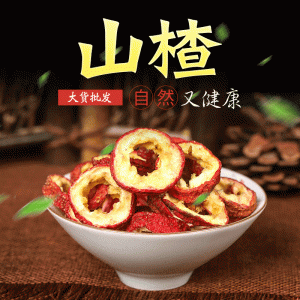
Shan Zha Slices (Crataegus pinnatifida) — Pitted Dried Hawthorn for Sour Plum Soup & Tea
Price range: $4.12 through $5.74
Reviews
There are no reviews yet.